Home Blog

AI as a Research Tool 

This post is the third section of a 3 part series, created by members of the Mayor’s Youth Council, featuring discussions and ideas regarding the upcoming technologies of AI used in academic settings. 

Introduction: What can we do? 

So what can we do to combat these issues with AI? Despite the negative drawbacks, AI will continue to be a prevalent and upcoming technology that when used correctly, benefits society as a whole positively. Here are some ideas on how students can properly use AI tools for academic purposes. As Artificial Intelligence becomes an increasingly more pressing topic in our society, it is crucial that we all take steps to learn how to use it effectively and in a way that helps us, rather than harms us. One means of using AI in a responsible and ethical manner is through the usage of AI research tools. There are a number of research tools that can aid you in completing tasks more effectively and efficiently, while still ensuring that you are getting something valuable out of the experience. What are these tools? 

Research Rabbit

The first AI research tool we will explore is ResearchRabbit. ResearchRabbit is a site which creates collections of papers for you on a topic that you provide it with. It then takes these collections of research papers and visually maps out connections between them which helps users to see the whole topic in a broad light and better comprehend the more complicated aspects of it. Many people in recent years have identified ResearchRabbit as the “spotify for research papers” due to its ability to sort everything out and present you with a condensed, yet useful list. 

Consensus

Another research tool is Consensus. This tool can search for and through scholarly sources that are reputable which can help you in academic research across various fields. By searching through these sources, users are able to easily extract complex information from papers that can sometimes be difficult to find or decipher when they are buried in research and statistics that may be irrelevant to the user at that time. Based on these credible sources and scientific evidence, Consensus can also help to provide clear answers to more advanced questions of users. 

Undermine

Next, Undermine is an AI research tool that uses academic databases to find relevant papers in response to difficult questions that users can pose. It puts together these relevant papers and creates a report which contains factual information to help users make and enhance connections between a variety of subtopics relating to their research. Consensus is also known for its astounding ability to provide immediate access to the accurate, important, and most relevant information. 

Elicit

Last but not least, Elicit is a tool which uses a screening process to automatically gather data from thousands of sources. When a question is asked, it does not need to be overly specific as Elicit finds answers with neutral language, allowing for a variety of information to be analyzed, rather than restricting the scope of the research and data. After screening these sources, the program takes key information and transfers it into tables in order to streamline the analysis process. 

Overall, AI is a resource that can be extremely beneficial to everyone in society if it is used correctly. By looking into and perhaps taking full advantage of some of the above research tools, one can use artificial intelligence as a real tool that elevates their learning experience, rather than deteriorating it. 

Sources Used:

https://www.researchrabbit.ai/

https://consensus.app/ 

https://elicit.com/

https://www.undermind.ai/

Ethics of AI Usage

This post is the second section of a 3 part series, created by members of the Mayor’s Youth Council, featuring discussions and ideas regarding the upcoming technologies of AI used in academic settings. 

Introduction: Why is it Important to Regard the Ethics of AI Usage?

With issues around AI such as job loss of individuals as well as over-reliance on AI tools in academic settings, how does this affect society as a whole? It is inevitable that AI tools such as generative AI, artificial general intelligence, and artificial narrow intelligence assist us in our daily lives, whether through studying, brainstorming, or working. Whether affecting the environment, user data and privacy, or even the created bias through shallow level AI training, it is important that users are informed about the decisions they make regarding AI usage. 

The Environment 

To work, generative AI models require building and training, requiring the use of significant amounts of energy, contributing to carbon emissions. Additionally, the use of AI requires significant amounts of water for cooling. Powerful AI chips generate great amounts of heat, and require cooling. To cool AI data centers, water is used in cooling towers, and evaporates during the process, making it not able to be reused. According to studies, a single AI prompt (depending on model, prompt length, server efficiency) consumes small amounts of water between 0.26 – 500 mL. However, when tech giants such as Google report staggering amounts of up to 5 billion searches per year, the small amounts of water slowly add up. Although researchers as well as companies are finding ways to make AI more viable for the future, it is important for you as the user to consider whether the use of AI is worth the environmental impact, and whether you can use tools as efficiently as you can.

The Use of AI – Data / Privacy

When using AI tools, it is important to think about how the information you submit to the AI, whether on purpose or not, can infringe on user privacy. AI is trained through the use of data whether being copyright-protected material, or licensed materials with rights the user has acquired (or needs to be acquired)  

By submitting content to AI platforms, the user essentially grants the AI tool the right to reuse, and distribute the content, which may be a breach of copyright, and privacy for the original owners of the content. Similar to other digital tools such as Microsoft 365, or Google Workspace, generative AI stores and collects data about users based on the inputted information. Signing in and making an account with AI tools such as ChatGPT allows the companies to collect personal information relevant to the user, used to make changes to tools to keep the user engaged, using the tools. User data stored within AI tools may also be sold, or granted to third parties for marketing purposes. To ensure user privacy, users should exercise caution when giving sensitive information to AI tools. 

Bias Within AI

Bias within the model training can create one-sided generated information. If the training data used to instruct the AI is biased, or the model design is not designed to respond to diverse inputs, the AI model may produce biased information. Optimization techniques used when training AI tools may favour popular predictions over minority views. If the data collection used to train the AI favours a particular view on topics that are not diverse, resulting generated information will reflect the biases the AI was trained with. 

Questions to think about when I use generative AI: 

  • How can I be sure that the information presented to me is reliable, and credible? 
  • How can I address the possible bias towards one factor in the information I generated? 
  • How can the information I shared with AI be used and stored after the generation of content? 

Despite the many drawbacks brought up by this article, AI has the potential to greatly influence and positively affect society. The next article, “AI as a Research Tool” will cover the frequently asked question: So what can I do about it? 

Sources

https://professional.dce.harvard.edu/blog/ethics-in-ai-why-it-matters/#The-Importance-of-AI-Ethics

https://katiecouric.com/news/how-much-water-does-chatgpt-use/

https://searchengineland.com/google-5-trillion-searches-per-year-452928

https://guides.library.ualberta.ca/generative-ai/ethics

https://www.chapman.edu/ai/bias-in-ai.aspx

Issues Around AI Usage 

This post is the first section of a 3 part series, created by members of the Mayor’s Youth Council featuring discussions and ideas regarding the upcoming technologies of AI used in academic settings. 

Introduction: Everyone’s obsessed with what AI can do. However, we’re not talking enough about what it’s quietly getting wrong.

Here’s something I’ve noticed, the loudest voices about AI are almost always either total believers or total skeptics. The believers want you to know it’s going to cure cancer and write your emails. The skeptics want you to know it’s coming for your job and your soul. Both camps are kind of exhausting.

The more interesting conversation is the one I think we actually need, lives in the messy middle. AI is already embedded in how we work, how we learn, how we get information. And it comes with some genuinely serious problems that tend to get glossed over in the hype. So let’s actually talk about them.

It Carries Our Biases

One of the most persistent myths about AI is that it’s neutral because it’s mathematical. It’s not. AI learns from data, enormous amounts of it, and that data was created by humans, in a world full of historical inequalities. So when a hiring algorithm trained on decades of biased hiring decisions continues to favor certain demographics, that’s not a glitch. That’s the system working exactly as designed, just reflecting patterns it was taught.

USC Annenberg has written extensively on this, and the picture isn’t pretty. The good news is that researchers are actively working on it. MIT recently published work on a technique that identifies and removes the specific training data points driving biased predictions, rather than trying to patch over the problem after the fact. But “researchers are working on it” and “the problem is solved” are very different things.

Jobs Aren’t Disappearing Overnight, But They Are Changing

The “AI will take all our jobs” headline gets clicks, but the reality is more gradual and arguably more complicated. What’s actually happening is that certain tasks, especially repetitive, predictable ones in retail, customer service, and logistics are being automated at a pace that workers and institutions aren’t fully prepared for.

This doesn’t mean mass unemployment is inevitable. New technologies have historically created new categories of work. But that transition has never been frictionless, and the people most affected are rarely the ones best positioned to pivot. That’s worth taking seriously, not dismissing.

Your Data Is The Product

To function well, AI systems need data. Lots of it. Your search history, your browsing habits, your voice assistant conversations, all of it feeds the machine. Most people click “agree” on privacy policies without reading them (no judgment, they’re designed to be unreadable), and end up with very little understanding of what they’ve handed over.

This isn’t paranoia, it’s a documented, structural issue with how most consumer AI products are built. If you’re not paying for the product, the product is often your attention and your data. That’s not new, but AI makes the data collection more sophisticated and the stakes higher.

Overreliance Is A Real Thing

This one doesn’t get enough attention. A BYU study found that the reasons people are reluctant to use AI aren’t really about sci-fi fears, they’re grounded concerns about trust, accuracy, and losing the human element in things that matter. And honestly? Those instincts are valid.

There’s solid research showing that people regularly trust AI outputs over their own judgment, even when the AI is wrong. The concern isn’t just that AI makes mistakes, it’s that when people outsource their thinking to it, they often stop noticing when it does. That’s a real risk in high-stakes situations: health decisions, legal questions, anything where being wrong has serious consequences.

As the BYU researchers put it plainly, AI can be a crutch that replaces actual learning rather than supporting it. Using it well means staying in the driver’s seat, not handing over the wheel.

So What Do We Actually Do About It?

I’m not going to end this with “AI is bad, log off forever.” That’s not realistic, and it’s not even the right conclusion. The goal is to use these tools in a way that keeps you thinking, and to push the people building them to do better.

Practical things worth doing:

  • Stay skeptical of outputs. Double-check anything important, especially health, legal, or financial information. AI confidently states wrong things.
  • Look at privacy policies. At minimum, know what data an AI tool collects and whether it shares it. Avoid putting sensitive personal information into tools you don’t trust.
  • Choose transparent tools. Support companies that are open about how their models are trained and what they’re doing to address bias. 
  • Keep thinking for yourself. Use AI as a starting point or a sounding board, not as the final word. Your judgment still matters!
  • Ask questions in your community. When AI is being used in your school, workplace, or local government, it’s reasonable to ask how, and who’s responsible when it goes wrong.

None of this requires being an AI expert. It mostly requires the same critical thinking we should apply to any powerful, widely-adopted technology. The fact that AI feels impressive doesn’t mean it deserves unconditional trust.

The potential here is real. So are the problems! Holding both of those things at once, without collapsing into either hype or panic is probably the most useful place to stand. With these ideas in mind, the next installment, “Ethics of AI Usage” will cover how AI use on small levels can greatly affect society as a whole. 

Sources 

https://annenberg.usc.edu/research/center-public-relations/usc-annenberg-relevance-report/ethical-dilemmas-ai

https://news.mit.edu/2024/researchers-reduce-bias-ai-models-while-preserving-improving-accuracy-1211

https://news.mit.edu/2026/smarter-way-to-debias-ai-vision-models-0429

https://www.ksl.com/article/51326296/byu-study-examines-why-people-are-reluctant-to-use-artificial-intelligence

https://annenberg.usc.edu/research/center-public-relations/usc-annenberg-relevance-report/navigating-ethical-minefield-ai

https://www.weforum.org/reports/the-future-of-jobs-report-2025/

https://www.nu.edu/blog/ai-job-statistics/

https://itif.org/publications/2025/12/18/ais-job-impact-gains-outpace-losses/

https://www.kiteworks.com/cybersecurity-risk-management/ai-data-privacy-risks-stanford-index-report-2025/

https://www.americanbar.org/groups/gpsolo/resources/magazine/2025-mar-apr/privacy-risks-ai-your-data-their-knowledge/

https://www.digitalocean.com/resources/articles/ai-and-privacy

https://www.ksl.com/article/51326296/byu-study-examines-why-people-are-reluctant-to-use-artificial-intelligence

/www.pewresearch.org/short-reads/2026/03/12/key-findings-about-how-americans-view-artificial-intelligence/

https://www.pewresearch.org/internet/2025/04/03/how-the-us-public-and-ai-experts-view-artificial-intelligence/

https://www.pewresearch.org/global/2025/10/15/how-people-around-the-world-view-ai/

Studying the Arctic: What the Yukon Glaciers Are Showing Us

The Arctic and northern regions of Canada, especially the Yukon, feel distant from everyday life. The landscapes are vast, quiet, and extreme. Yet they are also some of the most important places for understanding how the planet is changing.

One of the most important areas of study in this region is glaciers. Glaciers are not just large masses of ice. They are records of Earth’s past climate. Layers of snow and ice build up over time and trap information about temperature, snowfall, and atmospheric conditions. Scientists can study these layers to understand what the environment was like hundreds or even thousands of years ago.

In the Yukon, glaciers such as the Kaskawulsh Glacier are closely monitored because they are changing quickly. Many glaciers in the region have been retreating over the past several decades. This is not just a visual change in the landscape. It affects water systems, ecosystems, and communities that depend on meltwater for rivers and lakes.

One major example is when the Kaskawulsh Glacier changed the direction of its meltwater flow. This shift altered river systems that had been stable for a very long time. It showed that glaciers do not only respond to climate change, they can also actively reshape the land around them.

Glacier research connects many different areas of STEM. It involves climate science, geology, hydrology, and environmental science. When ice melts or shifts, it affects more than just the glacier itself. It influences sea levels, wildlife habitats, and freshwater availability far beyond the Arctic.

Working in these regions is not easy. Scientists deal with extreme cold, remote locations, and unpredictable weather. Despite these challenges, the research is important because the Arctic is warming faster than most other parts of the world. This makes it one of the most critical regions for understanding climate change.

What stands out most about studying the Arctic is how connected everything is. Changes in ice in one place can affect ecosystems far away. It shows that the environment is not made up of separate systems but one large interconnected system.

The Arctic may seem far away, but what happens there has effects that reach much further than the north.

The Immortal Jellyfish: How This Tiny Creature Cheats Death

0

There’s a creature smaller than your pinky nail that can live forever. It’s not a vampire or science fiction. It’s a transparent jellyfish called Turritopsis dohrnii, and scientists are still trying to figure out how it keeps cheating death (1).

Meet Earth’s Only Officially Immortal Animal

Most jellyfish live for a few months. They grow from larva to polyp to adult medusa, then die. Simple, right? Not for Turritopsis dohrnii. When this tiny jellyfish, about 5 millimeters across, gets injured, stressed, or starts starving, it doesn’t accept death (3). Instead, it hits the ultimate reset button (2).

The “immortal jellyfish” was first described in 1883, but its incredible life cycle wasn’t discovered until 1992 (2). Since then, it has been found in oceans worldwide, likely hitching rides in ship ballast tanks (1).

How a Jellyfish Hits the Reset Button

A normal jellyfish moves forward through its life stages. Turritopsis dohrnii can go backwards. When its adult form is damaged, stressed, or just old, it transforms back into a polyp, defined as the juvenile, bottom-dwelling stage, and starts its life over again (2).

The process takes about three days. The jellyfish settles on the ocean floor, its tentacles and mouth disappear, and polyp features emerge. The result is a brand-new polyp colony, genetically identical but biologically young again (2).

This isn’t reproduction, but instead personal time travel. A butterfly turning back into a caterpillar (3). And this species can do it repeatedly, theoretically forever (1, 4).

The Secret Ingredient: Transdifferentiation

How does a jellyfish reverse its own life? The answer lies in transdifferentiation (1). In most animals, cells have fixed roles. A skin cell stays a skin cell. But in Turritopsis dohrnii, cells can change their identity entirely (2).

During reversal, specialized cells from the jellyfish’s body transform into completely different cell types needed for a polyp (2). Researchers have identified several key genes involved, including SIRT3, which is a gene linked to human longevity that spikes during the jellyfish’s transformation (2). The same genes that help this tiny creature cheat death are also found in humans (2).

The Catch (Immortal Doesn’t Mean Invincible)

Before you get too excited, here’s the reality. “Biologically immortal” doesn’t mean “cannot die.” It solely boils down to “does not die of old age.”

In the wild, most Turritopsis dohrnii still get eaten, diseased, or damaged long before they ever revert (1, 5). Thus, the oceans aren’t filling up with immortal jellyfish clones. They’re still tiny, still vulnerable, and still part of the food chain.

What This Means for Human Science

However, scientists aren’t studying the immortal jellyfish just for fun. They want to understand whether the lessons of transdifferentiation could apply to humans (1, 7).

Turritopsis dohrnii has become an important model for aging and regeneration research (4). Its genome has been fully sequenced, revealing over 23,000 genes (4). Researchers have identified genetic networks involved in DNA repair and stress response that are highly active during the jellyfish’s reverse development (2, 6).

Imagine if we could activate similar processes in damaged human tissues. A heart attack destroys heart muscle. What if those cells could be reprogrammed into new, healthy cells? A spinal cord injury severs nerves. What if we could induce transdifferentiation to repair them?

We’re not there yet. The evolutionary distance between jellyfish and humans is vast (7). But the immortal jellyfish offers something invaluable: proof that nature has already solved the puzzle of cellular rejuvenation. Now, we just need to learn its secrets.

What Comes Next

The immortal jellyfish won’t make us immortal. But it might help us live longer, healthier lives by revealing how cells can be reprogrammed and renewed. It’s a reminder that extraordinary discoveries often come in the smallest, most unexpected packages.

Next time you’re near the ocean, take a moment. Somewhere out there, a creature the size of your fingernail is quietly rewriting the rules of life, death, and everything in between.

Sources

[1] “Turritopsis dohrnii (Weismann, 1883)” – GBIF (Global Biodiversity Information Facility)
https://www.gbif.org/species/165761467

[2] “The genetic networks of regeneration, cell plasticity, and longevity of the Immortal Jellyfish Turritopsis dohrnii (Cnidaria, Hydrozoa)” – bioRxiv, 2025
https://www.biorxiv.org/content/10.1101/2025.07.02.660568v1.full

[3] “Science with Dr Karl: Immortal Jellyfish!” – National Geographic Kids, 2016
https://www.natgeokids.com/ie/discover/science/nature/drkarl/

[4] “Genome assembly and transcriptomic analyses of the repeatedly rejuvenating jellyfish Turritopsis dohrnii” – PubMed (NIH), 2023
https://pubmed.ncbi.nlm.nih.gov/36519838/

[5] “Meet the immortal animals that never die” – BBC Wildlife Magazine, 2025
https://www.discoverwildlife.com/animal-facts/insects-invertebrates/is-it-really-true-that-some-animals-live-forever

[6] “Cellular Reprogramming and Immortality: Expression Profiling Reveals Putative Genes Involved in Turritopsis dohrnii’s Life Cycle Reversal” – Genome Biology and Evolution, 2021
https://www.ebi.ac.uk/biostudies/studies/S-EPMC8480191

[7] “Translating lessons from immortal models: Hydra and the immortal jellyfish” – Elsevier, 2025
https://www.elsevier.es/es-revista-revista-espanola-geriatria-gerontologia-124-articulo-translating-lessons-from-immortal-models-S0211139X25000046

The Ultimate Guide to Thrifting

The clothing industry is one of the biggest polluters in the world and has also become one of the industries with the highest number of human rights abuses. With clothing becoming increasingly synthetic and overproduced while simultaneously mistreating workers, the fashion industry has gained a sinister connotation in recent years. The growing demand for low-cost and trendy clothing has resulted in brands choosing to underpay foreign workers and outsource their labour. An example of how harmful this method can be is the 2013 Rana Plaza factory collapse in Bangladesh, which killed over 1,100 garment workers.

Fashion is being produced at an astounding rate, with new trends consistently shifting the global market. However, these trends do not last long enough to be consumed in a sustainable way and often end up in landfills after a year. Just think of the “mob wife” trend, in which cheetah and other animal prints dominated every fashion house. Or think of the “Barbie” trend, in which every fashion company started producing hot pink clothing. We are consuming so much at all times that the environment, our wallets, and small brands cannot keep up.

Additionally, with fast fashion brands becoming more powerful, with Shein and Temu dominating the global market, shopping at alternative brands and investing in sustainable clothing has become increasingly difficult. However, one of the best and most responsible shopping options is not a brand at all, but the magic of thrifting.

I started heavily thrifting my clothing about five years ago, and I can safely say that over half of my closet and most of my favourite pieces are things that I thrifted. Thrifting can often be perceived as wearing people’s dirty old clothes, but in reality, you are able to find quality garments that are timeless if you know where to look.

Create a Vision Board

Thrifting can be very difficult if you have no plan or direction. Before going thrifting, you should create a board of inspiration with garments that match your personal style or would suit your wardrobe. This will make thrifting a million times easier, as you already have outfits in mind and can focus on certain parts of the thrift store, such as skirts or jackets. Knowing what you want and how you would like to style it already makes you more able to properly select pieces.

Do Not Fall for the Low Prices!

Too often, new thrifters immediately buy a bunch of clothes they feel apathetic toward just because they are cheap. In reality, the price should not be the deciding factor in your decision. By buying clothing simply for the sake of buying clothing, you are merely another stop before the landfill, as these garments sit in your closet and do not match your particular style. We want to make sure we are going to use these clothes for a long time. I want to emphasize that overconsuming thrifted clothes is still overconsumption!

Furthermore, if there is a vintage or thrifted piece you really love but it seems expensive for a second-hand shop, think about whether you would truly use that garment. If you really do love something and it fits your personal style, do not be afraid to purchase it. I thrifted a beautiful coat when I was in New York City this year, and it is by far my most-worn coat, despite being expensive when I first purchased it. What truly matters is that you feel you will get a lot of wear out of the garment.

Feel Your Garments and Carefully Inspect Them

Do not be afraid to feel the fabrics of your clothes. Most cheap fabrics are pretty easy to spot. You can also check for holes, stains, and any other anomalies. Additionally, tags can be a great way to identify genuine vintage pieces. Tags that have cute designs or say they were produced in the USA, Mexico, or Europe are usually indicators that they were produced before the 2000s.

If your garments have loose threads, no tags, and a large hem with single stitches using a woven fabric, it is an indicator that the piece is homemade, which, in my opinion, is the ultimate thrift find.

Eventually, if you spend enough time thrifting, you will be able to figure out which fabrics and materials you like and which are worth the price.

The ultimate thrift is hand-me-down clothing. I used to think that hand-me-down clothing was boring, and I always wished I could shop firsthand instead. Today, however, I absolutely love hand-me-downs and looking through my family’s clothes. Go through your family’s things (with their permission, of course), and you will find so many gems. Specifically, if you can go through your grandparents’ wardrobes, I would start there. They most likely have many vintage or unique items.

There are levels to thrifting and different stores that accommodate them differently.

Note: All stores are located in Calgary.

$

The Bins

These are stores that literally have giant bins of clothing for you to rummage through. Nothing is hung up or organized. This is the most difficult level of thrifting, as you have to have a very keen eye and be willing to rummage through all sizes and types of clothing. Make sure to bring hand sanitizer, gloves, your own bags, and music. In Calgary, I only go to one rummage bin location.

Change Is Good

Change Is Good is my absolute favourite boutique because they have so many neat and interesting things at pretty reasonable prices, but their rummage sales are fantastic. They occur monthly at the Calgary Dream Centre, and I have found many genuine vintage pieces that easily could have been resold for over fifty dollars.

$$

Large Chain Thrift Stores and Charity Thrift Stores

These places will have items organized by size and style, and everything will be hung up for you. These places do require some digging because things are not curated beyond a basic level. Be aware of the least busy days and restock days because that is when you will find the best pieces.

Charity thrift stores are, in my opinion, the best because you are supporting a good cause, the pieces are often great finds, and the stores are very quaint. Some of my favourite locations in Calgary include:

17th Ave Thrift

Supports local animal shelters and has many vintage pieces. The only downside is that it is very small, so there is not a large selection.

Change Is Good

I will not stop raving about this place. It is located in Inglewood and is a little boutique that supports the Calgary Dream Centre. It is genuinely so cute, and I have found so many great pieces there. The only thing is that the prices have been steadily increasing recently, so be aware of that.

Humane the Thrift Store

Located in Kensington, this store has many beautiful finds and cute pieces. The only thing is that I personally have not found any vintage clothing there, if that is your interest.

Value Village

This is my favourite chain thrift store in terms of clothing. I have found many great pieces that are focal points in my wardrobe, and they have a massive selection in most stores. However, they are a profit-driven company, so the prices really fluctuate and can be very expensive for what you are buying. The store can also be quite grimy, so be aware of that while shopping.

$$$

Boutique and Consignment Stores

These stores always have gorgeous clothing because somebody is supplying them with already curated collections. The prices are often quite high, given the nature of these stores. However, this can be the easiest level for someone who is just starting to thrift.

I do not want to disparage these stores because, if you are willing to pay the price, they do have really beautiful clothing. The stores are usually pleasant and are more like a typical first-hand store in layout and design.

My personal recommendations are:

Hello Vintage

Located in Inglewood, this store has really nice authentically vintage garments. Some items can be expensive; however, I have found a lot of reasonably priced pieces. The store can get very crowded on weekends, making it difficult to shop, so keep that in mind when deciding when to visit.

The store is also packed with clothing, making it harder to notice pieces you like right away because everything is so tightly arranged. Feel free to take things off the rack, though; that is completely okay.

Peacock

This boutique always has really nice brands and a good store layout with fitting rooms. The only issue is the pricing, as some garments can be excessively expensive.

The Clothing Bar Boutique

This store is great for modern brands. There is lots of Aritzia, Brandy Melville, and Lululemon in stock. They have change rooms and plenty of mirrors as well, making it easier to shop. It can get very busy on weekends, so plan accordingly.

My only major note is that if you are specifically looking for vintage pieces, this is not the place to do it because they mainly sell second-hand modern brands.

The Nines

This store always has some incredible and unique garments. There are plenty of vintage and designer pieces in stock, especially around Stampede. The only major criticisms are the limited selection due to its smaller size and the high prices.

Keep in mind that when you are shopping here, you are getting pieces in almost brand-new condition, so the pricing is not unreasonable given the circumstances. However, it is definitely something to keep in mind.

Overall, some locations I would look into are the Inglewood and Kensington areas in Calgary, as they have a very active and unique thrift scene.

Now, with all of those tools and recommendations, I hope all of you reading this will discover the art of thrifting and find some spectacular pieces.

Happy thrifting!

5 Pieces of Frosting Advice for Beginner Cake Decorating

I’m a home baker, but I’ve made more layer cakes than the average person should and the average family can eat. I am self taught, and my credentials are based on pure experience and baking shows. When I was younger, I loved watching baking shows. The stakes for cake baking were always so high, and frosting seemed like the biggest deal. Food Network, MasterChef, Zumbo’s Just Desserts, and Sugar Rush fostered my genuine fascination for baked goods. Pastries and breads were fun, but cakes really just… took the cake.

Cakes are an art, and half of that art is the decorating. You can have a wonderful tasting cake, but nobody will eat it if it looks unappealing. That’s why “cake decorator” is literally in peoples’ resumes – it’s a niche but incredibly detail-oriented and difficult skill. It’s an edible art!

1. Crumb Coat Or Leave Naked

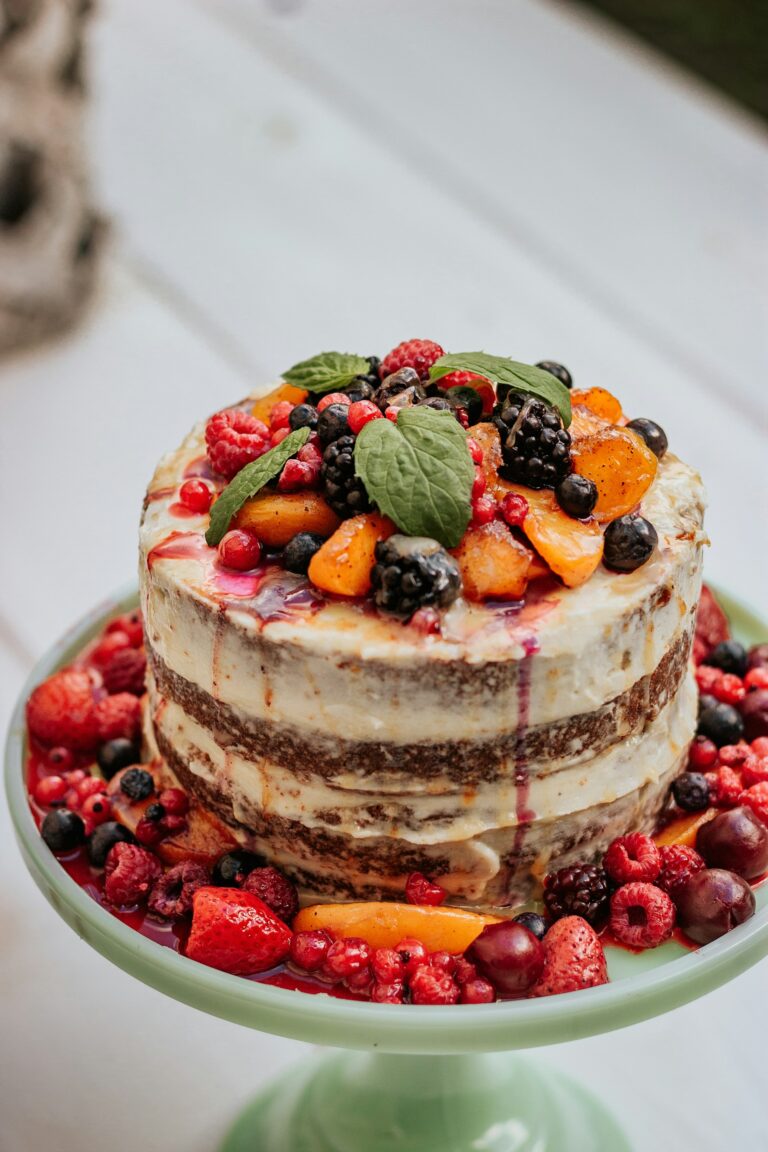
“Naked” cakes sound funny to the average person, but it really just means to leave the sides of the cake unfrosted. This is a perfect alternative to fussing over holes in the icing or uneven spreading. It’s also a good solution for those who just don’t like frosting that much, and works wonderfully for cakes with fresh fruit filling.

If you want to ice the sides of your cake, cover the entire cake with a layer of icing so thin you can see the cake through the icing, and stick it in the fridge for about ten minutes before taking it out to cover with frosting and further decor. This is called a “crumb coat”, and it serves to keep the cake moist and traps the crumbs in. Not only will the shape be easier to maintain, but you will also have crumb-free decorative icing layers.

2. Buttercream Consistency

Too thin and it doesn’t hold any shape. Too thick and buttercream becomes dense and sickly sweet. So what’s the perfect consistency?

Depending on your butter temperature (next tip), your measurements will look different so I won’t bother giving you any measurements. However, a good rule of thumb is to see soft to medium peaks with frosting that doesn’t need to hold shape (crumb coat and main buttercream that covers a cake), but stiff peaks with any kind of decorative frosting.

3. Butter Temperature

To bring (brick) butter to room temperature, take it out and set it on the counter about 1-2 hours before you make the frosting. This typically lines up to the time I set my cakes into the oven.

This is probably one of the most important tips. If the butter is too warm, it will melt when the mixer whips it and your frosting will be runny. If it is too cold, your frosting will not combine properly and you’ll end up with scrambled egg-like separated sugar and butter.

It’s no secret that baking the actual cake part of the cake is a fairly precise science, but frosting also surprisingly precise. Butter has to be at room temperature, and it typically needs to reach room temperature by the time you make the frosting. My lack of patience makes up a large portion of my defining characteristics, and this fussiness for temperature has remained a problem for despite my many attempts to get around it.

Microwaving will melt part of the butter but leave parts of it cold. Using the radiation from a prewarmed microwave will melt the outside but not the inside of the butter brick. Slicing up the butter works if you have really cold hands and won’t melt it by touching it so much, and the extra surface area really doesn’t speed the process up too much.

4. Food Coloring

Try to get gel food coloring instead of the water based kind if possible. Gel food coloring goes a long way, and is very multipurposeful – beyond buttercream, it plays nice with fondant and white chocolate. It also has less of that gross food coloring taste.

5. Too Sweet – Ermine Frosting

A common challenge to making buttercream is balancing the sweetness with the structure. American buttercream often turns out too sweet, and meringue buttercreams can be intimidating for people uncomfortable with eating raw egg. Ermine frosting is the perfect alternative – a roux incorporated into sugar and butter helps maintain the structure without adding unnecessary sweetness.

From a Graduating Highschooler: Exam Season Advice

0

Congratulations, you are done with school (kind of)! It’s officially exam break soon, and that just feels like summer break has already started. But don’t pat yourself on the back too soon – we’ve got finals and diplomas coming up. As a graduating Grade 12 in my last exam season, I’d like to offer some study tips and general advice on how to make the best of exam season.

1. Sleeping vs Caffeine

Those who know me are aware of my sleep habits because of how sporadic they tend to be. The timestamps on my messages are very diverse, and I’m aware of each of my friends’ bedtimes because mine often comes later than everyone else. I know my absolute limits and how much caffeine I need when I reach them. But get your sleep during exam season.

Whether it’s for sake of hard work or for sake of salvaging what you can after managing your time poorly, staying up late is typically a bad idea. While a bit of late night studying can be productive, you stop absorbing material when your eyes are half shut and glazed over. Keep it sustainable – pulling an all nighter would be a stupid decision if it means you sleep through the next day and spend the week groggy.

I learned through personal experience that caffeine is not a substitute for sleep. Over time, you will build a tolerance to it and need more just to prop your eyelids open. But if you need a little kick in your step, stick to teas and espressos. Energy drinks are so unhealthy. They also taste rancid and do significant damage on your bank account.

2. How to not-schedule

I’ve historically done pretty well on my exams without scheduling my studying. Scheduling might work for you – if so, fantastic! – but I found that scheduling anally actually took up more of my time than just delving into the material. I also never followed the schedules I set out for myself.

Here’s what I did instead:

  • look back at unit test scores for each unit and prioritized studying difficult ones first
  • prioritized practice problems explained in class and in note packages
  • practice tests and active recall

3. Study Buddy!

My friend group is splendid at deep focus. I find that we actually get so much work done when we are together, and that just makes studying more pleasant because it’s an excuse to hang out.

If your friends distract you though, maybe find an online Youtube Study With Me video. My current favorite Youtuber for this is Sab Yang! You can also try studying in public spaces like cafes and libraries, where there are other people focusing.

Studying with others, when done right, will keep you accountable and focused. Since everyone else is focused, you’re more likely to focus as well. I’ve found it extends my focus stamina and motivates me to be as determined as the students around!

Stories That Stay With You: Book & Movie Recommendations by Asian Authors and Directors

There’s something about media created by Asian authors and directors that just feels different. Maybe it’s the way they portray longing and nostalgia so painfully well, or how they can make the smallest moments feel emotionally devastating. One quiet train scene, one awkward dinner conversation, one look across a crowded room, and suddenly you’re staring at your ceiling at 1 a.m. rethinking your entire existence.

Asian-created books and films have become increasingly popular over the last few years, and honestly, for good reason. Whether it’s romance, fantasy, family drama, or psychological thrillers, there’s always a level of emotional depth that sticks with you long after you finish. If you’re looking for something new to read or watch, here’s a list of books and movies by Asian authors and directors that are genuinely worth checking out.

Books

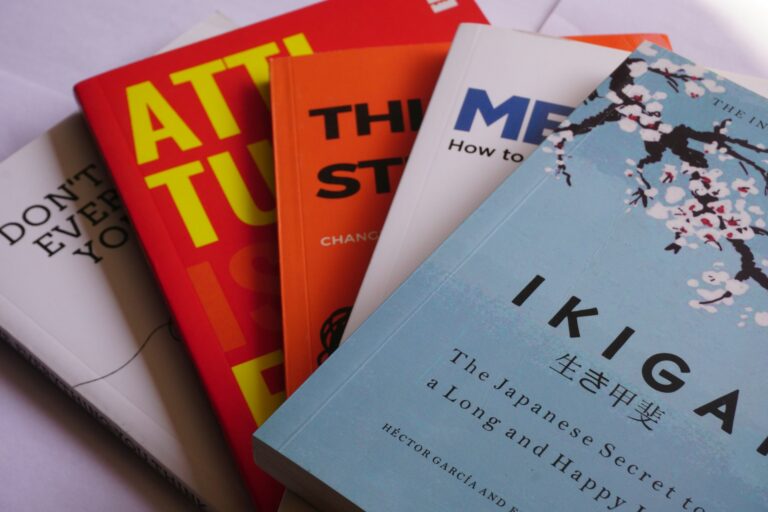
I Hope This Doesn’t Find You — by Ann Liang

If you’ve ever written an angry draft message and thanked God you didn’t send it, this book will probably stress you out immediately. The story follows a girl who writes brutally honest emails she never plans on sending… until they accidentally get leaked. It’s awkward, funny, chaotic, and honestly a little too relatable. Ann Liang has a way of writing characters that feel painfully real, especially when it comes to academic pressure, overthinking, and embarrassing yourself in front of people you like.

This Time It’s Real — by Ann Liang

Fake dating, a C-drama actor love interest, and a main character who has absolutely no idea what she’s doing emotionally? Immediate success. This book is probably one of the cutest YA romances I’ve read in a while, but it also has a surprising amount of depth underneath all the humour. The writing feels very warm and comforting, like watching your favourite drama late at night instead of sleeping responsibly.

Babel — by R. F. Kuang

This book genuinely altered my brain chemistry a little. Babel mixes fantasy, language, history, colonialism, and academia into one story that somehow feels both incredibly intelligent and emotionally crushing. It’s one of those books where you stop every couple pages just to process what you read. If you like dark academia or stories that make you think way too hard about society afterward, this is definitely worth reading.

Pachinko — by Min Jin Lee

This is one of those books that feels quiet but somehow emotionally destroys you anyway. It follows multiple generations of a Korean family living in Japan, and the storytelling is absolutely beautiful. The characters feel incredibly human, and even the smallest moments carry so much weight. It’s the kind of book that reminds you how powerful survival and resilience can be.

Almond — by Won-pyung Sohn

Almond is strange, emotional, and weirdly comforting all at once. The main character has difficulty feeling emotions due to a neurological condition, and the story explores loneliness, friendship, and connection in a really unique way. It’s also a fairly short read, but somehow manages to leave a massive emotional impact by the end.

Movies

Past Lives — directed by Celine Song

I don’t think I’ve ever watched a movie that captured yearning this well. Past Lives follows two childhood friends reconnecting years later, but it’s really about timing, identity, and wondering what your life could have looked like if things had gone differently. The movie is quiet and subtle, but somehow every scene hurts emotionally.

Parasite — directed by Bong Joon-ho

At this point, Parasite is basically required viewing. It starts off almost funny and slowly becomes more intense and unsettling until everything completely spirals. The social commentary is incredibly sharp, and every single detail in the film feels intentional. There’s a reason it became such a global success.

In the Mood for Love — directed by Wong Kar-wai

This movie feels less like a film and more like an emotion. Everything about it — the music, the lighting, the slow-motion scenes — is absolutely gorgeous. It’s romantic without really being romantic at all, and somehow manages to make silence feel louder than dialogue. Watching it honestly feels like remembering a memory you never actually experienced.

Everything Everywhere All at Once — directed by Daniel Kwan and Daniel Scheinert

Trying to explain this movie sounds insane because technically it includes alternate universes, taxes, existential crises, hot dog fingers, and rocks with googly eyes. But underneath all the chaos, it’s really a story about family, generational trauma, and finding meaning in life even when everything feels overwhelming. Somehow it’s both completely ridiculous and deeply emotional at the same time.

Your Name — directed by Makoto Shinkai

Even if you don’t usually watch anime movies, I’d still recommend Your Name. The animation is absolutely stunning, and the story balances romance, comedy, and emotional devastation surprisingly well. Also, the soundtrack alone deserves its own paragraph because it genuinely makes every scene hit ten times harder.

Conclusion

There’s a reason books and films by Asian creators continue to resonate with so many people worldwide. Whether it’s through heartbreaking romance, family dynamics, or stories about identity and belonging, these authors and directors have a way of making emotions feel incredibly real. If you’re looking for media that’ll either emotionally heal you or emotionally ruin you for several business days, this list is a pretty good place to start.

Shakespeare’s Systems

Centuries later, William Shakespeare and his works remain prominent influences of English literature in classrooms worldwide, beginning in grade 10 in Canada. Almost anywhere you go, students study Romeo & Juliet, Hamlet, and McBeth, analyzing and interpreting the plays, making this ritual ever evolving and allowing new ideas to emerge with every turn of a page and turn of a decade. 

Across Shakespeare’s works, human beings are repeatedly shown as creators of systems- political, social, and moral- that attempt to impose order on an unstable world. In Romeo & Juliet (the one I’ve had on the mind these past few months), these systems seem to collapse under the weight of human contradiction, suggesting that what is understood as “fate” may instead be the result of structures humans themselves construct and then misinterpret.

Being human means struggling in the middle of imposed order and inherent chaos, where hierarchy is used to satisfy humanity’s need for structure. We are constantly being disproved and confused by the disorder within these complex networks, and the fallout is interpreted as divine fate. 

In Romeo & Juliet, Shakespeare presents humans as inherently unstable, driven by conflicting desires for freedom and order. Hierarchy is shown as a structure we create to control the unpredictability of their own nature, often disguising these systems as divine or natural law. The Great Chain of Being reinforces this idea by presenting social order as something decreed by God, where power and status descend through carefully maintained levels of authority and importance. However, Shakespeare repeatedly suggests that these systems are fragile because they depend on flawed human behavior to sustain them, questioning their legitimacy when they are so easily manipulated and abandoned.

To further that idea, I believe the masquerade scene and the attire accordingly worn symbolize the socially constructed identities enforced through hierarchy. At a certain point, the masks will no longer fit correctly, reflecting the instability of imposed roles when human individuality begins to resist them. Romeo and Juliet’s decision to love each other anyways is an act of personal choice rather than submission to predetermined fate, suggesting that human action, not divine order, shapes the course of events.

Once this moment of disruption occurs, the social order collapses into conflict. Shakespeare does not fully endorse either chaos or control; instead, he questions whether fate truly governs human life at all. Authority itself is performative, maintained through the suppression of humanity’s inherently uncertain and contradictory nature. Beneath systems of hierarchy and order, Shakespeare suggests that all people remain unstable, questioning individuals attempting to impose meaning upon disorder.

Sources: 1, 23

Celebrating Asian Voices Through Literature

Asian Heritage Month is a time to recognize and celebrate the cultures, traditions, and contributions of Asian communities around the world. Literature is one of the most powerful ways to explore these voices because books allow readers to connect with experiences, histories, and perspectives that may be different from their own. By reading these stories, we not only appreciate diverse forms of storytelling, but also gain a deeper understanding of the people and traditions that shape our communities.

1.Jenny Han

Jenny Han is a bestselling Asian American author who is best known for her two young adult novels that focus on family, identity, friendship and romance. She gained huge recognition on the trilogy series To All the Boys I’ve Loved Before. To All the Boys I’ve Loved Before is now adapted as a movie trilogy. Through both the movies and the books, Jenny Han introduces us to Lara Jean, a Korean American teenager navigating love and growing up. Through her writing, Jenny Han celebrates culture in a natural and meaningful way while also showing that Asian characters can be at the center of universal coming-of-age stories enjoyed by readers everywhere.

2. Ann Liang

Ann Liang is a Chinese Australian author known for writing contemporary young adult novels that explore identity, friendship, family expectations, and self-discovery. She is one of my favorite author and her books, This Time It’s Real and If You Could See the Sun, are one of my five star books because she includes relatable characters, emotional storytelling, and blends comedy and romance perfectly. She often includes Asian protagonists and cultural experiences in her stories, helping readers see more diverse voices represented in modern literature. Through her writing, she highlights the pressures many teenagers face while also celebrating individuality, ambition, and cultural identity.

3. Sophia Lee

Sophia Lee is an underrated Asian author who wrote a story on identity and personal growth. Sophia wrote Eliza, from Scratch, I recently just finished the book, and found it a relatable coming of age story. Eliza, the protagonist is trying to find her true self while also trying to balance expectations and relationships. Sophia shares diverse perspectives through the story, sharing some of her culture and traditions with her readers through this story.  Personally, I found the protagonist realistic because the author shows how many young teenagers don’t know much about their cultural background and traditions. Sophia Lee has helped celebrate Asian voices and shows the importance of Asian Heritage.

Conclusion

In conclusion, Asian authors have played an important role in Asian Heritage by sharing diverse stories, cultures, and perspectives that help readers learn and connect with others. Writers such as Jenny Han, Ann Liang, and Sophia Lee create meaningful stories that explore identity, family, friendship, and belonging in young adult literature. Celebrating Asian voices through literature during Asian Heritage Month reminds us of the importance of diversity in storytelling and how books can bring people together through shared experiences and understanding.

The Science Behind Why Music Changes Your Mood

0

Have you ever noticed how one song can completely change the way you feel?

A slow piano piece can make you emotional. A loud upbeat song can suddenly give you energy at the gym. Sometimes a random song comes on and instantly brings back a memory you forgot you even had. Music has a strange way of affecting us without us even realizing it.

Most people think music is just entertainment, but there is actually a lot of science behind why it changes our mood so strongly.

One reason music affects us is because of the brain chemicals it releases. When we listen to music we enjoy, our brain releases dopamine, which is known as the “feel good” chemical. Dopamine is also released when people eat their favorite food, laugh with friends, or accomplish something exciting. This is why listening to your favorite song can make you feel happier almost immediately.

Music also affects heart rate and breathing. Faster songs with strong beats can increase energy levels and make people feel more awake or motivated. Slower music tends to calm the nervous system and lower stress levels. That is why people often listen to calm music while studying, sleeping, or relaxing after a stressful day.

Another interesting reason music changes mood is because it connects strongly to memory. Scientists have found that the brain stores memories alongside emotions and sounds. This is why hearing one song from years ago can instantly remind you of a specific moment, person, or feeling. A song can bring back happiness, sadness, nostalgia, or even confidence depending on the experience attached to it.

Lyrics also play a major role. Sometimes people connect deeply to songs because the words describe emotions they cannot explain themselves. Music can make people feel understood, especially during difficult times. Even without lyrics, instruments alone can communicate emotion through rhythm, tempo, and melody.

What is fascinating is that music affects almost everyone differently. One person might hear a song and feel relaxed, while another person feels emotional because of personal memories connected to it. Our experiences shape how we react to certain sounds and genres.

Today, music is part of everyday life. People listen to it while driving, studying, working out, cleaning, or walking home. It has become more than background noise. For many people, music is a way to escape stress, improve focus, or express emotions they cannot put into words.

In a way, music acts almost like therapy. It can motivate people when they feel tired, comfort them when they feel sad, and help them feel connected during lonely moments. Even though music is made of simple vibrations and sound waves, its effect on the human brain is incredibly powerful.

The next time a song changes your mood in seconds, there is a good chance your brain chemistry, memories, emotions, and body are all reacting together. Music is not just something we hear. It is something we feel.

https://www.bing.com/ck/a?!&&p=3928416bfca425ced540e65ba12fa781c9b8b11cafe1ddc29ac29ce3cfa1adc2JmltdHM9MTc3ODM3MTIwMA&ptn=3&ver=2&hsh=4&fclid=0538e8eb-7730-6d42-09e4-fbf776846c71&u=a1aHR0cHM6Ly93d3cuYXBhLm9yZy9tb25pdG9yLzIwMjYvMDMvc2NpZW5jZS1vZi1tdXNpYw&ntb=1

Understanding Depression

What Is Depression?

Depression is more than just feeling sad for a short time. It is a mental health condition that can affect a person’s thoughts, feelings, energy, and daily life. People with depression may feel hopeless, tired, unmotivated, or lose interest in activities they once enjoyed.

Signs of Depression

Some common symptoms include:

  • Feeling sad or empty most of the time
  • Losing interest in hobbies or activities
  • Changes in sleep or appetite
  • Feeling tired or having low energy
  • Trouble focusing or making decisions
  • Feeling guilty or worthless
  • Anxiety or irritability

Everyone experiences depression differently, and symptoms can vary from person to person.

What Causes Depression?

Depression does not happen because someone is “weak.” Many factors can contribute to depression, including:

  • Stressful life events
  • Genetics and family history
  • Changes in brain function
  • Physical health problems
  • Long-term stress or trauma

Scientists also believe that different parts of the brain involved with emotions, memory, and stress can play a role in depression.

Treatment and Support

Depression is treatable, and many people recover with the right support. Treatment may include:

  • Talking to a therapist or counsellor
  • Medication prescribed by a doctor
  • Healthy habits such as sleep, exercise, and social support
  • Support from family, friends, or community groups

It may take time to find the treatment that works best, and that is completely normal.

Why Mental Health Awareness Matters

Many people with depression feel alone or afraid to ask for help. By learning more about mental health, we can reduce stigma and create a more supportive community for everyone.

If you or someone you know is struggling, reaching out for help is a strong and important step.

Source: [1], [2], [3]

Mental Health Awareness

Mental health matters for everyone whether its a child or an adult. Staying mentally fit brings happiness in life and keeps a person away from diseases such as diabetes, cancer and heart ailments. Being mentally fit is a success mantra for a happy and healthy life, it will also help you be more confident.

Why does mental health awareness matter?

You should want to stay mentally fit because our minds controls a huge part of our lives. From making simple decisions about food choices to more profound decisions like what career we would want to pursue. And to make everything even more complicated we have learned that life can come with its own twists, leaving individuals with to sadness and anxiety.

Having a strong mental health can act as a suspension during these times allowing us to feel the emotions entirely, but not letting us drown in them. Another great reason mental health matters is our confidence. Having a strong mental health can keep you away from feeling insecure and powerless, when mistakes happen allowing you to know that failure doesn’t define you, it helps you grow in the right direction!

How to maintain a mentally fit mind?

To maintain a mentally fit mind, you need to strive for a healthy lifestyle. To have a healthy lifestyle one can try staying physically active through exercises such as walking, aerobics, and etc.

Being physically fit will make you more confident in yourself and it will help remove self-doubt. However exercise is not the only way to stay mentally fit. Finding your jam in yoga or meditation can be equally powerful. As they can help individuals destress and find a sense of inner peace that is often hard to find in times filled with anxiety and worry.

Another way to find mental peace can be through a supportive company, weather that be joining a sports game or finding a cooking club. Finding like minded people who we would have meaningful conversations with can help us release emotions that otherwise we never would have!

At the end of the day its all about building a stronger mental health is all about balance. Its to to say that we will never face problems again but that when we do face them we take them as torches that light the sea not lightning that will burn our boat!

Behind AI: Data Centers Uncovered – Part 1


AI has become a huge part of our lives, whether we use it daily or only occasionally; the world around us is becoming increasingly dependent on it. Despite being surrounded by them, it is easy to overlook the behind-the-scenes of how different AI platforms run. Data centers are the heart of AI, where they not only manage data but also provide a system with all the required tools to run servers, process information, maintain optimal temperatures, and protect information without massive disruptions.

What Are Data Centers:

Unsplash. By Taylor Vick. Published on May 21, 2019

Think of data centers as a huge kitchen pantry that stores all the ingredients required to run software in racks. These storage units contain servers that process information, network equipment that enhances connectivity and cooling systems to avoid overheating. Each data center has a unique design in which they use various cooling systems and structural designs depending on their location. For example, a data center in California will have a greater demand for energy and chillers than a data center in Alberta, considering the naturally cool climate.


How They Work:

Within a single data center, there are several systems working together to support the applications we see on our laptops. Google, Microsoft, Amazon, and many other big companies have data centers that help operate the digital services they provide to customers. In order to understand the function of a data center, we need to understand how it uses energy.

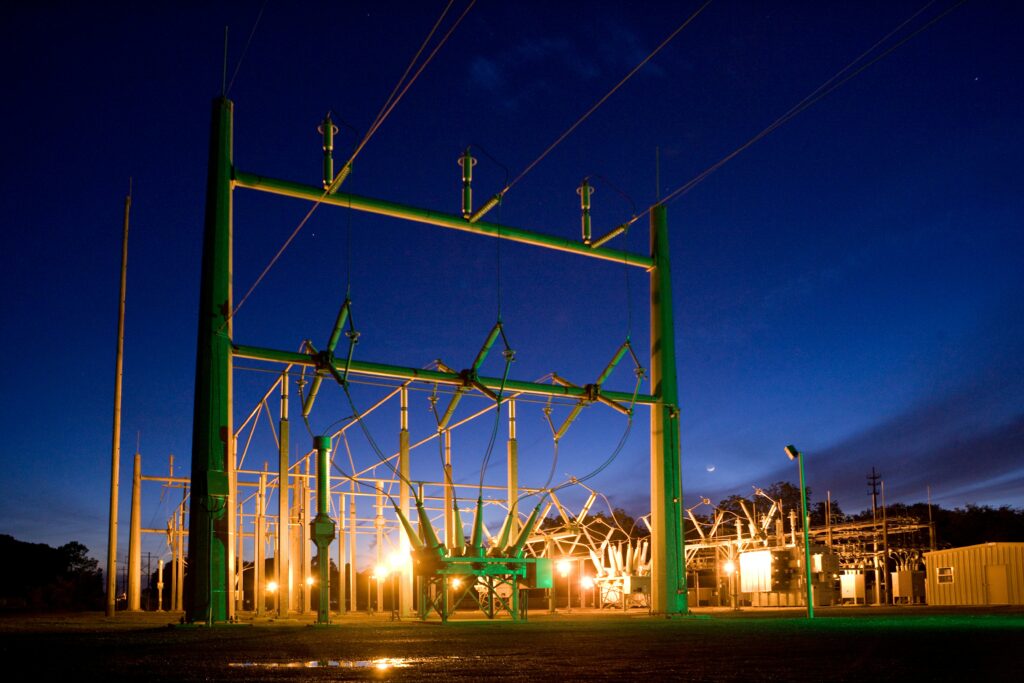
Unsplash. By American Public Power Association. Published on October 30, 2017. Energy

Why Do Data Centers Use So Much Energy?

One major concern surrounding the increase in data centers is the energy usage. One data center, as of 2026, uses between 48 and 72 megawatts (MW) of energy. At the same time, the number represents the daily energy used by roughly 60,000 households!

Despite the large-scale energy usage, most of us forget to understand the complexity of data centers, which leads to such high energy consumption. Each data center has hundreds of servers, which consist of GPUs and CPUs that are responsible for processing and generating responses to our AI prompts.

Beyond computer work, energy is used to power the cooling technologies that prevent overheating in a data center. You may have noticed that after long hours of working on your computer, heat starts to build up beneath the computer. Picture this example on a large scale, where every server generates heaps of heat throughout the day. Since servers are stacked in close-set racks, heat can easily build up and potentially cause fires within the data center.

How Do Data Centers Cool Themselves?

Unsplash. By Đào Hiếu. Published on March 25, 2025

Depending on the resources and constraints of the data center, various cooling methods can be used. For example, a traditional air cooling system uses fans to transfer cold air into the surroundings; this system removes the warm air that rises and allows cold air to enter through the floors. Although this method is effective, it consumes 30-40% of the total electricity within a data center. On the flip side, liquid cooling methods are more efficient at absorbing heat and allowing servers to be densely packed. Unlike air cooling methods, liquid cooling uses less power, which means less energy is used.

Why is this Relevant to Us?

Unsplash. By Immo Wegmann. Published on April 14, 2025

While you may feel like this is a system that doesn’t impact our lives, data centers are a huge part of the tech world. North America alone is home to 48% of the global data centers. As the next generation of leaders, we need to understand how we can improve modern technology and develop sustainable systems in order to maximize the use of AI. So the next time you put a prompt into ChatGPT or Gemini, think about your role in the future of STEM.

If you enjoyed the tech insights, stay tuned for part two!

1,2,3,4,5,6