

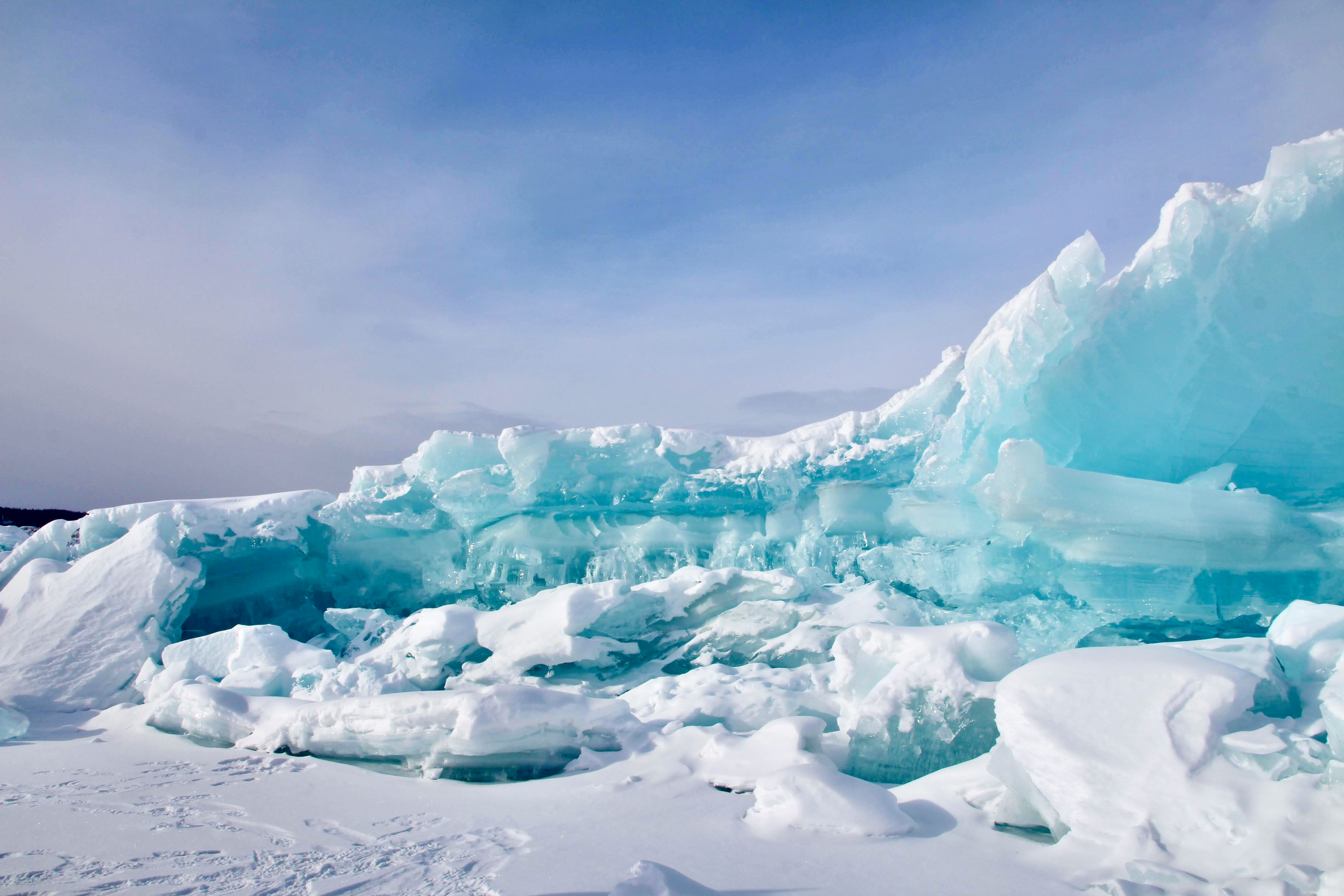
The Arctic and northern regions of Canada, especially the Yukon, feel distant from everyday life. The landscapes are vast, quiet, and extreme. Yet they are also some of the most important places for understanding how the planet is changing.
One of the most important areas of study in this region is glaciers. Glaciers are not just large masses of ice. They are records of Earth’s past climate. Layers of snow and ice build up over time and trap information about temperature, snowfall, and atmospheric conditions. Scientists can study these layers to understand what the environment was like hundreds or even thousands of years ago.
In the Yukon, glaciers such as the Kaskawulsh Glacier are closely monitored because they are changing quickly. Many glaciers in the region have been retreating over the past several decades. This is not just a visual change in the landscape. It affects water systems, ecosystems, and communities that depend on meltwater for rivers and lakes.
One major example is when the Kaskawulsh Glacier changed the direction of its meltwater flow. This shift altered river systems that had been stable for a very long time. It showed that glaciers do not only respond to climate change, they can also actively reshape the land around them.
Glacier research connects many different areas of STEM. It involves climate science, geology, hydrology, and environmental science. When ice melts or shifts, it affects more than just the glacier itself. It influences sea levels, wildlife habitats, and freshwater availability far beyond the Arctic.
Working in these regions is not easy. Scientists deal with extreme cold, remote locations, and unpredictable weather. Despite these challenges, the research is important because the Arctic is warming faster than most other parts of the world. This makes it one of the most critical regions for understanding climate change.
What stands out most about studying the Arctic is how connected everything is. Changes in ice in one place can affect ecosystems far away. It shows that the environment is not made up of separate systems but one large interconnected system.
The Arctic may seem far away, but what happens there has effects that reach much further than the north.