

I’m a home baker, but I’ve made more layer cakes than the average person should and the average family can eat. I am self taught, and my credentials are based on pure experience and baking shows. When I was younger, I loved watching baking shows. The stakes for cake baking were always so high, and frosting seemed like the biggest deal. Food Network, MasterChef, Zumbo’s Just Desserts, and Sugar Rush fostered my genuine fascination for baked goods. Pastries and breads were fun, but cakes really just… took the cake.
Cakes are an art, and half of that art is the decorating. You can have a wonderful tasting cake, but nobody will eat it if it looks unappealing. That’s why “cake decorator” is literally in peoples’ resumes – it’s a niche but incredibly detail-oriented and difficult skill. It’s an edible art!
1. Crumb Coat Or Leave Naked
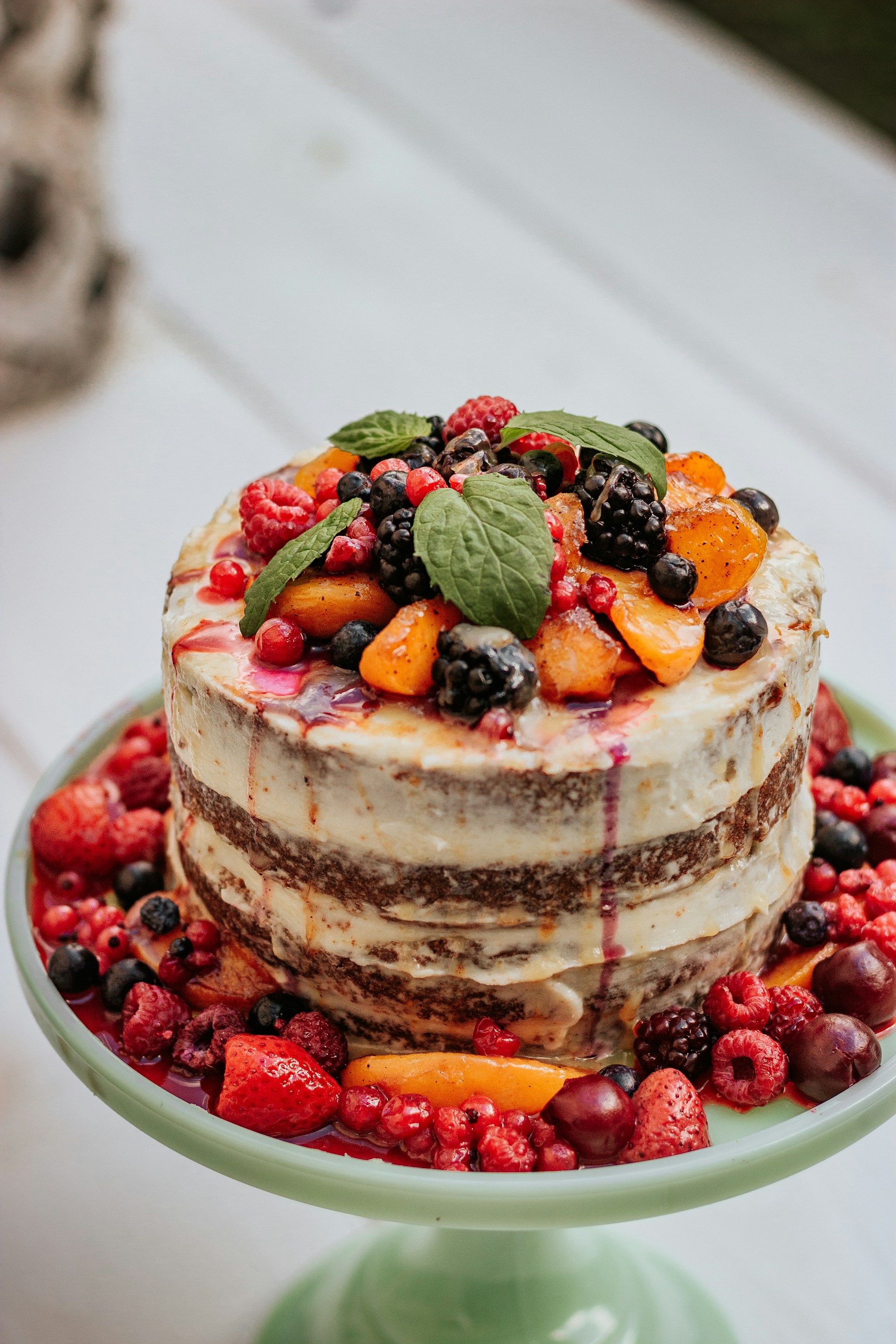
“Naked” cakes sound funny to the average person, but it really just means to leave the sides of the cake unfrosted. This is a perfect alternative to fussing over holes in the icing or uneven spreading. It’s also a good solution for those who just don’t like frosting that much, and works wonderfully for cakes with fresh fruit filling.
If you want to ice the sides of your cake, cover the entire cake with a layer of icing so thin you can see the cake through the icing, and stick it in the fridge for about ten minutes before taking it out to cover with frosting and further decor. This is called a “crumb coat”, and it serves to keep the cake moist and traps the crumbs in. Not only will the shape be easier to maintain, but you will also have crumb-free decorative icing layers.
2. Buttercream Consistency
Too thin and it doesn’t hold any shape. Too thick and buttercream becomes dense and sickly sweet. So what’s the perfect consistency?
Depending on your butter temperature (next tip), your measurements will look different so I won’t bother giving you any measurements. However, a good rule of thumb is to see soft to medium peaks with frosting that doesn’t need to hold shape (crumb coat and main buttercream that covers a cake), but stiff peaks with any kind of decorative frosting.
3. Butter Temperature
To bring (brick) butter to room temperature, take it out and set it on the counter about 1-2 hours before you make the frosting. This typically lines up to the time I set my cakes into the oven.
This is probably one of the most important tips. If the butter is too warm, it will melt when the mixer whips it and your frosting will be runny. If it is too cold, your frosting will not combine properly and you’ll end up with scrambled egg-like separated sugar and butter.
It’s no secret that baking the actual cake part of the cake is a fairly precise science, but frosting also surprisingly precise. Butter has to be at room temperature, and it typically needs to reach room temperature by the time you make the frosting. My lack of patience makes up a large portion of my defining characteristics, and this fussiness for temperature has remained a problem for despite my many attempts to get around it.
Microwaving will melt part of the butter but leave parts of it cold. Using the radiation from a prewarmed microwave will melt the outside but not the inside of the butter brick. Slicing up the butter works if you have really cold hands and won’t melt it by touching it so much, and the extra surface area really doesn’t speed the process up too much.
4. Food Coloring
Try to get gel food coloring instead of the water based kind if possible. Gel food coloring goes a long way, and is very multipurposeful – beyond buttercream, it plays nice with fondant and white chocolate. It also has less of that gross food coloring taste.
5. Too Sweet – Ermine Frosting
A common challenge to making buttercream is balancing the sweetness with the structure. American buttercream often turns out too sweet, and meringue buttercreams can be intimidating for people uncomfortable with eating raw egg. Ermine frosting is the perfect alternative – a roux incorporated into sugar and butter helps maintain the structure without adding unnecessary sweetness.