


AI has become a huge part of our lives, whether we use it daily or only occasionally; the world around us is becoming increasingly dependent on it. Despite being surrounded by them, it is easy to overlook the behind-the-scenes of how different AI platforms run. Data centers are the heart of AI, where they not only manage data but also provide a system with all the required tools to run servers, process information, maintain optimal temperatures, and protect information without massive disruptions.
What Are Data Centers:
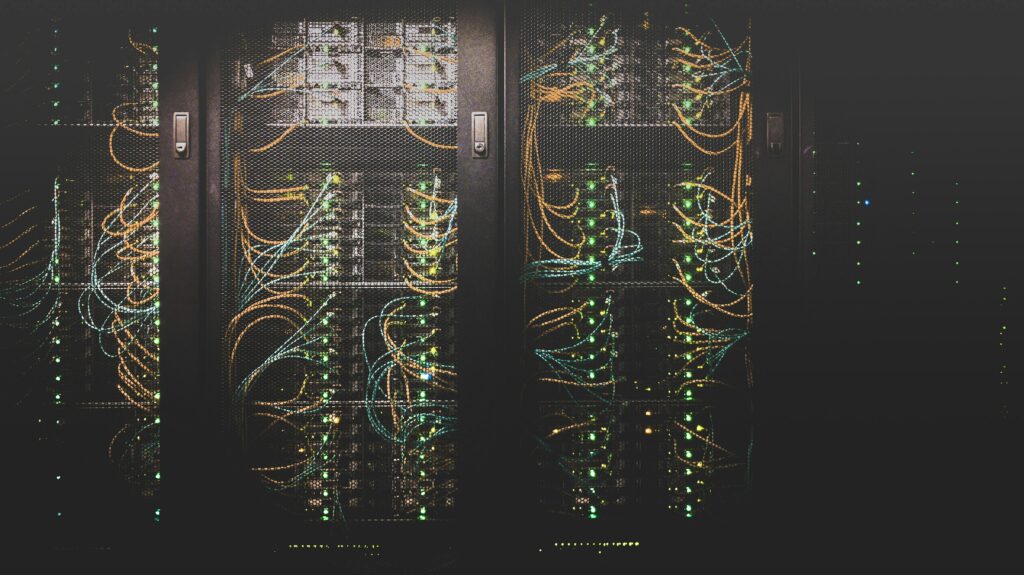
Think of data centers as a huge kitchen pantry that stores all the ingredients required to run software in racks. These storage units contain servers that process information, network equipment that enhances connectivity and cooling systems to avoid overheating. Each data center has a unique design in which they use various cooling systems and structural designs depending on their location. For example, a data center in California will have a greater demand for energy and chillers than a data center in Alberta, considering the naturally cool climate.
How They Work:
Within a single data center, there are several systems working together to support the applications we see on our laptops. Google, Microsoft, Amazon, and many other big companies have data centers that help operate the digital services they provide to customers. In order to understand the function of a data center, we need to understand how it uses energy.
Why Do Data Centers Use So Much Energy?
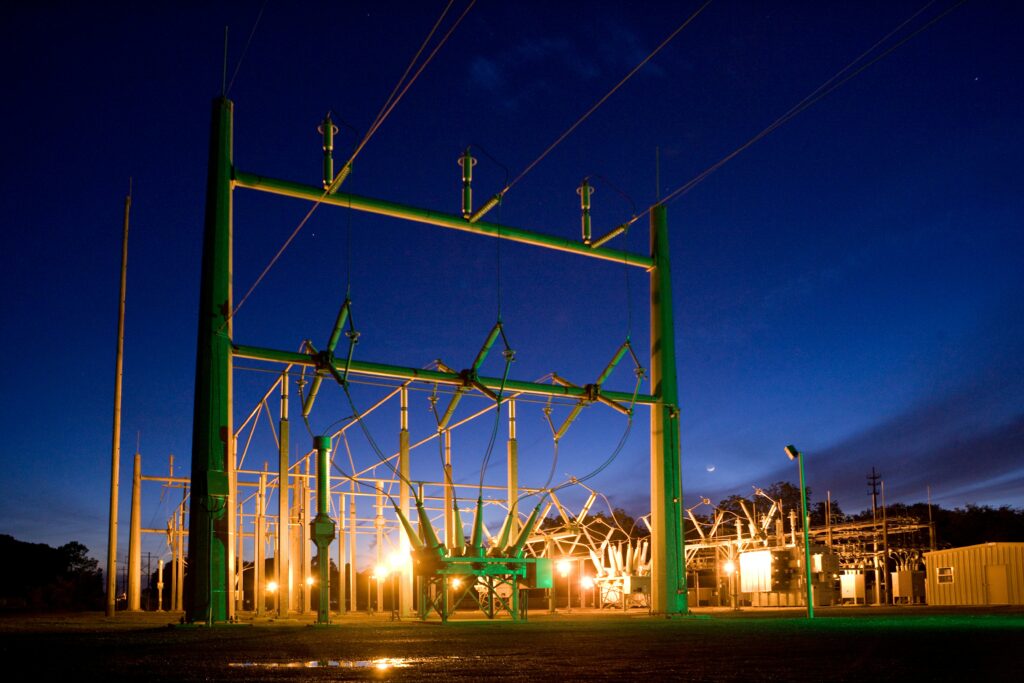
One major concern surrounding the increase in data centers is the energy usage. One data center, as of 2026, uses between 48 and 72 megawatts (MW) of energy. At the same time, the number represents the daily energy used by roughly 60,000 households!
Despite the large-scale energy usage, most of us forget to understand the complexity of data centers, which leads to such high energy consumption. Each data center has hundreds of servers, which consist of GPUs and CPUs that are responsible for processing and generating responses to our AI prompts.
Beyond computer work, energy is used to power the cooling technologies that prevent overheating in a data center. You may have noticed that after long hours of working on your computer, heat starts to build up beneath the computer. Picture this example on a large scale, where every server generates heaps of heat throughout the day. Since servers are stacked in close-set racks, heat can easily build up and potentially cause fires within the data center.
How Do Data Centers Cool Themselves?
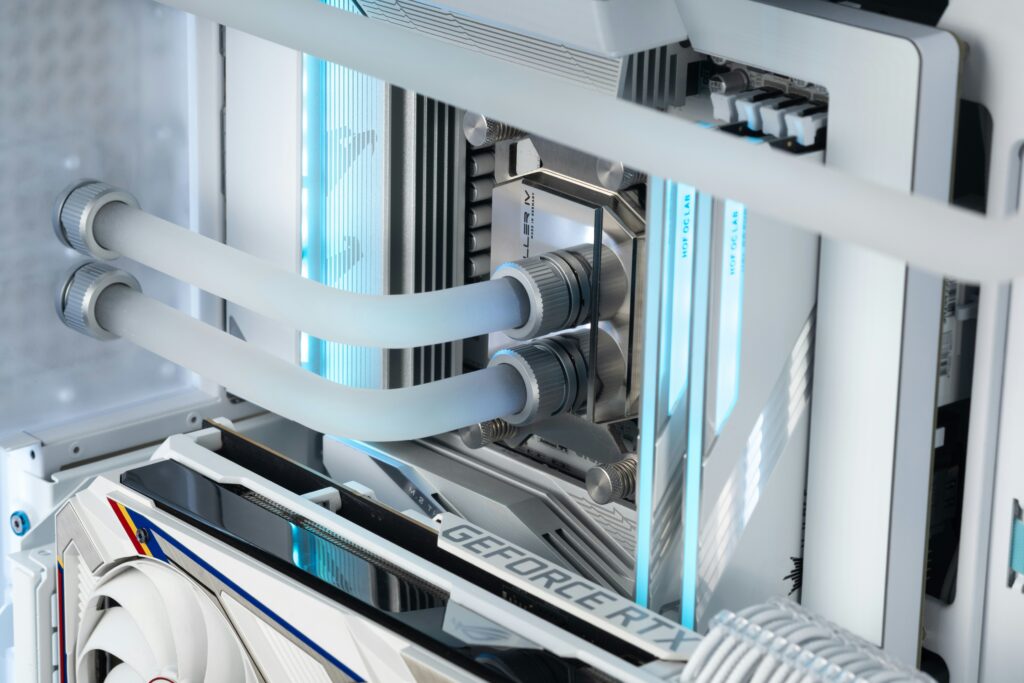
Depending on the resources and constraints of the data center, various cooling methods can be used. For example, a traditional air cooling system uses fans to transfer cold air into the surroundings; this system removes the warm air that rises and allows cold air to enter through the floors. Although this method is effective, it consumes 30-40% of the total electricity within a data center. On the flip side, liquid cooling methods are more efficient at absorbing heat and allowing servers to be densely packed. Unlike air cooling methods, liquid cooling uses less power, which means less energy is used.
Why is this Relevant to Us?
While you may feel like this is a system that doesn’t impact our lives, data centers are a huge part of the tech world. North America alone is home to 48% of the global data centers. As the next generation of leaders, we need to understand how we can improve modern technology and develop sustainable systems in order to maximize the use of AI. So the next time you put a prompt into ChatGPT or Gemini, think about your role in the future of STEM.
If you enjoyed the tech insights, stay tuned for part two!