Home Blog Page 6

Top 3 Benefits of Rewatching Kids’ Shows

Sometimes, we all get drawn to those TV shows we used to watch as little kids, whether that be Paw Patrol, Peppa Pig, or whatever else it is we enjoyed. It can often feel embarrassing to reveal this ‘childishness’ to others, but here are three reasons why there is no shame in rewinding to the past.

  1. Soothing Sense of Predictability

In a busy world filled with unexpected twists and turns, whether that be in school or elsewhere, it can be a great source of stress. When you watch a show that you’ve already enjoyed and loved, it gives you a sense of familiarity. This predictability is a great stress and anxiety buster, especially after an exhausting day at school or work. If you know what’s going to happen, your brain does not have to spend the extra energy to navigate through complicated plot twists. You just watch, laugh, and enjoy!

2. Seeking companionship through TV

Binging some episodes of a loved TV show can also foster a sense of warmth and connection. That sense of familiarity not only reduces stress but also allows us to revisit the characters, oftentimes treating them as old friends. This is especially so with sitcoms. Sometimes, you don’t need to watch action-packed, emotionally straining content for entertainment. Saying hello to the nostalgia from old shows is also great for this!

3. Quick Dopamine Boosts

Studies show that the wave of nostalgia received by watching old shows can increase levels of dopamine, the neurotransmitter responsible for uplifting your mood. Oftentimes, kids’ shows have very short episodes, which you can watch quickly without chewing up your precious time. If you have a long ride home from school or work, for example, you can easily watch an episode on the train ride!

Beware of the dangers:

While revisiting our childhood through TV shows can be a great way to unwind after an exhausting day, it’s important to know when to stop. For example, if you notice that you heavily depend upon these shows to escape from reality rather than just taking a break, that can be a red flag. If this happens, it might be a good idea to use a different stress-relieving strategy or talk to a trusted friend/adult for support.

TL;DR

If a part of you wants to rewatch an episode of Peppa Pig, then I say go for it, but cautiously!

‘Sinners’ Best Cinematography Winner: Autumn Durald Arkapaw

0

In honour of Women’s History Month, the vampire horror-filled-with-the-blues, Sinners, broke records at the 98th Academy Awards. First, with having the most nominations for any movie ever, sixteen. But also for having Best Cinematography being won by a woman for the first time, specifically a woman of colour. While this is absolutely fascinating, it is equal parts annoying and frustrating that out of 98 years of history, a woman wins an award for cinema for the first time in 2026.


The winner is Autumn Durald Arkapaw. She worked with Ryan Coogler to create stunning shots that form the lively colour palette of Sinners–from colder, darker blues that are interwoven into the blues songs in the movie to warmer and more vibrant yellows and browns. The movie was a box-office hit and from then given criticism specifically on its commentary around relationships between race, culture, identity, and aspects of colonialism. This became especially intriguing through the establishment of vampires, and so, if one were to view this as simply a horror flick, then they would need to watch it again for the opposite effect. Sinners was not just a movie to be enjoyed and critiqued by movie critics; it was supposed to represent the same, universal impacts of colonialism and racism, but give enough room for its viewers to be sucked into its world that involves soulful and powerful melodies and lyrics to well-built and dimensional characters. 


Many times, it becomes more difficult to be happy for success around records at places like the Oscars because they always come down to one exact reason. That is when the truth becomes convenient; it can be sold. Sinners winning four Oscars is not just groundbreaking, but it stands for another time when movies connecting identity and culture to heavy bouts of symbolism finally become digestible to famous shows like the Recording Academy. A tiktok user @glass__museum analyzed more on this effect and how it is damaging in many parts. However, winning major awards becomes a testament to how often women, especially of colour, can do the impossible in the name of something outstanding and incredibly well done. That is the cinematographer of Sinners, Autumn Durald Arkapaw.


Born in California to a Filipino mother and a Black Creole father, she gradually gained more experience in advertising and camera assisting. Sinners was shot on 65 mm film, using IMAX 15-perf and Ultra Panavision 70 cameras, becoming the first female director of photography to shoot any movie on large IMAX film. But while we can attach the word female to this achievement, what can this mean for more significant implications affecting the movie industry in years, even decades? 


It might not always be easy to say that a door has opened, because we do not know if that means another door will open after another. It may take another record broken for everything to fall into place more consistently. As for Autumn, she took another step that gained her recognition. Many directing choices go into the immersion of its audience into the world and its characters, and her talent and artistic vision aligned with that of the team. All we do know is that this is not the first time it has happened, but it has been recognized for the first time. Women are a part of making and splitting up history with such skill and craftsmanship, and we see this through every barrier broken, as well as the confidence and the belief in themselves. Autumn asked all the women in the room to stand up, “as this wouldn’t have been possible without them.” I think it will be easier to say that we will see more women being represented against the will of others; it can just mean that a moment may be looked at more differently. That women altogether can create behind-the-scenes and know how to better and more precisely work through their characters in their world. 


But as for Sinners, many scenes—including the one that featured dancers at different times in the presence of music- will truly be highlighted in cinema for years to come. The easiest thing we can do is cheer and be hopeful for the future of younger women who are filmmakers and are inspired to bring their direction to the stage. Sometimes an Oscar for this reason may not be so valuable, as people are awed by the brush sweeping through the canvas in smaller trudges to larger and louder remarks that complement each other, a full picture that is only elevated by its parts. The future is in women, and perhaps can only be.


3 Women in History Who Revolutionized Medicine

With March being dedicated to celebrating women’s history and empowerment, we can take this month to reflect on revolutionary female contributions throughout history, in fields like medicine, engineering, and policy.

In healthcare history, female innovators have pioneered the creation of life-saving medications, treatments, and technologies, while battling suppression and having their rights compromised. Modern-day medicine would be insufficient without the work carried out by the female scientists discussed in this post, and history tells us that doing so was no easy feat for them.

The hurdles they had to jump through were endless, fighting for their right to practice medicine and receive education. It is essential for us to reflect upon the women who paved the way for medicine today, while empowering the incoming generation of future female physicians.


Photo by Sweet Life on Unsplash

Gerty Radnitz Cori

Gerty Cori is the first woman to be awarded the Nobel Prize in Physiology or Medicine. A professor in biochemistry at Washington University, Cori received her M.D. degree in Prague and moved to the U.S. soon after. Her extensive research did not prevent her from being faced with misogyny and discrimination in her field. She and her husband worked together to discover the Cori Cycle, depicting how glucose is converted into glycogen in the human body.

Cori’s work transformed diabetes treatment, and as she continued to study enzymes in the human body, she discovered the connection between missing enzymes and gene defects. Gerty Cori set the stage for the development of diabetes treatments and brought studies on genetic defects to light.


Photo by Filip Mroz on Unsplash

Virginia Apgar

Virginia Apgar was an anesthesiologist, surgeon, and advocate in the field of women’s health and neonatal care. She is known for breaking stereotypes and standing her ground against discrimination, breaking the stigma around birth defects in babies and educating parents on a global scale.

Apgar conducted research after graduating with her anesthesiologist’s certification from Columbia, working to find the underlying cause of the constant rate of death in newborns, despite mortality going down. She developed the Apgar Score, a method of assessing a newborn’s health and identifying at-risk babies with underlying conditions as soon as they exit the womb. The method was named after the inventor, but was also a mnemonic, standing for Appearance, Pulse, Grimace, Activity, and Respiration. The Apgar Score is used by physicians worldwide and has allowed for a decrease in the rate of death for newborn babies.


Photo by National Institute of Allergy and Infectious Diseases on Unsplash

Francoise Barre-Sinousi

The 2008 Nobel Prize recipient in Physiology or Medicine and French virologist, Barre-Sinousi is credited with her and her companions’ work in discovering HIV (human immunodeficiency virus), and in turn, AIDS (acquired immunodeficiency syndrome). She was a core member of the research team tasked with finding the cause of AIDS, and did so by dissecting the lymph node of an infected patient, leading to the discovery of HIV.

She is a modern pioneer and continues to be an inspiration for many young women and girls entering the field of medical research. Her work today led to the creation of revolutionary treatments for AIDS and HIV, allowing for faster diagnosis of the disease, as well as the development of antiviral drugs.


TL;DR

Medicine would be nowhere near as developed without the contributions of the following researchers:

  • Gerty Radnitz Cori: Nobel prize winner, professor in Biochemistry, revolutionized diabetes treatment
  • Virginia Apgar: An anesthesiologist and surgeon, created the Apgar score, which allowed for faster diagnosis of birth defects in newborn babies
  • Francoise Barre-Sinousi: Nobel prize recipient, discovered HIV and AIDS

March is the month of female empowerment. Advocating for women’s rights and celebrating female accomplishments is important now more than ever, given the current state of affairs, especially in rapidly developing fields like STEM.

Sources: 1, 2, 3

Your Brain’s Little Glitch: Understanding Déjà Vu

Have you ever walked into a place or experienced a moment and felt like you’ve already lived it before?  That strange, almost eerie feeling is called déjà vu, and it leaves many people questioning what’s really going on in their minds.

Bigger Than Just A Simple Memory Glitch

Déjà vu is a unique and mind puzzling experience. It happens when a strong feeling of familiarity clashes with the clear awareness that this situation shouldn’t even feel familiar at all. That strange mix is what makes déjà vu so different from normal memories and highlights just how complex it really is.

Inside The Brain During Déjà vu

Déjà vu isn’t just your brain messing up, it actually shows how your brain processes stuff. It can feel a little like a delusion, where your brain makes you believe something is real even though it’s not. Basically, your brain tricks you into thinking you’ve been somewhere or done something before, even if you haven’t.

It’s kind of like an illusion, where your senses make things seem real at first, but then you realize they’re not. Scientists say it happens because different parts of your brain send mixed signals. The temporal lobe might tell your brain “hey, this feels familiar,” while the frontal part checks if that’s actually true. When your brain realizes it’s not real, you get that weird déjà vu feeling.

Even though it’s kind of creepy, déjà vu is actually a good thing, it means your brain is checking itself and making sure you don’t confuse made up memories with real ones.

What Makes Déjà Vu Happen?

A bunch of things can make déjà vu happen. Being tired or stressed can increase the chances because your brain’s neurons don’t work as smoothly when it’s worn out.

Dopamine, a chemical in your brain that helps signal when something feels familiar, also plays a part. This might be why some medicines or drugs that change dopamine levels can make déjà vu happen more often.

Age matters too. Younger people usually get déjà vu more than older people because their brains are more active and better at checking memories. As we get older, our brain’s ability to notice these little glitches may slow down.

Déjà vu is more than just a weird memory mistake, it shows just how complicated and amazing our brains really are.

Wrapping It Up

Déjà vu is one of those weird experiences that makes you stop and wonder how your brain works. It’s not just a memory mistake, it’s your brain sending signals, checking itself, and sometimes getting a little mixed up. Things like being tired, stressed, or even your age can make it happen more often, and chemicals in your brain, like dopamine, play a role too.

Even though it can feel strange or creepy, déjà vu actually shows how smart and complex your brain really is. It’s a small reminder that our minds are constantly working, fact checking, and keeping us aware of what’s real. So next time it happens, just know it’s your brain doing its job just in a really weird and fascinating way.

1


Ada Lovelace: The Girl Who Imagined the Future of Computers

When we talk about computers today, we often think about coding, apps, and artificial intelligence. But did you know that the idea of computer programming started almost 200 years ago? And it was imagined by a young woman named Ada Lovelace.

Who was Ada Lovelace?

Ada Lovelace (full name Augusta Ada Byron) was born on December 10, 1815, in London, England. She was the daughter of the famous poet Lord Byron, but she did not grow up with him. Her parents separated when she was a baby.

Ada’s childhood was very different from that of most girls at that time. She was often sick and could not go to regular school. Instead, she studied at home. Her mother believed strongly in education and made sure Ada learned mathematics and science—subjects that were unusual for women in the 1800s.

Her Big Idea

Ada met a mathematician named Charles Babbage, who designed a machine called the Analytical Engine. It was an early idea of a computer, but it was never fully built.

Ada did something amazing. She translated an article about this machine and added her own notes. In those notes, she explained how the machine could follow instructions to solve problems. She even wrote a step-by-step method (an algorithm) to calculate special numbers called Bernoulli numbers.

Because of this, many people call her “the first computer programmer”.

Why is she important?

Ada was the first person to understand that machines could do more than just calculate numbers. She believed computers could one day create music, art, and more. This idea was far ahead of her time.

Her work helped shape the future of modern computing, even though people did not fully recognize her contributions until many years after her death.

Her Life and Legacy

Ada married William King and had three children. Sadly, she struggled with illness throughout her life and passed away in 1852 at the age of 36.

Today, she is remembered as a pioneer in technology. Every year, Ada Lovelace Day is celebrated to honour women in science, technology, engineering, and math (STEM).

Final Thoughts

Ada Lovelace did not build a computer, but she imagined what computers could become. Her ideas changed the world, and they continue to inspire young people, especially girls, to explore science and technology.

Source: [1], [2], [3]

Recap of the 98th Academy Awards

0

On March 15th, 2026, the 98th annual Oscars awards ceremony took place at the Dolby Theatre in Hollywood, Los Angeles. The Academy Awards, casually known as the Oscars, is an annual awards ceremony dedicated to celebrating the most brilliant minds in film making – from actors, directors, sound editing crews, documentary directors and many more. In each category are usually 5 nominees, chosen by members in a group of film industry experts called the Academy, with the winner receiving one of the most prestigious awards in the film world: the golden Academy Award of Merit, or an Oscar.

This year’s Oscars was an exceptionally exciting night, with numerous record breaking nominations, historic wins and completely new categories introduced. To name a few:

  • Sinners set an all time record for film with the most nominations, with 16!
  • Category of Best Casting Director added for the first year ever
  • Autumn Durald Arkapaw became the first woman and black person to win Best Cinematography
  • A tie for the 7th time in Oscar history for Best Live-Action Short Film

Highlights on the Winners

Sinners

Directed by: Ryan Coogler

Featuring: Michael B. Jordan, Hailee Steinfeld, Miles Caton, Jack O’Connell, Wunmi Mosaku, Jayme Lawson, Omar Benson Miller, Delroy Lindo

As mentioned previously, Sinners set the record for film with the most nominations, and was a widely predicated candidate for such acclamation. From casual movie enjoyers to hardcore film critics, Sinners was undeniably fantastic. Without getting into spoilers, the film follows a group of complex characters from troubled pasts, and whether or not they will continue into equally troubled futures. Multiple honors were bestowed upon Sinners at the Golden Globes and Critics Choice Awards before the Oscars, being praised for mesmerizing cinematography, sound, character and plot depth, cultural resonance through exploring the Black experience in the Jim Crow south, above and beyond acting and so. much. more. So, without furthur ado, here are the Oscars Sinners won this year:

  • Best Original Score (Ludwig Goransson)
  • Best Actor (Michael B. Jordan)
  • Best Original Screenplay (Ryan Coogler)
  • Best Cinematography (Autumn Durald Arkapaw)

One Battle After Another

Directed by: Paul Thomas Anderson

Featuring: Leonardo DiCaprio, Regina Hall, Sean Penn, Alana Haim, Benicio del Toro, Wood Harris, Chase Infiniti

One Battle After Another was another power house at this year’s Oscars, being nominated for 9 Oscars, and taking home the most awards, including some of the top honors. The film is a character – driven drama, following a group of individuals who all face their own battles, one after another (like the title suggests!). One Battle After Another has been critically acclaimed for it’s deeply sensitive and human storytelling, nuanced plot, and phenomenal acting. Before the Oscars, it brought home several awards at the Golden Globes and Critics Choice Awards. One thing that sets One Battle After Another apart from other masterful dramas is it’s fast pacing, and intense action scenes, as compared to the typically slow, soft tone of other films in the genre. The awards it took home at the Oscars this year are as follows:

  • Best Picture 
  • Best Director (Paul Thomas Anderson)
  • Best Casting (Cassandra Kulukundis)
  • Best Supporting Actor (Sean Penn)
  • Best Adapted Screenplay (Paul Thomas Anderson)
  • Best Film Editing (Andy Jurgensen)

Frankenstein

Directed by: Guillermo del Toro

Featuring: Oscar Isaac, Jacob Elordi, Mia Goth, Christoph Waltz, Felix Kammerer, Charles Dance, Lars Mikkelsen, David Bradley, Ralph Ineson, Burn Gorman, Christian Convery

GDT’s Frankenstein is a sensitive creature feature, with truly visually striking cinematography and a unique take on Mary Shelly’s original novel. The film’s gothic artistry is incredibly effective at conveying the emotions of each character’s inner (and outer…) turmoil, and helps cultivate the depressing empathy we feel for the creature. Frankenstein is praised for both it’s emotional depth and genuinely beautiful film-scape – it’s no wonder it took home the bulk of the “visual” Oscar awards.

  • Best Makeup and Hairstyling (Mike Hill, Jordan Samuel and Cliona Furey)
  • Best Costume Design (Kate Hawley)
  • Best Production Design (Tamara Deverell and Shane Vieau)

These are some, but definitely not all, of the brilliant minds in filmmaking celebrated at this year’s Oscars. I hope you all can watch and find some enjoyment from these masterfully crafted films, and garner some more appreciation for the artists who have worked tirelessly to create them 🙂


Read more: Oscars 2026: Winners list in full


Featured Image: Photo by Alex Litvin on Unsplash

How to Support Women in Sports

Statistically, girls drop out of athletic extracurriculars by the age of 14 twice the rate compared to boys. This phenomenon is fueled by prejudice, stereotypes and exclusion that make young girls feel ostracized in sport communities. 

Playing sports is far more than just staying healthy and active. Sports build confidence in young girls and skills that carry on throughout their lives. According to the UN, girls who play sports are more likely to stay in school and further their education, and there is a correlation between this and decreased teenage pregnancy. But how can we support girls to feel more comfortable taking up space in this male-dominated field? This women’s history month, try these 4 things to encourage women in sports and pave the way for brighter futures for our young girls. 

1. Watch Women’s Sports

The easiest way to support women is by acknowledging their presence. The biggest misconception is that female sports aren’t interesting to watch, but this is far from the truth. Recently, female athletes have been taken centre stage, proving that gender doesn’t limit a person’s abilities. From dynamic athletes such as the WNBA’S Caitlyn Clark, rugby-playing Levi sisters, or the boundary breaking Alysia Liu. These are just some examples of women who are proving sports aren’t just for boys, and by watching Women’s sports it opens the door to bring more attention to these wonderful women and increases representation.

2. Donating

One of the biggest barriers for female athletes is the lack of funding. For most sports, compared to their male counterparts, female athletes receive less funding and are unable to participate and engage to the same extent despite having the same or even more qualifications. In 2025, the Canadian Women’s rugby team placed second at Women’s Rugby World Cup after fundraising over $1 million for resources to train and prepare the team for the Cup. Without the support of fans, the athletes wouldn’t have been able to represent Canada on the world stage and make waves in Canadian and Women’s sport.

3. Destigmatize

84% of girls stop playing sports after getting their first period. Many people still believe that women are not biologically fit to play sports, these beliefs stop girls from trying sports, building barriers that stay with them for the rest of their lives. We can dismantle stereotypes by breaking stigma around women in sports to create a more welcoming atmosphere for young girls to be confident in what activities they choose, including sports and athletics.

4. Mind Your Language!

The final way to support female athletics is a small gesture that can go a long way. Being mindful of the language we use surrounding female athletes seems insignificant but is extremely important. Phrases like “running like a girl” or “good for a girl” are harmful, and hearing them at a young age can drastically disparage young girls because it plants the idea that they will never be good enough.

Change starts from the grassroots. These small changes will build and build and help create even playing fields for athletes from all different backgrounds.

Sources

1, 2, 3

When War Breaks Out, Women Often Pay the Highest Price

0

In the echoes of brutal artillery and the chaos of collapsing cities, we measure death tolls and count the displaced. How, what is beneath these broad statistics is a deeper, more specific truth that often goes untold: war is not a gender-neutral catastrophe. When conflict erupts, whether in Gaza, Ukraine, Sudan, or amidst escalating tensions with Iran, women and girls bear a disproportionate and distinct burden. As we observe Women’s History Month, it’s crucial to look beyond the battlefield and recognize that for women, the price of war is paid in everything from lost education and demolished healthcare to the agonizing weight of becoming sole providers in the midst of drastic ruin.

War Is Not Gender-Neutral

It is easy to imagine war as a great equalizer, a tragedy that affects everyone equally, in very similar ways. But the data tells quite a different story. The vulnerabilities that destroy women during conflict are often built into the fabric of society long before the first shot is fired. Pre-existing gender inequalities mean that when a crisis hits, women are both in more acute need of help and harder to reach due to factors like travel restrictions or economic dependence (The IGC, 2024). These structural disadvantages are bound to shatter first when conflict strains or destroys societal safety nets.

Inequality Before the First Shot

The impact of recent conflicts on women’s well-being is staggering. In 2024 alone, over 185 armed conflicts were recorded, with an estimated 676 million women and girls living within 50 kilometers of conflict zones, the highest number we have seen since the 1990s (UN Women, 2025). Unfortunately, in these settings, gender-based violence is customarily used as a deliberate and vile tactic of war, torture, and terror. The United Nations documented a staggering 87% increase in cases of conflict-related sexual violence between 2022 and 2024 (UN Women, 2025).

The destruction of infrastructure also hits women hardest, whereby attacks on healthcare facilities deprive millions of life-saving sexual and reproductive health services. This turns pregnancy into a life-threatening condition for many women (UN Women, 2025). Furthermore, the disruption of education has a gendered impact. Over 85 million children affected by the crisis are out of school, more than half of them girls. In Afghanistan, for instance, four years after the Taliban takeover, 8 out of 10 young women are excluded from education, employment, or training (UN Women, 2025).

The Hidden Costs Women Pay During Conflict

However, to frame women solely as victims is to miss half the story. The very crises that dismantle their safety nets also thrust them into roles of unexpected leadership. When men are killed, displaced, or called to fight, women frequently become the sole heads of households, providers, and community organizers (Global Citizen, 2022). This new responsibility, while heavy, can also be a source of empowerment. Yet, this caregiving role often comes at a severe mental cost, as women are forced to manage the trauma of displacement and loss while supporting their families, frequently with scarce resources and little support for their own psychological needs (PMC, 2006). The stressors are immense, and adequate, culturally-sensitive mental healthcare is rarely available in war-torn regions (PMC, 2006).

From Victims to Leaders

This is why empowering women isn’t just a matter of equality, but instead, it is a matter of survival and effective recovery. Study after study shows that peace agreements negotiated with women at the table are more likely to last. One recent evaluation of peacebuilding efforts in Mali and Niger, for example, found that increasing women’s participation in conflict prevention from 5 to 25% helped resolve more than 100 local disputes (UN Women, 2025). Despite this, women remain largely excluded from formal peace processes. In 2024, available global data indicate that women made up, on average, only 7% of negotiators, 14% of mediators, and 20% of signatories in formal peace processes worldwide, figures far below any target for meaningful participation (UN Women, 2025).

Why Women Must Be Part of Peacebuilding

And yet, the international community continues to sideline them. Less than 1% of peace and security funding reaches women’s organizations (UN Women, 2025). This is a massive strategic failure masquerading as tradition. As crises, including conflict and climate shocks, grow more frequent, development and humanitarian actors must prioritize gender equality. Effective interventions require not just short-term aid, but long-term, coordinated strategies that tackle the root causes of inequality, engage with local women’s organizations, and build systems that are resilient for everyone (The IGC, 2024).

As tensions rise globally, from the Middle East to Eastern Europe and Africa, we must change the way we talk about conflict. We cannot continue to see women as passive recipients of peace, but as active participants in defense and recovery. When war breaks out, women pay the highest price, but they equally hold the most valuable keys to rebuilding what communities are losing. It’s time we let women use them.

Sources

  1. The IGC. (2024, March 20). Why conflict hurts women most and the need for coordinated interventions. International Growth Centre. https://www.theigc.org/blogs/gender-equality/why-conflict-hurts-women-most-and-need-coordinated-interventions

  2. UN Women. (2025, October 20). Facts and figures: Women, peace, and security. UN Women – Headquarters. https://www.unwomen.org/en/articles/facts-and-figures/facts-and-figures-women-peace-and-security

  3. Global Citizen. (2022, March 23). How Do Women and Girls Experience the Worst of War? https://www.globalcitizen.org/en/content/women-and-girls-impacts-war-conflict/

  4. PMC. (2006, February). Mental health consequences of war: gender specific issueshttps://pmc.ncbi.nlm.nih.gov/articles/PMC1472268/

How Viruses Mutate and Why Vaccines Need Updating

Viruses are constantly changing, and this ability to evolve is one of the main reasons they remain such persistent challenges in medicine. While vaccines are highly effective at preventing many infections, they sometimes need to be updated. This is not because vaccines “stop working” in a simple sense, but because the viruses they target can change over time. Understanding how viral mutation works helps explain why diseases like influenza and COVID-19 require updated vaccines.

What it means for a virus to mutate

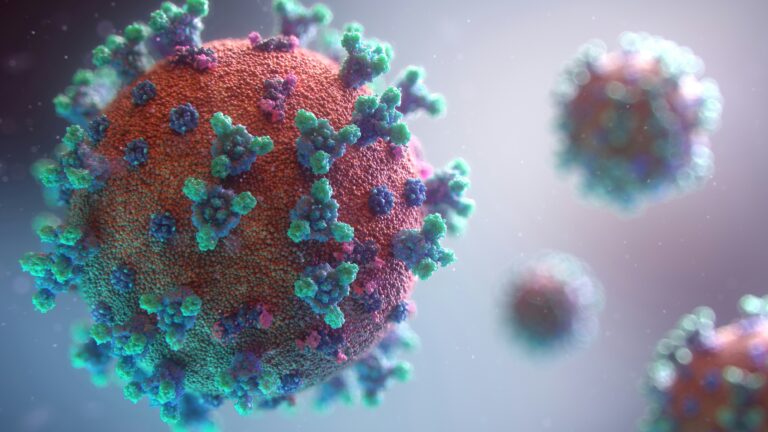
A virus is not a living cell, but a small packet of genetic material (DNA or RNA) surrounded by a protein coat. To reproduce, it must enter a host cell and hijack its machinery to make copies of itself. This copying process is not perfect.

Every time a virus replicates, it makes thousands or even millions of copies. During this process, small “copying errors” can occur in its genetic code. These errors are called mutations. Most mutations are either harmful to the virus or have no effect at all, but occasionally, a mutation gives the virus an advantage.

For example, a mutation might:

  • Help the virus enter human cells more easily
  • Allow it to spread faster between people
  • Help it partially evade the immune system

When a mutation improves survival or spread, that version of the virus is more likely to become dominant. Over time, this leads to new variants.


Why viruses like influenza or COVID-19 mutate quickly

Not all viruses mutate at the same speed. RNA viruses, such as influenza and coronaviruses, tend to mutate more rapidly than DNA viruses. This is partly because RNA replication is more error-prone, and also because these viruses produce large numbers of copies in a short time.

Influenza is a classic example. Its surface proteins, called hemagglutinin (HA) and neuraminidase (NA), are constantly changing. These proteins are what the immune system recognizes, so even small changes can reduce how well previous immunity works. This is why seasonal flu vaccines are updated regularly.

COVID-19, caused by the SARS-CoV-2 virus, also mutates, although in a slightly different way. Over time, variants such as Alpha, Delta, and Omicron emerged, each with changes in transmissibility or immune evasion. Some of these changes affected how well existing vaccines matched the circulating strains.


How vaccines work and why they need updating

Vaccines train the immune system to recognise specific parts of a virus, often proteins on its surface called antigens. When the immune system encounters these antigens, it produces antibodies and memory cells that allow it to respond quickly if the real virus appears later.

However, if a virus mutates significantly, those surface antigens can change shape. This is similar to changing the appearance of a “target” that the immune system was trained to recognise. The immune system may still respond, but it may not be as fast or as effective. This is why vaccines are often described as being “well-matched” or “less well-matched” to circulating strains, rather than simply effective or ineffective.

Vaccines are updated when viral mutations accumulate enough to reduce how well existing immunity protects against infection or disease. This does not usually mean vaccines stop preventing severe illness, but their effectiveness against infection may decline.

A good example is the influenza vaccine, which is updated every year. Global health organisations monitor circulating flu strains and predict which ones are most likely to spread in the upcoming season. Vaccines are then reformulated to match these strains as closely as possible. COVID-19 vaccines have also been updated to target newer variants. Instead of completely redesigning the vaccine from scratch, scientists often modify the existing vaccine to better match the spike protein of newer variants.


Mutation and Immunity

Even when viruses mutate, vaccines still play a crucial role. This is because the immune system has multiple layers of defence. While antibodies may become less effective at preventing infection, memory T-cells and other immune responses often continue to reduce the severity of illness.

This means that vaccination still provides protection even when a virus evolves. The goal of updated vaccines is not always to prevent every infection, but to ensure strong protection against severe disease and hospitalization.


Virus mutation is a natural and continuous process driven by replication errors and evolutionary pressure. When mutations accumulate in important viral proteins, they can change how well the immune system recognizes the virus. This is why some vaccines need to be updated over time, especially for rapidly evolving viruses like influenza and coronaviruses. Rather than showing a failure of vaccines, this process highlights how dynamic the relationship is between pathogens and the immune system. Vaccines evolve alongside viruses, helping maintain protection in a constantly changing biological environment.


Sources:

The Guide to Navigating Your Future Career

0

Choosing a career can be a tough and intimidating decision to make. We are often told to follow our instincts and choose a career that we are passionate about. But what if there are many different career choices that you like? In this blog post, we will be taking a deep dive into potential ways and steps you can implement to help you decide the right career for you. I am by no means an advisor, so please do your own research before picking your career and use this blog post as simply a guideline. 

Identify your interests and skills

The fundamental step for building a career is to identify what you love to do and what you’re good at. When making decisions, also consider areas which interest you, as having genuine passion is very important for developing a lasting career. It might be complicated to figure this out right away, and it is totally fine if you are having a difficult time with this step. Join clubs, try out extracurricular activities in different fields to gain exposure and see if you like doing it. 

By doing this, you will:

– Discover Hidden Talent: You might find out some natural characteristics that you have and your interests, which you may not have known before.

– Build a Network: Aside from gaining exposure, building a network of people connects you with valuable mentors who can give advice and insight into their careers. Additionally, you can make new friends.

Booking an Appointment with your School Counsellor

Your school counsellor is an amazing person who can assist you with identifying possible career paths you could take. They also have many helpful resources that they can send your way. They can also assist you with completing the necessary courses that you need to pursue a specific program in a university, college or trade school. 

Job Shadowing

Once you have narrowed down your potential career paths to two or three, job shadowing is a great way to gain in-depth insight about the duties that you would have in that career. Job shadowing involves observing a professional in a field as they work and complete their tasks. This is a highly effective method to help you pick a career path, as you would see everything they would have to go through and not just an outside glance. How to do it? You can reach out to local businesses and companies through social media platforms like LinkedIn to find someone you may have a connection with, like an alumnus from your school.

Internships

Though getting internships can be a difficult process, if you are able to successfully get into an internship or any work experience program in a related career of your interest, you will gain hands-on experience. This is the best way to see if you can handle the pressure and pace of a specific industry. Even if you decide that a specific career is not for you, the professional skills you gain are transferable to any job you pick later.

Talking with Adults and Professionals

Simply talking with those who are currently working and in the career you may want to pursue is a great way. They have been in your exact same position and will offer great advice to help you choose the right path for you.

Apart from these tips, there are also lots of resources online, like websites like myBluePrint, which you can use to gain an idea about a particular job or career.

Rewiring Minds : The Neuroscience of a Better World – Issue 4


Edition IV — The Loneliness Paradox: Why We Are More Connected Yet Less Known

If attention shapes what we see, and emotion shapes what we feel, then connection shapes who we become.

Human beings are fundamentally social organisms. Our brains evolved not in isolation but in tribes, families, and communities where survival depended on cooperation, trust, and shared meaning. Yet one of the quiet paradoxes of the modern era is this:

We have never been more connected, and yet many people have never felt more alone.

This is not simply a cultural observation. Increasingly, it is a neuroscientific one.

The question is not whether we are communicating more than ever before, it is clear that we are. The deeper question is whether the forms of connection we have built are fulfilling the brain’s biological need to be understood.

The Social Brain

The human brain dedicates enormous resources to social processing.

Regions such as the temporoparietal junction, medial prefrontal cortex, and posterior superior temporal sulcus are involved in understanding other people’s intentions, emotions, and beliefs. These networks allow us to perform what psychologists call mentalizing. This is the ability to imagine what someone else is thinking or feeling.

This capacity is so central that some neuroscientists argue the human brain evolved primarily as a social prediction machine.

We are constantly asking questions beneath awareness:

  • Am I accepted here?

  • Do others understand me?

  • Do I belong?

When these questions are answered positively, the brain releases neurotransmitters such as dopamine and oxytocin, reinforcing feelings of safety and connection.

When the answers are uncertain or negative, the brain interprets it as a form of threat.

Loneliness as a Biological Signal

Loneliness is often misunderstood as simply being alone.

In reality, loneliness is the perception of insufficient meaningful connection. Someone can be surrounded by people and still feel profoundly isolated if they feel unseen or misunderstood.

Neuroscientific research has shown that social isolation activates many of the same neural pathways associated with physical pain. The anterior cingulate cortex, which responds to physical injury, also becomes active during experiences of social rejection.

From an evolutionary perspective, this makes sense. For early humans, isolation from the group could dramatically reduce chances of survival. The brain therefore evolved to treat disconnection as a serious warning signal.

Loneliness, in this sense, is not weakness.

It is the brain telling us something essential is missing.

The Architecture of Digital Connection

Modern communication technologies have dramatically expanded the number of interactions we can maintain.

However, these interactions often prioritize frequency over depth.

Short messages, reaction buttons, and rapid exchanges create a constant stream of social signals, but they rarely provide the extended context needed for deeper understanding. Facial expressions, tone of voice, pauses in conversation, all subtle cues that help regulate social interaction are often absent.

As a result, the brain receives partial social information.

It detects activity and attention but may struggle to determine whether true emotional understanding is present.

This creates a peculiar dynamic: individuals may experience continuous contact without meaningful connection.

The Cognitive Cost of Being Unseen

When people feel misunderstood or invisible within their social environments, the brain begins to shift its strategies.

Some individuals withdraw, reducing social engagement to avoid further emotional pain. Others attempt to adapt their identity to match perceived expectations, presenting curated versions of themselves that may feel safer but less authentic.

Over time, this can create a psychological gap between the self that is presented and the self that is experienced internally.

Maintaining this gap requires significant cognitive effort. The brain must constantly monitor how it appears to others, which can increase stress and reduce emotional stability.

True connection, by contrast, allows the brain to relax this monitoring process. When individuals feel genuinely understood, cognitive resources can shift away from self-protection and toward creativity, curiosity, and exploration.

The Neuroscience of Being Known

One of the most powerful psychological experiences a human being can have is the feeling of being accurately seen.

This occurs when another person recognizes not only our surface behaviors but our deeper intentions, struggles, and aspirations.

When this happens, the brain’s threat systems quiet down. Social safety activates networks associated with trust and emotional regulation.

In such environments, people become more open, more cooperative, and more willing to take intellectual and emotional risks.

This is why strong relationships, whether friendships, families, or communities, often become engines of personal growth.

The brain thrives when connections feel secure.

Designing a More Connected Society

If loneliness is partly a consequence of how modern environments structure interaction, then the solution is not merely individual effort. It also involves reimagining how we design social spaces.

Meaningful connection tends to emerge under certain conditions:

  • Time for extended conversation rather than fragmented interaction

  • Shared experiences that create common narratives

  • Psychological safety that allows vulnerability

  • Attention that signals genuine presence

These conditions are increasingly rare in fast-moving digital ecosystems, but they remain deeply compatible with how the human brain evolved to connect.

In many ways, solving the loneliness paradox may require rediscovering ancient forms of social engagement within modern technological contexts.

Connection as Collective Intelligence

When individuals feel known and valued, they are more likely to contribute openly to shared problem solving.

Trust reduces defensive thinking. It allows groups to exchange ideas without constantly protecting status or identity. In such environments, collective intelligence begins to emerge.

This suggests that meaningful connection is not only important for personal wellbeing. It may also be essential for societal resilience.

Communities that trust one another think more clearly together.

The Future of Human Connection

Technology will continue to expand the ways we communicate. But communication alone does not guarantee understanding.

The future challenge may not be inventing new ways to connect, but learning how to restore depth within connection.

A society that values visibility over understanding risks producing generations that feel watched but not known.

A society that cultivates genuine presence creates something far more powerful: people who feel secure enough to think freely, speak honestly, and build together.

Because in the end, the most transformative form of connection is not simply being heard.

It is being understood.

Coming Next In This Series

If you found this edition meaningful, stay tuned for the next article in Rewiring Minds: The Neuroscience of a Better World.

To build a better world, we must first understand the mind that shapes it.

Why You Should Do More Things Alone

0

There is a strange discomfort around doing things alone. Not because we actually dislike being by ourselves, but because we assume other people are judging it.

Sitting alone in a café. Walking into a restaurant and saying “just one.” Going to a movie without texting anyone to come with you. It feels like you are breaking some quiet social rule, like experiences are supposed to be shared in order to matter.

But most of that pressure is imagined.

No one is keeping track of who you walked in with. No one is analyzing your table. Most people are too busy thinking about themselves. Still, we hesitate. We wait until someone is free. We wait until plans line up. We wait until we have company. And sometimes, while we are waiting, we miss out on the thing entirely.

There is something quietly empowering about deciding you are going anyway.

The first time you do something alone, it feels awkward. You reach for your phone more than usual. You suddenly care too much about what you look like sitting there. You feel exposed in a way that is hard to explain. It is not loneliness exactly. It is just unfamiliar.

But if you sit with that feeling instead of escaping it, it changes.

You start noticing things more. The way the coffee shop sounds when you are not deep in conversation. The details of the place you are in. The pace of your own thoughts. You realize you can stay as long as you want or leave whenever you feel like it. There is no compromise. No adjusting your preferences. No trying to match someone else’s energy.

Being alone forces you to meet yourself without distraction.

You learn what you actually enjoy when no one else is influencing the decision. What kind of spaces make you feel calm. What kind of environment makes you feel inspired. You realize you do not always need background noise. You do not always need constant connection.

And the more comfortable you become with being alone, the less you tolerate relationships that feel draining. You stop choosing people out of fear of silence. You stop filling your schedule just to avoid being by yourself. You start choosing connection because you want it, not because you need it to feel okay.

There is a difference between being alone and being lonely. Loneliness feels like absence. Being alone can feel like clarity.

When you are comfortable with your own company, you move through the world differently. You are less anxious about who is beside you. You are less afraid of empty space. You trust that you can handle your own thoughts.

And that kind of independence is not loud. It is steady. It shows up in small decisions. Going for a walk without calling someone. Sitting somewhere without scrolling. Doing something simply because you feel like it.

Learning to be alone is not about isolating yourself. It is about proving to yourself that your own presence is enough.

That changes everything.

Understanding Stockholm Syndrome

What Is Stockholm Syndrome?

Stockholm Syndrome is a psychological response in which a victim develops positive feelings toward the person who is harming or controlling them. Instead of only feeling fear or anger, the victim may begin to sympathize with the captor or abuser. Psychologists believe this happens as a way for victims to cope with extremely stressful or dangerous situations.

Where Did the Term Come From?

The term “Stockholm Syndrome” comes from a bank robbery that happened in Stockholm, Sweden, in 1973. During the robbery, four people were held hostage for six days. After they were rescued, some of the hostages refused to testify against the robbers and even showed sympathy for them. Psychologists later used this event to describe this unusual psychological reaction.

Common Signs of Stockholm Syndrome

People who experience Stockholm Syndrome may show several signs. They may develop positive feelings toward their captor, begin to distrust the police or authorities trying to help them, and start to see their captor as a normal person who shares their values. Sometimes victims even defend their captor.

Why Does It Happen?

Stockholm Syndrome can happen because victims depend on their captor for survival. If the captor shows small acts of kindness, such as giving food or speaking kindly, the victim may see this as compassion. Over time, these small moments can create emotional bonds between the victim and the captor.

How Common Is It?

Even though Stockholm Syndrome is widely known, it is actually quite rare. Studies suggest that only about 8% of hostage victims develop this response. Most victims do not develop positive feelings toward their captors.

Situations Where It Can Appear

Although it is often linked to kidnappings or hostage situations, similar emotional bonds can appear in other situations. These may include abusive relationships, child abuse, human trafficking, or other forms of long-term trauma.

Treatment and Recovery

People who experience Stockholm Syndrome can recover with support. Counseling and psychotherapy can help victims process their trauma, understand their experiences, and learn healthier coping strategies.

Why It Matters

Understanding Stockholm Syndrome is important because people respond to trauma in different ways. Instead of blaming victims, society should focus on empathy, support, and helping survivors heal.

Source: [1], [2], [3]

Why We Should Listen to Young People

0

Young people are often told that they are the future. While that may be true, we need to acknowledge how young people are also part of the present. The decisions being made today in schools, communities, and governments directly affect youth, yet young voices are not always included in those decisions. Listening to young people can bring fresh perspectives, real experiences, and valuable ideas. We need to include our future in our discussions.


Direct Impact

One reason is that many decisions directly impact their lives. Policies about education, mental health resources, technology, and the environment all shape the daily lives of youth. For instance, students understand the present pressures of school, homework, and academic expectations better than anyone else. When others create policies about education without hearing from students, they can miss important concerns that students face every day. Including youth voices can help ensure that decisions actually meet the needs of the people they affect.

Another reason is that youth can bring new perspectives. Growing up in a rapidly changing world, youth are exposed to new technologies, social trends, and global issues in ways older generations may not realize. This can lead to new solutions and new ways of thinking. When young people are able to share their ideas, and have people listen, they can offer new innovative approaches to challenges that communities face.


Community Engagement

Listening to youth can also encourage greater civic engagement. When young people feel that their opinions are valued, they are more likely to participate in discussions. They may become involved in volunteering, advocacy, or leadership roles to support our communities and society. On the other hand, when they feel ignored or dismissed, this can discourage participation and make them feel as if their voices do not matter. Encouraging youth participation helps build future leaders who care about making positive changes.


Value in Experience?

Some also believe youth lack the experience needed to contribute meaningfully in important discussions. While it is true that youth may have less life experience than others, that does not mean their ideas and opinions are less valuable. Experience and new perspectives can work together. Adults can bring knowledge and wisdom, youth can bring creativity and insight into current challenges. When both listen and respect each other, better decisions are bound to happen.


Listening to youth is not just about fairness, it is about creating stronger communities. When youth perspectives are included, decisions become more thoughtful and balanced. Youth feel respective, and we can gain a better understanding of the issues that matter for current events and future generations. Young people may not have all the answers, but nobody does. By working together and valuing all voices, communities can make better choices for today and the future.

Advanced Placement or Additional Pressure: Are AP Classes the Right Choice for You?

0

To AP or Not To AP, That is The Question

For many incoming high school students, you may be wondering if AP classes are the right move for you. Hopefully, this blog will be able to guide you on which AP classes you should take, or if you should even take them in the first place.

While I haven’t taken every single AP class, I have compiled research and personal anecdotes from myself and friends to hopefully create guidance for your course planning!

Important Notice!

AP classes are NOT mandatory! If you don’t want to take them, don’t feel pressured to, even if other students tell you to. AP classes are good if you are highly interested in a subject, want to push yourself further academically, and want to obtain university/college credits during high school. However, they are also time-consuming, stressful, costly (almost $200 CAD per exam!!!) and sometimes require independent learning and self-accountability. Most universities (especially Canadian) will still eagerly accept you even without AP classes. Remember, it’s better to prioritize getting good grades in your classes than to do subpar in challenging courses.

AP Statistics

AP Statistics is a notoriously fun class. At my school, it is filled with labs involving candy and cookies; however, in general, it’s a lot less math than you would expect. The course is very content-heavy as there is a lot of vocabulary and different tests to learn. My friends who have taken this course found that they acquired more insight into how to properly analyze research papers from understanding how methodology and sample size can affect results.

AP European History

AP Euro is obviously great if you have an interest in history, as the curriculum covers a lot of material. In the exam, it’s important to have specific events and historical figures memorized and well-known, as you’re expected to cite specific evidence in the free response questions. Additionally, a lot of my friends found that they became better writers after taking the class.

AP Chemistry

In AP Chemistry, some of the content builds on the same concepts found in the Alberta Chemistry 20 and 30 curriculum. There are also some parts that connect back to Physics 30. Moreover, due to the nature of the course, most schools have some really engaging and fun labs for certain units. 

My friends who took this course admitted that at first the learning curve from Chem 30 to AP was quite steep at frist but eventually everything fell into place and the exam was actually on the lighter side.

AP Biology

AP Biology is challenging, but compared to the Alberta curriculum, there is a lot of overlap between Biology 20 and 30, just going more in-depth for certain concepts.

Even though the course was difficult, I still found it interesting and exciting, especially because of the increased nuances in labs; however, this will differ between schools.

AP Calculus AB/BC

For Albertan students, if you take Mathematics 31, that course will cover a majority of what would be on the AP Calc AB exam, and Mathematics 35 should cover most of the content of the AP Calc BC exam.

Personally, I found Math 31 decently challenging, especially the later units; however, it’s not as bad as you might think. Most STEM programs for post-secondary studies may require Math 31, for example, it is a pre-requisite for some programs at the University of Toronto, and calculus in general is also a class that many first-year science students have to take eventually anyway. So, even if you don’t take the exam, Math 31 or 35 may be a good choice if you are planning to pursue that to gain a good foundation and pre-learn concepts before university.

AP Literature and Composition

This course is especially good for readers. If you don’t like to read in your spare time or if the last “book” you read was a Sparks Note summary for a book report, I wouldn’t recommend this course. This is because for one of the questions on the exam, you have to answer a question about themes, using any book of literary merit as evidence. However, since you won’t know the question until exam day, it is suggested to prepare 3-5 books at least to ensure you can answer whatever question they throw your way.

AP Environmental Science

I chose to take APES (AP Environmental Science) even though it meant I would have to self-teach myself the entire course because I am passionate about Environmental Science and hope to pursue it after high school. For me, even though it was all independent learning, I still really enjoyed the material I was learning and actually found a lot of Biology 20 and 30 (Alberta Curriculum) was applicable to the course. Additionally, now that I’m taking AP Bio, there is a lot of overlap in the Ecology Unit.

There is a general consensus that APES is one of the easier AP classes, and in a way, I agree. Just make sure you don’t underestimate it, because often students will focus less on this course and end up doing poorly on the exam.

I would suggest this course for students who found the ecology units in biology really interesting. Additionally, a great resource for this course is Mr. Smedes on YouTube.

AP Psychology

My friends who have taken this course have also taught themselves. They admitted that they procrastinated and crammed everything in one week, but still managed a good score. Her advice was to study TWO weeks before — I would suggest you spread it out throughout the year. Also, this course relies a lot on knowing specific psychology-related vocabulary. Additionally, it’s important to know the Scientific Method, as each year there is an FRQ based on it.

AP Macro/Microeconomics

Of the two exams, my friends said Macroeconomics is supposedly easier, but they are both applicable to the real world. The exam involves a lot of interpretation of graphs. But, builds argumentation skills, as the FRQs require you to have logical rationales with clear and concise language.

AP Comparative Government and Politics

The Alberta Social Studies curriculum focuses mostly on Canada and Western countries, so taking APGOV allows you to discover more about political systems across the world, as it focuses on drastically different countries. For this curriculum, breadth is better than depth, as you should have a general understanding of all six.

For the essay portion of the exam, it’s important to keep knowledge of current events in your back pocket as you will be expected to use them as evidence in your argumentation.