

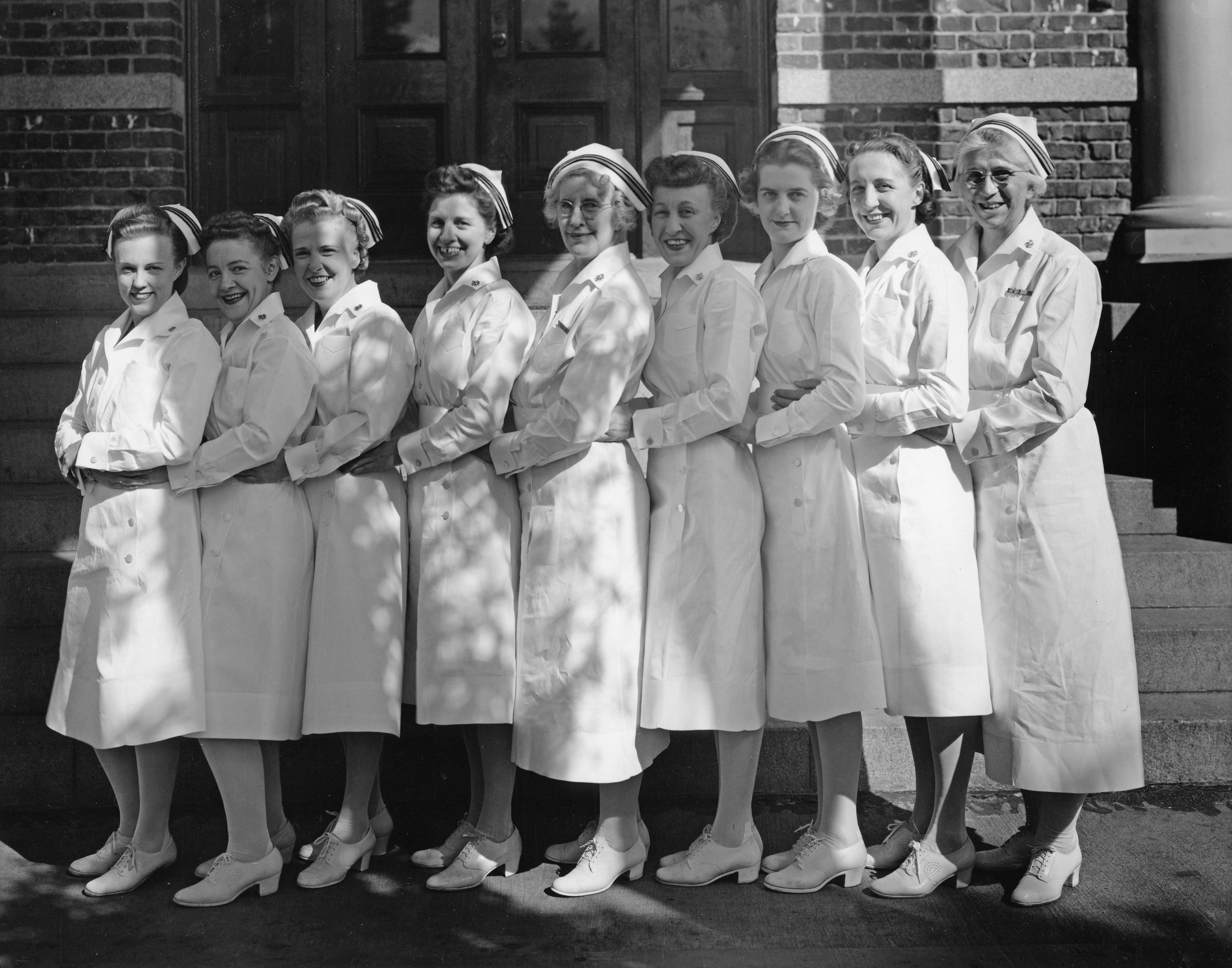
With March being dedicated to celebrating women’s history and empowerment, we can take this month to reflect on revolutionary female contributions throughout history, in fields like medicine, engineering, and policy.
In healthcare history, female innovators have pioneered the creation of life-saving medications, treatments, and technologies, while battling suppression and having their rights compromised. Modern-day medicine would be insufficient without the work carried out by the female scientists discussed in this post, and history tells us that doing so was no easy feat for them.
The hurdles they had to jump through were endless, fighting for their right to practice medicine and receive education. It is essential for us to reflect upon the women who paved the way for medicine today, while empowering the incoming generation of future female physicians.

Gerty Radnitz Cori
Gerty Cori is the first woman to be awarded the Nobel Prize in Physiology or Medicine. A professor in biochemistry at Washington University, Cori received her M.D. degree in Prague and moved to the U.S. soon after. Her extensive research did not prevent her from being faced with misogyny and discrimination in her field. She and her husband worked together to discover the Cori Cycle, depicting how glucose is converted into glycogen in the human body.
Cori’s work transformed diabetes treatment, and as she continued to study enzymes in the human body, she discovered the connection between missing enzymes and gene defects. Gerty Cori set the stage for the development of diabetes treatments and brought studies on genetic defects to light.

Virginia Apgar
Virginia Apgar was an anesthesiologist, surgeon, and advocate in the field of women’s health and neonatal care. She is known for breaking stereotypes and standing her ground against discrimination, breaking the stigma around birth defects in babies and educating parents on a global scale.
Apgar conducted research after graduating with her anesthesiologist’s certification from Columbia, working to find the underlying cause of the constant rate of death in newborns, despite mortality going down. She developed the Apgar Score, a method of assessing a newborn’s health and identifying at-risk babies with underlying conditions as soon as they exit the womb. The method was named after the inventor, but was also a mnemonic, standing for Appearance, Pulse, Grimace, Activity, and Respiration. The Apgar Score is used by physicians worldwide and has allowed for a decrease in the rate of death for newborn babies.
Francoise Barre-Sinousi
The 2008 Nobel Prize recipient in Physiology or Medicine and French virologist, Barre-Sinousi is credited with her and her companions’ work in discovering HIV (human immunodeficiency virus), and in turn, AIDS (acquired immunodeficiency syndrome). She was a core member of the research team tasked with finding the cause of AIDS, and did so by dissecting the lymph node of an infected patient, leading to the discovery of HIV.
She is a modern pioneer and continues to be an inspiration for many young women and girls entering the field of medical research. Her work today led to the creation of revolutionary treatments for AIDS and HIV, allowing for faster diagnosis of the disease, as well as the development of antiviral drugs.
TL;DR
Medicine would be nowhere near as developed without the contributions of the following researchers:
- Gerty Radnitz Cori: Nobel prize winner, professor in Biochemistry, revolutionized diabetes treatment
- Virginia Apgar: An anesthesiologist and surgeon, created the Apgar score, which allowed for faster diagnosis of birth defects in newborn babies
- Francoise Barre-Sinousi: Nobel prize recipient, discovered HIV and AIDS
March is the month of female empowerment. Advocating for women’s rights and celebrating female accomplishments is important now more than ever, given the current state of affairs, especially in rapidly developing fields like STEM.