

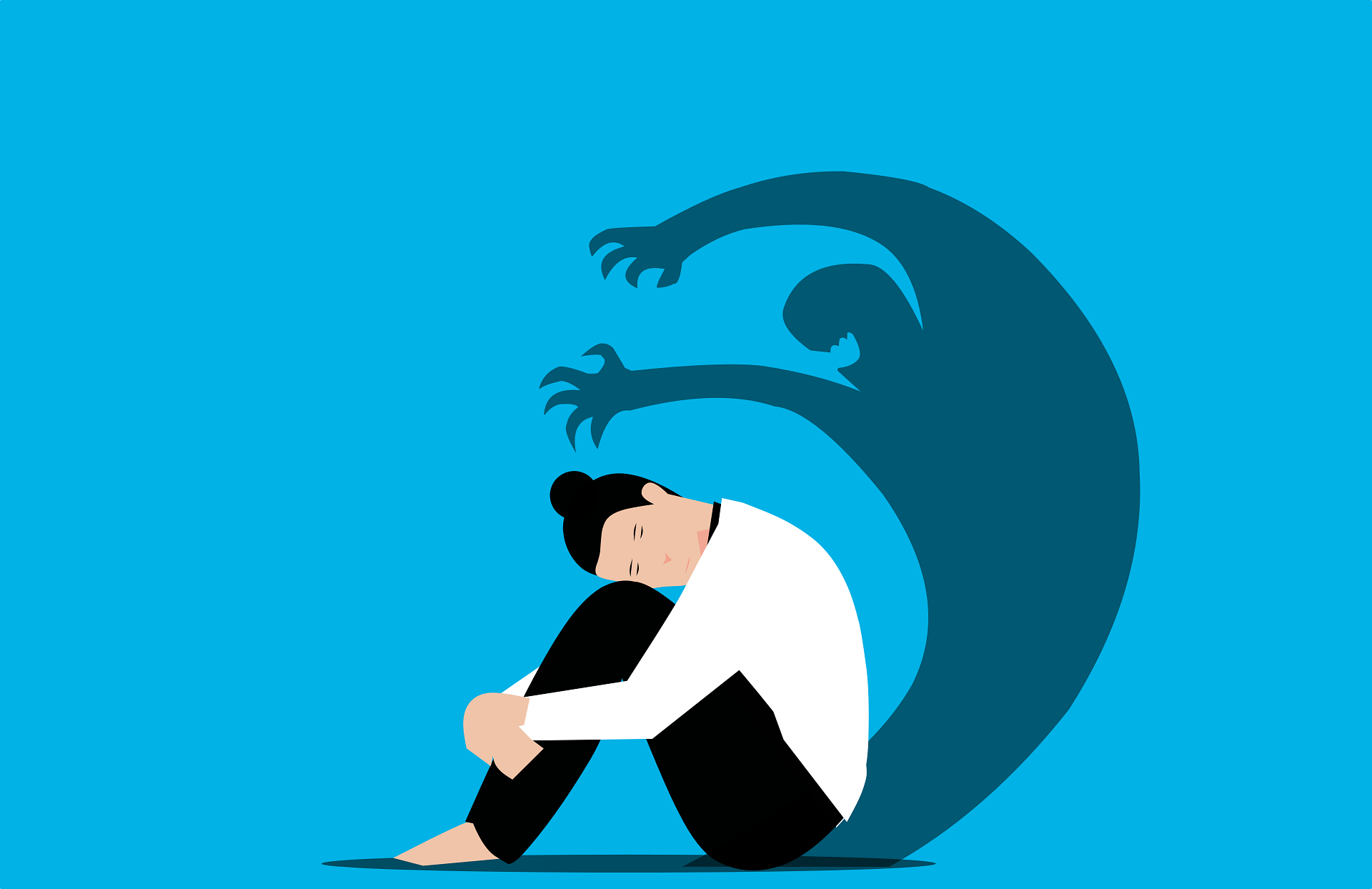
Many people go through difficult or frightening experiences in life. Sometimes these experiences can affect a person’s mental health for a long time. One condition that can happen after a traumatic event is Post-Traumatic Stress Disorder (PTSD).
What is PTSD?
Post-Traumatic Stress Disorder (PTSD) is a mental health condition that can happen after someone experiences or witnesses a very scary, dangerous, or shocking event.
Examples of traumatic events include:
-
Car accidents
-
Physical assault
-
War or combat
-
Natural disasters like floods or earthquakes
-
Sexual violence
-
Seeing someone seriously injured or killed
After a traumatic event, it is normal to feel scared, stressed, or sad. However, if these feelings last for many months and start to affect a person’s daily life, it may be PTSD.
Common Symptoms of PTSD
People with PTSD may experience different kinds of symptoms. These symptoms can appear within a few months after the event, but sometimes they appear years later.
1. Intrusive Memories
This means the traumatic event keeps coming back into a person’s mind.
Examples include:
-
Unwanted memories about the event
-
Flashbacks (feeling like the event is happening again)
-
Nightmares about the trauma
-
Strong emotional reactions when reminded of the event
2. Avoidance
Some people try to avoid anything that reminds them of the trauma.
For example:
-
Avoid talking or thinking about the event
-
Stay away from certain places, people, or activities
3. Negative Changes in Thoughts and Feelings
PTSD can change how a person thinks and feels.
Some signs include:
-
Feeling guilty, ashamed, or angry
-
Having negative thoughts about themselves or others
-
Feeling disconnected from family or friends
-
Losing interest in activities they once enjoyed
-
Feeling emotionally numb
4. Changes in Physical and Emotional Reactions
PTSD can also affect a person’s body and behaviour.
Examples include:
-
Being easily startled or always feeling alert
-
Difficulty sleeping
-
Trouble concentrating
-
Angry outbursts or irritability
-
Fast heartbeat, sweating, or shaking when stressed
What Causes PTSD?
PTSD develops after experiencing or witnessing a traumatic event. However, not everyone who experiences trauma develops PTSD.
Several factors can increase the risk, including:
-
Experiencing severe or repeated trauma
-
Having little support from family or friends
-
Having previous mental health challenges
-
Feeling guilt or shame related to the event
Why Support is Important
Support from others plays a big role in recovery. Talking with trusted people can help someone process their feelings and begin healing.
Helpful support may include:
-
Friends and family
-
Mental health counsellors or therapists
-
Doctors or psychiatrists
-
Community organizations
-
Religious or spiritual leaders
Professional therapy and counselling are often very effective in helping people manage PTSD symptoms.
Recovery is Possible
Many people recover from PTSD with time and proper support. Some people recover within several months, while others may need longer treatment.
The important thing to remember is that help is available, and no one has to face trauma alone.
If you or someone you know is struggling after a traumatic experience, talking to a trusted adult, counsellor, or mental health professional can be the first step toward healing.