Home Blog Page 71

To Pray- A Poem On Religion

Hello Friends,

It is Ramadan, that holy month of the year in which many Muslims feel most connected to Allah, our creator. As I wake up everyday to eat, fast, and pray, I cannot help but think of my future as a queer Muslim, and as a queer Pakistani.

It is a hard thing to do; to reconcile religion and sexuality, especially in Islam, when so many people think that it is inherently antiqueer. But I’ve been noticing lately that there really is a profound satisfaction in praying, and in being connected to my people through prayer. So in this month of Ramadan, take this journey with me; hold my hand as I take you through what I have been feeling in regards to my culture and religion these past few weeks.

نماز, To Pray:

There comes an age

in almost every Man’s life

where they realize

there is something sacred 

In prayer.


Satisfaction,

Fortification,

Honour,

what more do we want

Other than a purpose?


what more could I want?

from the time of my birth 

I have always wanted

I would sit on my Father’s lap

and take his keys into my small

fragile hands.


My first words,

“More”

and my last word

will be Enough.


What more could I want?

than to relish each stride

Of my sunkissed legs?

to perish neatly,

In a world of my design.


But Allah made me

With honeygold eyes

And gifted me my nose

passed down from those before

It was in his image I was created

moulded from mud by his haggard hands

So it makes sense

that I inherited his sins


When the cold dust settles

after the grand day has come to pass

What will he make of me?

something bold,

something which Reflects.


Oh Allah, is it your mighty hand I crave?


My blood runs

because my people 

Shed theirs


My blood runs

because I am my Ancestor’s heir


I carry the same crown of black hair

their commanding brows

Hooked nose and golden features


How could I betray them so?


when they breathed for me,

Fought for me,

taught me to carry my culture 

with the same honour

That a camel carries his master?


How could I be so queer?


Every year on the anniversary of our Nation’s birth,

My Mother would sit me down and hold me to her breast

and she would tell me stories

Of the brave 

Handsome

Muslim 

Men and Women who had fought for us.

had fought to better a world they never saw.


Brave Islamic warriors

Strategic and headstrong

Courage and prayer their main weapon


But my Mother,

does not do that anymore.


It used to make me angry


I would don my petulant suit of armour

and duel everyone who dared share a glance

salt would fill my wounds

but now all that occupies them now


Is sorrow


Sometimes I feel a connection in silent acts.

the way I wash my face,

Oil my hair,

a motion preformed 

by so many others.


I sit and think

would these streets be this empty 

In the place from where I fled?

Are the markets of Karachi

just as lonely?


but now I feel him

there is a grandeur of nature

that even the most pessimistic cannot ignore

Vast plains and snow-capped mountains

Are as omnipotent

As the arms of the creator


So now I arise

In the deadpool of night

from my infamous slumber

my skin ashen 

eyes tired


I look to the glorious چاند

because the sun would stain me

and there I realize

That Allah

Is merciful

Surely, if he made me this way,

It cannot have been a mistake


If Allah has made me gay,

who am I to repent,

To act as if I am waiting for a saviour?


Who am I to waste my ambition

my god-given gifts,

the Mashallah of aunties

spoiling in my room?


Nay

I will live my life

With honour and pride

I will take my Family name

I will take my Family’s nose

And carry it onto the battlefield

And die a temptless death


My Name,

ذو الفقار

The Name of the Prophet’s sword

The Name which means justice,

And to lead.


I will be like the Men

In my Mother’s stories

I will pray.


Featured Image Source(s): 1


A Day In My Life [Poem]

0

A Day In My Life [Poem]

7:10 A.M.

I wake up, tired wanting to sleep

7:15 A.M.

I get ready for school

7:50 A.M.

I leave for school

8:00- 2:30

my mind swirls as hour after hour passes,

my brain numb.

As the bell rings for each and every class,

I grab my stuff, and hurry to the next room, pleading for this day to be over.


School is great!

but i’m tired and i keep getting pushed in the halls by “accident.”

yet the longer i stay in the halls, the longer i want to sleep.

I just want to curl up in a ball and sleep.


2:30 P.M.

the bell rings

my day over

I go home

sleep

and the day repeats

over

and

over

again.

Our Great National Parks – Netflix’s Newest Nature Documentaries

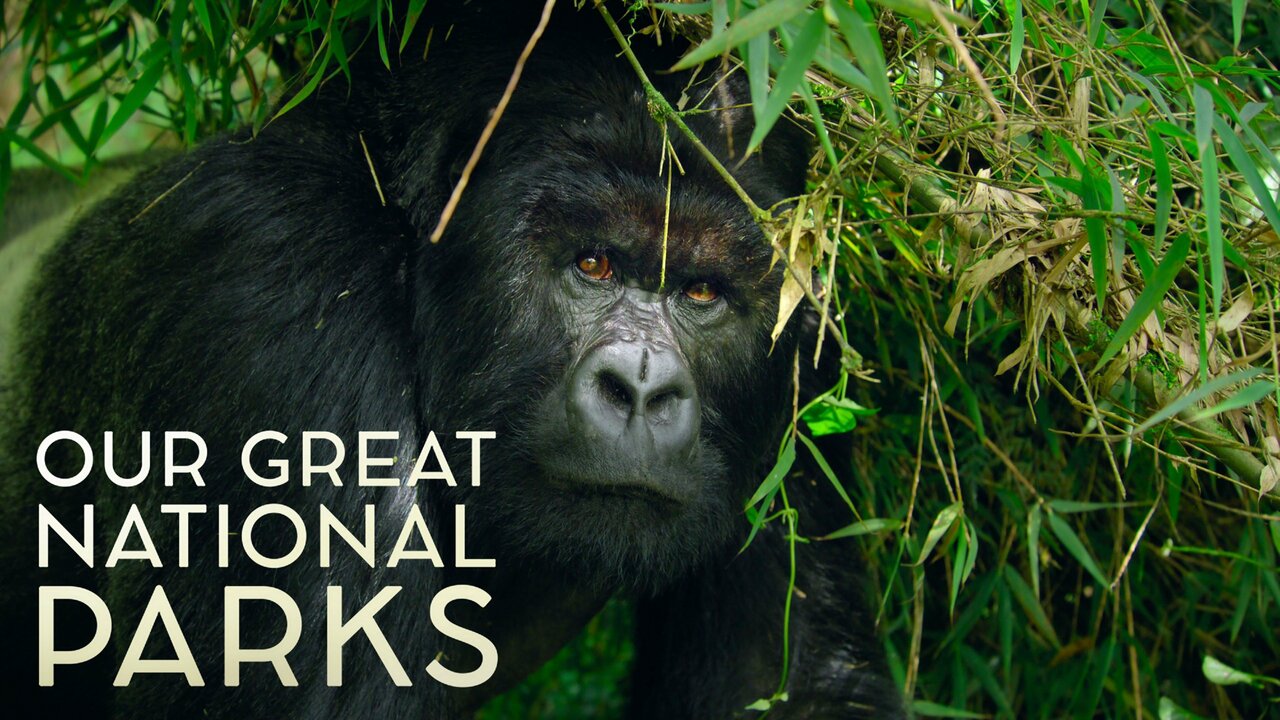
Those ecosystems ravaged by human industrialization and expansion are a greater force than you’d think. Netflix’s newest nature documentary, Our Great National Parks, addresses this. With the proper protection and changes, any ecosystem can rebound. Narrated by Barack Obama, this is a truly inspirational series showcasing the goals and achievements of conservation.

Our Great National Parks. Cr. Netflix © 2022

Our Great National Parks

The series comes in 5 episodes, just over 50 minutes each. They cover four specific national parks in depth, following a briefer general episode. These four parks are as follows: 

  • The Chilean Patagonia
  • Tsavo, Kenya
  • Monterey Bay National Marine Sanctuary
  • Gunung Leuser, Indonesia

In addressing these four, they emphasize the research, practices, dynamics, and interactions that occur within each complex and different ecosystem. In fact, being able to research such ecosystems properly allows scientists to redefine their perspectives of animal behaviour. Doing so enables them to make even greater protection decisions in the future. 

The entirety of the show  reveals gorgeous moving cinematography. The producers employed many full landscape and drone shots for a variety of perspectives. Many of these scenes are just breathtaking, which emphasises the importance of protecting such sceneries. Cinematography is the first quality I look for in world documentaries, and this series handles it spectacularly.

Our Great National Parks. Cr. Netflix © 2022

Our Great National Parks’ Tone

Barack Obama is a highly skilled speaker, which is a trait necessary for presidency and leadership in general. However, I’ve seen many individuals online disagree. While I’d say that his voice fits the inspirational and informational tone of the series, many reviews I found believed the opposite. It’s really up to personal preference, as there was a mix of positive and negative feedback on his voice. I want to note however, many negative reviews gave 1 star, while just criticizing his voice and nothing else. Therefore, its likely that some of these were only negative due to Obama’s political affiliations. 

I do not link this image in the end as I screenshotted it. Imagine it doesn’t exist if you look at the image links.

Regardless of American Politics, the message of the series is still vital to address. If we initiate the proper protective measures, we can counteract years of damage to ecosystems. If humans suddenly disappeared, nature would not care. It would regrow and find it’s balance. However, despite this hypothetical that will never happen being a fun discussion topic, we’re still here. Therefore, we have to coexist with protecting wildlife, and living our own individual lives. 

Our Great National Parks. Cr. Netflix © 2022

As with most nature documentaries, it spins descriptive narration for each animal it depicts. This creates that engagement, with a tight flowing storyline. I’d say all of the production elements kept my attention, with its narration, visuals, pacing, and fitting music. I want to specifically mention how gorgeous the soundtrack was, complementing the mood with captivating drama. 

What are the Criticisms?

Our Great National Parks does a very good job as a documentary, though the information isn’t insanely revolutionary. The production is like any other nature documentary, but with a twist narrator. I don’t think Obama’s narration in the series is as strong as his peak orating abilities. Regardless, he’s still engaging and it’s enjoyable to hear a newer voice. Part of me wishes there was more about conservation and specific practices. A deeper dive could be more useful for average city-dwelling citizens. However, there isn’t enough time to address everything with these parks, with how complex the ecosystems are.

If you’re a nature lover, I’d heavily recommend watching this. If you’re not, I’d still recommend it, unless you’re on the complete opposite end of the spectrum. However, I’ve never met an avid nature hater.  It reveals ample information to shift your perspectives, and teaches a lot within its short span. It’s not groundbreaking, but the production, cinematography, and overall freshness had created a fantastic new documentary series.

Links

Featured Image

First Image

Second Image

Third Image

Third Image

Fourth Image

Aesthetic Cafés Everyone Should Try in Calgary

From my own experiences, I think I can confidently say that going to exciting new cafés in the city is one of my favorite ways to spend my time with friends and families. Not only are cafés a great place to hang out and study, but they also have unique menu options. At the same time, the appealing décor in these cafés makes the overall experience so much better. So, if you love to take pictures, some of these aesthetic cafés located right here in Calgary are perfect for you!

And Some Flower Café

And Some Flower Cafe: New concept opens in Calgary | Dished

And Some Flower Café allows visitors to immerse themselves around beautiful flower décor and staple menu items such as lattes and cheesecakes. You can look around to see roses, tulips, lilacs, and many more bouquet options to find the one that works for you and also enjoy brunch! Furthermore, they are known for creating custom bouquets! Visiting this café is perfect for the upcoming Spring season, and you can take amazing pictures in front of their flower walls or other charming parts of the café. I love the unique concept of this café as I have never seen something like this done before. In my mind, flowers and pastries are the best combinations to having a great time out with friends and family. Make sure to check them out if you are in the Sunnyside area.

Regal Cat Café

Regal Cat Cafe

The Regal Cat Café is one of the most interesting places to visit on this list! If you love animals or cats in general, this café is the perfect place for you as you have the opportunity to spend your time with cats and even meet adoptable ones. One thing to note is that you have to make a reservation in advance in order to meet the cats as there is a coffee room and a separate cat room. Aside from that, you can also enjoy their various menu options and have a relaxing place to study and talk. Some menu items that caught my attention would be their Iced Caramel Macchiato and box of macarons. All menu items are reasonably priced, and there are many beverage options, including both hot and iced. The overall aesthetic is welcoming and vibrant, with minimalistic décor and bright turquoise floors. You will definitely have a great time at this café located in Kensington!

Hexagon Board Game Café

The Hexagon Board Game Cafe opens in Calgary | Dished

The next café I wanted to mention on this list was the Hexagon Board Game Café. I recently visited this lively café with my friends, and it was a great experience. When visiting this place, you are welcomed by a vast selection of games to choose from and menu options that remind you of home. There are many beverage options, including coffees and teas. You’ll never run out of games to play as they have over six hundred options in their game library. Additionally, they offer snacks such as chocolate covered pretzels and grilled cheese sandwiches. Moving along, the ambience is cozy with wooden accents and neutral colors. Overall, Hexagon Board Game Café allows you to have a great time with friends and family and try out many new board games. Consider visiting them the next time you are in the Kensington area for a memorable time! 

Thé Moon Tea House

THÉ MOON TEA HOUSE - 10 Photos - Bubble Tea - 14th Avenue SE, Calgary, AB - Phone Number - Yelp

One of my favorite places to visit is Thé Moon Tea House, as they have the most aesthetic décor and a very creative menu. They are located in the downtown area, and their menu consists of a seasonal drinks, milk teas, fruit teas, coffees, and desserts section. Currently their seasonal menu is inspired by Spring and features drinks such as the Melon Grinch, which has hints of honeydew alongside their signature Moon Pearls. One of my favorite options from their menu is their milk tea soft serve with various toppings such as mochi, red bean paste, and Moon Pearls. This local tea house has an appealing white and green color scheme accentuated with plants and dainty décor pieces, which makes it the perfect spot to hang out with friends! I would encourage you to visit this vibrant tea house to try some new drinks and have an enjoyable time. 

In the end, I hope by reading this, you have learned more about local cafés that offer a wide range of beverages, lunch items, and desserts. Going to any of the places listed above would ensure an exciting time spent with the people close to you, and you can take great pictures! 

Feature image/ image 1/ image 2/image 3/ image 4

[1]/[2]/[3]/[4]

Think globally, act locally; Method in Business

When I was writing my application for a summer camp, there was a question about the meaning of “think globally and act locally.” It is well known as a famous business philosophy related to entrepreneurship. Big brands know that they have to speak to people locally with many different implications and applications while maintaining global thinking at the corporate level. This business philosophy is well proven, and many experts recommend embracing this philosophy to any brand, company, or individual that aims for globalization. Of course, everybody has different perspectives of explaining things, but I want to describe the general definition and examples that are now used in current society. I hope you can learn about this principle from this blog and add your own perspectives to it.

“Think globally” means thriving the global standards for products and services, and “act locally” means providing products and services at the local level and caring for various communities’ different implications and applications. This is an act solution-oriented principle, which means that I need to foresee how global impacts may have certain actions. For example, they pursue global issues like environmental issues, and they make policies related to environmental concerns to make global impacts, but then they start with local areas. Like, reducing the carbon footprint is a global issue, but the steps taken are implemented locally. The company that aims the philosophy of thinking global and acting locally resulted in an environmental issue. Panasonic moved its North America headquarters to a prime location from a suburban area and pursued the principle of “acting locally.” This resulted in reducing carbon footprints which is a global concern. Johnson & Johnson provides another “think globally, act locally” example. To achieve their global aim to reduce carbon emissions by 20% by 2020, in their Sweden site, they use electricity or fuel that doesn’t contribute carbon emissions to the atmosphere.

The most famous fast-food brand McDonald’s, is a company that has one of the leading success stories with “think globally and act locally” principles. McDonald’s is a food-chain company that prioritizes standardization of the whole food-preparing process. When it was first merchandised within the States, it managed to ensure one standard quality. With the internationally high demand, when expanding through Europe, the Middle East and Asia, some hits in States were missed in Asian markets. Even though the processes of burgers, quality and products were the same, there was still a problem related to identity. At this point, the philosophy of “act local” helped McDonald’s to succeed, especially in the Asian region. South Asian cuisine was different than that of States or Europe, so they had to create flavours that could speak to locals. Afterwards, they included some local spices and excluded some global ones. This boosted their sales and demonstrated the importance of localization.

featured image

image source: <1> <2>

Pseudomonas Aeruginosa and its Role in Cystic Fibrosis

0

As the month of May approaches, so does Cystic Fibrosis Awareness month. Over 70,000 people worldwide suffer from Cystic Fibrosis (CF), including many of the people we know and love. That being said, it is important to shed a light on CF research to allow for a better understanding of the disease!

First of all, what exactly is Cystic Fibrosis? 

People get CF through a gene mutation which results in an abnormal function of the CFTR protein. This protein is essential for cells in the body to move chloride to the surface of the cell. Without a properly functioning CFTR protein, cells are not able to move chloride to the cell surface, resulting in thick and sticky mucus to develop in organs such as the lungs and the pancreas. CF patients often get long-lasting lung infections, struggle with breathing, and have serious digestive issues. One of the most common and life-threatening causes of lung infection is the Pseudomonas aeruginosa pathogen.

What is Pseudomonas aeruginosa and what is its correlation to Cystic Fibrosis?

P. aeruginosa is a bacteria that can be found in the environment. When spread to CF patients, P. aeruginosa is able to colonize the lungs, resulting in severe lung damage. However, there is  controversy surrounding the predominant way P. aeruginosa is spread.

Epidemiology of Pseudomonas aeruginosa in British Columbia, Canada

Experts from various health institutions in British Columbia conducted a research study on the Epidemiology of P. aeruginosa. Some of these experts were from the Department of Pediatrics at the University of British Columbia. Others were from institutions that had a Cystic Fibrosis clinic. 174 patients with CF and P. aeruginosa were included in the study, and their P. aeruginosa isolates were studied through processes such as gel electrophoresis. The scientists concluded that CF patients were not at a high risk of obtaining P. aeruginosa from other patients, but rather, the predominant mechanism by which patients acquired the bacteria was from basic interaction with the environment.

Ongoing Research on Pseudomonas aeruginosa in CF patients:

Researchers all over the world are working on understanding how P. aeruginosa is able to colonize the lungs, and what signals control their spread. The long term goal of the continued research is to find new ways we can help Cystic Fibrosis patients who contract P. aeruginosa. However, all research is in hopes of finding better solutions for everyone who has CF, as it is a chronic disease that results in premature death. If you want to make a difference in Cystic Fibrosis research and awareness, feel free to visit Cystic Fibrosis Canada.

Featured image

1/2/3/4/5

Is the fourth dose of Vaccination really that Necessary?

The COVID-19 virus has been active for around 2 years now, and already recommendations for the 4th dose or second booster shot have started to arise. Over the past months, we have encountered new and fatal variants of the Covid-19 virus that may be immune to the present vaccines. With this ongoing situation, it is important to understand whether the 4th dose is actually effective, and if it will it be the next solution to improve public health.


What are HCW saying about the 4th dose of vaccination?

Many healthcare workers are skeptical about the 2nd booster shot, as they believe it is too early to be introduced. Many believe it is not required and does not have full proof of its effects. Experts have also made it clear that there is no evidence available to justify, whether taking the 4th dose would be advantageous for society. Even though, there are people dubious about the 4th booster shot, some well-known doctors and healthcare workers, agree that people vulnerable to the contagious virus would benefit from the new booster shot.

“There are very few, if any, people who, in my opinion, require a fourth dose,” said Dr. Anna Durbin (professor of international health and director of the center for immunization research at Johns Hopkins Bloomberg School of Public Health).

“In general, it’s too early to recommend the fourth dose, except for those who are immune-compromised,” said Dr. Paul Goepfert (professor of medicine at the University of Alabama at Birmingham and an expert in vaccine design).

A recent case study was also run, based on a small experiment. Many HCW were given the 4th booster shot of either Moderna or Pfizer. Of that group, around 18% (Pfizer) and 20% (Moderna), were recorded to have developed the omicron variant. The results from the latest test were then compared to the third dose group, where 25% of the individuals had developed the new variant. This test reflected how the 4th booster immunizes and protects you better to an extent.


What is happening in Canada today…

Canada has started to roll out fourth doses, and health officials have commenced advising all territories and provinces to begin using them. Canada’s National Advisory Committee on Immunization (NACI) has also proclaimed to Canada about being prepared for the fourth doses arriving in a few weeks. Although vaccinations are becoming available in Canada again, they are prioritizing individuals over 70 years of age and people from First Nations, Metis, and Inuit Communities. The second booster shot will be provided to those who have taken their first booster dose roughly 6 months prior.

https://www.ctvnews.ca/health/coronavirus/where-in-canada-are-fourth-covid-vaccine-doses-being-offered-and-to-whom-1.5850704 

* Follow the link above to learn more about how each province and territory is introducing the fourth doses.


Sources and Information

1, 2, 3, feature image

5 Best Baking Tips

0

We all need some extra tips to make our baking experience exemplary. Sometimes baking doesn’t go smoothly – trust me, I know. So, here are some tips to make it a bit better and funnier!

  1. When there is an eggshell in your mix don’t use your hands to grab it. Instead, the bigger part of the shell will scoop it up. The number of times I have had to experience tiny eggshells in my bowl is impeccable. This tip helps me avoid the slimy parts of the raw egg getting on my hands.
  2. Use either silicone baking sheets or use parchment paper on your pan. It’s a lot of work spraying oil on your pan and then having to later scrape off your cake or cookie off the pan.
  3. Skip the extra washes when using measurements. when you have tables spoons or teaspoons after the flour is put in, press the measurements in so that there is a mold of it in the flour. Then you can put the ingredient in the mold.
  4. Cool the cake! Most of us rush to put the icing on top of our cakes but let them cool otherwise your icing will melt.
  5. Use toothpicks. When you bit into your cookie the last thing you want is for it to be raw. Use toothpicks to check if it’s ready or not.

Youth Activists

Your age is just a number. Activism & Advocacy can be done at any age by any person, and it can make a difference. To inspire you so, here are four inspiring young activists that advocate for some issues, across a wide range of global (current) events in our world today.

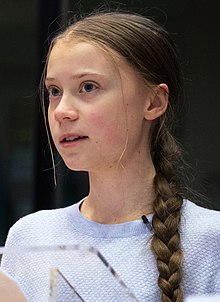
1. Greta Thunberg

Portrait of Thunberg at the European Parliament in 2020

You may have heard of her before, Greta Thunberg is a 19-year-old Swedish environmental activist who advocates for “immediate action for climate change mitigation.” One of her most impressive achievements was her speech to world leaders at the UN Climate Action Summit. Beyond this, she has led numerous other movements to fight against climate change, such as Fridays For Future, and has made her voice heard in the world. Here is an excerpt of her speech:

“You have stolen my childhood and my dreams with your empty words, You’re failing us, but young people are starting to understand your betrayal. The eyes of all future generations are upon you. And if you choose to fail us, I say we will never forgive you.”

2. Shannen Koostachin

Shannen Koostachin

Although she is not in the world with us today, Shannen Koostachin was a Cree Youth Leader and indigenous education activist. She founded Students Helping Students, a campaign to have a new school built in her indigenous community and improve education places in indigenous communities, raising awareness of the poor conditions and standards in First Nations schools, due to the lack of funding and resources received from the government. In her honour, Shannen’s dream, a campaign, was founded in the hope that all First Nations children across Canada have “safe schools with a good quality education” making them proud of who they are.

“School is a time for dreams, and every kid deserves this.” – Shannen

3. X Gonzalez

All Of The Most Powerful Lines From Emma Gonzalez's Speeches

A survivor of the shooting in Stoneman Douglas High School in Parkland, Florida (the deadliest high school shooting in US history), X Gonzalez is an American activist and advocate for gun control. They have founded Never Again MSD, an American student-led political action committee that advocates for tighter regulations against gun violence. They have been successful in improving legislature for gun control, their impressive “March For Our Lives” speech is really inspiring, you can check this speech out here.

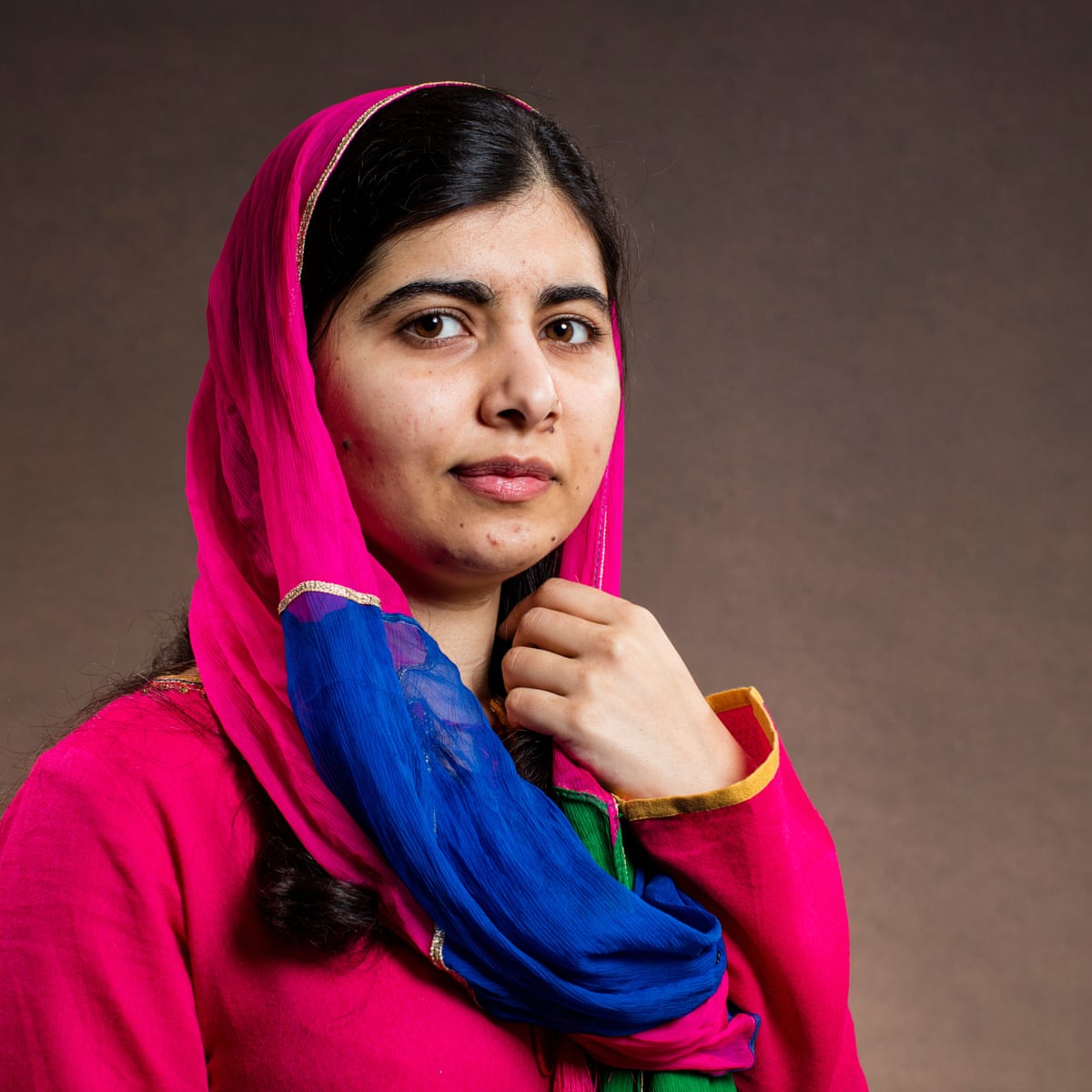
4. Malala Yousafzai

Malala Yousafzai on student life, facing critics – and her political ambitions | Books | The Guardian

Malala is a Pakistani activist, who as a youth, spoke about the prohibition of girls’ education imposed by the Pakistani Taliban. At the age of 15, she survived an assassination attempt and now has become an active & well-known advocate, across the world. She was awarded the Nobel Peace Prize, making her the youngest laureate at only 17 years old for her efforts in advocating girls’ education and women’s equality. To learn more about her story, you can check out her amazing autobiography, “I am Malala: The Story of the Girl Who Stood Up for Education and Was Shot by the Taliban.”

Sources: Featured Image/ 1/2/3/4

Money Can’t Buy Happiness… Or Can It?

A philosophical question at heart, to what extent does money bring genuine happiness into one’s life? In order to attain a reasonable stance on this topic, let’s explore both sides of this controversial argument.

MONEY CAN BUY HAPPINESS:

  • In society, money is what brings success and happiness.

This statement is quite self-explanatory. Wealth is considered a marker of status in our current world, and the more money you have, the more successful you are viewed. Although somewhat cliche, the statement “hard work pays off” proves to hold true. This is due to the fact that in almost all cases, the wealth you obtain derives from the effort you put into your academic and financial goals. Motivation and determination underlie your ability and success to achieve these goals. Therefore, society praises, respects, and admires those who are rich.

It can also be agreed that money holds value, both literally and figuratively. The basic necessities — shelter, food, and clothing — are all bought with money, meaning that money is the absolute basis of sustaining a healthy, and thus happy, life. Money holds a high value in our current society, and for good reason. It can be argued that money is the prime motivator for the majority of the population, given its importance for living a pleasant life. As such, essentially, success and happiness nowadays all stem from wealth.

  • Money buys everything that makes one happy.

Other than providing one with the basic needs for survival, money goes beyond that by allowing one to enjoy the luxury of life. Reflect on the last occasion you celebrated. Now imagine it without the food, gifts, and everything else bought with money. Chances are, the celebration and the atmosphere would be quite dreary. This proves that wealth itself holds the power to buy items that make life pleasing and enjoyable. Bill Gates (with a net worth of over 100 billion USD) himself said that money has indeed made him a happier person. 

  • Wealthy people tend to have less stress.

Studies have proven that money reduces intense stress levels in adults. Although we all face day-to-day struggles, wealthy people are more in control of negative situations and thus do not worry as much. Those with lower incomes have more at stake, as, say, one minor dispute at work could dictate whether they can pay the rent next month. Those with lower wages generally work more hours, meaning that they will have less time to spend with their loved ones. This can lead to many mental health issues in these individuals.

Also, take for example a practical situation. Imagine you were coming home late from work but you had to take your kid to an extracurricular activity. If you have money, this issue may be resolved by calling an Uber or missing the class altogether. You would have a much harder time fixing this problem without money. Therefore, having money would allow you to resolve problems more efficiently and more effectively. This also proves why wealthy people also are more satisfied and happy with their lives.

  • Money is the primary motivator for the advancement of society.

For the sake of securing a promising future, money is what drives most to pursue higher-level education. Only with education can one be able to find a well-paying job, and only with a job can one support themselves and their family. On a side note, parents with lower wages, more times than not, also spend less time with their children due to busy schedules. As a result, without proper attention from their parents, their child is more prone to face emotional distress, lower academic performance, and adopt harmful habits and behaviours.

But back to the point, the only reason that society continues to develop and thrive is because of the individuals in it who are willing to work and innovate. One motivator primarily fuels this willingness: money. Quite simply, people only work if they have something to gain, and money is a universal asset. The fact that money is the stimulus to a functioning society already demonstrates its value. So if humans are driven by assets and the idealized life is where one is happy, then these assets must bring us happiness. In other words, since humans strive so desperately for money, then money must bring positivity to some extent into one’s life. The best life to live is a life where one is happy, so that means that humans are motivated by money to attain happiness.

MONEY CANNOT BUY HAPPINESS:

  • “True happiness comes from within.”

This statement is accurate on many levels. Before understanding why that is, we must first define what exactly happiness is. Happiness is doing what we enjoy, like and love because it brings us joy. Material possessions and money are societal measures of success, however, it is not true success. To truly succeed in life means doing what you enjoy and is meaningful to you, and living life to its extent. Unless gaining money is the only source of fulfillment and satisfaction in your life, then philosophically, being rich does not make you successful, nor does it make you happy. If you work at a job that does not share your own values, sure you earn money, but is it really worth it to spend your whole life on something you do not enjoy?

  • Money brings a false sense of happiness.

Taking the counterargument at its best, even if it is valid that money adds joy to one’s life, it will only be to a certain extent. Compare money to a drug in this case; it may temporarily make a materialistic person happy for a certain period of time, but it does not last for long. Someone might thrive off of money for a while, but after they have fulfilled all their materialistic desires, they will reach a point where they realize that money alone cannot bring happiness. True happiness, like love and relationships with others, cannot be bought. You achieve such things that bring you genuine joy through emotional and social effort. Attaining this real happiness is the greatest prize in life, far outweighing money and what it can buy. You can be the richest person in the world but also the loneliest.

  • People often take advantage of those with wealth.

If you are rich, chances are, many of your relationships are unhealthy or fake. True friendships are hard to come across, as many might want to be associated with you for your monetary status. They may want to get close to you for a number of selfish reasons, such as maintaining their public image or attempting to woo you for money. They could also do it simply out of spite to betray you in the end. Like moths to a flame, it is difficult to truly connect with others when they are intently focused on your money. The same concept with personal relationships goes for professional relationships. Oftentimes, people are more attentive to your wealth instead of yourself as a human being. As such, your personality, skills, and talents are all disregarded. 

  • With wealth, also comes fear.

It is highly inaccurate to assume that someone lives a happy, carefree life just because they are wealthy. Everyone has their own struggles in life. In fact, wealthy people have fears of isolation and doubt over relationships, perhaps even more so than middle-class people. Again, people often take advantage of wealthy people. Although they may not face barriers financially, they are still human and must also overcome obstacles in relationships. And remember that relationships are the true bringer of happiness. Additionally, wealthy parents often spoil their children, which leads to unhealthy attitudes towards money. They may become overdependent on their parents’ wealth and bring this into future relationships. Eventually, though, they will discover that money by itself is not an authentic source of happiness.

So, now what do you think? Can money actually make one happier in life? 

SOURCES: 1 / Feature Image

What is MBTI?

MBTI is also known as the Myers-Briggs Type Indicator test and it shows your personality with 16 types. 16 types of personalities are indicated by 4 groups of each 2 letters. The first group shows if you are introverted or extroverted. Next, the second group is sensing or INtuition, thinking or feeling, and lastly judging or perceiving. One letter from each group makes a four-letter word. For example, “ESTJ” or “INFP”.


Here are brief explanations of each 16 MBTI personality types. 


ISTJ (Introversion Sensing Thinking Perceiving)

-Responsible

-Analytical

-Realistic

-Hardworking

-Trustworthy with sound practical judgment


ISFJ (Introversion Sensing Feeling Judging)

-Warm, considerate

-Gentle

-Responsible

-Enjoys being helpful to others


INFJ (Introversion INtution Feeling Judging)

-Organized

-Insightful

-Idealistic

-Seek harmony and cooperation


INTJ (Introversion INtution Thinking Judging)

-Innovative

-Logical

-Strategic

-Driven by their own ideas to achieve improvements


ISTP (Introversion Sensing Thinking Perceiving)

-Action-oriented

-Spontaneous

-Independent

-Enjoys adventure


ISFP (Introversion Sensing Feeling Perceiving)

-Gentle

-Sensitive

-Realistic

-Seeks to create a personal environment


INFP (Introversion INution Feeling Perceiving)

-Idealistic

-Loyal

-Values inner harmony and personal growth

-Idealistic

-Focuses on dreams and possibilities


INTP (Introversion INution Thinking Perceiving)

-Logical

-Intellectual

-Imaginative

-Enjoys speculation and creative problem solving


ESTP (Extraversion Sensing Thinking Perceiving)

– Outgoing

– Realistic

– Action-Oriented

– Programic problem solver and skillful negotiator


ESFP (Extraversion Sensing Feeling Perceiving)

– Playful

-Enthusiastic

-Spontaneous

-Enjoys helping people in tangible ways


ENFP (Extraversion INution Feeling Perceiving)

– Enthusiastic

– Creative

– Optimistic

-Enjoys starting new projects


ENTP (Extraversion INution Thinking Perceiving)

-Enthusiastic

-Inventive

-Enterprising

-Enjoys new ideas and challenges, value, inspiration


ESTJ (Extraversion Sensing Thinking Judging)

-Efficient

-Outgoing

-Analytical

-Realistic

-Likes to run the show and get things done in an orderly fashion


ESFJ (Extraversion Sensing Feeling Judging)

-Friendly

-Outgoing

-Conscientious

-Organized

-Practical


ENFJ (Extraversion INution Feeling Judging)

-Caring 

-Enthusiastic

-Idealistic

-Organized

-Diplomatic

-Responsible

-Communicators


ENTJ (Extraversion INution Thinking Judging)

-Strategic

-Logical

-Efficient

-Outgoing

-Effective organizer of people and long-range planner


You can try your MBTI personality test and find more information  here: https://www.16personalities.com/free-personality-test

featured image: 1


To Philosophize on the Future

Predicting the future is messy business. “Futurology” is the art of speculating about the future and, in practice, it’s an optimist’s game. Indeed, few want to think poorly of their own—or humanity’s—future.

There will doubtless be innumerable innovations in the coming years. Today’s vision of the future incorporates the idea of a continued advance of technology. It’s second nature to assume that futuristic societies will have technologies unfathomable to our present selves.

But the pessimist’s vision is what often concerns us the most—they’re what make up the most striking headlines: “climate change to become irreversible,” “war and devastation, rising tensions between nuclear superpowers,” and so on.

So why not try to predict? Few people have examined this as much as philosopher Nick Bostrom, whose work has been fundamental to this post. He puts it elegantly, “A capacity to learn from experience is not useful for preparing for the future unless we can correctly assume (predict) that the lessons we derive from the past will be applicable to future situations.”

Thinking deeply about the future is not about supposing a fantastical vision on our expectations for what is to come. In fact, it is quite the opposite: technocentric philosophy aims to derive the most probable outcomes for humanity as a whole, following current trends.

So let us consider the future for just a bit, as imagined by Bostrom. And perhaps that will shed more light on our present circumstances.

Four Paradigms of the Future

If we imagine the progress of humankind over the past ten thousands years or so to be in the forward direction, then these first two possibilities take us backward.

Extinction

The first paradigm is that of near-future extinction. This essentially means that humans die out before any other of these futures can be completely realized. (Also note that humans can go extinct if—in the long term—we evolve into a separate species, but that’s separated into paradigm four).

The foremost of extinction risks is not easily defined, but they could potentially appear due to human activity. These include the possibility of lethal and infectious viruses and bacteria, advanced bioweapons, and other destructive technologies (pernicious artificial intelligence, perhaps) that could wipe out the entire human population (an unfathomable and unlikely outcome).

In his original paper, Bostrom does not give enough credit to natural extinction risks, which—although relatively minor—are still significant enough to be important (e.g., large volcanic eruptions that could destroy global agricultural output). However, he carefully defines this paradigm to be only the types of disasters that are unrecoverable for humankind.

Even with dangerous infectious diseases, if only a very small population survives with immunity, the species does not necessarily go extinct, which brings us to the second paradigm he identifies: the notion of recurrent collapses.

Recurrent Collapse

Here, humankind is able to survive in the long term, but technological and societal development could become cyclical. Some large disaster could occur and set the population back tens of thousands of years. Supposing that such an event is recoverable (i.e., society can redevelop back to its original state before the collapse), there is again the potential for another collapse.

An important criticism to note, of course, with Bostrom’s model is that these well-defined “families of scenarios” are limited by the flexible nature of society when dealing with these timescales. It may very well be possible that, over the course of hundreds of thousands—perhaps millions—of years, humans develop, regress, develop, regress, and so on, until at one point, we go extinct.

A reason to focus on space exploration over the long term is that—assuming its success—by spreading out human populations across many planets, one major event is less likely to cause the extinction of the entire civilization.

Further, note that the common “looming” or growing disasters that we point to today, notably climate change, most likely fall under this category if it were ever to extensively damage the Earth. If climate change is not adequately managed, the most probable scenario is one where many people suffer, but many others are still able to live and adapt to changing circumstances. (In other words, climate change, although terrible and destructive, is likely not a species-ending disaster). Nuclear proliferation and mutual destruction also fall under this category (ever read The Chrysalids?).

Plateau

This is an interesting paradigm to discuss, but Bostrom rightly assigns this category a low probability. This essentially means humans will hit some sort of ceiling on innovation before we become “posthuman” (more to come). It’s difficult to say, but he outlines two trajectories.

One: we progress a bit further (maybe even for a tens of thousands of years), but progress eventually stops. Two: we no longer progress in terms of technology.

The latter trajectory feels rather unintuitive. After all, humans have been progressing for thousands of years—why would we stop now? But it’s important to recognize that, despite having a very high probability, there is no “law of intelligent life” that guarantees innovation.

Some more food for thought.

Posthumanity

Finally, perhaps the most intriguing possibility: becoming “posthuman.”

Before we consider Bostrom’s definition of posthuman, we can look at what “prehuman” means in the same context. Prehuman does not identify when we were not of Homo sapiens. Rather, it describes a state where we are lacking in at least one of three capacities (there are certainly more, but these ones are particularly notable):

  1. “Healthspan”—a combination of lifespan and health;
  2. Cognition—ability to reason, understand, remember, learn;
  3. Emotion—to feel and enjoy life.

By lacking, we mean not to the extent we (humans) have it today. When exactly we turned from “prehuman” to human is not clear, but it does not actually matter.

The same idea goes for posthumanism, where our successors exceed the current human maximum in at least one of the three capacities. Perhaps, posthumans will have significantly longer healthspans or be able to process information at a much faster rate or human suffering in the world is eliminated, by our present definitions of suffering.

These, according to Bostrom, are most likely to come about through technological advances, such as widespread bioengineering, medical capacity, or entirely mechanized labour. The definition is intentionally vague.

Essentially, this is where we’ll end up if technological progress does not halt. Although it may be hundreds of thousands of year away, we can still be optimistic about these prospects for humanity. Furthermore, whether progress will continue indefinitely (whatever that looks like!) or halt later, it is impossible to ascertain.

Ultimately

We currently suppose the existence of the heat death of the universe, where energy is in perfect thermodynamic equilibrium. Nothing is possible and nothing will exist in the end. Whether that will be the ultimate end to everything is a question of philosophy at present.

No matter what, however, the future is still unwritten. Today is still a moment in time that could make a difference. And looking into the fog of the future could inform our present.

Further Reading

If you’re still here, you must be very interested in this topic. Here are some links to Nick Bostrom’s work:

Image Sources: Featured

Cool Facts about the Brain that you may never have heard of before!

If there is one thing I could read for hours about, it is our human brain. It is the reason we can survive, it helps us in times of fear and allows us to make decisions. Without it, we literally would not be able to function. Here are some cool facts I recently read that might interest you!

The brain’s storage is considered unlimited.

The brain has over 86 billion neurons that connect with one another over time increasing the storage capacity because it can create about 1 quadrillion connections. This is affected when people undergo Alzheimer’s. As long as the brain is healthy, the storage can be considered unlimited!

1

60% of the human brain is made up of fat!

For those of you biochemistry lovers, research has shown that fatty acids are one of the most important molecules that allow the brain to function properly. One familiar fatty acid you may have heard of before is omega 3, found in fish. This helps with brain development in the fetal period.

The brain uses 20% of the body’s oxygen.

Oxygen and energy travel to the brain through the blood vessels since the neurons require energy. If there is a lack of energy in the brain, one cannot function and may undergo neurological disorders.

Sweating can shrink your brain.

In the United Kingdom, scientists discovered that when one sweats for 90 minutes without drinking any fluid, the brain shrinks as it loses fluid and can even be equivalent to a year of ageing. This is why it is important to stay hydrated.

Learning new languages can boost your brain’s cognition.

In a 2018 literature review from, Frontiers in Human Neuroscience, scientists discovered that learning foreign languages may help the older population as it enhances their cognitive abilities. Many articles have compared languages to a gym for the brain. Using different languages urges people to use their memory and therefore, decrease the chances of losing it.

5

These are just a few out of many fun facts I have found as I have read more and more about our brains. I hope these may have inspired you to either learn a new language or also read about it as it’s always good to keep learning.


Sources:

Feauture image: https://www.britannica.com/story/do-we-really-use-only-10-percent-of-our-brain

https://legacybox.com/blogs/analog/25-brain-facts-blow-mind

https://bigthink.com/neuropsych/language-brain-health/

https://www.medicalnewstoday.com/articles/320289

https://www.nm.org/healthbeat/healthy-tips/11-fun-facts-about-your-brain

Calgarians paired with local charities ready to support Ukrainians

With millions of Ukrainians having fled their country as Russian forces shell cities and towns in the Eastern European country for nearly a month now, a number of community groups and organizations have come together across Calgary to support them. These groups are dedicated to helping immigrants in Calgary and are now working together to collect donations for Ukrainian refugees all for the purpose of making sure those fleeing the war can get off to a clean start. 

Members of the Sikh community give donations to a “Stand with Ukraine” campaign at the Dashmesh Cultural Centre in Calgary, Alberta.

The Soap for Hope charity has recently partnered with The Centre for Newcomers to provide hygiene hampers for approximately 200 Ukrainian families expected to arrive in Calgary in April. While the charity initially started off as a small passion project in 2015, they have grown into a nationally registered charity that mainly strives to eliminate as much waste from landfills while also providing an essential service to community facilities and marginalized groups. In response to the Ukrainian refugees, they have focused on providing the necessary hygiene projects while also raising awareness, providing everything from shampoo and conditioner to razors and toothpaste. “You can only imagine how scary it would be to be flown to a new country where you know nobody or nothing and have nothing,” Soap for Hope’s Tanaya Jilg said. “So we just think it would be helpful for our part to at least have some basic amenities to be able to give to them when they arrive.”

The Centre for Newcomers has also decided to work with other local community groups to help raise funds and campaign for the Ukraine Crisis. Specifically, the Dashmesh Culture Centre Gurdwara Sahib Calgary collaborated with them just a few weeks ago. However, the centre is encouraging all Calgarians to help with their work. Donations of new clothing and blankets, grocery gift cards, non-perishable food items, cooking utensils, school supplies, toys, and books are all being accepted by the centre. 

“We are just expecting as many Ukrainian families as possible,” said Rabah Swaidek, one of the directors at the Centre for Newcomers. “(We want) to be able to help support them, and whatever we have that’s left can go to other newcomers that are here, or just the community that’s in need.”

The situation that the Ukrainian refugees are in is undoubtedly grim, but Calgarians are here to support them.


Soap for Hope is now asking for donations of hygiene items and bedding, with more information available at https://www.soapforhopecanada.ca/.

Monetary donations are also being accepted for the Centre of Newcomers, and full details can be found here.


Featured Image

Sources: [1] [2] [3] [4] [5]

CRISPR-Cas9 Technology: the future of gene editing

Gene editing gives scientists the ability to change an organism’s DNA, allowing them to treat or prevent diseases. Technologies like CRISPR-Cas9 allow genetic material to be added, removed, or altered at particular locations in a gene, which is exciting news for researchers. The technology is faster, cheaper, effective, and more accurate than other methods presented in the past.

CRISPR-Cas9, which is short for Clustered Regularly Interspaced Short Palindromic Repeats and CRISPR-Associated Protein 9, was created from a naturally occurring gene editing system that bacteria use in our body to defend us against viruses. When infected with a virus, Cas proteins in a bacteria capture small pieces of the invading virus’s DNA and insert them into their own DNA in a particular pattern. They are copied into short pieces of RNA and allow the bacteria to remember the virus. The RNA binds to a special protein called Cas9. If the viruses attack again, the bacteria produce RNA segments that recognize the virus’s DNA. The bacteria then use Cas9 or a similar enzyme to cut the DNA apart, which destroys the virus.

Several bacteria, including E. coli and Halophiles, use CRISPR as a defense mechanism. In 2012, scientists found out how to use CRISPR to target DNA in almost any organism. In the lab, scientists design a model RNA to match the gene they want to edit, and attach it to the Cas9 protein. The model RNA guides Cas9 to the gene they want to edit, and the protein is able to destroy the gene and replace the DNA with the RNA. Using this technique, scientists are able to make changes to genetic code.

Although the technology yields promising results and sounds like a perfect option for gene editing, many questions about the ethics of these procedures have been raised. Researchers and bioethicists believe that it shouldn’t be used for reproductive purposes yet.

CRISPR-Cas9 has been a major breakthrough in the world of medicine because of its potential to solve problems we couldn’t think of before. Although research is ongoing, one thing is clear: this new technology could carve the way for healthier generations while providing solutions for genetic disorders.

Sources: 123456