
Home Blog Page 57

6 Effective Studying Strategies For Students

The Problem

With exam finals coming up, I’m sure that if you’re a student, you have been dreading this period of time for a while. And if you’re like me, you’ve probably heard a lot of reminders from your parents, teachers, and friends that it’s important to study.

However, you probably haven’t heard strategies on how to study. So you just do what you see in movies and on social media – you re-read your notes, read through slideshows and textbooks, and pray for the best.

Long story short: don’t.

My Personal Experience

In middle school I only used passive studying like reading and highlighting. The night before my quiz or unit test, I would try to read over the entire textbook, all of the slideshows, and highlight my notes. And it worked. I might not have retained any of the information after the test, but I got through pretty well. Up until high school, I got perfect grades.

But once high school started, reading and highlighting were no longer enough to help me get through. As a pretty academically focused student, I was devastated when I received a 64% on my first quiz. I knew something had to change, so started using different study strategies. I tried every single one I found on the internet, and there were some that worked, but also a lot that didn’t. But when I eventually discovered the most effective methods of studying, my grades gradually returned to above 95%. So after many late nights of trial and error, here are some strategies that I’ve found which will help you study effectively!

1. Cornell Notes with Review

Cornell notes are a very popular way of taking notes. It is a type of note-organization where you write important concepts in the margins and leave a small space at the bottom to summarize the information in that page. After class or after school, you can go back through your notes and write out the note summaries as a form of review.

I found the Cornell Note Method to be more effective when I turned the important concepts into questions. For example, instead of writing one of the main concepts was “The Greenhouse Effect”, I would turn it into a question like “What is the Greenhouse Effect? Why is it important?” This way, when it was time for review, I could quiz myself on the main concepts using the review questions I came up with while I was taking notes. The answers would be in my notes, and I knew that I was prepared if I could answer all the questions correctly.

2. Feynman Technique

The Feynman technique is also a popular way of reviewing information. It involves learning a concept, closing the textbook, and explaining what you’ve learned to somebody else. This can help you identify gaps in your knowledge and pieces of information that you don’t understand.

This technique is extremely effective if you have family that is willing to listen to you. Understandably, they might have more important things to do. But you can also apply this technique to an inanimate object. Computer scientists call this “the rubber duck technique”, where they try to explain their code line by line to an inanimate object on their desk until they find the error. Similarly, you can use the Feynman technique to teach a stuffed animal the Greenhouse Effect and discover some areas that you might not fully understand while explaining.

Feynman is also particularly for study groups. When studying with a friend, even if you are studying different subjects, you can use the Feynman Technique to review. This benefits both of you – you can identify weaknesses in your knowledge, and your friend will learn something new. So next time a friend asks you for help, think of it as a review strategy and don’t hesitate to lend a hand!

3. Flashcards

Flashcards are one of the most effective ways of basic memorization that I have ever used. While they aren’t very effective for understanding, if you need to learn terminology, historical names, or historical dates, flashcards are the way to go. Although there are many different online flashcard resources such as Quizlet and Cram, I like to use physical flashcards because I don’t want to be distracted by social media or tempted to play games on my phone. I also learn a lot of the ideas while creating the cards.

A few years ago, I had a music theory exam where I needed to know hundreds of musical terms. I made flashcards for each one of them, and reviewed the stack every morning and afternoon on the bus ride to school. Over a few weeks, I memorized an entire glossary of musical terms.

Keep in mind that flashcards are best used when you are memorizing basic ideas. Unless you’re cramming in information last-minute, it’s best to choose a different strategy for important concepts so that you can understand them instead of just remembering.

4. Practice as Much as Possible

The most old-fashioned way of studying… doing massive amounts of practice questions and practice exams. This is where you actually apply your learning. While this technique is only effective when you have time, practicing is one of the most tried and true ways of reviewing key concepts and ideas. You can use your textbook, or extra worksheets from class (never turn those down!). There are so many resources for practice tests online. Here are a few:

  • Khan Academy
    • It has plenty of resources for high school math and science, economics, computer science, American history, and even life skills
  • IXL Learning
    • Great resources for math and English
    • You can’t do all the questions without a paid membership, but you can still look through lots of practice questions
  • Edquest
    • Perfect for middle school science practice questions and Grade 9 PAT preparation

You can also use AI tools like ChatGPTGizmo, and Dende to generate practice exams and answer keys. However, keep in mind that these tools are not always reliable and it’s best to know most of the basic information before using them.

Don’t forget to check your work. Nobody likes doing this, but it is so important to do. Otherwise, all your work is for nothing.

5. Blurting

Give yourself 20-30 minutes to review a lesson or a chapter. Read through your notes and your textbook during this time and try to understand and remember the key concepts. After the time is up, close all the resources and take a brief 2 minute break to move around. When you come back, take a sheet of blank paper and try to write down everything important about the 20-30 minute review time without using your notes or your textbooks. When you finish, compare what you wrote back to your resources and identify any gaps.

Hint: if it feels tedious, that probably means that you know your stuff!

6. Review Your Review

Now that you’ve gone to identify and fix up your weak spots… go back and review the weak spots again. Pull up all the questions you have gotten wrong, and identify why you got them wrong. And the reason is never “I’m just stupid for not remembering” or “meh I just made a mistake in the unit analysis.” Try to find the underlying reason instead of blaming yourself. Did you really understand the information? Is it that you need to practice more questions that involve different concepts so that you can recognize when they’re applied?

Tip: If you have previous quizzes to reference, find all the questions you got wrong or were unsure about. What happened? How can you review your materials so that you get a better score next time?

To Conclude

There are many different study strategies out there that work for many different people with all sorts of learning styles. The techniques I’ve listed today are what helped me go from barely passing my classes, to being among the top scorers.

It can seem super intimidating to try new strategies that aren’t guaranteed to work. However, if you aren’t happy with how you’re doing, it would be a bad decision to continue without any changes because you wouldn’t improve at all. So I encourage you to try some of new strategies and see how it turns out.

I hope this article helped! Best of luck on your next tests.

 

Part 1: Tips on Picking a Post-Secondary Program 

Intro: 

I hope you have had a great winter break! This post hopefully is going to help you with picking a major at a post-secondary institution. Personally, I’ve been thinking a lot about what I would like to pursue, so I thought this would be a good opportunity to research some tips for my own benefit and yours. 

Tips:

  1. Finding your interest and what you like
    1. Questions to ask yourself:
      1. What kind of person do you want to be?
      2. What kind of problems do you want to solve?
      3. What’s your best subject in school? 
      4. What do you absolutely never want to do again?
      5. What are your strengths and weaknesses?
      6. How do you want to learn? Hands-on learning, theoretical, self-directed? 
      7. What kind of degree do you want? Bachelors, Masters, PHD? 
    2. Listing your likes and dislikes (anything works!)
    3. Try out potential careers
      1. This can be in extracurriculars, volunteer work, part-time jobs, going to your parent’s workplace
    4. Talk to close friends, parents, teachers, counselors, etc.
      1. Ask them about their work
      2. Ask them to describe you
    5. Search up people on LinkedIn
      1. Search up someone you admire on LinkedIn and see their education
    6. Take an interest test:
      1. Career test – What career should I have?
      2. Career Quiz – BigFuture
      3. Career Quiz | The Princeton Review
      4. Plan your career with the Career quizzes – Job Bank
  2. Research University Programs
    1. Check out this website for programs in any country: https://www.schoolfinder.com/Programs/ProgramSearchResult.aspx?programCategory=8&ProfileType=University Country=US_CA
    2. Email schools – they may provide resources that can help you find your ideal program
    3. Talk or email senior students that you may know!
    4. Attend university fairs!
    5. How limited is the enrollment in the program? Some universities have limited enrollment as you must meet standards to gain admittance – check for prerequisites and grade requirements.
    6. Consider the earning potential of your field of interest 

Final Remarks:

If you are also a student like myself (I’m assuming you are), it’s a challenging ordeal to find which program to pursue – I’m not entirely sure what I like and what I don’t like, along with the various financial and social factors. However, I was able to find some comforting facts:

  • 20-50% of all students entering university are undecided about their majors
  • 50-70% of students change their majors at least once during their studies
  • most individuals will change their positions and careers 6-7 times over a lifetime

I hope these facts reassure you that you are not alone; many people are unsure about what they would like to pursue even entering post-secondary and even during post-secondary. A reminder that this is a two part series – part one of how to decide on a program and part two on how to decide on a university/college (around Jan.15th, 2024). Thank you for reading and good luck!

Sources: 

https://uwaterloo.ca/future-students/missing-manual/careers/how-to-choose-a-career

https://uwaterloo.ca/future-students/start-here/use-interests-find-program

https://www.utsc.utoronto.ca/aacc/choosing-your-program

https://www.lakeheadgeorgian.ca/blog/things-consider-choosing-post-secondary-education/

Immortalized Through Writing: Nostradamus


As we enter the new year, you may have seen countless headlines regarding Nostradamus’s 2024 predictions pop up in your news feed and social media. I have heard his name on various occasions, and it has always confounded me how an individual could make predictions regarding the future and have many of them come to fruition. Therefore, who is Nostradamus, and what gave him the innate ability to foresee what was to come decades later?

Early Beginnings 

Nostradamus is known worldwide as a 16th-century seer. However, he was also a gifted physician and astrologer. He was born on December 14, 1503, in Saint-Rémy, France, and rose to prominence during the Renaissance period. At 14, Nostradamus pursued a career in medicine by enrolling in the University of Avignon, but his time there was cut short due to the outbreak of the bubonic plague. Despite not having an official degree, he began medical practice in the 1530s. During this time, Nostradamus worked as an apothecary and created herbal remedies. However, it was not until 1544, when he moved to Salon, that he garnered attention for his medical abilities to treat the bubonic plague. His methods of treating this disease were innovative and unconventional compared to other physicians at that time. Nostradamus encouraged his patients to maintain good hygiene, and he invented the “rose pill,” which was rich in vitamin C, to give to individuals with mild cases of the disease. As you can see, Nostradamus initially established himself as a physician with creative healing techniques, but that reputation was soon to change.

Nostradamus and Occultism

Occultism is defined as the set of theories and practices involving the supernatural and has been prevalent in society throughout history. Thus, some regard alchemy and mysticism as occult practices as they allegedly allow individuals to indulge in practices that go against natural law. After some time of traveling, Nostradamus settled in Salon, which promoted his focus to shift from medicine to the occult. Some devout believers of Nostradamus claim that it was throughout this time that he experienced his “spiritual awakening.” Regardless of what is fact and fiction, Nostradamus continued his astrological pursuits and published his predictions in 1550 in an almanac.

His Prophecies 

Nostradamus had a unique writing style for his prophecies. He wrote his predictions in grouped quatrains, and his work often contained cryptic messages and general statements. His prophecies soon garnered popularity, and he was sought after by Catherine de’ Medici and other royal courts for his astrological abilities to create horoscopes. From a modern perspective, you may have heard about his predictions regarding natural disasters and wars. Nostrdamus’s predictions create a paradoxical situation where some believe he possessed a supernatural ability to see glimpses into the future through his visions. On the other hand, others state that his generalized events can be applied to any current-day situation that has similarities. Here are some events that have been thought to be prophesied by Nostradamus:

  • Death of Henry II
  • French Revolution
  • Rise of Napoleon

Legacy 

Nostradamus has been immortalized through his written prophecies regarding world conflicts, natural diseases, and plagues. Moreover, his writing has withstood the test of time due to its vague details, lack of specified timelines, mysterious wording, and generalized events that can be applied to various world events. Therefore, his writing may serve to ease those with restless minds about the future or provide drama and thrill to those who seek it. Regardless of which, he leaves a long-lasting legacy of prophecies and interesting stories that will continue to interest inquisitive minds for generations to come.

Featured image: [1]

Sources: [1]/[2]/[3]/[4]

A Thousand Reasons to Read A Thousand Splendid Suns

0

The clock is always ticking- it never stops or halts due the presence of any circumstances in anyone’s lives. Its hands move second by second, leaving each resolving moment in the past. The inevitability of it causing the situations to pass by without proper greeting or understanding. These circumstances that are endured in the face of time, are the ones that always allows a person to shape their identity.

A Thousand Splendid Suns, is a book by Khaled Hosseini, also well-known as the author of The Kite Runner.  A Thousand Splendid Suns describes the parallel stories of Laila and Mariam, who face adversity in their past, and struggle to cope with these uncertainties in present time. Set in war-torn Afghanistan, the stories of Laila and Mariam are explored with an onset of the adversities or ‘wars’ that have occurred in their lives from their childhood. Mariam is described a harami, an illegitimate child who is born out of wedlock, quite untypical to the surroundings at the time of her birth. Her mother Nana makes it known to her that she would never have access to “legitimate claims such as love, belonging, or acceptance,” and Jalil only offers to make connection with her as a form of penance of what he thinks was a ‘sinful’ act. He never accepts Nana or unconditionally loves Mariam as they would be a stain to his reputation. On the other hand, Laila is born years later, on a revolutionary day, like her revolutionary acts. Her father and Tariq (her best friend) is very supportive of her, and empowers her to fufill her education. However, she lacks the affection of her mother who is grieving the loss of Laila’s brothers who died in the Afghan war. 

Left to suffer to the consequences of time, Laila and Mariam end up meeting and living in a house together.  Laila and Mariam’s struggle to find acceptance and belonging is still evident, but they begin to adjust their surroundings in a war-torn city as well as their internal wars, after finding them with each other. In other words, they find each other to cope through their faces of time. 

Ultimately, their ability to reconcile with the uncertainties of their past, allows them to conquer their circumstances, and overcome with a stronger identity.  As they are able to to reconcile with the differences of their past, they are able to overcome their present situation, and emerge with stronger identities. Mariam is able to find the legitimate claim to all the things that she had since deserved such as love and acceptance, and even claim a legitimate end. Laila is able to find the affection of a mother through Mariam, and utimately overcome her adversities, and accomplish everything revolutionary in Kabul for her parents and Mariam through her eyes.

Overall, A Thousand Splendid Suns is a very powerful and endearing story that I would recommend to read. I have learned so many lessons, from this truly heart-breaking yet beautiful novel. As I found it inspiring, I wanted to share this novel with all of you as motivation to read more books in the upcoming year. Oftentimes with the impending stress of academics, extra-curriculars, and applications, it is hard to prioritize self-care, so I hope this encourages you to read this novel or any other novels into the upcoming year.Remember, the clock will always be ticking…

Sources 1/ 2

What is Boycotting?

0

The term “boycotting” has recently emerged as a popular term and has been frequently discussed. It is commonly referenced in conversations related to the Palestinian genocide, especially concerning calls for people to boycott Starbucks. Many individuals may go about their regular lives without contemplating the effects of boycotting and how it can significantly impact a large corporation like Starbucks.

Boycotting is essentially a way for people to express their disapproval by withdrawing their financial and emotional support. Many businesses are currently under fire for their assistance to Israeli soldiers, which has resulted in the violence and ongoing genocide in Palestine. It is evident that major companies utilize their resources and influence to lengthen wars, whether it is through financial support of the Israeli Defence Forces (IDF) or general violence against Palestinians.

Enter boycotting, an effective strategy that allows people to take back control over their financial contributions and change public perception of the Palestinian  genocide.Customers can regulate the flow of funds that could be used to support violence by choosing not to purchase goods from these involved companies. In addition to communicating the viewpoint of the consumer, this collective action pushes companies to reconsider their position in light societal values.

Boycotting has a clear influence and the ability to bring about significant change. Notably, because of customer boycotts, Starbucks, the world’s largest coffee company, has seen a significant decline in market value. This financial consequence demonstrates the power customers have to shape business practices.

All things considered, boycotting is more than just a simple act of consumer protest, it also serves as an outlet for discussion, a way to limit economic power and responsibility, and a tool for bringing about change within corporations. The successes of these movements show the strength in the hands of people who are dedicated to fair trade and moral consumption on a worldwide basis.


Cinematic Reflections: Saltburn

0

Disclaimer: This movie has mature themes (STRONG sexual content, graphic nudity, and disturbing/violent content). I personally would not recommend watching if you’re under the age of 17 and/or are easily disturbed.

NO SPOILERS 🙂

Brief Movie Summary:

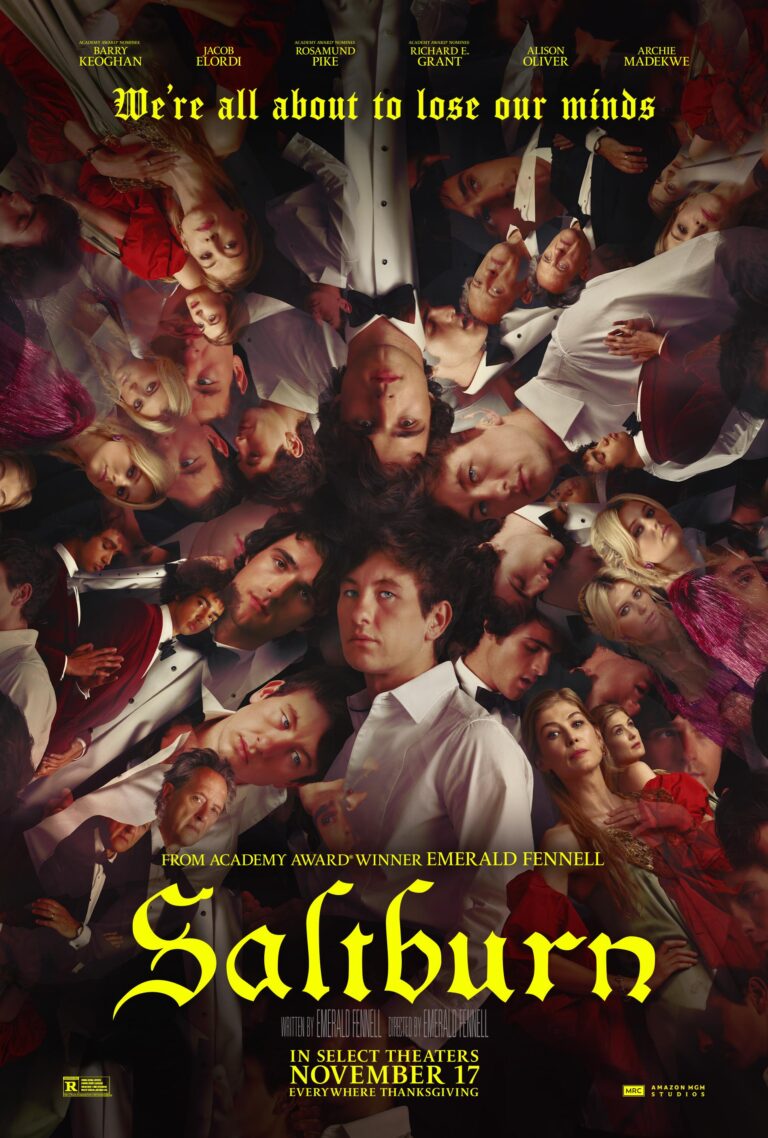
In Emerald Fennell’s ‘Saltburn,’ the story unfolds around Oliver, an Oxford student grappling with a challenging living situation. Touched by empathy, his classmate Felix extends an invitation to his estate. However, the tranquility is disrupted as a series of harrowing events befall Felix’s family.

My Thoughts:

To be quite frank, I thought the movie was pretty bad. The story line is extremely slow regarding its progression, and it miserably failed at capturing my attention as I found myself reaching for my phone quite often. I lost about 40 minutes of the movie and didn’t notice as no major plot developments happened. While the cinematography stands out with its stunning visuals, the overall depth of the film is lacking. The characters remain superficial, making it challenging to truly connect or empathize with any particular individual. A more substantial development of the storyline around the characters would have added much-needed substance to the viewing experience.

Despite being labelled as a thriller/comedy, I struggled to identify this film’s comedic elements. Instead, I was left deeply disturbed as my eyes were continuously bombarded with an onslaught of diabolical, perverted, “sexually” immoral scenes (quotations because  ‘sex’ implies consent.) Upon the movie’s conclusion, I was left more puzzled than before as I questioned how these disturbing scenes were relevant to the plot. It seemed unnecessary to resort to such grotesque and overtly crass depictions, as there could have been alternative ways for Fennell to convey the sociopathic nature of the main character.

So to put it simply, this was probably the most sickening movie I’ve ever seen.  It was definitely something. Watch at your own risk.

✧・゚: *✧・゚:*   *:・゚✧*:・゚✧  ✧・゚: *✧・゚ :*  *:・゚✧  *:・゚✧✧ ・゚: *✧・゚ :*    *:・゚✧*: ・゚✧✧・゚: *✧・゚:*   *:・゚

Want to support us? Check out our other blogs:

How Arianna Huffington Shaped Modern News

Source: 1


Redefine Your Success: Unleash your Potential for the 2024 New Year!


“I already failed anyway! so I’ll just try again Monday…”

-Bill, 2023

Monday evening:

“Tch. Well, I failed yet again. I’ll try again tomorrow. But I’ll probably fail again, argh!” -Bill, 2024

Does ‘Bill’ sound like a certain someone to you? The feeling of being stuck in the cycle of trying again and again, and getting nowhere. Telling yourself you’ll take a break and try again a couple of days later only to fail to reach your goal again. It’s okay, you’re not alone. Like you, many others, including myself, have been or are still in this annoyingly receptive cycle. But do you know why you keep trying to start over and do it again? Because, there is a voice in the back of your head (or heart), that goes ‘Man, I could’ve done that better’, which means you are very much capable of doing it, but maybe you just don’t know how to do it, or simply lack the discipline and consistency to do so. Well, here are 3 tips that I hope can help you become your ‘future self’, but for real now.

Tip #1: Consistency and Setting ONE Goal

The key to reaching any goal is consistency, but we all know that. The real question is how? Well, there are many different ways, but here is one;

Pick only ONE long-term goal to focus on achieving, and one or multiple short-term goals to reach that one goal. This prevents you from getting overwhelmed by all the different goals you need to achieve, so you are less likely to procrastinate and stay motivated to keep going. For example, if my long-term goal is to eventually eat 3 healthy meals a day by the end of 6 months (since that is one of my biggest challenges- may be different for you) then, one of my short-term goals is to drink milk for breakfast, then slowly make more progress each week, until I have the appetite and motivation for making and eating fried eggs with some other nutrients for breakfast. Here is a more detailed guide on how to set up SMART Goals and realistically achieve them.

Tip #2: Reward System and Scoreboard System

It’s not easy to stay consistent, so make sure to reward yourself only if you stay consistent (for a minimum period which you think is best for your specific goal. Eg. After every successful week and or after every short-term goal). This way, you will not only be rewarded when you achieve each short-term goal but you will also be motivated to stay consistent due to that reward. That said, rewards can be anything, from buying a delicious snack to doing/playing your favorite pastime or hobby. However, remember to set strict deadlines for when a short-term goal is to be met, to prevent abusing the reward system and end up getting rewarded for procrastinating (which is the opposite of what you want to do).

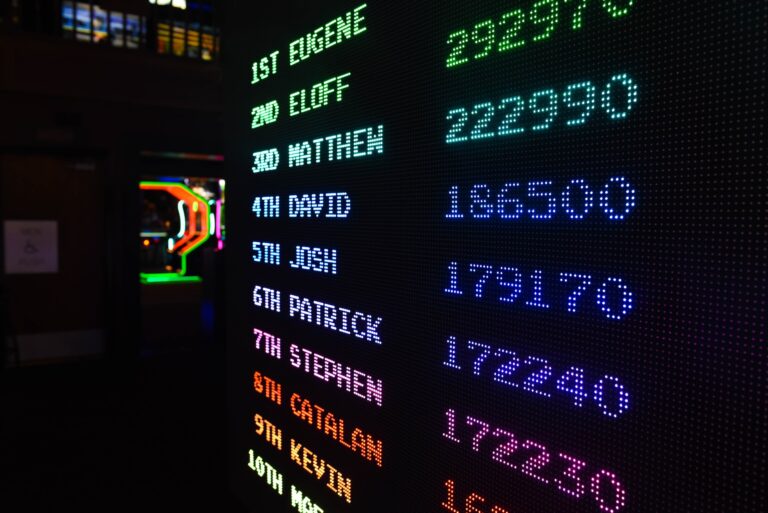
One way to do that is through making a graph, where you set your goals and log in your daily progress. By doing so, not only can you get instant gratification by seeing your graph line or bar getting nearer to your goal, but it can also keep you even more motivated to keep achieving your short-term goals to reach your long-term goal. Think of it as a sport, for example, basketball. When you shoot and score a point, you get instant gratification by seeing your team’s score go up on the board, and by seeing how much better or worse your score is compared to the opposing team. Thus getting instant positive and negative feedback, fueling your motivation and determination to try harder. If you’d like, you can go ahead and create a group that also shares the desire to become their dream version of themselves and make it either a healthy competition and or support group, where all of you create your score graphs and compete and or hold each other accountable when you find one of you slacking for no good reason. 

Here is a YouTube video I came across, by YouTuber Tina Huang, which I found as a helpful guide for making your scoreboard. 

Tip #3: Cut-off from a Toxic Environment

Although this may not be completely possible for everyone, (eg. Living in a home, going to school, or working in a toxic environment), it is important to cut off as many toxic people or leave as many toxic environments, as much as you can. Toxic people (Eg. ‘Friends-‘), will not only make your life terrible and make you insecure about yourself, to the point of damaging your mental and emotional health, they will but will also demotivate you from reaching your goal as a result. It is important to surround yourself with a good support system, one that is in-person and or online (eg. Follow Instagram influences that have goals or have achieved a goal that you also have, or an online study group, etc.). This is vital for reaching your goals since encouraging words and unwavering support will not only motivate you to keep going but also go a long way in improving your mental and emotional health. That’s said, who knows? Maybe you just might make some good friends from this support system (if not already), who will genuinely celebrate your success with you and not put you down with discouraging and manipulative words.

Note: A few ideas for Goals

Here are some healthy goal ideas, to help you get started!

  • Journaling: Having trouble figuring out your thoughts and feelings? By letting those out on a piece of paper, it will help you dissect and realize the root of those thoughts and feelings, and allow you to have an outlet for those bottled-up feelings. Thus, allowing you to have a clear mind and heart to approach the problem you are facing, and leave you in an overall less frustrated mood.
  • Fitness: Whether it be a 10-minute walk a day, or 10 push-ups and jumping jacks per day, exercise will increase your dopamine levels which helps your mental, emotional, AND physical health. A lot of us get the feeling that we are just wasting time, and become too impatient when trying to reach our goals, however by working out, even just a little, you may not be able to see the result, but you will feel the result of your hard work immediately. For example, when you start sweating. Thus by feeling like that your mind and body will feel an increase in dopamine, which makes you feel more instantly satisfied with the effort you put in. Here are more details as to how dopamine and exercise go hand in hand
  • Napping instead of Scrolling: I’m sure we’ve all aimlessly scrolled on our social media when we felt like procrastinating, so another way to combat this is to nap instead (of course, napping excessively isn’t good). By resting your body and brain by napping, you will not only be well rested after waving up, but feeling less down on yourself afterward due to doing something useful, instead of the disgustingly repetitive feeling of wasting your time.

I hope these tips were helpful to you! I wish you the best, I believe in you, and you CAN and WILL do it!


Bioinformatics: The Combination of Biology and Information Technology

0

Bioinformatics, the combination of biology and information technology, has emerged as a transformative force in understanding genes and harnessing this knowledge for therapeutic purposes. One of the most promising applications lies in the realm of gene editing, where bioinformatics tools are instrumental in identifying target genes, designing precise edits, and optimizing delivery mechanisms. Through this piece, we will explore the intricate relationship between bioinformatics, gene editing technologies, and disease treatment, focusing on the example of insulin production through gene editing with plasmid vectors.

Understanding the genetic code

Bioinformatics serves as a toolkit for scientists navigating the world of genetics. Its primary function is to interpret the genetic code within our DNA. Through tools, bioinformatics enables researchers to gain valuable insights into the function and instructions governing the formation and operation of living organisms.

Target genes

Within the genome, bioinformatics acts as a sort of compass, assisting scientists in the precise identification of specific genes linked to diseases or critical biological functions. Through advanced methods, bioinformatics aids researchers in pinpointing genetic information crucial for medical research and the development of targeted treatments.

Precision editing with molecular tools

The correction of genetic anomalies requires the use of molecular tools, with restriction enzymes being a prime example. These tools act as molecular scissors, enabling scientists to cut the DNA at specific locations. The role of bioinformatics in this editing process ensures not only accuracy in correcting genetic errors but also minimizes the risk of unintended changes.

Plasmid Vectors

Following the precise editing of genes, the next challenge is reintegrating the corrected genetic material into the body’s cells. Plasmids–a type of vector–acts as a carrier or delivery vehicle for the edited genetic information. Bioinformatic studies plays a pivotal role in the design of these carriers, ensuring their efficacy in delivering the corrected genes to their designated locations within the body.

Gene editing example: improving insulin production

An individual who has diabetes may have inadequate insulin production. Bioinformatics plays a big role in aiding scientists to edit the gene responsible for insulin production. Plasmids, acting as precision carriers, transport the corrected gene back into the cells. This groundbreaking approach holds immense potential to enhance insulin production, thereby revolutionizing the management of diabetes.

Bioinformatics unfolds as a captivating field that empowers scientists to navigate the complex intricacies within the genetic code. Whether through precise gene editing to treat diseases or unraveling the profound mysteries of our genetic composition, bioinformatics stands as an indispensable ally in the ongoing quest for a healthier, more personalized future.

Bibliography:

Bioinformatics. (n.d.). Genome.gov. https://www.genome.gov/genetics-glossary/Bioinformatics#:~:text=Bioinformatics%2C%20as%20related%20to%20genetics,or%20annotations%20about%20those%20sequences.

Restriction enzyme. (n.d.). Genome.gov. https://www.genome.gov/genetics-glossary/Restriction-Enzyme#:~:text=A%20restriction%20enzyme%20is%20a,DNA%20technology%20and%20genetic%20engineering.

Patricia Bath and Ophthamology

0

Patricia Bath, born in Harlem, New York on November 4, 1942, was a brilliant scientist and ophthalmologist. She aided in the furtherment of treatment and cure for forms of blindness, becoming the first woman and African American among those in her area of medicine.

Among her many accomplishments were those such as becoming the first female ophthalmologist appointed to the Jules Stein Eye Institute of the University of California in 1974 and the first African-American woman to receive a medical patent for her work (though by the time of her death in 2019, she had 5 patents to her name).

Perhaps the most outstanding achievement of them all is her invention of the laserphaco, a method and machine used to eliminate cataracts in someone’s eye. Nearly 65 million people are said to have cataracts today, which obstruct vision by creating cloudy spots on the lens of the eye. Thus Bath’s invention, which innovated a way to safely remove cataracts and restore vision to people who were deemed incurable in the past. Today, the laserphaco is used all across the world.

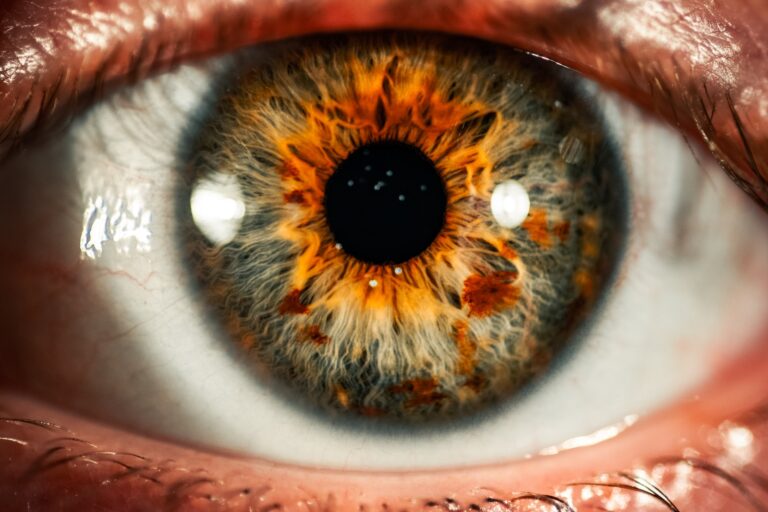
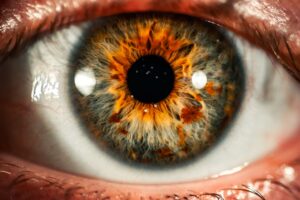
Close up image of a hazel-green eye.
Photo by Colin Lloyd on Unsplash

Sources: 1, 2, 3

Book Review: Keeper of The Lost Cities (Books 1-4)

2
*Warning: May contain spoilers*

Overview

The courageous heroine of this series, Sophie Foster, is a 12 year-old senior in high school who has a secret. She is a telepath and can hear the thoughts of everyone around her. But Sophie’s life changes when she meets a mysterious boy named Fitz, who is also a telepath, and reveals to her that she is an elf and does not belong in the human world. Sophie is forced to leave everything behind and begin a new life in world that is far different from anything she has ever known. 

My Thoughts

This riveting series is one that always keeps you on the edge of your seat. Its one of the few novel series that you just can’t put down once you’ve started reading. I read this series when I was in the 5th grade and I think its a great series for ages 10 years and up. I just finished reading the fourth book, Neverseen, for the second time. There are many reasons why I love this series and I’m going to share a few of them here with you. 

Firstly, the novel has great worldbuilding. The elves’ world is really complex, and it seems to grow with every new book in the series. This makes the series more realistic and relatable. They have their own culture and systems which are woven into current issues and conflicts making the whole thing seem like the real world. Since there are so many different things going on, it helps to demonstrate that the whole world does not revolve around Sophie, the main character. I also like the way the story is written, the stakes get higher and the obstacles get harder. The author glosses over the less interesting parts and explains the main scenes using a lot of detail, which makes the book even more compelling. Though, this time I feel like even though the climax of the book was completely enthralling, the rising action seems to drag a little bit, but this is probably because it’s my second time reading the books. 

I also like the fact that this series has so many characters, each with their own problems and flaws. Every book introduces more characters. The various twists and turns also make the series more emotionally riveting. The end of Neverseen made me really sad as one of my favorite characters had to die in order to cure the plague. However, the various emotions make the story more realistic, since real life is never always happy.  It does sometimes feel like no matter what the Black Swan does, the rebel group, Neverseen, are always a few steps ahead of them, but I’m hoping this improves in the future. 

All in all, Keeper of the Lost Cities is a great series! Definitely recommended! 

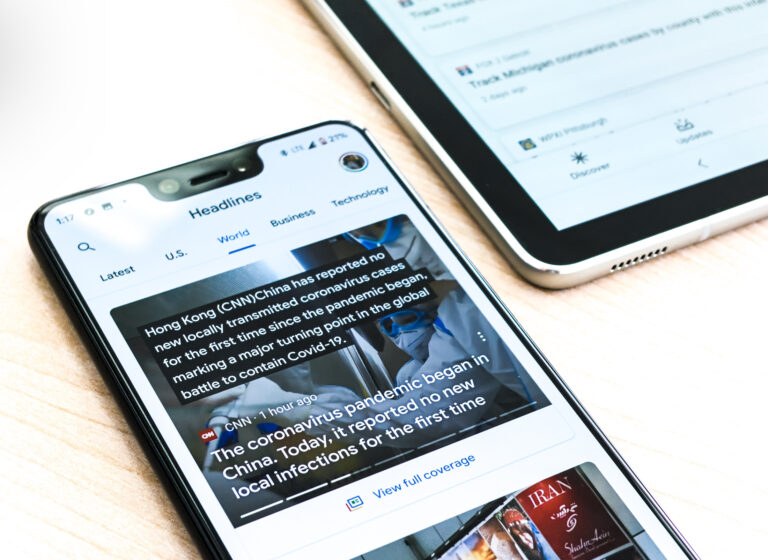
How Arianna Huffington Shaped Modern News

0

The Huffington Post was founded by Arianna Huffington in the early years of the 21st century, a time focused on the development of technology as well as the problems associated with information overload from these developments. During this period, people began to become more aware of social inequality and other concerns of fellow citizens, due to the spread of fast internet and technology. While society gained from technology overall, many came across struggles and difficulty catching up with this rapidly changing world. Arianna Huffington and her team were able to capitalize from this, and fill an area in the journalism market by offering a space for information both opinionated and not. Arianna was able to tap into a market of informing Americans and allowing them to navigate and develop their own opinions. 

The main reason the Huffington Post was able to gain traction was the distinct and unique style of information presented to its audience. As mentioned before, during this time information was constantly evolving and coming, the Huffington Post provided an easy, accessible and informative way to view information to help individuals curate opinions. It addressed current events in the form of writers’ perspectives and allows people to view different types of information all in one place. Readers were highly satisfied with the Huffington Post and its ability to categorize and organize information. Additionally, many authors were also given the opportunity to share their opinions to educate the American people, just like Arianna Huffington was able to do with some of her prior books and other outlets. The overall struggles with technology aligned with the Huffington Post’s missions allowing it to easily flourish. 

Overall the Huffington Post affected and benefited both readers and writers looking for a platform to share or learn different views. This new approach to businesses and journalism from Arianna Huffington filled a consumer need and contributed to the Post’s success. By creating this, Arianna Huffington aided the 21st century by allowing and shaping a new age of digital news and information.


New Year – New Me: New Year’s Resolution Guide

New Years Resolution
Image by LUM3N from Pixabay

With the end of the year approaching, there is always a time to reflect on what’s happened. For most people, this year, like all other years, came by very quickly. It is very easy to underestimate how long a year really is, and because of that, your reflection on what’s happened may be minimal. For that reason, a New Year’s resolution may be made to act as a soft plan for next year. New Year’s resolutions may seem weird, but in my opinion, they can help next year become more fun and eventful!


Why do we do New Year’s resolutions?

As mentioned before, this year may have gone by quick for a lot of people. 11 months ago, we began 2023, and now, 2023 is almost over (by the time this post is up). You might not have felt this year was your most exciting one, but next year is another chance! If you feel like the year has went past you too quickly, then next year you can be prepared with a resolution to accomplish!


What should be on my New Year’s resolution?

Everyone is unique! We all want to spend next year in our own different ways. For next year, you can always do whatever you wish to do (as long as you can do it). However, here are the five most common goals for New Year’s Resolutions:

  • Spend more time with family and friends
  • Gain/lose an achievable amount of weight
  • Achieve a certain amount of money
  • Go to a specific place for vacation
  • Try new foods/skills/hobbies


The significance of New Year’s Resolutions

Every year brings new opportunities. Without general goals, most of these new opportunities might not be used for your advantage. With a New Year’s Resolution, you’ll have an idea of how you want the next year to go. You will have an idea of what you generally want to achieve throughout the course of the year!


What if I fail my New Year’s Resolution?

You might forget, or even fail, your New Year’s Resolution, and that’s alright! New Year’s Resolutions are meant to challenge and engage you with the new year. It is hilarious if you fail your New Year’s Resolutions, but keep in mind, it is only a recreational tool anyway! New Year’s Resolutions are meant to engage you with the year and encourage you to achieve some goals. They are meant to help you enjoy the year and hopefully become better than last year!

I hope this post encouraged you to create a New Year’s Resolution! Enjoy the New Year!

Featured Image: 1

Book Reflection – The Hunger Games by Suzanne Collins

0

Now that schools are closed for winter break, it is a great time to relax, sit back, and binge read a nice novel. Last summer, I finished all three of the Hunger Games series by Suzanne Collins in a month. Needless to say, I loved it, and I would definitely recommend this to anyone who enjoys a nice action-packed, yet meaningful novel.

*Warning: This blog may contain spoilers for the book*

Intro to the main plot of the Hunger Games:

The Hunger Games is not just a novel about a brutal game where adolescents are forced to murder each other until there is one person left, but it also has a deeper theme of a corrupt government and the unfair distribution of wealth and power in society. This book takes place in a dystopian society known as the country of Panem. It is divided into twelve districts, District 1 being the richest, and District 12 being the poorest. Its ruler, President Snow is a cruel and ruthless person who does not care about the well being of the people of Panem. The Hunger Games are annual competitions between the districts where adolescents from the ages of 12-18 (known as tributes) are forced to kill each other until there is one winner. The Hunger Games are held to punish the twelve districts for a rebellion that was held against the capitol several years ago. Katniss Everdeen is the main character and is selected as a tribute for the 74th Hunger Games. The Hunger Games are always under the control of the gamemakers. If the games get too “boring” for the audience, there will be challenges added to spice things up and add more deaths for the audience to enjoy.

Main theme of the novel:

The main theme that I took from the Hunger Games is that even when it seems that your life is controlled by those in power, there will always be a way to escape and rebel against the oppressors. In the book, there was only meant to be one winning tribute (a victor), but Katniss and the boy tribute from district 12, Peeta Mellark grow very close in the Hunger Games, with Peeta even having feelings for her. The Capitol and the gamemakers wanted Peeta and Katniss to fight to death so that there could only be one winner, but the two instead challenge the Capitol by deciding that if both of them could not win together, then they would die together, so that there would be no winning tribute for the Capitol to celebrate. This communicates the message that when we really put our heart into something and we really want to change the way that something is, it is never impossible to do so.

What made it so appealing for me:

The reason why I loved this book was because of the character development of the protagonist Katniss Everdeen. At the start of the novel, Katniss’ only goal in life was to hunt in the woods and put food on the table so that her sister and her mother would not starve to death like others in District 12. While she hated the Capitol and despised President Snow’s sadistic ways of ruling Panem, she was afraid to be vocal about it, as any action against the government resulted in execution or other punishments that were far worse than death. This side of Katniss is already likable to the readers as she is presented as a character who most people can relate to. She is not shown as a superhero who single-handedly lifts her whole district from poverty, nor does she do anything that is unprincipled or selfish to help herself. Rather, she is just an ordinary person who, instead of spending the whole day filled with feelings of self pity, does whatever she can to help the person she loves most in her life: her sister. However, we can see how the Hunger Games changes her. Seeing all the tributes dying around her just to entertain the privileged audience in the Capitol adds fuel to the hatred against the corrupt ruler of Panem. Her subtle acts of rebellion is shown by how she buries one of the tributes in flowers, signifying that the Hunger Games does not force anyone to die feeling alone. The book ends with President Snow being alarmed about Katniss’ actions in the Hunger Games, and suggests that the tension between the Capitol and Katniss would grow in the next sequel.

If my reflection on my favorite book series piqued your interest, then I would definitely recommend these novels for you!

Female Role Models in STEAM

The gender gap in STEAM is still very prevalent in our world today. However, in this blog, I want to take this opportunity and show appreciation to some of those women who achieved incredible accomplishments in the STEAM fields.

Emmanuelle Charpentier and Jennifer Doudna

  • These two women invented DNA manipulation with the CRISPR system. Using these gene technology tools, it can contribute to helping change aspects of DNA, which has contributions in cancer therapies and work on curing inherited diseases. There is enormous power in this genetic tool, and research about this will lead to groundbreaking medical innovations. They were also the first women to receive a Nobel Prize that was given solely just to two women. 

You can read a more in-depth commentary of their research here.

Nimmi Ramanujam, Ph.D

  • Professor of Biomedical Engineering at Duke University and Director of Center for Global Women’s Health Technologies. Works on developing imaging and therapeutic tools for cancer, with a specific focus on women technologies. She also has several global initiatives that makes an impact in the fields of health and education, including WISH (Women-Inspired Strategies for Health) and The Invisible Organ

You can read more about her truly inspiring works on this page.

Nancy Allbritton (M.D/Ph.D)

  • Dean of the College of Engineering at University of Washington. Co-founded four start-up companies, and 43 pending patents. She received multiple excellence in teaching awards and advised or trained more than 75 students in total.
  • Works on the study and analysis of single-cells aimed at improving disease treatments, macular degeneration, and HIV.  Her work in the fields of bioengineering with focusing on creating specialized treatments combining biology and engineering is truly revoluntionary to read.

You can read more about her research and works to biology and medicine here.

Carla Pugh (M.D, Ph.D)

  • Carla Pugh is a professor of surgery at Stanford University. She has received multiple awards including the Presidential Early Career Awards for Scientists and Engineers.
  • Her research mainly focuses on the uses of motion and sensors for “measuring medical training performance,” in order words to educate medical students with hands-on performance training. Over two hundred nursing and medical schools are using her sensor enabled tools in their education. In 2021, she also became a part of the National Academy of Medicine for her pioneering work in these fields.

To learn more about her, you can visit her profile.

Sources: 1  – You can find and learn more about women in science and engineering on this website.

Battling Against Cancer–An International Movement

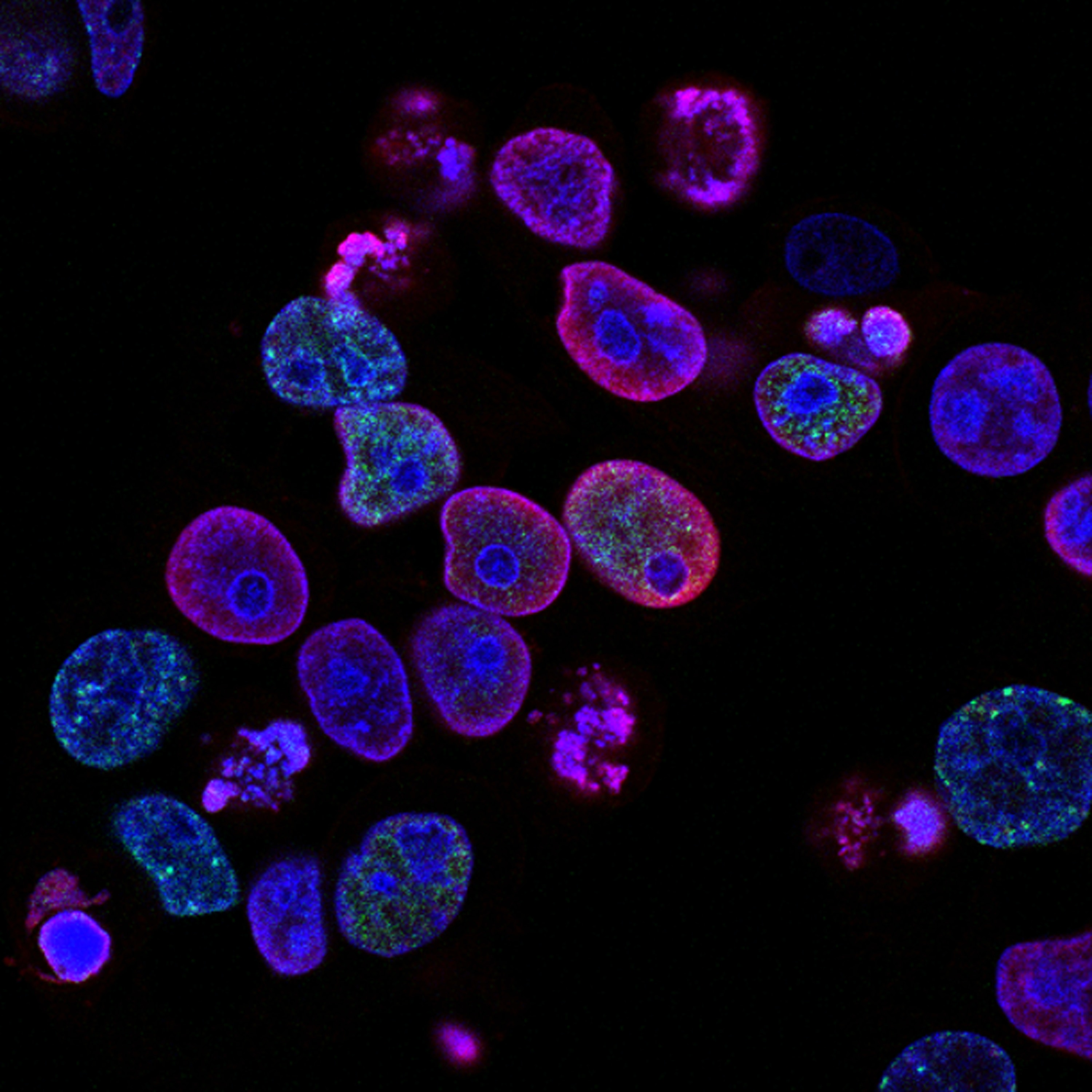
Cover Photo by National Cancer Institute on Unsplash

What is Cancer?

According to the American National Cancer Institute, the definition of cancer is a disease with regards to certain body cells growing uncontrollably and inevitably spreading to other regions of the body. Cancer is often thought of as caused by a disruption to mitosis, the process in which cells divide for the growth of individuals or maintain a stable homeostasis. If mitosis is disrupted, many abnormal and damaged cells would grow, taking away resources from the normal cells at an astonishing rate and out-competing them.

As these damaged cells group into tumors, a process called metastasis can occur, where some of the cells travel to many different places within the body through blood vessels. If metastasis occurs, the tumor can certainly be called cancerous and is defined as a cancer.

Cancer as a Malignant Illness

Cancer accounts for a very large cause of death worldwide, with about 10 million people worldwide dying from it in 2020. It is estimated that every one in six deaths is caused by cancer. According to the WHO, breast cancer is the cancer that led to the most cases worldwide in 2020, followed by lung and colon cancers. The deadliest type of cancer, however, is lung cancer, accounting for over 1.80 million deaths, also in 2020.

Cancer can be caused by a variety of factors, including exposure to UV lights or other forms of radiation, or from chemical agents, through smoking, consuming alcohol, or even drinking contaminated water. It is said that with increasing age, there is a larger risk for cancer in general since the bodies of older individuals tend to be less effective in fixing defective cellular mechanisms.

What Can We Do To Battle Against Cancer?

Individually taking action to reduce the chances of getting cancer is the ideal way to battle against it. About 40% of cancer cases can be prevented by using evidence-based strategies, including doing physical activity, various vaccines (against cancers like hepatitis B), eating a healthy diet, and not smoking or drinking alcohol. Another good way of preventing cancer is reducing exposure to various forms of outdoor pollution, like wildfire smoke or dust.

If every individual can follow these guidelines, we will most certainly see cancer cases decrease dramatically. Sadly, there are still a lot of cancer cases that happen because they weren’t detected early enough. One approach to solving this is by being more aware of the symptoms of various forms of cancer or doing genetic testing/family background checks to ensure the best information is available to the individual about their health concerns.

Scientists use various forms of treatment, including palliative care, to attempt to treat cancer. These include surgery, radiotherapy, or biological therapies. Because every type of cancer is different, and there are so many kinds, we will often see personalized treatment methods being used for each patient. However, according to the Cancer Society, there could be lots of negative consequences from surgery. For example, removing a crucial gland that is used to secrete a hormone causing the body to be off-balance will also stop other hormones from being released as well. A type of bone cancer surgery removes a limb or parts of a limb, causing phantom limb pain to occur, which is often devastating to the surviving patient. Pain is still often felt, even though the limb is no longer there.

Chemotherapy is a common approach to cancer, but it can cause heart problems such as congestive heart failure, or arrhythmia (having irregular heartbeats). Other negative effects from cancer treatments include hypertension (high blood pressure), disruptions to mood and hormonal balances, or even difficulties regarding learning and memory.

The good news is that technology, powered by new scientific innovations, is growing rapidly in its power to treat cancer. For example, genetic testing is now cheaper than it has ever been. With a growing health science field in many developing countries, there is also an increasing amount of medical specialists that are available to help out patients in need. Donating to many organizations, such as the Canadian Cancer Society, is a great way to contribute to the fight against cancer, and can potentially save countless lives.

Conclusion

All individuals currently undergoing the tough journey of confronting cancer, as well as cancer survivors, understand how unforgiving cancer is, and how much distress and suffering it causes. It is because of this that everyone should do their part in preventing cancer, to lower the cases and avoid the tough experiences associated with it. The later cancer is diagnosed, the harder it becomes to treat it, so it is also important to treat cancer in its early stages, as soon as it is discovered. Let us truly act together to combat cancer!