
Home Blog Page 52

What is Happening in Hong Kong? – Article 23

0

Days after Honkong’s pro-Beijing lawmakers passed it unanimously, Article 23 came into force at midnight of Saturday, which is a fast-tracking legislation to plug what authorities called national security loopholes. This new national security law is facing international criticism as it could erode freedoms and human rights in the city that is ruled by China and damage its international financial hub credential. 

In this blog, we will deeply explore what Article 23 is and the raising concerns toward this law. 

A maximum of ten years in prison for criticizing the government. 

2009 saw the repeal of the sedition statute in the UK, which the Justice Minister at the time referred to as a “arcane law from a bygone era.” But thanks to Article 23, the Hong Kong administration appears ready to intensify its use of a sedition statute from the colonial era, which had been dormant for 50 years.

It has taken a quarter-century to create this law.

The governments of China and the United Kingdom granted Hong Kong its own mini-constitution, known as the Basic Law, when the former ceded the former over to the latter in 1997. According to Article 23 of the Basic Law, Hong Kong “shall enact laws on its own” to outlaw seven different categories of offenses related to national security. However, no such law was ever enacted; in 2003, an attempt to enact Article 23 was abandoned in response to widespread, nonviolent demonstrations.

Hong Kong law now follows China’s definitions of “state secrets” and “national security.” 

The new law adopts mainland China’s definition of “national security,” which is a broad term that encompasses “major interests of the state.” Practically speaking, this refers to everything.

The law also establishes mainland China’s very broad definition of “state secrets,” which includes any scientific, technological, social, or economic advancement—even if it has never been formally designated as a secret. Furthermore, the Chief Executive, who is in charge of Hong Kong, has the power to attest to the fact that no document contains state secrets. Thus, once more, practically anything may be regarded as a “state secret.”

Interacting with foreigners is more dangerous

A maximum 14-year sentence is imposed for the new offense of “external interference,” which is defined by Article 23 legislation as any collaboration between an individual and “external forces.” Once again, the legislation is incredibly ambiguous: it stipulates that cooperation with a “external force” must occur with “unlawful intent” and “improper means.”

The law further broadens the definition of espionage; for example, collaborating with a “external force” to disseminate false or misleading information may now result in a 10-year prison sentence.

What precisely are “external forces,” then? They can be foreign governments, foreign political parties, international organizations, foreign organizations pursuing political goals, or any connected body or person to any of those bodies, as defined by Article 23.

It’s probable that the rule will be applied to confuse lawful collaboration between Hong Kong citizens or organizations and foreign organizations, such as those in commerce, academia, civil society, or even the UN. If foreign nationals commit these “crimes” in Hong Kong, they may potentially face legal action.

If you fail to report others, you can go to jail.

Any Chinese citizen, which includes the majority of Hongkongers, is required by this new national security law to report to the authorities any information they have concerning the treasonous acts of others. Failing to comply may result in a sentence of up to 14 years in jail.

This essentially makes it mandatory for citizens of Hong Kong to spy on their fellow citizens. It’s likely to exacerbate the already-present dread among Hongkongers and restrict their ability to openly voice their thoughts in their social groups and communities.

Police powers increased, captives’ legal rights reduced

When it comes to handling crimes involving national security, the new law gives the police broad new authority. They can detain someone for up to 16 days without filing charges if a magistrate approves (before it was two days). They may also forbid the individual from seeing any attorney during the first 48 hours following their apprehension or from seeing a particular attorney while in custody.

The leader of Hong Kong is able to enact new laws on their own.

The new law grants the Chief Executive the authority to independently enact subsidiary laws at any moment in the sake of “safeguarding national security.” This supplemental law may be implemented immediately and may result in a maximum sentence of seven years in jail.

Although the Article 23 law’s ambiguous and expansive wordings theoretically prevent subsidiary legislation from going outside its purview, there is still much room for arbitrary lawmaking.

New authorities will target Hongkongers abroad

The bill gives the government the authority to penalize “absconders” who are suspected of committing national security offenses but have not been found guilty of them, a move aimed at the diaspora population and activists who have relocated overseas. The government is now able to take actions like revoking people’s passports from Hong Kong or revoke their licenses to practice law.

Vague new technology that targets offenses

The new law creates a brand-new crime called “acts endangering national security in relation to computers or electronic systems,” which carries a potential 20-year jail term and has global applicability. But these “acts” are not defined by the law. During the consultation period, the administration only mentioned the “rapid development of technologies” and possible hacking. This crime is obviously susceptible to arbitrary abuse due to the vague legal definition and lack of legal clarity.

The law was passed in Hong Kong without any resistance.

Because Article 23 restricts human rights, it has always been a contentious topic. When 500,000 people protested the law in a 2003 march, the administration was obliged to postpone its enactment.

However, Hong Kong is a totally different city in 2024. The National Security Law, which was passed in 2020, has almost eliminated criticism. A large number of opposition politicians, journalists, and activists have been imprisoned; others have escaped. Now, peaceful protests against government policies are either outlawed or severely restricted.

In light of the fact that its opponents would be essentially unable to block it, the administration was able to eventually adopt Article 23 legislation.

Worldwide Censure

Those who have opposed the law most strongly include the US, the EU, Japan, and the UK. UK Foreign Minister David Cameron claimed the measure will “further damage the rights and freedoms” of people living in the city.

On Friday, US Secretary of State Antony Blinken voiced “deep concern” that the law would be used to suppress dissent and violate human rights, noting that it might harm Hong Kong’s standing as a global center of finance.

In the meantime, travel advisories for Hong Kong have been updated by Taiwan, the UK, and Australia, who advise people to proceed with care.

The Australian government stated, “You could break the law without intending to, be detained without charge, and be denied access to a lawyer.”

145 community and advocacy groups have denounced the bill and demanded consequences against Hong Kong and Chinese authorities involved in its adoption, along with an evaluation of the situation of Hong Kong’s Economic & Trade Offices globally, in a joint statement spearheaded by the Hong Kong Democracy Council, an international organization.

“It’s time for the US to support Hong Kong’s freedom and political prisoners.” During a press appearance with the US Congressional-Executive Commission on China (CECC), which advises Congress, wanted Hong Kong campaigner Frances Hui to state, “Every time we let authoritarians get away with atrocities, we risk other bad actors attempting to do the same.”

More than a dozen activists from Tibet, Taiwan, and Hong Kong gathered to demonstrate against the law and yell their condemnations in Taipei’s upscale Ximending retail area. Australia, the UK, Canada, Japan, and the US are all planning additional protests.

However, Hong Kong authorities have “strongly condemned such political manoeuvres with skewed, fact-twisting, scaremongering, and panic-spreading remarks.”

Which way does China stand?

China has justified Hong Kong’s security crackdown, arguing that it was necessary to bring back order following months of pro-democracy and occasionally violent antigovernment rallies in 2019.

To date, 174 individuals and five corporations have been charged with national security offenses, resulting in around 291 arrests.

While individual rights are honored, no freedom is unassailable, according to Chinese officials who maintain that everyone is equal before the security rules that have brought stability back.


 

Sources 1 / 2 / 3 / 4

The Beautiful Connections Between Math and Art

Within the many subjects you learn at school, a couple of them are math and art. Some of you may like math more than art, vice versa, or some may like both. On the surface, you may view math as numbers and variables only, and art as a way to express creativity only. It seems like both subjects are completely separate with math seen as analytical and art seen as creativity. However, there are many things that connect between math and art. Although these are things you may not realize, there are times where math leads art and other times where art leads math. There are many overlaps between these two insights, but the most common ones include: shapes, math functions, and symmetry.

Stars
Image by Aneta Esz from Pixabay

1. Shapes

Shapes are most likely one of the first things you learn in math class. When you began learning about shapes, some of the shapes you learn could include circles, squares, triangles, etc… . Ever since you’ve learned about shapes, there is a huge chance that you’ve applied that knowledge from math to art. The majority of the art pieces you observe and/or create will include shapes because of how simple or complex they can be. Every time you draw the sun, you are blindly applying that knowledge from math as you draw them. When it comes to geometry, you are exposed to many more shapes, and have more shapes to express yourself with in art projects. In short, shapes that you learn from math are some of the things you can be creative with in art, from overlapping shapes, intersecting shapes, etc… .

Hexagons
Image by Magic Creative from Pixabay – Hexagons
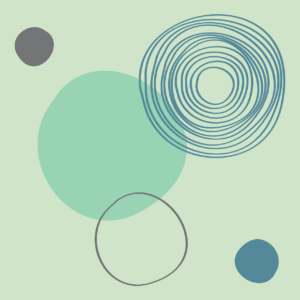
Circles. Some overlapping. Some Isolated.
Image by Lena Helfinger from Pixabay – Circles

2. Math Functions

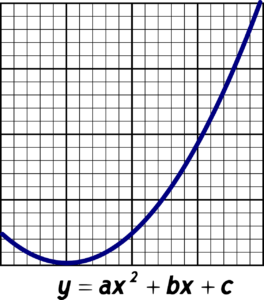
The further you get into math in high school, the more you learn about functions. In simple terms favored towards art, functions are essentially math equations that can give off many cool patterns. For example, every time you draw a straight line, you can draw that same line through a function in math class. All curves, shapes, and letters can be drawn through functions in math. Similar to shapes, you can be as creative as you wish when it comes to drawing functions. The art aspect of math functions comes from having the knowledge on how to create patterns.

Fun fact: If you advance to a class like Math 30 in high school, you get to learn how to adjust the structure of a function. You get to learn how to stretch, reflect, and even move the entire function.

Math function that looks like a curve.
Image by OpenClipart-Vectors from Pixabay – Example of a math function.
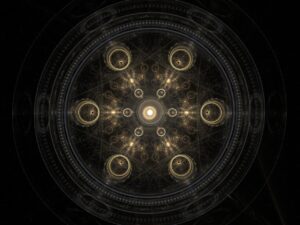
Math complex function
Image by Pete Linforth from Pixabay – Example of a possible result that can be created through math functions.

3. Symmetry

While the first two are where math leads art, this one is where art leads math. First and foremost, symmetry means that one side looks the same as another through a certain “mirror” line. The idea of symmetry is more likely to come up first in art than math since the idea is directed more towards creativity than being analyzed. While the first two are concepts that math that can be applied to art, this one is where utilizing your imagination helps with math.

Symmetrical object
Image by Marcin from Pixabay
– Example of a symmetrical object

In math, especially in a higher level, when given a problem, having an expectation on what the answer should look like helps to see if you could be right or wrong. By having a creative imagination, you can apply it to math and use that imagination as an assistance. When it comes to symmetry, that idea can be used as an assistance as you work through math problems. Although symmetry can only help when it comes to reflections, there are many other ways to utilize art to predict an answer.

Symmetrical object
Image by Pete Linforth from Pixabay – Example of a symmetrical object in math


Closing Section

There are an incredible amount of connections between math and art. However, these simple ones are some of the many beautiful connections between the two subjects. As mentioned earlier, there are times where math leads art, and vice versa. The things you learn in math class can be applied towards art and the same with art towards math. Although those are two are distinct subjects, they are interconnected like every other subject in school. While you may be biased towards one or another or none, I hope this blog helped you admire both!

Flowers
Image by intographics from Pixabay

Sources: 1 , 2 , 3 , 4

Images: 1 (Featured Image), 2 , 3 , 4 , 5 , 6 , 7 , 8 , 9

A small ray of light can pierce the blinding darkness

0

We’ve all had those days when we feel down. Maybe we feel sad because of something happening in our lives. Or maybe there’s no reason for our sadness. Maybe we just wake up on certain days feeling gloomy. And it isn’t our fault for feeling that way. Life, with its ups and downs, is hard. It can make us feel as though we are being blown away in an unforgiving blizzard of confusion, sadness, frustration, and anger.

However, we can always remember that along with these bitter feelings, there are also the sweet feelings. Sweet feelings. Like the energy we get when the sun shines in our faces. Or the warmth we get when we spend time with a person we love. We need to remember that we can use these sweet feelings as a compass to give us direction in this frenzy and mish-mash of emotions that we call life.

In this post, I’m not going to give you a list of strategies you can do to cheer you up when you feel hopeless and discouraged. Instead, I’ll tell you that it’s up to you to figure out what works best for you. Each individual is different. Each individual comes from different backgrounds. Everyone has different interests and lifestyles. Everyone has different things, activities, or people which make them happy. The key is to recognize these resources and use them when we need it.

Personally, I always rely on my mother for support and guidance. She is always there to talk with me. We don’t just talk about the bad things, but also the good things. We talk about how I’m reading a book in English class that I really like, how I made a new friend at school that day, or how I got a good score on a math test that I studied hard for. By acknowledging the small positives that everyday life brings, I realize that there is something to strive for in life. Yes, obstacles in life leave us feeling lost and discouraged. The darkness in life makes us feel suffocated and blinded. But talking with my mother, I realize that even in the darkness, there is always a ray of light. We just need to find the light by recognizing that it is there.

And then, we talk about the bad things. Oftentimes, I feel hesitant to share the bitterness that I feel with others. I feel that talking about it makes it worse. Talking about makes it seem as though I am acknowledging the obstacles and challenges in life. Surprisingly, that is exactly what I am doing when I talk about the bad things. I am accepting the fact that I have to live with challenges. By talking about this with my mother, I realize that the bad things are not as bad as I make them seem. I realize that even with these bitter feelings that are trying to confuse me in the frenzy of life, there are those sweet feelings that are trying to provide me with guidance and encouragement. I come to this realization only when I speak with my mother.

That being said, I am no expert in coming to terms with roadblocks in life. As I said before, I am not here to provide advice on how to overcome difficulties. I want to provide validity that everyone has the right to feel sad. But in order to feel happy, it’s important to appreciate the little examples of goodness in life.

My mother helps me to recognize these.

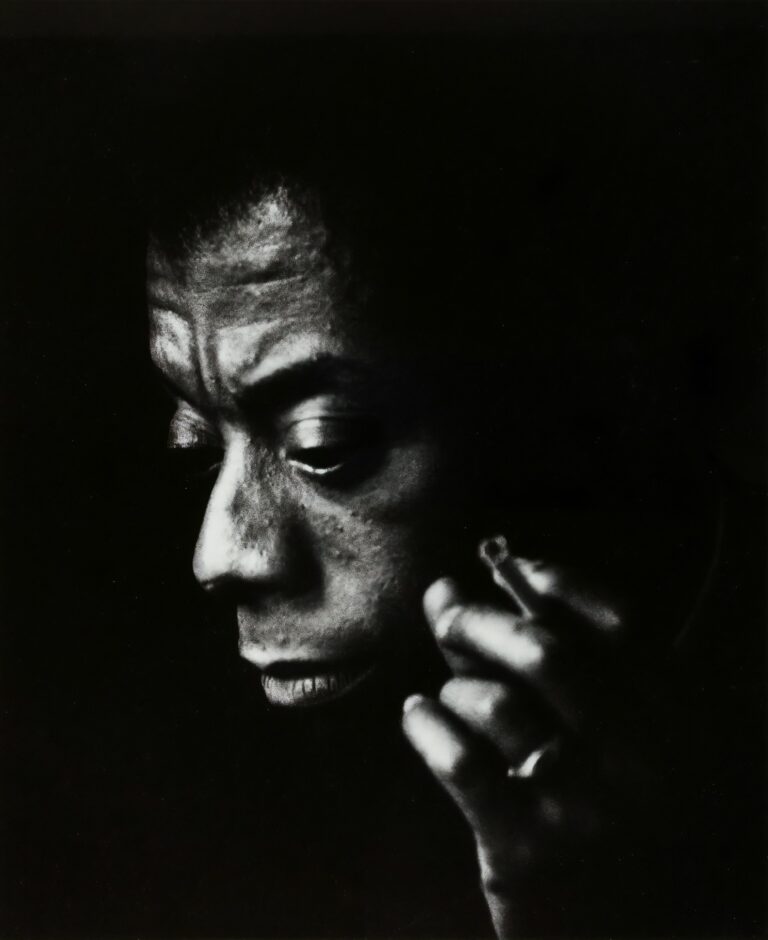
Who Was James Baldwin?

“Neither love nor terror makes one blind; indifference makes one blind.”  – James Baldwin

James Arthur Baldwin, born August 2, 1924 in Harlem, New York, was a prominent novelist, poet, essayist and civil rights activist of the 20th century. Known for his stunningly eloquent and incisive prose, he explored issues of race, religion, and homosexuality in both written and spoken words.

Born to a single mother, Emma Jones, who later married his step-father, a Baptist minister named David Baldwin, he was the eldest of nine children. He never knew his biologial father, however, he considered David Baldwin to be his father despite a tense relationship borne from a deviation in values and lifestyle, and followed in his footsteps to become a youth preacher. Later, his experience in the Church would deeply influence his writing.

Speaking of writing, Baldwin was an avid reader and writer from a very young age, often retreating to the safe haven that was the public library and writing out his thoughts and experiences in the midst of life in a difficult world. His first novel, the critically acclamed Go Tell It on the Mountain was loosely based off of his life durng his time in the Church and would revisit his teenagedom.

During his young adulthood, Baldwin struggled to balance his writing career and providing for his family in an enviroment rife with racism and homophobia. He held an aprenticeship under author Richard Wright in Grenwich Village, which throughout different periods in the last century has been considered a hub for artists and writers and/or the LGBTQ+ community. Eventually, this aprencieship would lead to Baldwin obtaining a fellowship which would lead him to Paris, France. This allowed him to escape the rampant racial and sexual discrimination he faced as an LGBTQ+ Black man in the United States, and he would spend a good chunk of his life abroad, only briefly returning to the US.

“We can disagree and still love each other, unless your disagreement is rooted in my oppression and denial of my humanity and right to exist.” – James Baldwin

Throughout the rest of his adult life, he wrote extensively about race and homosexuality, the former of which was in the midst of the Civil Rights movement and the latter of which was almost entirely unexplored in the forefront of the public conciousness at the time. He was a prominent figure in the Civil Rights movement aside from his writing—a journalist, orator and friend of many prominent activists at the time. He spoke at many legal proceedings and marches, and considered it his duty to tell the truth even if it was difficult to hear.

“Not everything that is faced can be changed, but nothing can be changed until it is faced.”  – James Baldwin

When it came to his sexual orientation, he never placed a label upon himself because he considered the sexual binary and rigid boxes that the USA operated on to be restricting and unrealistic of human fluidity. However, he was open about his relationships and attraction to bother men and women, and in his works he explored many different characters of many different orientations.

On Deceber 1, 1987, James Baldwin passed away in Saint Paul de Vence, France from stomach cancer after an impactful and acclaaimed writing career.

“I am what time, circumstance, history have made of me, certainly, but I am also so much more than that. So are we all.”  – James Baldwin

Featured Image

Sources: 1, 2, More from James Baldwin: 1, 2, 3

What’s Ramadan?

Celebrated by over two billion people around the world, Ramadan marks the holiest month of the year for Muslims. Starting March 10th 2024, Muslims worldwide eagerly began this sacred month and will end the month on April 9th. 

As the ninth month of the Islamic calendar, Ramadan provides Muslims time for spiritual reflection, devotion, self-discipline, and community. Ramadan is the ninth month of the Islamic lunar calendar, during which Muslims fast from dawn until sunset. It commemorates the revelation of the Quran to Prophet Muhammad (peace be upon him). 

Fasting during Ramadan is one of the Five Pillars of Islam, fundamental acts of worship that shape a Muslim’s life. The fast involves abstaining from food, drink, smoking, until sunset. It is not merely about refraining from food and drink but as well as from negative thoughts, actions, and behaviours.

For Muslims, Ramadan is an opportunity for them to deepen their connection with Allah (God) through increased prayer, recitation of the Quran, and acts of charity. Muslims believe that during Ramadan, the gates of heaven are open, and the gates of hell are closed, making it a perfect time for seeking forgiveness and to recieve blessings.

Overall, contrary to popular belief, Ramadan is more than just abstaining from food and drink; it is a time of spiritual and self-improvement. Through fasting and prayer, Muslims strive to strengthen their relationship with Allah (God)  and embody and implement positive values in their lives. 

Sources: 

https://worldpopulationreview.com/country-rankings/muslim-population-by-country

Photo by Artur Aldyrkhanov on Unsplash


Keeper Of The Lost Cities Book Review (Books 7 & 8)

0
Warning: Contains Spoilers!

#7 Flashback

This novel is probably one of my least favorite additions to the story. Its kind of a filler book. The story starts off great, especially with Sophie and Fitz’s fight with the Neverseen. It got me wondering about the Neverseen’s plan and why we’re getting to see an encounter with them so early on, considering that they usually show up near the end of the story. So, after you’ve read the beginning, you’re settling in for another action-packed, riveting, always-keeping-you-on-the-edge-of-your-seat kind of installment. But…that’s not what this novel is like, after this it starts to drag.

The ending of this book is great too, we get to learn more about the trolls and more of the Lost Cities’ political drama. This time it seems like the Black Swan is completely prepared and there is no way their plan can fail, but once again, the Neverseen are a few steps ahead of them, though the Neverseen’s plan does kind of backfire. The book ends with some more action, Tam’s capture (another CRAZY turn of events), and another one of Shannon Messenger’s signature cliff hangers. But, what makes this book one of my least favorites is the middle. Sophie and Fitz spend most of the story in the Healing Center, and barely anything happens in this time, except for when Silveny’s babies are born, I’m so happy that they’re twins! Overall, this book is still a fun and interesting read, it just doesn’t rank as high as some of the other installments in this series.


#8 Legacy

I think Legacy is a great book. Starting off with Mr. Forkle’s theory about the Neverseen’s plan really helped. The theory makes a lot of sense to the reader since the Lost Cities are already so confusing and have so much going on, I think this gave a clearer idea of what the Neverseen are doing and tied everything we’ve learned in the previous books together. The book is titled Legacy and makes you wonder which Legacy we’re going to learn about in the story. The story is completely riveting, and since Tam is with the Neverseen and we only have some vague information about their next plan, you’re always curious about what’s going to happen next. Lady Gisela also finally makes a mistake with the planning, and Sophie’s group gets another sort-of win, even though Lady Gisela is able to get away, again. 

A new character is added to the squad as well! Even though Sophie is reluctant to let Maruca join the Black Swan she still ends up being part of the story, which I think is great since we realllyy need a Psionipath. By the end of the novel, you’re completely engrossed in the story and wondering what is going to happen to Keefe. Unfortunately Keefe doesn’t wake up until the next book in the series, so we don’t get to see. And then of course, the story ends in another cliff hanger. This isn’t my favorite installment in the series but its still completely enthralling and very well written, and you should definitely read it.

So yeah, those are my opinions on these two installments, I can’t wait to see what happens next!

A beginner’s guide to Neuroplasticity

What is Neuroplasticity

The brain’s ability to adapt and change due to experience is known as neuroplasticity. It is a general word referring to the brain’s capacity to expand, change, or alter neural networks. This may include structural changes brought on by learning, or functional alterations brought on by brain damage.

Plasticity describes the brain’s adaptability or capacity for change, rather than that the brain is plastic. The term “neuro” describes the nerve cells that make up the neurological system and brain. Thus,  nerves in your brain can adapt or alter due to neuroplasticity.

How it works

A child’s brain grows at a super fast rate during the first few years of a child’s life. An estimated 2,500 synapses, (tiny spaces between neurons where nerve impulses are conveyed) exist in each cerebral cortex cell at birth. This number quickly increases to an astounding 15,000 synapses per neuron by the age of three!

On the other hand, the average adult’s synapses are only around half that amount. Why? Because some connections become stronger and others become weaker as we gain new experiences. Synaptic pruning is the term for this whole process. Think of it as pruning a tree to remove old branches to make space for the new, healthy ones!

Stronger connections tend to be formed between neurons that are used regularly. While neurons that are hardly ever used, eventually die. By developing new connections and discarding old ones,  our brain will adapt to the quickly changing environment around us. 

The role of age and environment

Although plasticity happens at all stages of life, some types of changes are more common at particular ages. Childhood is a time when the developing brain expands and organizes itself, which causes the brain to alter significantly. Younger brains are generally more receptive to events and more sensitive than much older brains. This does not, however, imply that adult brains are incapable of adapting. Additionally, genetics may have an impact. The effect of heredity and environment also alters the plasticity of the brain as well.

How do neurons communicate with one another

Basically, a neuron generates electrical charges as it signals and receives signals from other neutrons. Synapses are the tiny gaps where chemicals called neurotransmitters are released to transfer information to each other. The more these “synaptic pathways” are used, the stronger the communication is between neurons.

How to improve neuroplasticity

There are countless ways to increase your neuroplasticity so that you can better adapt to new situations throughout the course of your life.

These include:

  • Learning a new language
  • Learning to play a new instrument
  • Travelling to new places and exploring
  • Diving into “creative” activities such as art, dance, and etc
  • Reading (yes many teens and kids despise this, but it will truly help you later on)

Links: 1, 2


Women’s Rights

“Women’s rights are human rights.” In other words, female rights are rights that all women and humans should have access to. However, unfortunately, in practice, these rights are not often protected to the same equal extent that others are, simply due to gender. It is important to educate ourselves on this topic so that we can work towards raising awareness and improving existing conditions. In honour of International Women’s Day, I wanted to write a blog discussing this very important topic.

What are Female Rights?

Female rights are rights and freedoms that all females have the right towards. This includes the human rights which were enshrined in the constitution by United Nations almost 70 years ago; such as the right to live free from slavery and discrimination, the right to education, and the right to earn a fair and equal wage. In addition to this, female rights also stands for those rights vital to female equality. The issue in our world today, is that we are quite far behind in implementing and practicing these rights in our countries. 

Let’s look at some statistics to put this matter into perspective:

  • According to the World Bank’s Women and Business Law 2022 report, around 2.4 billion of the women of working age are not offered equal economic opportunity. In addition, globally women still have only have three quarters of the legal rights offered to men.
  • According to UN Women’s Commission, women make up 2/3 of the world’s “796 illiterate people.” However, data from 68 countries suggests that women’s education improves a child’s survival. It is also said that urban women, who are more likely to be educated, are less vulnerable to VAWG and infections such as HIV, AIDS, and Malaria (due to a difference in the margin of understanding).
  • According to United Nations, nearly half of the married women lack decision-making power over their sexual and reproductive rights, and 1 in 3 girls aged 15-19 experienced some form of female genetic mutation in Africa and the Middle East.
How can we change?

As a world, we need to work towards a future where every women and girl can be able to have her human rights. This can only occur if everyone is educated on this topic so that we can raise awareness of it and work towards a more equal future. Discussions and conversations are important so that we can better understand the issues challenging female rights. Along with this mindfulness and understanding, it is also important to raise awareness of the significance of it, so that we can works towards change, for the future.

In a global realm, as countries are rapidly progressing towards working towards initiating change by international commitments and introducing new laws and regulations. However, the COVID-19 pandemic has set this goal even more distant, so it becomes even more important to work together for progress. 

Sources Featured Image/ 1/2/3

love you yesterday, today, and forever

The wind in the trees, the waves in the ocean
My symbol of love, hope, and pure devotion
The one who takes care of me, through every tear, every glance
She is the piece that fits in my puzzle, one in a million, simply a chance

Her face is in my every crowd, in my every laugh, in nature’s every breeze
Her face is in my reflection, my hands,  all the way to my feet
Her face is in every expression I make, every word I speak, the whole me
I see her in the silence, the trees, and the sea

She keeps me grounded, making sure my excited mind don’t fly away
I love her eyes, her passion, and her  careful attention to every word she says
I love our moments, our shared glances, our shared laughter, our shared love
because she is my guide, truly beautiful and beloved

Thank you for being my light, my inspiration, and my reason
Thank you for being the thread to the fabric I call life
Thank you for staying up with me on the sleepless nights
Thank you for pulling me out of the thorns, while you bled

Thank you for sticking with me through my tantrums and drama
I’ve put you through all of it, yet, your love never ends
Your smile, your kind words, the way your eyes turn up when you snicker
makes me believe everything is alright, all my worriers flicker

I’ll dance and run with you till we’re lost and dizzy
I promise for you, ill never be too busy
you are my anchor, my tether
I will stay with you forever

So tommorow, I’ll hug you a little tighter, hold you a little longer, laugh a little harder
each minute passes by, and our time together gets a little shorter
I will never refuse to hold your hand, hug you, or stand a little closer
I love you mama yesterday, today, and forever

– 03/09/2024


How Can I Get Better Sleep?

Featured Image by Fran • @mallorcadogphotography from Pixabay

It is within your control! 

In our modern society, many people are finding it increasingly difficult to get a proper rest at night. This happens personally to me, as well as many other teenagers or young adults. Oftentimes, as the number and difficulty of tasks increase as we grow up to be older, our minds become increasingly busy and even restless. For this purpose, I have decided to include some tips for everyone to be able to practice better sleep. 

General Advice

The Sleep Education organization recommends keeping a consistent sleep schedule. Too often, we find ourselves working up late. However, the inconsistency this brings is more detrimental to a person’s sleep health than the fact that each day, a few fewer hours of sleep are gotten. Adults generally have to get at least seven to eight hours of sleep a night. 

If you cannot fall asleep after twenty minutes, it is advised for you to find a quiet space (so you don’t get perturbed!) and find a peaceful task to do. Make sure that you rein on your urges to go onto Social Media (or any type of electronics); the blue light from screens can mess up your sleep routine! 

As always, reducing (or avoiding) caffeine, alcohol, and smoking, as well as eating healthier food contribute to a healthier life. With it, better sleep as well. 

For Teenagers

For the adolescent who would like very technical guidelines on improving their sleep, here are some: 

  • Make sure the temperature in your room is dark and comfortable and isn’t warmer than 23.5 degrees Celsius in general. We don’t want to make winter feel like the hottest days of summer! Otherwise, it becomes very difficult to get rest. 
  • Make sure to schedule dinner well before bedtime. If you just arrived home from an after-school activity and are hungry, have a little bit of snack, but don’t feast too much. 
  • Additionally, make sure that you are fully awake before driving cars, as traffic accidents are tragic, and can happen if a good night’s sleep is not achieved. 

For Seniors

Many seniors experience a decrease in deep sleep, as when humans age, each of us produces less growth hormones. Here are some tips for seniors to improve their quality of sleep: 

  • To nap, the general guideline would be to keep it short; also, make sure to only nap in the afternoon, hours before nighttime sleep. 
  • Loosen up some stress by dancing, swimming, or cycling is a great way for seniors to gain new experiences. After all, exploring new places and congregating in social settings typically accompany these vibrant activities. For seniors, it is especially important to get enough physical exercise to sleep better and live a happier life. 

Conclusion

There are many ways a person can improve their quality of sleep. To find more tips, make sure to look some up on the Internet, and be ready to adjust to changes/be flexible! Remember, a plan for better sleep is only effective if it is long-term and well-adjusted to each individual’s lifestyle. Good luck to all of you, and hope this blog helped! 

From Heart to Stage: My Journey with Bharatnatyam”

Bharatnatyam is a form of Indian classical dance. It is rooted in the southern state of Tamil Nadu, around 2000 years old. Its traditions and steps are rooted in Hindu religious practices and worship. The dance movements are characterized, by bent legs(Aramandi), symbolic hand gestures(Mudras), and dramatic and exaggerated facial expressions. 

Meaning of the Word

Bharatnatyam was derived from joining two Sanskrit words: Natyam meaning dance, and Bharata, which has three sounds; Bha, meaning bhava or emotions, then Ra, meaning raga or melody and Ta meaning tala or rhythm. Therefore the term Bha-Ra-Ta-Natyam, means a dance portraying emotion, melody, and rhythm. 

History

Bharatnatyam originated from the text Natya Shastra, which is a detailed handbook on the dramatic art of Sanskrit theatre. It grew its roots and laid its foundation in temples, to deepen the religious meaning and symbolism within the dance. 

Ancient

  • The theoretical structure of Bharatnatyam is known as Sadir. Legends of Lord Bhrama reveal him as the creator of Bharatnatyam. This style of dance started in South Indian temples, dating back to 300 BCE. Devadasis, who are dancers dedicated to serving the Hindu Lords as servants, performed this dance style along with spoken services. 

Medieval

  • This style of dance grew to be quite popular within South India. Within Thillai Natarajar Temple, dedicated to Lord Shiva, is embellished with 108 Bharatnatyam poses, carved into panels. This style of dance was popularly shown and presented in temples in the form of sculptures, carvings, and dances. 

Modern

  • At the start of British colonial rule, they viewed not only Devadasis as disgraceful, but the art of Bharatnayam as well, equating it with the acts of peasants. They pushed for a ban on various classical Indian art forms, ending the temple Bharatnatyam dances. 
  • Before long, classical art revivalists began working to return this long-gone art form. E. Krishna Iyer, a lawyer, activist, and classical artist, played a pivotal role in the revival of Bharatanatyam dance during a tumultuous period. Despite facing incarceration on charges of nationalism, Iyer remained committed to his cause. While in prison, he collaborated with theosophist and choreographer Rukmini Devi Arundale to advocate for the renewal of Bharatanatyam. Upon their release, they founded the Madras Music Academy, where they worked tirelessly with the community to preserve and promote Bharatanatyam, along with other traditional art forms. Together, their efforts saved Bharatanatyam from obscurity and contributed significantly to its revival and continued legacy.

Personal Connection

Bharatnatyam has always been a huge part of my life. The music begins, the rhythmic beats filling the air, and as I move, I feel an inexplicable connection to something larger than myself – a connection to centuries of tradition, spirituality, and cultural identity.

Culturally, this form of dance is a way for me to express and connect with my culture and roots, I wouldn’t be able to do it without it. Every mudra, footwork, and expression tells a story to the viewer and portrays stories of love, devotion, and celebration intertwined with my cultural identity. In this dance, I find comfort, dancing in the way of my ancestors, in the very temple that this dance originated from. 

Beyond that, each dance is a chance to mirror the complexities of emotion and experience that we call humanity. Each performance is not an expression, but a chance to push myself. Bharatnatyam allows me to convey my emotions and stories to my audiences profoundly, transcending every barrier. Without words, without talking, instead of talking from one soul to another. 

Bharatnatyam is a journey of discipline and dedication. The hours of practice, the rigorous training, the relentless pursuit of perfection – all are essential aspects of the dancer’s path. Yet, amidst the sweat and exertion and long hours on the same step, there’s a sense of fulfillment and accomplishment that comes from finishing a complex sequence or interpreting a piece of music with depth.

As I look ahead, to my future performances and classes, there is a constant realization and awareness that my journey as a Bharatnatyam dancer is an ongoing adventure.  It’s not just about perfecting the steps or telling stories through movements—it’s about finding joy in every way, every gesture, and every beat of the music.


5 Techniques To Effectively Study STEM Courses

0

Throughout the world, there are a huge variety of STEM courses. After all, Science, Technology, Engineering, and Mathematics (aka STEM) is inevitably applied to the real world. From courses ranging from the sciences to the mathematics to the environment, etc… there are numerous amounts of STEM courses focusing on unique topics. However, despite their differences, all of these courses are interconnected and there are common techniques to study them effectively.

Science
Image by Gerd Altmann from Pixabay – Science

1. Have a passion for the course

First and foremost, having a passion for your STEM course drives how you study for it. Without a passion for the course, it is incredibly likely that you’ll procrastinate and/or not take the lessons to heart. If you find the course fun and/or interesting, then, you are more inclined to study as it won’t feel like you’re to study. Prior to even taking a STEM course, consider why you’d like to take it. For every course in general, your success in it depends on how much work and passion you put into it.

Questions to consider to see if you have a passion for the STEM course:

  1. Do I want to discover more from this course?
  2. Are there topics from this course that I’ll find interesting?
  3. Would I like to challenge my skills, especially problem-solving skills, on this topic?
  4. Knowing the course syllabus (course content), am I more excited or stressed?
  5. Do I see a future where I am dedicated to this STEM topic?


Technology
Photo by Alexander Shatov on Unsplash
– Technology

2. Discover how you learn best

In general, there are many ways to learn. Depending on how you learn, there are methods that make your knowledge retention easier or harder. There are methods of learning that are more passive and methods that are more depending on participation and application. Hopefully, it is clear that the passive methods, like attending lectures, reading, listening, etc…, have a lower chance of allowing you to remember the course concepts and how to apply them. However, the methods that are more dependent on applying your knowledge, like discussions, practices, and teaching, have higher retention rates. While everyone learns differently, it is necessary to discover how you learn and retain best when doing a STEM course. From doing your homework to teaching a study buddy, there are many ways to discover how you learn best.

Learning
Image by Sasin Tipchai from Pixabay

3. Find a balance between work and rest

Especially with engineering courses in university, STEM courses can be quite demanding and overwhelming. With many lectures, assignments, and tests, the journey can seem intimidating and stressful. However, by finding a balance between work and rest, the process can become smooth and satisfying, even after any surprises. There are many ways to find this balance, but the following are my suggestions. First, set your priorities and create a schedule of all the things that are coming up. Second, decide what time of the day is best for you to study or rest. Third, try to be flexible so there is time to attend fun events, and create buffer times between life and work. There are many studying schedules to find online, but it is up to you to find your best schedule.

Balancing
Photo by Riccardo Ginevri on Unsplash

4. Make studying easier and comfortable for you

On average, STEM courses are considered difficult with GPAs being more lowered than non-STEM courses. If the courses are already difficult, then make studying easier and more efficient instead. Especially with the engineering sector, there are a huge amount of topics and concepts to cover. However, when it comes to tests, it all depends on how you apply those topics and concepts (i.e. apply what you learned). Considering that testing method, my advice is to focus more on problem-solving than remembering everything. However, at the same time, if you make yourself comfortable during practice, then your stress during your tests will be alleviated. Being comfortable with the material is just as important as understanding and applying it.

Engineering
Image by Thor Deichmann from Pixabay
– Engineering

That is why the first three techniques mentioned earlier are necessary to become habits when it comes to studying STEM courses. If you have a passion for the course, know how you learn best, and minimize stress, then studying for the courses becomes easier and more comfortable. These things may seem like background stuff, but they do make a huge difference in a STEM course where applications are imperative. On top of that, try not to be too hard on yourself during these difficult courses, its a common part of the STEM process.

Mathematics
Image by Gerd Altmann from Pixabay – Mathematics

5. Work ahead

This last studying technique may seem like a hassle, but there is always a difference between working ahead and not. To start, when things come for the first time, it takes time to grasp, retain, and apply these new things. However, by working ahead, every lecture, assignment, and discussion becomes review instead and retaining becomes much more easier as you would already have an idea of what these lessons are about. Think about it: if you already have an idea of the topic you’re learning, even if you barely understood it at first, won’t you’ll find it easier to understand and learn about it? Imagine working ahead as a way to give yourself a head start in the learning process. By working ahead and studying regularly, you’ll hopefully find that learning is much more easier and the STEM course is much more fun.

Working
Image by Lukas Bieri from Pixabay
Closing Section

Despite the uniqueness of any STEM course, these five techniques allow studying to become more effective and efficient. While there are certainly more techniques that can be used, these are my advice to all STEM students. The success in every course depends on how hard you work for it and how much passion you have for it. From having a passion, a way to learn best, a balance between work and rest, an easier and comfortable studying method, and lastly, working ahead, your success in your STEM courses are incredibly likely. In the end, it is up to you to discover how you study best. As a fellow STEM student in high school, I wish the best of luck to everyone in their STEM courses and to have fun!

Stem
Image by minka2507 from Pixabay
– This is a rose stem

Sources: 1 , 2 , 3 , 4

Images: 1 (Featured Image), 2 , 3 , 4 , 5 , 6 , 7 , 8 , 9

Knitting: Beginners 101

Many associate knitting as a hobby for grandmas, but this couldn’t be further from the truth! In fact, knitting can provide a relaxing and therapeutic experience, serving as a creative outlet to allow your imagination to burst! You can make many unique things by knitting, from simple scarves to plushies and blankets. So, here is a beginners 101 guide to help you get started!


Materials you will Need:

1. A pair of knitting needles

2. Yarn of your choice (must be able to comfortably fit through your needles size; usually a roll of yarn has a suggestion for needle size written on it)

How to Knit Step-by-Step:

Knitting the Length

Step 1-

Take out a strand of yarn and make a loop out of it. Then tie it into a knot (but make sure to leave a hole in the knot to allow the needle to pass through).

Step 2-

Place the loop of yarn on one of the knitting needles, then pull the strands of yarn so it fits comfortably (not too tight).

Step 3-

Hold the the knitting needle with your dominant hand, then use your other hand and grab the strand of yarn that is not connected to the roll.

Step 4-

Place your thumb behind the yarn and move the needle on top of your thumb so that is touches the yarn on it.

Step 5-

Slip the needle underneath the yarn on your thumb, then use your other hand to wrap the yarn attached to the yarn around the needle once (loop it around from back to front).

Step 6-

Now, pull the loop up and over the needle, then pull down the string of yarn to tighten the loop around the needle.

*Repeat steps 4-6 until you reach the desired length of your product*


Knitting it’s Width

Step 1-

Now, insert your second needle through one of the loops you made on the first needle. Make sure your second needle is inserted behind the first, forming an x-shape.

Step 2-

Then take the yarn attached to the roll and wrap it from behind to the front of the second needle.

Step 3-

Now slide your second needle down a bit, and pull the new wrap of yarn through.

Step 4-

Gently, move the second needle up, and transfer the loop you made so that it’s not on the first needle anymore but only the second. (Pull the second needle off the first).

*Repeat steps 1-4 until your desired width is reached*


After you are done, all you have to do is use the ‘cast-off‘ to finish.

I hope this helped, thank you for reading and enjoy knitting!

Teenage Summer in Alberta: What do I do?

Sometimes, it’s a struggle to find something to do during the summer. Living in Alberta, it feels as though the only things to do are hiking, going to Banff and/or going to the river for a swim. So, here are some fresh ideas to kick start your summer:

Sylvan Lake Aqua Splash

Located in Sylvan Lake, this aquatic obstacle course officially opens in July, but usually opens for a few days in June for pre-season. Since it’s located outdoors, their operation is weather-dependent so strong-winds and cool temperatures play a factor. They make announcements on their Facebook in regards to their operation, so before heading out make sure to check it or call ahead of time :))

Keep in mind that an electronic waiver will need to be signed. So if you’re under 18, a parent/guardian/legal adult will need to sign on your behalf.

Wibit Sylvan Lake Aqua Splash | Family Fun Calgary

Downhill Karting, Calgary

Offered at WinSport by Skyline Luge, downhill go karting is a fun and fast-paced activity that people of all ages and varying abilities can enjoy. Admire the view as you ride a chairlift to the top of the hill, then get ready to experience a gravity-dependent ride down a purposefully-built track. There are more than 50 twists and turns, all covering a distance of over 1,800 meters down a continuous downhill trajectory (takes approximately 20-30  minutes to complete).

* Usually open from late June to early October

Prices and Combos | Downhill Karting | Skyline Luge Calgary

Calgary Stampede

The Calgary Stampede is home to the world’s largest outdoor rodeo, parade, concerts, exhibitions, and annual festival held for 10 days in July in Calgary, Alberta. It gathers over one million visitors per year, one of those being our very own prime minister Justin Trudeau 🙂

West Edmonton Mall

The second largest mall in North America (behind Mall of America) and Canada’s largest! It’s a shopping center that has an amusement park (Galaxy Land), waterpark (World Waterpark), ice skating rink (Ice Palace), Mini Golf (Adventure Golf), arcade and an underwater aquarium (Marine Life).

Current West Edmonton Mall world records:

  • World’s largest indoor lake
  • World’s largest indoor wave pool
  • World’s largest parking lot
  • World’s largest full-service in-mall dealership
  • World’s tallest indoor permanent bungee tower (no longer in use)

Sources: 1 / 2 / 3 / 4 /

✧・゚: *✧・゚:*   *:・゚✧*:・゚✧  ✧・゚: *✧・゚ :*  *:・゚✧  *:・゚✧✧ ・゚: *✧・゚ :*    *:・゚✧*: ・゚✧✧・゚: *✧・゚:*   *:・゚

Want to support us? Check out our other blogs:

What are Leap Years? Why We Have 366 days This Year

The Dream of Cleaner Energy

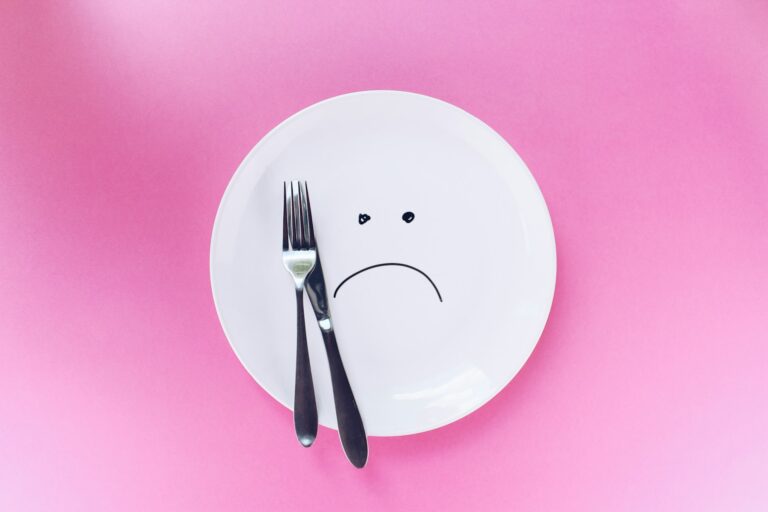
The 3 Most Common Eating Disorders

Please note that the information in this post is not meant to diagnose eating disorders. It is only meant to spread awareness. If you think that you may have an eating disorder, please contact your doctor to get a formal diagnosis.

What is an Eating Disorder?

Psychiatry.org defines an eating disorder as “behavioural conditions characterized by severe and persistent disturbance in eating behaviours and associated distressing thoughts and emotions.” This article will discuss the three more common disorders found in youth: anorexia, bulimia, and binge eating.

The Causes

With the increase in social media use globally, we’ve seen a rapid growth of “fitness pals”, “nutritionists”, and influencers all around the world dedicated to selling different trends that will gain viewers and attention. However, while seeing a “what I eat in a day” video a few times a week on your feed can appear seemingly harmless on the surface, the truth is that a lot of these so-called “health-influencers” contribute to the rapidly deteriorating mental health and body image of their audience. Youth, particularly teenage girls, are particularly vulnerable to the damage that these videos can induce, because of the increased amount of self-consciousness and hormone levels that are in our bodies due to the fact that we are rapidly maturing. These videos can worsen our mental health regarding appearance, and encourage unhealthy obsession with the way that we look. This is what fuels eating disorders.

Even worse, the media specifically targets young females to market weight-loss diets, treatments, and workouts. One day, when I scrolled onto an ad on Youtube Shorts with an obviously Photoshopped fitness influencer selling a “waist-snatching weight-loss” workout, I decided to use Google’s “Why did I get this ad?” function because I had never expressed an interest in weight loss or workouts of the sort on any social media platforms. I discovered that the only reason that Google had pushed the weight-loss ad to me was because the algorithm had decided I was under 40 and female. With no more additional information about my health, weight, or age, it decided to sell me a weight loss ad.

Other Influences

Additionally, other influences such as heredity, biases and comments from family members or peers, genetics, and advertisements in the media can also contribute hugely to eating disorders. There are many things that can contribute to psychological disorders such as eating disorders, and it’s often impossible to narrow it down to just a few.

1. BED (Binge-Eating Disorder)

The binge-eating disorder is characterized by regular “episodes” of eating very large amounts of (usually) comfort food. People who suffer BED overeat, and then continue to eat even when they are uncomfortably full or nauseous. This is called bingeing, and it can often feel uncontrollable. People with BED typically binge at least once a week for a month or longer. They may have large weight fluctuations, or hide containers, wrappers, or food in uncommon places (bedroom, bathroom closets, etc).

There are no official causes for the binge-eating disorder, although scientists and doctors have found a few trends in those who are diagnosed:

  • a history of dealing with conflict by eating
  • a history of extremely restrictive diets
  • a habit of skipping meals

In my opinion, binge eating is one of the most commonly under-diagnosed disorders. Bingeing food has almost become normalized in North America – for example, emotional eating on a regular basis, midnight binges – and because of this most people who binge eat don’t get diagnosed. Eating disorders are also commonly associated with losing weight rapidly, which might not be the case with BED and might be another reason why people don’t recognize or get treatment for their disorder.

2. Anorexia Nervosa

One of the more commonly known eating disorders, anorexia is characterized by an irrational fear of gaining weight, an unhealthily low body weight, and a distorted perception of weight. However, it should be noted that not all of those boxes need to be filled when someone has anorexia. People who suffer anorexia tend to under-eat, avoid eating in social settings, and overexercise to avoid gaining weight. They may have an obsession over their bodies’ appearance and control calories by using laxatives or diet ads. People with anorexia might feel constantly tired, cold, or catch sicknesses easily.

Despite all of the research and knowledge that doctors and scientists have about anorexia, it is still often under-diagnosed due to the normalized thin models and actors that we see in the media. Many people are thin without being anorexic, but where many doctors diagnose wrongly is in assuming that everyone who is anorexic is extremely thin, or in assuming that all thin bodies are healthy. Some are, but some most definitely aren’t.

It’s important to note that the danger of anorexia is that no matter how much weight that the person loses, they will continue to restrict their food and fear weight gain. The physical symptoms of anorexia are similar to that of starvation; they are quite similar in the fact that the body is not getting enough calories to survive.

This diagnosis for anorexia is critical, because anorexia can be fatal.

3. Bulimia Nervosa

Similar to anorexia nervosa and binge-eating disorder, bulimia nervosa is almost like a combination of both. People who are bulimic binge large amounts of food, and then purge it through vomiting, misusing laxatives, exercising excessively, or fasting. These reactions to bingeing may stem from guilt or fear of weight gain.

Anxiety disorders, substance disorders, and mood disorders, are often involved in the causes of bulimia. However, genetics, social media, and cultural ideas that place value based on body weight, also play a huge role.

The largest danger of bulimia is involved in the purging of food. When a person vomits their food, a lot of their stomach acid will also come up the throat. Long-term, not only can this burn the throat, but it can also cause esophageal cancer and lung aspirations.

Bulimia is one of the hardest eating disorders to diagnose, because sometimes it has no obvious physical signs. As well, people with bulimia usually purge privately and secretively, so sometimes the only person who knows about a bulimia disorder is the one who has it. This means that in order to receive treatment, the person will have to admit that they have a disorder. This can be incredibly difficult and intimidating, because often the person will be in denial about their disorder despite knowing about it, in order to avoid admitting that they are doing harm to themselves.

Help is Here.

Eating disorders can feel extremely isolating. But I promise that you are not alone.

If you think that you might have an eating disorder, I urge you to contact your doctor to get a diagnosis and treatment. If you would like to do some more research, here are the sources that I pulled my information from for this article:

General Info Source 1/2 /3

Bulimia Info Source 1

Anorexia Info Source: 1

BED Info Source: 1

An important note about eating disorders is that sometimes they go hand in hand with depression. If you are ever struggling, please reach out to someone you trust or call the Canadian Helpline: 9-8-8