Home Blog Page 53

“Shadows on the Playground: Addressing Racism’s Presence in Children’s Lives”

               In the corridors of human history, the haunting spectre of racism has cast its long, dark shadow, perpetuating a narrative of inequality, injustice, and collective pain. As we stand at the crossroads of progress and reflection, it becomes imperative to confront the harsh realities that continue to shape our world. Racism, with its insidious roots, burrowed deep within societal structures, is not a mere historical artifact; it is a relentless force that echoes in the lives of individuals, communities, and nations alike. 

               To understand racism, we first have to define a few common types of racism persistent within our communities, social groups, and even within ourselves. 

At its core, Racism is more than individual prejudice; it involves a power dynamic where one group holds more influence than another. Without this power differential, racism reduces to mere prejudice, carrying fewer consequences.

Systemic or structural racism operates on three interconnected pillars: history, culture, and institutions/policies. Historical racism forms the foundation upon which contemporary racist structures are built. Culture perpetuates and normalizes racism in our daily lives, while institutions and policies reinforce discriminatory practices, making dismantling these structures challenging.

Interpersonal racism occurs at the individual level, manifesting when personal beliefs translate into discriminatory actions against others. Institutional racism, on the other hand, takes root within and between institutions, involving discriminatory policies and inequitable opportunities perpetuated by societal structures.

Internalized racism occurs when individuals from marginalized communities internalize racist beliefs to the extent that they begin to perceive themselves as inferior. This can lead to interracial hostility or the acceptance of Eurocentric ideals and values.

Oppression involves the use of power to dominate others or the refusal to challenge such domination by those in positions of power.

Racial trauma encompasses the traumatization resulting from experiencing racism, which can occur through cumulative experiences, including daily microaggressions or subtle acts of discrimination. Understanding these concepts provides a foundation for addressing the pervasive and deeply rooted issue of racism in our societies.

               The manifestation of racism in the everyday lives of adolescents has enduring effects, potentially impacting their well-being and opportunities throughout their lives. Encountering racism undermines their sense of self-worth, belonging, and perceptions of society, leading to emotional struggles, hindrances in academic achievement, and constraining future aspirations. 

Racism in Mental Health and its relevant services

The study that was published in the British Medical Journal Mental Health was financed by the Applied Research Collaboration – North Thames of the National Institute for Health and Care Research (NIHR). It was shown that incidents of racial discrimination happen in in-patient hospitals and have an impact on both personnel and patients, creating an unsafe atmosphere and a lack of psychological and cultural safety.

People from racialized groups are known to be disproportionately represented  in mental health programs, especially those that involve incarceration under the Mental Health Act. Furthermore, rather than receiving psychosocial support, these patients usually receive more forceful care and medicine. Academic studies on this subject are still scarce, nevertheless.

It was discovered that several study participants had reported:

Strained communication and power imbalances shaped a process of mutual racialization by patients and staff.

An absence of safe spaces to discuss racialization silenced and isolated patients.

Not reporting racialization and discrimination made patients feel ‘othered’, misunderstood, disempowered and fearful.

This perpetuated racialization prevented authentic feedback from patients and disrupted the formation of trusting therapeutic relationships.

Depression is the most commonly reported ailment among BIPOC. Moreover, BIPOCs who have experienced racial trauma are more likely to meet the criteria for post-traumatic stress disorder (PTSD). Notably, racism significantly affects a person’s stress-related physical and mental health. Stressful situations trigger the release of stress hormones, and research has shown that BIPOC children and adults may find it difficult to encounter and see racial prejudice. Regular exposure to these stress chemicals may lead to heart disease, high blood pressure, anxiety, depression, and other mental and physical illnesses, as well as poor overall health outcomes. Discrimination typically occurs on a regular basis, which causes people who are subjected to it to have a chronically high level of stress and stress hormones.

School Life

Racial discrimination within educational institutions hinders the normal social development of young individuals. Those subjected to racism often feel stereotyped and stripped of their unique identities. This experience forces them into a distressing process of questioning their sense of self and belonging. Under these circumstances, academic pursuits may become of secondary importance for these individuals.

The bewildering and harmful emotions stemming from racism manifest in various signs indicating the students’ difficulties. Teachers may observe absenteeism, academic underachievement, high dropout rates, and engagement in self-destructive behaviours like substance abuse. In an attempt to find belonging and validation, some students may turn to gangs as a way to counteract a sense of powerlessness. Tragically, in Aboriginal communities, the consequences of racism are evident in elevated suicide rates among young people.

Especially at the secondary level, teachers may recognize students in their schools exhibiting reactions of resentment, betrayal, and fear toward the staff. Other challenging students may display disinterest in learning, further isolating themselves. These indicators may be attributed, in part, to the absence of positive cultural references in their surroundings. Consequently, these young individuals fail to see themselves reflected positively in their school and social environments.

Social Effects
Racism profoundly affects children’s social relationships, leading to difficulties in forming connections due to peer rejection and bullying, fostering distrust in both peers and authority figures, and causing conflicts in cultural identity. Discriminatory experiences often result in isolation, hindering social development and exacerbating feelings of alienation and inferiority. Addressing these challenges necessitates fostering inclusive environments, promoting empathy and cultural understanding, implementing anti-bullying measures, and providing support services to mitigate the negative impact and facilitate healthy social integration.

 Emotional Well-being 

Racism detrimentally impacts children’s emotional well-being by subjecting them to chronic stress, leading to difficulties in regulating emotions and increased vulnerability to mental health issues like anxiety and depression. The constant exposure to discrimination creates a pervasive sense of insecurity and fear, contributing to emotional instability. Children may exhibit behavioral problems such as aggression or withdrawal as coping mechanisms. These emotional challenges can persist into adulthood, affecting their overall mental health and well-being. Addressing the emotional toll of racism requires providing safe spaces for children to express their feelings, offering mental health support services, and implementing strategies to counteract the negative effects of discrimination on their emotional development.

Perception of Society

Experiencing racism at a young age shapes children’s perception of society, often fostering feelings of distrust towards authority figures and institutions, as well as a sense of injustice and disillusionment. Children may internalize discriminatory experiences as indicative of broader societal norms, leading to a diminished sense of belonging and acceptance. This perception can have far-reaching consequences, influencing their engagement with societal structures and their willingness to participate in civic activities. Moreover, the realization of systemic inequities may instigate feelings of powerlessness and resentment, exacerbating social divisions. Addressing these perceptions requires promoting fairness, transparency, and accountability within institutions, fostering a sense of empowerment and agency among children, and actively challenging discriminatory practices to rebuild trust in societal institutions.


Long Term Consequences

The social effects of racism on children can have enduring repercussions well into adulthood. Traumatic experiences during childhood may contribute to lifelong struggles with mental health, relationships, and socio-economic opportunities. The emotional scars left by racism can undermine confidence and self-esteem, hindering personal and professional development. Moreover, systemic barriers perpetuated by racial discrimination may limit access to education, employment, and healthcare, perpetuating cycles of inequality. Addressing these long-term consequences requires comprehensive interventions aimed at dismantling systemic racism, providing access to equitable opportunities, and promoting mental health support services to mitigate the enduring impact of childhood trauma on individuals’ life trajectories.

Addressing the social effects of racism on children necessitates a comprehensive and multi-faceted approach that recognizes the interconnectedness of individual experiences with broader societal structures. Promoting diversity, equity, and inclusion in all aspects of society is fundamental to creating environments where all children can thrive regardless of their racial or ethnic background. This involves implementing policies and practices that foster cultural understanding, celebrate diversity, and ensure equitable access to opportunities and resources. Additionally, providing support and resources for affected children and families is essential in mitigating the negative impact of racism on their well-being. This includes offering mental health services, counselling, and community-based support networks to help children cope with the emotional toll of discrimination and develop resilience. Moreover, actively challenging discriminatory attitudes and behaviours at both individual and systemic levels is crucial in creating a more just and equitable society. This entails promoting anti-racist education, fostering empathy and understanding, and advocating for systemic change to dismantle institutionalized racism and address disparities in access to education, healthcare, and economic opportunities. By adopting a holistic approach that addresses the root causes of racism and its social consequences, we can create a more inclusive and equitable society where every child has the opportunity to thrive and fulfill their potential.
10 Of The Most Endangered Species On The Planet

0


10. Hawksbill Turtles

These turtles are one of the seven marine turtle species found in the subtropical and nearshore tropical waters of the Pacific, Atlantic, and Indian Oceans. According to The World Wide Fund for Nature, there are only about 20,000 to 23,000 nesting turtles, though it’s difficult to know the true population since these turtles wander the ocean quite a lot.

The population of these turtles seems to have reduced by at least 80% over the last 30 years, this is due to the illegal trade of their shells and products, accidentally being captured in fishing gear, damage to coral reefs, and many other reasons.

9. Black Rhinos

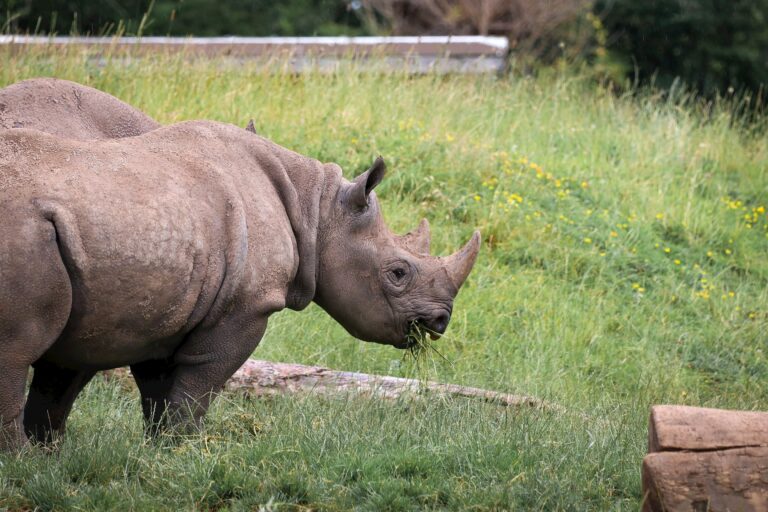
The number of these rhinos declined significantly between 1960 and 1995 because of poaching on large scales, and only 2% survived. Due to more rhino conservation, their numbers have doubled since those times, however, they are still critically endangered, with only about 5,630 individuals left in the wild. One subspecies of the Black Rhino was ruled extinct in 2011, and now there are only three subspecies left. Most of these rhinos are found today in Kenya, Namibia, South Africa, and Zimbabwe.

8. Tapanuli Orangutans

There are only about 800 Tapanuli Orangutans left, these are the rarest of all the great apes. This species was only recently recognized. There were only two species of orangutans, the Bornean and Sumatran orangutans until this third species was recognized. These Orangutans live in North Sumatra and are genetically different from the other Orangutan species.

7. Sunda Island Tigers

The Sunda Island tiger also known as the Sumatran tiger is the smallest subspecies of tiger on earth. These tigers are extremely rare with only about 600 remaining in the wild. This species is only found on the island of Sumatra in Indonesia. From the 1980s to 2020, the human population of Southeast Asia has nearly doubled. This has an impact on the number of tigers, whose habitat is growing smaller just like their populations.

6. Saola

Saola are bovines that usually reside in forests and are native to Laos and Vietnam. They look like deer and are critically endangered because of the destruction of their habitats, hunting, and the construction of roads and other such infrastructure. There are only a few hundred of these left, definitely under 750, and it’s possible individuals will be separated from each other and unable to breed.

5. Kākāpō

This rare species, also known as owl parrots are large, green parrots. They are the world’s only flightless parrot. They reside on the ground and are nocturnal. There are only 116 of these left, in southwestern New Zealand, which is the only area inhabited by them.

4. Red-fronted Macaws

Native to Bolivia, these red and green parrots are critically endangered, with only about 134-272 left in the wild. Some threats to these species include deforestation, agriculture, and other harmful human activities such as illegal trapping.

3. Amur Leopards

This species of leopard is extremely rare. There are only about 100 of them left in the wild! Their Population seems to be increasing and quite stable, but they are still considered critically endangered. Amur leopards are only found today in a quite small region of the far east of Russia and north-eastern China, which is one of the reasons for their small population. Some threats to their survival include the loss of their habitat, and roads and other such infrastructure being built for transportation. Right now, about three-fourths of the area they live in lies in areas protected by Russia and China, which means there is hope for this species.

2. Javan Rhinos

Javan Rhinos were once found all over southeast Asia, but because of habitat loss and hunting, their population is declining. They are the most rare rhino species, currently only found on the island of Java in Indonesia, with only 75 individuals left.

1. Vaquita

There are only around 18 of these species remaining. Vaquitas, a critically endangered porpoise, lives in a small area in the Gulf of California. They are the smallest cetaceans, which include whales, porpoises, and dolphins. Some threats to these species include damage to their habitat, fishing, and climate change.

Sources: 1, 2, 3, 4, 5, 6


The Ocean’s Secrets: Discovering over 100+ Marine Species

Spanning a whopping 71% across our planet, only 10% of the ocean has been charted through the use of sonar technology, and a mere 5% has been explored. That being said, the ocean’s floor remains a mystery.

In a recent expedition, Schmidt Ocean Institute aimed to explore the seamounts along the coast of Valparaíso, Chile and uncovered over 100 potential new marine species. Adding to the marvelousness of this discovery, the team discovered and mapped four seamounts. Standing at 3,530 meters, the tallest among them, was unofficially coined the name “Solito” by the scientists.

Why exactly were they exploring the Chilean coast?

During the expedition, researchers used an underwater robot that had the capabilities to descend up to 4,500 meters. Their goal was to collect data from seamounts that would then be used to advance and support the designation of an international high-seas marine protected area. However, it was part of a larger effort to address the impacts of climate change on ocean habits around/in Chile.

What species were uncovered?

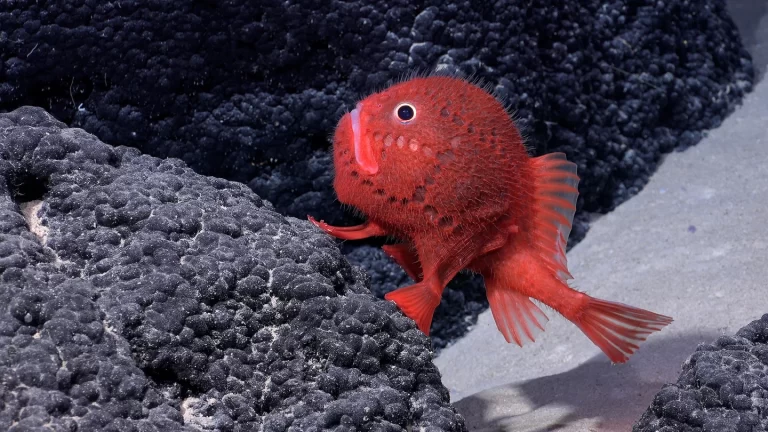
Each seamount was home to distinct ecosystems and many of which were vulnerable. They discovered various deep-sea coral reefs, sponge gardens, sea urchins, amphipods, squat lobsters, and other species that are likely new to science. Since scientists can’t determine whether a species is new or not solely based on photos/videos, they’ll have to return to laboratory conditions to analyze the physiology and genotype of the specimens.

An Ocean Expedition Found Over 100 New Marine Species Near Chile


Sources: 1 / 2 / 3 / 4 / 5

✧・゚: *✧・゚:*   *:・゚✧*:・゚✧  ✧・゚: *✧・゚ :*  *:・゚✧  *:・゚✧✧ ・゚: *✧・゚ :*    *:・゚✧*: ・゚✧✧・゚: *✧・゚:*   *:・゚

Want to support us? Check out our other blogs:

Black History Month: Willie O’Ree

Driving in Winter Conditions

The Role Of Race and Status In The Justice System

0

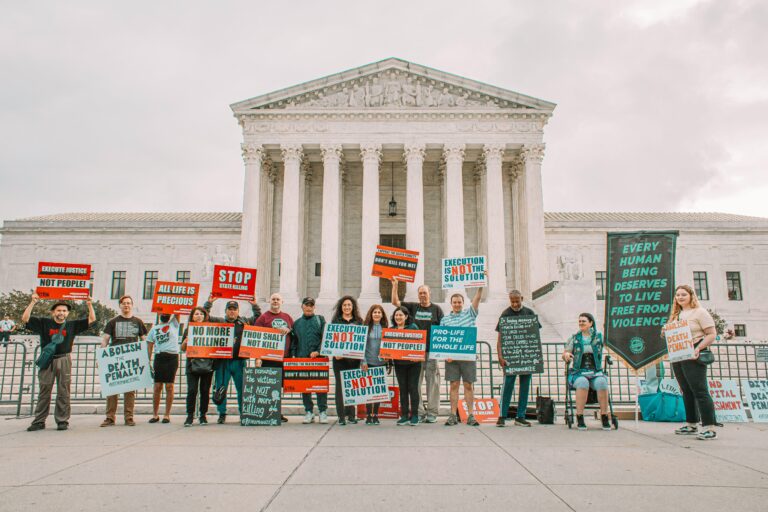
As the debate over the death penalty rages on, the core principles outlined in the United Nations Universal Declaration on Human Rights provides us an accurate global standard. With every execution, questions arise about the morality and efficacy of capital punishment.The United Nations Universal Declaration on Human Rights states that every human being has the right not to be tortured and the right not to be killed, the Death penalty violates both of these conditions. Globally 109 countries have deemed capital punishment unconstitutional. For this there is much rationale, particularly, that using the death penalty translates to not acknowledging the errors and misjudgements in the justice system. The United States alone have exonerated 195 individuals for crimes they didn’t commit because of the biases and flaws in the courts. Nathaniel Woods was convicted in 2005 for shooting and killing three officers. He was sentenced through a case where the defense wasn’t allowed to share Woods accounts of police misconduct beforehand or introduce the fact that Woods had never touched the murder weapon and the courts knew it. Nataniel Woods was executed in 2020. Many exonerees recall spending decades incarcerated, under the pressure that one day they may be killed for a crime they didn’t commit. Thus, the death penalty creates room for prejudice and discrimination against people of color and minorities. Proven numerous times, Black individuals are more probable to be sentenced for a crime they didn’t commit due to the intense microscope they are put under. This outweighs any small glance spared for the rest. Other times, white-victims have been favored in court. In the modern era, executions happen only on murder convictions, and 75% of the cases that move forward towards the death penalty were cases involving a white victim, although half of America’s homicide victims are black. From this we can conclude the ethnic and racial disparities in the justice system and the unconstitutional and unjust applications of capital punishment. 

The death penalty targets the most vulnerable people in our society, one is people of color and minorities and the other  people who are lower on the socioeconomic scale. Some say the death penalty is specially reserved for people from lower socioeconomic groups. Due to our rapidly industrializing society, the gap in allocation of resources calls for higher crime rates in these underserved communities. The government’s lack of funding supports these people who chase after crime, instead of condemning it. The bridging factor between race and socioeconomic bias is that it’s people of color living in these underserved communities. After acknowledging the created higher crime potential in these communities, the issue of socioeconomic bias arises. It is much easier to blame and pinpoint a crime on an individual who doesn’t have the means to support themselves at the time of conviction. It is also much easier to extend the sentence for an individual who is of color and of lower socioeconomic means.Nearly half of the individuals serving life sentences in America are Black, and 15% Hispanic. Black and Latino individuals are also more likely to have higher bond set, and be denied bail than white individuals, this is due to their higher flight risk because of their socioeconomic disadvantage. Assumptions and bias have gotten into the place of the justice system and created disadvantages for people of color and those from lower socioeconomic backgrounds and other times both leading the usage of capital punishment to be ineffective and unjust. Overall, in the story of justice, the death penalty serves as a stark reminder of the systemic biases and socioeconomic disparities that challenge our society, ultimately raising profound questions about the fairness and integrity of our legal system.

Sources:

https://www.nytimes.com/2021/12/05/us/nathaniel-woods-alabama-sentenced.html

https://www.un.org/en/about-us/universal-declaration-of-human-rights

https://www.law.umich.edu/special/exoneration/Documents/Race%20Report%20Preview.pdf

https://deathpenaltyinfo.org/policy-issues/race

Featured Image:

Photo by Maria Oswalt on Unsplash

What are Leap Years? Why We Have 366 days This Year

First of all, what are leap years?

A leap year is a year that has an additional day, which is February 29th. This results in the year having 366 days instead of the typical 365. In the Gregorian calendar (the one we use), leap years usually occur within four years.

Why do we need leap years?

The purpose of leap years is to balance the calendar year with the time it takes for Earth to orbit the sun, which is known as an astronomical year. If you dont know, it doesn’t take exactly 365 days for the earth to orbit the sun, it takes 365 and a quarter (365.2425). This is why it happens every 4 years. We try and do this to balance our year so we can keep the days of seasonal events like solstices and equinoxes the same.

How were leap years discovered?

The process of discovering leap years involved two different types of calendars proposed by two different people:

  1. The Julian Calendar: The Julian Calendar was introduced around 45 BCE (Before the Common Era).  Julius Caesar is responsible for putting this calendar in place. The proposed calendar involved a 365-day year with an extra day added every four years. However, this calendar wasn’t the most accurate as it was about 11 minutes from the true time of the year. 11 minutes may not seem like a lot but in the long run, it would impact us a lot. Because of this, someone introduced a new calendar to correct it.
  2. The Gregorian Calendar: The Gregorian Calendar was introduced by Pope Gregory XIII. The purpose of this calendar as mentioned was to correct the mistakes in the Julian Calendar. The biggest change to it was to make it so years divisible by 100 are not leap years except if they are divisible by 400. This is to take in the fact that an astronomical year is slightly less than 365.25.

In the end…

Leap years are introduced to balance the relationship between astronomical years and calendar years. Two types of calendars have been introduced but we have only stuck with one, the Gregorian Calendar. Leap years are an integral part of how we live life and our calendar system.

Sources: https://en.wikipedia.org/wiki/Leap_year

Blue is Alive – A Poem

0

Blue is alive


There’s something about blue

Something that highlights the hue

Blue, it’s always true isn’t it

They call it sky blue

I think it’s the slide of

The ocean

Blue, it’s always a baby

Blue, it’s always deep

So deep, that your hand

Can’t touch the bottom

Because there is no bottom

There’s only the

Swishhh, Swiiiirl, swooorl,

That goes and goes and goes and goes

With a graceful gait in every stride

Blue, it’s always the lazy, easy, stretch of tongue

It’s the carefree brush of a paintbrush

Sliding the crosshatched surface

Of a canvas

It’s the slow droop of an eyelid

As the drowsiness settles in

It’s the slow curve of my hand

As it turns on a page

Blue is a poem

Into the Depths of Space: Wormholes, Black Holes, and White Holes

We’ve all watched Interstellar, and have marvelled at the incredible 4th dimension, wormhole travelling, and black hole phenomenon. While the film is purely fictional, there happens to be certain aspects of nonfiction. Within our universe, and the many ones beyond, there exists an unimaginable amount of celestial wonders that incredibly challenge our understanding of the cosmos. From the incredible birth of stars to the mysterious depths of black holes, our universe is one of the most interesting topics for scientific inquiry.

Black holes

Black holes, formed when massive stars collapse under their own gravity, act as a sort of vacuum cleaner–pulling in everything nearby, even light. When these stars collapse, they create an incredibly dense region of space where gravitational pull is so strong that not even light can escape–this phenomenon is known as the event horizon. This creates a point called a singularity, a point of infinite density where the usual laws of physics we are accustomed to break down, and our understanding of the universe is challenged.

White holes

In contrast to the gravitational abyss of black holes, white holes are purely theoretical ideas that mirror their counterparts–while black holes pull matter and energy inward, white holes are imagined to expel them outward. Despite their intriguing properties, no actual evidence exists–leaving them to be in the realm of theoretical speculation.

Wormholes

Wormholes, also known as Einstein-Rosen bridges, are theoretical tunnels in spacetime that connect distant points in the universe. There was a specific scene in Interstellar, where one of the astronauts shows a demonstration of wormholes with a piece of paper–to say the least, it was incredible. According to the theory of general relativity, wormholes could be used as shortcuts through the cosmos, potentially allowing for faster than light travel between two points in spacetime. While the existence of wormholes remains theoretical, they offer an imaginative glimpse into the possibilities of interstellar travel and exploration.

Studies such as astrophysics and cosmology offer a deep dive into the universe, allowing us to see the wonders and complexities with theory and experimentation. From the mysterious realms of black holes and white holes, to the theoretical ideas of wormholes, scientists continue to push the boundaries of our understanding. As we continue to rewatch films like Interstellar, it certainly sparks speculation about the possibility that its fantastical elements such as the 4th dimension, wormholes, and alternate universes are real.

sources:

https://science.nasa.gov/universe/black-holes/

https://www.space.com/20881-wormholes.html

Keeper Of the Lost Cities: Book Reviews (Books 5 & 6)

0
WARNING: CONTAINS SPOILERS!!!!!!

Keeper of the Lost Cities is one of my favorite series and it’s definitely recommended. If you’re interested in this series, you should go check out my previous blog post, it has the reviews for books one to four. Keeper of the Lost Cities is one of those few novel series that you just can’t stop reading. For this post, I’m going to write a short review for each book separately.


#5 Lodestar

I wouldn’t say this was the best book in the series though it definitely was interesting. It’s fast-paced and I love all the Neverseen’s scheming. The logic behind the lodestar symbol and all of the little things that the Black Swan discover about the their plan makes me super curious about what the whole big scheme is. It still does feel a little like the Black Swan are getting basically no where with their search, they’re only discovering teeny things about this rebel group they’re up against. It feels like the Neverseen are always like fifteen steps ahead of them. The story did drag a bit, which was given considering what happened in Neverseen. They didn’t have any perfect plan and everything that happened was kind of sudden and irregular.

It does seem like Sophie is getting a little bit too powerful, as she manifests a new ability in this book. Keefe is one of my favorite characters and we’re getting to see more about him. Though, running off to the Neverseen definitely wasn’t the best plan. But in the end, that’s what makes the series more realistic, the characters have flaws and make mistakes which makes them seem more like real people. Sophie and most of her friends go back to Foxfire in this book and I really think they should include Marella more. She’s one of my favourite characters and has such a cool personality.

The end was really unexpected, and wow, elves should start using their skills more! The book ends with another perfect cliff hanger, which always gets me itching for the next book. I’m seriously so grateful that there’s a sneak peak at the end of the novel.

#6 Nightfall

Nightfall is one of my favorite books in the series! It does drag a bit, but maybe that’s just cause I’m reading the book for the second time. There were so many twists and turns, always keeping me at the edge of my seat.

Sophie and her friends end up saving the day again, with Linh, which I think is great since she is one of my favorite characters. They’re able to save Ro as well which is good, she’s a pretty good character. I love how we’re learning more about the Lost Cities’ cruel past that the council has covered up. I love seeing the flaws in the elves’ “perfect, glittering world”. Also, I like seeing the author connect the Lost Cities to human history, like the sinking of Atlantis, is that just me? This also gives us humans a good reason to defend ourselves when one of the elves launches into a big lecture about how humans betrayed elves and caused them to sink Atlantis.

I’m so glad that Sophie’s human sister gets to keep her memories of the elves, I guess I just didn’t want her to go through all the erasing her human family’s memories situation again. I can’t believe how hard that would be for someone, knowing that their family is out there some where and don’t remember you. Amy got to keep her memories, though I think it would be pretty hard for her as well. Living with the humans and pretending to be oblivious to the fact that there’s a whole other reality to the world. I like that they included Marella in the story a little more this time. The book ends again in one of those painful cliffhangers. How does Shannon Messenger get them so perfect every time?!! For me this was one of the more memorable books in the series.

Keeper of the Lost Cities is such a great series. Part of me hopes that it could just go on forever, but I know that’s not possible. Another part of me just really wants to know how the story ends. Anyway, let me know who your favorite character is in the comments. I’m really want to know who everyone thinks the best character is.

Exploring My Top 5 Favourite Landmarks In My Recent Vacation: Summer 2023

0

Context:

Due to my sister getting a job in Geneva, we as a family decided to take a trip to Europe to see her in Geneva, while stopping along a bunch of different places. In order, we went to London, Paris, Versailles, Geneva, and Rome. This took place in Summer 2023.

5. The Eiffel Tower, located in Paris. Measuring 330 metres to the very tip of the tower, the Eiffel Tower is truly an amazing landmark of the Paris city. It was built in 1889 to be an important attraction at the Paris World Fair during that time. The building since then has been recognized from an attraction, to a symbolization of French expertise, daringness, and modernization. You can not truly understand the remarkableness of the Eiffel Tower unless you see it yourself firsthand. The first sight of the tower blew me away, seeing all the pictures of the tower online and not seeing it in real life really made the blow more impactful. Overall, seeing the Eiffel Tower was a fabulous experience, but it is not one of the best that I have had during this vacation.

4. The Louvre Museum, located in Paris. The Louvre is recognized worldwide as one of the most diverse and full art collections in the world. The works of art displayed there ranged from heiroglyphs on small vases and pots, to immaculate paintings such as the Mona Lisa and the Liberty Leading the People. Navigating yourself throughout the building was much easier than any other museums we went to. They had Nintendo 3Ds’s that acted as audio guides while allowing you to read background info on all the displays at the museum. They also allowed you to see where you were in the museum. Seeing some works of art like the Mona Lisa were some of the reasons why I would put this in 2nd place. Although, the depressing size of the glass pyramids threw me off.

3. The Colosseum, located in Rome. The Colosseum is universally known as the largest amphitheatre (oval stadium with gap in the middle) in the world. The project for the construction of this building ranged from 72 AD to 80 AD. This place hosted multiple events such as gladiator fights, animal hunts, executions, etc. One thing interesting I learned about the Colosseum was that the basement was where they would hold all the animals and people before fights. The basement is visible in the picture above as they removed the actual battleground. Overall, this building was probably the best landmark I have been to so far in Rome. This would have made 1st place if it weren’t for the amazing landmarks succeding it.

2. The British Museum, located in London. The British Museum is acclaimed for it’s in depth representation of human culture. Each part of the building is sectioned off for lots of different cultures such as Asia, Africa, and of course English. In fact, it is the first and only museum to display all fields of knowledge. During my time there, we took an afternoon tea that they offered and along with tea, they offered us lots of small British treats and sandwiches. My favourite attractions there were definitly the Rosetta Stone and all of the Parthenon sculptures shown there. The gift shop offered there was definitly the largest one out of all the places I visited. This landmark is absolutely stunning in both its presentations and style, however, there is one landmark I believe that cannot be beat.

1. The Versailles Palace, located in the city of Versailles. This palace was home to Louis XIVs and his family. Along with providing his family a home, the building was also built as a symbolization of power and authority. A notable part of the Versailles Palace that I enjoyed includes the Hall of Mirrors,  which was the place where the Versailles treaty was signed. I also enjoyed the Royal Chapel, the Chapel looked so majestic, as if it was straight out of a movie. The courtyard though was where it got extremely cool. There were so many sculptures surrounding the unearthly huge shrubs. In the middle, there even was a giant body of water where people could kayak on. The place did not only offer kayaking, they also offered bikes to people who would like to really take in the beauty of the palace. They even had cafes which although were expensive, tasted delicious. All of these reasons are why I believe that the Versailles Palace is one of the best landmarks out of France, Rome, and Geneva. Dare I say the best in Europe?


Sources:

https://en.wikipedia.org/wiki/Louvre

https://en.wikipedia.org/wiki/British_Museum

https://en.wikipedia.org/wiki/Palace_of_Versailles

https://en.wikipedia.org/wiki/Colosseum

https://en.wikipedia.org/wiki/Eiffel_Tower

Roots of My Orchid – a Poem

0

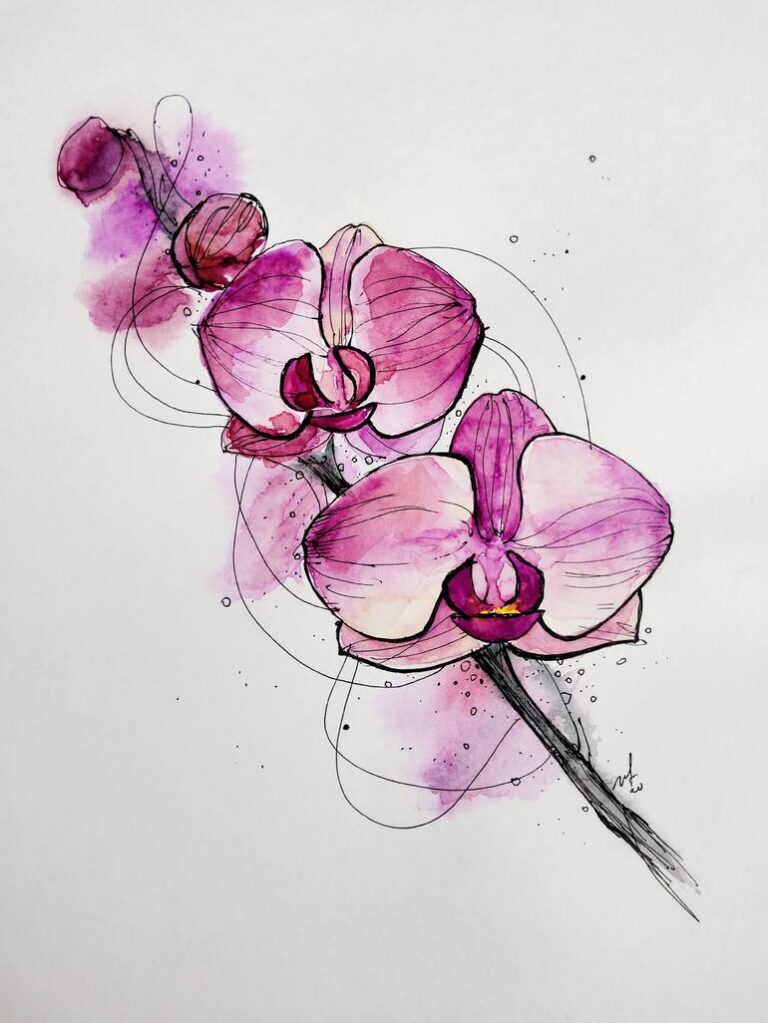
Today I cut out the rotten roots of my orchid plant,

And thought of the life you gave me.

My hand brushed its green, healthy leaves,

A symbol of new possibilities.


Where in the soil can you find love like this?

Love that’s new. Love that we seek. Love that speaks to us. 

I wish you could have it,

like the way I have it

When you gave my life new possibilities.


Today I cut out the rotten roots of my orchid plant,

and wondered if you regret your last love?

My eyes wandered down to the dried up petals,

that I held in the crevices of my hand.


Where in the soil can you find love like this?

The kind that makes your flowers bloom?

Do you search for it or run from it?

The love I wished for you?


Today I cut out the rotten roots of my orchid plant

and tried to see the beauty.

The dark crevices along the sagging root,

Is that really something pretty?


I want to speak to the tears you’ve cried,

And meet your inner soul.

Tell me you have hope for love

Like the kind you wished for me. 


I want you to have love like mine:

Love that’s new and love that’s old

Love that surrounds me and brings me joy

Like you always wanted to. 


Where in the soil can I find you love like this?

Because I know you need more than mine.

Could I find you an orchid plant?

Cut out its rotten roots?

Or gently hold your hand? 


Today I cut out the rotten roots of my orchid plant

And prayed that love would find you.


Featured image

The Dream of Cleaner Energy

0

Climate change has been one of the most pressing issues of the past decade. As a society, we have become increasingly more aware of the inefficiency associated with burning fuel to generate electricity, an aspect of thermal generation. This raises a paradoxical dilemma as our quest for energy, such as the continuation of global coal-fired power plants, harms our climate change goals. Yet electricity and other power sources dominate all aspects of our lives. Thus, the latest advancements in nuclear fusion paint a new reality for society, one where clean energy is possible.

What is Nuclear Fusion?

Nuclear fusion is a process that occurs in stars, such as the Sun. It involves two light atomic nuclei combining to create a heavier one, which releases enormous amounts of energy without the production of greenhouse gasses and toxic nuclear waste. For this process to occur, the nuclei must combine at very high temperatures to ensure that they overcome the electrical repulsion among them. Fusion occurs when the nuclei come in close enough proximity that the electrical repulsion is outweighed by an attractive nuclear force. This reaction takes place in plasma, an ionized gas that is the result of superheated matter. Many fusion reactors try to harness the energy using a mixture of deuterium and tritium, which are isotopes of hydrogen atoms. Additionally, one kilogram of nuclear fusion fuel can provide the same amount of energy as ten million kilograms of fossil fuel. This astonishing difference is the reason many scientists and engineers are trying to further nuclear fusion research and possible industrial designs.

The Tokamak

tokamak. It is a doughnut-shaped machine that uses a magnetic field to trap plasma. The structure involved in the plasma confinement is called the “torus.” The plasma particles are contained inside the torus using a magnetic field composed of magnetic coils that create a field in the “toroidal” and “poloidal” directions. The poloidal field is generated by the central solenoid that carries electric currents. On the outside, another set of coils establishes a poloidal field that maintains the shape of the plasma. Through magnetically confined plasma, temperatures higher than the core of the sun have been achieved.

Recent Breakthrough

The Joint European Torus (JET), a tokamak machine, was involved in the new energy production record set by nuclear fusion. Scientists were able to create 69 megajoules of nuclear fusion energy for five seconds, which is an astounding breakthrough in experimental designs for fusion power. To achieve this, the scientists used 0.2 milligrams of fuel. If researchers and engineers are able to progress with their current breakthroughs with nuclear fusion, our society will have increased energy efficiency and a significantly lower threat of climate change. The JET used deuterium and tritium to make helium; during this process, the machine reached temperatures around 150 million degrees Celsius. With that in mind, the progress made with the JET will inspire the ITER (International Nuclear Fusion Research) engineering project.

Upcoming Challenges

The progress made with nuclear fusion acts as a beacon of hope for a society plagued with troubles. However, commercial nuclear fusion will stay a dream for now due to the complexities and obstacles needed to overcome with the current tokamak machines. For example, the recent project used more energy during the experiment than was produced. Furthermore, there are challenges associated with the availability of materials for fusion plants. As previously mentioned, the tokamak relies on the confinement of plasma particles that constantly spin in the machine. However, the plasma could escape if any issues arise with the magnetic fields keeping the particles close together. As a result, the reaction would cease, and the reactor could also experience damage if the plasma releases significant thermal energy.

Overall, the future for nuclear fusion remains bright as Princeton researchers claim to have used artificial intelligence to tackle these problems. Humans have the ability to work through adversity and break the conformities of past engineering design. Therefore, the dream of clean energy remains at the forefront of scientific discovery.

Sources: [1], [2], [3], [4], [5], [6]

Featured image: [1]


How Chemistry is used in day-to-day life

0

A fundamental branch of Science

Even though all of us, our pets, and all the objects we use in our daily lives are technically made of matter, which would fall under the branch of Physics, one cannot deny that we are also chemicals. Yes, it may seem dehumanizing to say it this way, but it’s the truth. Together, all the countless atoms make up the chemical and biological molecules in each of us, ensuring our survival of our lives and our existence. The food we eat, the water we drink, and even the house we live in are essentially supported by the chemical bonds that exist between and within the molecules, giving us the privilege to enjoy our material, physical world. 

Fun facts about Chemistry as a natural part of life

Did you know that Chemistry is extremely important for the safety of everyone’s lives? I thought we should begin here, as safety is paramount in the well-being of our lives. For example, it is extremely unwise to mix multiple sources of chemicals if you do not know their composition; if you intend on purposefully creating a new chemical solution, you also have to use math to figure out the proportions of each substance you can add to the final liquid. 

Whenever you use insect repellents, for example, they become less effective with sunscreens. Keeping the repellents to the natural choices is extremely important for one’s health, as synthetically made materials are often toxic and damaging to health. These are just some of the many things we as responsible folks for our health should consider. 

The type of crops (and livestock) we consume, and their cultivation methods are hugely dependent on the theory and practical usages of chemistry. Figuring out the natural environment where each crop grows the best, and how to fertilize them are all crucial in producing food of higher quality for society. This is to meet both the challenges of a growing population, and also, to a large extent, inflation. 

Have you wondered whether you can mix different types of oils for the vehicle you drive (or the vehicle owned by your family)? Oftentimes, we visit different gas stations to refuel our vehicles, even if there is still a lot of oil left in the tank. Do all of the gas stations import refined oil so they are compatible in usage with each other? Well, as it turns out, the experts largely agree that they do. Even if you mix a form of synthetic oil with a more naturally derived form, it is still unlikely that bad things will happen. For more great information on this area of Chemistry, be sure to visit this article (Oil Mixing)

Wonder what protects us from bacteria? Well, the soap we use every day to kill the germs is purposefully manufactured to be basic and destructive to the protein substances within bacteria and viruses. Every living organism needs some sort of protein to be able to survive, and if we tear the germs apart by destroying their protein, it is highly unlikely that they will continue to cause us illnesses! 

To conclude, Chemistry is truly an amazing branch of Science, and it is certainly used in every part of our day-to-day life. Creative people all around the world have figured out how to demonstrate the brilliance of the purpose of Chemistry to aid themselves in living more conveniently and comfortably. If you would like to discover anything more about Chemistry, feel free to look up some other online articles as well! And remember, prepare to be amazed at its application usages. 

Black History Month: The Inspiring Story of Willie O’Ree

People who overcome discrimination, racism, and obstacles to achieve their dreams inspire  and encourage many of us not to give up and try our best to reach our own goals. To honour Black History Month of 2024, let’s dive into William O’Ree’s story of perseverance and bravery.

Who is Willie O’Ree?

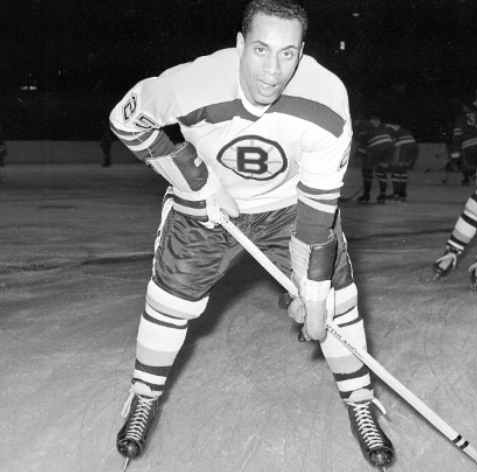
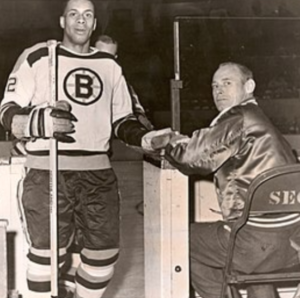
William O’Ree was born on October 15, 1935, in Fredericton, New Brunswick. He became the first black hockey player in the National Hockey League (NHL) on January 18, 1958, and played professional hockey for over 20 years.

Childhood in New Brunswick

O’Ree grew up in a large family in Fredericton, New Brunswick, and was the youngest of 13 children. O’Ree’s grandparents left the United States to escape slavery throught the Underground Railroad to Canada. O’Ree’s family was an ethnic minority in Fredericton as his family was the only one of two Black families in Fredericton while he was growing up.

O’Ree’s passion for hockey has been noticeable since he was young, as he started playing hockey when he was three. He played regularly on the backyard rink and even skated to school when the weather allowed.

O’Ree recalled that his experience of growing up in New Brunswick was a positive memory for him in his autobiography called The Willie O’Ree Story: Hockey’s Black Pioneer. In his early life, he recalled that colour was never an issue on ice rinks. However, he wrote that when he became older, he faced discrimination from the colour barrier.

Early Hockey Career and Eye Injury

O’Ree started playing organized hockey with Richard, his brother when he was 14 years old. He continued his hockey career by playing for Fredericton Falcons in the New Brunswick Amateur Hockey Association when he was 15, and he played for Quebec Frontenacs of the Quebec Junior Hockey League when he was 19 years old.

When O’Ree was playing for the Kitchener Canucks of the Ontario Hockey Association during the 1955-56 season, he had a serious injury. 95 percent of the vision in his right eye was lost after a puck hit him and also broke his cheekbone and nose. Healthcare professionals recommended him to stop playing hockey, but he couldn’t lose his dream and was back on ice within two months. However, as NHL law states that the league forbade players who are blind in one eye from competing, O’Ree could not tell anyone about the injury as he would lost his chance to play for NHL. In order to compensate for his blindness, O’Ree had to turn his head far over his right shoulder while playing left wing. 

His Career in the NHL

O’Ree became the first Black hockey player to play in the National Hockey League on January 18, 1958, as a part of the Boston Bruins. He only played two games in the 1957-58 season in Bruins but returned in the 1960-61 season. O’Ree made history as he became the first Black player to score a goal in the NHL in a 3-2 win over the Canadiens. He scored 4 goals and 10 assists for 14 points in 43 regular-season games in the 1960-61 season.

At the time, there was not much of O’Ree’s status as the first Black player to compete in the NHL.Neither The Boston Globe nor The New York Times mentioned his first appearance in the NHL. Additionally, at the time, a Canadian sports writer noted that O’Ree received no emotion, no applause, and above all, no animosity.

O’Ree played 14 years in hockey, including with the Hull-Ottawa Canadiens, Los Angeles Blades, San Diego Gulls, New Haven Nighthawks, and San Diego Mariners. He extended his career by moving from left wing to right wing in 1964-65, resulting in 38 goals, a personal best. 

Colour Barrier

O’Ree faced hardships in his hockey career because of his skin colour. From opposing players and fans, he had to experience racial taunts. Cotton balls and a black cat were thrown onto the nice while O’Ree played in Virginia in the 1972-73 AHL season. When he was playing with the Bruins in the 1960-61 season, O’Ree was the victim of racial slurs from a Chicago Black Hawks player. In addition, the player knocked out O’Ree’s teeth and butt-ended O’Ree with the stick. 

In 2022, O’Ree interviewed with Trevor Noah and described the obstacles that he had to face as a Black hockey player of NHL. He says, “I was called the N-word every time I stepped on the ice by players on the opposition, by fans in the stands—if I had a penalty and I went in the penalty box I could hear them saying the N-word—but I just blocked it out. Thanks to my older brother…he told me, “Willie, if they can’t accept you for the individual that you are, because you have the skills and the ability to play in the league at this particular time,…forget about everything else. Just go out, stay focused on your goal, and work hard.” And, basically, that’s what I did. But…it was really rough at the beginning.”

Honour 

He won the Lester Patrick Trophy in 2003 for his superb service to hockey in the United States. He also received the Order of Canada in 2010 for his outstanding work promoting hockey and youth development within North America. In addition, O’Ree also received the Order of the New Brunswick in 2005 and received the title of honoured member of the New Brunswick Sports Hall of Fame in 1984. In 2022, the Boston Bruins retired his number, 22, to honour him.

Legacy

Throughout his career, O’Ree’s legacy contributed to motivating generations of Canadians through his dedication to promoting a diverse and inclusive environment in hockey. Even though O’Ree retired in 1979, his path still inspires many youths all around the world and gives them a message to follow their dreams despite prejudice and obstacles. O’Ree continues his legacy with a position as a head of the Hockey is for Everyone program, where he promotes perseverance, teamwork, and commitment as important values to host an annual all-star weekend to bring youth of diverse and unique backgrounds of economics and ethnicity together for a tournament.

His legacy inspired the world, but his remarkable story didn’t finish with a period yet. Most recently, William O’Ree earned the title of the NHL’s Director of Youth Development and an ambassador of the NHL Diversity program. He travelled across North America to promote grassroots hockey programs focusing on helping economically disadvantaged children. According to a 2008 Sports Illustrated piece, He said this was the most rewarding job he’d ever done.

“Breaking into the NHL was great, but the work that I’m doing now has to be the most rewarding job I’ve ever had,” says O’Ree, 72. “People say to me, ‘Willie, do you think you’ll ever get into the Hall of Fame?’ If I get in, it won’t be because I broke the colour barrier. It will be because of the work I’m doing now.”

O’Ree’s work on and off the ice rink was recognized, and he was inducted into the Hockey Hall of Fame in 2018. The NHL also created the Willie O’Ree Community Hero Award to honour him.

Sources 1 / 2 / 3 / 4 / 5 / 6 / 7 / 8 /


Movie Recommendation: Nimona

0

Nimona is a 2023 Netflix film based on the graphic novel of the same name by ND Stevenson. It features the genre of science fantasy: an amalgam of science fiction and fantasy elements represented through a flawless and captivating mixture of futurism, with advanced technology such as flying cars and holographic screeens, and medieval influences, such as the concept of knights and walled cities. Perhaps most notable is the anachronistic presence of fairytale tropes and themes within the postmodern world, grounding the audience in the nostalgia of childhood bedtime stories while basking in the familiar novelty of sci-fi technologies. All this portrayed through stunning animation, on-point character design and brilliant voice acting.

The story is told around two main characters: Ballister Boldheart, a knight framed for a devastating crime, and Nimona, a shapeshifter insistent on becoming Ballister’s villianous sidekick. Through these characters, Nimona explores the experiences of being marginalized or othered by society which resonates despite being toned down from the original graphic novel due to its younger target audience. Throughought the movie, they embark on a journey that begins with trying to prove Ballister’s innocence and ends with a complete upheaval of the City’s corrupt institutions and reworking of the peoples’ worldviews (kid-friendly edition). There are also heavy themes of queerness throughout the story, largely testament to ND Stevenson’s own experiences of being nonbinary and transmasculine, with Ballister’s relationship with his fellow knight Ambrosius Goldenloin portrayed as organically and realistically as you can in a comedic, action-packed science fantasy and Nimona’s gender non-conformity. This coupled with the allegorical plot of the protagonists being othered by society’s prejudices, and stellar quotes that serve to directly call out prejudices and validate queer experiences, and we have a film centering around two queer main characters, whose queerness is not the main point but still an important part of their identities and character development. It is a brilliant example of casual, validating and humanizing representation.

There are pieces of media out there that are difficult to recommend to people whilst skirting around huge spoilers. However, the fact that it is entirely uncomplicated to find good things to say about Nimona while managing not to spoil it is simply a testament to its brilliance. And now, there is nothing more for me to say but to watch this movie. Whether for the fun of it or in a critical lense, whether to turn it into a family movie night or to watch it alone in your room, this is a movie for absolutely everyone.

Featuered Image

The 8 Ingredients To Write An Effective Timed Essay


Are you someone, like me, who is always stressed out the night before a major timed essay in English or Social Studies class? I, personally, love reading and writing, especially creative writing. For someone who is really interested in literature and writing about literature, you would expect that timed essays in English and Social Studies are a piece of cake for me, but that is unfortunately not true! It would not be an exaggeration to say that timed essays are the bane of my existence. The part that makes them especially challenging is that the writing prompt is not provided beforehand. Therefore, it often feels like writing on the spot. To tackle this problem, I have been researching ways to write an effective timed essay. In this blog, I want to share what I learned.

Before Writing:

  • Study relevant class material: It may seem like there is no way to “study” for an essay. This is because the writing prompt is given on the day of the essay. It can be intimidating to realize the fact that you would have to write a 5 paragraph essay on a random topic. That, however, is not entirely true. You do have some idea of the topic. It will likely be on something you have discussed in class. To be prepared, you can study your notes and ensure that you have understood all the topics discussed in class. This way, on the big day, even if you see a prompt for the first time, ideas from class will start popping up in your head, and you can ace that essay!
  • Time your writing when practicing: Practice does not necessarily mean writing a timed essay every day. You can still practice by timing any piece of writing you do. This way you will get accustomed to writing under the pressure of time.

During the essay:

  • Read the prompt carefully: Even before you write the first word of your essay, it is important to read over the prompt/question carefully. It can be useful to highlight important parts of the question, and then decide on which pieces of evidence would be most appropriate to use. It is crucial that your essay directly answers the question that is being asked. To achieve this, it is necessary to pay careful attention to the prompt.
  • Set a time limit for each paragraph: Many people, including myself, struggle with time management during an essay. I tend to focus too much on my introduction, and my body paragraphs of the essay end up becoming weaker. To solve this problem, it is important to allot a set time for each paragraph. This way, you will distribute your time evenly, and will not end up spending all your time on one paragraph.
  • Be neat, organized, and double-space your essay: When there is a time constraint, it is not easy to keep your essay neat or organized. However, it is important to do so. Messy writing, awkward wording, or uneven spacing not only confuses the person marking your essay but can also confuse you when you go back to edit. A very helpful strategy to keep your work organized is to double-space your writing. This way, if you are hand-writing your essay, it is easier to make corrections. If you are typing your essay, it is much easier to read your essay if it is double-spaced.
  • Do not waste your time on editing during the essay: Yes, editing is extremely useful to catch any errors or to strengthen your arguments. Editing once you are finished writing each paragraph is a good tool when you are writing a paper. However, it can be detrimental during a timed essay, as it can cause you to lose track of time. It is important therefore to give first priority to finishing your essay, and then going back to editing.

After writing:

  • Edit if you have the time: If you finish your entire essay well within the time limit, you can then go back and edit. When editing, check for spelling or grammar errors, and make tweaks to your writing to make your paragraphs stronger. I would suggest not to rewrite entire sections of a paragraph. This can make you lose sense of time. When editing, I try to look for small things to change, such as my word choices, or my sentence lengths. Sometimes, even small changes can make a difference in the effectiveness of your writing.
  • You’re all done, relax: After you’ve done all that, go home and ponder about all the things that would cause you to lose marks in the essay. Haha, just kidding! Go home, and relax. It can be easy to get worked up about a major essay, but it is important to take your mind off of it when you are done. Do something you enjoy, or just sleep.

The next time I have to write an essay for an English or Social Studies class, I will be sure to try out these tips and see if they work for me. I hope you will join me in completing a timed essay! Good luck!