

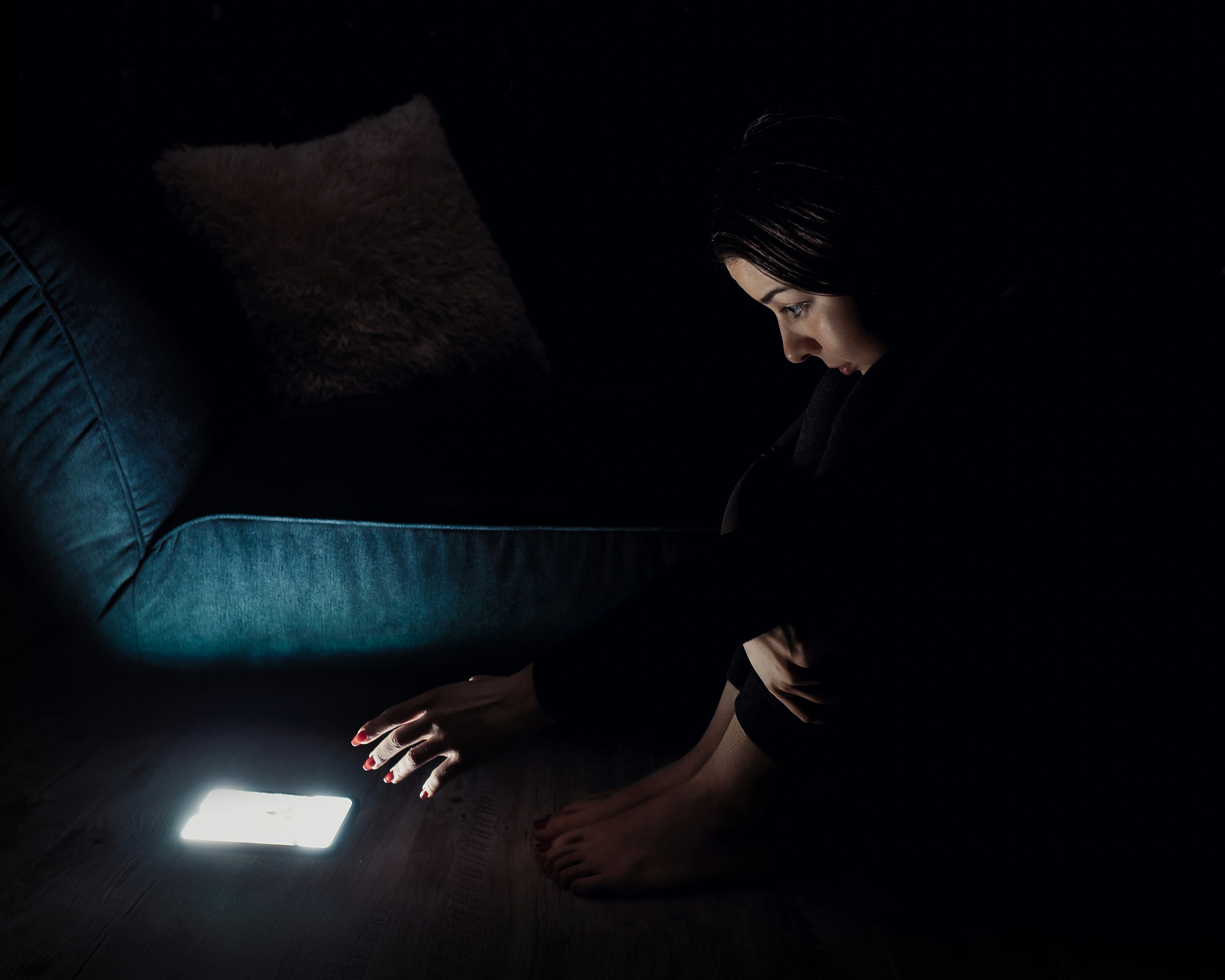
Sunday evening arrives, and with it comes the stress of assignments you swore you’d work on over the weekend and tests you forgot you had to study for. You decide that you deserve a brain break, and resort to TikTok doomscrolling in your bed in the name of relaxing. Your promise of “only 5 minutes” grows to 5 hours, but you justify it by claiming it’s self-care. Once you finally put your phone down and see all your work piling up, you realize you’re actually more anxious than you were before.
Is doomscrolling all day really “self-care” when it leaves you with more stress?
What is “Bed-Rotting?”

With it’s origins in TikTok, the term “bed-rotting” is used to describe the act of staying in bed for hours, scrolling on social media without any notions of productivity. It’s essentially a marathon filled with snacking, scrolling, and streaming, with no end in sight. Using 12+ hours of bed-rotting as a reward for productivity or as a form of self care has become increasingly more common in GenZ youth, with everyone’s screen times spiking and plateauing at 23 hours per day.
The opposite of a healthy mental break, bed-rotting ends up putting you in rabbit holes you can’t get out of. Rather than a form of self-care, it has counterintuitive effects. Sure, a few hours won’t hurt, but once that threshold is crossed, the “I need a break” turns into “I’m avoiding my life.” It’s important to check-in with yourself and get to the root of the rotting, asking yourself, “Why is it so hard to go back to being productive?”
Taking Efficient Brain Breaks
Between Powerschool notifications, part-time jobs at Chinook, and social pressures, life gets busy for students. Breaks are vital for our mental health, but taking them efficiently is arguably more important. The media we choose to consume can drastically impact how effective they are. When you’ve been making big decisions, studying for stressful tests, and being emotionally alert all week, choosing a “low-stakes” show or movie will allow your brain to let go of some of that mental turmoil.
If you’ve ever finished a show and felt more stressed/addicted than when you started, you probably weren’t watching low-stakes media. “Low-stakes” refers to shows or movies where the world isn’t ending, no one is in life-or-death danger, and there are no massive, anxiety-inducing plot twists. It’s media where the biggest problem is someone accidentally burning their cookies or a minor misunderstanding between friends that gets fixed in twenty minutes. By lowering your stress hormones, low-stakes media helps your nervous system reset from fight-or-flight mode. For a brain fried from organic chemistry, low-stakes media gives you the entertainment break you need without making your heart rate spike, since it’s safe and predictable.
Due to this nature, low-stakes media allows us to return to productivity faster and easier, without making us feel like we’re stuck in a rut. That 10-minute timer you set will actually hold true, instead of being ignored and left ringing in the background.
A Low-Stakes Media List
Here’s a list of low-stakes shows to check out during your next productivity break! The general rule is to avoid action or fast-paced thrillers, and instead lean towards shows with a comforting, nostalgic vibe.
- The Great British Baking Show: Literally just polite British people baking in a tent, what more could you ask for?
- Abbott Elementary: Short episodes filled with comedic punchlines with no heavy stakes
- Kim’s Convenience: A warm & fuzzy Canadian show with lots of relatability
- Schitt’s Creek: Comedic and filled with character development and growth
- Gilmore Girls: For all the fall vibes you could ever need, small-town drama
- The Office: For those rewatching it, the nostalgia makes your brain feel relaxed as it knows exactly what’s coming next
- Studio Ghibli movies: Stunning visuals, the best peaceful soundtracks, like a vacation for your brain
How to “Rot” Responsibly
In order to ensure your rotting is relaxing and easy to get out of, try not to stay in your bed, and instead consider moving to the living room couch or even the floor. Keeping your sleep space separate is helpful when it comes to sticking to your schedule, preventing the 5 hours of doomscrolling from ensuing. Even if the weather is freezing, try sticking your head outside for a minute to get some fresh air and get rid of that brain fog.
One of the most important tips of them all, STOP DUAL SCREENING! PUT THE TIKTOK AWAY AND FOCUS ON THE SHOW! Consuming three different forms of media at once, scrolling on TikTok on your phone, listening to music on your airpods, and having a show running in the background is extremely detrimental to your attention span and makes you more tired. Also, if you’re watching a movie with your friend and they turn to see you scrolling on TikTok, it’s just bad etiquette. Don’t do it.
While watching your low-stakes show, set a timer or a goalpost for when you need to stop and redirect your focus. For example, clean your room after 3 episodes, or go finish your math homework after 30 minutes.
TL;DR
Everyone needs and deserves a break from their busy lives every now and then. It’s important to distinguish between bed-rotting and actually relaxing. The first step in doing so is choosing to consume low-stakes media during your breaks. These are shows where the world isn’t ending and the drama is minor (like a burnt batch of cookies). It lowers your stress hormones instead of spiking them. Stick to comforting, predictable vibes like The Great British Baking Show, Abbott Elementary, Gilmore Girls, or Studio Ghibli movies to help your nervous system reset.
Remember that you don’t have to earn the right to rest, and sometimes, efficient “rotting” is necessary for you to recharge.