
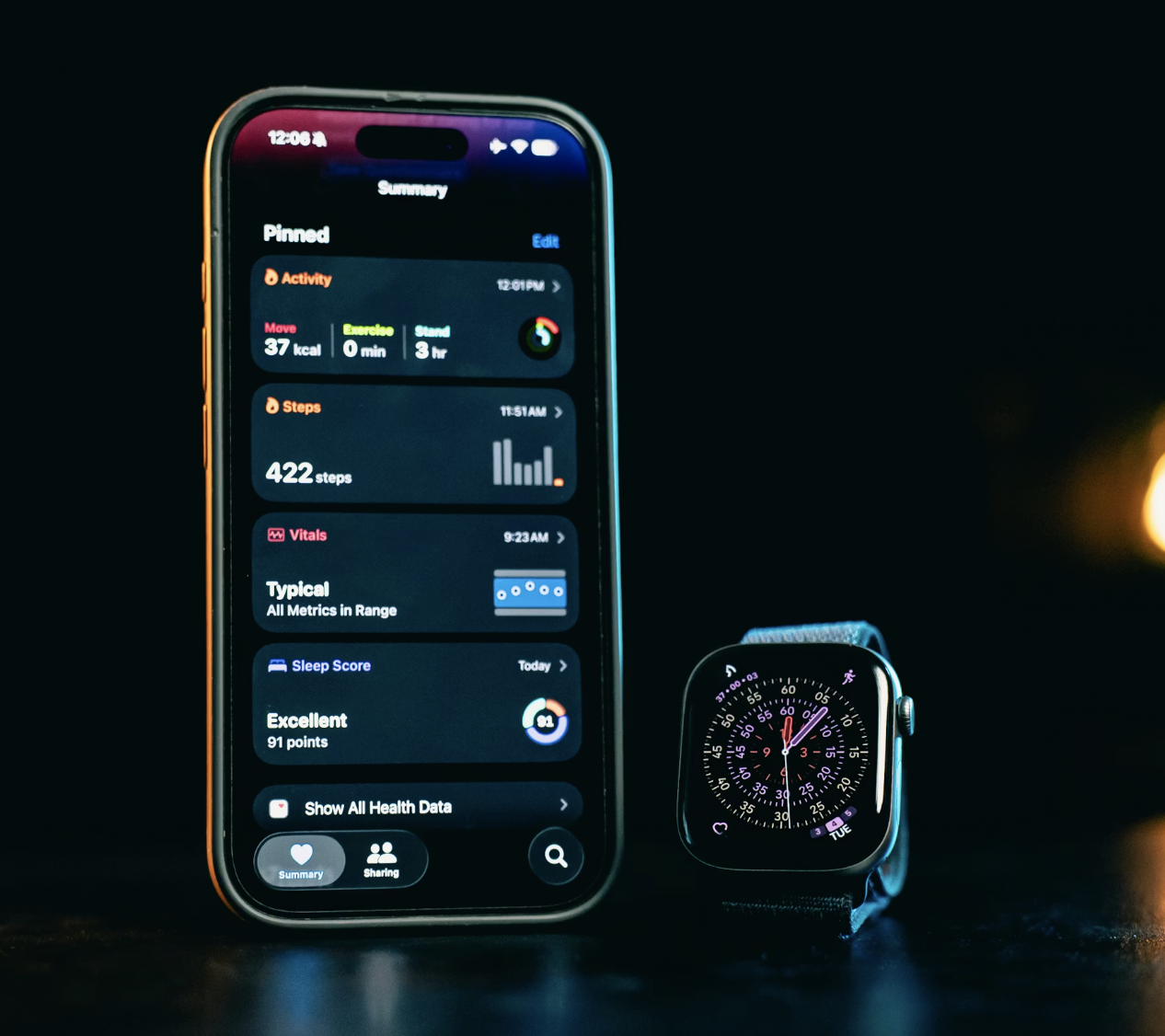

If you’ve ever woken up to your phone telling you that you only got “6 hours and 12 minutes of sleep,” you’re not alone. Sleep-tracking apps and smartwatches are everywhere right now, especially with teens (and adults) trying to fix their sleep schedules. But how does your phone or watch even know when you’re asleep? The short answer is: science, sensors, and a surprising amount of math.
It’s Not Watching You Sleep (I Promise)
Sleep-tracking technology doesn’t record you or read your mind (surprising, right?). Instead, most phones and wearables use motion sensors called accelerometers to detect movement. This is pretty intuitive – when you’re fast asleep, you move less, and when you toss, turn, or wake up, the sensor notices. Some of these devices also track heart rate, which naturally slows down during deeper stages of sleep. Check out how Apple explains how this works using Apple Watch sensors on their official page about health tracking: Apple Health Sleep.
The Math Behind “Good” Sleep
This is where the STEM, specifically mathematical, part really kicks in. Your device collects data all night, and then uses algorithms to sort that data into sleep stages, such as light sleep, deep sleep, and REM.
According to the Sleep Foundation, these stages are based on real biological patterns studied by scientists for decades, not just random guesses. Their breakdown of sleep cycles explains what’s actually happening in your brain while you’re asleep: Sleep Foundation – Sleep Cycles.
So no, contrary to what you might be thinking, your phone isn’t grading you on how well it thinks you’re sleeping, but rather, it’s estimating based on the patterns it can observe and detect while you’re dead to the world.
Why Everyone Suddenly Cares About Sleep
Sleep technology has exploded recently because people are finally realizing how much sleep affects mental health, focus, and mood. Johns Hopkins pediatrician Michael Crocetti, M.D., M.P.H., says that teens need 9-9.5 hours of sleep per night, but it’s a pretty reasonable estimate that most don’t even get close to that during the school week. So now you know why a lot of your apps have started to send reminders to wind down, suggest an earlier bedtime, or even limit their notifications at night.
The Engineering Side You Don’t See
How else are these sleep trackers made? Designing sleep-tracking technology isn’t just about the data, though it is pretty important. In fact, engineers also have to figure out how to make these devices comfortable enough to wear all night while at the same time being accurate without draining the battery too much, as well as private and protected enough that users can trust them. This balance between science, engineering, and observing real human behaviour is what makes this technology tricky, and (in my opinion) interesting!
So… Should You Trust Your Sleep App?
At the end of the day, think of sleep trackers as helpful guides, not the absolute truth that you have to follow. They are great for spotting habits you might not even realize that you have, like going to bed later than you thought or waking up in the night more often than you realize. But if something feels off, listening to your body still matters, and you should always seek out a health professional even if your sleep tracker says everything is fine.
Sleep-tracking technology is a perfect example of STEM hiding in plain sight while affecting your day-to-day activities. It combines biology, engineering, and data science into something you probably unconsciously check before brushing your teeth in the morning. And hey, if a little math and technology can help you feel more rested and prepared for the hectic day in front of you, that’s STEM doing its job.
Sources: 1