Home Blog Page 57

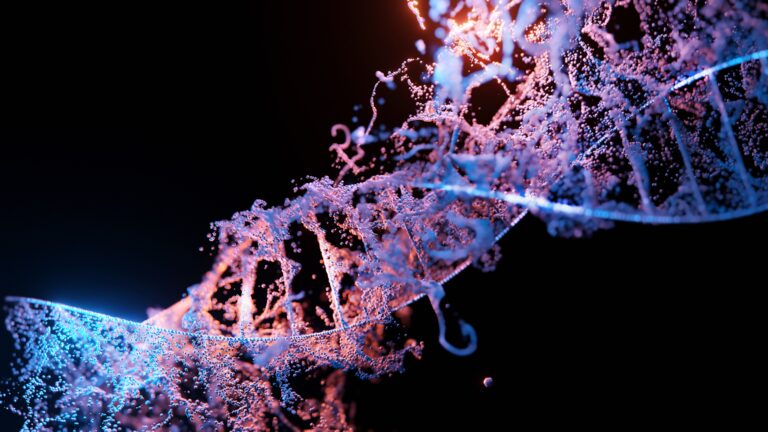
CRISPR Cas9: The Gene Editing technology to treat Sickle Cell Disease

0

What is sickle cell disease?

Sickle cell disease is a type of inherited blood disorders which affects more than 20 million people worldwide. Sickle cell disease (SCD) is caused by a mutation in the amino acids which leads to a mutation in the individual’s hemoglobin. Hemoglobin is a protein that is found in red blood cells (RBCs) and helps to transport oxygen to different tissues and organs in the body. The abnormal and mutated hemoglobin caused by SCD results in the usually curved and round RBCs to turn into sickle or crescent shapes. These sickle cells have a reduced capacity to hold on to and deliver oxygen, so many organs and tissues in the body end up being oxygen deprived. The sickle cells also clog up the blood vessels and restrict blood flow which can lead to episodes of severe pain known as vaso-occlusive events (VOEs). The recurrence of these VOEs can lead to life threatening disabilities or sometimes early death.

Some already existing treatments for SCD include stem cell transplants or blood infusions, but these do not correct the underlying, genetic cause for SCD.

A new hope for patients with sickle cell disease:

On November 16, the United Kingdom (U.K.) approved a gene-editing therapy known as CRISPR-Cas9 to treat sickle cell disease. This therapy is known as Casgevy. Clinicians would administer this by taking blood-producing stem cells from the bone marrow, and use the CRISPR-Cas9 gene editing tool to target the part of the DNA in these stem cells that codes for the abnormal hemoglobin. The CRISPR-Cas9 gene editing tool uses an RNA (ribonucleic acid) molecule to locate a specific section of the DNA known as the BCL11A gene and uses an enzyme known as Cas9 to deactivate this section. The BCL11A gene is responsible for restricting the production of a type of hemoglobin that is only found in fetuses known as fetal hemoglobin. By deactivating this gene, CRISPR Cas9 boosts the production of fetal hemoglobin which is not affected by the sickle DNA mutation.

Before these genetically edited stem cells are infused back into the body, the patient undergoes a type of therapy that makes room in their bone marrow for these edited stem cells to go into. These stem cells then can produce red blood cells which carry fetal hemoglobin instead of sickle hemoglobin, and increase the supply of oxygen to the tissues.

Side effects of this therapy and cost:

Patients enrolled in this trial experienced side effects such as nausea, fatigue, fever and an increased risk of infection, but notable and major side effects were not reported.

The cost of this CRISPR Cas9 therapy for sickle cell disease, however, $2 million USD per patient, makes it unaffordable as of now for many people. The high price is likely because this is a new therapy. As more companies begin to manufacture this therapy, the higher competition would allow for the cost to decrease.

Conclusion:

I believe that CRISPR Cas9 has a great potential and provides hope for many patients who have sickle cell disease, and who until now, had no option but to live with the disease with only temporary medications. Even though CRISPR Cas9 gene editing is still a new therapy and there is yet a lot to discover of its potential, it can provide a cure for individuals living with sickle cell disease.

Sources:

https://www.nature.com/articles/d41586-023-03590-6

https://www.fda.gov/news-events/press-announcements/fda-approves-first-gene-therapies-treat-patients-sickle-cell-disease


Who Is a “Real” Santa Claus?

0

St. Nicholas, the real Santa Claus

The origin of the Santa Claus legend can be traced back several centuries to a monk known as St. Nicholas. Born around A.D. 280 in Patara, near present-day Turkey, St. Nicholas was highly revered for his piety and benevolence. He became the central figure in numerous tales. According to legend, he selflessly relinquished his inherited wealth and embarked on a mission to aid the underprivileged and ailing in the countryside. One particularly well-known story recounts how St. Nicholas rescued three destitute sisters from the prospect of being sold into slavery or prostitution by their father. He intervened by supplying them with a dowry, enabling their marriages to take place.

Throughout the years, Nicholas’ fame grew, earning him the title of the guardian of children and sailors. Celebrated on December 6, the anniversary of his death, his feast day was traditionally seen as an auspicious time for significant purchases or marriages. During the Renaissance, St. Nicholas rose to become the most widely esteemed saint in Europe. Despite the decline in saintly veneration during the Protestant Reformation, St. Nicholas continued to enjoy a positive reputation, particularly in Holland.

The Arrival of Sinter Klaas in New York: A St. Nicholas Tale in American Culture

St. Nicholas made his initial impact on American popular culture in the late 18th century. In December 1773 and 1774, New York newspapers documented Dutch families gathering to commemorate the anniversary of his death.

The moniker Santa Claus originated from Nick’s Dutch nickname, Sinter Klaas. It is a shortened form of Sint Nikolaas (Dutch for Saint Nicholas). In 1804, John Pintard, a member of the New York Historical Society, distributed woodcuts of St. Nicholas during the society’s annual meeting. The engraving’s background featured familiar Santa images, such as stockings filled with toys and fruit hung over a fireplace.

Washington Irving played a role in popularizing the Sinter Klaas stories in 1809 when he referred to St. Nicholas as the patron saint of New York in his book, The History of New York. As Sinter Klaas’s prominence increased, descriptions ranged from a “rascal” donning a blue three-cornered hat, red waistcoat, and yellow stockings to a man sporting a broad-brimmed hat and a “huge pair of Flemish trunk hose.”

A Global Celebration of Santa Claus

In the 18th century, Santa Claus in America wasn’t the sole St. Nicholas-inspired gift-bringer during the Christmas season. Similar figures and festive traditions abound across the globe. Christkind or Kris Kringle, believed to bring presents to well-behaved Swiss and German children, is a term meaning “Christ child.” This angelic figure often partners with St. Nicholas on holiday missions. In Scandinavia, the cheerful elf Jultomten was thought to deliver gifts in a sleigh pulled by goats. According to English legend, Father Christmas visits every home on Christmas Eve, filling children’s stockings with holiday delights. Père Noël takes on the responsibility of filling the shoes of French children. Meanwhile, in Italy, the tale revolves around La Befana. She is a benevolent witch who rides a broomstick down Italian chimneys, delivering toys into the stockings of fortunate children.


Article sources

Image sources


5 Exciting Things About The Holidays

At the end of every year, we have our well-deserved holidays. While we could all celebrate different things, the holidays are a very enjoyable time for all. In fact, two of the most popular holidays around the world are Christmas and New York. There are many exciting things that make a holiday as memorable as possible. However, in my opinion, these five things below make the holiday season one to remember.

1. Vacation

First, vacations are very common during the holiday season. For almost everyone, there is no work on Christmas day. Whether you and your family spend your vacation at home or somewhere else, having time away from the stress of normal activities is great for the holiday season. Having time off for the holiday season allows everyone to enjoy their well-deserved free time.

2. Gifts

Second, giving gifts and receiving gifts make holidays more memorable. Remember, the exchange of gifts is not a one-way road. While receiving gifts seems rewarding and pleasurable, giving gifts is just as fun. It not only shows that you care, but, almost always, there are some great reactions when giving gifts to a loved one. Embrace yourself during the gift-giving season!

Teddy bears around the bottom of a Christmas tree
Image by Juri Kivit from Pixabay

3. Time with family/friends

Third, spending the holiday season with family and friends allows all of you to spend quality time together. Ranging from feasts, movie nights, to simple board games, there is much to do with family and friends. The holiday season is the best time to spend quality time with loved ones!

4. Fireworks

Fourth, especially for the New Year, fireworks are often displayed in cities. Similarly to watching comets in the night sky, fireworks provide an incredible performance for everyone to watch. If you have the chance, watch the fireworks go the second as the New Year arrives!

Fireworks
Image by PublicDomainPictures from Pixabay

5. Food

On top of all of that, do not forget about the food. As everyone celebrates the holidays, having a feast with others is very common during the holiday season. The holidays are an excellent time to try new goods and/or throw huge parties. After all, the holidays are different compared to normal days.

Christmas cookies scattered on a plate
Image by Jill Wellington from Pixabay

With even one of these five exciting things, the holiday season is much more fun. The holiday season only happens once a year! Don’t let time pass by and enjoy the holidays!

Images: 1, 2, 3, 4

Source: 1

We Should All Be Feminists | Chimamanda Ngozi Adichie

0

Hello, I hope you are having a good day! This blog post is a summary of a recent TEDx Talk that I listened to, “We should all be feminists”, presented by Chimamanda Ngozi Adichie. She is a Nigerian novelist who has written internationally acclaimed works such as Half of a Yellow Sun, The Thing Around Your Neck, and Americanah. 

I’ve divided up the post into a couple of chapters; a summary of the talk, quotes that stood out, and further resources/readings on feminism. 

Summary: 

Stories from her childhood: 

Adichie recollects the memories with her childhood friend, Okuluma, whom she shared a deep relationship with. When arguing with Okuluma, it was the first time someone called her a feminist–but it was said with a negative connotation. In another story, Adichie recalls her childhood ambition to be the class monitor. Her teacher said that the person with the highest score would be the class monitor. Adichie obtained the highest score, however, the role of class monitor was given to a boy–with the second highest score, because he was male and she was female. 

Biological Differences,  Now and Then: 

Adichie observes historically, being physically stronger was a coveted attribute, where men would naturally take on leading roles. However, in this modern society,  she notes that this premise should be challenged.  Leadership roles are not acquired by the physically stronger individual, but by the individual who is more creative, intelligent, or innovative. Moreover, these characteristics are not affected by someone’s gender. 

What society has taught boys: 

Adichie eloquently states that society has made masculinity a cage, and boys are restricted inside of this metaphorical cage. She states that society has told boys to be afraid of vulnerability and that they must be strong and “manly”. Moreover, Adichie brings up the example of going on a date. Even with the same amount of money, the boy must pay for the girl to prove his masculinity. Even though the girl may have more money, society expects the boy to pay. Furthermore, Adichie says that society has created men with fragile egos; the more masculine someone is, the more their ego is inflated by society. When that is challenged, they are compelled to cling to it. 

What society has taught girls: 

Adichie surmises that this results in women catering to the delicate egos of men. Society pressures women to be smaller, to be less than men so they do not threaten the man. Adichie challenges the presumption– why should a man be threatened by a woman’s success? Adichie highlights common societal messages to girls such as maintaining their virginity, the fulfillment of marriage, and being quiet and modest. Adichie sums this up as teaching girls shame, teaching them being born female is something they are guilty of. As a result, Adichie notes that girls grow up unable to see their desires, grow up to silence themselves and make themselves smaller for others. 

Men and Women in Society: 

Adichie states that societal expectations have exaggerated the supposed roles of men and women. Adichie uses the example of cooking, where women are expected to know this essential skill but men are not. She questions this assumption and states that we should focus on the capability of a person rather than their gender and that we should focus on the interests of that person instead of their gender. 

Gender Expectations: 

Adichie brings up a personal anecdote, where she recalls a time when she wanted to wear something that was stereotypically proclaimed “girly” and feminine. She recalls that she was worried she would not be taken seriously if she dressed more feminine. Adichie compares the person she was before to the person she is now. She states that she will not subdue her femininity. She states that she has interests that are conventionally more masculine or feminine that make her happy. For that reason only, she chose to make choices on what she wears, and what she likes. Adichie strikingly notes, “The male gaze, as a shaper of my life’s choices, is largely incidental.”.

Key Quotes:  

  • “Human beings lived then in a world in which physical strength was the most important attribute for survival. The physically stronger person was more likely to lead, and men, in general, are physically stronger. […] But today we live in a vastly different world. The person more likely to lead is not the physically stronger person, it is the more creative person, the more intelligent person, the more innovative person, and there are no hormones for those attributes. A man is as likely as a woman to be intelligent, to be creative, to be innovative. We have evolved; but it seems to me that our ideas of gender have not evolved.”
  • “Each time I walk into a Nigerian restaurant with a man, the waiter greets the man and ignores me. The waiters are products of a society that has taught them that men are more important than women. And I know that waiters don’t intend any harm. But it’s one thing to know intellectually and quite another to feel it emotionally. Each time they ignore me, I feel invisible. I feel upset. I want to tell them I’m just as human as the man, that I’m just as worthy of acknowledgment. These are little things, but sometimes it’s the little things that sting the most. ”
  • “I am angry. Gender as it functions today is a grave injustice. We should all be angry. Anger has a long history of bringing about positive change; but, in addition to being angry, I’m also hopeful. Because I believe deeply in the ability of human beings to make and remake themselves for the better. ”
  • “We must raise our daughters differently. We must also raise our sons differently. We do a great disservice to boys on how we raise boys, we stifle the humanity of boys. We define masculinity in a very narrow way, masculinity becomes this hard, small cage and we put boys inside the cage. We teach boys to be afraid of fear. We teach boys to be afraid of weakness, of vulnerability. ”
  • “The problem with gender is that it prescribes what we should be, rather than recognizing how we are. Now imagine how much happier we would be, how much freer to be our true individual selves if we didn’t have the weight of gender expectations. ” 

To end this post, I provided a few resources on feminism. Every day, gender’s nuance and complexities affect everyone’s life. So please take the time to learn more about it to gain awareness and contribute to positive transformations in our society and culture. Thank you for reading and have a nice day!

Further Resources and Reading: 

Books: 

  • Bad Feminist by Roxane Gay
  • This Bridge Called My Back by Multiple Writers
  • The Handmaid’s Tale by Margaret Atwood

Films: 

  • On the Basis of Sex
  • Little Women
  • Thelma & Louise

Prominent Feminists: 

  • Emma Watson
  • Alexandria Ocasio-Cortez
  • Tarana Burke

Source:

The History of Science

A field of study that dominates more than thinking

Science is a field that everybody comes into contact with, in one way or another. For example, in the winter, people living in most countries require furnaces to heat their homes. The furnaces all undergo combustion reactions, which require extensive study into various chemical reactions to invent the products that meet people’s needs. Chemistry backs simple concepts such as baking cakes, creating bubbling shampoos, and powering homes through electricity. On the other hand, Physics accounts for the seamless integration of the modern world’s technology, only achievable through our geo-locating satellites. Today, we are going to dive deeper into the historical development of Science, and how it emerged to be such a fundamental branch of study.

The Historical Emergence of Scientific Thinking

People haven’t always thought in the modes of rationality or believed in the practical usage of new scientific inventions or discoveries. The development of what we think as modern science first developed in Europe, with England and France being the major players. The period in which scientific thinking became dominant in day-to-day life was known as the Scientific Revolution.

Before the Scientific Revolution and throughout most of the Middle Ages, Europe was especially subject to only believing in the ideas of the Catholic Church. Concepts regarding predestination, as well as bureaucratic rules and rituals stressing the practice of religions, suppressed any effort to promote change to the system. Some classical figures, like Aristotle and Ptolemy of the Roman Empire, dominated university studies even as late as during the Renaissance, with their pre-established “theories” about the world. Such theories are often considered as being downright silly by us today, like the Geocentric model of the universe, or the belief that organisms appear out of thin air. 

The Early Scientific Revolution

Historical events like the Renaissance and the Christian Reformation movement of the 1600s created reverberating effects across Europe, bringing about newer modes, and the freedom, of thought. The first Science area of massive new development was in astronomy, with Copernicus taking the lead in challenging the Geocentric model with the radical idea of the planets revolving around the sun instead. Later on, physicists like Newton broadened humanity’s perspectives of Physics and Calculus.

With the coming of the 1600s, we see more and more nations actively supporting the development of scientific ideas. At the time, science was viewed as a high-end field of practice, and organizations like the Royal Society of London were established to foster communications between groups to debate new and exciting discoveries. The conflicts between France and England were what largely drove this scramble for discovery, as both  countries wanted to gain the upper hand in the field. 

Concepts of the Scientific Revolution

A widely accepted concept of Science in its early stages of development was mechanism, or the belief that there are logical, rational patterns in the universe that adhere to undisputed laws. It challenges the notion that the world was created by God and is relatively young. An example of mechanism being demonstrated is that astronomers like Galileo did  experiments, laying groundbreaking work about the acceleration of physical objects. Also, early Scientific Revolution figures like Francis Bacon and René Descartes established the concept of the Scientific Process together, through their works. Like mechanism, the Scientific Process also stresses experimentation, and the usage of human observation to make sensible conclusions and theories about our world. 

Galileo, one of the early pioneers of scientific thinkers.

Image by Gordon Johnson from Pixabay.

The breakaway of the Church is also paired with the independence many scientists sought from their governments as well. With this, the theory of political science emerged, questioning and critiquing the different methods of governing. Political scientists, like John Locke, examined the nature of humans and attempted to draw reasonable conclusions from social environments and political situations. It is, therefore, highly important to note that science is not just about exploring the natural world, but the human society as well. This branch of Science will eventually make its way into the Enlightenment, influencing practical reforms made in other fields, like economics and law. 

As Science broadens in support, making its way into the middle and lower classes of thinking, it also finds itself being spread to many other places around the world, like the Americas, where the Europeans have established colonies. Today, Science is truly one of the strongest forces that lead to cooperation between nations toward a common goal. If you are interested in learning more about the historical development of Science, check out this link: Britannica Article

Some Last Words

All in all, Science is a subject that ties in with all other fields, because its method of rational thinking, trained toward making advancements for the human society, can be applied to all other branches of study. Personally, I am both satisfied and glad that the Scientific Revolution happened and can produce the dynamic world we have today, much unlike the uniform, traditional world of the 1500s. Science is a field that is continuing to grow, but perhaps, by looking at how it originated in the relatively modern world, we can understand it better and appreciate it more. 


(Featured image source: Image by Arek Socha from Pixabay)

A True Friend – A short poem

They’re the ones who laugh and giggle with you

They’re the ones who weep and whine with you

They’re the people who you talk for hours and hours to

The ones who are always there for you

Friends make life worth living

For they make any boring time enlightening

A friend is like a treasure, for friendship is a gift

A friend is someone who fills your life with happiness and grace

They’re the ones who make our world a better place

A friend is like a star that twinkles and glows

Or like a serene ocean that gently flows

A friend can even be like a roller coaster of excitement

Because they can make your life so much more magnificent

But it takes much more than “caring” to be a friend

It required a careful blend of love and compassion and trust until the end

A friend is someone you can be your true self around 

You can say stupid things and be dumb and silly instead of acting like you’re profound

They’re the ones who will fight and scream and argue for you

The ones who will be right by your side when you’re feeling blue

A friend is someone who won’t throw me under the bus

A friend is someone who won’t leave me in the dust

A friend is someone who I can truly, truly trust


Let’s appreciate our true friends for they’re the ones who will stay with us until the end.


Where Thoughts Control Machines Via Brain-Computer-Interface

While growing up, did you ever dream of a world where your thoughts could go beyond the boundaries of your mind and seamlessly control the devices around you? Perhaps you envisioned a scenario where, while watching a Minecraft YouTube video, you could effortlessly skip that one tiresome ad with the sheer power of your thoughts. Well, the future has arrived, and it’s not just the stuff of childhood fantasies. Welcome to the realm of Brain-Computer Interface (BCI) technology, where the extraordinary has become a reality, allowing us to tap into the incredible potential of our minds in terms of interacting with the digital world.

The allure of BCI technology began with the idea of controlling machines through thoughts, evoking the sci-fi charm that resonates with our childhood dreams. My fascination traces back to my first time watching the film Matilda, and seeing her wield telekinetic powers–effortlessly toggling lights, flipping book pages, and instilling fear in Ms. Trunchbull. This childhood desire for extraordinary abilities stayed with me. As my childhood contained an unhealthy amount of PopularMMO videos, I remember sitting at my television watching one, when a persistent ad disrupted my viewing. In an attempt to skip it with just a thought, my eyes strained in hopeful anticipation, yet the ad continued–I sheepishly picked up the remote and skipped the ad, and this short moment of embarrassment was shared with none other but myself. While my initial interest in mind-machine connection took a backseat along with that story, it has now managed to reach its peak as I recently delved into the fascinating realm of BCI Technology, which I’m more than excited to share.

BCI technology is a research topic that is quickly growing due to its potential to help people who have mobility difficulties due to conditions such as cerebral palsy, stroke, or spinal cord injury by either replacing or restoring useful functions. Essentially, Brain-Computer-Interfaces capture signals from the brain, figure out what they mean, and then use that information to control devices so they can perform specific tasks–it has been very useful as it enables individuals who cannot speak or use their limbs to communicate or control devices that may assist them. By decoding neural signals associated with language and commands, these BCIs open doors to a world where thoughts are translated into words through devices, enabling individuals to express themselves and communicate their needs effectively. 

The first applications of BCIs relate to Locked-In Syndrome by providing a means for communication and interaction for individuals with complete paralysis. Locked-In Syndrome is a neurological condition that is characterized by complete paralysis of voluntary muscles in nearly all parts of the body, however are typically still cognitively aware. These BCIs enable users to convey thoughts and express themselves through brain signals, addressing the communication challenges associated with Locked-In Syndrome. 

Another benefit of BCIs is their ability to allow users to receive real-time information about their brain activity–this form of cognitive training is extremely promising for enhancing attention, mitigating anxiety, and improving overall cognitive function.

BCIs come in diverse forms, each tailored to specific needs and applications. Non-invasive BCIs, such as those utilizing EEG, allow for mind-machine communication without the need for surgical procedures. On the other end of the spectrum, invasive BCIs which employ implanted electrodes offer extreme precision, which brings us closer to the seamless integration of mind and machine. While Brain-Computer-Interface is a cool thing to say, it isn’t just about fancy words and technology–it’s about giving power back to people who need it most.

In the realm of mind-meets-machine, Brain-Computer Interfaces are rewriting the script. From childhood dreams of mind-controlled gadgets to the reality of today, BCIs are not just tech; they’re a lifeline to some individuals. The ability to decode and interpret brain signals for communication and control of devices has already proven to be a transformative force. However, it’s important to acknowledge that the field of BCIs is still growing, and the potential of this field along with the numerous challenges ahead are a lot. As scientists continue to explore and refine this technology, there is a huge amount of research, innovation, and collaboration to be done. So while we may not yet have the ability to skip a Youtube ad with a mere thought, the high likelihood of such a thing underscores the exciting potential that lies ahead.

Bibliography:

Kübler, A. (2019, May 29). The history of BCI: From a vision for the future to real support for personhood in people with locked-in syndrome – neuroethics. SpringerLink. https://link.springer.com/article/10.1007/s12152-019-09409-4#:~:text=In%20the%201970s%2C%20Jacques%20J,build%20a%20working%20BCI%20(Fig. 

Shih, J. J., Krusienski, D. J., & Wolpaw, J. R. (2012, March). Brain-computer interfaces in medicine. Mayo Clinic proceedings. https://www.ncbi.nlm.nih.gov/pmc/articles/PMC3497935/ 

What is BCI?. Cumming School of Medicine. (2023, July 10). https://cumming.ucalgary.ca/research/pediatric-bci/bci-program/what-bci

Unwrapping Joy: A Guide to Festive Fun Activities for a Memorable Christmas

0

Ah, the most wonderful time of the year is upon us! Christmas, with its twinkling lights, festive decorations, and the sweet scent of gingerbread in the air, is the perfect occasion to gather friends and family for some joyous celebrations. If you’re looking to make this Christmas extra special, join us as we unwrap a treasure trove of fun activities that will add sparkle and merriment to your holiday season.

Festive Movie Marathon:

Kick off the holiday season with a cozy movie night featuring Christmas classics. From heartwarming tales to laugh-out-loud comedies, there’s a film for every mood. Grab some popcorn, snuggle up in blankets, and let the cinematic magic of the season fill your home.


Holiday Baking Extravaganza:

Turn your kitchen into a winter wonderland by indulging in some festive baking. Gather the family and whip up batches of gingerbread cookies, peppermint bark, and sugar-laden treats. Not only will your home be filled with delicious aromas, but you’ll also have a delightful assortment of goodies to share and savor.


DIY Decorations Workshop:

Get creative with a DIY decorations workshop. From handmade ornaments to personalized stockings, crafting your own Christmas decor adds a personal touch to your home. This activity is not only enjoyable but also provides the opportunity to create lasting memories and unique keepsakes.


Christmas Carol Karaoke:

Bring out your inner rock star and host a Christmas carol karaoke night. Whether you’re singing along to timeless classics or belting out contemporary holiday hits, the key is to have fun and spread the festive cheer. Bonus points for coordinating festive outfits and creating a makeshift stage for added flair.


Secret Santa Gift Exchange:

Add an element of surprise and generosity to your celebrations with a Secret Santa gift exchange. Set a budget, draw names, and let the gift-giving magic unfold. The anticipation of discovering who your Secret Santa is and the joy of giving thoughtful presents make this activity a cherished tradition.


Outdoor Adventure:

If you’re lucky enough to have a white Christmas or live in a climate conducive to outdoor activities, embrace the winter wonderland. Plan a day of sledding, ice skating, or building snowmen. The crisp winter air and the sound of laughter will make for a memorable Christmas adventure.


Virtual Celebration:

For those separated from loved ones, technology can bridge the distance. Host a virtual Christmas party complete with online games, video calls, and shared festive playlists. While it may not be the same as gathering in person, it allows you to connect and celebrate together, no matter the miles between you.

This Christmas, let the spirit of joy and togetherness guide your festivities. Whether you’re baking up a storm, singing your heart out, or crafting handmade decorations, the key is to cherish the moments spent with loved ones. May your Christmas be filled with laughter, warmth, and the magic that makes this season truly special. Merry Christmas and happy celebrations!


Image source

A Dam Big Removal Project

0


Dams. The harness for hydroelectricity, they are one of the most reliable sources of green electricity that humans have discovered. But despite being an efficient and renewable source of energy, there are several ways that dams actually damage the environment more than it helps save it. The removals of the Klamath River dams are a perfect example of how dams might be more harmful than they are helpful.

The Klamath used to be a river that was lush with salmon fish. Historically, it had one of the highest fish populations; however once the dams were implemented into the river, the populous dropped drastically. These dams depleted the oxygen supply in the water, causing lower water quality and higher concentrations of parasites. Experts estimate that nearly 70,000 fish died from disease and parasites.

Indigenous tribes who fish from rivers such as the Klamath for tradition have consistently protested for the rivers and pushed the American government for dam demolition. For some tribes, their entire livelihood surrounds being fishing people. A rich salmon season leaves them with fish that can last the entire year, which is why the recent drops in fish population are devastating to some of the tribes.

But the Indigenous fight for the river ecosystems and watersheds is more than just to protect the fish and the environment. Some Indigenous people see the river as a relative with its own spirit and life. Their fight to tear down the dams is not only for the good of the environment, but also to shield their own culture.

Some say that the colonialist mindset and racism toward Indigenous people is the only reason it takes so long for their causes to be addressed. A critical constituent of the American mindset is that humans can use nature to whatever extent without seriously considering the consequences of the land. In stark contrast, Indigenous tribes value sharing a relationship with the land that they live on. This mindset difference is what makes these protests so important; without these protests, there would be less perspective on these kinds of issues, and the fight against racism toward Indigenous tribes would go unaddressed and unknown.

Despite their constant legal fights with the American judicial courts, sometimes even going to the Supreme Court to fight for their rights to fish and for the protection of the river ecosystems, it took many years for the American government to give in and take the dams down. Part of the reason that the government made this decision was because the utility company that owned the dams had an expired license. In order to renew it they would have to reduce the environmental impact that their dams had on the ecosystems.

Renewing the license and altering the dams would have had come at an enormous cost to the company. In addition to the consistent pressure of the Indigenous tribes’ advocacy for their cultural and spiritual rights tied to the river, the government finally decided to tear down the dams. So begins the largest dam demolition project in the entire world.

This dam removal is a huge step toward wildlife recovery, environmental preservation, as well as recognition of the role Indigenous tribes play in advocacy for environmentalism and Indigenous rights.

Sources:1, 2


Is this it, or is there more? ; A Deeper Look Into the Phenomenon of Near-Death Experiences


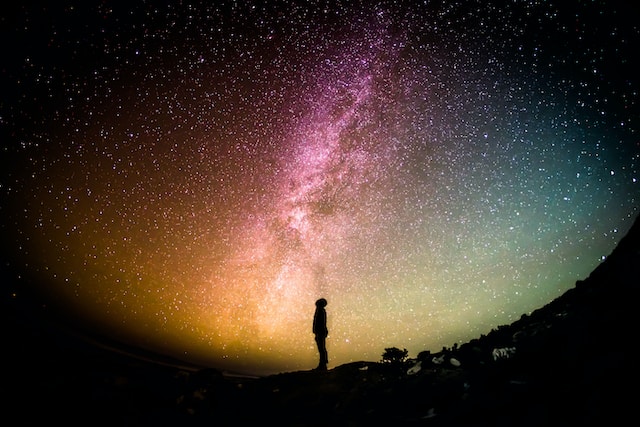
A person standing in front of a night sky looking at the stars


In the quiet gaps between life and death, where the barriers of consciousness blur and the ordinary transforms into the extraordinary, lies the enigmatic realm of near-death experiences. These profound encounters, reported by individuals from various backgrounds and cultures, offer a tantalizing glimpse into what may await us beyond the threshold of mortality. As we embark on a journey to unravel the puzzle of NDEs (near-death experiences), we find ourselves standing at the intersection of science, spirituality, and the uncharted territories of human consciousness. Join me as I delve into the riveting stories, shared wisdom, and scientific inquiries that surround these extraordinary moments at the brink of existence.

Near-death experiences (NDEs) are profound personal phenomena intricately associated with the proximity of death or the imminent cessation of life. Researchers describe these encounters as possessing discernible similarities. In instances where the prevailing tonality is positive,[1] such experiences encompass a spectrum of sensations. These include a perceived detachment from the corporeal form, sensations of levitation, an overarching sense of tranquillity, an assurance of security, a pervading warmth, an exuberant joy, an encounter with absolute dissolution, a comprehensive review of salient life events, the perception of luminous radiance, and sightings of deceased familial entities. Conversely, in instances of a negative orientation, these experiences may encompass sensations of acute anguish, distress, an unmistakable void, a pervasive sense of devastation, an expansive emptiness, encounters with infernal landscapes, and the perceived presence of malevolent entities such as “the devil.”

There seem to be a few common stages when going through an NDE. In 1975, a study conducted by psychiatrist Raymond Moody, on around 150 patients, stated that such an experience has nine steps. However, it is important to note that every NDE has a different experience, and not all of these stages line up with every NDE. 

  1. Sudden Peace and Relief from Pain
    • This phenomenon is often associated with encounters with a loving presence, beings of light, or a divine entity. During the NDE, individuals may experience a complete alleviation of physical and emotional pain, leading to a heightened state of well-being. The feelings of unconditional love, forgiveness, and acceptance contribute to this sense of peace, while a shift in consciousness and perception of timelessness further enhance the overall transformative nature of the experience.
  2. Perception of a relaxing sound or other-worldly music
    • During near-death experiences, individuals commonly report hearing relaxing sounds or otherworldly music. These auditory perceptions are often described as ethereal, calming, and beyond ordinary human experience. The music is associated with a profound sense of peace and well-being, contributing to the overall transformative nature of the NDE. These sounds may be perceived as otherworldly or celestial, and they often integrate with other elements of the NDE, such as encounters with beings of light or a life review.
  3. Consciousness or spirit ascending above the person’s body, sometimes remotely viewing  medical professionals’ attempts at resuscitation
    • Individuals often report an out-of-body experience (OBE) where their consciousness or spirit ascends above their physical body. This perspective allows them to remotely view medical professionals’ attempts at resuscitation. NDErs describe a sense of emotional detachment, a distorted perception of time, and sometimes a claim to accurately observe details later confirmed by medical staff. This OBE is interconnected with other NDE elements, contributing to an overall transformative experience. 
  4. The person’s spirit leaves the earthly realm and ascends rapidly through a tunnel of light in a universe of darkness.
    • In a near-death experience (NDE), individuals often report the profound phenomenon of their spirit leaving the earthly realm. This involves a rapid ascent through a tunnel of radiant light set against a surrounding universe of darkness. The journey symbolizes a departure from the physical world into a transcendent or spiritual realm. The tunnel is described as luminous, inviting, and filled with feelings of peace and love. This experience is often accompanied by a sense of detachment from the physical body, and it may lead to other transformative elements such as encounters with beings of light or a life review. 
  5. Arriving at a brilliant “heavenly place.”
    • In the context of a near-death experience (NDE), individuals commonly articulate an encounter characterized by the arrival at a luminous and sublime “heavenly place.” This phenomenon entails a perceptual transition into a radiant and tranquil realm marked by heightened luminosity and an inherent sense of divine serenity. The heavenly place is frequently concomitant with emotions of profound love, aesthetic beauty, and a palpable connection to an elevated spiritual dimension. This experience contributes substantively to a transformative perspective on existence and mortality. The interpretation of this phenomenon is contingent upon individual and cultural belief systems, while ongoing scientific investigations endeavor to elucidate the psychological and spiritual facets intrinsic to such encounters.
  6. Being met by “people of the light,” who are usually deceased friends and family, in a joyous reunion.
    • In near-death experiences (NDEs), individuals often report a profound encounter with “people of the light,” typically identified as deceased friends and family members. This reunion is characterized by an overwhelming sense of joy, love, and emotional connection. Those who have had NDEs frequently describe being embraced by these familiar figures, feeling an intense and unconditional love that transcends earthly relationships. The reunion with departed loved ones is often a pivotal moment during the NDE, contributing to a deep sense of peace and reassurance. This aspect of the experience is consistently cited as one of the most emotionally impactful and transformative elements, leaving individuals with a profound conviction that there is a continuity of existence beyond physical life.
  7. Meeting with a deity that is often perceived as their religious culture would have perceived them or as an intense mass emitting pure love and light.
    • In near-death experiences (NDEs), individuals frequently report encountering a deity, often perceived through the lens of their religious or cultural background. This divine entity is described as emanating intense love and light, creating a powerful and transcendent experience. The encounter with this deity in the NDE is a source of profound spiritual significance, providing a sense of connection to a higher power and reinforcing the belief in a benevolent, loving force in the universe. 
  8. In the presence of the deity, the person undergoes an instantaneous life review and understands how all the good and bad they have done has affected them and others.
    • In the presence of the deity, the person undergoes an instantaneous life review and understands how all the good and bad they have done has affected them and others.
  9. The person returns to their earthly body and life, because either they are told it is not their time to die, or they are given a choice and they return for the benefit of their family and loved ones.
    • In the narrative of a near-death experience (NDE), individuals often describe reaching a crucial juncture where they must decide whether to return to their earthly life or continue on a different spiritual journey. This decision is typically influenced by two main factors. First, some individuals report being explicitly told by benevolent beings or a higher power that it is not their time to die, implying that they still have a purpose or mission to fulfill in their earthly existence. Second, others describe being given a choice in the matter and deciding to return, often motivated by a deep sense of responsibility and love for their family and loved ones. This return to life is marked by a profound sense of purpose and a renewed appreciation for the connections and relationships that anchor them to their earthly existence. The choice to return, whether guided or voluntary, is a pivotal aspect of the NDE narrative, highlighting the interconnectedness between individual spiritual journeys and the well-being of those they care about.

Note : The interpretation of this phenomenon is contingent upon individual and cultural belief systems, while ongoing scientific investigations endeavor to elucidate the psychological and spiritual facets intrinsic to such encounters.

Kenneth Ring in 1980 subdivided the NDE on a five-stage continuum, using Moody’s nine-step experiment as inspiration. 

  1. Peace
  2. Body Separation
  3. Entering the Darkness
  4. Seeing the Light
  5. Entering another realm of existence, through a light
  6. Person being resuscitated

After decades of research, the study of near-death experiences has evolved beyond anecdotal accounts to include rigorous scientific investigations. Researchers have employed various methods, from surveys and interviews to neurological studies, to explore the physiological and psychological aspects of NDEs. Some studies have even investigated the potential similarities and differences in NDEs across cultures and religious beliefs, contributing to a more nuanced understanding of these profound experiences.

Medical Correlates: Skeptics and proponents alike recognize the need to investigate potential medical correlates of NDEs. Researchers have explored the brain’s role in NDEs, considering factors such as altered states of consciousness, neurotransmitter release, and neuroelectric activity. While there is ongoing debate about whether these physiological changes directly cause NDEs or are simply associated with them, the exploration of medical correlates remains a crucial aspect of understanding the mechanisms behind these extraordinary experiences.

Transformational Impact: Beyond the scientific inquiries, the personal and transformative impact of NDEs on individuals is a compelling aspect of the phenomenon. Many who have undergone NDEs report a profound shift in their attitudes, beliefs, and priorities. Commonly described changes include a decreased fear of death, an increased sense of spirituality, and a heightened appreciation for life. Understanding the long-term psychological and spiritual effects of NDEs continues to be a subject of interest for researchers and mental health professionals.

Integration with Religious and Spiritual Beliefs: NDEs often intersect with religious and spiritual frameworks, leading to intriguing questions about the intersection between personal beliefs and the interpretation of these experiences. Experiencers may describe encounters with deities consistent with their religious traditions or report elements that align with cultural expectations. The exploration of how NDEs interact with individual belief systems adds another layer of complexity to our understanding of these encounters.

Open Questions and Future Directions: Despite decades of research, many questions surrounding NDEs remain unanswered. The nature of the light encountered, the significance of the tunnel, and the variability in individual experiences all pose ongoing challenges to researchers. The exploration of cultural influences, the role of consciousness, and the potential for shared or collective near-death experiences are areas that continue to be explored, promising new insights into the nature of human consciousness and existence.

In conclusion, the exploration of Near-Death Experiences opens a doorway to a realm of profound human experiences that challenge our conventional understanding of consciousness and the nature of existence. The myriad accounts gathered from individuals who have undergone NDEs paint a vivid tapestry of shared elements, from the sensation of leaving the physical body to encounters with divine light. While skeptics may attribute these phenomena to physiological or psychological processes, the sheer consistency and transformative impact reported by NDE survivors cannot be easily dismissed. The implications of NDEs extend beyond the realms of science and spirituality, prompting a reevaluation of our understanding of life, death, and the nature of consciousness itself. Whether one interprets NDEs as glimpses into an afterlife or as complex neurological events, the profound impact they have on individuals’ lives cannot be denied. It challenges us to foster a more holistic and compassionate approach to the human experience, acknowledging the significance of these narratives in shaping our perspectives on mortality and the mysteries that lie beyond.

Easy and Delicious Everyday Recipes

Lifestyle. Lifestyle. Lifestyle.

We can change and buy all the skin care products we want, but some of us often neglect how important diet is for our skin and health! Although it may not solve skin issues like acne, it may help. But, either way, if we discipline ourselves by taking baby steps to make our bodies more healthy, we will slowly start feeling more and more confident in ourselves too! That said, there are not many delicious but nutritious snacks throughout the day, so here is a list to help you get started! (remember: Diets are not about what you take away, but what you add!);


Fruit Yogurt Bowl (Easy-5 minutes)


Suppose you are not a fan of big breakfasts- fear not. A simple bowl of yogurt with some fruits, like strawberries, nuts on top, and honey (or any other syrup, such as strawberry), can be a quick, delicious, and nutritious breakfast!


Berry Milkshake (Easy-5 minutes)

Get your smoothie blender, pour some blueberries (or any berry of your choice), add milk and vanilla ice cream, then blend it all up. Now you have a sweet and delicious drink to look forward to in the morning!





French Toast (Easy-10 minutes)


A fan of sweets? Then French Toast is for you! It is bread dipped in a mixture of eggs and milk, (some sugar and or vanilla extract if you’d like.), and fry on a pan until golden brown. After, you could top it with any fruits that you’d like to make it more nutritious, and some honey (natural sweetener, which has beneficial vitamins and antioxidants!) as well, if you have more of a sweet tooth.

Click here for a more detailed French toast recipe.


Spring Rolls (Intermediate)

Are you looking for a more fulfilling snack or appetizer? Spring rolls are for you. It is a fried rice paper-wrapped roll, with thinly sliced vegetables and meat inside. It is best served with your favorite sauce. And Voila! Here you have a highly nutritious and delicious savory snack for school, work, and even parties!

Click here for a more detailed recipe.


I hope these recipes were helpful! That being said, for each of the ingredients you use, be sure to check its packages for the nutrient list. There you will find how many grams of each nutrient you will consume for every serving. Also, be sure to check out the Canada Food Guide and the Alberta Health Services Calories and Proteins Guide, to help you figure out how much of each nutrient you need to maintain a healthy diet. That being said, it is more than okay to have a non-healthy snack once in a while, and there tons and tons of other easy recipes to try out (eg. smoothies) if you are don’t like the above, so don’t give up!

Thank you for your time. Have a nice day!


The Global Story of Brain Drain

0

When looking at some of the world’s most prominent CEOs, one is immediately struck by the growing number of immigrants on that list. From the CEO of Google to the CEO of Instacart, these individuals have worked tirelessly to improve their families lives, reaching heights never imagined before. Why is this number rapidly rising? The primary reason for this surge is brain drain, where highly educated people leave their home country in search of better opportunities elsewhere. These locations are typically in first world countries that offer professional benefits. Observing these individuals from different countries inspires us to work better and strive to be the best version of ourselves, yet their hometowns often do not share these positive sentiments.

People come to Canada for various reasons, and when we observe brain drain, we can assume they came here for a better life, a chance so significant it has the potential to change their lives. From developing countries, many of the highly educated will leave to pursue the American dream. While these individuals contribute to the prosperity of first-world countries, their departure can have disastrous impacts on the developing countries they leave behind. One significant reason hometowns resent the departure of the educated is that they lose the chance to escape poverty. If all the individuals who could make a difference leave, these countries may remain stuck as developing nations. The resources used to educate these people are nearly wasted for countries that are already economically thriving.

Poverty becomes a cycle: if successful people don’t develop companies in their countries, they won’t be able to provide jobs for the common folk. The inability of the lower class to find stable jobs hinders positive economic growth, leading individuals to jobs such as street vending, agriculture, or involvement in family businesses. Brain drain perpetuates a cycle that, as always, leaves developing countries with limited resources. Despite these negative effects of brain drain, there are still some positive aspects of brain drain for the countries of origin.

When people immigrate to other countries, they are often the fortunate ones in their families, the ones who got a chance out of thousands of others. Many family members back home send their children to work and then expect them to send money back to improve the family’s financial situation. Many people are now able to send money abroad to Canada’s list of eligible countries for money transfers. This positive change arising from brain drain encourages education within families and can elevate the financial statuses of individual families.

Brain drain is an escalating issue for developing countries, ad while there may be limited actions we can take from here, we can use this information to understand its implications on economic stimulation and various other statistical declines wnithin developing countries.

5 Effective Ways for Teens to Enhance Their Mental Health

0


Girl with key on ladder unlocking brain with locjMaintaining good mental health is crucial for teenagers as they go through adolescence. From school stress to social pressure, teens often have a mix of emotions.


Here are five effective ways to improve mental well-being:

Free Relaxation Meditation illustration and picture

  1. Prioritize Self-Care

Self-care isn’t just about bubble baths and face masks; it’s about making time for activities that recharge your mind and body. Make sure you get enough sleep, eat nutritious meals, and exercise regularly. Stress can be decreased, and your mood can be raised, by partaking in things you enjoy and are passionate about.

2. Practice Relaxation Techniques

Relaxation techniques, such as meditation, breathing exercises, or yoga, can help teens manage stress and improve their overall mental well-being. These methods can increase self-awareness and infuse daily life with tranquility.

Women meditating by water

3. Build Strong Support System’s

Having a reliable support system is invaluable for mental health. Surround yourself with friends, family, or mentors who uplift and encourage you. Speaking with a trusted person about your thoughts and feelings can help you get perspective and comfort, which will make any obstacles you may face seem less overwhelming.

4. Limit Screen Time

While technology can be a great tool, excessive screen time can negatively impact mental health. Set boundaries for your screen time, take breaks from social media, and consider a digital detox regularly. To promote a healthier balance between the digital and real worlds, spend time outside, partake in hobbies, or interact with people in person.

two iPhones


5. Seek Professional Help

Sometimes, it’s essential to seek professional help. If you’re feeling overwhelmed, experiencing persistent sadness, anxiety, or any other mental health challenges, don’t hesitate to reach out to a counselor, therapist, or trusted adult. Seeking professional assistance is a sign of strength rather than weakness when it comes to taking care of your mental health.

Improving mental health is an ongoing journey, and these practices can serve as valuable tools for teens to navigate the ups and downs of adolescence. Remember, prioritizing mental well-being is a vital part of leading a healthy and fulfilling life.


Article sources

Mental health of adolescents

https://www.who.int/news-room/fact-sheets/detail/adolescent-mental-health

Image sources

Pixabay. (2023). Pixabay. Pixabay.com. https://pixabay.com/

Your Guide to Becoming A Biomedical Engineer

0

One intimidating part after high school is deciding your career – there needs to be a lot of effort and research put into that decision. I too struggled with this problem, as I invested a lot of time into exploring different career options. In this blog, I will be sharing information about biomedical engineering and the paths for it, as a viable career option. I hope you find it interesting and enjoy learning about it!

What is Biomedical Engineering?

Biomedical Engineering is a field that interacts engineering and healthcare. Medicine is about diagnosis, presentation, and treatment of disease. Engineering is about identifying problems, developing designs, and solutions. Biomedical Engineering is the combination of both trying to solve problems in medicine. In other words, it works on creating different engineering tools to address challenges in human and animal health. 

Statistics

The field of biomedical engineering is rapidly growing; according to the U.S Department of Labour, it has experienced about 72% growth from 2006-2018. Currently, it is one of the fastest growing industries in employment, with 5% growth from 2022-2032 (US Department of Labour, 2023). There are about 19,700 biomedical engineers in the USA (as of 2022), and that number is continually expanding (US Department of Labour, 2023). Lastly, according to the Medtech foundation, it is also made up of 40% women, which is the second highest percent of women in engineering.

Course Pathways

Now that we have established the statistics of biomedical engineering, and its growth, we can look at the path to getting there.

During high school, the courses you need to take are:

  • English 30-1
  • Math 30
  • Math 31
  • Physics 30
  • Chemistry 30
  • Biology 30 (recommended)

They can be different sorts of degrees or courses taken in university to be lead onto this career pathway: 

    • Bachelor of Science in Computer Science. 
    • Bachelor of Science in Bioinformatics. 
    • Bachelor of Applied Science in Computer Engineering. 
    • Bachelor of Applied Science in Biomedical Engineering (or bioengineering). 

Note: These are different courses within each post-secondary institution, however there is no set pathway or required courses to go into these fields. These are just some of the traditional pathways available.

In terms of further education after a bachelor’s degree, these degrees are recommended:

    • Masters/Ph.D in Biomedical engineering. 
    • Masters/Ph.D in Computer Science. 

Job Opportunities

There are a lot of potential in career opportunities available in the field as it is one of the fastest growing careers with a huge number of employment opportunities. You could chose to place in clinical areas like tissue/cell engineering or fields like medical imaging/instrumentation devices. Here are some of the leading biomedical companies that one could work in:

Microsoft Health

  • Has a biomedical machine learning group that focuses on machine learning aspects in healthcare, cancer biology, precision medicine, neurodegenerative disease, and medical imaging; generative models of molecules, proteins, and chemical reactions; computational immunology; and statistical genetics.

Google Health

  • Work in healthcare research as well as AI Imaging & Diagnosis. 
  • Developed the use of AI in a breast-cancer predicting model. 

Johnson & Johnson

Pfizer

Abbot

Medtronic

Why Chose Biomedical Engineering?

Personally, I love computer science and engineering, the types of problem-solving techniques, applications, and principles used, really excites me. On the other hand, I love biology, and the medical sciences; researching in and learning about the human body and medical diseases is one of my favourite subjects. Biomedical Engineering is the perfect combination of the two. I get to use computer science and engineering skills and apply it to the medical problems, to create life-saving technology, which is why I think biomedical engineering is a great career option to pursue. 

I hope the information I presented to you about the biomedical engineering field was useful and can help you with your future plans! Please comment down below if you want more blogs related to information about potential careers.

Sources 1/2/3/4

Are ghosts real? – A poem

0


I lay wide awake

Eyes focused on the white ceiling

Thick white curtains drawn in

Surrounded by sky-blue walls

Enveloped by a fuzzy grey blanket

Cars droning somewhere distant

Here, the lights are off

The night wants me

To go to sleep


And I want to obey its commands

I want my eyelids to drop

And dig down to touch the back of my eyes

If only I could confront

My own shadow

My shadow that is my own

But also a stranger

My shadow that is a part of me

Yet also an entirely different entity lurking in

The deepest depths of my mind


If only I choose to live alongside

Rather than in fear of

My very own shadow