Home Blog Page 37

Not-So-Hidden Gems of Calgary: Places to Bring Friends Pt. 2

0

There’s a lot more to being a youth than meets the eye; we have the time, energy, freedom, and physical capability to participate in fun activities with friends in our free time. So why are so many of us spending it on our phones? Instead of continuing to doomscroll, visit some more of these spots in Calgary!

(By the way, there’s another article on this blog with a few more neat spots! Be sure to check it out.)

1. The Portrait

Photo by Nathan Dumlao on Unsplash

224 14 Ave SE, Calgary

The Portrait is a wonderful little photo studio across the road from Victoria Park Stampede Station. They do photoshoots, passport photos, and most importantly, they have photobooths. I’ve only ever done photobooth shoots because they’re self-serve.

There’s shelves of cute seasonal headbands, plushy hats, and goofy glasses that can be used as props for the photos. You can also choose from an assortment of different frames and between two backgrounds.

The actual photos in the photobooth are taken at fast-paced intervals, so there’s certainly an element of chaos and rushing. It makes the entire experience so much more fun!

The cheapest option is $10 for 2 copies of a strip of 4 photos, but there are so many more options if you choose other frames and photo styles. This is my favorite place to bring all my friends; not only is it cheap if you split the price between a lot of people, but it is also next to a small bakery, bubble tea shop, and a bingsu shop.

2. Karaoke Korilla KBBQ

1410 17 Ave SW, Calgary

Photo by Abstral Official on Unsplash

There’s a disco ball, shining lights, and lots and lots of reverb. There’s also food and drinks!

This is actually a Korean barbeque restaurant, but they have a really nice space for karaoke downstairs. It is a little pricey ($40/hr) but the price quickly lowers if you split the price between friends! Korilla is also the only location in Calgary that allows minors in their karaoke rooms.

If you enjoy (or just don’t mind) singing, this is the place for you! And don’t worry if you have a bad voice; the machine has so much reverb that anyone can sound like a star singing into the mics. Seriously, it’s so nice to sing your heart out with your friends. I highly recommend.

Something to keep in mind – they only give two mics per room so it can get a little crowded if you have over 6 people.

3. KoKo

Photo by Hitomi Bremmer on Unsplash

620a 17th Avenue SW

KoKo a very small Japanese convenience store on 17th Ave. If that isn’t enough to convince you to go, then consider that it’s also on 17th Ave, the centre of good food and vibrancy in Downtown Calgary.

KOKO opened recently in January, and they have so many good food options. They have everything from housemade quick bites like onigiri and sushi to full steaming bowls of tonkotsu ramen. Whether you’re looking to try out a new snack or if you want a meal, they’ve got something for you. Keep in mind, their prices are on the lower end in comparison to the rest of 17th.

4. Good Bread

8303 Fairmount Dr SE, Calgary

A little more on the pricier side, but Good Bread is a wonderful cafe and bakery in South Calgary. It was on the off-campus site of my middle school, and I remember going there nearly every day during lunch time because their pastries were so delicious.

Photo by Yeh Xintong on Unsplash

They opened a few years ago but have had a lot of success because of how high quality their food is. Would highly recommend if you live in South Calgary. It’s a little bit off Macleod Trail, so it’s also pretty convenient. They have the best cream croissants and chocolate croissants. Their mini cheesecake is also to die for.

In terms of drinks, they mostly serve coffee and tea (like any cafe). If you’re a sweet kind of person, I would recommend their mocha. It’s rich, creamy, and well blended!

5. Laser City

9950 Macleod Trail SE, Calgary

No. You’re not too old for laser tag. Nobody is too old for laser tag.

Seriously, Laser City, while not the place for the highest tech laser-tag ever, is such a steal. It’s ten dollars per person for one game (30 minutes) and a load of fun. I’ve always dropped in with a few friends, but the more the merrier. Their laser tag is in a maze illuminated by black light and flashing lasers, which makes the experience that much more nostalgic and thrilling!

February Mental Health Tips from the Mayor’s Youth Council: Taking Care of Yourself on Valentine’s Day

Introducing the Mayor’s Youth Council Health and Well-Being Column! Each month, we’ll share fun, relevant, easy-to-follow mental health tips through the Youth Central newsletter, giving you the tools and support to prioritize your well-being with new topics and advice every month!

Brief History of Valentine’s Day

Valentine’s Day is a longtime widely celebrated holiday that is characterized by love, chocolate, and heart-shaped everything, but the history of Valentine’s Day is much less known and it goes deeper than just romance. The holiday originates all the way back to ancient Rome where Saint Valentine defied the orders of Emperor Claudius II’s orders where he outlawed marriage for his soldiers because he believed single men made better warriors by secretly marrying them. The defiance of Saint Valentine led to his imprisonment and eventual execution on February 14th around 269 AD. Before his death, legends say that he sent a note signed “from your Valentine,” creating an iconic tradition that we see to this day.

By the time the Middle Ages rolled around, poets like Geoffrey Chaucer had mentioned the day in his writings and soon, Valentine’s Day became associated with courtly love. By the 18th century, exchanging handwritten notes and tokens of affection became a common tradition and today, those have evolved into things like greeting cards, flowers and chocolate.

Taking Care of Yourself on Valentine’s Day (Emotionally and Physically!)
Valentine’s Day goes beyond romance and serves as a great reminder to focus on relationships that are important to us and self-care. Love and affection – regardless of who or what it is in reference to – play a very important role in your emotional and physical well-being. Studies have shown the amazing results that love and social connections have on helping to reduce stress, lower blood pressure, and even boost immunity. It’s important to look for these connections and take time for yourself too when you need it!

Valentine’s Day can stir up a lot of feelings—whether you’re single, in a relationship, or navigating something complicated. Here are some mental health tips to help you thrive and protect your emotional well-being on Valentine’s Day:

If You’re Single
Embrace Self-Love: Treat yourself to something that makes you happy—a nice meal, a cozy movie night, or a new book. Write yourself a letter of appreciation. Reflect on your growth and strengths.

Reframe Your Perspective: Remember, Valentine’s Day isn’t just about romantic love. Celebrate friendships, family, or pets! Think of it as a day to spread kindness.

Limit Social Media: Social media can amplify feelings of comparison or loneliness. Consider taking a break for the day.

Plan a “Me Day”: Take yourself on a solo date—go to a museum, your favorite coffee shop, or a hike.

If You’re in a Relationship
Manage Expectations: Communicate with your partner about plans to avoid disappointment. Focus on connection rather than purchasing items!

Keep It Simple: Intimate moments and meaningful conversations, no need to go overboard with gestures.

Be Present: Put away distractions (like your phone) and truly enjoy the time together.

Practice Gratitude: Take time to express what you appreciate about your partner.

If It’s a Hard Day (Breakup, Grief, etc.)
Give Yourself Permission to Feel: Don’t push away difficult emotions. It’s okay to feel sad, nostalgic, or lonely.

Lean on Your Support System: Talk to a friend, therapist, or family member who understands what you’re going through.

Focus on Self-Compassion: Treat yourself like you would a close friend. Be kind and gentle with yourself.

Create a New Tradition: Redirect your focus with something that brings you joy—a workout, cooking a new recipe, or starting a new hobby.

General Tips, no matter your relationship status
Random Acts of Kindness: Doing something kind for others can boost your mood—send a thoughtful message, buy coffee for a stranger, or donate to a cause.

Seek Professional Support: If the day brings overwhelming emotions, it’s okay to reach out to a counselor or therapist.


With all that said, here are some fun facts about Valentine’s Day that might surprise you!

  • The first Valentine was sent from prison – Saint Valentine is believed to have written the very first Valentine’s note to the jailer’s daughter before his execution.
  • “XOXO” comes from medieval times – The “X” that symbolizes a kiss dates to the Middle Ages when people would sign their documents with an “X” and then kiss it as a sign of sincerity.
  • About 27% of pet owners buy Valentine’s Day gifts for their pets
  • There was actually two Saint Valentines who were both martyred and nobody knows for sure who the famous holiday originated from
  • The oldest known Valentine’s message to date is from 1415 where a French duke named Charles sent a poem to his wife while he was a prisoner in the Tower of London, one of the lines from the poem? “I am already sick of love, My very gentle Valentine.” Ooolala!
  • February 14th is also known as Singles Awareness Day – for those not celebrating romance, this day can also be a celebration of friendships or other important connections in our lives.

Regardless of who or how you’re celebrating Valentine’s Day, whether it be with a loved one, friends, or simply practicing self-care, Valentine’s Day is a great day to appreciate love and all of its forms. And the next time you see a heart-shaped box of chocolates, remember – it all started with a rebellious priest in ancient Rome, and today, it’s also a celebration of health, happiness, and connection!

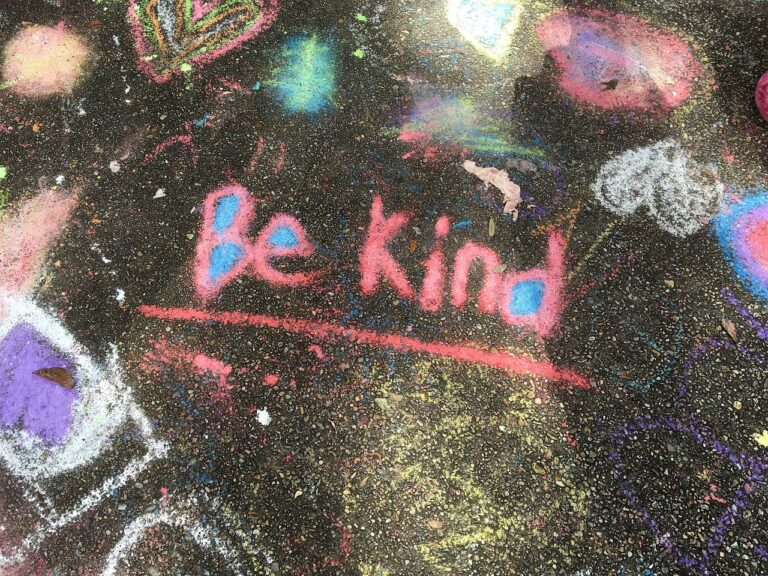
Kindness Is Contagious: Simple Ways to Brighten Someone’s Day

0

Kindness never runs out of style. Kind acts always impact both the giver and receiver. Here are a few small ways to spread kindness:

  1. Hold the door open for someone, even if they’re a few steps away.
  2. Offer a genuine smile to a stranger passing by.
  3. Say “thank you” with extra enthusiasm to a cashier or server.
  4. Pick up and throw away a piece of litter you see.
  5. Let someone go ahead of you in line.
  6. Text someone, “Just thinking of you—hope you’re having a great day!”
  7. Compliment someone on their handwriting or signature.
  8. Leave a coin in a vending machine for the next person to find.
  9. Offer to share a snack with a friend or coworker.
  10. Say “hi” to someone sitting alone.

Spreading kindness has the powerful ability to create a ripple effect. When you show kindness to someone, it not only uplifts their spirits, but also inspires them to pay it forward. This chain reaction creates a culture of empathy, positivity, and connection, which strengthens communities one small act at a time.


Calgary’s Not-So-Hidden Gems: 6 Fun Places to Visit With Friends

2

Calgary is littered with niche spots and cool places that don’t seem to get a lot of recognition within youth friend groups. These popular places are frequented by many Calgarians, but some youth just aren’t aware of them. For those of you planning for an outing with your friends, or if you’re looking for a new spot to explore, this blog post contains a few locations that are worth checking out in Calgary this year.

I used to believe that these places are popular, but speaking with my peers has made me realize that a lot of teenagers in our city aren’t aware of the many opportunities for fun Calgary holds. I always hear complaints about how boring Calgary is, and how there’s no teen-friendly place to hang out. The list I compiled below contains restaurants, locations for entertainment, cool stores, and many others. I’ve been to most of the spots I mentioned, but some I haven’t had the chance to check out yet. Let me know if you’re familiar with any of them!

Many of these places are relatively popular within the area they are located, or are well-known to the population, but not to the youth. For those wanting to find something new to do with your friends in Calgary, this list is for you. Hopefully this diverse selection gives your inspiration for your next outing!

Blackbyrd Myoozik: The Record Store Of Your Dreams

Clem Onojeghuo – Unsplash

Address: 1126 17 Ave SW, Calgary, AB T2T 0B4

Collecting records and vinyls is an awesome hobby to have, but may be detrimental to your wallet. Blackbyrd’s collection is vast and their records come with fair prices, making it the perfect location for hunting for records with your friends. Despite the location being on the smaller side, their selection is vast and caters to a wide range of music genres. Their collection is easy to look through, and it isn’t a hassle to search for your favourite artist.

This clean and welcoming location is appealing to many youth and adults alike. Reviewers online remark about how great the lighting was and how knowledgeable the staff are. If you can’t find what you need at Blackbyrd, Recordland is also a great record store with many cool photo spots!


Hexagon Board Game Cafe

Nik Korba – Unsplash

Address: 1140 Kensington Rd NW #200, Calgary, AB T2N 3P3

This cafe is the perfect spot for hanging out with friends. Visitors can enjoy a nice drink or dessert, and play their favourite board game at the same location! This cafe is a fan favourite, and is typically busy on weekends. You pay around $4.50 per hour per person, with the purchase of an item. According to their website, they have over 1000 games available for visitors to explore. This is one of my favourite places to visit with my friends!


Trapped: Escape Rooms That’ll Leave You Excited To Come Back

Kenny Eliason – Unsplash

Address: 1139 Kensington Rd NW, Calgary, AB T2N 1X7

Right across the street from Hexagon (mentioned above), Trapped has an amazing selection of escape rooms to play with your friends. With a wide range of difficulty levels (although I tried the easier ones and still found them hard), this place is filled with fun. It’s definitely on the pricier side compared to the other locations in this post. The escape rooms are tailored to perfection, and every single detail is very well thought out. The staff are wonderful, and very friendly. They let me and my friends take extra time to finish a room, and provided us with help when we were struggling. There’s a great photo location inside, and they also sell socks and gum with some creative slogans on them…

If you do plan on booking a room, please remember to read the details carefully, especially the age requirements. Some of the scarier games require a paying adult present. You should also check the content warnings, since some rooms are on another level of terrifying and contain live actors that will jumpscare you. Mature themes are also mentioned in the storylines of a few rooms, so make sure you know what you’re getting into!

Regal Cat Cafe

Ludemeula Fernandes – Unsplash

Address: 303 10 St NW, Calgary, AB T2N 1V8

Like the name suggests, this cafe is for those hoping to enjoy delicious drinks while spending time with their favourite felines! All proceeds from visitors go to helping stray cats in Calgary, which another reason to visit this cafe. The price is $10 per person, and each visit with the cats last 30 minutes. If you are concerned about getting cat hair in your food, don’t stress, because the cats are housed in a seperate room from the cafe.

Their menu is friendly to people with allergies and food restrictions, with gluten, dairy, and egg free options. It’s safe to say that this cafe is open to everyone in your friend group! All the cats you meet are adoptable, meaning you may just find your future feline partner here.

VRCORE: Calgary’s VR Gaming Hub

Vinicius Amnx Amano – Unsplash

Address: 2020 32 Ave NE R, Calgary, AB T2E 9A7

VRCORE is a VR (virtual reality) gaming arcade in the NE. You can play with as many as 13 people, and you can pick from a variety of games and escape rooms. It is around $31 per person, and you can even go solo!

VRCORE takes gaming to the next level with its state-of-the-art VR stations. This gaming studio offers a wide variety of games to suit every interest. With its fun and futuristic vibe, it’s the perfect spot for a group of friends looking for an interactive experience. The VR technology allows you to feel fully immersed in each game, making it a thrilling activity that gets your adrenaline pumping. If you’re looking for something unique and exciting in Calgary, VRCORE is a must-visit for a memorable day out with friends!

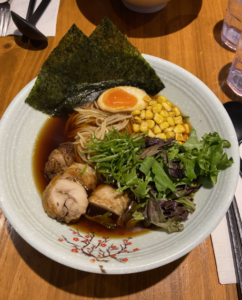
Wakado Ramen: The Ramen Place For All Your Ramen Needs

A picture from my visit last year

Address: 907 10 Ave SW, Calgary, AB T2R 0Z9

I thought I had finally made a decision about my favorite ramen place until I visited Wakado. This restaurant is a quaint little ramen shop in downtown Calgary with an aesthetically-pleasing atmosphere. Although it may not be the best place to visit with a large group, I’ve been there with my close friend and our experience was awesome.

The ambience is wonderful, with warm lighting and ambient music playing in the background. The ramen was delicious and reasonably priced, especially with the filling quantity they give you. Their Chili Goma ramen and Wakado Shoyu ramen truly made me ascend! This restaurant is a 10/10 experience for any of those who are looking for a cute date spot or a nice place to eat with their friends.


Summary

If you’re looking for some cool places in Calgary to explore with your friends, the Blackbyrd record store, Hexagon board came cafe, Trapped escape rooms, Regal Cat Cafe, VRCORE, and Wakado Ramen are great spots to check out! Hopefully this list helped you plan your next meetup!

Sources: 1, 2, 3, 4

How To Give Advice

0

Have you ever wanted to give someone advice, but don’t know how to present it? To start, begin your advice by drawing their attention first. You could provide a rhetorical question, a phrase, or a fun fact. Whatever approach you take, it is not needed to account for their response as you only need to draw their attention. Giving advice is central to effective leadership and decision making; it’s a life skill worth improving upon.

When providing advice, ensure that your receiver is actually interested in the advice (I.e. it’s applicable to them, especially at the moment). Otherwise, you’d be wasting both of your time and neither of you have gained insight from one another. Thus, prior to giving advice, make sure that they have reflected upon their efforts (ex: they tried very hard to win a sports game) and that they are ready to hear your wisdom. When applicable, remind them when your advice is useful and when it is not. It is always up to your receiver how they will handle your advice so ensure they understand when to follow it or not.

To give advice, keep these 6 things in mind:
1. Understand what your receiver is struggling with
2. Define the problem as best as you can (in your head and/or with the person)
3. Seek their current way of thinking
4. Brace for disagreements and listen
5. Refer to your personal experience
6. Refer to the future


In summary, before giving advice, clearly understand what and how they are struggling. When giving advice, listen to their side and see where their flaw may be (or in some cases, your flaw too). Always refer back to your experience to show them how you achieved the advice that you given (i.e. have you struggled personally with it before?). Last, but not least, the future should be mentioned. Now that you have given them your advice, let them understand how to move forward with it.

There are many strategies on how to give advice, but those 6 things will almost always exist in the process. Giving advice is part of your personality. In all honesty, there is always more than one way for you to give advice to someone. Ranging from giving them a hint and letting them think; physically showing them how to do something; providing examples; to verbally guiding them to do it, the world is yours to explore.

From time to time, your personality will change, and your skill of giving advice will too. Additionally, you may also be wrong in the advice you give, but that is also part of your development. Once in a while, you will be wrong, but understand that an advice is a lesson you wish to give. It could be a direct lesson to your receiver, but also an indirect lesson to the giver.

It is always an honor to give advice to someone. That means that they trust you and your experience enough to listen to your wisdom. In my own experience, I have had many opportunities to give advice, but my most vivid memories of these are always the ones where I know they are engaged. I found that a clear understanding of the issue, development of a solution, and promises of the future is what advice is all about. It really is a gift. Beyond this blog post, I hope that my advice empowers you to appreciate and apply the beauty of giving advice.

Doctor giving advice
Image by Mohamed Hassan from Pixabay

Source: 1

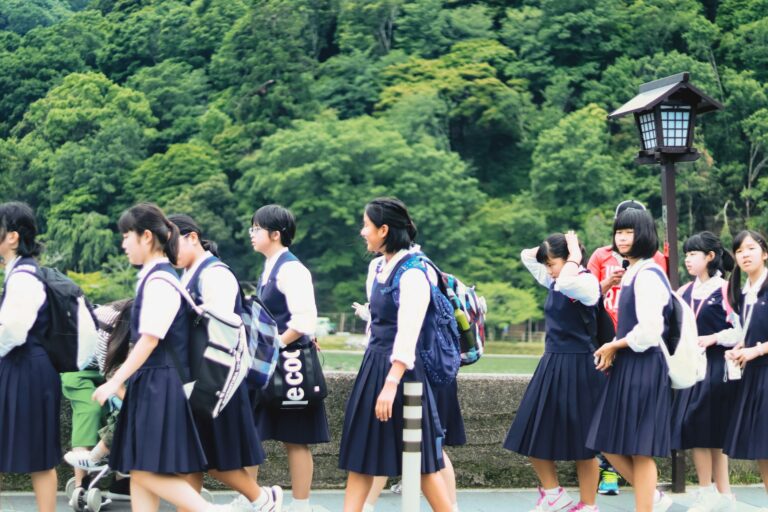
The Case for School Uniforms: A Step Towards Equality and Focus

Does it ever feel like your kids take forever to get ready in the morning for school, only because they can’t pick what to wear? I know for a fact that my parents have felt this way before, and this led me to wonder, would I still be spending this much time getting ready for school if I had to wear a uniform?

Today, I’ll be discussing why we should consider introducing school uniforms in the public education system to benefit students. I have three main points I’d like to discuss with you today. First off, I’ll explain what dress codes are, and why they pose potential problems when there is no mandated uniform. Then, I’ll introduce you to my proposal of introducing school uniforms in our public education system, before finally concluding with some statistics to prove my point.

Dress Codes: A Double-Edged Sword

What exactly are dress codes? According to the Oxford Dictionary, a dress code is a set of rules which specifies what you can and cannot wear. They were first introduced in a school setting around the 1990s in the United States as a response to “increasing student-discipline problems,” according to the Free Speech Center at Middle Tennessee State University. While dress codes started off as something generic, they have changed throughout the years and are sometimes viewed as discriminatory.

In most public schools, dress codes are generally directed towards females. Many schools have rules against showing a certain amount of skin in the shoulder area, as well as how long our skirts should be. A large portion of dress codes are targeted towards the female population. In fact, according to a study done by the Government Accountability Office in 2020, a whopping 90% of dress code rules impose limits on clothing that are often worn by females.

Being dress-coded repeatedly can pose a distraction for students, even if the students are in the wrong. If a student is dress-coded often, they could possibly spend an even longer amount of time getting ready for school so their outfit isn’t breaking a dress code. This would result in the student wasting a lot of time, simply because they are trying to perfect their outfit.

Additionally, without a uniform policy, a student’s socioeconomic status could be obvious. When students are not required to wear uniforms, they might spend a long time getting ready before school, trying to make themselves look appealing and of higher class. Students who lack resources, on the other hand, might not be able to wear the same types of clothes. This can lead to issues such as bullying, which will likely lead to a student being distracted and being disinterested in their education.

Let me tell you a story of a girl I know in British Columbia. She is from a family that isn’t very well-off, so she often wears clothes that are thrifted. However, when she was in her late teens, many of her classmates wore brand-name clothes. Since she was unable to afford those types of clothes, she was physically bullied. Her clothes were often torn badly due to the bullying, so she was unable to wear them. As a result, she had to wear her gym clothes during school. Since she was also wearing the gym uniform during Physical Education, which was her first class of the day, she sweat a lot, which meant that she had a strong body odor. She was kicked out of class due to her body odor so many times that at the end of the year, she was unable to meet the attendance policy, which meant that she would have to repeat the school year.

Assorted-color clothes photo – Free Clothing Image on Unsplash

The Case for Uniforms

Now imagine if everyone, including this girl, had to wear the same uniform to school. If everyone was wearing the same clothes, it would be hard to tell who’s rich and who’s not. This, ladies and gentlemen, is one of the reasons why I believe that introducing uniforms in public schools is a step we need to take.

I’m sure that a few of you are probably thinking, “But uniforms restrict self-expression.” And yes, I agree with you. To a certain extent, uniforms do restrict self-expression, since students are unable to represent themselves through their clothing. However, I believe that even if students didn’t wear uniforms, they wouldn’t truly be expressing themselves. As a teenager in school myself, I know that most of the time I wear a certain outfit, it’s because I’m following whatever trends are going around, and I know that many of my peers do the same. So if we’re only dressing up to follow trends, are we really expressing ourselves anyway?

Wearing uniforms will also help us students prepare for the real world after we graduate. I’m pretty sure most workplaces have a formal or semi-formal dress code. If we’re not introduced to that at a young age, it’s going to be strange dressing that way when we’re older. Even now, even though I’m dressed formally for this tournament, it feels strange to me because I’m not used to it.

Statistics Speak Volumes

There are a few statistics that I would now like to bring to light, because I believe that they reflect on the importance of uniforms in schools. According to a news report on CNN News, 98% of students in the United Kingdom are mandated to wear uniforms. If we were to round this number, this means that almost every single student in the UK wears a school uniform. The UK also has a 93% high school completion rate, as stated by the National Centre for Education Statistics. On the other hand, only 20% of Canadian students wear school uniforms. And while there are other factors involved in our high school completion rate (which is only 77%), I believe that wearing uniforms impacted this statistic.

This data leads me to believe that wearing uniforms in school has benefits that are potentially resulting in higher high school graduation rates. This could mean that introducing uniforms to all schools could potentially also lead to more Canadian students graduating high school every year as a result of not being distracted at school.

Personal Opinion & Conclusion

I think we should add uniforms to public schools as soon as possible. It probably seems strange that I’m promoting uniforms— I mean, which normal teenager would want uniforms at school? Even though it is strange, the reason I chose to speak about this today is because I truly believe that having uniforms at my school could change the school dynamic.

In my school, I know that there are a lot of girls who pick on others due to their clothing choices. While I have thankfully not been a victim to that, I have seen others get bullied for this. If we had uniforms, the mean girls won’t be able to bully my classmates for this reason.

I also think that having uniforms would save me so much time. I live really far away from my school, and I have to catch the bus at 7:15 AM every morning. When I was younger, I used to wake up at 6:45 and I’d make it to the bus stop early, because it didn’t take me long to get ready. But now that I’m nearing the end of middle school, my classmates are starting to care a lot about their appearance, which makes me care about my appearance, resulting in me waking up before 6 AM every day, and still barely catching the bus. The only reason I wake up this early is because it’s challenging to pick out an outfit that looks good and fits into whatever trend is going around. If our school had uniforms, however, I could be getting more sleep at night, and I’d also probably be less self-conscious of my outfits.

In conclusion, today, you read about school dress codes and the benefits of introducing uniforms. The two main ideas I went over were how uniforms can decrease distractions for students in school and how they can potentially lead to more Canadian students successfully graduating from high school.

So as Nelson Mandela, a former president of South Africa, once said: “In the journey of education, let uniforms be the cloak of unity that transcends differences, and in its folds, may students find the wings to soar, undeterred by the distractions of attire.”

Sources: ¹ ² ³ ⁸ 

Young Children in School with Uniforms – Photo on Pixabay

Spotlight on Underrepresented Voice- “Crying in H-Mart”

0

As media becomes an increasingly dominant form of communication between individuals, communities and the world; it is safe to say that It is taking over our lives. With such great influence, there is much responsibility, for individuals to have a voice it means to be represented in media therefore, it is essential that we represent historical minorities and ensure that their perspectives are being given a platform to thrive. 

As someone who is deeply passionate about intersectionality in politics, inclusivity and representation, I wanted to fulfill my duty as a global citizen and share with you some of my favourite books by a minority. This way you get recommendations for your next binge-read while being part of a larger cause!

Crying in H-Mart” by Michelle Zauner

This is not only a memoir by Zauner about growing up as someone who is bi-racial, it’s a read that tugged at my heartstrings by her intimate exploration of missing a loved one and losing the link to your ethnic identity by using the metaphor and setting of a grocery market and food filled moments. Reading this book, I was sobbing uncontrollably just 10 pages in and I was inconsolable. I found relatability in moments I hadn’t experienced… I truly have no words for this book except that it is a raw representation of what it feels like to be of an ethnic background in the West, how your ties to your cultural identities can be severed and they remain lingering like a painful reminder of what you are losing. If you are looking to glance at life through such a perspective, “Crying in H-Mart” by Michelle Zauner is the book to go for.

Michelle Zauner herself is of Korean-Jewish ethnicity and American nationality. She is a prominent Asian-American singer often going by the name “Japanese Breakfast”, author and activist. She is an advocate for ongoing issues Asian-American issues in the United States and in her book she highlights the underlying marginalization of Asian-Americans in mainstream media and the ways in which grief is shaped by cultural context.

The book explores Michelle’s mentality, how she saw the world after losing her mother due to illness, and how she reconnected with her heritage through food. This book honestly captured my heart in a few pages and I hope it’ll be a similar experience for you as well!

The Evolution of Streaming Platforms

Over the past decade, the entertainment industry has been revolutionized by various streaming platforms and entertainment companies. Platforms like Netflix, Amazon Prime, YouTube, and Hulu have grown into global superpowers, competing with not only each other but with other traditional television networks and cinemas as well. But where did we all begin? More importantly, what will come next?

Photo by Glenn Carstens-Peters on Unsplash

Streaming services started in the early 2000s with the rise of high-speed internet and the decline of old-day physical media like DVDs. Services like Netflix initially operated as DVD rental-by-mail companies. The convenience of having movies delivered to your door was a revolutionary service that immediately became extremely popular. In 2007, Netflix introduced its new streaming service—viewers and customers could watch movies and TV shows without waiting for a DVD to arrive. 

Photo by Lucky Alamanda on Unsplash

This caused a monumental shift in the entertainment industry. Customers no longer needed to physically store DVDs and movies, and they had more freedom to choose when, where, and how they would watch movies and TV. 

Photo by Mollie Sivaram on Unsplash

However, Netflix’s monopoly was soon to be challenged. As streaming services gained popularity, competition intensified. Netflix, Hulu, and Amazon Prime began competing for subscribers by licensing popular shows and movies. However, licensing agreements were expensive and temporary, which led to the next big evolution: original content. 

Photo by Jens Kreuter on Unsplash

For instance, Netflix’s “House of Cards” in 2013. By producing its own content, Netflix could differentiate itself from its competitors. Also, it would retain full ownership of its shows and movies to keep more subscribers on its platform. After the success of “House of Cards,” the golden age of streaming originals arrived: “Stranger Things,” “The Handmaid’s Tale,” “The Marvelous Mrs. Maisel”… More and more individuals subscribed to streaming services, including audiences from other countries outside of North America and audiences that speak different languages. 

Photo by Samuel Regan-Asante on Unsplash

This strategy proved so effective, that nearly every major platform followed suit. It also resulted in a cultural shift: binge-watching entire seasons, casual conversations about last night’s latest episodes…

Photo by Atul Vinayak on Unsplash

However, a new problem became apparent. Disney+, HBO Max, Paramount+, and countless other platforms offered exclusive content and asked customers which platform to choose. Customers become exhausted from various subscriptions, and the cost of various subscriptions on different platforms is exceedingly high. As a response, customers may turn to illegal downloads, pirate sites, or unauthorized streaming sites. 

Photo by charlesdeluvio on Unsplash

The future of streaming is likely to be shaped by a combination of technology, content, and consumer behaviour. For instance, as competition becomes fierce, we may see acquisitions among streaming platforms. Smaller companies may be acquired and absorbed by larger ones.

Photo by Andy Hermawan on Unsplash

For another example, streaming platforms may be increasingly investing in international markets and producing content in multiple languages. Shows like “Squid Game” caused international trends and gained numerous global audiences, demonstrating the potential of non-English content. 

Photo by (Augustin-Foto) Jonas Augustin on Unsplash

Streaming platforms have come a long way since the early days of DVD. They have redefined how we consume media and reshaped the business models of the entertainment industries. With increasing competition, shifting consumer expectations, and technological and algorithmic advancements, we will witness future changes in streaming services in the next decade. We will see how companies innovate to capture the hearts and money of audiences.

Photo by Leon Bublitz on Unsplash

Youth Central Alumni Spotlight: Iliana Cutten

Written by fellow Youth Central alumni, Connor Lang

Stay tuned for more articles where we interview Youth Central alumni as part of our alumni spotlight!

Since her graduation from Youth Central, Iliana went on to pursue outdoor education for kids, helping them learn more about environmental stewardship and physical literacy. Iliana believes that she got her first job working with kids because of Youth Central. Her experience with Youth Central opened so many doors for her, allowing her to get a job that she loved and through that build many other opportunities in the outdoor industry.

Throughout her work experience at various camps across Canada, Iliana has continued to return to the lessons she learned as a Youth Central volunteer, as it allowed her to navigate working for folks with different capabilities. While many of her coworkers had to quickly learn to navigate the sensitivity needed to address the diverse needs of the kids at camp, Iliana was able to apply her experience in accommodation and flexible programming that worked for folks of all capabilities.

Undoubtedly, Iliana’s experience with Youth Central has been pivotal in shaping her current career path, helping her to learn about her personal passion for outdoor education and working with kids. She explains more below:

What is your favourite Youth Central memory?

Iliana enjoyed volunteering for the Lunar New Year Festival because after she helped set up the event, she was able to participate in the festival and eat a lot of local Chinese cuisine. Ultimately, projects like these gave her the ability to explore opportunities in Calgary and to see the city through volunteering.

How did you become involved with Youth Central?

Initially, Iliana’s friend from school introduced her to the volunteer program at Youth Central. Unfortunately, on the first day, her friend broke her leg and had to stop volunteering until she recovered. Iliana, however, continued volunteering and met a network of fellow volunteers that pushed her to continue.

What is your biggest takeaway from your time volunteering with Youth Central?

Prior to being a volunteer, Iliana was focused on work and school. Through Youth Central, Iliana was introduced to a lot of people that she wouldn’t have otherwise met. This community allowed Iliana to become a more outgoing person, shaping how she socializes with people today.

What is one piece of advice you have for current Youth Central volunteers?

“There are so many opportunities with Youth Central. Explore them!”, she says.  “If you know that something is really resonating with you, focus on that and see where it takes you.” 

Iliana is a tremendous example of this piece of advice, as she was inspired by her first volunteer project and continued to explore the outdoor industry as both a volunteer and now a professional.

How did your experience with Youth Central shape your future?

Iliana realized through Youth Central that she really likes to work with people. Volunteering with Youth Central provided the background knowledge in outdoor education that drives her passion today. The opportunities, skills, and experiences that she had working with people led her to the jobs she has today, making her the dedicated person she is now.

As a final note, Iliana encourages everyone to talk to people and, “really engage with the projects you’re doing, as it allows you to make connections with people, both the folks you’re working for and those volunteers you’re working with.” Ultimately, that is how Illiana learned to build a community and build connections with others, which really benefited her continued experience after graduating from Youth Central’s programming.

Three Ways To Maximise Productivity Throughout Your Day-To-Day Life

Introduction:

In a contemporary and fast-paced society like ours, it isn’t enough to call being productive working hard, it’s also to prioritise working smarter. Productivity is relevant throughout our lives and helps us through many tasks, whether it be something little like doing your homework as a student, or something big such as investing in a business plan as an entrepreneur. Therefore, in this blog, I’ll be excited to share three ways to maximise your levels of productivity.

  1. Make Use Of The 80/20 Rule

The main point of the 80/20 rule, is that 80 percent of your results should only come from 20% of your efforts. In other words if you have a plan to do something such as doing your homework, you should focus more on the important 20% of what you have to do, ensuring greater and more beneficial outcomes. For example, take a student studying for a test. Say you have a math test the next day on quadratics the next day and you didn’t study for it. Instead of mindlessly doing trivial and random quadratic equation questions you find online, find out what specific quadratics your being tested upon. If your being tested on vertex quadratics, focus studying on that, instead of bothering yourself with other types of unrelated questions, ensuring that you receive a fulfilling outcome..

Free Clock Alarm Clock photo and picture

2. Integrate Time-Blocking

The concept of time-blocking is to dedicate certain blocks of times in the day to specific tasks. This reduces the fatigue you get from making decisions on what to do and makes sure that you wont get sidelined and distracted from important tasks. You can apply this by placing blocks of time in your Google Calendar, or go old-school and write it down on a daily planner. A pro tip when using this trick is to assign your most important tasks in the time where people are most productive, which tends to be the mid-morning or the early afternoon.

Free Frustrated Business photo and picture

3. Take MORE Breaks

Contradictive to the common belief that breaks lower productivity, but research shows that breaks are actually vital to ensuring focus and decreasing burnout. There are many techniques that integrate more breaks in your sessions for example, the Pomodoro Technique. In the Pomodoro Technique, you will need to work for 25 minutes and then take a 5 minute break, this will count as one session. Following around four sessions of this, you will now take longer breaks, ranging from 15-30 minutes. This method works because as you are studying more, you may become more prone to burnout. The longer breaks after each session helps calm this buildup of burnout and helps you come back to your session with a more clear mind.

Conclusion:

Maximizing productivity isn’t about cramming all your work!


Hidden Benefits of Walking Daily:

0

Walking is one of the simpler activities that is quite effective for overall health. There is no need to require any special equipment and one can do it practically anywhere. Walking daily gives not only physical health but includes more than that; therefore, it can offer surprising benefits to your mind and body in its unique way. Let’s learn five amazing, yet less known advantages of this underrated activity beyond obvious ones.

  1. Enhances Creativity: Walking triggers your brain while and enhances problem-solving and creative thinking, sparking new ideas.
  2. Improves Digestion: A short walk after meals helps with digestion and prevents bloating.
  3. Social Connection Strengthened: Regular walking among friends or family enhances dialogue and strengthens relationships.
  4. Supports Joint Health: Regular walking lubricates your joints, reducing the risk of stiffness or arthritis.
  5. Improved Sleep: Walking regulates the circadian rhythm, contributing to better sleep.

sources: 1

Pick apart a poem: “This is a Photograph of Me” by Margaret Atwood

This is a Photograph of Me

Margaret Atwood, 1939

It was taken some time ago.
At first it seems to be
a smeared
print: blurred lines and grey flecks
blended with the paper;

then, as you scan
it, you see in the left-hand corner
a thing that is like a branch: part of a tree
(balsam or spruce) emerging
and, to the right, halfway up
what ought to be a gentle
slope, a small frame house.

In the background there is a lake,
and beyond that, some low hills.

(The photograph was taken
the day after I drowned.

I am in the lake, in the center
of the picture, just under the surface.

It is difficult to say where
precisely, or to say
how large or small I am:
the effect of water
on light is a distortion

but if you look long enough,
eventually
you will be able to see me.)


________________________________________________________________________

Early Life: 

Born in 1939, Margaret Atwood was a Canadian poet, novelist, and short-story writer. She started writing when she was just 5 years old, and as she grew older, she decided to take writing and literature much more seriously; by even earning a master’s degree in English Literature at Harvard University. Margaret was much better known for her novels in comparison to her poems (yet her poetry still proves to be outstanding). Many of her novels included themes such as “Role Reversal” and “New Beginnings”, which I personally think contribute from the fact how she moved up north from Toronto when she was just a little kid. Along with being a stellar novelist, she created many creative poems which still continue to be dissected in schools to this day. 

Today, I’m going to dissect a peculiar poem of her’s that I stumbled upon called “This is a Photograph of Me”. 

Disclaimer: I actually have no idea what the poem really means but this is my interpretation of it!

Analysis:

Let’s take a look at the first stanza of the poem. If you don’t know what a stanza is, think of it as a chunk of the poem. In this case it is the first 4 lines. Most of the time when we begin to read a poem, it starts off with us reading the title and then each stanza. Firstly we read the words, “This is a Photograph of Me” which leads us into a physical description of this “photograph” in the first stanza. Specifically, it seems to be like this photograph was taken a long time ago and has undergone some minor damage. I made this inference from the literal first line, “It was taken some time ago”, and how the speaker described it to be a “smeared print” and with “blurred lines”. This starts off the poem with a mysterious effect as we do not know what is in the photograph yet and it doesn’t have a great quality either (for some reason it just gives me mysterious vibes at the same time too, even though I don’t really have any evidence for that). 

Then, readers approach the second stanza. It appears to be providing more description as to where the photograph was taken (which definitely eases the reader’s curiosity). The line, “as you scan it, you see in the left-hand corner a thing that is like a branch,” tells us not only more about the photograph but also what the author, Margaret, wants us to do. First of all, the speaker is not specific about what is in the picture as the speaker describes the object in the left-hand corner as a “thing that is like a branch”. Why is the speaker not specific? Is it because it is not an important detail for the rest of the poem, the speaker is just being careless with her choice of description, or is it because the speaker themselves does not know? 


Side note: reading this poem has taught me to question why famous writer’s say what they say. My teacher taught me how their choice of language, diction, and tone is almost always intentional. Another thing I learned is that when the author uses “I” in the poem, it is not always referring to the author themselves, but it is referring to the speaker of the poem. 


Anyways, back to analyzing the second stanza. After that confusing branch description, we then come to know that it is part of a tree (which the speaker doesn’t even know what kind as they say, “balsam or spruce”), and how there is a little house in the picture. By now I have come to the general conclusion that this photograph has been taken somewhere in nature. In my opinion, the second stanza doesn’t really add anything else other than helping readers gain a deeper understanding of where the photo was taken. 


Side note: Now I know I said to think of stanzas as chunks, but you should keep in mind that these “chunks” can be pretty small at times (like even 1 or 2 lines). 


After reading the second stanza, readers lay their eyes upon more imagery through the 2 lines in the third stanza. But something about this imagery seems to be more important than the descriptions from stanza two. Why do I feel this way you may ask? Well for starters, if it wasn’t so important, then why couldn’t Margaret just add those two lines to the second stanza? And then secondly, maybe the reason why she made them stand by themselves was because their purpose was to serve as a turning point, or some sort of detail that is relatively crucial to the rest of the poem? Again, I have no idea these are just some questions and ideas of mine that I am expressing through this analysis. 

We finally reach the fourth stanza. This line in brackets serves to be the line that gives me goosebumps almost every time I read it. 

“(The photograph was taken the day after I drowned.” 

My initial reaction to this line was,” HUH? WHAT DOES SHE MEAN DROWNED”?! IS SHE A GHOST OR SOMETHING?!?!?”

This singular line changes the poem tremendously as it not only advances the plot significantly but it also enhances the mysterious tone by a million (which is a hint of creepiness too). 


Side note: An important aspect about this poem I noticed was the use of brackets. Other than the simple usage of them in the second stanza during her confusion about trees, they are used in an important way after. From the start of the fourth stanza to the end of the poem, everything is in brackets. 

Why is everything in brackets? In modern day society, the use of brackets after phrases has become very common as it serves to indicate that the person has different intentions or words that they aren’t expressing directly. This is commonly used through texts as it would be pretty complicated to use them in real life. 

Example: I’m just going to lock in for all my exams (I have given up and there’s no hope). 

Ok that was a long “Side note” – back to the poem. 


I think that the first half of the poem not in brackets serves to show the perspective of the person viewing the photograph for the first time without any background context or knowledge. Then, I think the second part of the poem in brackets serves as a form of direct communication of the person in the poem and to the viewer of the picture. You will understand why I said “person” later in this analysis. 

The fifth stanza is what really shocked me. (Go scroll up and remind yourself by re-reading the poem if you have forgotten what’s happening). The lines, I am in the lake, in the center of the picture, just under the surface.” IS SO CREEPY. I apologize for my usage of all caps, but I think that’s the only way to communicate what I feel when reading that line. This line is very very direct and blatant. I think that there is literally no underlying meaning to it. The speaker is just telling the audience where the person can be found in the photograph. No matter how strange it is to add a dead person under the surface of a lake in the photograph, it must have some kind of meaning that I can’t interpret (maybe you can!!). 

The sixth stanza basically just adds more description as to what the person looks like in the water. The speaker talks about how they don’t know where specifically they are or how large or small they are either – indicating some mental confusion. Throughout this stanza (and practically the whole poem at this point), the main emotion I felt was confusion. 

The seventh, and final stanza, ends the strange yet intriguing poem off. The speaker says how the viewers of the photograph will eventually be able to see her if they look long and close enough. Unsurprisingly, it gives off very creepy vibes. That’s pretty much all I got from the ending.How she ended the poem makes sense with how she built it up. What I mean was that it seemed like the whole poem was almost like in chronological order all the way from a person firstly viewing the photograph all the way to them examining the intricate and hidden details.

Conclusion:

I first read this poem in my grade 10 English class in November. With the help of my teacher and classmates, I was able to learn so much about not only the hidden details in this poem, but also just how to take a better approach to poetry in general. I learned that the author of the poem is not always the speaker, and how every single word, punctuation, or symbol serves its own crucial purpose. And finally, I also learned how we can’t always know the true meaning of any poem, and that we should accept and appreciate its multiple different unique interpretations – because that’s what makes poetry so beautiful

I hope you liked reading my little analysis (or honestly I would describe it as a rant), and hope that you will take a deeper dive into the beautiful world of poetry soon!


 

The Ultimate Guide: 8 Books to Keep You Motivated and Inspired

1

While all books offer a unique perspective the book I am referring to here are books that will give you serious life advice. Whether it be finance or personal well-being, these books are famously known for their ability to inspire readers. Such books may not make you an overnight millionaire however by gaining this knowledge at a young age you can feel far more prepared for the future. While reading some of these books I have not only developed my perspective but I have also developed my habits to become more organized and motivated. So without further due here are the top 10 books you should read.

  1. Atomic Habits

This book, written by James Clear, has a very simple approach to success and that is to change your habits. He discusses that habits are not the final goal yet they are the entry point which leads into a routine. He uses examples from both everyday life and inspirational people who have spent their whole careers trying to figure out the impact of habits. One of the few key takeaways from the book that I held on to the strongest is that you should focus on things you can control. As individuals in our prime years of academics, we tend to strive for a certain percentage of grades however we often forget that it is the process of learning which will serve us the most value.

2. The Happiness Advantage

The Happiness Advantage is a book which discusses how the system of achieving success is broken. As humans, we have defined happiness as what comes after success however Shawn Achor, the author, thinks of it as happiness leads to success. The book offers an insight into how work can become less stressful and more productive if we enjoy doing our tasks and use happiness as the stepping stone rather than the target.

3. Life Worth Living; A Guide to What Matters The Most

Despite not having read this book it has been on my list for quite some time and I have heard some good things about it. The author is a professor at Yale University who wrote the book for young students as a form of advice. The book refers to human life as a hamster wheel in which we forget to live in the present and focus far more on what we will do in the future.

4. The 7 Habits of Highly Effective People

The 7 Habits of Highly Effective People is written by Stephen Covey and throughout the book there are several themes and takeaways. It goes into depth about the 7 habits and compares typical human habits to how they can be improved. The one habit that I believe is most important is to Think Win-Win. In the book they refer to how most humans believe you can only excel in your goals independently. What they miss is that not everything is a zero-sum game and helping others might also benefit you as well.

5. Hidden Potential: The Science Of Achieving Greater Things

Despite not having read this book the summary and interviews based upon this book give insight into the message of the book. Adam Grant, the author, elaborates on how all of us individuals have hidden potential and that we judge ourselves way too hard. Internally, we have trained our minds to accept that some people have more advantages and natural talent however that is not the case. The book has a common theme of unlocking the hidden potential within you so that you can achieve a greater purpose in life.

6. The Subtle Art of Not Giving a F*ck

While the title is a bit extreme the book brings up points which are profound and unique. Mark Manson dives into the concept of acceptance and focus towards yourself rather than on what society says. One of my favourite ideas from the book is that we shouldn’t desire for more positive experiences because that is itself a negative experience. Instead, we must change our perspective on the negative experiences to make them positive.

7. The Alchemist

The Alchemist is different from other inspirational books as it is a fictional novel which explores how one can follow their dreams to find purpose. This book is one of my favourites because of the impactful and realistic approach given to each message. The symbolic character development and wisdom seen through various characters are also notable themes in this book.

8. Big Magic: Creative Living Beyond Fear

This novel is one which was recently recommended to me and though I haven’t finished the book I have come across many meaningful ideas centred around creativity, braveness and power. One of the most discussed quotes from this book is, “The universe buries strange jewels deep within us all, and then stands back to see if we can find them. By Elizabeth Gilbert.”

These are some of the many books which I believe should be read for personal growth. While these are just a few suggestions I encourage you to explore other motivational books to arrive at a book which encompasses your ideologies and resonates with you.

Sources:

https://www.sparknotes.com/lit/the-alchemist/characters/

Appreciating Music: Vienna by Billy Joel

Although it never was released as a single, and remained in obscurity for many years after the release of the album, “Vienna” has become one of Billy Joel’s most well-known and popular songs in modern days.

The song serves as a metaphor for growing older, with Joel telling the listener to slow down and enjoy life before it’s all over. The recent rise in popularity can be attributed to “Vienna” finding new life on social media platforms such as TikTok and Instagram, where the song’s lyrics resonated with many young adults in their late teens and early twenties. 

As put by Mirelle Ortega, a writer from Los Angeles, “Our late teens and early 20’s tend to feel like the end of the world sometimes. We all feel a huge pressure to have it all figured out… I think ‘Vienna’ perfectly articulates that that’s not true.” “Vienna” serves as a reminder to its listeners that it’s okay to enjoy life as it passes, a message only amplified by the beautiful build-up style melody that accompanies its meaningful lyrics, allowing everyone who listens to it to appreciate it. 

  1. Billy Joel B-side ‘Vienna’ is now one of his most streamed songs — thanks to young Millennials and Gen Z | CNN (Source for Vienna quote)
  2. Vienna – Lyrics, Information, and Meaning


4 Helpful Tips to Appreciate Yourself

Interviews, public speaking, debates, speeches, presentations: these are all examples of nerve-wracking situations for some people. Many people blame their personality type, or whether they are an introvert or an extrovert, for their vulnerability to stage fright and nervousness that accompany public speaking. While your personality can definitely play a major role in affecting your behaviour in public settings, the more important factor is the level of confidence you have in yourself. An increase in self confidence allows us to trust our own abilities. This trust provides us the courage to carry ourselves with conviction, even in the most intimidating settings.

However, with that said, self confidence does not come easily. No matter what our personality is, we all want to be liked by people. Wanting to be respected by others is not wrong. However, it is important that we do not base our every action upon the desire to impress other people. Now, we’ve all heard the saying “don’t be a people-pleaser.” The truth is, no one wants to be a people pleaser. However, its hard to contain ourselves from seeking praise and approval from those around us. While there is no magic cure for this, habits that develop a positive mindset regarding ourselves can be helpful.

In this blog, I will share some habits that you can try to boost self confidence, and advocate for yourself during times of social anxiety.


1. Think of your past accomplishments

One of the best ways to developing strong self esteem is to reward yourself. It’s important to understand and acknowledge the good deeds that you’ve accomplished in the past, and are accomplishing currently in the present. Although accomplishments can include things like winning an award, they don’t necessarily have to be limited to this. Day-to-day accomplishments include helping a friend or family member. Achieving daily goals that you set for yourself, such as reading a book, getting good sleep, or exercising are all examples of accomplishments.

When you remind yourself that you are capable of meeting your goals, you are doing yourself a favour. Rewarding yourself reinforces a sense of trust in your self-responsibility.


2. Develop positive relationships

We’ve all been in friendships where we feel valued, as well as those which bring us down. When you surround yourself with people who make you feel appreciated, and who inculcate a feeling of positivity in you, your confidence naturally increases. Conversely, when you are in a toxic friendship, you are constantly overwhelmed by the urge to change yourself. This way, it is absolutely crucial that your friends are people who accept you based on who you are. Healthy friends instill a feeling of self-sufficiency, so that you feel satisfied with yourself.


3. Step outside of your comfort zone

Although anxiety and nervousness tend to kick in when you are in stressful situations, such as an interview or a public gathering, it’s important to expose yourself to these situations. You can develop the skills needed to tackle these uncomfortable situations only when you take the step to put yourself in these situations. That said, its also important that these steps are realistic, and not giant leaps. A person who finds public speaking absolutely nerve-wracking (like me), does not necessarily have to build this skill by joining a competitive debate team. Taking small but consistent steps such as participating more in classroom discussions or volunteering in the community are more helpful.

A part of fostering that confidence in your abilities comes with assuring yourself that you can combat challenges. To do this, you need to put yourself out there, and develop the needed skills to overcome obstacles.


4. Say good-bye to negative thoughts

When you have negative thoughts about yourself, you lose the trust in your abilities. This discourages you from trying new things, and you have the urge to stay in your comfort zone. Although negative thoughts are common in everyone, especially during times of stress, such as exams, it’s important that these do not limit you. While it is not easy to erase these thoughts from your mind, the strategies mentioned above can help to increase the number of positive thoughts about yourself. Indulging in activities or hobbies that you enjoy are also great ways to focus on the positive things about yourself.


TL;DR

We all know it’s not a good habit to be a people-pleaser, but we can’t help it sometimes. The best way to stop this is to increase self-confidence by:

  1. Reminding yourself of your achievements.
  2. Ensuring that you feel appreciated in your friendships and relationships.
  3. Taking small but consistent steps towards tackling challenging situations.
  4. Acknowledge the activities you are good at so that you have motivation and confidence to try new ones.