

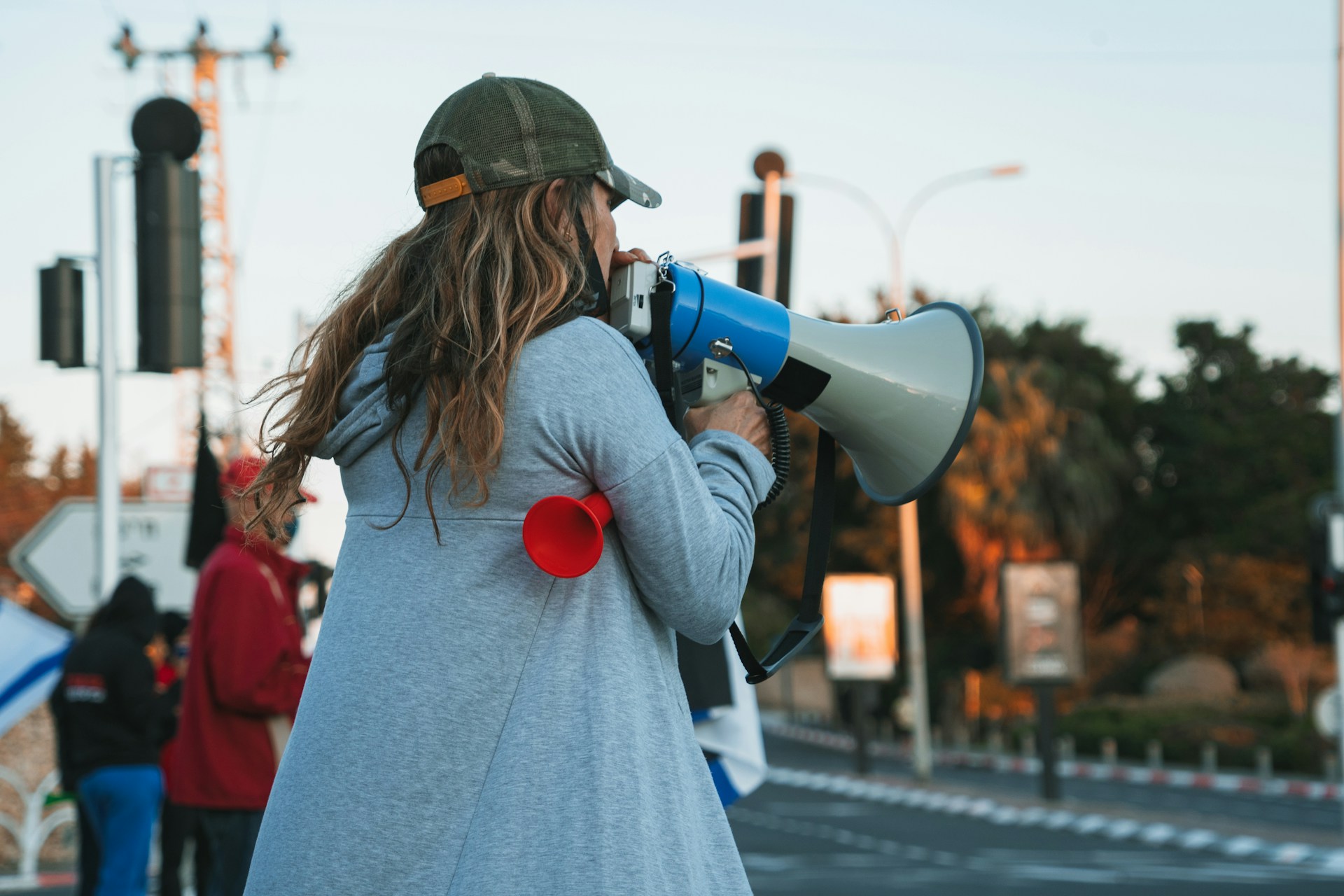
🎙️ Raise it. Reclaim it. Resound it.
At some point in life, most of us have found ourselves whispering our needs instead of declaring them. We shrink ourselves to fit the comfort zones of others, or bite our tongues to avoid “being difficult.” But here’s the truth: your voice is not a disruption. It’s a declaration.
This blog is your rally cry. Your reminder. Your unapologetic permission slip to speak louder—for yourself, for those around you, and especially for those who haven’t yet found their voice.
👤 Self-Advocacy: Loud Doesn’t Mean Aggressive
Joe Yates on Unsplash
Too many people have been conditioned to believe that self-advocacy is selfish. But advocating for yourself is the opposite—it’s radically self-aware.
It’s saying:
- “I deserve to be included.”
- “I deserve safety, respect, and acknowledgment.”
- “I’m allowed to set expectations and hold others to them.”
Whether in a classroom, workplace, relationship, or community space, advocating for yourself doesn’t mean being confrontational. It means being clear. It means understanding your worth so deeply that others start to notice—and respect it.
And let’s be honest—advocacy isn’t always easy. Sometimes it feels like swimming upstream. But if you don’t speak up for yourself, who will?
🙅🏽♀️ No Bystanding: Silence Isn’t Neutral
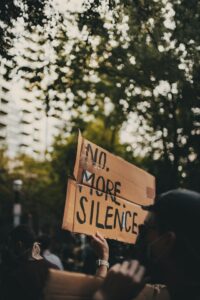
It’s easy to think that if something doesn’t affect us directly, it’s not our business. But silence often speaks louder than words—it reinforces harmful norms and excuses injustice.
The next time you witness:
- Microaggressions in a conversation
- Someone being excluded or bullied
- Harmful stereotypes are being tossed around “as a joke”
You have a choice: turn away, or turn up. Being a non-bystander doesn’t mean launching into battle—it means being present, aware, and willing to say something.
We all get nervous. We all fear backlash or awkwardness. But courage isn’t the absence of fear—it’s deciding that speaking up matters more.
The people who are impacted most by injustice often have the fewest seats at the table. Your voice could be the one that makes room.
🧱 Boundaries: Your Peace Is Non-Negotiable

One of the most powerful forms of self-advocacy is boundary-setting.
Boundaries are not rude. They are not overreactions. They are acts of emotional intelligence. They say:
- “I value myself enough to decide what I will and won’t allow.”
- “I love you, but I need space.”
- “I care about this, but not at the expense of my mental health.”
When you set boundaries:
- You teach people how to treat you.
- You clarify what you expect.
- You honor your needs instead of betraying them for acceptance.
And yes—setting boundaries might offend people who benefited from your silence or your people-pleasing. Let them be uncomfortable. Discomfort is often the doorway to growth.
🗣️ “Louder For The People In The Back!” – Why It Matters
This phrase isn’t just catchy—it’s a movement. It’s what we say when we want the truth to echo. It’s what we shout when people pretend not to hear us. It’s what we declare when someone tries to dim our light.
When we speak up:
- We inspire others to do the same.
- We normalize assertiveness.
- We dismantle systems built on silence.
Whether you’re the only woman in the meeting room, the quiet kid in a loud classroom, or someone navigating systemic barriers—the moment you speak up, you change the temperature of the room.
So let them listen. Let them squirm. Let them learn.
💥 Advocacy in Action: Real-Life Moments to Raise Your Voice
Wondering where to start? Advocacy can happen in everyday places:
- In group projects where your ideas are overlooked.
- In friendship dynamics where emotional labor feels one-sided.
- At family dinners, where uncomfortable comments go unchecked.
- In public spaces, when someone is being mistreated.
It’s not about shouting. It’s about showing up—with clarity, courage, and consistency.
🔥 Final Words: Volume is Valid
You were not made to be small. You were not born to blend in. You were made to stand out, to speak up, and to shift atmospheres.
Your boundaries don’t make you rigid—they make you anchored. Your refusal to be a bystander doesn’t make you nosy—it makes you necessary. Your advocacy doesn’t make you bossy—it makes you brave.
So say it louder. For the doubters. For the people in the back. For the version of you that once thought silence was safer.
Say it louder—until your echo creates a movement.
Awesome post Elizabeth! I really like how you provided real-life examples of situations in which we can practice advocacy. This post is such an important read!
Comments are closed.