


Given the many conflicts our world faces politically today, staying informed about current affairs is more important than ever. These events shape our global landscape, influence our communities, and ultimately affect us too. But it’s also understandable why so many young people feel passive or disconnected from the media they consume. It can be overwhelming to witness tragedy after tragedy and feel powerless to change any of it.
In moments like these, maintaining empathy becomes essential. It requires us to step outside our own experiences and imagine the lives of those who don’t have the privilege of safety, stability, or peace. Literature has always b

een one of the most powerful ways to do this. Stories allow us to see through someone else’s eyes — to feel their fear, their hope, their loss, and their resilience. The following books are timeless examples of how war impacts civilians, families, and entire generations.
The Poppy War by R.F. Kuang
The Poppy War follows Rin, a war orphan who earns her way into an elite military academy in a nation on the brink of conflict. As she rises through the ranks, she discovers both the brutality of war and the terrifying power within herself. The novel blends historical events inspired by the Second Sino-Japanese War with fantasy elements, but its emotional core is painfully real. It forces readers to confront how war dehumanizes entire populations and how trauma shapes the next generation. Through Rin’s journey, we’re reminded that behind every conflict are ordinary people trying to survive forces far bigger than themselves.
The Book Thief by Markus Zusak
Set in Nazi Germany and narrated by Death, The Book Thief tells the story of Liesel, a young girl who finds comfort in stolen books during one of the darkest periods in history. As her foster family hides a Jewish man in their basement, Liesel learns firsthand how war fractures communities and tests the limits of human compassion. The novel highlights the quiet, everyday acts of resistance that civilians engage in — not through violence, but through kindness, storytelling, and courage. It’s a powerful reminder that even in times of war, humanity persists in small but meaningful ways.
The Kite Runner by Khaled Hosseini
The Kite Runner follows Amir and Hassan, two boys growing up in Afghanistan before the Soviet invasion. Their friendship is shaped by class, culture, and betrayal — and later, by the devastation of war. As Afghanistan falls into decades of conflict, the novel shows how violence uproots families, reshapes identities, and leaves emotional scars that last a lifetime. Hosseini’s
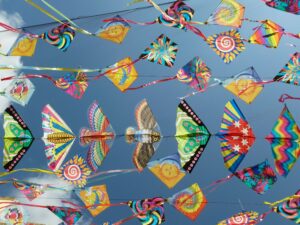
storytelling brings readers into the intimate, personal side of war: the loss of home, the weight of guilt, and the longing for redemption. It’s a reminder that behind every headline about conflict are real people whose lives are forever changed.
Always remember, it is a privilege to live the life that we do. Peace and stability should be a right for every nation, but the reality is that not every country is able to provide it. By reading stories like these, and by choosing to stay empathetic, we honor the experiences of those who cannot look away from conflict because they are living it. (Before reading any of these books, please make sure to check for any TW’s!)
sources: 1, 2, 3