

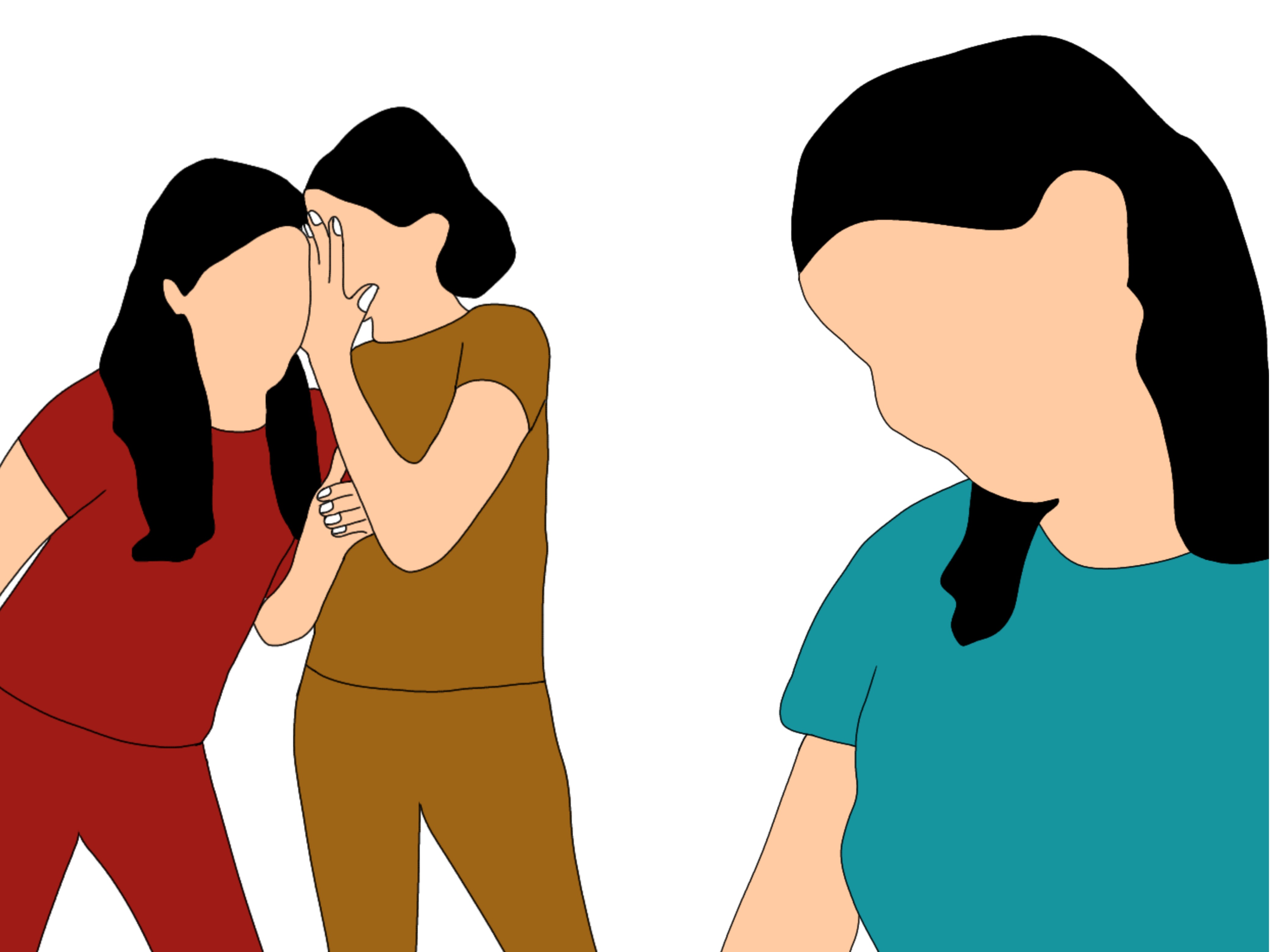
Long before the age of group chat notifications and whispered hallway updates on who’s dating who, human ancestors gathered not just to share stories of hunts and danger, but of each other as well. We have always shared information on who was forming bonds, who could be trusted, and who was drifting away through subtle social exchanges.
Gossip has a bad reputation. It’s often dismissed as trivial or cruel, and while it remains a complicated subject in terms of morality, there is no doubt that the desire to map the social world around us is rooted in one of our oldest survival instincts: the need to understand and belong to a group.
Connection remains a crucial part of the human experience, but why can the need for it manifest in negative ways? Gossip, at its core, exists because humans are defensive and deeply socially attuned creatures. We care about being accepted, understood, and safe. In many ways, gossip increases social cohesion and connection in the same way grooming does in primates; it provides mutual soothing and strengthens relationships. Sharing information about others can also teach group norms, communicating the unspoken rules of acceptable behavior within a society while helping people identify others with similar beliefs and attitudes.
Though the survival value of gossip has diminished greatly, it still remains prevalent. Humans are naturally more likely to believe negative information about someone’s reputation than positive information. In early hunting societies, failing to heed a warning about someone dangerous could have far worse consequences than believing a false compliment. That instinct still lingers today, even when the stakes are much lower.
However, not all gossip is equal. Sometimes it comes from admiration or curiosity, which is far less harmful than spreading rumours to deflect attention from one’s own insecurities. That kind of gossip often becomes a form of bullying. There is both good and bad gossip, and the difference is usually felt afterward. Good gossip leaves a pleasant aftertaste. You feel closer to the person you were speaking with, more connected to the people you spoke about, and more aware of the social world around you. It feels like catching up with old friends or checking in on people you care about. Bad gossip leaves the opposite feeling: drained, uneasy, guilty, almost bitter- like a grapefruit. That unpleasant aftertaste often indicates that your words have crossed a line and done some damage to your own sense of morality.
The healthiest way to approach gossip is to talk with a purpose. Ranting because you are genuinely upset can help you process emotions and strengthen trust with another person. Ranting out of boredom, or simply to poke fun at someone, rarely does. Taking a second to think about your intentions can help you recognize whether your words are meaningful or simply snarky comments made without reason.
It also matters who you confide in. Choosing someone who can offer a balanced perspective and keep your conversations private creates a healthier environment for emotional expression. Complaining should not become a habit simply because it is easy; it should come from a genuine need to express emotion. Ironically, honest vulnerability is what actually brings people closer together.
There are also ways to make gossip less harmful. Focus on behaviors you know happened rather than attacking someone’s entire character or making assumptions about their motives. Avoid gossiping online or sharing screenshots, where conversations can quickly spread beyond their original context. And when someone tells you something negative about another person, resist the urge to rush to judgement. Check the source, question the validity, and remember that widespread belief does not automatically make something true.
Ultimately, gossip reveals something deeply human: our constant attempt to understand one another and secure our place within a social world. The instinct itself is not inherently bad. What matters is whether our words are used to connect, comfort, and understand, or to isolate, embarrass, and tear others apart. Sometimes the healthiest response is simply refusing invitations to pick others apart altogether. After all, the conversations we choose to participate in shape not only how we see others, but also the kind of people we become.