Home Blog Page 76

Kindness; The Human Condition

0

There’s a solid conception within society,

On karma,


The idea that what you do,

Makes it way back to you


Even if you don’t want it to


This idea tends to inspire more kindness overall,

We don’t want bad things coming back to us


But what if this didn’t exist?

What if the actions we took had no repercussions on ourselves?


Would we still choose kindness


After living my entire life in a community of vibrantly different people,

I have no doubt that kindness would still exist


Kindness exists even when no one is looking, 

When you anonymously pay for someone’s coffee,

Or help a struggling animal


We are all good people inside


Perpetuating that however, 

Has seemingly become more and more difficult


Why is it harder to choose the right path?

It’s because the other ones are so tempting to follow,

Abandon kindness for self gain,


That’s not how it works


In this society, 

We foster love and connection


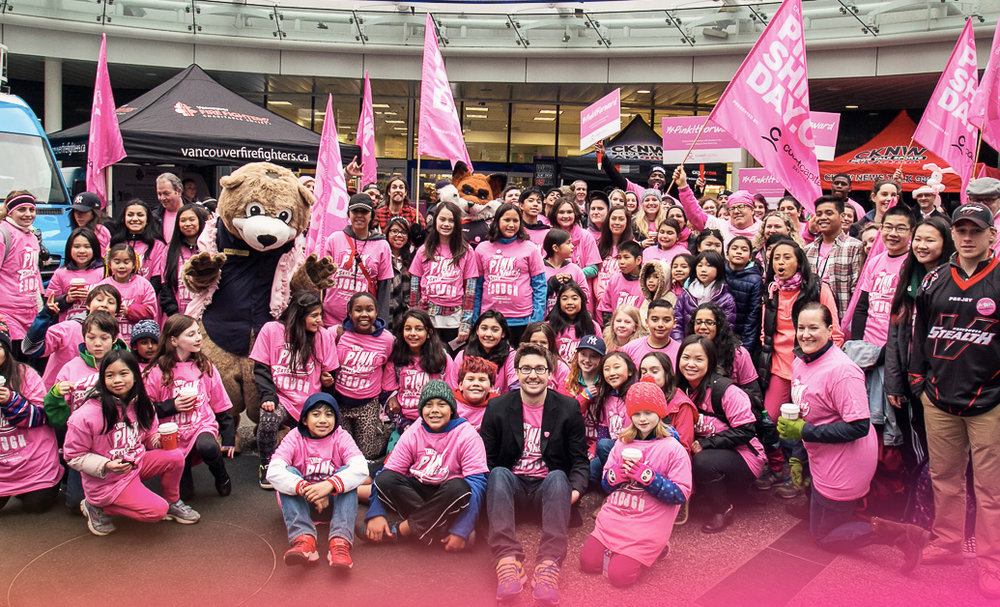
And in the days leading up to pink shirt day,

I urge you to choose kindness.


More Reading About Pink Shirt Day


How To Get Involved!


Featured Image

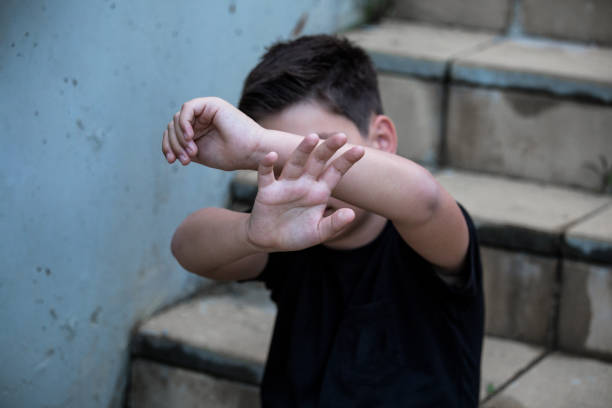
Violence-Still a Big Problem

Every year, about 1.6 million people die as a result of violence throughout the world. Violence is one of the top causes of mortality among persons aged 15–44 years old across the world, accounting for 14% of male fatalities and 7% of female deaths.

Examples of Violence

  1. Physical violence- When someone utilizes a portion of their body or an item to control another person’s activities, it is called physical violence.
  2. Sexual violence- When a person is forced to engage in sexual behavior against their will, this is known as sexual violence.
  3. Emotional Violence- When someone says or does anything to make someone feel foolish or worthless, this is referred to as emotional violence.
  4. Psychological violence- When someone uses threats and instills fear in others to obtain control, this is known as psychological violence.
  5. Spiritual (or religious) violence- When someone manipulates, dominates, or controls another person based on their spiritual beliefs.
  6. Cultural violence- When an individual is damaged as a result of actions that are part of her or his culture, religion, or tradition, it is referred to as cultural violence.
  7. Verbal abuse- When someone utilizes words, whether spoken or written, to injure another person, this is known as verbal abuse.
  8. Financial abuse- When someone takes control of or misuses a person’s financial resources without their consent.

What is the main cause of violence?

Frustration, exposure to violent media, violence in the home or community, and a tendency to view other people’s acts as hostile even when they aren’t, are all factors that contribute to violence.

How can youth stop violence?

Someone should be informed. Tell someone if you are a victim or witness of violence. It might be a friend, parent, teacher, coach, brother/sisters, or a neighbor you trust.

Take all forms of abuse and violence seriously. Keep in mind that many acts of violence and abuse are illegal.

Take a stand. If you see or hear any sort of violence or abuse, speak out, intervene, or yell that the perpetrator is the uncool one and that the violence must halt.

Be your own person. Consider your options. Don’t go along with the crowd or cave to peer pressure. Don’t engage in any sort of violence or abuse because some of your friends do.

Take control of the situation. To acquire authority, offenders use violence or abuse. By refusing to participate, you are transferring power from the criminal to the victim.

Remember that putting people down will not help you rise. There is never a valid cause to be aggressive or abusive to others.

Wrong 24/7. Violence and abuse of any kind, at any moment, is unacceptable. Period.

Be a friend to others. Encourage the individual who is being mistreated to engage in school activities to help them. The sense of being alone will vanish as a result of this.

Please spread the news. Make the individual who has been injured feel better and let them know that what happened was not fair or merited.

Stay cool. Try not to become enraged in the face of violence. Anger might exacerbate the situation.

What is the most prevalent kind of violence among youth?

Intimate partner violence (IPV) is a severe public health issue that affects a large number of adolescents and young adults between the ages of 10 and 24. In fact, it is perhaps the most common kind of youth violence, affecting children of all genders, races, socioeconomic classes, and sexual orientations.

The Fault of the West’s Response to Putin

On January 23rd the US state department ordered the evacuation of US embassy members and their families in Ukraine, an action that came to the shock of both Ukrainian officials and US embassy officials. Us intelligence had been aware of the possibility of invasion for months, but this was the first realization of Putin’s impending invasion for the average person. Ukraine has been in a state of war for the last 15 years, but only now has Putin fully invaded. Mass migrations are in place. Thousands of refugees are pouring into neighboring nations this very minute. The average person is not a political scientist, but even the most uninvolved of us can see the importance of this War. The situation is dire, and the response from Washington has been unsatisfactory at best, and sinister at most.

As early as late November 2021, Washington was aware of the possibility of a Russian invasion. Putin has been ready for the possibility of escalation for years since the annexation of Crimea. He has been doing routine ‘checks’ around the Ukraine border for years in case of needing to deploy such a tactic. So what about this specific instance propelled Washington to act? Many of you are familiar with the NATO situation as a catalyst, and also of Putin’s half-baked reasoning for this invasion, but what measures did Washington take to prevent what they had already recognized as a threat?

To them, the answer to Putin’s escalation was imposing sanctions. There have been sanctions on Russia for 15 years, ever since the annexation of Crimea and the start of the Ukraine-Russian war. These sanctions have not deterred Russian military actions in the last 15 years of the War, what reason did Washington think that they would work now? In truth, sanctions do not work as a deterrent to Putin.

The autocrat of Russia does not care if his population becomes poorer. His inner circle will not rebel either, as they are dependent on Putin for the maintenance of their position and wealth. Even more damning, historical precedent has proven time and time again that poverty only increases authoritarian control. Sure, it comes as a risk, but the Russian people are not going to rebel. If they ever did, as their situation somewhat mirrors that of the French, the process would take decades, valuable time that the Ukrainian people do not have.

The ‘severe reparations’ the West talks about are simply not working. Sanctions have never prevented or ended a War, rather they lead to desperation, one that fuels the fire. In addition to this, the bulk of the sanctions were only applied after Putin invaded. If sanctions were really intended to work as a deterrent, why were they only enforced after the initial invasion? This seems more like an attempt to save face.

And for the diplomatic efforts, how the United States in particular patronized and engaged with Putin did not reflect that they were talking to a violent oppressor, but rather as someone reasonable. Appeasement was not attempted either, as most of Putin’s demands completely ruled out.


This reflects on the greater need for the West and the United States in particular, to appear strong, no matter what that might cost them on a global scale. The image of the US is just as powerful as its military might, and that is something that the US pours millions of dollars into maintaining. Rather than work with Putin to prevent this invasion, the US has spurred them on, likely inciting Putin’s anger. But now to maintain its image as benevolent and powerful, the West has decided on a different tactic.

The response elicited from Western countries such as the US and Canada has been one of unlimited and unprecedented support. Such a response is of course absolutely amazing in times of war, but the governments of North America have been spending an extraordinary amount of time and money on promoting the Ukrainian cause and appearing as key benefactors. True, their shipment of weapons to the war front has significantly aided in the trajectory of the war, but compared to similar situations in Yemen, Syria, Iraq, etc, this response is enough to give any advocates against the War on Terror pause. The message North America has sent to its populace is that war is not inherently bad, but it must be a war carried out by imperialist America.

The coverage by many news sites has also reflected on this hypocrisy. Many reporters are in shock at the invasion, many of them expressing this disbelief through racism. “These people are not Syrians, they are Blue-Eyed, Blondhaired Christians” is a sentiment expressed by many. When the US is the perpetrator of violence and imperialism in foreign countries, the people of America are silent. In this case, they are not. While that is undoubtedly good the support Ukrainians are receiving, for many POC diaspora coming from similar situations, the hypocrisy is heartbreaking.

Even more frightening, republican news reporters in the US have started to show open support for Putin, many showing admiration for his ‘strong leadership’, unrecognizing of the fact that Putin is a war criminal with no care for the lives of his subjects. The main reason for this sentiment being a general dislike of Joe Biden. Though this article is highly critical of Biden’s response and administration, it should be duly noted that Putin is a much worse leader and this article was not written to delegitimize Ukraine’s cause, but rather to support it. Donating and spreading awareness is an important part of any war effort, and as a youth, it is often the only thing we can do.


As always, the media we consume is biased, so be sure to think critically about how this situation is being portrayed. If you think that the West did all it could to promote diplomacy, look into the historical precedent for sanctions. If you think that support for Ukraine is not biased by structural racism, look into the way Ukrainian POC and immigrants in Ukraine are being treated at the border. The situation is disheartening for many, but there is some solace in how the War is progressing, as Putin is losing much more than he anticipated. To the West and Putin alike, it must be known that there is no purgatory for war criminals, they go straight to hell.

Where you can help: Save the Children nonprofit, Voices of Children nonprofit, Donbos regional nonprofit, Frontline healthcare nonprofit, Crimea regional nonprofit

Source(s): 1, 2, 3, 4, 5, 6, 7, 8, 9, 10, 11, 12, 13, 14, 15, 16

Featured Image source: 1

Medicine: Still a Breeding Ground for Racism?

COVID-19 has been a persisting burden in our lives for the past 2-ish years. Throughout these infamously “uncertain” times, we have learned to value healthcare workers to an entirely new level. Though medicine has been a savior to the human kind for as long as we can remember, it has done more harm than we would like to admit. One issue I would like to highlight is the racist and discriminatory issues in modern medicine, especially towards the black community. Although, these issues may be more popular in America, it is still incredible important for us to stay educated so we can work to improve the livelihood of black Canadians and other minorities in Canada.

Mistrust

For the majority of us, going to the hospital for some sutures or a cast requires no second thought. But, even in a country with free healthcare at our fingertips, this feeling of safety and trust is a privilege many that several black communities do not see. It is an unfortunate, but common, misconception that black patients feel less pain than white patients do. According to PHD Janice A Sabin from the Associate of American Medical Colleges, “Half of white medical trainees believe such myths as black people have thicker skin or less sensitive nerve endings than white people.” These racist based beliefs could not be farther from the medical truth and just to jeopardized safety and mistreatment of patients within the black community.

Various studies have proven that skin color or race is not a significant reflection of pain tolerance to justifiably give unfair or lower standards of treatment to certain racial groups. If anything, differences because of cultural practices are where pain tolerance may vary, not race.

Inaccurate Data

Data collected from clinical trials is often life changing and benefits the whole of society. Unfortunately,  some trials targeting issues that affect specific racial minority groups are not very accurate. Only a tiny portion of the early trial participants are minorities who are likely to the most affected. As a result, the data is usually a reflection of how white participants respond instead of minorities. The problem is that a significant number of minorities are reluctant to participate in early trials because of mistrust.

What can we do?

We must do everything we can to foster an environment where black Canadians to feel safe and seen. As youth, our reach is pretty limited when trying to address problems as vast as racism in medicine, but social media is at our fingertips and we must continue taking advantage of it. Little things like a post or simple message can contribute to the bigger picture. This was especially true during the Black Lives Matter protests over the summer, so just because people have “moved on” from the issue, it does not mean you should too!

At the lunch table or the next time you hang out with friends, bring up this issue as listen to everyone’s thoughts and opinions. The best way to bring awareness to an issue is by starting conversation!

Resources and Featured Image:

1/2/3/4

Mental Health Check-In

0

Can you believe it’s already almost March? From starting the second semester to major changes in our social environment, it seems like the last two months have just flown by. It is not surprising that many people are dealing with an abundance of emotions such as stress, anxiety, and burnout. However, it is important to remember that it’s ok not to be ok.

 I have also experienced stress and severe burnout lately. I feel like I have an endless amount of schoolwork to do, and trying to balance that with my other hobbies and self-care can be exhausting. There have been countless days where I find myself having to work on my biology homework, study for a chemistry test, attend math tutoring, and write an essay all in one night. Sleep has not been my friend recently. 

Oftentimes, I find myself neglecting self care in order to get all my academic work done. This is inevitable among us teenagers, which is all the more reason to talk about our mental health. We might think that we have everything in control, but sometimes stress can creep up on you. It is extremely important to take care of yourself, both physically and mentally. Some things that have helped me relieve my stress are exercising, taking a bath, and going for a drive. All these activities take my mind off my current situation, and help me feel refreshed. 

As many of you know, studying for four hours straight actually does not help you cram more stuff into your brain. In fact, it actually can overwhelm and distract you. It is recommended to take a 15 minute break for every 45 minutes of studying done. I know it’s sometimes hard to do this– there are lots of instances when I feel like I have no time to rest because of the amount of things I have to do. But in the long run, neglecting yourself can be very harmful. 

Please, if you’re reading this, take a break. Go on a walk, take a nap, do something you love. And I hope you know that you’re not alone. We all have days when we feel like we are drowning in pressure. But you have to think in the long run, and that involves taking care of yourself. Eat nutritious food, talk to your friends, and make sure to get at least a little bit of sleep. And if you feel like you need to talk to someone, don’t hesitate to reach out for help. Calgary has a variety of different services that can provide help to you. 

Sources [1]

Is A 4 Day School Week Really Helpful To Students?

A four-day school week is ineffective, inauspicious and probably one of the worst ideas ever created. A four day school week does not help students and it’s an idea designed to fail. It creates a very long day for students of all ages, parents will be struggling to find daycare for their younger ones, and students will not be able to fully participate in extracurricular activities.

Too many school hours

A three day weekend may sound like a dream for most students, but spending 8 – 10 hours at school everyday, it’s just a nightmare. School days will start at 8am and won’t end until 5pm. Students will learn less because their concentration will fade away by the end of their extended days, especially younger students. Keeping children seated for more than two hours is already hard enough, so why struggle to keep them seated for 10 hours when the results are just nothing? Many students will be forgetting the things they’ve learned due to a three day weekend, so that basically makes the stressful 10 hours spent at school all worthless. Schools still have to give students the same amount of work as before, but now they only have less time to do so. Compressing one hundred eighty five days of work into one hundred forty days will only add pressure to the students. The school days are so long that finding any time to study is extremely difficult. The shorter the study time, the higher the proportion of students who fail. The school’s role is to bring each student to their maximum academic potential, not to make their grades drop. With the amount of pressure students have to handle, many will be dealing with serious consequences connected to mental and physical health issues. Spending 10 hours at school and going home just to spend another two to four hours to finish your homework? Even adults can’t take that amount of pressure. With the pressured hours students have to spend at school, these long days may negatively affect student’s learning attitudes and their achievements. Student attitudes on learning determine their ability and willingness to learn. If students cannot maintain a good learning attitude, they are unlikely to continue their education beyond what is required and that may influence their future career opportunities. Despite the amount of hours students spend at school, the struggle also goes to the parents.  

Child care fees can be a burden on some families.

Since most parents work five days a week, they must now spend money on childcare for their younger children. But finding childcare is not easy. Childcare for just one day may be very difficult and extremely costly. Parents who have more than one child can easily solve that problem, but think about the lower – income families. Paying for childcare may not be a relevant option for them. The average cost for one day of childcare is anywhere from $30 to $40, but that can add up quickly throughout the school year. This new schedule may force some families into serious problems like having to move to a new place just for a suitable school or simply have their kids drop out. Either situation is bad and all families want to avoid those problems. Longer weekends can also increase the risk of teens being involved in drugs, smoking, drinking and other illegal actions, especially when their parents aren’t around to watch them and help them make better decisions. In Colorado, United States, the percentage of juvenile crime increased by 73% whenever a school changed their school schedules from five to four days. These crimes occurred mostly on weekends when students were out of school and away from their parents.  “When students have additional unsupervised time, it may facilitate opportunities to engage in risky sexual behaviors. Although not all teens will capitalize on these opportunities for risk-taking, the weekly absence of parents or guardians during the Monday workday may afford students with extended time to fraternize with members of the opposite sex without supervision.”  

– (Dian Cai, 2012, April 30). Teenagers may not realize how risky their behavior is and the long-term impact it could have on their health. Many suspects that three-day weekends could contribute to the rebound of the teen pregnancy rate because of the insufficient adult supervision on Fridays. “Around 20 teens aged 15 to 18 visit health clinics, the majority of them are seeking services including birth control and STD testing and treatment.”  – (Dian Cai, 2012, April 30). Lack of adult supervision is the main reason for risky behaviors among teenagers and a four day school week is the main reason for the lack of adult supervision. In addition to the amount of parents struggling to find daycares and teens making bad choices, the number of extracurricular activities will also be decreased due to time constraints. 

Fewer chances for extracurricular activities.

Longer school days mean less time for after school extracurricular activities. The four-day school schedule will not leave time for additional activities throughout the week. This idea would force children to either start their extracurricular activities late in the day at the end of school, or participate early in the morning before school.  Extracurricular activities usually happen after school, which means some students wouldn’t make it back home until 8pm that night. Sleeping late and waking up early will negatively affect students’ health and may eventually lead to sleeping disorders. Sleeping disorders can poorly influence students’ performance at school, cause strain in relationships, and impair their ability to perform daily activities. Extracurricular activities offer students the opportunity to learn something that could stay with them for a lifetime and gives students a good opportunity to blend in with their peers in something they all enjoy and love. It provides a great opportunity to develop their social skills, meet new friends and become more confident communicating in groups. “According to a study by Steven Wesley Craft from the University of Southern Mississippi, students who immerse themselves in carefully selected school activities are more likely to outperform their peers academically, even beyond high school.” – (Steven Wesley Craft, April, 8th, 2020). Extracurricular activities help students to expand their networks, which can be beneficial when finding career opportunities after graduation.  “Extracurricular activities can add more personality to a resume and improve the quality of the student’s overall job application.” – (WES Advisor, October 14, 2019). Lack of participation will interfere with some students getting into college or applying for future career jobs. Extracurricular activities are also important for personal satisfaction, and a motivation for students to go to school. 

It should now be clear that the four day school week idea should be rejected because of the extended time students have to spend at school, the amount of struggle parents have to overcome, and the lack of extracurricular activities. Research has shown that compressing the school week to four days has little to no impact on students’ academic performance and only affects negatively on their learning. The education system needs to think more consciously about their ideas next time, and be sure to not create another outrageous idea like the four day school week. 

Sources: 1/2/3 

Featured Image

How To Successfully Learn A New Language

On average, 30 million people each year attempt to learn a new language. From experience and observation, learning a new language intrigues people. While doing so, people often expect rapid results. In reality, learning a new language requires time, dedication and patience.

  • Set Realistic Goals

According to research, some of the easiest languages to learn (for English-speakers) are Spanish, Norwegian, German, French and Portuguese. These are also among the most common languages learnt. However, most people tend to give up as they fail to meet their unrealistic goals. It can take anywhere between three months to two years to learn to speak, write and read in a new language.

  • Download Language-Learning Apps

A few reputable apps that I’d recommend are Duolingo, Babbel and Rosetta Stone. These helped me a lot while I learned new languages (German and Spanish.) Over time, I completely forgot how to speak either of them (lol).

  • Make New Friends

Surround yourself with people who are learning or speaking the language. This is a great way to test your abilities in the real world without it being awkward.

  • Watch a Movie

If you’re confident in your abilities, try to watch a movie in a different language (without subtitles). Or if you’re not that advanced yet, watch with subtitles. It’d still be fun. Keep track of new words and google what they mean later.

✧・゚: *✧・゚:*   *:・゚✧*:・゚✧  ✧・゚: *✧・゚ :*  *:・゚✧  *:・゚✧✧ ・゚: *✧・゚ :*    *:・゚✧*: ・゚✧✧・゚: *✧・゚:*   *:・゚✧*:*: ・゚✧✧・゚:

Featured Image

Want to support us? Check out our other blogs:

Dealing with Society

Fame Runs In The Family

A History of Black Women in STEM

With Black History month coming to an end, now is a great time to reflect on how black women have contributed historically to the field of STEM.

STEM refers to science, technology, engineering, and mathematics. It is used to refer to these terms and fields as a whole. While Black women have contributed significantly to these fields, these pioneers often find themselves underappreciated in comparison to their white, male counterparts. It is near impossible to properly credit every one of these women, as their stories and contributions are often erased by history. Because of this, the preservation of these women’s stories is crucial. Here are five black women who contributed historically to the field of STEM.

Dr. Dorothy Lavinia Brown (1919-2004)

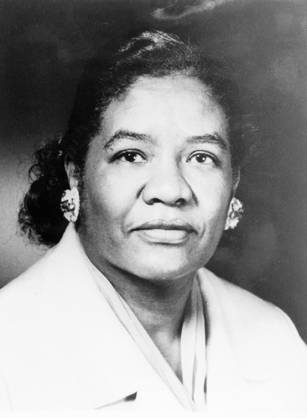
Dr. Dorothy Lavinia Brown

Doctor Dorothy Lavinia Brown was the first African-American female surgeon in America’s deeply segregated South. She practiced in the Southeastern United States against almost universal resistance. Dr. Brown served as the chief of surgery at Nashville’s Riverside Hospital, professor of surgery at Meharry Medical College, and educational director for the Riverside-Meharry Clinical Rotation Program from 1957 to 1983. Brown’s perseverance, bravery, and determination allowed for her to break through barriers that few had broken through before. 


Mary Jackson (1921-2005), Katherine Johnson (1918-2020), and Dorothy Vaughan (1910-2008)

Photo of Mary JacksonPhoto of Katherine JohnsonPhoto of Dorothy Vaughan

Mary Jackson, Katherine Johnson, and Dorothy Vaughan worked as “human computers” for NASA, and were tasked with making complex equations to ensure that they were done correctly by NASA’s computers. They were forced to work separately from their white coworkers due to NASA’s segregational policies at the time. The work they did was instrumental in Project Mercury, which was responsible for sending the first American man into space. The contributions of these women were honored by the movie “Hidden Figures” (2016).


Dr. Gladys West (1930-Present)

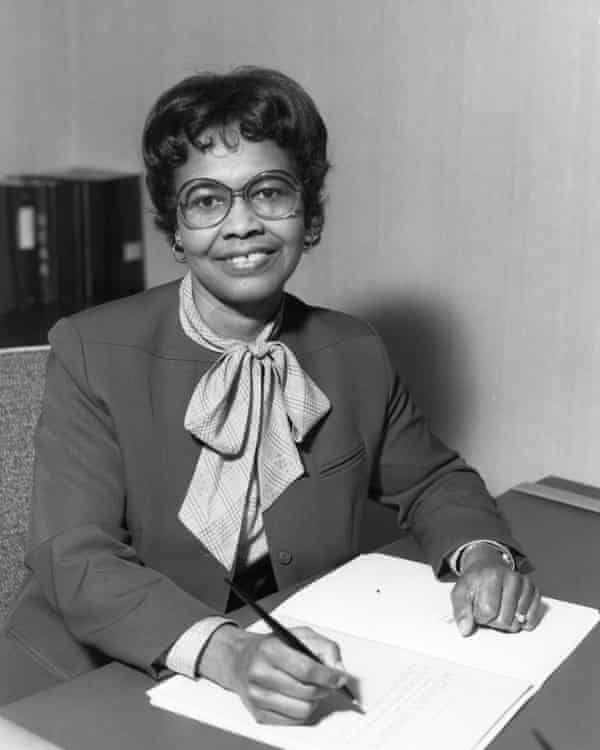
West at work in the Dahlgren naval base in 1981.

Gladys West, Ph. D. was one of the first Black employees and the first African-American women to be hired as a programmer in a naval base at Dahlgreen, Virginia. Dr. West is most well known for her work that influenced the creation of the GPS. West programmed an IBM 7030 Stretch computer and provided calculations for an accurate Earth model. This mathematic model of Earth was used as the groundwork for what we now know as the GPS. West gained a PhD in public administration and policy affairs at the age of 70. She was inducted into the US Air Force Hall of Fame at the age of 88.


The contributions of these women have broken barriers and paved the way for Black women of the present. While more and more women of color are entering STEM fields every year, women of color are still underrepresented in these industries. As of 2021, Black Americans only made up 9% of STEM jobs. While women now make up majority of all undergraduate and advanced degrees, they only make up a small fraction of STEM workers and majors. 


Black History month is crucial because it allows for the sharing of stories that have previously gone unrecognized. For more information, visit:

Mary W. Jackson Biography | NASA 

Katherine Johnson Biography | NASA 

Dorothy Vaughan Biography | NASA 

Gladys West: the hidden figure who helped invent GPS | Society | The Guardian

Gladys West: Black Mathematician Who Helped Invent GPS –  

The Under-Representation of Black and Racialized Women in Canadian Academia | hEr VOLUTION 


Sources: 1, 2, 3, 4, 5, 6, 7, 8, 9, 10, 11, Feature Image 

Continuing Black History Month

0

As BHM draws to a close, I want to explore some ways we can continue to advocate for Black History and racial equality after February. In the words of Tom Joyner, a retired radio host, “Black History [is] 365 days a year”— meaning Black history isn’t a superficial topic meant for one out of twelve months, with a student assembly or a potluck dinner with traditional Black foods. Rather, Black history is Canadian and World history. We should strive to learn throughout the year and throughout all disciplines about the accomplishments, experiences, and perspectives of Black people.

With this in mind, I have compiled some methods to continue to celebrate Black diversity and excellence throughout the rest of the year.

1. School

Black History can be further infused in almost all school subjects. Begin talking to your English teacher to give novels, poetry, and other texts written by Black authors. Your mathematics or science teacher to discuss prominent Black mathematicians and scientists in areas such as medicine, agriculture, geometry, and numerical systems. Your social studies teacher to incorporate primary and secondary source documents by or about Black people into student reading lists, and explore major world events through not only the eyes of White people, but also of Black people.

2. Music

There are tons of already existing blogs and articles on the prominence of music for the Black community. By continuing to listen and support their music, we are encouraging the growth of not only racial awareness but also the music industry as a whole.

3. Podcasts

Prefer to listen to something else during car rides? Podcasts may be the perfect fit for you! I have recently gotten into listening to Podcasts during all my drives, whether to school or practice. There are numerous Black-focused podcasts on services such as Spotify that we can listen to in order to keep up with Black History and new discoveries or innovations made by Black people. Some great Podcasts to consider include Historically Black, Noire Histoir, and Let Your Voice Be Heard.

That’s it! Though small, these actions will subtly increase our racial literacy and prepare us better to be global, inclusive citizens. So, I encourage you all to continue to support Black-owned businesses, learn about noteworthy Black figures and their contributions, donate to charities that support Anti-Racism equity and equality, and purchase, read, and share media produced by Black content creators after BHM.

Featured Image

Advanced Placement (AP)

0

Last month, my article was about the International Baccalaureate program in high school. This month, I also want to showcase another very popular program AP (known as Advanced Placement).

Advanced Placement

The AP program offers college-level courses and exams that you can take in high school, while still earning credit for college. It was developed by College Board, in the United States, with the purpose of helping high school students challenge themselves by taking courses in the areas of their interest. Typically, if a high school student earns 4 or 5 in AP examinations, are allowed to skip the corresponding course in their first year of college or university (however, this varies from the individual college/university).

The AP Program has two main goals:

  • Providing access to more challenging coursework to students in high school.
  • Helping high school students go-ahead to secure college credits and skip the introductory lectures once they graduate high school.

Unlike the IB program, you are not required to take any courses in any set format or manner. AP consists of a three-year program of coursework in a specific subject and corresponding exams in their graduating year. That being said, a student may also be able to take AP exams without being enrolled in AP courses and still get credits for the exams, by choosing to prep or self-study for the exams themselves with their own resources.

Students are able to take one or dozen AP courses depending on their interests, and are not obliged to take any courses or other requirements. AP has a wide range of courses to select from, 38 to be precise. Here are some of the AP courses:

As mentioned before, you can check out the full range of courses here.

AP exams are scored on a scale of one to five, as follows:

  1. No recommendation
  2. Possibly qualified
  3. Qualified
  4. Well qualified
  5. Extremely well qualified

As seen above, 5 means well qualified, and 1 means failure. The AP exams are mostly composed of multiple-choice, whereas, some exams also consist of written essay portions.

Why take AP?

Like the IB program, students take the AP program for many reasons:

  1. University Acceptance – Although it is not required that a person should take AP in order to get into university, taking the AP program may result in easier acceptance, as colleges are aware of the more challenging, rigorous course load in AP. This holds true for especially university acceptance in the United States.
  2. Wide variety of Courses & Challenging Material- Students take AP courses because of the wide range of courses they can chose from. As well as, to challenge themselves to more difficult material in high school for better preparation for university.
  3. Earning College Credits- As mentioned many times before in this article, one can earn college credits for completing and scoring well on AP exams in high school. This saves time and money in college.

TL;DR

The AP Program is an excellent academic program that gives you access to more challenging material to high school. It has some similarities and differences then IB. So, it depends on your learning mindset and future goals, to chose the right program for you in high school.

Hoped this series helped you, and best of luck for your high school years!

Sources 1/2/3

Featured Image

Fame Runs In The Family

0

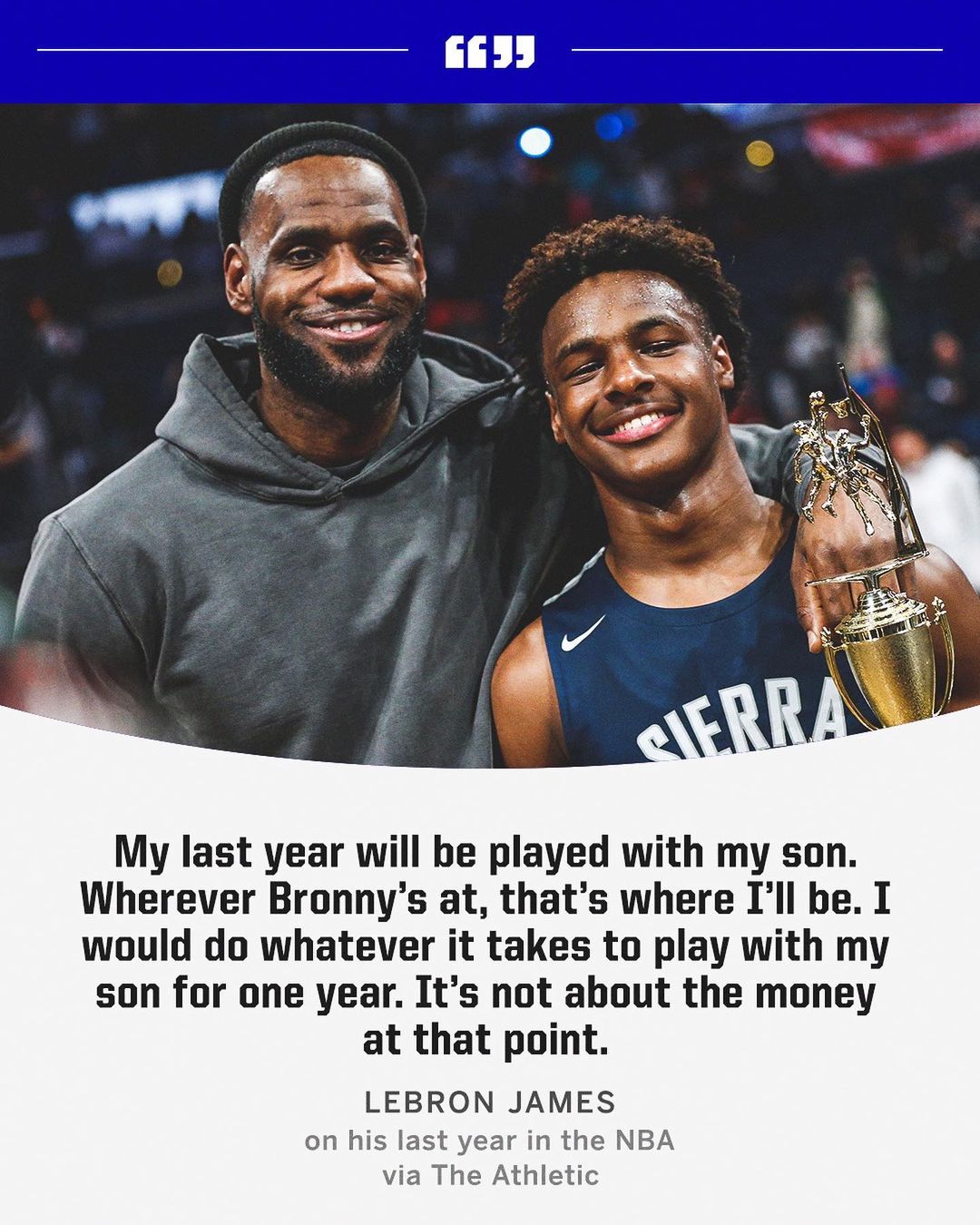
In Hollywood, there are far more famous families than one might think. And for many years, this has been a source of criticism. Fans who accuse Hollywood of nepotism find it unfair that certain celebrities – either coincidentally or not – rise to fame potentially due to having famous parents. However, in a more positive light, it can be pretty cool that many stars have raised children who are just as well-known as they are. It creates a connection between generations of entertainment and is seen in various industries. For example, Steph and Seth Curry are the sons of former NBA player and fellow sharpshooter Dell Curry. Considering that in many cases, the 2nd generation celebrities are more talented than the first, it is often unreasonable to claim that they found success solely due to their parents. However, in several other cases, it is evident that certain parental icons can definitely have an impact on their children’s success. In the recent quote featured below, we see how LeBron’s end-of-career plans could strategically impact his son’s draft stock. LeBron “Bronny” James Jr is currently projected to go 34th overall in his draft, but LeBron James Sr., who went 1st overall in 2003, has likely altered that. With this statement, it would be no surprise if more teams show interest in Bronny due to the star that would accompany him.

At the end of the day, we can’t really determine how famous certain celebrities would be without parents like “LeGM”. So, let’s just take a look at and appreciate some of the entertainment world’s parent-child duos.

Jaden and Willow Smith, children of Will Smith and Jada Pinkett Smith

Margaret Qualley, daughter of Andie MacDowell

Lily Collins, daughter of Phil Collins

Maya Hawke, daughter of Ethan Hawke and Uma Thurman

Chris Pine, son of Robert Pine and Gwynne Gilford

Blake Lively, daughter of Ernie Lively

Emma Roberts, daughter of Eric Roberts and niece to Julia Roberts

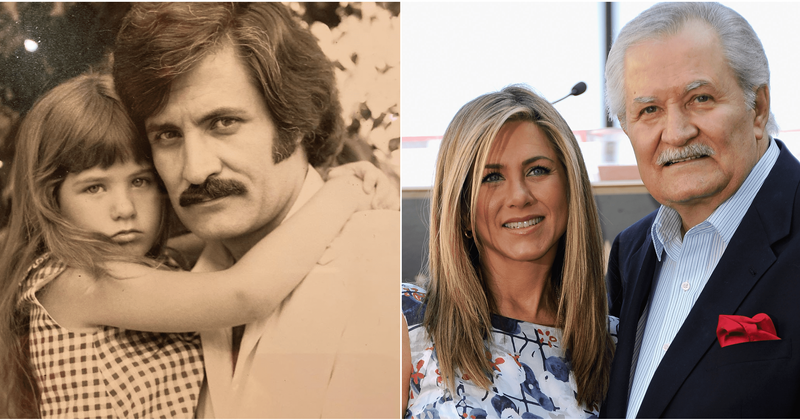
Jennifer Aniston, daughter of John Aniston

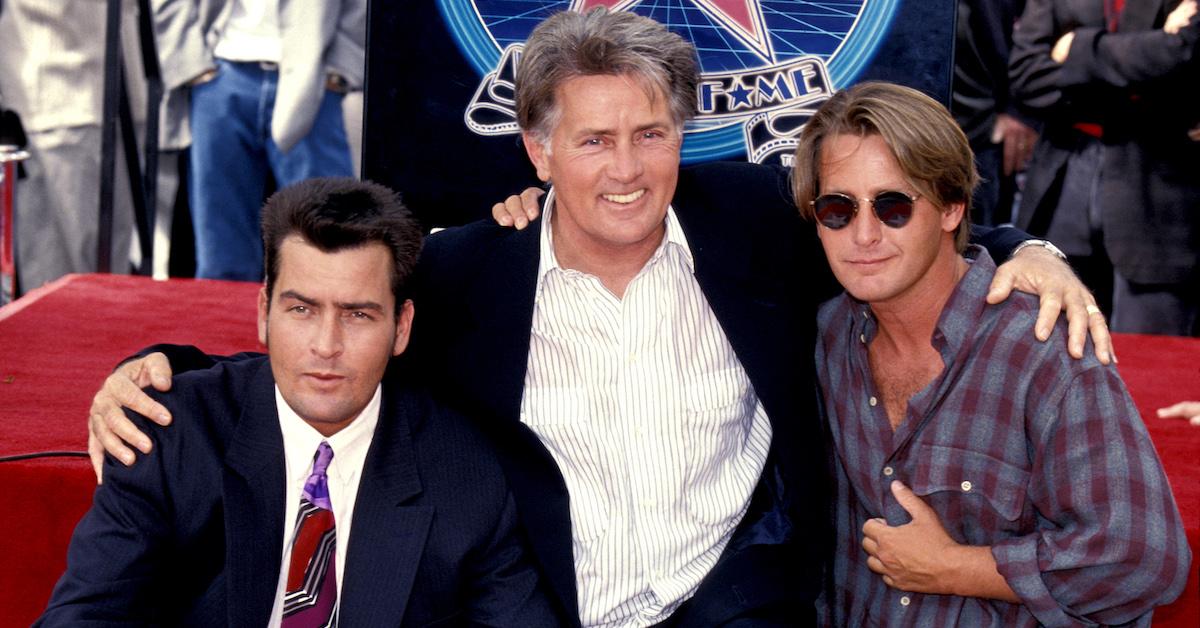
Emilio Estevez and Charlie Sheen, sons of Martin Sheen

Bryce Dallas Howard, daughter of Ron Howard

Matthew Perry, son of John Bennett Perry

Miley Cyrus, daughter of Billy Ray and Tish Cyrus

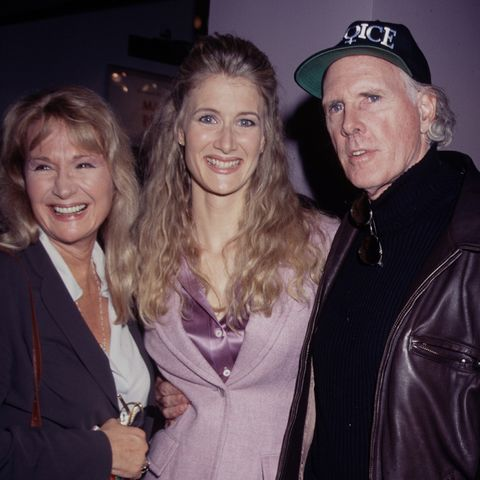
Laura Dern, daughter of Bruce Dern and Diane Ladd

I think it was only on my eighth birthday, at Disneyland, that I started to understand what was going on. I wanted to take pictures with the princesses, and everyone wanted to take pictures with her!

– Kaia Gerber on her mother Cindy Crawford

Image Sources: 1/2/3/4/5/6/7/8/9/10/11/12/13/14

Featured Image

Poems About Black History Month


  We celebrate black history month to bring attention to African Americans’ achievements to the world and honor black achievement and establish a time dedicated to honoring African Americans’ accomplishments and raising awareness of Black history in the United States. 


Now I would like to share with you a few quotes about black history that really stood out to me:


I, too, sing America.


I am the darker brother.

They send me to eat in the kitchen

When company comes,

But I laugh,

And eat well,

And grow strong.

Tomorrow,

I’ll be at the table

When company comes.

Nobody’ll dare

Say to me,

“Eat in the kitchen,”

Then.


Besides,

They’ll see how beautiful I am

And be ashamed—


I, too, am America.


By Langston Hughes


Alas! and am I born for this,

To wear this slavish chain?

Deprived of all created bliss,

Through hardship, toil and pain!


How long have I in bondage lain,

And languished to be free!

Alas! and must I still complain—

Deprived of liberty.


Oh, Heaven! and is there no relief

This side the silent grave—

To soothe the pain—to quell the grief

And anguish of a slave?


Come Liberty, thou cheerful sound,

Roll through my ravished ears!

Come, let my grief in joys be drowned,

And drive away my fears.


Say unto foul oppression, Cease:

Ye tyrants rage no more,

And let the joyful trump of peace,

Now bid the vassal soar.


Soar on the pinions of that dove

Which long has cooed for thee,

And breathed her notes from Africa’s grove,

The sound of Liberty.


By George Moses Horton 

Sources: 1,2

Dealing with Society

0

As Covid increased mental health problems. I, like many others, deal with everyday troubles, as well as long term troubles, of society. Troubles such as a conflict with a friend/classmate, or less complex troubles such as picking what to wear that day. So here are a couple of ways I learned to minimized the stress.


  1. Listening to music

Although many people have different opinions on whether music really helps, I found that it helps me. Some songs that help me deal with stress, are

File:Spotify logo vertical black.jpg - Wikimedia Commons


Like a Girl by Lizzo

Shes All I Wanna Be by Tate Mcrae

Soulmate by Lizzo


Not only do these songs make me less stress, but they also make me more motivated to do my everyday tasks!


The Box Breathing Technique

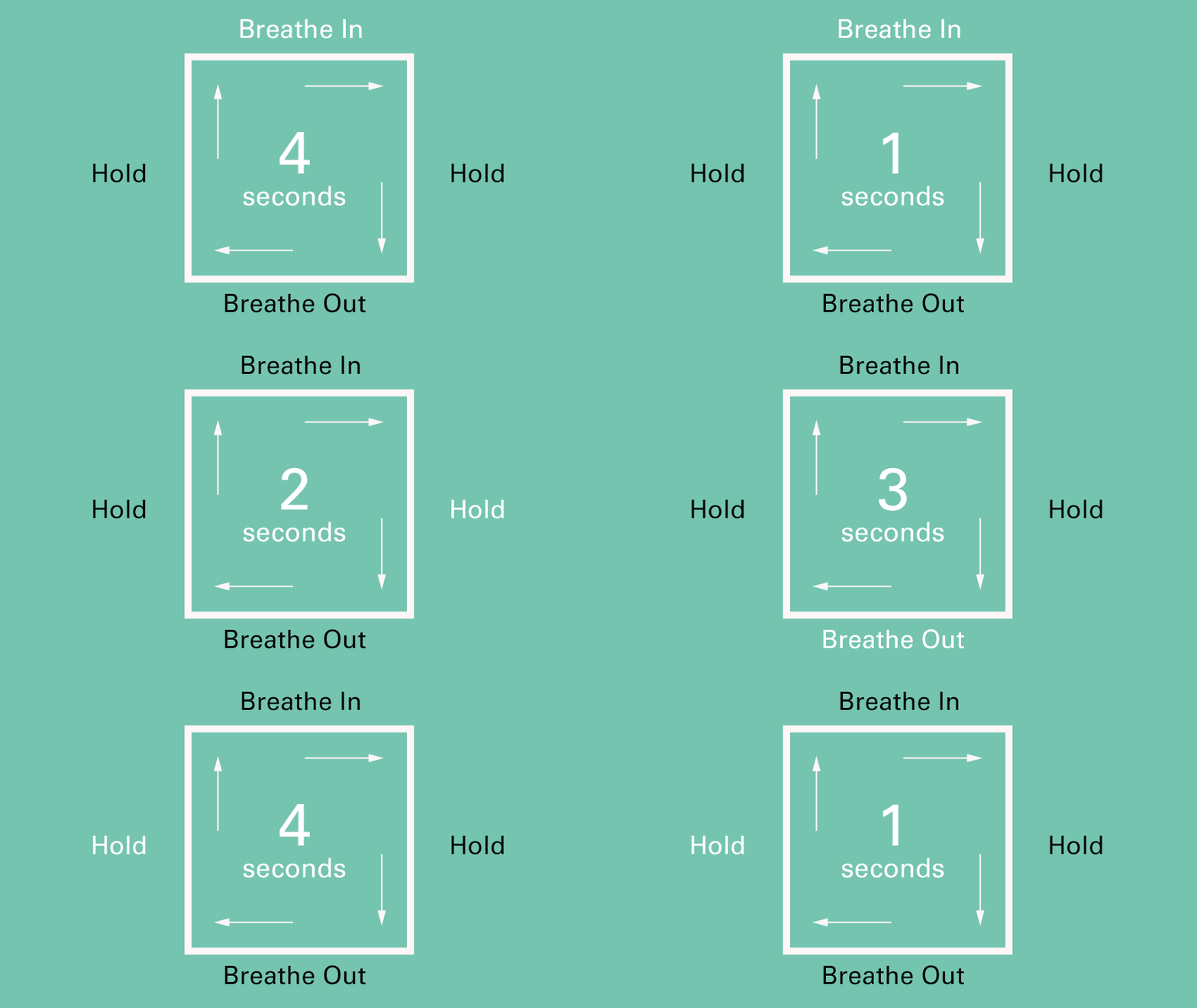
Box Breathing Technique — Maimonides Emergency Medicine Residency


This is a technique I recently learned at school, and I found that it helped me. essentially what you do, is create a box in your mind, and breath in for four seconds, (one line of the box) and exhale for four seconds, for another line of the box, and you keep repeating it, till your calm.


 Take a Power Nap

Power Nap | Cute animal quotes, Cute cartoon, Cute illustration


This may sound childish, but I found it beneficial to take a nap when I’m stressed. Not a long nap, just a quick short nap! The alarm app I use for my power naps is call Alarmy. Whether I can or cant sleep for the short time frame of the nap, I found it beneficial, as it puts my thoughts into perspectives! The nap can be anywhere from 5-30 minutes. Usually ill take a 20 minute nap, and it’ll take me around 10 minutes to fall asleep, but during those 10 minutes I usually just mediate about why I’m so stressed. Then, when I wake up energetic, and ready to face my stress.


In conclusion, those are the few things that help me deal with the stress of society. Listening to music, the box technique, and power naps are the things that help me. What helps you?


Image sources: Featured, 1, 2, 3.

Palindrome Day: The Significance of Numerology

“Some curveballs may hit hard, but learning to hit those curveballs harder will help you to come back stronger.”

A manifestation is an act of belief that is practiced by everyone in society, whether you are conscious of the action or not. I believe that faith is key to proper manifestation. Alignment with dates and occurrences of events is what you put into the universe, and how you ask it. 

Palindrome Day: Explained 

A few days ago, it was known as “the portal of manifestations”. A day where your manifestations are known to come true. Palindrome day is a day that occurs rarely and to be able to live through it is a blessing in disguise. The day 2/22/22 falls under a Twos-Day, which is incredibly rare. I feel it is not coincidental yet aligned to the path of our higher self. Thinking about current day life, I feel as if the virus has caused many of us to lose connection with our “higher self”; whether that’s from the lower end of the spectrum or higher. For context purposes, your “higher self” can be described as the person who you are, and whom you strive to be from some standpoint. This day was meant to bring some sort of the change in your life whether you may notice it now or in the future. Although some of us may not have recognized the significance of this day, that is not to say that you can’t change your life because there are no alignments. There is always a continuous alignment to your life that makes certain events occur so that you reach the place where you would like to see yourself, or where God/universe sees you the happiest. As well as this, it’s crucial to consider that no matter how hard you are trying there will always be those curveballs being thrown at you. Some curveballs may hit hard, but you have to learn to hit those curveballs harder to come back stronger. 

Numerology: Explained

Numerology is incredibly powerful to the significance of numbers to one’s day-to-day life. There is nothing better than seeing a number over and over again, also known as angel numbers. Seeing such numbers continuously is a sign that angels are watching over you. When such occurrences happen to me, I like to search up what that number means and why I may see it so consistently. I am a believer in God, and I feel as if God is aligning those numbers for me. For example, telling someone that they are on the right path can bring one to peace. Some of the numbers that have been brought upon me have been as realistic as they could get. If you have faith in something, then everything happens in your desire. Have faith in the unexplainable, and the answers will eventually come to you. 

Importance of 2 and Master Number 22: 

Symbolism can play an immense role in our day-to-day lives, as the rusted, copper penny from 14 years ago would be wanted to be cherished for your lifetime. Like this, numerology plays an incredible role in the guidance in the lives of individuals. Certain numbers may represent an aspect of one’s life that they may be doubtful of. It’s important to understand how the day 2/22/22 has impacted many or could prospectively in the future. 

Number 2: 

Virtues that go along with this Number: 

  • Harmony(unity)
  • Togetherness 

These virtues can signify anything occurring in your life from relationships to your career. Number two shows that you may be brought together with people you haven’t talked to in a while. These people don’t have to be considered as friends, yet possible people that are part of your industry. You might be able to receive or even revive new career opportunities, as they might have seen something in you that they didn’t earlier. There can be various ways to put the significance of number two, but if you see it, you might find new doors opening in your life. 

Master Number 22: 

The 2 Masters 22 is known for:

  • “Master Builder”
  • “Master Architect”

Master Numbers is described as “inter-reversible” numbers. These numbers include 11, 22, 33, etc. Seeing such numbers are in representation of great things coming and about to occur in one’s life. It’s many transformations and changes that are coming. Specifically speaking of 22, it says that it symbolizes your dreams coming true. The catch is that if you work hard enough for it, you will get it. Although this is a basic life principle, it’s important to consider. I believe if you believe in something you think is right, why not. Always ask yourself why not, and you might find yourself in places you have never expected to happen. 

Although our lifetime’s Palindrome has passed, let’s consider ourselves lucky to be able to live through such an event. Remember numbers don’t mean everything, and yes, that’s coming from me. Even though numerology is an interesting phenomenon, it’s vital to consider that you can make a difference even if you don’t see certain numbers. Continue working hard, and make sure that dream turns into a reality. 

Sources: 1 2 3 

Quote: Diya Patel(me)

Bringing to light 3 of the greatest Black writers

As Black History Month slowly comes to a close, it serves as an almost fitting end to the month dedicated to celebrating the achievements of African Americans to write a piece on famous Black writers who influenced decades of literature for future generations. From Nobel Prize winners to double NAACP prize winners, each writer has contributed distinctly to create the African American literary canon.


Maya Angelou

(1928–2014)

Maya Angelou was an incredibly influential American author, actress, screenwriter, dancer, poet, and civil rights activist. Known for her acclaimed 1969 memoir, ‘I Know Why the Caged Bird Sings,’ as well as her other numerous poetry and essay collections, the woman became a well-known figure in her lifetime. Growing up, Angelou had an extremely difficult childhood, including the divorce of her parents at an early age as well as numerous other traumatic experiences that shaped her as a person. She spent almost five years as a mute because of these past experiences. Of course, as an African American growing up in St. Louis, Missouri, Angelou also experienced firsthand racial prejudices and discrimination in Arkansas. However, none of this stopped the woman as her acting career began to take off in the mid-1950s, earning her spots in several movies. She went on to write numerous volumes of autobiography explore the themes of economic, racial, and sexual oppression, as well as receive multiple awards for her work. The woman has become an inspiration even after her death, with her poetry and autobiographies still being highly acclaimed to this day.


Langston Hughes

(1902–1967)

Langston Hughes, although not as well-known as some of the others on this list, has still had a massive impact on both literature and the civil rights movement. He did attend Columbia University in his early life but left after only one year to travel the globe. Hughes quickly became a part of Harlem’s burgeoning cultural movement, what is commonly known as the Harlem Renaissance, and continued to develop his work in poetry and writing along with it. Later on, as Hughes’ work began to reach more people, his poem “The Weary Blues” won first prize in the Opportunity magazine literary competition, and Hughes also received a scholarship to attend Lincoln University, in Pennsylvania. The man was also among the first to use jazz rhythms and dialect to depict the life of urban Black people in his work. Langston Hughes published the second volume of poetry, Fine Clothes to the Jew, in 1927. He went on to write autobiographies, novels, and even lyrics for musicals; much of his work explored urban, working-class Black themes, and addresses racial issues. On May 22, 1967, Hughes died from complications of prostate cancer. As a magnificent tribute to his poetry, his funeral contained little in the way of spoken eulogy but was filled with jazz and blues music. Even today, Langston’s legacy of both his unique inclusion blues and jazz in his work as well as his activist work has left more of a mark than he is credited for.


Alice Walker

(1944–)

Alice Walker is a well-known household name for both poets and novelists, but the Pulitzer Prize-winning African American has done more than enough to earn her reputation. The woman was raised from a poor upbringing, as the eighth child of sharecroppers. After graduating from Sarah Lawrence College, Walker moved to Mississippi and began teaching and publishing her works. Her works are most noted for their insightful treatment of African American culture. The Color Purple, her third and most popular novel, depicts a Black woman’s struggle for racial and sexual equality; the novel was praised for the depth of its female characters, and it was adapted into a popular film and a musical. In fact, it was for that very novel that she became the first African American woman to win the Pulitzer Prize for fiction. Her later novels include The Temple of My Familiar and Possessing the Secret of Joy, followed by many essays, several short stories, and even children’s books. While some reviewers claimed complained that these novels employed New Age abstractions and poorly conceived characters, Walker continued to draw support and praise for championing racial and gender equality in her work. During her entire life, she has been involved with the civil rights movement consistently, teaching at various universities. During this time she also became a major voice in the emerging feminist movement led by mostly white middle-class women. Even in the present day, Alice Walker inspires young writers with her creative vision and drive, rooted in the economic hardship, racial terror, and folk wisdom of African American life and culture.

To wrap it all up, while I only named three writers, Black writers and poets have affected the world of literature and activism for years. These three are great examples of just how much a single person with a pen and paper can influence the world around them, and I hope this inspires you as well. Whether it’s encouraging you to explore the world of writing, or even just motivating you to become more aware of the influence of Black individuals and their contributions, every bit will help these writers’ legacies.


Featured Image

Sources: [1] [2] [3] [4] [5] [6] [7]

Pictures: [1] [2] [3]