Home Blog Page 51

love you yesterday, today, and forever

The wind in the trees, the waves in the ocean
My symbol of love, hope, and pure devotion
The one who takes care of me, through every tear, every glance
She is the piece that fits in my puzzle, one in a million, simply a chance

Her face is in my every crowd, in my every laugh, in nature’s every breeze
Her face is in my reflection, my hands,  all the way to my feet
Her face is in every expression I make, every word I speak, the whole me
I see her in the silence, the trees, and the sea

She keeps me grounded, making sure my excited mind don’t fly away
I love her eyes, her passion, and her  careful attention to every word she says
I love our moments, our shared glances, our shared laughter, our shared love
because she is my guide, truly beautiful and beloved

Thank you for being my light, my inspiration, and my reason
Thank you for being the thread to the fabric I call life
Thank you for staying up with me on the sleepless nights
Thank you for pulling me out of the thorns, while you bled

Thank you for sticking with me through my tantrums and drama
I’ve put you through all of it, yet, your love never ends
Your smile, your kind words, the way your eyes turn up when you snicker
makes me believe everything is alright, all my worriers flicker

I’ll dance and run with you till we’re lost and dizzy
I promise for you, ill never be too busy
you are my anchor, my tether
I will stay with you forever

So tommorow, I’ll hug you a little tighter, hold you a little longer, laugh a little harder
each minute passes by, and our time together gets a little shorter
I will never refuse to hold your hand, hug you, or stand a little closer
I love you mama yesterday, today, and forever

– 03/09/2024


How Can I Get Better Sleep?

Featured Image by Fran • @mallorcadogphotography from Pixabay

It is within your control! 

In our modern society, many people are finding it increasingly difficult to get a proper rest at night. This happens personally to me, as well as many other teenagers or young adults. Oftentimes, as the number and difficulty of tasks increase as we grow up to be older, our minds become increasingly busy and even restless. For this purpose, I have decided to include some tips for everyone to be able to practice better sleep. 

General Advice

The Sleep Education organization recommends keeping a consistent sleep schedule. Too often, we find ourselves working up late. However, the inconsistency this brings is more detrimental to a person’s sleep health than the fact that each day, a few fewer hours of sleep are gotten. Adults generally have to get at least seven to eight hours of sleep a night. 

If you cannot fall asleep after twenty minutes, it is advised for you to find a quiet space (so you don’t get perturbed!) and find a peaceful task to do. Make sure that you rein on your urges to go onto Social Media (or any type of electronics); the blue light from screens can mess up your sleep routine! 

As always, reducing (or avoiding) caffeine, alcohol, and smoking, as well as eating healthier food contribute to a healthier life. With it, better sleep as well. 

For Teenagers

For the adolescent who would like very technical guidelines on improving their sleep, here are some: 

  • Make sure the temperature in your room is dark and comfortable and isn’t warmer than 23.5 degrees Celsius in general. We don’t want to make winter feel like the hottest days of summer! Otherwise, it becomes very difficult to get rest. 
  • Make sure to schedule dinner well before bedtime. If you just arrived home from an after-school activity and are hungry, have a little bit of snack, but don’t feast too much. 
  • Additionally, make sure that you are fully awake before driving cars, as traffic accidents are tragic, and can happen if a good night’s sleep is not achieved. 

For Seniors

Many seniors experience a decrease in deep sleep, as when humans age, each of us produces less growth hormones. Here are some tips for seniors to improve their quality of sleep: 

  • To nap, the general guideline would be to keep it short; also, make sure to only nap in the afternoon, hours before nighttime sleep. 
  • Loosen up some stress by dancing, swimming, or cycling is a great way for seniors to gain new experiences. After all, exploring new places and congregating in social settings typically accompany these vibrant activities. For seniors, it is especially important to get enough physical exercise to sleep better and live a happier life. 

Conclusion

There are many ways a person can improve their quality of sleep. To find more tips, make sure to look some up on the Internet, and be ready to adjust to changes/be flexible! Remember, a plan for better sleep is only effective if it is long-term and well-adjusted to each individual’s lifestyle. Good luck to all of you, and hope this blog helped! 

From Heart to Stage: My Journey with Bharatnatyam”

Bharatnatyam is a form of Indian classical dance. It is rooted in the southern state of Tamil Nadu, around 2000 years old. Its traditions and steps are rooted in Hindu religious practices and worship. The dance movements are characterized, by bent legs(Aramandi), symbolic hand gestures(Mudras), and dramatic and exaggerated facial expressions. 

Meaning of the Word

Bharatnatyam was derived from joining two Sanskrit words: Natyam meaning dance, and Bharata, which has three sounds; Bha, meaning bhava or emotions, then Ra, meaning raga or melody and Ta meaning tala or rhythm. Therefore the term Bha-Ra-Ta-Natyam, means a dance portraying emotion, melody, and rhythm. 

History

Bharatnatyam originated from the text Natya Shastra, which is a detailed handbook on the dramatic art of Sanskrit theatre. It grew its roots and laid its foundation in temples, to deepen the religious meaning and symbolism within the dance. 

Ancient

  • The theoretical structure of Bharatnatyam is known as Sadir. Legends of Lord Bhrama reveal him as the creator of Bharatnatyam. This style of dance started in South Indian temples, dating back to 300 BCE. Devadasis, who are dancers dedicated to serving the Hindu Lords as servants, performed this dance style along with spoken services. 

Medieval

  • This style of dance grew to be quite popular within South India. Within Thillai Natarajar Temple, dedicated to Lord Shiva, is embellished with 108 Bharatnatyam poses, carved into panels. This style of dance was popularly shown and presented in temples in the form of sculptures, carvings, and dances. 

Modern

  • At the start of British colonial rule, they viewed not only Devadasis as disgraceful, but the art of Bharatnayam as well, equating it with the acts of peasants. They pushed for a ban on various classical Indian art forms, ending the temple Bharatnatyam dances. 
  • Before long, classical art revivalists began working to return this long-gone art form. E. Krishna Iyer, a lawyer, activist, and classical artist, played a pivotal role in the revival of Bharatanatyam dance during a tumultuous period. Despite facing incarceration on charges of nationalism, Iyer remained committed to his cause. While in prison, he collaborated with theosophist and choreographer Rukmini Devi Arundale to advocate for the renewal of Bharatanatyam. Upon their release, they founded the Madras Music Academy, where they worked tirelessly with the community to preserve and promote Bharatanatyam, along with other traditional art forms. Together, their efforts saved Bharatanatyam from obscurity and contributed significantly to its revival and continued legacy.

Personal Connection

Bharatnatyam has always been a huge part of my life. The music begins, the rhythmic beats filling the air, and as I move, I feel an inexplicable connection to something larger than myself – a connection to centuries of tradition, spirituality, and cultural identity.

Culturally, this form of dance is a way for me to express and connect with my culture and roots, I wouldn’t be able to do it without it. Every mudra, footwork, and expression tells a story to the viewer and portrays stories of love, devotion, and celebration intertwined with my cultural identity. In this dance, I find comfort, dancing in the way of my ancestors, in the very temple that this dance originated from. 

Beyond that, each dance is a chance to mirror the complexities of emotion and experience that we call humanity. Each performance is not an expression, but a chance to push myself. Bharatnatyam allows me to convey my emotions and stories to my audiences profoundly, transcending every barrier. Without words, without talking, instead of talking from one soul to another. 

Bharatnatyam is a journey of discipline and dedication. The hours of practice, the rigorous training, the relentless pursuit of perfection – all are essential aspects of the dancer’s path. Yet, amidst the sweat and exertion and long hours on the same step, there’s a sense of fulfillment and accomplishment that comes from finishing a complex sequence or interpreting a piece of music with depth.

As I look ahead, to my future performances and classes, there is a constant realization and awareness that my journey as a Bharatnatyam dancer is an ongoing adventure.  It’s not just about perfecting the steps or telling stories through movements—it’s about finding joy in every way, every gesture, and every beat of the music.


5 Techniques To Effectively Study STEM Courses

0

Throughout the world, there are a huge variety of STEM courses. After all, Science, Technology, Engineering, and Mathematics (aka STEM) is inevitably applied to the real world. From courses ranging from the sciences to the mathematics to the environment, etc… there are numerous amounts of STEM courses focusing on unique topics. However, despite their differences, all of these courses are interconnected and there are common techniques to study them effectively.

Science
Image by Gerd Altmann from Pixabay – Science

1. Have a passion for the course

First and foremost, having a passion for your STEM course drives how you study for it. Without a passion for the course, it is incredibly likely that you’ll procrastinate and/or not take the lessons to heart. If you find the course fun and/or interesting, then, you are more inclined to study as it won’t feel like you’re to study. Prior to even taking a STEM course, consider why you’d like to take it. For every course in general, your success in it depends on how much work and passion you put into it.

Questions to consider to see if you have a passion for the STEM course:

  1. Do I want to discover more from this course?
  2. Are there topics from this course that I’ll find interesting?
  3. Would I like to challenge my skills, especially problem-solving skills, on this topic?
  4. Knowing the course syllabus (course content), am I more excited or stressed?
  5. Do I see a future where I am dedicated to this STEM topic?


Technology
Photo by Alexander Shatov on Unsplash
– Technology

2. Discover how you learn best

In general, there are many ways to learn. Depending on how you learn, there are methods that make your knowledge retention easier or harder. There are methods of learning that are more passive and methods that are more depending on participation and application. Hopefully, it is clear that the passive methods, like attending lectures, reading, listening, etc…, have a lower chance of allowing you to remember the course concepts and how to apply them. However, the methods that are more dependent on applying your knowledge, like discussions, practices, and teaching, have higher retention rates. While everyone learns differently, it is necessary to discover how you learn and retain best when doing a STEM course. From doing your homework to teaching a study buddy, there are many ways to discover how you learn best.

Learning
Image by Sasin Tipchai from Pixabay

3. Find a balance between work and rest

Especially with engineering courses in university, STEM courses can be quite demanding and overwhelming. With many lectures, assignments, and tests, the journey can seem intimidating and stressful. However, by finding a balance between work and rest, the process can become smooth and satisfying, even after any surprises. There are many ways to find this balance, but the following are my suggestions. First, set your priorities and create a schedule of all the things that are coming up. Second, decide what time of the day is best for you to study or rest. Third, try to be flexible so there is time to attend fun events, and create buffer times between life and work. There are many studying schedules to find online, but it is up to you to find your best schedule.

Balancing
Photo by Riccardo Ginevri on Unsplash

4. Make studying easier and comfortable for you

On average, STEM courses are considered difficult with GPAs being more lowered than non-STEM courses. If the courses are already difficult, then make studying easier and more efficient instead. Especially with the engineering sector, there are a huge amount of topics and concepts to cover. However, when it comes to tests, it all depends on how you apply those topics and concepts (i.e. apply what you learned). Considering that testing method, my advice is to focus more on problem-solving than remembering everything. However, at the same time, if you make yourself comfortable during practice, then your stress during your tests will be alleviated. Being comfortable with the material is just as important as understanding and applying it.

Engineering
Image by Thor Deichmann from Pixabay
– Engineering

That is why the first three techniques mentioned earlier are necessary to become habits when it comes to studying STEM courses. If you have a passion for the course, know how you learn best, and minimize stress, then studying for the courses becomes easier and more comfortable. These things may seem like background stuff, but they do make a huge difference in a STEM course where applications are imperative. On top of that, try not to be too hard on yourself during these difficult courses, its a common part of the STEM process.

Mathematics
Image by Gerd Altmann from Pixabay – Mathematics

5. Work ahead

This last studying technique may seem like a hassle, but there is always a difference between working ahead and not. To start, when things come for the first time, it takes time to grasp, retain, and apply these new things. However, by working ahead, every lecture, assignment, and discussion becomes review instead and retaining becomes much more easier as you would already have an idea of what these lessons are about. Think about it: if you already have an idea of the topic you’re learning, even if you barely understood it at first, won’t you’ll find it easier to understand and learn about it? Imagine working ahead as a way to give yourself a head start in the learning process. By working ahead and studying regularly, you’ll hopefully find that learning is much more easier and the STEM course is much more fun.

Working
Image by Lukas Bieri from Pixabay
Closing Section

Despite the uniqueness of any STEM course, these five techniques allow studying to become more effective and efficient. While there are certainly more techniques that can be used, these are my advice to all STEM students. The success in every course depends on how hard you work for it and how much passion you have for it. From having a passion, a way to learn best, a balance between work and rest, an easier and comfortable studying method, and lastly, working ahead, your success in your STEM courses are incredibly likely. In the end, it is up to you to discover how you study best. As a fellow STEM student in high school, I wish the best of luck to everyone in their STEM courses and to have fun!

Stem
Image by minka2507 from Pixabay
– This is a rose stem

Sources: 1 , 2 , 3 , 4

Images: 1 (Featured Image), 2 , 3 , 4 , 5 , 6 , 7 , 8 , 9

Knitting: Beginners 101

Many associate knitting as a hobby for grandmas, but this couldn’t be further from the truth! In fact, knitting can provide a relaxing and therapeutic experience, serving as a creative outlet to allow your imagination to burst! You can make many unique things by knitting, from simple scarves to plushies and blankets. So, here is a beginners 101 guide to help you get started!


Materials you will Need:

1. A pair of knitting needles

2. Yarn of your choice (must be able to comfortably fit through your needles size; usually a roll of yarn has a suggestion for needle size written on it)

How to Knit Step-by-Step:

Knitting the Length

Step 1-

Take out a strand of yarn and make a loop out of it. Then tie it into a knot (but make sure to leave a hole in the knot to allow the needle to pass through).

Step 2-

Place the loop of yarn on one of the knitting needles, then pull the strands of yarn so it fits comfortably (not too tight).

Step 3-

Hold the the knitting needle with your dominant hand, then use your other hand and grab the strand of yarn that is not connected to the roll.

Step 4-

Place your thumb behind the yarn and move the needle on top of your thumb so that is touches the yarn on it.

Step 5-

Slip the needle underneath the yarn on your thumb, then use your other hand to wrap the yarn attached to the yarn around the needle once (loop it around from back to front).

Step 6-

Now, pull the loop up and over the needle, then pull down the string of yarn to tighten the loop around the needle.

*Repeat steps 4-6 until you reach the desired length of your product*


Knitting it’s Width

Step 1-

Now, insert your second needle through one of the loops you made on the first needle. Make sure your second needle is inserted behind the first, forming an x-shape.

Step 2-

Then take the yarn attached to the roll and wrap it from behind to the front of the second needle.

Step 3-

Now slide your second needle down a bit, and pull the new wrap of yarn through.

Step 4-

Gently, move the second needle up, and transfer the loop you made so that it’s not on the first needle anymore but only the second. (Pull the second needle off the first).

*Repeat steps 1-4 until your desired width is reached*


After you are done, all you have to do is use the ‘cast-off‘ to finish.

I hope this helped, thank you for reading and enjoy knitting!

Teenage Summer in Alberta: What do I do?

Sometimes, it’s a struggle to find something to do during the summer. Living in Alberta, it feels as though the only things to do are hiking, going to Banff and/or going to the river for a swim. So, here are some fresh ideas to kick start your summer:

Sylvan Lake Aqua Splash

Located in Sylvan Lake, this aquatic obstacle course officially opens in July, but usually opens for a few days in June for pre-season. Since it’s located outdoors, their operation is weather-dependent so strong-winds and cool temperatures play a factor. They make announcements on their Facebook in regards to their operation, so before heading out make sure to check it or call ahead of time :))

Keep in mind that an electronic waiver will need to be signed. So if you’re under 18, a parent/guardian/legal adult will need to sign on your behalf.

Wibit Sylvan Lake Aqua Splash | Family Fun Calgary

Downhill Karting, Calgary

Offered at WinSport by Skyline Luge, downhill go karting is a fun and fast-paced activity that people of all ages and varying abilities can enjoy. Admire the view as you ride a chairlift to the top of the hill, then get ready to experience a gravity-dependent ride down a purposefully-built track. There are more than 50 twists and turns, all covering a distance of over 1,800 meters down a continuous downhill trajectory (takes approximately 20-30  minutes to complete).

* Usually open from late June to early October

Prices and Combos | Downhill Karting | Skyline Luge Calgary

Calgary Stampede

The Calgary Stampede is home to the world’s largest outdoor rodeo, parade, concerts, exhibitions, and annual festival held for 10 days in July in Calgary, Alberta. It gathers over one million visitors per year, one of those being our very own prime minister Justin Trudeau 🙂

West Edmonton Mall

The second largest mall in North America (behind Mall of America) and Canada’s largest! It’s a shopping center that has an amusement park (Galaxy Land), waterpark (World Waterpark), ice skating rink (Ice Palace), Mini Golf (Adventure Golf), arcade and an underwater aquarium (Marine Life).

Current West Edmonton Mall world records:

  • World’s largest indoor lake
  • World’s largest indoor wave pool
  • World’s largest parking lot
  • World’s largest full-service in-mall dealership
  • World’s tallest indoor permanent bungee tower (no longer in use)

Sources: 1 / 2 / 3 / 4 /

✧・゚: *✧・゚:*   *:・゚✧*:・゚✧  ✧・゚: *✧・゚ :*  *:・゚✧  *:・゚✧✧ ・゚: *✧・゚ :*    *:・゚✧*: ・゚✧✧・゚: *✧・゚:*   *:・゚

Want to support us? Check out our other blogs:

What are Leap Years? Why We Have 366 days This Year

The Dream of Cleaner Energy

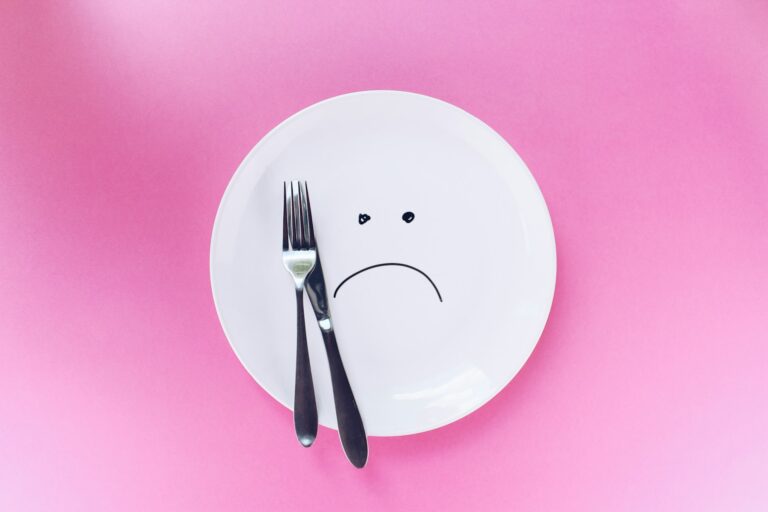
The 3 Most Common Eating Disorders

Please note that the information in this post is not meant to diagnose eating disorders. It is only meant to spread awareness. If you think that you may have an eating disorder, please contact your doctor to get a formal diagnosis.

What is an Eating Disorder?

Psychiatry.org defines an eating disorder as “behavioural conditions characterized by severe and persistent disturbance in eating behaviours and associated distressing thoughts and emotions.” This article will discuss the three more common disorders found in youth: anorexia, bulimia, and binge eating.

The Causes

With the increase in social media use globally, we’ve seen a rapid growth of “fitness pals”, “nutritionists”, and influencers all around the world dedicated to selling different trends that will gain viewers and attention. However, while seeing a “what I eat in a day” video a few times a week on your feed can appear seemingly harmless on the surface, the truth is that a lot of these so-called “health-influencers” contribute to the rapidly deteriorating mental health and body image of their audience. Youth, particularly teenage girls, are particularly vulnerable to the damage that these videos can induce, because of the increased amount of self-consciousness and hormone levels that are in our bodies due to the fact that we are rapidly maturing. These videos can worsen our mental health regarding appearance, and encourage unhealthy obsession with the way that we look. This is what fuels eating disorders.

Even worse, the media specifically targets young females to market weight-loss diets, treatments, and workouts. One day, when I scrolled onto an ad on Youtube Shorts with an obviously Photoshopped fitness influencer selling a “waist-snatching weight-loss” workout, I decided to use Google’s “Why did I get this ad?” function because I had never expressed an interest in weight loss or workouts of the sort on any social media platforms. I discovered that the only reason that Google had pushed the weight-loss ad to me was because the algorithm had decided I was under 40 and female. With no more additional information about my health, weight, or age, it decided to sell me a weight loss ad.

Other Influences

Additionally, other influences such as heredity, biases and comments from family members or peers, genetics, and advertisements in the media can also contribute hugely to eating disorders. There are many things that can contribute to psychological disorders such as eating disorders, and it’s often impossible to narrow it down to just a few.

1. BED (Binge-Eating Disorder)

The binge-eating disorder is characterized by regular “episodes” of eating very large amounts of (usually) comfort food. People who suffer BED overeat, and then continue to eat even when they are uncomfortably full or nauseous. This is called bingeing, and it can often feel uncontrollable. People with BED typically binge at least once a week for a month or longer. They may have large weight fluctuations, or hide containers, wrappers, or food in uncommon places (bedroom, bathroom closets, etc).

There are no official causes for the binge-eating disorder, although scientists and doctors have found a few trends in those who are diagnosed:

  • a history of dealing with conflict by eating
  • a history of extremely restrictive diets
  • a habit of skipping meals

In my opinion, binge eating is one of the most commonly under-diagnosed disorders. Bingeing food has almost become normalized in North America – for example, emotional eating on a regular basis, midnight binges – and because of this most people who binge eat don’t get diagnosed. Eating disorders are also commonly associated with losing weight rapidly, which might not be the case with BED and might be another reason why people don’t recognize or get treatment for their disorder.

2. Anorexia Nervosa

One of the more commonly known eating disorders, anorexia is characterized by an irrational fear of gaining weight, an unhealthily low body weight, and a distorted perception of weight. However, it should be noted that not all of those boxes need to be filled when someone has anorexia. People who suffer anorexia tend to under-eat, avoid eating in social settings, and overexercise to avoid gaining weight. They may have an obsession over their bodies’ appearance and control calories by using laxatives or diet ads. People with anorexia might feel constantly tired, cold, or catch sicknesses easily.

Despite all of the research and knowledge that doctors and scientists have about anorexia, it is still often under-diagnosed due to the normalized thin models and actors that we see in the media. Many people are thin without being anorexic, but where many doctors diagnose wrongly is in assuming that everyone who is anorexic is extremely thin, or in assuming that all thin bodies are healthy. Some are, but some most definitely aren’t.

It’s important to note that the danger of anorexia is that no matter how much weight that the person loses, they will continue to restrict their food and fear weight gain. The physical symptoms of anorexia are similar to that of starvation; they are quite similar in the fact that the body is not getting enough calories to survive.

This diagnosis for anorexia is critical, because anorexia can be fatal.

3. Bulimia Nervosa

Similar to anorexia nervosa and binge-eating disorder, bulimia nervosa is almost like a combination of both. People who are bulimic binge large amounts of food, and then purge it through vomiting, misusing laxatives, exercising excessively, or fasting. These reactions to bingeing may stem from guilt or fear of weight gain.

Anxiety disorders, substance disorders, and mood disorders, are often involved in the causes of bulimia. However, genetics, social media, and cultural ideas that place value based on body weight, also play a huge role.

The largest danger of bulimia is involved in the purging of food. When a person vomits their food, a lot of their stomach acid will also come up the throat. Long-term, not only can this burn the throat, but it can also cause esophageal cancer and lung aspirations.

Bulimia is one of the hardest eating disorders to diagnose, because sometimes it has no obvious physical signs. As well, people with bulimia usually purge privately and secretively, so sometimes the only person who knows about a bulimia disorder is the one who has it. This means that in order to receive treatment, the person will have to admit that they have a disorder. This can be incredibly difficult and intimidating, because often the person will be in denial about their disorder despite knowing about it, in order to avoid admitting that they are doing harm to themselves.

Help is Here.

Eating disorders can feel extremely isolating. But I promise that you are not alone.

If you think that you might have an eating disorder, I urge you to contact your doctor to get a diagnosis and treatment. If you would like to do some more research, here are the sources that I pulled my information from for this article:

General Info Source 1/2 /3

Bulimia Info Source 1

Anorexia Info Source: 1

BED Info Source: 1

An important note about eating disorders is that sometimes they go hand in hand with depression. If you are ever struggling, please reach out to someone you trust or call the Canadian Helpline: 9-8-8

“Shadows on the Playground: Addressing Racism’s Presence in Children’s Lives”

               In the corridors of human history, the haunting spectre of racism has cast its long, dark shadow, perpetuating a narrative of inequality, injustice, and collective pain. As we stand at the crossroads of progress and reflection, it becomes imperative to confront the harsh realities that continue to shape our world. Racism, with its insidious roots, burrowed deep within societal structures, is not a mere historical artifact; it is a relentless force that echoes in the lives of individuals, communities, and nations alike. 

               To understand racism, we first have to define a few common types of racism persistent within our communities, social groups, and even within ourselves. 

At its core, Racism is more than individual prejudice; it involves a power dynamic where one group holds more influence than another. Without this power differential, racism reduces to mere prejudice, carrying fewer consequences.

Systemic or structural racism operates on three interconnected pillars: history, culture, and institutions/policies. Historical racism forms the foundation upon which contemporary racist structures are built. Culture perpetuates and normalizes racism in our daily lives, while institutions and policies reinforce discriminatory practices, making dismantling these structures challenging.

Interpersonal racism occurs at the individual level, manifesting when personal beliefs translate into discriminatory actions against others. Institutional racism, on the other hand, takes root within and between institutions, involving discriminatory policies and inequitable opportunities perpetuated by societal structures.

Internalized racism occurs when individuals from marginalized communities internalize racist beliefs to the extent that they begin to perceive themselves as inferior. This can lead to interracial hostility or the acceptance of Eurocentric ideals and values.

Oppression involves the use of power to dominate others or the refusal to challenge such domination by those in positions of power.

Racial trauma encompasses the traumatization resulting from experiencing racism, which can occur through cumulative experiences, including daily microaggressions or subtle acts of discrimination. Understanding these concepts provides a foundation for addressing the pervasive and deeply rooted issue of racism in our societies.

               The manifestation of racism in the everyday lives of adolescents has enduring effects, potentially impacting their well-being and opportunities throughout their lives. Encountering racism undermines their sense of self-worth, belonging, and perceptions of society, leading to emotional struggles, hindrances in academic achievement, and constraining future aspirations. 

Racism in Mental Health and its relevant services

The study that was published in the British Medical Journal Mental Health was financed by the Applied Research Collaboration – North Thames of the National Institute for Health and Care Research (NIHR). It was shown that incidents of racial discrimination happen in in-patient hospitals and have an impact on both personnel and patients, creating an unsafe atmosphere and a lack of psychological and cultural safety.

People from racialized groups are known to be disproportionately represented  in mental health programs, especially those that involve incarceration under the Mental Health Act. Furthermore, rather than receiving psychosocial support, these patients usually receive more forceful care and medicine. Academic studies on this subject are still scarce, nevertheless.

It was discovered that several study participants had reported:

Strained communication and power imbalances shaped a process of mutual racialization by patients and staff.

An absence of safe spaces to discuss racialization silenced and isolated patients.

Not reporting racialization and discrimination made patients feel ‘othered’, misunderstood, disempowered and fearful.

This perpetuated racialization prevented authentic feedback from patients and disrupted the formation of trusting therapeutic relationships.

Depression is the most commonly reported ailment among BIPOC. Moreover, BIPOCs who have experienced racial trauma are more likely to meet the criteria for post-traumatic stress disorder (PTSD). Notably, racism significantly affects a person’s stress-related physical and mental health. Stressful situations trigger the release of stress hormones, and research has shown that BIPOC children and adults may find it difficult to encounter and see racial prejudice. Regular exposure to these stress chemicals may lead to heart disease, high blood pressure, anxiety, depression, and other mental and physical illnesses, as well as poor overall health outcomes. Discrimination typically occurs on a regular basis, which causes people who are subjected to it to have a chronically high level of stress and stress hormones.

School Life

Racial discrimination within educational institutions hinders the normal social development of young individuals. Those subjected to racism often feel stereotyped and stripped of their unique identities. This experience forces them into a distressing process of questioning their sense of self and belonging. Under these circumstances, academic pursuits may become of secondary importance for these individuals.

The bewildering and harmful emotions stemming from racism manifest in various signs indicating the students’ difficulties. Teachers may observe absenteeism, academic underachievement, high dropout rates, and engagement in self-destructive behaviours like substance abuse. In an attempt to find belonging and validation, some students may turn to gangs as a way to counteract a sense of powerlessness. Tragically, in Aboriginal communities, the consequences of racism are evident in elevated suicide rates among young people.

Especially at the secondary level, teachers may recognize students in their schools exhibiting reactions of resentment, betrayal, and fear toward the staff. Other challenging students may display disinterest in learning, further isolating themselves. These indicators may be attributed, in part, to the absence of positive cultural references in their surroundings. Consequently, these young individuals fail to see themselves reflected positively in their school and social environments.

Social Effects
Racism profoundly affects children’s social relationships, leading to difficulties in forming connections due to peer rejection and bullying, fostering distrust in both peers and authority figures, and causing conflicts in cultural identity. Discriminatory experiences often result in isolation, hindering social development and exacerbating feelings of alienation and inferiority. Addressing these challenges necessitates fostering inclusive environments, promoting empathy and cultural understanding, implementing anti-bullying measures, and providing support services to mitigate the negative impact and facilitate healthy social integration.

 Emotional Well-being 

Racism detrimentally impacts children’s emotional well-being by subjecting them to chronic stress, leading to difficulties in regulating emotions and increased vulnerability to mental health issues like anxiety and depression. The constant exposure to discrimination creates a pervasive sense of insecurity and fear, contributing to emotional instability. Children may exhibit behavioral problems such as aggression or withdrawal as coping mechanisms. These emotional challenges can persist into adulthood, affecting their overall mental health and well-being. Addressing the emotional toll of racism requires providing safe spaces for children to express their feelings, offering mental health support services, and implementing strategies to counteract the negative effects of discrimination on their emotional development.

Perception of Society

Experiencing racism at a young age shapes children’s perception of society, often fostering feelings of distrust towards authority figures and institutions, as well as a sense of injustice and disillusionment. Children may internalize discriminatory experiences as indicative of broader societal norms, leading to a diminished sense of belonging and acceptance. This perception can have far-reaching consequences, influencing their engagement with societal structures and their willingness to participate in civic activities. Moreover, the realization of systemic inequities may instigate feelings of powerlessness and resentment, exacerbating social divisions. Addressing these perceptions requires promoting fairness, transparency, and accountability within institutions, fostering a sense of empowerment and agency among children, and actively challenging discriminatory practices to rebuild trust in societal institutions.


Long Term Consequences

The social effects of racism on children can have enduring repercussions well into adulthood. Traumatic experiences during childhood may contribute to lifelong struggles with mental health, relationships, and socio-economic opportunities. The emotional scars left by racism can undermine confidence and self-esteem, hindering personal and professional development. Moreover, systemic barriers perpetuated by racial discrimination may limit access to education, employment, and healthcare, perpetuating cycles of inequality. Addressing these long-term consequences requires comprehensive interventions aimed at dismantling systemic racism, providing access to equitable opportunities, and promoting mental health support services to mitigate the enduring impact of childhood trauma on individuals’ life trajectories.

Addressing the social effects of racism on children necessitates a comprehensive and multi-faceted approach that recognizes the interconnectedness of individual experiences with broader societal structures. Promoting diversity, equity, and inclusion in all aspects of society is fundamental to creating environments where all children can thrive regardless of their racial or ethnic background. This involves implementing policies and practices that foster cultural understanding, celebrate diversity, and ensure equitable access to opportunities and resources. Additionally, providing support and resources for affected children and families is essential in mitigating the negative impact of racism on their well-being. This includes offering mental health services, counselling, and community-based support networks to help children cope with the emotional toll of discrimination and develop resilience. Moreover, actively challenging discriminatory attitudes and behaviours at both individual and systemic levels is crucial in creating a more just and equitable society. This entails promoting anti-racist education, fostering empathy and understanding, and advocating for systemic change to dismantle institutionalized racism and address disparities in access to education, healthcare, and economic opportunities. By adopting a holistic approach that addresses the root causes of racism and its social consequences, we can create a more inclusive and equitable society where every child has the opportunity to thrive and fulfill their potential.

10 Of The Most Endangered Species On The Planet

0


10. Hawksbill Turtles

These turtles are one of the seven marine turtle species found in the subtropical and nearshore tropical waters of the Pacific, Atlantic, and Indian Oceans. According to The World Wide Fund for Nature, there are only about 20,000 to 23,000 nesting turtles, though it’s difficult to know the true population since these turtles wander the ocean quite a lot.

The population of these turtles seems to have reduced by at least 80% over the last 30 years, this is due to the illegal trade of their shells and products, accidentally being captured in fishing gear, damage to coral reefs, and many other reasons.

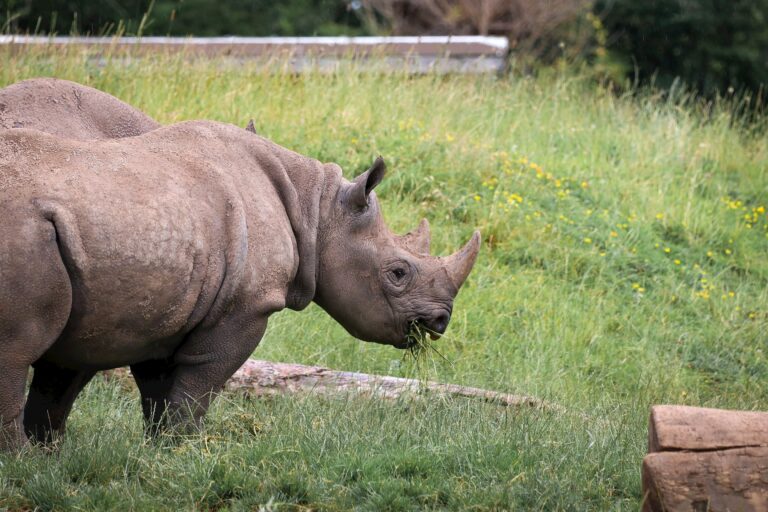
9. Black Rhinos

The number of these rhinos declined significantly between 1960 and 1995 because of poaching on large scales, and only 2% survived. Due to more rhino conservation, their numbers have doubled since those times, however, they are still critically endangered, with only about 5,630 individuals left in the wild. One subspecies of the Black Rhino was ruled extinct in 2011, and now there are only three subspecies left. Most of these rhinos are found today in Kenya, Namibia, South Africa, and Zimbabwe.

8. Tapanuli Orangutans

There are only about 800 Tapanuli Orangutans left, these are the rarest of all the great apes. This species was only recently recognized. There were only two species of orangutans, the Bornean and Sumatran orangutans until this third species was recognized. These Orangutans live in North Sumatra and are genetically different from the other Orangutan species.

7. Sunda Island Tigers

The Sunda Island tiger also known as the Sumatran tiger is the smallest subspecies of tiger on earth. These tigers are extremely rare with only about 600 remaining in the wild. This species is only found on the island of Sumatra in Indonesia. From the 1980s to 2020, the human population of Southeast Asia has nearly doubled. This has an impact on the number of tigers, whose habitat is growing smaller just like their populations.

6. Saola

Saola are bovines that usually reside in forests and are native to Laos and Vietnam. They look like deer and are critically endangered because of the destruction of their habitats, hunting, and the construction of roads and other such infrastructure. There are only a few hundred of these left, definitely under 750, and it’s possible individuals will be separated from each other and unable to breed.

5. Kākāpō

This rare species, also known as owl parrots are large, green parrots. They are the world’s only flightless parrot. They reside on the ground and are nocturnal. There are only 116 of these left, in southwestern New Zealand, which is the only area inhabited by them.

4. Red-fronted Macaws

Native to Bolivia, these red and green parrots are critically endangered, with only about 134-272 left in the wild. Some threats to these species include deforestation, agriculture, and other harmful human activities such as illegal trapping.

3. Amur Leopards

This species of leopard is extremely rare. There are only about 100 of them left in the wild! Their Population seems to be increasing and quite stable, but they are still considered critically endangered. Amur leopards are only found today in a quite small region of the far east of Russia and north-eastern China, which is one of the reasons for their small population. Some threats to their survival include the loss of their habitat, and roads and other such infrastructure being built for transportation. Right now, about three-fourths of the area they live in lies in areas protected by Russia and China, which means there is hope for this species.

2. Javan Rhinos

Javan Rhinos were once found all over southeast Asia, but because of habitat loss and hunting, their population is declining. They are the most rare rhino species, currently only found on the island of Java in Indonesia, with only 75 individuals left.

1. Vaquita

There are only around 18 of these species remaining. Vaquitas, a critically endangered porpoise, lives in a small area in the Gulf of California. They are the smallest cetaceans, which include whales, porpoises, and dolphins. Some threats to these species include damage to their habitat, fishing, and climate change.

Sources: 1, 2, 3, 4, 5, 6


The Ocean’s Secrets: Discovering over 100+ Marine Species

Spanning a whopping 71% across our planet, only 10% of the ocean has been charted through the use of sonar technology, and a mere 5% has been explored. That being said, the ocean’s floor remains a mystery.

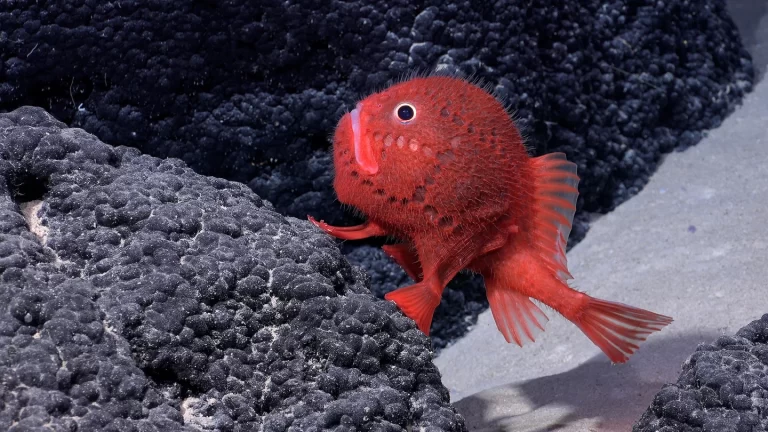
In a recent expedition, Schmidt Ocean Institute aimed to explore the seamounts along the coast of Valparaíso, Chile and uncovered over 100 potential new marine species. Adding to the marvelousness of this discovery, the team discovered and mapped four seamounts. Standing at 3,530 meters, the tallest among them, was unofficially coined the name “Solito” by the scientists.

Why exactly were they exploring the Chilean coast?

During the expedition, researchers used an underwater robot that had the capabilities to descend up to 4,500 meters. Their goal was to collect data from seamounts that would then be used to advance and support the designation of an international high-seas marine protected area. However, it was part of a larger effort to address the impacts of climate change on ocean habits around/in Chile.

What species were uncovered?

Each seamount was home to distinct ecosystems and many of which were vulnerable. They discovered various deep-sea coral reefs, sponge gardens, sea urchins, amphipods, squat lobsters, and other species that are likely new to science. Since scientists can’t determine whether a species is new or not solely based on photos/videos, they’ll have to return to laboratory conditions to analyze the physiology and genotype of the specimens.

An Ocean Expedition Found Over 100 New Marine Species Near Chile


Sources: 1 / 2 / 3 / 4 / 5

✧・゚: *✧・゚:*   *:・゚✧*:・゚✧  ✧・゚: *✧・゚ :*  *:・゚✧  *:・゚✧✧ ・゚: *✧・゚ :*    *:・゚✧*: ・゚✧✧・゚: *✧・゚:*   *:・゚

Want to support us? Check out our other blogs:

Black History Month: Willie O’Ree

Driving in Winter Conditions

The Role Of Race and Status In The Justice System

0

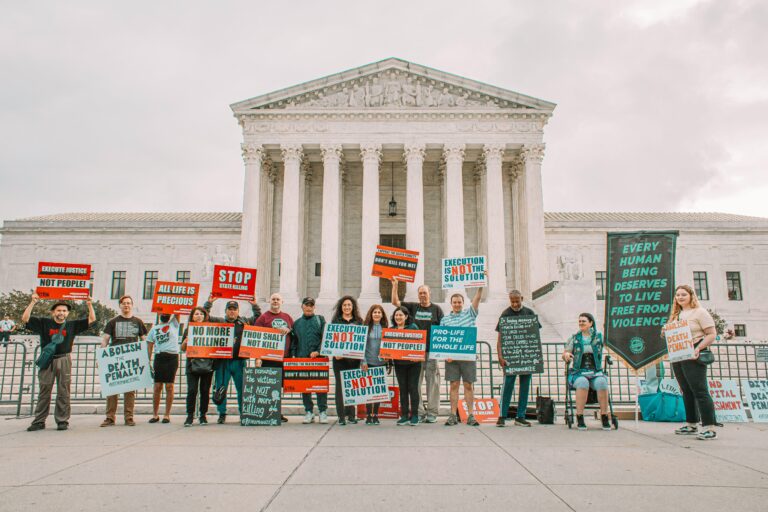
As the debate over the death penalty rages on, the core principles outlined in the United Nations Universal Declaration on Human Rights provides us an accurate global standard. With every execution, questions arise about the morality and efficacy of capital punishment.The United Nations Universal Declaration on Human Rights states that every human being has the right not to be tortured and the right not to be killed, the Death penalty violates both of these conditions. Globally 109 countries have deemed capital punishment unconstitutional. For this there is much rationale, particularly, that using the death penalty translates to not acknowledging the errors and misjudgements in the justice system. The United States alone have exonerated 195 individuals for crimes they didn’t commit because of the biases and flaws in the courts. Nathaniel Woods was convicted in 2005 for shooting and killing three officers. He was sentenced through a case where the defense wasn’t allowed to share Woods accounts of police misconduct beforehand or introduce the fact that Woods had never touched the murder weapon and the courts knew it. Nataniel Woods was executed in 2020. Many exonerees recall spending decades incarcerated, under the pressure that one day they may be killed for a crime they didn’t commit. Thus, the death penalty creates room for prejudice and discrimination against people of color and minorities. Proven numerous times, Black individuals are more probable to be sentenced for a crime they didn’t commit due to the intense microscope they are put under. This outweighs any small glance spared for the rest. Other times, white-victims have been favored in court. In the modern era, executions happen only on murder convictions, and 75% of the cases that move forward towards the death penalty were cases involving a white victim, although half of America’s homicide victims are black. From this we can conclude the ethnic and racial disparities in the justice system and the unconstitutional and unjust applications of capital punishment. 

The death penalty targets the most vulnerable people in our society, one is people of color and minorities and the other  people who are lower on the socioeconomic scale. Some say the death penalty is specially reserved for people from lower socioeconomic groups. Due to our rapidly industrializing society, the gap in allocation of resources calls for higher crime rates in these underserved communities. The government’s lack of funding supports these people who chase after crime, instead of condemning it. The bridging factor between race and socioeconomic bias is that it’s people of color living in these underserved communities. After acknowledging the created higher crime potential in these communities, the issue of socioeconomic bias arises. It is much easier to blame and pinpoint a crime on an individual who doesn’t have the means to support themselves at the time of conviction. It is also much easier to extend the sentence for an individual who is of color and of lower socioeconomic means.Nearly half of the individuals serving life sentences in America are Black, and 15% Hispanic. Black and Latino individuals are also more likely to have higher bond set, and be denied bail than white individuals, this is due to their higher flight risk because of their socioeconomic disadvantage. Assumptions and bias have gotten into the place of the justice system and created disadvantages for people of color and those from lower socioeconomic backgrounds and other times both leading the usage of capital punishment to be ineffective and unjust. Overall, in the story of justice, the death penalty serves as a stark reminder of the systemic biases and socioeconomic disparities that challenge our society, ultimately raising profound questions about the fairness and integrity of our legal system.

Sources:

https://www.nytimes.com/2021/12/05/us/nathaniel-woods-alabama-sentenced.html

https://www.un.org/en/about-us/universal-declaration-of-human-rights

https://www.law.umich.edu/special/exoneration/Documents/Race%20Report%20Preview.pdf

https://deathpenaltyinfo.org/policy-issues/race

Featured Image:

Photo by Maria Oswalt on Unsplash

What are Leap Years? Why We Have 366 days This Year

First of all, what are leap years?

A leap year is a year that has an additional day, which is February 29th. This results in the year having 366 days instead of the typical 365. In the Gregorian calendar (the one we use), leap years usually occur within four years.

Why do we need leap years?

The purpose of leap years is to balance the calendar year with the time it takes for Earth to orbit the sun, which is known as an astronomical year. If you dont know, it doesn’t take exactly 365 days for the earth to orbit the sun, it takes 365 and a quarter (365.2425). This is why it happens every 4 years. We try and do this to balance our year so we can keep the days of seasonal events like solstices and equinoxes the same.

How were leap years discovered?

The process of discovering leap years involved two different types of calendars proposed by two different people:

  1. The Julian Calendar: The Julian Calendar was introduced around 45 BCE (Before the Common Era).  Julius Caesar is responsible for putting this calendar in place. The proposed calendar involved a 365-day year with an extra day added every four years. However, this calendar wasn’t the most accurate as it was about 11 minutes from the true time of the year. 11 minutes may not seem like a lot but in the long run, it would impact us a lot. Because of this, someone introduced a new calendar to correct it.
  2. The Gregorian Calendar: The Gregorian Calendar was introduced by Pope Gregory XIII. The purpose of this calendar as mentioned was to correct the mistakes in the Julian Calendar. The biggest change to it was to make it so years divisible by 100 are not leap years except if they are divisible by 400. This is to take in the fact that an astronomical year is slightly less than 365.25.

In the end…

Leap years are introduced to balance the relationship between astronomical years and calendar years. Two types of calendars have been introduced but we have only stuck with one, the Gregorian Calendar. Leap years are an integral part of how we live life and our calendar system.

Sources: https://en.wikipedia.org/wiki/Leap_year

Blue is Alive – A Poem

0

Blue is alive


There’s something about blue

Something that highlights the hue

Blue, it’s always true isn’t it

They call it sky blue

I think it’s the slide of

The ocean

Blue, it’s always a baby

Blue, it’s always deep

So deep, that your hand

Can’t touch the bottom

Because there is no bottom

There’s only the

Swishhh, Swiiiirl, swooorl,

That goes and goes and goes and goes

With a graceful gait in every stride

Blue, it’s always the lazy, easy, stretch of tongue

It’s the carefree brush of a paintbrush

Sliding the crosshatched surface

Of a canvas

It’s the slow droop of an eyelid

As the drowsiness settles in

It’s the slow curve of my hand

As it turns on a page

Blue is a poem

Into the Depths of Space: Wormholes, Black Holes, and White Holes

We’ve all watched Interstellar, and have marvelled at the incredible 4th dimension, wormhole travelling, and black hole phenomenon. While the film is purely fictional, there happens to be certain aspects of nonfiction. Within our universe, and the many ones beyond, there exists an unimaginable amount of celestial wonders that incredibly challenge our understanding of the cosmos. From the incredible birth of stars to the mysterious depths of black holes, our universe is one of the most interesting topics for scientific inquiry.

Black holes

Black holes, formed when massive stars collapse under their own gravity, act as a sort of vacuum cleaner–pulling in everything nearby, even light. When these stars collapse, they create an incredibly dense region of space where gravitational pull is so strong that not even light can escape–this phenomenon is known as the event horizon. This creates a point called a singularity, a point of infinite density where the usual laws of physics we are accustomed to break down, and our understanding of the universe is challenged.

White holes

In contrast to the gravitational abyss of black holes, white holes are purely theoretical ideas that mirror their counterparts–while black holes pull matter and energy inward, white holes are imagined to expel them outward. Despite their intriguing properties, no actual evidence exists–leaving them to be in the realm of theoretical speculation.

Wormholes

Wormholes, also known as Einstein-Rosen bridges, are theoretical tunnels in spacetime that connect distant points in the universe. There was a specific scene in Interstellar, where one of the astronauts shows a demonstration of wormholes with a piece of paper–to say the least, it was incredible. According to the theory of general relativity, wormholes could be used as shortcuts through the cosmos, potentially allowing for faster than light travel between two points in spacetime. While the existence of wormholes remains theoretical, they offer an imaginative glimpse into the possibilities of interstellar travel and exploration.

Studies such as astrophysics and cosmology offer a deep dive into the universe, allowing us to see the wonders and complexities with theory and experimentation. From the mysterious realms of black holes and white holes, to the theoretical ideas of wormholes, scientists continue to push the boundaries of our understanding. As we continue to rewatch films like Interstellar, it certainly sparks speculation about the possibility that its fantastical elements such as the 4th dimension, wormholes, and alternate universes are real.

sources:

https://science.nasa.gov/universe/black-holes/

https://www.space.com/20881-wormholes.html

Keeper Of the Lost Cities: Book Reviews (Books 5 & 6)

0
WARNING: CONTAINS SPOILERS!!!!!!

Keeper of the Lost Cities is one of my favorite series and it’s definitely recommended. If you’re interested in this series, you should go check out my previous blog post, it has the reviews for books one to four. Keeper of the Lost Cities is one of those few novel series that you just can’t stop reading. For this post, I’m going to write a short review for each book separately.


#5 Lodestar

I wouldn’t say this was the best book in the series though it definitely was interesting. It’s fast-paced and I love all the Neverseen’s scheming. The logic behind the lodestar symbol and all of the little things that the Black Swan discover about the their plan makes me super curious about what the whole big scheme is. It still does feel a little like the Black Swan are getting basically no where with their search, they’re only discovering teeny things about this rebel group they’re up against. It feels like the Neverseen are always like fifteen steps ahead of them. The story did drag a bit, which was given considering what happened in Neverseen. They didn’t have any perfect plan and everything that happened was kind of sudden and irregular.

It does seem like Sophie is getting a little bit too powerful, as she manifests a new ability in this book. Keefe is one of my favorite characters and we’re getting to see more about him. Though, running off to the Neverseen definitely wasn’t the best plan. But in the end, that’s what makes the series more realistic, the characters have flaws and make mistakes which makes them seem more like real people. Sophie and most of her friends go back to Foxfire in this book and I really think they should include Marella more. She’s one of my favourite characters and has such a cool personality.

The end was really unexpected, and wow, elves should start using their skills more! The book ends with another perfect cliff hanger, which always gets me itching for the next book. I’m seriously so grateful that there’s a sneak peak at the end of the novel.

#6 Nightfall

Nightfall is one of my favorite books in the series! It does drag a bit, but maybe that’s just cause I’m reading the book for the second time. There were so many twists and turns, always keeping me at the edge of my seat.

Sophie and her friends end up saving the day again, with Linh, which I think is great since she is one of my favorite characters. They’re able to save Ro as well which is good, she’s a pretty good character. I love how we’re learning more about the Lost Cities’ cruel past that the council has covered up. I love seeing the flaws in the elves’ “perfect, glittering world”. Also, I like seeing the author connect the Lost Cities to human history, like the sinking of Atlantis, is that just me? This also gives us humans a good reason to defend ourselves when one of the elves launches into a big lecture about how humans betrayed elves and caused them to sink Atlantis.

I’m so glad that Sophie’s human sister gets to keep her memories of the elves, I guess I just didn’t want her to go through all the erasing her human family’s memories situation again. I can’t believe how hard that would be for someone, knowing that their family is out there some where and don’t remember you. Amy got to keep her memories, though I think it would be pretty hard for her as well. Living with the humans and pretending to be oblivious to the fact that there’s a whole other reality to the world. I like that they included Marella in the story a little more this time. The book ends again in one of those painful cliffhangers. How does Shannon Messenger get them so perfect every time?!! For me this was one of the more memorable books in the series.

Keeper of the Lost Cities is such a great series. Part of me hopes that it could just go on forever, but I know that’s not possible. Another part of me just really wants to know how the story ends. Anyway, let me know who your favorite character is in the comments. I’m really want to know who everyone thinks the best character is.