Home Blog Page 47

Auroras: The Lethal Beauty

Hello! Recently, I had a fortunate chance to witness an Aurora Borealis. It was ethereal; ribbons of fluorescent green and hues of purples adorned the sky. It seemed surreal – and it made me wonder how this phenomenon occurs. 

What is an aurora and how does it occur?

Auroras are brilliant lights shining across the Earth’s northern and southern poles. The auroras in the northern hemisphere are called the aurora borealis and those in the southern hemisphere are called the aurora australis.

Auroras occur through the interaction of Earth’s atmosphere and solar wind.  The sun is a ball of very hot gasses, composed of charged particles called ions. Everyday, the sun ejects these charged particles (electrons and protons) from its corona — these particles are called solar wind. If the solar wind were to reach Earth, all life would cease to exist. However, the magnetic field around Earth prevents the solar wind from reaching the atmosphere. Due to the shape of the magnetic field lines, some solar wind particles can interact with our atmosphere– at the north and south poles. The ions interact with the atoms, heating them up, and resulting in the fluorescent colors of the aurora.


An interesting thing to note is that the auroras are always present- as the sun is always ejecting solar wind- but it is not visible due to the amount of solar wind. 

Why are there different colors?

The shades of the aurora change due to the altitude and the type of atoms that react with the charged particles. Every atom absorbs and radiates specific colors when they are heated up. When the ions contact oxygen atoms – this produces red. At lower altitudes, ions that contact oxygen atoms result in a typical green color. Ions contacting hydrogen and helium atoms result in blue and purple auroras. 

Sources: 

https://www.space.com/15139-northern-lights-auroras-earth-facts-sdcmp.html

https://www.asc-csa.gc.ca/eng/astronomy/northern-lights/what-are-northern-lights.asp

https://education.nationalgeographic.org/resource/aurora/

https://letstalkscience.ca/educational-resources/backgrounders/auroras-spectacular-light-shows

Top 5 ways to become a Diligent Student

0

We have all experienced procrastination and the brunt of its consequences as a student before, so here are my top 5 tips to stay caught up and make studying more enjoyable!

5. Pomodoro Technique

There are multiple variations of the Pomodoro technique; some are studying for 25 minutes then taking a 5-minute break, and on your 4th break, taking a 15-minute break instead of a 5-minute one. Others may study for 50 minutes and have a 10-minute break. Ultimately, the Pomodoro technique is a tool to overcome procrastination, by rewarding breaks between studying, which makes studying less overwhelming.

4. Feynman Technique

Gone are the days when we had to write empty words repeatedly from our textbooks to understand and memorize them! Instead, the Feynman technique is where you cover up your notes, then attempt to teach/explain what you just learned to an 8-year-old. Of course, it does not have to be an 8-year-old, the idea behind this technique is, that if you can simplify and successfully explain what you have learned even to a kid or someone with relatively little knowledge about the subject, then you have understood it. This is also a great tool to catch gaps in your knowledge, so you can go back and study what you don’t know and try again. That way, you spend less time simply memorizing a list of sentences that you do not understand, and less of a chance of becoming stumped on upcoming tests where your understanding of a subject is based on the notes you took in class.

3. Time-blocking

Allowing there to be a specific time of the day (that is the most productive time of day for you), when you schedule yourself to study, results in you building more discipline, which eventually leads to you studying into a habit rather than a chore that must be done. Furthermore, if you allot time for yourself to study, but also a lot of time for you to enjoy your hobbies or rest, then it will reduce the feeling that you are missing out on enjoying your personal life by studying. Also, if you assign yourself a specific time to stop studying, then it pressures your mind to become more focused and productive since your brain knows that you must finish your task before a particular deadline.

2. Prioritize your tasks

If you have fallen behind in class, then it is important to prioritize your tasks from what affects the most of your grade, to what affects your grade the least. By doing so, if in the worst-case scenario, you do not finish your assignments on time, your grade average will be fine.

1. Do a little Each Day

I know, I know, nobody wants to do work that’s not due soon, especially during their free time. However, suppose you finish the less urgent and relatively small tasks sooner. In that case, that is one less thing to worry about in the future, especially if there are more important exams, presentations, or assignments coming up. 

I hope this helped! Thank you for your time, and get back to work instead of procrastinating by scrolling on the internet!

“I’m a Queen card:” Female Power in Kpop

As the awakening of female power has been on the rise, this trend of feminism can not only be seen with official feminists but also with cultural symbols such as K-pop. K-pop, which refers to Korean popular music, originated in South Korea. Usually in the form of boy and girl band groups, these K-pop music and culture have spread globally, gaining international fanbases and recognition. 

(Source: Official (G)I-DLE Instagram)

Taking the popular girl band group (G)I-DLE as an example. (G)I-DLE is a K-pop band group under the entertainment company CUBE Entertainment. With 5 members – Soyeon, Miyeon, Minnie, Yuqi, and Shuhua – it has gained considerable popularity globally. Especially with the songwriting and producing talent of its leader Soyeon, (G)I-DLE is known for their ear-catching and upbeat melodies in their songs. 

(Source: Official (G)I-DLE Instagram)

Particularly in the album released in 2023, I Feel, the girls from (G)I-DLE won the Golden Disc Award Song Division with the song “Queencard.” Queencard is known for its rhythmic melodies in the chorus and its lyrics that showcase female power: “My beauty doesn’t take time off. It shines from head to toe, I’m sparkling.” 

여자)아이들((G)I-DLE) - '퀸카 (Queencard)' Official Music Video - YouTube

(Source: (G)I-DLE “Queencard” Official Music Video)

Queencard was not the first time the girls have shown off their confidence as females. Previously in 2022, in the album I Love, the song “Nxde” sparked numerous discussions online. The main message of this song was the independent power of women, which extends beyond the stereotype of “sweet and obedient” under the common male gaze. While some men usually consider women in a sexual context when seeing the word “nude,” this song courageously challenged this prevalent viewpoint by emphasizing women’s “nude” being a symbol of a true, undisguised self instead of a medium for sexual fantasies. As women take off their clothing, they are not looking for the nebulous love of men but instead “put[ing] on [their] beautiful sel[ves].” Along with the melodies, the girls blatantly claim how the “prejudice” from male gazes and sexual fantasies “make[s] me sick.” 

(G)I-DLE - 'Nxde' Official Music Video

(Source: (G)I-DLE “Nxde” Official Music Video)

As K-pop culture continues to be influential, especially among young people’s lives, it is very probable that songs like those from (G)I-IDLE will play a significant role in impacting our youths. Perhaps instead of social sciences research papers, popular culture will rise as the more effective and relatable medium for youths to access novel thoughts and perspectives. 

ISFJ – All about the most common MBTI

Introduction to ISFJ Personality Type

According to the Myers-Briggs Type Indicator (MBTI), a pseudoscientific self-report questionnaire that purports to distinguish between various “psychological types,” ISFJ is one of the most prevalent types. Four categories are given binary values by the test: thinking or feeling, sensing or intuition, introversion or extraversion, and judging or perceiving.

Characteristics of ISFJ

Defender Traits

Personality types that are Introverted, Observant, Feeling, and Judging include ISFJ (Defender). These people are kind and modest, productive and accountable, and they pay great attention to the little things in life. ISFJs quietly contribute to the smooth operation of the world in small ways. They are devoted and hardworking individuals who have a great sense of duty to those around them.

Dependability and Support

ISFJs are dependable in terms of meeting deadlines, remembering birthdays and other important events, maintaining customs, and providing love and support to their loved ones. They would rather work in the background, though, and hardly ever look for attention.

Skills and Strengths

This personality type has a multitude of skills and is competent and adaptable. ISFJs are sensitive and compassionate people with strong analytical skills and a keen sense of detail. They typically have solid social connections and well-developed people skills. Their diverse strengths are evident even in the most routine facets of their everyday existence.

Altruism and Loyalty

Genuine Altruists

ISFJs are genuine altruists who give freely and enthusiastically to the causes and people they support. They also respond kindly to kindness.

Loyalty

Loyalty is among the best traits of ISFJs. They work very hard to keep their relationships with their loved ones strong, frequently putting everything on the line to support a friend or relative who is in need. When they’re helping someone in need, they feel most productive and energized. Although such a strong commitment can have drawbacks, they are loyal to their employers, families, and communities.

Challenges Faced by ISFJs

Overwork and Exploitation

ISFJs are helpful by nature, but others may take advantage of this, leaving them overworked and exhausted. When it comes to saying no or making the necessary adjustments in their lives, relationships, or routines, ISFJs may experience feelings of guilt or stress.

Difficulty with Change

The inability of ISFJs to adapt well to change, especially abrupt or unexpected change, is one of their main weaknesses. They are the personality type that is most likely to experience stress from last-minute changes

Article Source 1 / 2

Image source

Terrific techniques to ace your exams!

As the end of the school year approaches, there is only one more thing keeping us away from summer break. Exams. Although they are dreaded and feared by many students worldwide, I have collected some techniques to help you not only do well- but ace your exams!

1. Use class time effectively: Whenever you have some spare time in class, you should use it to your advantage. Pull out any work you have and get started on it right away. By using this spare time now, you will have more time to study for all the exams you have up the road.

2. Spaced Repetition: Spaced repetition or spaced practice encourages your brain to study over a longer period of time rather than cramming all the information into your head the night before the exam. Using this technique, your brain will better be able to recall important concepts and facts, and overall help you get a better grade on the exam. For example, on “Day 1” you would learn the material in class, and on “Day 2&3” you revisit the information that you learned. After one week you would review, and then you would review once more after 2 weeks. After learning and repeating all the material, you should be well prepared for your exam. 

3. The SQ3R Method: This method is basically a reading comprehension technique that will help students retain the material that they learn from their textbooks. Reading a textbook like a novel can be a very good thing, but it can also be very tiresome. Therefore, by using the SQ3R method, you will not only read the textbook but you will also understand it. The “S” stands for “Survey” which means that you have to skim over the chapter and take note of anything that stands out. This includes headings, subheadings, charts, graphs, names, images, and more. The “Q” stands for “Question” which tells us to formulate some good quality questions based on the chapter’s content. Such as “What is the main idea of this chapter?”, or “What do/don’t already know about this chapter?”. The next part is to read, recite, and review the information (or as the title suggests, 3R). Make sure to just thoroughly read the chapter, summarize different sections into your own words, and review the material until you completely understand it. To conclude, the SQ3R method should be a valuable tool to help you in your exam preparation. 

4. The PQR4 Method: This method is very similar to the SQ3R method, but just a tad bit different. By utilizing this active approach before the exam, you will have improved your memory and understanding of the content for sure. The “P” stands for “Preview”. Just like how a movie trailer gives us a preview of the movie, we should skim over the information and get a general idea of what we’re looking at. The “Q”, just like in the SQ3R method, stands for “Question”. Over here, your duty is to formulate good questions about the topic, such as the ones stated previously. The next step is to read, reflect, recite, and review the information, just like the title says (4R). By going deep into the material, you will have answered all your questions and will surely have gained a better understanding of the content before your exam. 

5. The Feynman Technique: This technique has been spreading rapidly across the world coming in clutch for struggling students. The root of the technique tells us that in order to understand the material quickly, you must explain it in plain and simple terms. Almost as if you are explaining it to a 4th grader. Once you have translated the content into your own words, understanding it should be a piece of cake. To start, you should first write down the subject/concept you are studying at the top of a piece of blank paper. Then, you should try and explain it in your own words as if you were explaining it to someone else. After that, make sure to review whatever you scribbled down and make any corrections by double-checking your notes. And lastly, if you used any complicated language and terms, you should try and simplify it as much as possible to ensure prime understanding. 

6. The Leitner System: This system is ultimately based on our old friend flashcards. If the concept you are studying has a whole lot of terms that you need to memorize and understand, this system is the way to go. Start by creating some flashcards with both the term and the definition. Then, keep the cards in a couple of boxes to track when you need to study each set, and with which set you are having the most difficulty with. Each card starts in box one. If you get the question right, you should move it to the next box. But if you get a question wrong, you should move it down one box (or keep it where it is if it is in box one). Here is an example schedule that one using this technique might follow. Each box determines how much you will study each set of cards. Box 1= Every day. Box 2= Every 2 days. Box 3= Every 4 days. Box 4= Every 9 days. Box 5= Every 2 weeks. If you would like to implement this method into your study schedule, you must start studying well in advance before the exams begin. 

7. Colour-coded Note: Everyone loves colour. Our brains are just naturally drawn towards it (no wonder we are all addicted to our screens). So, why don’t we implement this knowledge into our studying techniques? There has been a national study conducted by the National Library of Medicine, indicating that colour can improve a person’s memory performance. They delved deep into the human brain and colour receptors and found that warmer colours can create a more positive and motivating learner environment, which leads to higher attention and excitement toward the topic being studied. Here are some specifics that will help you with your colour study. You should write down key points in red, and important information in yellow, organize topics by colour, and last but not least- not colour code every single line.

8. Mind Mapping: There are 4 main learning styles that are commonly recognized today. These learning styles include visual, auditory, reading/writing, and kinesthetic. While they are all good in their own ways, mind mapping falls under the visual category. Just like how our brains connect pieces of knowledge and information together, a mind map is based on that fact. Basically, using a mind map is an effective method to visually organize your information. To create your own mind map, you would start by placing one keyword in the center of the page. Then you would write down important major ideas and physically connect them to the central word. You would keep on branching out by expanding on your major ideas until you have created yourself a mind map. Instead of writing your notes down in an old-fashioned and boring way, mind maps are a great way to add fun into studying.

Some tips on the day of the exam: Uh oh, the big day has finally arrived. You’re probably stressing out and worrying about how it’s going to go. So on the big day, make sure to eat a good breakfast filled with healthy foods, such as eggs or protein. You should also wear some comfortable clothes so you aren’t squirming around in your seat during the exam. Right before you start, make sure to take some deep breaths and say some positive words of affirmation to yourself (such as “You got this”).

Good luck with all your exams, I know you are going to do great!

Links:

https://www.ncbi.nlm.nih.gov/pmc/articles/PMC6794354/

10 Effective Study Techniques to Try This Year


Advice On How To Study For Final Exams

0

Coming up soon… is finals season! Depending on your experience with that course, that final exam can either be nerve-racking or not bother you at all. When it comes to finals season, there are times where your study methods are challenged. After all, to do well on a final, it’s vital that you avoid procrastination. Although studying seems simple, the main challenge is to avoid procrastination and study regularly. This blog post showcases some advice on how to study for finals.

Taking a final exam
Image by F1 Digitals from Pixabay

1. Make a schedule

You cannot go wrong with a schedule. Having a schedule helps you plan when to study and for how long. Schedules can provide an overview for how your days will go and that gives you the advantage of deciding when you would like to study. If you know what time of the day you study best, then you’ll be able to free that time up so you can study instead. On top of planning when to study, schedules can help you prioritize other things, especially with ensuring that you are healthy, which will be mentioned later on. By giving yourself a designated and optimal time to study, then your only battle is follow your schedule. When it comes to finals season, schedules are vital so you can organize yourself and your study times!

Schedule with plans on it
Image by melinda257 from Pixabay

2. Pinpoint your weaknesses

We all have our strengths and weaknesses. Those courses where we excel in might not need much studying (unless the exam is like a diploma exam where it accounts for universities and a huge chunk of your grades), but those courses where you struggle are the ones that require more support. In each course, there may be certain units, topics, or concepts that may need more attention. Pinpointing your strengths and weaknesses is needed so you can ensure that you are in good shape for your finals. If needed, go in your designated tutorial times and/or go to a friend and ask them for help. After all, filling in those missing gaps in your knowledge ensures that as you know how to answer as many questions in that final as possible. With your schedule, make sure that you have time to tackle and improve upon these missing links!

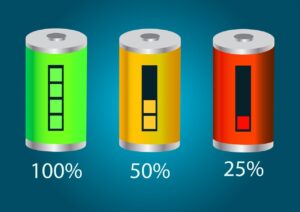
Batteries: one strong, one medium, and one weak
Image by Денис Марчук from Pixabay

3. Ensure that you are healthy

On the day of your final, would you rather be really sleepy and hungry or be refreshed and confident? Hopefully, you would rather be refreshed and confident. Unfortunately, the truth is that we do not have an unlimited amount of time to study for finals. Knowing that you only have this limited amount of time can cause you stress and skip out on your health. If you actually came into the exam room sleepy and hungry, then it would be incredibly difficult to focus. If you can’t focus well, then it’ll be hard to comprehend and answer questions, especially since the exam ends after a certain amount of time. Within your schedule, after scheduling different times to retain those information from your courses, give yourself time to breathe. Your stress is understandable, but taking care of yourself is always a priority, especially to ensure that you can stay focus during your actual final exam.

Dog sleeping under the moon with a dream about bones. A completely healthy setting.
Image by Betidraws from Pixabay

4. As soon as you’re comfortable, go straight to trying practice questions

When you believe you are comfortable with at least some of the content, go straight to trying practice questions. Reading the same definitions over and over again will not get you far. Try practice questions and see if you can apply what you have learned. From experience, while there are barely any questions asking for definitions, the majority of the questions in finals require application and critical thinking. Knowing the content is the first huge step, but applying it to a master’s extent is a marathon. Although going straight to practice questions seems scary, you don’t always have to be right, especially if it is only practice. After all, there is nothing that can teach you better than learning upon your mistakes.

Books with a caption of "Did you know?"
Image by Gerd Altmann from Pixabay

5. Take deep breaths and know your practice was worth it

If you cared to read to this part in this blog post, then you care about studying for your finals. Regardless of how confident you are, having a care puts you at an advantage than those who don’t. If you think about it, the fact that you care motivates you to try and bring efforts to achieving a good grade from your final exams. Once you are in that exam room, take deep breaths and remember that you tried your best to study for that final. When you reach your seat and look at your exam paper, remember that you are better prepared from studying. As your final goes on, take deep breaths, relax, and know that whatever happens, happens because you worked for it.

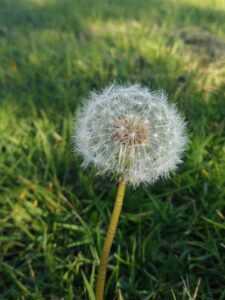
A dandelion to help you calm down
Image by Orelian from Pixabay

Closing Section

Hopefully, these five tips give you an idea of how you’d like to study for your final exams. From managing your schedule, pinpointing your revisions and breaks, to taking deep breaths, you should be in good shape for your final exams. As mentioned earlier, the fact that you cared to study puts you at an advantage. Taking the time to study, revise, and try practice questions improves your chances of doing well on your finals. Although your stress levels may spike in that exam room, be proud that you studied. You took the time to prepare for that final and have a good understanding of it. Take those deep breaths and believe in yourself. You will do well!

An exam with the writing "Passed"
Image by Harinath R from Pixabay


Sources: 1 , 2 , 3

Images: 1 , 2 , 3 , 4 , 5 , 6 , 7 , 8

The History of Vaccines

An indispensable healthcare tool

Many illnesses and diseases plague humanity as well as other species of organisms in our natural world. Bacteria, viruses, as well as a plethora of other types of pathogens are responsible for harming billions of peoples’ lives all over the world. It is because of this that vaccines have been conceived by many cultures around the world since a very long time ago. We hear about vaccinations in the modern era in many ways: to treat or prevent communicable and non-communicable diseases and to maintain the order of public health in society. Today, we are going to be exploring the history of how vaccines developed to be, and how scientists’ views of them changed as time progressed.

The vaccines against smallpox

Smallpox has been around with humanity since ancient times. According to the U.N., some of the earliest examples of vaccination-like measures were actually public health officials exposing healthy, uninfected people to those who had contracted the disease, but were suffering relatively less severely from it. This process is similar, but is even more basic, to inoculation of the smallpox disease, and evidence shows that they could have been “taking place as early as 200 BCE.” Smallpox has devastated many communities historically, and sadly, anyone catching it without receiving vaccinations would have a thirty percent chance of dying. 

In the early 1700s, smallpox inoculation was practiced in Europe for the first time everPrior to that time, inoculation had already been widespread in places like Turkey.

In the late 1700s, there was a further breakthrough in developing a more effective treatment of smallpox. English physician Edward Jenner decided to inoculate an eight-year-old child suspected of contracting the smallpox virus. However, Jenner used some material related to cowpox to inoculate the boy. Jenner theorized that cowpox infections are milder diseases that can train the human immune system to be more resistant to the smallpox virus, and in doing so, he officially created the world’s first successful vaccine. The boy turned out to make “a full recovery,” even though he had contracted smallpox beforehand.

Louis Pasteur

In the 1800s, a famous microbiologist, Louis Pasteur, created “the first laboratory-produced vaccine” against the fowl cholera disease. In 1885, he also prevented rabies by developing a form of post-exposure vaccination. Even though Pasteur was not a medical doctor, he was still credited for furthering science and developing a crucial new form of treatment for rabies diseases.

The 1900s

In 1918, the Spanish Flu killed approximately “20-50 million people worldwide.” Since it happened right in the middle of World War I, the American military was also devastated by the disease, with many soldiers killed. This spurred government recognition of the production of vaccines, as the U.S. Military made it one of its top priorities. However, in the case of the Spanish Flu influenza vaccines, the final results were somewhat inconclusive, and the vaccines did not prove to be the most capable.

It wasn’t until 1945 was the first influenza vaccine approved for military use. Soon after, in 1946, the first influenza vaccine was approved for civilian use.

In 1960, a new polio vaccine was invented by Albert Sabin, which was administered orally with a weakened form of the virus. Soon after, the vaccine was mass-manufactured in the Soviet Union and Eastern Europe and saw much success in countries like Czechoslovakia (the first country to eliminate polio).

In 1988, the WHO set out a Global Polio Eradication Initiative, demonstrating greater international effort in eradicating various diseases worldwide. This was following the success of eradicating the smallpox virus, which had been achieved a few years earlier. 

Image by Van3ssa Desiré Dazzy from Pixabay

The 21st century

In 2016, the Meningitis Vaccine Project succeeded, and it marked one of the pivotal cases where there were significant public-private partnerships for developing vaccines. This vaccine helped many countries in Africa, which were suffering from the disease’s spread.

In 2021, coronavirus vaccines were rolled out rapidly in nations around the worldDespite the large number of vaccines administered, critics say that most of the vaccinations took place in more developed countries and that international aid organizations should place more effort into providing vaccines for less developed countries. The coronavirus vaccine was created in record time (only a year since the first case was detected), and it symbolized greater scientific innovation, as well as the greater variety of vaccines that can be developed using modern-day technology.

Conclusion

From even before the times of the ancient Roman empire, to our twenty-first century, vaccines have gone a long way in the methods and quality for treating or curing diseases worldwide. We have seen miracles, such as the eradication of smallpox, and yet there are still diseases (such as AIDS), of which the hunt for developing a working vaccine still yields elusive results. Ultimately, vaccines are powerful, but not all-encompassing. It is still up to each and every one of us to protect our own health, through a variety of different methods, rather than solely depending on vaccines. 

Snapchat Dysmorphia: The Cause and the Effects

In today’s world, social media has become an integral part of our lifestyle. The number of social media users and our amount of social media usage are both growing. However, plastic surgeons have observed another trend with our world today. More and more people, a lot of them under the age of 30, are seeking plastic surgery. In fact, instead of showing up to their appointments with photos of celebrities, as was the norm in the past, more patients walk into clinics with filtered selfies of themselves as what they want to achieve. This syndrome is known as Snapchat Dysmorphia. At it’s most severe, people with this disorder may want to surgically alter their appearance to look more like the pictures they post online. Dysmorphia refers to the disorder where someone is constantly worrying about perceived flaws in ones appearance.

So, what exactly causes Snapchat Dysmorphia?

Snapchat Dysmorphia is caused by the disconnect between people’s appearance in real life compared to what they look like in the filtered selfies they post. Just like they worry about their likes and followers on social media, users are also starting to worry about why they don’t look like their selfies in real life. More and more people today are thinking, “hey, I want to look like that”, and actually going to great lengths to get there. Statistics show that there is a clear link between social media use and depression and self-esteem issues. Social Media plays a large role in setting unrealistic beauty standards as people are constantly comparing themselves to the pictures of other people they see online as well as the images of themselves that they share with the world.

Social media is a great way to connect with people across the world, but excessive use of it can cause a lot of issues that are detrimental. Some good ways to change your social media habits include giving yourself breaks from social media. In fact, if you haven’t started using platforms like this, then you might want to consider not getting into them at all. Before you pick up your phone and start scrolling, ask yourself why you’re opening the app and what you need to find or accomplish. There are many disorders, including Snapchat Dysmorphia, that are caused by social media, but healthy usage of it can limit the impact these applications have on us.

Sources: 1, 2, 3, 4

Turn Waste into Something Tasty: Recipes for the Top 5 Wasted Foods

When I was younger, I had always wondered why world hunger was an issue. In the booming age of technology, why were we unable to serve a universal basic need to the world? 

The jarring reality that “17 percent of the total food production is wasted in households” had been so cruelly juxtaposed by the fact that “691 and 783 million people faced hunger in 2022”. Even given these statistics, you may be asking yourself… Why is it important that I conserve food and reduce food waste? 

Wasted food disregards the amount of effort and time and resources that were put into that food. Machinery, labor, water, fertilizer, and money go to waste when we throw food away. This makes us buy more food and therefore, contribute to the demand in food production – which accounts for 26% of global GHG emissions. Additionally, from an economic standpoint, it reduces  a family or an individual’s food security and the amount of food that is available, while leading to higher prices. Ultimately, food waste is a disadvantage for ourselves and the world – it contributes to climate change and can lead to significant loss of our money. 


Here I have the top 5 most wasted foods – attached with recipes you can make when it gets too old or stale. 

  1. Bread 
    1. Bread Crumbs 
    2. Croutons
    3. Bread Pudding
    4. Bruschetta
    5. Stale Bread Cake Recipe
  2. Milk 
    1. Ricotta Cheese
    2. Replace Buttermilk
    3. Soda Bread 
    4. Bolognese sauce
    5. Gardening
  3. Potatoes
    1. Shepherd’s Pie
    2. Potato latkes
    3. Ham and Potato Soup
    4. Oven-baked rosti cake
    5. Sweet potato hash with poached eggs
  4. Cheese
    1. Although there aren’t many recipes on how to conserve old and stale cheese, there are some important things to know on how we store cheese and whether we can eat moldy cheese. Unsurprisingly, soft cheese with mold cannot be eaten, however hard cheese can be eaten if you cut 1-inch around the mold spot. In terms of storing the cheese, it’s vital to wrap and store based on the type of cheese, but generally, you should wrap it in wax paper or plastic wrap after every use. 
  5. Apples
    1. Caramel Apple Pie Bars
    2. Apple Pan Dowdy
    3. Apple Sauce
    4. Apple Crisp
    5. Apple Butter

Sources: 

https://ourworldindata.org/environmental-impacts-of-food#:~:text=used%20for%20agriculture.-,Food%20is%20responsible%20for%20one%2Dquarter%20of%20the%20world’s%20emissions,of%20global%20greenhouse%20gas%20emissions.&text=This%20includes%20emissions%20from%20land,transport%2C%20packaging%2C%20and%20retail.

https://www.simplyrecipes.com/collection/10_easy_recipes_to_use_up_a_bunch_of_potatoes/

https://www.un.org/en/observances/end-food-waste-day#:~:text=When%20food%20is%20lost%20or,emissions%2C%20 contributing%20to%20 climate%20change.

https://www.rivercottage.net/news/top-five-most-wasted-foods-and-ways-to-save-them-from-the-bin

https://www.foodhero.com/en/blogs/the-8-most-wasted-foods

https://www.delish.com/uk/food-news/a44699514/what-to-make-with-soured-milk/

https://www.thekitchn.com/8-smart-uses-for-not-so-great-apples-tips-from-the-kitchn-61086

https://www.bonappetit.com/test-kitchen/cooking-tips/slideshow/stale-bread

https://www.kitchenaid.com/pinch-of-help/countertop-appliances/what-to-do-with-stale-bread.html

https://timesofindia.indiatimes.com/life-style/food-news/9-interesting-things-you-can-do-with-curdled-milk/photostory/88081207.cms?picid=88081226

Overcoming Nervousness: Four Different Breathing Techniques to Calm You Down

                                                       Introduction:

Breathing techniques play a crucial role in helping one overcome nervousness because it regulates the body’s response to stress. When people are nervous, their heart rate begins to speed up and their ability to think straight is limited. Breathing techniques can be used in various situations such as when your about to take a big test, or preparing mentally for a sports game. By incorporating these breathing techniques into our lives, we can activate the parasympathetic nervous system. This part of the nervous system is responsible for relaxing one’s body after being stressed. The importance of breathing techniques in overcoming nervousness cannot be stressed enough. It is extremely beneficial in multiple situations, which is why I would like to share four different breathing techniques to help you calm down.

                                                      1. Four In Eight Out

As the name of the technique suggests, this requires you to breath in four times, and exhale for eight seconds. The four inhales need to be very sharp, lasting around 0.5 seconds through your nose. You should also make sure that the exhale is very whole and lasts eight seconds through your mouth. This technique can be used in situations where you are experiencing severe stress or have the jitters. I have found this technique especially useful to me before I play an organized game of basketball.

                                                      2. Animal Breathing

This breathing technique requires an individual to take a huge breath in, and a huge breath out. You should always do this through your mouth and the inhales and exhales should each last almost one second. Pretty easy right? This technique can be used in situations where you may feel sluggish and tired, not ready to commit to a laborous activity. Animal breathing can greatly increase ones energy levels. However, you should not do this technique if you are feeling nervous. This is because doing animal breathing when you are nervous may increase the emotions you are feeling and may make you even more nervous!

                                                   3. Diaphragmatic Breathing

Diaphragmatic breathing is also known as belly breathing. To do this, you need to place one hand on your stomach and one on your chest. Then you breath in through your nose for four counts. While doing this, it is important to focus on how your abdomen rises. After breathing in, you then breath out through your mouth for six counts, also being aware of your abdomen falls. It is important to be aware of how your body is moving when breathing. This is because by doing this, you incorporate a sense of self awareness and meditation. You may do this technique in situations where you are feeling stressed from a big event and if your in your own head a lot, similar to the four in eight out.

                                                      4. Box Breathing

Box breathing is a simple technique to do, however, it’s benefits are huge. To do box breathing, you breath in through your nose for four counts, hold for four counts, and exhale through your mouth for four counts. After doing this, you pause for four counts and repeat the cycle. The reason why the technique is called “box breathing” is because the four counts of four can be seen as the four sides of a box. This technique can be used in situations where you need to diminish a sense of stress instantly and keep your composure. This can be used in job interviews, or a high paced stressful work environment.

Conclusion

Breathing techniques benefits are endless and can benefit anybody in any different situations. Although these techniques may seem simple-minded and useless to some, I encourage you to go try them out in different situations and see the benefits for yourself. By regularly using these techniques in your life, you can begin to find more success in being able to get rid of stress, thus increasing productivity. I thank you for taking the time to read this post and I hope that these techniques may bring you future benefits!

Bloodshed, Betrayal – The Tragic Downfall of Julius Caesar

Who was Julius Caesar?

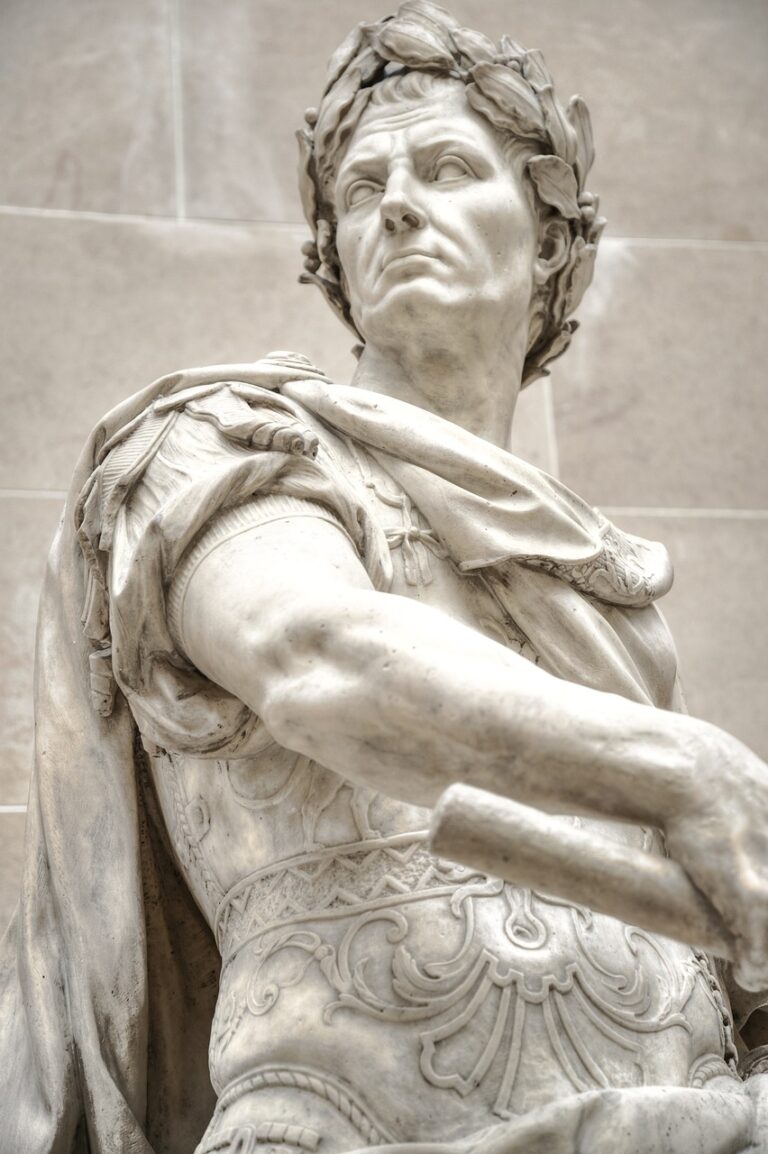
Julius Caesar was a general and a politician who named himself dictator of the Roman Empire for less than year, when he was assassinated by a group of conspirators.

Caesar’s Rise to Power and Crossing the Rubicon:

Caesar was born on July 13, 100 B.C.E. to a noble family in the Roman Republic. During his youth, the Roman Republic was in a state of chaos and disorder. Caesar seized this opportunity to move up the ranks and briefly became the governor of Spain, a Roman province. Afterwards, Caesar returned to Rome and became the governor of Gaul, which is present day France and Belgium. His Roman troops conquered Gaul by taking advantage of existing tribal rivalries in the region. In addition to conquering the Gallic tribes, Caesar also plundered the region, and richened his troops with his newly gathered wealth. This came to his advantage when his rivals in Rome demanded his return as a private citizen. Disobeying their orders, Caesar used his newly gathered riches to strengthen his army. With his Roman troops, Caesar crossed the Rubicon River, traveling from Gaul to Italy. This was when civil war between Caesar and Pompey, his rival in Rome, divided Rome. Caesar’s superior army defeated Pompey, and he stepped in as the ruler of Rome.

Caesar’s Short-Lived Victory:

After his victory, Caesar established himself as the dictator of Rome, and brought about many changes to the Empire within his short rule of one year. Some of these changes included enlarging the Senate, opening it up to citizens of lower-classes to join. He also made several government reforms, including granting property to retiring soldiers, and redistributing the land to the poor. As well, he relieved Rome of debt. Caesar, while known for being a proud and valiant dictator, was also known for the mercy which he showed towards war captives. Instead of killing the prisoners of war, he would grant them mercy in exchange for their swearing fealty to Rome.

Ambition lead to Betrayal:

While Caesar became very popular amongst the lower class citizens of Rome, there was growing unrest amongst the people in the Senate towards Caesar. This unrest stemmed from the fact that Caesar was gaining an unprecedented amount of power. It is important to understand that at the time, the Roman Empire had moved away from a monarchy, and had established a republic. The Senators began to see Caesar as corrupt, and as a threat to democracy. In 44 B.C.E, Caesar declared himself as a dictator for life, and wished to crown himself as king of Rome. This stirred agitation amongst the Senators, who began to plan a conspiracy against Caesar. A month after Caesar’s declaration to be king, Senators Marcus Junius Brutus, who was a close friend and second choice of heir for Caesar, and Gaius Cassius assassinated Julius Caesar.

10 Summer Activities For The Student Resume

Summer is approaching, and as youth many of us have a lot of spare time because school is out. Most of us are in or approaching high school, and a lot of us are worrying about university application and resume appearances. After all, some universities and most scholarships don’t only look at academics now: extracurriculars, hobbies, and creative abilities are all taken into account. So how can we make ourselves a little more competitive and embellish our applications with the spare time we have in the summer?

The short answer is that you can do it however you’d like. If there is something you have a true passion for that you really enjoy doing and you’re highly skilled with, delve deep into it and see if you can publicize your passion by entering contests or sharing your accomplishments on social media. It doesn’t have to be fancy. As long as it’s unique and the quality of your work is high enough, you will gain recognition and eventually accomplishments from your passion.

But what if you don’t have a burning passion that you’re highly skilled with?

To answer that, I’ve compiled a list of 10 generally highly regarded activities for a free student summer.

**Note: Although the resume shouldn’t be your only reason for doing these activities (you should hopefully enjoy some of them a little), remember that it is totally okay to learn skills or pick up hobbies to streamline that application a little!

1. Learn to Code

Coding is an extremely high value skill in the current age of AI and computer science. A basic knowledge of coding can be very useful, and it opens up the doors to a whole world of digital arts and careers. If you love math, I strongly recommend you give coding a shot. Once you have a basic understanding, you can even gain employment with your coding skills. A few fields that you can go into as a student with a small knowledge of coding include:

  • Web Design
  • Graphic Design
  • Education (many places like CodeNinjas hire youth to teach their students)

The best part about learning to code is that it is completely free. There are so many platforms to learn different coding languages on. From my personal experience, I would recommend Khan Academy for total beginners because of its user-friendly structure. Khan Academy offers JavaScript and an introductory course in Python, both of which are great starting points for a beginner in coding.

For intermediate and advanced learners, I would recommend Codecademy because it goes further in-depth for each language and topic, and there are many more languages to learn. Codecademy thoroughly explains the connections between the languages as well. However, this can be quite overwhelming, so make sure you’re patient and persistent.

2. Volunteer!

This one is a bit obvious. If you have free time, why not devote it to a good cause? If you are consistent, it looks quite nice on the resume paper as well. There are many volunteering opportunities and organizations for youth, so you have many options. It’s a good place to start if you don’t have a passion or hobby, because the choices are so diverse. Some of the options include:

  • Youth Central’s Youth Volunteer Corps
  • Municipal government (city-level volunteering)
  • Public Libraries
  • Community Centres
  • Public pools
  • Animal shelters
  • Food Banks
  • Physical activity spaces like the YMCA or public gyms
  • Summer camps for children
  • Hospitals/Clinics

**please note: the age restrictions may differ across different areas and institutions so make sure you read all of the position policies and fine text

3. Complete an Internship

Also a bit obvious, but if you know which career path you’d like to go down, why not complete a summer internship? It’s a good way to gain experience in the career path, admissions and hiring managers like to see that you’ve had exposure to whatever it is you’ve interned with, and the additional bonus? Many internships are paid!

Although the deadline for many summer internships has passed, there are still a few that have spots left. Check with your school guidance counselor for details, or sign up for Indeed and keep a close eye on keywords like “Student Position” or “High School Internship”.

4. Learn a New Language

Language fluency and multilingualism is such an underrated skill. While university applications and scholarship essays might not look for it, you can be certain that most employers will consider it an incredible asset. Communication is everything, and when you live in a culturally diverse country, communication becomes even more important.

There are many ways to learn a language, but I recommend Duolingo. For those of you who don’t know, Duolingo is a free language-learning app (there’s a web-based version too) where you can learn many different languages. It’s a great tool, and has honestly saved me pretty often when I’ve had to learn the basics of a language over a short amount of time.

Storytime: In Grade 9, I signed up to take Spanish in high school at the high school level in order to transfer to a different school from which I was designated. I didn’t realize how much Spanish I needed to know, but I did a few Duolingo lessons a day. Fast-forward to the beginning of August, when I heard that the course would be taught in both English and Spanish, and that the majority of the kids already spoke Spanish somewhat fluently. So I panicked, and then I used August speedrunning the Spanish course on Duolingo. I ended up doing pretty well in the high school course!

Of course, you can’t rely only on Duolingo to learn a language and it is certainly difficult to learn a language fluently over a few months. So here are some other ways you can learn a little faster:

  • watch your movies and TV shows dubbed with other languages and English subs
  • watch foreign movies and TV shows
  • listen to mixed language podcasts
  • write as much as you can in your daily life with the language you are trying to learn

5. Start a Fundraiser

“Fundraised [x amount of money] for [really great cause]” always looks pretty on paper. So if you’re passionate about a cause, spend the summer to help fund something you really believe in! Some generic fundraising ideas include

  • bake sales
  • bottle drive
  • used [whatever] drive
    • ex: clothing, batteries, technology, recycling, craft materials etc. etc.
  • buy and resell products door-to-door

This one can seem a little daunting at first, so I recommend you try doing this with a team or a group of friends to make it a little more fun!

6. Start an Organization

Create a club in your community that gets together every week to pick up garbage. Start a volunteering organization in your own community. Create a card-making club that makes cards to send to the Children’s Hospital and cheer someone up. Whatever your idea is, being the founder of an organization or club in your community is very important for scholarship applications because it shows that you have initiative and you are willing to take action. However, it is also important that you are consistent and that you have some consistent members in the organization to make it impactful. Get together with some friends, and try your best to make it work! After all, if it doesn’t, you can just turn to another one of the ideas in this list.

7. Prepare for Contests

Personally, I’m a big fan of science and I try to participate in the annual citywide science fair every year. It’s one of my favorite things to do. Other contests that are highly regarded are math contests (University of Waterloo has a few) and debate contests. These kinds of academic competitions can be very nice to add onto university applications or scholarships because they show that you have a true passion for the subject. However, they can be incredibly exhausting and overwhelming when added to the pressure of schoolwork and exams once September rolls around and the season starts. For that reason, it’s nice to have a bit of prep work done to help aid your future self.

8. Join a Club/Organization

Although it might not look as impressive as starting one, joining organizations is also highly valued if you are consistent and contribute high quality work. It shows passion and drive for a certain cause. There are so many different clubs and organizations, so I’ll only name a few examples of organizations that you could join. Honestly it doesn’t really matter what you’re doing, so long as you are passionate about it.

  • Community associations
  • Book club
  • Being on the committee that hosts block parties
  • Knitting club
  • Community sports teams

9. Tutor

This one is a little overdone, but that also makes it easier to execute. Most of you reading this article will have reached the age where you’re old enough to tutor someone else, should it be a younger sibling or the neighbor’s kid. Regardless of who you are tutoring, whether or not you are tutoring with a registered organization, or how old they are, teaching others is a valauble skill that many employers might look for on the resume. It indicates your patience and temperance with those around you.

You don’t have to only tutor in-person either. There are many online platforms such as Superprof that allow students to tutor or receive tutoring from online. The struggle with online platforms however, is that it’s hard to get recognized because there are so many tutors. You are also exposed to complete strangers, so it is important to stay safe and practice good digital literacy. If you’re able to snatch a few students in-person though, I would definitely recommend that over digital tutoring.

10. Get a Part-Time Job

This one is listed last mostly because some universities don’t care about your employment status. But some do, and there are also some scholarships that are offered solely for students who work at certain organizations. As well, who wouldn’t like a little extra pocket money?

That being said, it’s not wise to work tirelessly at a job you dislike as a student unless you really need the money. If working is simply to afford your biweekly trip to the movies with friends, then make sure that the job you pick is one that is worth your time. Students often take their free time for granted and work at underpaid, easy-hire jobs that don’t provide any sort of skill training or character building because we’re inexperienced and we don’t know the worth of our work. If you’re offered that kind of job and you don’t badly need the money… please don’t take the job. There will be other positions that will be better. Don’t waste your time on a job that you don’t enjoy and doesn’t pay well.

Here are some jobs that I do recommend for students:

  • Lifeguarding/Coaching
    • Typically higher pay
    • Learn interpersonal skills
    • Interaction with people of all backgrounds
    • Show off your specific skill/proficiency in a sport
  • Babysitting/Day Camp Counselors
    • Interaction with children
    • High-energy
    • Entertaining
    • Shows patience and interpersonal skills
  • Retail
    • Interpersonal skills
    • Customer service skills
    • Organization and Marketing skills
    • Working under pressure/time limits
  • Worker at McDonalds/Burger King
    • In additional to all the same reasons as the retail jobs, McDonalds and Burger King both offer scholarship opportunities to their student workers

Some jobs that I personally would recommend to stay away from include:

  • jobs under minimum wage.
    • This should be self-explanatory. Don’t exploit yourself; your time is worth more than the $13.00/hr and you’ll find another job.
  • amusement parks
    • Typically transportation is far and expensive
    • Outdoors it can get really, really hot in amusement parks full of metal rides and handles. Combined with stuffy costumes, cakey makeup, and the constant smell of sunscreen and sweat, these working conditions can be gruelling
    • Customers are grumpier than even regular retail jobs from heat and exhaustion
    • Risk of heatstroke

TL;DR

There are many different opportunities for students to upgrade their experience portfolio over the summer. However, be sure not to waste your time on less-rewarding experiences and focus on developing your skills in something that you like. The 10 activities that are ideal for students in the summer are:

    1. Learn to Code
    2. Volunteer
    3. Internship
    4. Learn a new language
    5. Fundraise
    6. Form an organization
    7. Prepare for contests
    8. Join a club/organization
    9. Tutor
    10. Part-time job

Top 5 Indian Dishes to Try

Throughout the years, Indian cuisine has a reputation for being spicy yet flavorful, and has been loved by many. As a lover of Indian food myself, here is a list of my top 5 picks of Indian dishes to try!

1. Samosa

The beginners classic. A samosa. It is a triangular shaped pastry that is filled with peas, potatoes, and other veggies. Depending on your taste preferences, it can also be filled with beef or other kinds of meat, and the spice level can be adjusted to your palette.

2. Gulab Jamun

Do you love sweet desserts? Then you will love this! Gulab Jamun is a sweet, bite-sized, deep-fried ball made with milk, flour, sugar, and coated with sweet syrup. It is an excellent treat to try after an especially fulfilling meal.

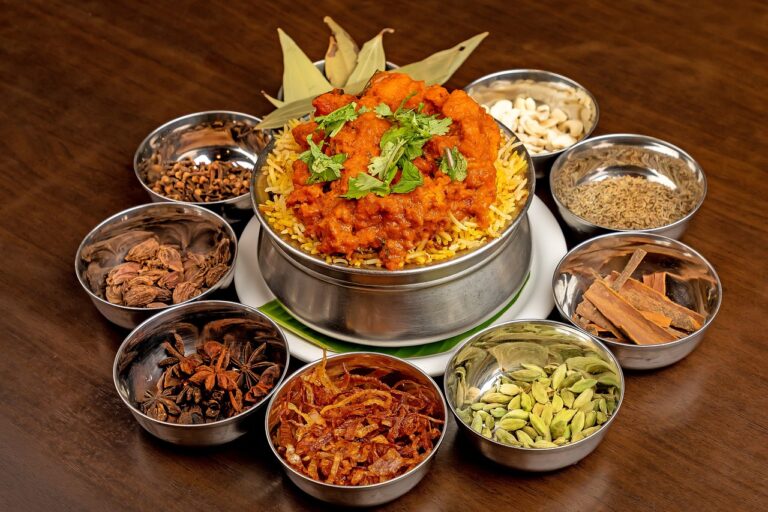
3. Biryani

A beautifully fragrant and delicious rice dish. There are many different and unique versions of Biryani, but generally it is a dish with flavourful rice, spices, cinnamon, saffron, cloves, and meat (depending on if you are vegetarian or not). This dish is usually paired with a condiment like chutney. There are many variations of chutney (a type of dip which you pour over your biryani), such as mint chutney, or even spicy chutney.

4. Tandoori Chicken

This dish is hard to miss with its distinct bright red colour. It is chicken that is marinated in yogurt and spices such as masala, peppers, and cumin. It is then cooked in a ‘tandoor’; a type of oven. Which is why it is called tandoori chicken.

5. Madras Curry

OLYMPUS DIGITAL CAMERA

If you love even more spicy food, you should definitely try this curry. It tastes spicy (about medium-spice) yet tangy and flavourful. It’s a blend of spices such as turmeric, coriander, cumin and hot chilis. It also contains meat of your choice, like lamb or beef, and ingredients such as tomatoes, onions and ginger. This curry is served well with naan or roti, or rice.

Thank you for reading! I hope that you will be able to find an Indian dish, which you will love! Keep in mind that India is an enormous country with many different versions and adaptations of food, each having its own unique flavor, so keep exploring, and I’m sure you will find your favorite!

Sources:

  • https://www.patelbros.com/blog/6-must-have-indian-dishes-that-everyone-should-try
  • https://www.tastingtable.com/772393/delicious-indian-dishes-you-have-to-try-at-least-once/
  • https://glebekitchen.com/indian-restaurant-madras-curry/

The Value of Friendships

Remember those times where you would meet someone for the first time? Sometimes, you’ll only know them during that moment, but most times, you’ll meet them again. When you meet this person again, there’s a chance you’ll interact with them more and know more about them. Sooner or later, you’ll have made a friend that can contribute more life to your days. In other words, a friendship is created, and more can be made as the days pass by.

More friendships being created
Image by Michal Jarmoluk from Pixabay

All of the healthy friendships made in your life are the friendships that made it better. From being a group member for a group project to being a supportive person for your personal goals, friendships are a precious thing to cherish. Although some friendships can come and go, the memories made are not meant to do the same. Thanks to our eventful lives, friendships can form and give us many benefits that we may take for granted. The following are some of the benefits to having friendships:


Words associated with friendships
Image by John Hain from Pixabay


1. Makes life more enjoyable and exciting

First of all, friendships can make life more enjoyable and exciting. As you do things together and make more memories, there are always those times where you share each other’s humour and make usually boring events more fun. Although those moments can sometimes slow you guys down, those moments add color to your life. Going around certain and/or random places, sharing each other’s stories, teasing each other for absolutely no reason at all, are all moments that can allow you to cherish life much more. At the very least, your friendships are one of the first things to look forward to everyday.

Friends together
Image by Alexa from Pixabay


2. Can provide emotional support and help you gain confidence

When times get tough, hopefully you’ll have friends that are there for you. As a harsh reality, your true friends are the ones that support you in your hardest times. From things like heartbreak, trauma, and disappointment, your friendships can help you get through them. In short, your friends can provide you emotional support when you would need it. While, as mentioned earlier, they can tease you for no reason, friendships can have a balance between not being serious and actually being serious.

Teasing friendships moments at sunset
Image by 毅 巩 from Pixabay

Along with the benefit of providing emotional support, your friendships can help you gain confidence. Not only can they support you in your toughest times, but they can be there to support and motivate you whenever (they believe is) possible. On top of that, some of them can be ready to face the uncertainty with you. For example, when both of you are nowhere near ready for a test, there are times where you can hype each other up and make each other confident that you will pass. On the surface level, almost every friendships contains these kinds of support. These are the friendships where your friends believe in you with what you do!

A book with the words "Be You" and "Love Yourself"
Image by Gerd Altmann from Pixabay


3. Gives you a sense of belonging

Throughout every friendship, there is always a sense of connection that exists between the people. There is always that sort of common ground that allows that connection. With a friendship where this exists, it can give you a sense of belonging as you are aware that there is someone that acknowledges and somewhat welcomes you. Within a community, these friendships are basically the first thing to look out for. Without having a common ground, it can be difficult to achieve a sense of belonging. However, with friendships, this is possible and enhanced by all of the other benefits of having that friendship.

A hand heart made with two different people's hands
Image by Kaushik Chug from Pixabay


4. Helps with your mental health

With a friend that is there for you, especially as emotional support, the value of your friendship can also help with your mental health. Looking back at the previous benefits stated, friendships can make life well worth it. Starting with those little, random moments, life can become more exciting and ensure that there is always something to look forward to everyday; whether it is to hang out with a friend or to tease that friend as a way of living. By being something to look forward to, not to mention the fact that they can be there with you in your toughest times, friendships can overall help you avoid isolation and achieve happiness. They can allow you to be yourself and spend quality time together. Both of which helps with mental health.

Helping hands
Image by Htc Erl from Pixabay


5. Helps you develop as a person

Have you ever had a habit that completely does not align from you, but all of a sudden, it came from a friend? Perhaps certain words/sounds, certain ways of thinking, or certain looks? As a reminder, we are all unique people with our own special ways of life. With friendships, you are exposed to different people, which can allow you to explore, experience and try certain things to make a change for yourself. Hopefully, there are parts to your friends that you can find inspiring and/or motivational. These traits can allow you to grow and develop a better character our of yourself! While this is a straightforward benefit, this is the most critical one of the five mentioned. Friendships essentially shape who we are as a person. They are part of our identity and have a profound effect on our lives. As friendships progress, so do the friends themselves.

Developing mind
Image by Gerd Altmann from Pixabay

Obviously, there are more than just five benefits to describe the value of friendships. While the value of certain friendships differ, note that every friendship offers something special to your life! Although certain friendships may make you think otherwise, every friendship allows you to grow in their own unique way, similar to how all of us are unique from each other.

Hopefully, this post encourages you to show appreciation for your friendships as they really do matter. Friendships are one of the biggest things that can add color to your life. They can make life incredibly exciting and worth it as they remind you that you are not alone. In short, friendships are like a reminder that you are not alone in this world and have friends that support you. Even then, you can make friendships in many different scenarios, including community events, volunteering, doing something on a regular basis (like walking your dog and seeing the same person on the same time every day), etc… . If there was one thing you can remember from this post, hopefully it is the idea that friendships are a valuable part of life that makes you cherish it in ways that you wouldn’t be able to alone.

Friends
Image by Nino Souza Nino from Pixabay


Sources: 1 , 2 , 3 , 4 , 5

Images: 1 (Featured Image), 2 , 3 , 4 , 5 , 6 , 7 , 8 , 9 , 10

Cultural Heritage in Couture: Balancing Inspiration and Appropriation

0

In today’s interconnected world, fashion and beauty trends can spread globally within moments, almost always with no regard for it’s origin, or cultural significance. We have seen it happen more and more commonly, especially after the uproar of social media, and the crippling hold it has on everyday society. This phenomenon is known as cultural appropriation, and it occurs when elements of a minority culture, are adopted by members of a dominant culture. Now, one of the beauties of a country with so many diverse cultures, is that cultures are bound to infuse. However, with these trends and fashions, they strip the tradition of its original context and meaning, essentially mocking the tradition and the values it holds. From the “clean girl” aesthetic to the glorification of cornrows, when worn by white celebrities, the beauty industry has repeatedly and rightfully so faced criticism for its extremely exclusive and selective embrace of cultural symbols, traditions, and clothing items. 

Erasure of Cultural Significance

When various elements of a culture are appropriated, more than not, their original meaning and contexts are often stripped away. Let us take into account the bindi. To provide context, the bindi is a significant cultural and religious symbol in South Asian communities, yet when worn as a fashion accessory by people who may not fully understand the cultural meaning, its spiritual and cultural importance is overlooked. This erasure diminishes the full value and understanding of the cultural symbols, reducing them to just a fashion item, or an aesthetic to accomplish. 


Reinforcement of Eurocentrism

Cultural appropriation reinforces a Eurocentric worldview, which is a term that describes a worldview, mindset, or rhetoric that centers around European, or white ways and traditions, as sole and superior in comparison to other cultures. We see this very clearly pointed out when looking at cultural appropriation in media. This perpetuates the narrative that cultural traditions are only allowed when worn and practiced by someone who is of European descent. This once again promotes this narrative that European aesthitecs are more desirable or superior. For example, recently there has been a trend known as the clean-girl aesthetic gaining hype on social media. However, what we’re noticing is things like slick-backs, hoop earrings, and lip gloss, are characteristics that many minority groups, specifically brown and black communities were made fun of. However, as soon as we saw many white people continue with the trend, it was considered clean, even though the same things were considered dirty, ugly, and even “ghetto”(please be aware that this term is derogatory, and shouldn’t be said or used in any context. ). 


Colonial Legacy

The fashion industry has been long intertwined with colonialism, even back when the Indigenous people of Canada’s resources and ways of living were stripped so people back in Britain were able to receive high-end furs and other fashion items. We see this same type of exploitation also happening today, as surprising as it may be. The appropriation of African prints and textiles is just one example. The use of “tribal” prints in mainstream fashion collections often overlooks the extremely diverse cultures and histories behind these textiles and printed, reducing them to exotic trends divorced from their cultural contexts. There have even been entire fashion shows around this theme of safari, even from high-end brands. 


Power Dynamics

High-profile fashion brands have constantly faced a lot of criticism for not involving the very cultures they are putting on display and excluding them from the creative processes surrounding these ideas. For example, we see this same thing when looking at Isabel Marant in 2015. French fashion designer faced criticism for her Spring-Summer collection, which included designs that closely resembled traditional indigenous patterns from the Mixe community in Santa María Tlahuitoltepec, Oaxaca, Mexico. The designs featured intricate embroidery and patterns that were nearly identical to the traditional Mixe garments known as “huipils”, which hold significant cultural and historical value for those Indigenous communities. The Mixe community expressed outrage, stating that Marant’s designs were an appropriation of their cultural heritage without permission, collaboration, or credit. The community emphasized that the patterns and designs are not just aesthetic choices but are imbued with cultural meanings and traditional knowledge passed down through generations.


I would like to point out that even though fashion has its downs, there are some positive interactions as well! 


Cultural Exchange vs. Appropriation

Collaborations between fashion brands and Black and Brown communities can be a positive example of cultural exchange when done respectfully and with mutual consent. For instance, when Nike collaborated with Nigerian designer Amaka Osakwe of Maki Oh to create a collection inspired by Nigerian culture and heritage. It was known for a collection that honoured and celebrated the cultural heritage of Nigeria, while providing a platform for African designers to showcase their talent and culture on a global stage!


Ethical Sourcing and Fair Trade

Ethical sourcing and fair trade practices in the fashion industry ensure that traditional crafts are respected and artisans are fairly compensated. Stella McCartney is renowned for her commitment to sustainability in fashion, and ethical fashion. Her brand and fashion styles work with artisans across the world, paying fair wages and supporting all local economies. This approach not only respects and honour the cultural significance of traditional crafts but also the preservation of future generations by providing economic support to be communities that sustain them.       

In our very diverse society and global landscape, the rapid diffusion of fashion and beauty trends often endanger instances of cultural appropriation, where elements of minority cultures are assimilated into the more dominant ones, with little to no regard for origins and significance. This phenomenon is very clearly presented in trends such as the fusion of indigenous patterns in high-fashion collections and the quick popularity of spiritual symbols stripped of their cultural context. Such practices not only diminish the authenticity and meaning of cultural elements. Not only does it perpetuate power imbalances, but it also reinforces Eurocentric standards of beauty. The fashion industry’s historical legacy and reputation of exploitation and exclusion further complicates the issue, as seen in this article and hundreds of others on the internet. However, amidst these challenges, there are various opportunities for positive cultural exchange, such as collaboration between fashion brands and indigenous artisans to promote cultural heritage and empower marginalized communities. By prioritizing respectful engagement and inclusive representation, the fashion industry can celebrate and honour diversity, foster meaningful connections across generations, cultures, and countries, and put their best foot forward on the global stage.