
Home Blog Page 37

6 Habits That Can Boost Your Mental Health and Well-Being

The Science Behind Happiness: How Your Brain Reacts to Joy 

Before we explore specific habits, it’s important to understand the science behind happiness. Happiness is more than just a fleeting emotion; it involves a physiological reaction to our brains. When we feel joy, our brains release chemicals such as dopamine, serotonin, and endorphins, which enhance our sense of well-being and pleasure. Research indicates that these neurotransmitters not only affect our feelings but also shape our behaviors and motivation. Thus, happiness is not merely about enjoying the moment; it’s about fostering a lasting, positive perspective on life. By incorporating small, deliberate changes into our daily lives, we can encourage the consistent release of these “feel-good” chemicals. Now, let’s look at some easy habits that can elevate your happiness. 


Habit #1: Gratitude – The Power of Appreciation 

Gratitude serves as a powerful ally in the quest for happiness. Research indicates that embracing gratitude can actually change the way your brain functions, steering your focus toward the positive rather than the negative. Psychologists like Robert Emmons and Michael McCullough have found that those who regularly express gratitude tend to enjoy higher levels of happiness, better immune health, and enhanced relationships. A simple yet effective way to nurture gratitude is by maintaining a gratitude journal. Each day, jot down three things you appreciate, no matter how big or small. Whether it’s savouring a cozy cup of coffee or cherishing a chat with a friend. This daily habit gradually transforms your outlook, fostering a sense of positivity and fulfillment.  


Habit #2: Mindfulness and Meditation – Being Present in the Moment 

Mindfulness involves being fully engaged in the present moment without passing judgment. This practice allows you to notice your thoughts and emotions without becoming overwhelmed by them. Research indicates that mindfulness can significantly lower stress levels, reduce anxiety, and enhance overall happiness. Meditation, a key aspect of mindfulness, is associated with better mood and emotional health. Regular meditation can increase grey matter in the brain, which plays a crucial role in managing emotions positively. By embracing mindfulness, you can heighten your awareness of thoughts and escape from negative thought cycles. For those just starting with mindfulness, try dedicating five minutes each day to focused breathing. Find a quiet spot, concentrate on your breath, and genty redirect your focus when distractions arise. Over time, you can extend your practice and weave mindfulness into everyday activities, such as walking or eating mindfully. 


Habit #3: Exercise – A Natural Mood Booster 

Exercise benefits not just your physical health but also significantly enhances your mood. Engaging in physical activity triggers the release of endorphins in your brain, which are natural chemicals that promote feelings of happiness and help alleviate stress and anxiety. Additionally, regular exercise contributes to improved sleep quality and boosts overall cognitive function. 

You don’t have to engage in strenuous workouts to enjoy these advantages. Simple activities, such as a brisk 30-minute walk or a gentle yoga class, can lift your spirits. To incorporate more movement into your life, consider making it a habit. Opt for the stairs instead of the elevator, walk to your destination when possible, or set aside time for regular exercise throughout the week. Even moderate activity can have a significant positive effect on your well-being.


Habit #4: Connecting with others – The Role of Social Relationships 

Human beings thrive on social connections, and nurturing strong relationships is essential for our overall happiness. Research indicates that individuals who maintain close, supportive bonds experience greater joy, improved health, and even increased longevity. Engaging in positive social interactions stimulates the brain’s reward pathways, releasing chemicals that boost your mood. 

It’s crucial to prioritize the quality of your relationships over sheer numbers. Building meaningful connections with friends, family, or colleagues is what truly counts. Dedicate time to strengthen these bonds by scheduling regular catch-ups, participating in community service, or joining groups that align with your passions. The deeper your connections, the more fulfilled and content you will feel.


Habit #5: Helping Others – The Joy of Giving  

One of the most effective ways to boost your happiness is through acts of kindness. Whether it’s helping a neighbor or donating to a charity, giving back not only makes others feel good, but it also enhances your own sense of well-being. 

Psychologists have found that performing acts of kindness triggers the release of oxytocin, which fosters feelings of warmth and satisfaction. In fact, the term “helper’s high” is often used to describe the joy you get from helping others. 

Acts of kindness don’t need to be grand or expensive. Small gestures—like holding the door for someone, complimenting a friend, or volunteering your time—can make a big difference in how you feel and how others feel too. 


Habit #6: Prioritizing Sleep – The Foundation of Well-being 

Sleep is the foundation of good mental health. When we don’t get enough rest, it’s harder to manage our emotions, and we’re more prone to stress and irritability. In contrast, quality sleep helps regulate mood, improve cognitive function, and maintain overall well-being. 

To improve your sleep, create a sleep-friendly environment. Keep your bedroom cool and dark, avoid caffeine in the evening, and limit screen time before bed. Establishing a consistent bedtime routine also helps your body recognize when it’s time to wind down. 

Aim for at least 7–9 hours of sleep each night to reap the full benefits for your happiness and health. 


The Importance of Consistency – Small Changes for Big Results 

While these habits can make a significant impact on your happiness, the key is consistency. You don’t need to implement all these habits at once—start small and build over time. The more consistently you practice gratitude, mindfulness, exercise, social connection, kindness, and sleep, the greater the cumulative effect on your mood and well-being. 

Remember, happiness is a lifelong journey. Some days will be better than others, but by making small, intentional changes, you can create a positive feedback loop that nurtures your happiness. 


Conclusion: A Life Filled with Joy Starts with You 

By adopting these simple habits, you can take charge of your happiness and well-being. It’s not about waiting for happiness to find you; it’s about creating it in your daily life through intentional, mindful actions. So, what habit will you start with? Whether it’s keeping a gratitude journal, practicing mindfulness, or connecting with others, every small step will bring you closer to a happier, more fulfilled life. 

Happiness isn’t just a goal—it’s a practice. And with these habits, you’re well on your way to a brighter, more joyful future. 

Celebrating the Heart: How Our Body Celebrates Love

0

When we think of love, we often picture warm embraces, heartwarming words, or perhaps an exciting flutter in the chest. But have you ever wondered what happens inside your body? The heart, a symbol of affection throughout history, is not just a passive organ in our feelings–it plays an active role in how we experience and process these emotions. So, in honour of this year’s Valentine’s Day, let’s celebrate the human heart, not just as a symbol of affection but as a remarkable organ that responds to our deepest emotions.

Anatomy of the Heart

The human heart is an extraordinary organ located in the chest. It works tirelessly to pump blood throughout our body, ensuring every cell receives the necessary nutrients to function. Our hearts are made of four chambers: The right atrium, right ventricle, left atrium, and left ventricle. These chambers work in harmony to ensure that blood flows smoothly and efficiently. But this is where the magic happens–our heart is more than just a pump. It can respond to emotional stimuli and feelings of love and excitement do trigger real, measurable changes in our heart.

How the Heart Responds to Emotions

The heart’s connection to emotions is both physical and chemical. When we experience love, excitement, or nervousness, the brain sends signals to our autonomic nervous system. This system controls involuntary functions like heart rate, digestion, and respiration. This is the link between our emotions and our body’s response.

  • Increased Heart Rate – one of the most immediate effects of emotions is an increase in heart rate. The release of adrenaline (epinephrine) during moments of emotional intensity causes the heart to beat faster. This response is a remnant of our evolutionary ‘fight or flight’ mechanism. In moments of joy or excitement, this response causes your heart to race.
  • The ‘Butterfly’ Sensation – Sometimes you might notice a fluttering sensation in your chest or stomach. This is due to the release of hormones like adrenaline and oxytocin, causing physical sensations of warmth and excitement. The heart’s rhythm changes cause this fluttering feeling.
  • Oxytocin: The Love Hormone – Oxytocin is a hormone promoting positive feelings. This hormone can foster feelings of bonding, trust, and affection while reducing stress and promoting a sense of well-being.

How Love Makes the Heart Stronger

  • Lower Blood Pressure: Studies have shown that positive emotions, including love, can help reduce blood pressure. When we feel loved or love things around us, our bodies may enter a more relaxed state. This stress reduction can decrease the risk of heart disease as prolonged high blood pressure can lead to damage in the heart and blood vessels
  • Increased Heart Health Through Bonding: Relationships can have a profound impact on our heart’s health. Social connections and emotional bonds can lower stress hormones like cortisol and promote healthier heart function. The simple act of spending time with loved ones can have long-lasting, positive effects on our cardiovascular health

The Heart as a Symbol of Love

The heart has long been a symbol of love, not only as the physical center of our bodies but because of its profound connection to our emotions. It is the organ that literally beats with excitement when we feel affection, races when we feel adoration, and swells with joy when we feel loved. Beyond the anatomical marvels, the heart remains a symbol of human connection and emotion. It celebrates love not only in its symbolic form but through its real, tangible response to the emotional rollercoaster we experience as we navigate different relationships.

The human heart is not only a symbol of love but an active participant in our emotions. Through its anatomy and dynamic response to hormones and nervous system signals, the heart reacts to love, excitement, adoration, and all emotions that come with positive human connections. From the physical sensations of a racing heart to the long-term benefits of emotional bonds, the heart truly celebrates love in all ways.

Sources:

The Serious Global Issue of Water Shortage

0

An invaluable resource

Although water makes up about two thirds of our planet, it is important to note that fresh water, the usable form of water, is very rare in comparison to the overall water present on Earth. Water shortage is a serious issue in our modern world. Did you know that about “1.1 billion people worldwide lack access to water” (according to the WWF)? Water isn’t only used for drinking, it is also especially valuable for sanitation. Picture a hospital or a clinic, for example. These medical facilities must have access to water in order to serve patients in a safe environment.

However, “inadequate sanitation is also a problem for 2.4 billion people”, causing them to be vulnerable to diseases, like “cholera and typhoid fever.” It is because this issue of water scarcity is so widespread across the globe, that it poses a serious challenge for humanity, particularly in underdeveloped regions around the world.

A Growing Challenge

As a result of growing population in many regions, the natural water systems present are becoming increasingly “stressed”, with many fresh sources of water drying up altogether. In fact, it is estimated that “more than half the world’s wetlands have [already] disappeared.”

According to the WWF, at our “current [water] consumption rate,” the global problem of water scarcity “will only get worse”. A issue that is fueled by climate change and global warming, water scarcity is a serious problem, and it is closely associated with other growing issues like declining biodiversity, and an increased number of natural disasters.

The Causes of Water Scarcity

Pollution, agriculture, and population growth are major factors behind this issue. In fact, did you know that “agriculture uses 70% of the world’s accessible freshwater”? However, it has been estimated that “some 60% of [agricultural water usage] is wasted due to leaky irrigation systems.” This has caused some of the major agricultural production countries, like the China, India, and the U.S. to “have reached or are close to reaching their water resource limits.” If water scarcity isn’t combated as a problem, then it will likely also have ripple effects, causing the growth of other negative issues as well.

What Humanity Can Do About This Issue

One of the most important ways for humanity overall to combat water shortage is by protecting and restoring natural habitats, especially “wetlands,” “forested catchment areas,” “groundwater aquifers,” and other places like rivers and lakes.

On a smaller scale, household leaks must also be reduced. It is estimated that “household leaks waste nearly 1 trillion gallons of water per year” in the U.S. However, combating household water leakage requires multiple parties, including the municipal government, to work together to improve the efficiency of water usage. Be sure to check out this United Nations article for more information on what humanity can do to combat water shortage.

Who was Canada’s 18th Prime Minister, Brian Mulroney?

0

On Feb. 29, 2024, Brian Mulroney, the 18th Prime Minister of Canada who served for two terms nearly a third of a century ago, passed away surrounded by family at the age of 84. What followed was an outpouring of condolences and tributes to the late statesman, from public figures on both sides of the isle. But for many Canadians who grew up after his time in office, or for those who were too young to remember him at all, the question remains, who was Brian Mulroney, and what did he do?

Beginnings

Although he came from a family of Irish immigrants, Mulroney grew up a Quebecer, and represented Quebecois districts in Parliament for the majority of his career. He was born in Baie-Comeau, in the eastern reaches of Quebec near the border with Labrador, on March 20, 1939.

At just 16, Mulroney entered university, beginning attendance at St. Francis Xavier University in Nova Scotia, where he would live for most of his early career. A star member of his university’s debate club, and avid member of local student parliaments, Mulroney was recruited to join the Progressive-Conservative Party (Tory for short) in the runup to the 1956 party convention, managing to land himself a spot as a delegate at the age of 17.

A year later, Mulroney would graduate with a degree in Political Science and begin studying law, finally graduating in 1964 and beginning his career as a lawyer. Mulroney moved back to Quebec and joined the firm Ogilvy Renault, the largest law firm in Canada at the time. Specializing in labour law, he assisted in negotiating with the Iron Ore Company of Canada and Power Corporation of Canada, ending several strikes in and around Montreal.

Rise to Prominance

Although he had gained himself a sizable reputation within inter-party politics, Mulroney would soon launch himself to national prominence.

In 1974, the Premier of Quebec, Robert Bourassa, launched an investigation into the James Bay Hydroelectric Power Station Project after members of a local union initiated a riot in protest of the construction company. The investigation was headed by Robert Cliche, a former teacher of Mulroney and New Democratic Party (NDP) politician, who asked Mulroney to join him in the proceedings to avoid any partisan bias affecting the findings.

Cliche and Mulroney managed to reveal evidence connecting the Rizzuto crime family and mafia to the unions responsible for initiating the conflict, determining the riot itself was an attempt by mob leader André Desjardins to extort the company. However, the group also uncovered evidence that proved a member of Premier Bourassa’s staff had contacted Desjardins, offering construction contracts to Desjardins’ union in exchange for financial support in an upcoming election. The scandal made national headlines and received extensive media attention, giving Mulroney nation-wide fame. 

Despite never having held political office, Mulroney knew he had popularity, notoriety, and enough political connections to launch a bid for the leadership of the Progressive-Conservatives.

Throughout the early 1980s, he gave political speaking tours which both boosted his image and gave the public a peek at his policies that were previously unknown. His aptly titled 1983 book “Where I Stand” elaborated on his policies and let the Tories know that Mulroney was a viable option for leadership. In 1983, incumbent Progressive Conservative Leader and former Prime Minister Joe Clark resigned in order to seek re-election as leader. Mulroney decided to run in the leadership race too, managing to beat Clark with a sizable margin of nearly 9%.

Prime Minister

In 1984, Mulroney would defeat incumbent Liberal Prime Minister John Turner and his party in a landslide, becoming the 18th Prime Minister of Canada.

A part of Mulroney’s early campaign promises had been a pledge to tighten the relations between Canada and the United States. On March 17th, 1985, Mulroney met with President Ronald Reagan to discuss the development of mutual trade agreements, which would lay the groundwork for the North American Free Trade Agreement (NAFTA) in 1992.

While the talks would greatly increase relations with the United States, many Canadians were alarmed by the new developments, claiming that Mulroney’s movements were simply pushing the “Americanization” of Canada. Outside North America, Mulroney took a broadly internationalist stance.

After a famine began in Ethiopia, Mulroney appointed Clark to the position of Minister of Foreign Affairs, who then persuaded the U.N. to deliver international aid efforts to the country. By the end of the crisis, Canada had contributed 10 percent of foreign aid expenditures alone. Mulroney also became one of the first western voices to condemn the apartheid state in South Africa, which segregated the majority black population from a ruling white minority. Mulroney pressured other western nations to institute sanctions on South Africa until they ended apartheid and released then-activist Nelson Mandela, and when others refused, he threatened to cut off all diplomatic relations with South Africa.

In the end, Mulroney’s tactics worked, and, in 1986, Canada joined many other western nations in issuing 11 new sanctions against South Africa. In 1990, the day following Mandela’s release from prison, he called Mulroney and thanked him for Canada’s efforts. The two would become and remain friends for the remainder of Mandela’s life.

Mulroney had promised the reduction of the federal deficit during the campaign, which had ballooned from $667 Million to $37.2 Billion during the 1970s. To accomplish this goal, Mulroney stopped adjusting income tax brackets with inflation, which meant the government could collect more money without directly raising taxes. He also eliminated several corporate tax loopholes, while also increasing rates on several “sin taxes”, including alcohol. With his new measures, the deficit decreased from $33 Billion in 1985 to $27 Billion in 1988. Mulroney also began to privatize many of Canada’s crown corporations, selling off 23 of them to private buyers.

Mulroney himself remained well aware of climate issues and the danger oil posed for the environment, an unusual concern for the time. In 1987, he hosted the Montreal Accords, in which 45 other nations agreed to implement measures to combat the production of chemicals proven to damage Earth’s ozone layer.

He also put pressure on President Reagan to address acid rain issues, and to implement measures to combat air pollution. Although Reagan was unwilling to negotiate the issue, Reagan’s successor, President George H.W. Bush, agreed to discussions. In 1991, the two leaders signed the U.S.–Canada Air Quality Agreement, which aimed to reduce the presence of acid rain-causing Sulphur dioxide and nitrogen dioxide in the atmosphere. In both countries, over the next decade, air quality began to improve, and acid rain prevalence decreased significantly.

Mulroney remained popular throughout his first term, and managed to win re-election in the 1988 Election, although with a smaller margin of victory.

Second Term Troubles

By 1988, there was very little room for any more cuts to the budget, and a deficit of nearly $34 Billion Canadian dollars still remained. Mulroney was faced with an uncomfortable truth; raising taxes was the only way to solve the deficit crisis.

In August of 1989, Mulroney announced he would be introducing a Goods and Service Tax (GST) of nine percent to replace the existing 13.5 percent manufacturer’s sales tax, which only applied to domestically produced goods. The move, however, received widespread criticism in the media and among the public. Even after Mulroney begrudgingly reduced the GST to seven percent, nearly 80 percent of Canadians stood against its implementation.

Although Mulroney’s majority in the House allowed for easy passage, the Liberal-controlled Senate refused to consider the bill. To their dismay, however, the annoyed Mulroney would refuse to bend to Senatorial pressure. On Sep. 27, 1990, Mulroney would use an emergency constitutional provision which allowed him to appoint up to eight new Senators in the event of a deadlock in parliament. With these appointments, the new Tory-controlled Senate narrowly passed the GST reform. Although technically legal, Mulroney’s machinations received heavy criticism and contributed to a substantial decline in public approval.

As Canada entered into 1993, a general election was looming and Mulroney was one of the most unpopular Prime Ministers in history. The introduction of the GST, backlash over CUSFTA, and a worldwide recession that hit Canada hard in the early 1990s had led to the Prime Minister’s approval declining to around 10 percent, with election polling showing the Tories getting as little as 15 percent of the vote. It was all but certain the Tories would be destroyed if Mulroney remained as Prime Minister. In order to save his party from defeat, Mulroney announced he would resign as Prime Minister, leaving office on June 25th, 1993, and handing power to Kim Campbell.

Final years

Politically, Mulroney’s legacy has been mixed. Many praise his term as Prime Minister for his interest in environmental protection and clean air initiatives, along with his strong stance against apartheid South Africa and his contributions to global aid and relief efforts.

On the other hand, opponents of his administration point to the impact of NAFTA on the Canadian economy, and the impact of the introduction of new taxes. Overall, however, the historical consensus regarding Mulroney’s premiership has been average-to-positive. One ranking conducted by Maclean’s magazine in 2016 ranking him as the eight best Prime Minister in Canadian history. But whatever one’s personal position on Mulroney, it is impossible to deny his government has had a major influence on the shaping of modern-day Canada, and how our nation’s political landscape is today.

Sources:

  1. How Brian Mulroney spearheaded Canadian push to end apartheid in South Africa and free Nelson Mandela
  2. When Brian Mulroney was great | CBC News
  3. La commission Cliche en mémoire – MAGAZINE CONSTAS
  4. History Through Our Eyes: March 17, 1985, the Shamrock Summit | Montreal Gazette
  5. Brian Mulroney | The Canadian Encyclopedia
  6. Election of 1988 | The Canadian Encyclopedia
  7. Canada and NAFTA | The Canadian Encyclopedia
  8. Opinion polling for the 1988 Canadian federal election
  9. 1988 Canadian federal election 
  10. 1993 Canadian federal election
  11. 1993 Progressive Conservative leadership election

Plane Crash in Philadelphia Today

0

On January 31, 2025, an aviation accident occurred in Northeast Philadelphia. The Jet Rescue Air Ambulance-operated Learjet 55 aircraft crashed soon after it took off from Northeast Philadelphia Airport at around 6:22 PM EST. The jet was on a path to Tijuana International Airport, Mexico, with a planned refueling stop at Missouri’s Springfield-Branson National Airport.

One passenger alongside the plane included her mother and a young female patient as well as her four crew members. Due to the explosion of a few cars and houses, including the damage to the Roosevelt Mall, all the passengers including the 6 people onboard the plane, died. Six people in the neighborhood were taken to the hospital as they sufferered extreme burns along with skin damage. Of these, three were treated and released while the rest still require aftercare.

NTSB and FAA have started their investigations into the cause of this crash. The aircraft’s initial data suggests it achieved an altitude of 1650 feet before it vanished off radar 30 seconds after takeoff, and then began its descent at a rate of 11000 feet per minute. It was garneted by moderate rain, overcast conditions, fog, and wind of around 30 mph.

In response to the incident, the Philadelphia Police Department and the Office of Emergency Management diverted traffic from the area and asked civilians to steer clear of the location. Josh Shapiro, along with state officials, ensured that all state aid would be provided in the appropriate manner for the response.

https://nypost.com/2025/01/31/us-news/medevac-plane-crash-victim-idd-as-young-girl-headed-home-to-mexico-after-life-saving-treatment-in-us/

https://www.politico.com/news/2025/01/31/small-plane-philadelphia-00201923

https://people.com/plane-crash-near-roosevelt-mall-in-philadelphia-multiple-casualties-reported-8784323

Brain-Computer Interfaces (BCIs): The Secret to Matilda’s Mind-Control Abilities

We’ve all seen the 1996 movie Matilda, where a 6-year-old genius moves things with her mind. But what if I told you that you could do the same with Brain-Computer Interfaces (BCIs)? This innovative tech is making what seemed like magic a reality. BCIs have the potential to change our future—from helping people with disabilities to revolutionizing gaming. Let’s explore what BCIs are, how they work, and their impact on our world.

What Are BCIs?

A Brain-Computer Interface (BCI) allows you to control things simply by thinking about them. It reads your brain activity and translates those thoughts into actions. For example, you could turn on a light or move a robotic arm, all with just your mind!

How Do BCIs Connect the Brain to Machines?

Normally, when you want to control something—like turning on a light—you think about the action, then use your muscles to make it happen. But BCIs skip the muscle step and go straight from your brain to the action. They detect your brain’s signals and send them directly to devices, like a lamp, to trigger the action. This feature is especially helpful for individuals who can’t use their muscles or communicate in traditional ways.

Why BCIs Could Change Everything

BCIs have far-reaching potential, and they’re not just for people with disabilities. This tech could have widespread applications for everyone. For example, BCIs could monitor your mental health by detecting stress or fatigue. In gaming, BCIs might adjust difficulty based on how engaged or focused you are, making the experience more interactive. Moreover, BCIs could even enhance learning by giving real-time feedback on your concentration levels.

The Science Behind BCIs

Our brains are made up of neurons, cells that send electrical signals to control everything, from movement to thoughts. These neurons communicate through electrical signals, which create distinct patterns. BCIs detect these patterns outside the brain.

Electrodes: How We Measure Brain Activity

To measure brain activity, we use electrodes—small sensors that pick up on the brain’s electrical signals. One common method is the EEG (electroencephalogram), where electrodes are placed on a cap that fits tightly on your head. When you think about doing something, like counting, your brain generates unique electrical patterns. BCIs then teach computers to recognize these patterns and use them to control devices, such as turning on a light or moving a robot.

Key Components of a BCI

A typical BCI has three main components:

  1. Device to Measure Brain Activity – This usually consists of a headset or cap with sensors.
  2. Computer to Process Brain Signals – The computer reads the brain activity and interprets your intentions.
  3. Device to Control – Once the computer decodes your brain’s signal, it sends a command to a device (like a light or robot) to carry out the action.

Types of BCIs

BCIs can be classified into three categories based on their interaction with the brain:

  1. Non-invasive BCIs – These are the most common and safest. They use sensors placed on the scalp to measure brain activity without surgery.
  2. Semi-invasive BCIs – These require surgery to place electrodes on the surface of the brain. They offer greater precision and are typically used for medical purposes.
  3. Invasive BCIs – These are the most advanced, requiring surgery to implant electrodes directly into the brain. They provide the most accurate readings but require surgical intervention.

Real-World Examples of BCIs

  • Neuralink: Elon Musk’s company uses invasive BCIs to help restore movement in people with spinal injuries.
  • Neurable: A non-invasive BCI that lets you control technology with your mind, like playing a game by simply thinking.
  • Synchron: This semi-invasive BCI helps paralyzed patients control digital devices.

Current and Future Applications of BCIs

Medical Uses

BCIs are already helping people with disabilities. For example, they assist paralyzed individuals in communicating or regaining mobility. BCIs could also be used to treat mental health issues such as anxiety, depression, and PTSD. As machine learning improves BCIs, they’ll become even more personalized and tailored to individual needs.

Gaming and Entertainment

In gaming, BCIs could transform the experience by making it more immersive. Picture a game where the difficulty adjusts based on your level of focus or relaxation. BCIs could also open new ways to interact with entertainment and media, providing a more engaging experience.

Education

BCIs could also improve education. By giving real-time feedback on how focused a student is, BCIs could make learning more personalized. This would lead to more effective and accessible learning for everyone.

BCIs As the Future

Brain-Computer Interfaces (BCIs) are changing the way we interact with technology. They have the potential to revolutionize everything from medical treatments to gaming and education. While BCIs are still a relatively new technology, their future possibilities are immense. Whether they’re helping people with disabilities or making gaming more fun, BCIs are on the path to becoming a major part of the future. So, the next time you watch Matilda, remember that with BCIs, you too could one day move things with the power of your mind!

Sources: 

The Science Behind A Digital Detox

0

If you’ve been on social media anytime in the past few years, you are likely familiar with the concept of a “digital detox”.

According to Brown Health, a digital detox refers to a set period of time for an individual to stay away from social media and their devices, whether it be smartphones, computers, tablets, or television.

But why do so many people feel the need to unplug? And what does science say about the benefits of stepping away from screens? In this article, I’ll be delving into these questions through a scientific lens.

The Impact of Digital Overload on the Brain

Though it may seem like scrolling on Instagram or Tiktok a few times a day is harmless, constant exposure to digital content can overstimulate the brain’s reward system.

The brain’s reward system relies heavily on dopamine, a neurotransmitter that’s responsible for giving you feelings of pleasure, satisfaction and motivation.

When you engage with digital content, whether it’s getting likes on a post, watching a funny video, or reading a stimulating article, your brain releases dopamine, reinforcing the behaviour and encouraging you to keep scrolling.

The problem with this is that social media platforms are designed to maximize this effect, as the algorithm pushes users content that will continue triggering dopamine release and likely trap the user in a seemingly endless cycle of doomscrolling.

Over time, this overstimulation can lead to dopamine desensitization, meaning that the brain requires more and more stimulation to experience the same level of pleasure. This can make everyday activities that once felt enjoyable, such as reading, exercising, or even spending time with friends, seem less rewarding in comparison to the instant gratification of digital content.

Clearly, this is a problem, as it proves that constant social media usage really can have a negative impact on one’s life.

How a Digital Detox Affects Mental Health

This is where a digital detox comes in.

Taking a break from digital devices temporarily lowers the amount of dopamine released in the brain. Without instant dopamine surges, individuals can begin to find joy in offline activities again, albeit they may initially seem to be more boring and mundane than social media.

Beyond this, limiting the time spent on social media can also help individuals feel better about themselves, as many studies have shown that limiting screen time can decrease anxiety, stress, and symptoms of depression.

In short, this is why a digital detox can be powerful. By intentionally stepping away from screens, even for a short period, we give our brains a chance to reset, regain focus, and rediscover joy in offline activities. While the transition may feel difficult at first, distancing ourselves from our devices can bring us closer to finding joy in more meaningful aspects of life, and the science backs it up.

In conclusion, a digital detox can help ease dopamine release in the brain’s reward system and help individuals gradually distance themselves from their screens.


Sources:

https://www.brownhealth.org/be-well/what-digital-detox-and-do-you-need-one#:~:text=In%20the%20case%20of%20a%20digital%20detox%2C,time%20to%20experience%20real%20life%20without%20distractions.

https://my.clevelandclinic.org/health/articles/22581-dopamine

NewJeans vs. ADOR: The Ongoing Battle and Its Bright Future

The K-pop scene has been buzzing with the ongoing dispute between the popular girl group NewJeans and their former management company, ADOR, a subsidiary of HYBE. This conflict has not only captivated fans but also raised questions about the dynamics of artist management and contract disputes in the entertainment industry.

The Beginning of the Conflict

The trouble started when ADOR announced that Min Heejin, the CEO and founder of the label, would step down in August 2024. This decision did not sit well with the members of NewJeans, who held a surprise livestream in September 2024 demanding Min’s reinstatement. Unfortunately, their efforts were in vain, and the situation escalated from there.

Unsplash Image of Korean Flag

Legal Battles and Name Change

In December 2024, ADOR filed a lawsuit to confirm the validity of the exclusive contract with NewJeans. The members responded by terminating their contracts and announcing a new group name, NJZ, in February 2025. This move was seen as a bold step to assert their independence and reclaim control over their careers.

The Impact on Fans and the Industry

The dispute has had a significant impact on NewJeans’ fans, who have been rallying behind the group and expressing their support through social media and fan events. The entertainment industry is also watching closely, as the outcome of this case could set a precedent for future artist-management disputes.

A Bright Future for NJZ

Despite the ongoing legal battles, NJZ has managed to stay positive and focused on their music. They recently released a new single that has topped the charts and received rave reviews from critics and fans alike. Their dedication and resilience have paid off, and they are now more determined than ever to continue making music that resonates with their audience.

Unsplash Image of People who wait to see the World Music Festival

Conclusion

The NewJeans vs. ADOR saga is a reminder of the complexities and challenges that artists face in the entertainment industry. It highlights the importance of fair contracts and transparent communication between artists and their management. As NJZ continues to thrive and win over hearts with their music, it’s clear that the group has a bright future ahead. This story underscores the power of determination and the importance of fighting for one’s rights. ¹ ²


Mountains and Goats and Trees, Oh My!- The Best Hiking Spots around Calgary

One of the many perks of living in the Calgary area is the easy access to the jaw-dropping scenic views. From grandeur mountains and watercolour sunsets over rolling prairies to roaring waterfalls nestled away within lush forests. With the abundance of hiking spots at our fingertips and such little time, it’s easy to feel overwhelmed by all of the options. This blog will hopefully help you narrow your selection to the best hikes in the Southern Alberta region as the trail season fast approaches.

Larch Valley

As the name suggests, this 4.3 km hike near Moraine Lake provides the unreal scenery of thousands of orange and yellow larch trees in the fall season. While the trail is open from June to October, it’s best to plan for the autumnal months if you want to experience the sea of orange and yellow leaves swaying on the tree’s branches.

It’s important to note that during the offseason, to enter Moraine Lake, you must book a shuttle, as the parking lot is not open to the public. To ensure you get a spot, I would advise you to book at least a week or two in advance.

Larch Valley during the Fall Season

Plain of Six Glaciers Teahouse Trail

Suppose you’re the type of person who needs just a little bit more than just scenic views to get over the gruelling distances involved in hiking to motivate you. In that case, this trail might be good for you, because at the end of the hike awaits a cozy log cabin-like teahouse which has a menu boasting treats from cinnamon coffee cake to chocolate mouse!

The trail to the Teahouse is about 5.5 km long, winding through a glacial moraine. The stunning views are equally matched with the rustic and cozy feel of the Teahouse.

Tip! If you’re interested in a sweet treat at the end of your hike, don’t forget to bring cash, as the Teahouse does not accept cards.

Plains of Six Glacier Teahouse in October

Pyramid Lake Loop

This gem in Jasper is a moderate hike accompanied by an extraordinary view of Pyramid Lake, with a majestic mountain range decorating the scene. On average, it takes about 2 hours to complete this 2.5 km loop, making it the shortest hike on the list but still just as gratifying.

This popular trail is also used for horseback riding and mountain biking, so you’ll be sure to meet some friendly faces along this hike.

View of Pyramid Lake

The Story of the World’s Youngest Country: South Sudan

0

On July 9, 2011, the referendum results had been received, the people of southern Sudan had achieved what many had deemed impossible: independence. This officially marked the birth of the worlds youngest country, South Sudan. The unintended consequences that it resulted in, is an absolute devastation and a nightmare for South Sudan. The partition that was supposed to bring peace to an area that had known only war, failed to deliver its promise to the people.

Before reaching independence in 2011, South Sudan was part of the whole of Sudan. Since before colonial times, a deep divide had existed between the predominantly Muslim, Arabic-speaking north and majority Christian south. The divide began to turn violent in the 1950s shortly after Sudan gained independence from both British and Egyptian colonial rule. At the time, positions of power were given entirely to Northerners, and the Sudanese government in its capital, Khartoum, increasingly centralized around a very small group of elites.

A predatory government emerged, serving only to enrich its members by seizing natural resources and ignoring the desperate needs of the Sudanese people. Leading to even the formation of a genocide that continues today in the western region of Sudan, Darfur, where the government has perpetuated systematic ethnic cleansing, and violence against the Darfuri people. Southern and Northern Sudan, two halves of a divided country, fought for decades in a civil war that ended in 2005 with an agreement allowing the south to self-govern called “The Comprehensive Peace Agreement”. This is where the idea of the possibility for South Sudan to officially vote to break away from Sudan, emerged.

With the help from the UN, USA and most of the international community, the vote was held in January 2011, with an overwhelming majority of 99% of Southern Sudanese people voting for the creation of an independent state. It is here, before the reality of an independent nation had really begun, and before the newly found violence began, that a day prior, on July 8th 2011, the United Nations Security Council voted unanimously for Resolution 1996, that allowed the establishment of the mission in South Sudan for a single year. Today, the mission marks more than thirteen years. It is the violence that ensued in the weeks, months and years after the partition, that has allowed UNMISS to remain in South Sudan till this day, and plan to until at least April 30, 2025.

Sources:

1, 2, 3

Not-So-Hidden Gems of Calgary: Places to Bring Friends Pt. 2

0

There’s a lot more to being a youth than meets the eye; we have the time, energy, freedom, and physical capability to participate in fun activities with friends in our free time. So why are so many of us spending it on our phones? Instead of continuing to doomscroll, visit some more of these spots in Calgary!

(By the way, there’s another article on this blog with a few more neat spots! Be sure to check it out.)

1. The Portrait

Photo by Nathan Dumlao on Unsplash

224 14 Ave SE, Calgary

The Portrait is a wonderful little photo studio across the road from Victoria Park Stampede Station. They do photoshoots, passport photos, and most importantly, they have photobooths. I’ve only ever done photobooth shoots because they’re self-serve.

There’s shelves of cute seasonal headbands, plushy hats, and goofy glasses that can be used as props for the photos. You can also choose from an assortment of different frames and between two backgrounds.

The actual photos in the photobooth are taken at fast-paced intervals, so there’s certainly an element of chaos and rushing. It makes the entire experience so much more fun!

The cheapest option is $10 for 2 copies of a strip of 4 photos, but there are so many more options if you choose other frames and photo styles. This is my favorite place to bring all my friends; not only is it cheap if you split the price between a lot of people, but it is also next to a small bakery, bubble tea shop, and a bingsu shop.

2. Karaoke Korilla KBBQ

1410 17 Ave SW, Calgary

Photo by Abstral Official on Unsplash

There’s a disco ball, shining lights, and lots and lots of reverb. There’s also food and drinks!

This is actually a Korean barbeque restaurant, but they have a really nice space for karaoke downstairs. It is a little pricey ($40/hr) but the price quickly lowers if you split the price between friends! Korilla is also the only location in Calgary that allows minors in their karaoke rooms.

If you enjoy (or just don’t mind) singing, this is the place for you! And don’t worry if you have a bad voice; the machine has so much reverb that anyone can sound like a star singing into the mics. Seriously, it’s so nice to sing your heart out with your friends. I highly recommend.

Something to keep in mind – they only give two mics per room so it can get a little crowded if you have over 6 people.

3. KoKo

Photo by Hitomi Bremmer on Unsplash

620a 17th Avenue SW

KoKo a very small Japanese convenience store on 17th Ave. If that isn’t enough to convince you to go, then consider that it’s also on 17th Ave, the centre of good food and vibrancy in Downtown Calgary.

KOKO opened recently in January, and they have so many good food options. They have everything from housemade quick bites like onigiri and sushi to full steaming bowls of tonkotsu ramen. Whether you’re looking to try out a new snack or if you want a meal, they’ve got something for you. Keep in mind, their prices are on the lower end in comparison to the rest of 17th.

4. Good Bread

8303 Fairmount Dr SE, Calgary

A little more on the pricier side, but Good Bread is a wonderful cafe and bakery in South Calgary. It was on the off-campus site of my middle school, and I remember going there nearly every day during lunch time because their pastries were so delicious.

Photo by Yeh Xintong on Unsplash

They opened a few years ago but have had a lot of success because of how high quality their food is. Would highly recommend if you live in South Calgary. It’s a little bit off Macleod Trail, so it’s also pretty convenient. They have the best cream croissants and chocolate croissants. Their mini cheesecake is also to die for.

In terms of drinks, they mostly serve coffee and tea (like any cafe). If you’re a sweet kind of person, I would recommend their mocha. It’s rich, creamy, and well blended!

5. Laser City

9950 Macleod Trail SE, Calgary

No. You’re not too old for laser tag. Nobody is too old for laser tag.

Seriously, Laser City, while not the place for the highest tech laser-tag ever, is such a steal. It’s ten dollars per person for one game (30 minutes) and a load of fun. I’ve always dropped in with a few friends, but the more the merrier. Their laser tag is in a maze illuminated by black light and flashing lasers, which makes the experience that much more nostalgic and thrilling!

February Mental Health Tips from the Mayor’s Youth Council: Taking Care of Yourself on Valentine’s Day

Introducing the Mayor’s Youth Council Health and Well-Being Column! Each month, we’ll share fun, relevant, easy-to-follow mental health tips through the Youth Central newsletter, giving you the tools and support to prioritize your well-being with new topics and advice every month!

Brief History of Valentine’s Day

Valentine’s Day is a longtime widely celebrated holiday that is characterized by love, chocolate, and heart-shaped everything, but the history of Valentine’s Day is much less known and it goes deeper than just romance. The holiday originates all the way back to ancient Rome where Saint Valentine defied the orders of Emperor Claudius II’s orders where he outlawed marriage for his soldiers because he believed single men made better warriors by secretly marrying them. The defiance of Saint Valentine led to his imprisonment and eventual execution on February 14th around 269 AD. Before his death, legends say that he sent a note signed “from your Valentine,” creating an iconic tradition that we see to this day.

By the time the Middle Ages rolled around, poets like Geoffrey Chaucer had mentioned the day in his writings and soon, Valentine’s Day became associated with courtly love. By the 18th century, exchanging handwritten notes and tokens of affection became a common tradition and today, those have evolved into things like greeting cards, flowers and chocolate.

Taking Care of Yourself on Valentine’s Day (Emotionally and Physically!)
Valentine’s Day goes beyond romance and serves as a great reminder to focus on relationships that are important to us and self-care. Love and affection – regardless of who or what it is in reference to – play a very important role in your emotional and physical well-being. Studies have shown the amazing results that love and social connections have on helping to reduce stress, lower blood pressure, and even boost immunity. It’s important to look for these connections and take time for yourself too when you need it!

Valentine’s Day can stir up a lot of feelings—whether you’re single, in a relationship, or navigating something complicated. Here are some mental health tips to help you thrive and protect your emotional well-being on Valentine’s Day:

If You’re Single
Embrace Self-Love: Treat yourself to something that makes you happy—a nice meal, a cozy movie night, or a new book. Write yourself a letter of appreciation. Reflect on your growth and strengths.

Reframe Your Perspective: Remember, Valentine’s Day isn’t just about romantic love. Celebrate friendships, family, or pets! Think of it as a day to spread kindness.

Limit Social Media: Social media can amplify feelings of comparison or loneliness. Consider taking a break for the day.

Plan a “Me Day”: Take yourself on a solo date—go to a museum, your favorite coffee shop, or a hike.

If You’re in a Relationship
Manage Expectations: Communicate with your partner about plans to avoid disappointment. Focus on connection rather than purchasing items!

Keep It Simple: Intimate moments and meaningful conversations, no need to go overboard with gestures.

Be Present: Put away distractions (like your phone) and truly enjoy the time together.

Practice Gratitude: Take time to express what you appreciate about your partner.

If It’s a Hard Day (Breakup, Grief, etc.)
Give Yourself Permission to Feel: Don’t push away difficult emotions. It’s okay to feel sad, nostalgic, or lonely.

Lean on Your Support System: Talk to a friend, therapist, or family member who understands what you’re going through.

Focus on Self-Compassion: Treat yourself like you would a close friend. Be kind and gentle with yourself.

Create a New Tradition: Redirect your focus with something that brings you joy—a workout, cooking a new recipe, or starting a new hobby.

General Tips, no matter your relationship status
Random Acts of Kindness: Doing something kind for others can boost your mood—send a thoughtful message, buy coffee for a stranger, or donate to a cause.

Seek Professional Support: If the day brings overwhelming emotions, it’s okay to reach out to a counselor or therapist.


With all that said, here are some fun facts about Valentine’s Day that might surprise you!

  • The first Valentine was sent from prison – Saint Valentine is believed to have written the very first Valentine’s note to the jailer’s daughter before his execution.
  • “XOXO” comes from medieval times – The “X” that symbolizes a kiss dates to the Middle Ages when people would sign their documents with an “X” and then kiss it as a sign of sincerity.
  • About 27% of pet owners buy Valentine’s Day gifts for their pets
  • There was actually two Saint Valentines who were both martyred and nobody knows for sure who the famous holiday originated from
  • The oldest known Valentine’s message to date is from 1415 where a French duke named Charles sent a poem to his wife while he was a prisoner in the Tower of London, one of the lines from the poem? “I am already sick of love, My very gentle Valentine.” Ooolala!
  • February 14th is also known as Singles Awareness Day – for those not celebrating romance, this day can also be a celebration of friendships or other important connections in our lives.

Regardless of who or how you’re celebrating Valentine’s Day, whether it be with a loved one, friends, or simply practicing self-care, Valentine’s Day is a great day to appreciate love and all of its forms. And the next time you see a heart-shaped box of chocolates, remember – it all started with a rebellious priest in ancient Rome, and today, it’s also a celebration of health, happiness, and connection!

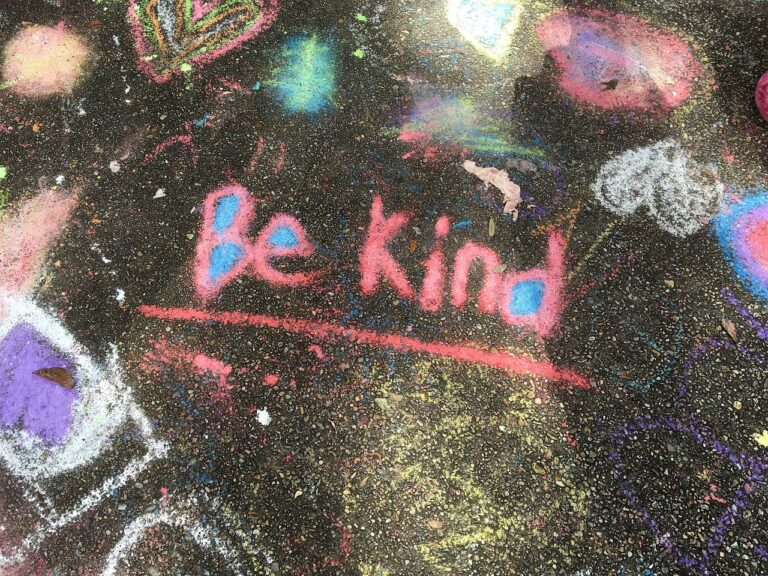
Kindness Is Contagious: Simple Ways to Brighten Someone’s Day

0

Kindness never runs out of style. Kind acts always impact both the giver and receiver. Here are a few small ways to spread kindness:

  1. Hold the door open for someone, even if they’re a few steps away.
  2. Offer a genuine smile to a stranger passing by.
  3. Say “thank you” with extra enthusiasm to a cashier or server.
  4. Pick up and throw away a piece of litter you see.
  5. Let someone go ahead of you in line.
  6. Text someone, “Just thinking of you—hope you’re having a great day!”
  7. Compliment someone on their handwriting or signature.

  8. Leave a coin in a vending machine for the next person to find.
  9. Offer to share a snack with a friend or coworker.
  10. Say “hi” to someone sitting alone.

Spreading kindness has the powerful ability to create a ripple effect. When you show kindness to someone, it not only uplifts their spirits, but also inspires them to pay it forward. This chain reaction creates a culture of empathy, positivity, and connection, which strengthens communities one small act at a time.


Calgary’s Not-So-Hidden Gems: 6 Fun Places to Visit With Friends

2

Calgary is littered with niche spots and cool places that don’t seem to get a lot of recognition within youth friend groups. These popular places are frequented by many Calgarians, but some youth just aren’t aware of them. For those of you planning for an outing with your friends, or if you’re looking for a new spot to explore, this blog post contains a few locations that are worth checking out in Calgary this year.

I used to believe that these places are popular, but speaking with my peers has made me realize that a lot of teenagers in our city aren’t aware of the many opportunities for fun Calgary holds. I always hear complaints about how boring Calgary is, and how there’s no teen-friendly place to hang out. The list I compiled below contains restaurants, locations for entertainment, cool stores, and many others. I’ve been to most of the spots I mentioned, but some I haven’t had the chance to check out yet. Let me know if you’re familiar with any of them!

Many of these places are relatively popular within the area they are located, or are well-known to the population, but not to the youth. For those wanting to find something new to do with your friends in Calgary, this list is for you. Hopefully this diverse selection gives your inspiration for your next outing!

Blackbyrd Myoozik: The Record Store Of Your Dreams

Clem Onojeghuo – Unsplash

Address: 1126 17 Ave SW, Calgary, AB T2T 0B4

Collecting records and vinyls is an awesome hobby to have, but may be detrimental to your wallet. Blackbyrd’s collection is vast and their records come with fair prices, making it the perfect location for hunting for records with your friends. Despite the location being on the smaller side, their selection is vast and caters to a wide range of music genres. Their collection is easy to look through, and it isn’t a hassle to search for your favourite artist.

This clean and welcoming location is appealing to many youth and adults alike. Reviewers online remark about how great the lighting was and how knowledgeable the staff are. If you can’t find what you need at Blackbyrd, Recordland is also a great record store with many cool photo spots!

 

Hexagon Board Game Cafe

Nik Korba – Unsplash

Address: 1140 Kensington Rd NW #200, Calgary, AB T2N 3P3

This cafe is the perfect spot for hanging out with friends. Visitors can enjoy a nice drink or dessert, and play their favourite board game at the same location! This cafe is a fan favourite, and is typically busy on weekends. You pay around $4.50 per hour per person, with the purchase of an item. According to their website, they have over 1000 games available for visitors to explore. This is one of my favourite places to visit with my friends!



Trapped: Escape Rooms That’ll Leave You Excited To Come Back

Kenny Eliason – Unsplash

Address: 1139 Kensington Rd NW, Calgary, AB T2N 1X7

Right across the street from Hexagon (mentioned above), Trapped has an amazing selection of escape rooms to play with your friends. With a wide range of difficulty levels (although I tried the easier ones and still found them hard), this place is filled with fun. It’s definitely on the pricier side compared to the other locations in this post. The escape rooms are tailored to perfection, and every single detail is very well thought out. The staff are wonderful, and very friendly. They let me and my friends take extra time to finish a room, and provided us with help when we were struggling. There’s a great photo location inside, and they also sell socks and gum with some creative slogans on them…

If you do plan on booking a room, please remember to read the details carefully, especially the age requirements. Some of the scarier games require a paying adult present. You should also check the content warnings, since some rooms are on another level of terrifying and contain live actors that will jumpscare you. Mature themes are also mentioned in the storylines of a few rooms, so make sure you know what you’re getting into!

Regal Cat Cafe

Ludemeula Fernandes – Unsplash

Address: 303 10 St NW, Calgary, AB T2N 1V8

Like the name suggests, this cafe is for those hoping to enjoy delicious drinks while spending time with their favourite felines! All proceeds from visitors go to helping stray cats in Calgary, which another reason to visit this cafe. The price is $10 per person, and each visit with the cats last 30 minutes. If you are concerned about getting cat hair in your food, don’t stress, because the cats are housed in a seperate room from the cafe.

Their menu is friendly to people with allergies and food restrictions, with gluten, dairy, and egg free options. It’s safe to say that this cafe is open to everyone in your friend group! All the cats you meet are adoptable, meaning you may just find your future feline partner here.

VRCORE: Calgary’s VR Gaming Hub

Vinicius Amnx Amano – Unsplash

Address: 2020 32 Ave NE R, Calgary, AB T2E 9A7

VRCORE is a VR (virtual reality) gaming arcade in the NE. You can play with as many as 13 people, and you can pick from a variety of games and escape rooms. It is around $31 per person, and you can even go solo!

VRCORE takes gaming to the next level with its state-of-the-art VR stations. This gaming studio offers a wide variety of games to suit every interest. With its fun and futuristic vibe, it’s the perfect spot for a group of friends looking for an interactive experience. The VR technology allows you to feel fully immersed in each game, making it a thrilling activity that gets your adrenaline pumping. If you’re looking for something unique and exciting in Calgary, VRCORE is a must-visit for a memorable day out with friends!

Wakado Ramen: The Ramen Place For All Your Ramen Needs

A picture from my visit last year

Address: 907 10 Ave SW, Calgary, AB T2R 0Z9

I thought I had finally made a decision about my favorite ramen place until I visited Wakado. This restaurant is a quaint little ramen shop in downtown Calgary with an aesthetically-pleasing atmosphere. Although it may not be the best place to visit with a large group, I’ve been there with my close friend and our experience was awesome.

The ambience is wonderful, with warm lighting and ambient music playing in the background. The ramen was delicious and reasonably priced, especially with the filling quantity they give you. Their Chili Goma ramen and Wakado Shoyu ramen truly made me ascend! This restaurant is a 10/10 experience for any of those who are looking for a cute date spot or a nice place to eat with their friends.


Summary

If you’re looking for some cool places in Calgary to explore with your friends, the Blackbyrd record store, Hexagon board came cafe, Trapped escape rooms, Regal Cat Cafe, VRCORE, and Wakado Ramen are great spots to check out! Hopefully this list helped you plan your next meetup!

Sources: 1, 2, 3, 4

How To Give Advice

0

Have you ever wanted to give someone advice, but don’t know how to present it? To start, begin your advice by drawing their attention first. You could provide a rhetorical question, a phrase, or a fun fact. Whatever approach you take, it is not needed to account for their response as you only need to draw their attention. Giving advice is central to effective leadership and decision making; it’s a life skill worth improving upon.

When providing advice, ensure that your receiver is actually interested in the advice (I.e. it’s applicable to them, especially at the moment). Otherwise, you’d be wasting both of your time and neither of you have gained insight from one another. Thus, prior to giving advice, make sure that they have reflected upon their efforts (ex: they tried very hard to win a sports game) and that they are ready to hear your wisdom. When applicable, remind them when your advice is useful and when it is not. It is always up to your receiver how they will handle your advice so ensure they understand when to follow it or not.

To give advice, keep these 6 things in mind:
1. Understand what your receiver is struggling with
2. Define the problem as best as you can (in your head and/or with the person)
3. Seek their current way of thinking
4. Brace for disagreements and listen
5. Refer to your personal experience
6. Refer to the future


In summary, before giving advice, clearly understand what and how they are struggling. When giving advice, listen to their side and see where their flaw may be (or in some cases, your flaw too). Always refer back to your experience to show them how you achieved the advice that you given (i.e. have you struggled personally with it before?). Last, but not least, the future should be mentioned. Now that you have given them your advice, let them understand how to move forward with it.

There are many strategies on how to give advice, but those 6 things will almost always exist in the process. Giving advice is part of your personality. In all honesty, there is always more than one way for you to give advice to someone. Ranging from giving them a hint and letting them think; physically showing them how to do something; providing examples; to verbally guiding them to do it, the world is yours to explore.

From time to time, your personality will change, and your skill of giving advice will too. Additionally, you may also be wrong in the advice you give, but that is also part of your development. Once in a while, you will be wrong, but understand that an advice is a lesson you wish to give. It could be a direct lesson to your receiver, but also an indirect lesson to the giver.

It is always an honor to give advice to someone. That means that they trust you and your experience enough to listen to your wisdom. In my own experience, I have had many opportunities to give advice, but my most vivid memories of these are always the ones where I know they are engaged. I found that a clear understanding of the issue, development of a solution, and promises of the future is what advice is all about. It really is a gift. Beyond this blog post, I hope that my advice empowers you to appreciate and apply the beauty of giving advice.

Doctor giving advice
Image by Mohamed Hassan from Pixabay

Source: 1