Home Blog Page 33

The BEST Study Snacks Guide


The worst possible combination for any student is studying on an empty stomach. Whether it’s late-night cramming or just a long day of homework, the right snack can help you stay focused and energized throughout the study session. Here are a few of my favourites! 


1. Apple Slices with Peanut Butter

Apple slices with peanut butter is my healthy go-to. The crunch of the apple and the richness of peanut butter are the perfect balance.
Bonus tip: If you want to feel like a snack pro, add a sprinkle of cinnamon on the apple slices. It’s like a mini dessert.

2. Trail Mix Energy Balls

For a homemade snack that’s a little more filling, make energy balls using oats, peanut butter, honey, and some chocolate chips or dried fruits. Roll them up and keep them in the fridge for a grab-and-go treat.

3. Hummus and Pretzels

Hummus and pretzels are the perfect combo for a savoury craving. The creamy richness of hummus pairs perfectly with the salty, crunchy pretzels. 

4. Yogurt Parfait

Layer yogurt with fruit, nuts, granola, and a drizzle of honey for a satisfying parfait. It’s the kind of snack that feels fancy but takes just minutes to make.

Snacking while studying is all about a balance: you need brain food to keep your energy up, but also a little indulgence to keep things fun. So next time you’re studying, try out a few of these snacks, and remember: it’s okay to enjoy the process (snacks included)! Happy studying!


Beyond the Fast — The Privilege of Fasting & What the West Won’t Tell You: Ep. 5

0


Welcome to the fifth episode of Beyond The Fast, a series that explains Ramadan for more than its stereotypes! Today, I need to speak honestly, not just about fasting, but about injustice, and the rampant hypocrisy we see around us in regards to regions such as the Middle East, Africa and South Asia. 

Every night, I break my fast with comfort, warm food, family, peace. But I can’t stop thinking about those who fast with fear. In Palestine, families break their fasts under rubble, with explosions shaking the night. Often maybe not even having food to break their fast. In Yemen, children sleep hungry, while blockades strangle any chance of survival. In Sudan and Syria, people flee their homes, fasting in tents with no certainty of tomorrow.

What hurts more is not just the suffering itself, but how easily the world turns away from it. We live in a world where western governments preach human rights, freedom, and democracy but only when it fits their interests. They defend democracy in one country while funding bombs in another. They shed tears for certain victims, plastering their faces on the media, yet ignoring those who don’t fit their narrative. They dictate who to care about and who to forget.

When war breaks out in places like Ukraine, we see immediate calls for compassion, fundraising, and support, and completely rightly so, as it is a crisis that deserves our attention. But when Palestinians are bombed in their own homes, the same voices go silent, or worse, justify the violence. Why? Because the oppressor is an ally, and suddenly, human lives become calculations. Innocent people become collateral damage, worse of all children become statistics.

The hypocrisy goes deeper. Western interference has destabilized entire regions in the Middle East for decades, through wars for oil, overthrowing governments, and sanctions that punish civilians, not leaders. Then, when people flee the chaos the West helped create, they’re called threats. The very people whose homes were destroyed are met with closed borders and cold shoulders.

This Ramadan, I’ve been thinking to myself to how do we respond to this double standard? The first step is not to turn away. To not to accept this selective empathy. We cannot let governments or media tell us whose pain is more important. We have to humanize those the world dehumanizes, to see Palestinians, Yemenis, Sudanese, Syrians, and so many others as real people: those with dreams, families with love and laughter, all forced to live in fear because the powerful decide their lives are now less important.

I’m writing this not to make you feel helpless, but to remind all of us that reflection during Ramadan means more than personal growth. It means opening our eyes. It means praying not just for ourselves, but for justice for all in a world of suffering. It means sharing what we know, speaking out, donating if we can, and most importantly not accepting silence.

Thank you for reading Episode 5 of Beyond The Fast. I hope you sit with this discomfort, as I do. Ask questions, challenge what you hear, and stand beside all and any injustices. Whether you fast or not, choose to care.

See you next time for more truths and reflection.

What does a new government mean for Calgarians?

Canada has a new Prime Minister. Justin Trudeau, who announced his decision to step aside on Jan. 6, 2025, lost his job as Leader of the Liberal Party on March 9, 2025 to Mark Carney, former Governor of the Bank of England and the Bank of Canada, and U.N. Envoy for Climate Change. Carney easily won the party leadership, taking nearly 87 percent of the party vote. Less than a week later, on March 14, 2025, Carney took office as Canada’s 24th Prime Minister.

Carney is the first Canadian Prime Minister to have no previous political experience, and the first in over 40 years to not hold a seat in the House of Commons. But, for someone who now occupies such an important position, the question remains, who exactly is Mark Carney, and what does his victory mean for Calgarians?

About Mark Carney

Carney was born on March 16, 1965, in the town of Fort Smith in the Northwest Territories along the Albertan border. Carney lived most of his early life in Edmonton, before being admitted to Harvard University in 1984 to study Economics. He then landed himself a cushy job back at Goldman-Sachs advising developing nations on entering into international markets. Carney helped to advise a post-apartheid South Africa on entering into global bond (debt) markets, and assisted Russia with dealing with a recession in 1998.

Carney moved back to Canada to accept a position as Deputy Governor of the Bank of Canada in 2003. The Bank of Canada is responsible for managing the nation’s monetary policies, such as printing bank notes, handing out loans to other financial institutions like banks, and setting interest rates on debt. In 2007, Carney was appointed to head the Bank of Canada as Governor by Prime Minister Stephen Harper, taking office on Feb. 1, 2008.

His tenure as Governor largely coincided with the Great Recession of 2007 to 2009. In order to combat the crisis, Carney cut interest rates quickly while the rest of the world cut rates slowly or, in the case of Europe, raised rates. His approach helped to encourage more spending in the Canadian economy. He also committed to keeping these low rates for an extended period of time, which boosted confidence in the market. Carney’s actions played a large role in allowing Canada to avoid the worst effects of the recession and recover quickly. Canada was the first nation in the G7 to recover its economy to pre-recession levels, with Carney being named “Most Trusted Canadian” in 2011 by Reader’s Digest Magazine for his contributions.  

Carney’s career in Canada caught the attention of George Osborne, the British Chancellor of the Exchequer (a cabinet position equivalent to Minister of Finance). Osborne approached Carney about returning to Britain to head the Bank of England. After offering him several concessions, such as a shortened term and more power over the economy, Carney accepted the offer, and on July 1, 2013, formally took office as Governor of the Bank of England. He served in this position for seven years, until March 15, 2020. 

After leaving the Bank of England, Carney accepted a position at the United Nations as Special Envoy for Climate Action and Finance, playing a key role in developing international responses to climate change. Additionally, he served as an advisor to several world leaders, including Trudeau. During this time, Carney increasingly involved himself in politics, aligning himself with the Liberal Party and vehemently opposing the policies of Conservative Leader Pierre Poilievre. Carney had been mentioned as a possible replacement for Trudeau since early 2024, long expected to make a bid for the premiership once Trudeau had stepped down. On Jan. 16, 2025, these assumptions were validated, with Carney announcing his bid for Liberal Party leader and Prime Minister. As mentioned, he easily won the leadership, officially assuming office as leader on March 9, 2025 and taking office as P.M. on March 14, 2025.

What this means for Canada

With a two-decade long background in economics and climate science, Carney is expected to spend his tenure focusing on the economy and environment. His campaign for the leadership promised to replace the carbon tax with incentives for green energy, cut red tape on interprovincial trade, spend more on national defense and strengthen Canada’s presence in the Arctic to combat Russian influence, impose retaliatory tariffs on the U.S, and introduce caps on immigration until it returns to pre-pandemic levels. Calgarians in greener industries are expected to benefit from this switch to incentives for green energy. However, Carney’s focus on climate change, and his personal opposition to fossil fuels, is expected to influence his energy policy which may prove disadvantageous to Calgary’s largely oil-based economy. 

Unique among Canadian Prime Ministers is the fact that Carney has never before sought elected office, and does not have a seat in parliament. Although nothing in the Canadian Constitution indicates the Prime Minister has to be a Member of Parliament (MP), they do have to be an MP in order to introduce legislation, vote on bills, and participate in parliamentary debates. Until Carney somehow acquires a seat, whether via by-election before the federal election or in a future federal election itself, he will have to rely on a deputy Prime Minister in the House of Commons to act on his behalf in parliament.

Carney’s complicated status with parliament may, however, not matter all that much in the long run. In order to hold onto his new job for long, he will have to fight for it. Canada is destined for an election this year. The latest possible date this could happen is Oct. 20, 2025. Carney himself, however, has already indicated he would be willing to call an early election within his first few days or weeks in power. Despite the Liberal change in leadership, Pierre Poilievre’s Conservatives still lead in opinion polls by around three percent, according to the most recent figures from polling aggregate site 338 Canada. Assuming Carney does call an election, or that the Conservatives successfully pass a vote of no-confidence and force an election, he would have less than two months to prove his case to the Canadian public and retain his job. If he is incapable of doing so, he would be among the shortest-ever serving Prime Ministers in Canadian history. 

Carney faces his biggest challenge yet: guiding a nation, and his party, through turbulous and unsteady times. But however well the banker-turned-Prime Minister performs, one thing is certain: Canada is in for a few interesting months.

Sources: 1, 2, 3, 4, 5, 6, 7, 8

Addiction To Artificial: What You Love Might Not Love You Back

Introduction:

No matter how frequently you eat processed food, the human tendency is to prefer quantity over quality. I have had processed food for many years leading up to my point of realization. The one question that completely changed my diet is Why do Certain Foods Force You to Eat More of Them? While the simple answer is “because I like it,” there is more to unravel in the hidden secrets of the food industry that are imperative to address.

For anyone who isn’t familiar with what processed foods are, here is a short breakdown:

  • Natural food which has been altered through industrial processes (i.e., factories)
    • Generally, these foods have been changed by adding preservatives, chemicals, colours and/or sugars.
  • These foods undergo various physical changes including washing, drying, dehydrating, canning, pasteurization, blending, or packaging, etc.
  • While not all processed foods are toxic, they are certainly unhealthy with the high levels of sugar, sodium and/or fats added to attract a larger audience.


Chemicals:

We must acknowledge that avoiding processed food isn’t always the best and most convenient solution. As the world becomes increasingly globalized, the multinational corporations which sell such produce will rise considering the cost-effectiveness. Moreover, we cannot identify which foods can result in harm to health just by looking at it. A better approach to eating healthier is being aware of what popular processed ingredients can look like:

  • Sodium Nitrate: Companies commonly use sodium nitrate to enhance the colour of various meat products. The pink and red appearance of certain meats helps reduce spoilage while making it look appetizing.
  • BHA (Butylated Hydroxyanisole) & BHT (Butylated Hydroxytoluene): Such chemicals are incorporated into processed foods to reduce the odours by limiting fats and oils from spoiling.
  • Sodium Benzoate: This chemical looks white and powdery in appearance while its job is to limit bacteria and mould from growing (also extends shelf life).
  • Monosodium Glutamate (MSG): This particular ingredient is commonly used to make food flavour more apparent. The chemical helps in adding an umami taste to the products.
  • The list of chemicals is nearly never-ending. However, below are some other common chemicals that are present in processed foods.
    • Xanthan Gum & Guar Gum, Polysorbate 80, Carrageenan, Red 40, Disodium Inosinate.
      • If such research interests you, this website will help enhance your knowledge of harmful chemicals present in common foods.


Major Health Effects:

The health effects of having processed foods are not immediately detectable. Instead, these impacts correlate with long-term diseases and health complications. For instance, High Fructose Corn Syrup (HFCS), found in popular sodas and sweets, like cookies, has been proven to lead to high diabetes, fatty liver disease, heart disease and even dyslipidemia (metabolic disorder).

Furthermore, Sodium Nitrate, a chemical found in meats, is toxic when exposed to high temperatures. The chemical reactions that occur in simple everyday meats have been linked to colorectal and pancreatic cancer. The breakdown of a WHO report claims “over 34,000 cancer deaths per year worldwide are attributable to high processed meat intake”.

Another highly used chemical in chips, butter, cereals and snack foods are ​Butylated hydroxyanisole (BHA). BHA has been proven on multiple reports to produce Carcinogenicity. For those who are not aware, Carcinogenicity is what triggers cancer through damaging cells (resulting in higher risks of cancer).


What to Avoid:

While we cannot always stay away from such intoxicating foods, we can be more precautions in our choices. This could look like choosing to eat organic fruits or opting for homemade fries instead of store-bought or fast food options. My intention in picking this topic was only to acquaint you with the risks of overconsumption of many addicting foods.

Here is a list of foods that you should reconsider before eating:

  • Deli meats, Bacon (any processed meats)
  • Energy drinks
  • Granola Bars
  • Chips (Doritos, Cheetos, or anything that urges you to have more)
  • Sodas (Ex: Coke, pepsi)
  • Instant Noodles (essentially instant anything)
  • Fast Food (Fact: DQ blizzards use packaged dairies, Emulsifiers, etc.)

Sources: 1,2,3,4,5,6


Tips for better movie-watching experiences

0

Movies: A Great Way of Entertainment

Chances are, we have all seen films in our lives. Whether it’s that horror film which keeps the audience alert the entire way, or the cartoon movie from your childhood that evokes a special sense of nostalgia, our society has access to many different options of films. In school, we sometimes analyze movies for the characters and plot, but let’s be honest, most of the time we watch movies for fun! Movies are compelling pieces of work; some of them are also timeless. However, many would agree that there is no movie-watching experience more original than visiting the cinema.

Well, this article contains some tips to help every movie-lover enjoy the films! Let’s dive right into this fun topic.


Some helpful tips

Apart from the basic steps to enjoying a film, such as showing up to the theater on time and visiting the restrooms beforehand, movie-goers should also refrain from texting or otherwise getting distracted by their phone. This is not only important in terms of etiquette, but it also reminds the movie watchers that the long length of films is precisely what enables these movies to tell a story–often a vivid story that has a clear beginning, middle, and end.

It is also for this reason that films can teach some deep and important morals, although many movies are just purely for fun! Perhaps, some of the comedies out there serve to poke fun at certain aspects of life. Personally, whenever I go to view a movie, its purpose is often what I look for. All entertainment pieces, be it movies, songs, or even artwork, are created with some sort of purpose or possess a certain kind of innate meaning.

Some popcorn
Image by Devon Breen from Pixabay

Appreciating the film

Sometimes, there can be silence in the movie, maybe in between the moments of action. Anyway, it is often important for us to enjoy the silences in the film, as they could suggest a moment of epiphany for a character, for example. Silence can reflect a distinct mood, and different scenes are different, but the film director has included them all for a purpose, even if there is no action or “exciting” things happening at the moment.

Also, in general, avoid going out from the theater room in the middle of the film to purchase snacks or drinks. Some cinemas might even have moments of special intermission just for the purpose of selling coffee or other refreshments, but this can damage the overall film-watching experience.

Lastly, researching about a particular film beforehand could also help tremendously in deciding what movie is more appealing or exciting. Regardless of the choice of the movie, it is only natural for us to feel passionate about what we will be viewing as we visit the movie theater!

There are many different ways to enable a great movie-viewing experience. All in all, making each experience unique and special is important every time in watching a film!

What Gratitude Does to Your Brain: The Science Behind Appreciation

Throughout our school lives, we have always been taught to show gratitude and to be grateful for things and individuals around us. We all know that gratitude is a powerful tool for improving interpersonal relationships and improving mental and emotional well-being. Besides gratitude being a fundamental value found in various cultures and philosophies, modern neuroscience has also provided a novel approach to view gratitude and its tangible effects on our brains. From enhancing mood to improving cognitive function, appreciation of the good in our lives brings profound changes. Now the question is: what exactly happens in our brain when you practice gratitude?

Photo by Gabrielle Henderson on Unsplash

Gratitude stimulates the brain’s reward system by triggering the release of neurotransmitters such as dopamine and serotonin. These chemicals are often referred to as the “feel-good” neurotransmitters because they play a significant role in enhancing mood, motivation, and overall well-being.

Photo by Nathan Dumlao on Unsplash

First, when we experience gratitude, the brain releases dopamine, a neurotransmitter associated with pleasure and motivation. This creates a positive feedback loop: expressing gratitude makes us feel good, which encourages us to seek more opportunities to practice such gratitude.

Photo by Debby Hudson on Unsplash

Secondly, gratitude also increases serotonin production. Serotonin contributes to feelings of happiness and emotional stability. Low serotonin levels are linked to depression, and by practicing gratitude, we support our own mental health by activating the release of serotonin.

Photo by Courtney Hedger on Unsplash

Our brains are wired for neuroplasticity, meaning they can recognize and form new neural connections throughout life. Practicing gratitude strengthens these neural pathways associated with positive emotions.

Photo by Brigitte Tohm on Unsplash

On the other hand, practicing gratitude is also essential for reducing stress and anxiety. Long term stress triggers the release of cortisol, a stress hormone that helps our bodies to cope with long term stress by increasing blood glucose levels. Studies have shown that people who regularly practice gratitude have lower levels of cortisol, which helps reduce feelings of tension, anxiety, and depression. Moreover, gratitude also activates activity in the prefrontal cortex, which is the brain region that is responsible for regulation of emotions, decision-making, and impulse control. This allows us to be better at managing stress and respond to challenges.

Photo by Towfiqu barbhuiya on Unsplash

In addition to the emotional and hormonal regulations that gratitude does to our brain, practicing gratitude also has a more visible effect—improving our sleep quality. Practicing gratitude before bedtime can help shift focus away from stress, allowing our minds to settle into a more restful state for sleep. Research has also suggested that people who engage in gratitude exercises sleep longer, and they spend more time in deep sleep to restore energy for the daytime.

Photo by Megan Watson on Unsplash

Knowing all the benefits of practicing gratitude, what can we do to show appreciation?

  1. Keep a Gratitude Journal: every day, write down and record five things that you’re grateful for
  2. Show Appreciation: Take the time to thank people in your life, whether through a text, call, or handwritten note.
  3. Practice Mindfulness: Engage in mindful gratitude by fully appreciating what you have
  4. Use Gratitude Affirmations: Start your day with positive affirmations such as “I am grateful for the opportunities in my life.”
  5. Reflect Before Bed: Before sleeping, take a moment to reflect on the positive moments of your day
Photo by KT Likes Coffee on Unsplash

Gratitude is much more than just politeness—it is a scientifically proven way to improve our brain for happiness, resilience, and overall well-being. So why not start today? Maybe with a simple thank-you note on a friend’s desk, you’ll start the journey of appreciation. 

Sources: 1, 2

The Myth of Hades and Persephone Explained

*Keep in Mind! There are multiple variations of this myth. However, the version I will be talking about is the relatively more popular one.

Free Persephone Greek Mythology illustration and picture

What is the Myth of Hades and Persephone?

The Myth of Hades and Persephone is a famous Greek story that explains how the cycle of seasons came to be, as well as introducing themes of love and reunion. The myth was dated to around the 7th centure BCE, found in “Homeric Hymm to Demeter.”

The Story Explained

Persephone was the beautiful daughter of Demeter, the goddess of agriculture. She lived a solitary and calm life with her mother in the surface world on Mount Olympus. While Persephone lived on the surface however unbeknownst to her, Hades, the God of the Underworld had been secretly stalking her from the Underworld. Hades had been enchanted by Persephone’s beauty and planned on taking her for himself. Consequently, one day while Persephone was out in a meadow picking flowers, Hades abducted Persephone and took her to his dark kingdom.

Free Ai Generated Hades illustration and picture

Demeter who was struck with grief by the dissapearence of her daughter, searched far and wide around the world in hopes of finding Persephone. However, her efforts ultimately remained futile and through this process, she neglected her agricultural duties. The earth withered and crops died, resulting in famine spreading around the world.

Upon seeing the world in such devestation, Zeus, the king of the gods, demanded that Hades return Persephone back to the surface. However, before Persephone left the underworld, Hades made Persephone eat pomegranate seeds, the food of the Underworld.

Due to Persephone eating the food of the Underworld, she was now bound to it. Regardless, Zeus and Demeter struck a deal about this situation.

  1. Persephone would spend a part of the year with Hades as the Queen of the Underworld, representing Winter and Fall as Demeter would grieve for the absence of Persephone and thus, cause the earth to decay.Free Nature Winter photo and picture
  2. For the rest of the year, Persephone would return back to Demeter, bringing Spring, Summer, and vibrance to the surface world.Free Crocus Flowers photo and picture

In simpler terms, when Persephone is with Demeter on the surface, the world propsers (symbolzing Summer and Spring). When Persephone is with Hades in the Underworld, the earth grows cold and decays (symbolizing Fall and Winter).

Why Is the Myth Significant?

The myth is not only significant for the profound impact it had on Greek culture at the time, it is also important for a couple other reasons. The myth gives an interesting reasoning of why the earth gows through cycles of flourishment, and a state of withering. It is also important due to the fact that it’s one of the more older stories that depicts a mothers love and the pain of separation she feels with her daughter making it a great story about maternal love.


Sources:

https://www.google.com/search?q=hades+and+persephone+myuth&rlz=1C1RXQR_enCA1031CA1031&oq=hades+and+persephone+myuth&gs_lcrp=EgZjaHJvbWUyBggAEEUYOTIJCAEQABgNGIAEMgkIAhAAGA0YgAQyCQgDEAAYDRiABDIJCAQQABgNGIAEMggIBRAAGBYYHjIICAYQABgWGB4yCAgHEAAYFhgeMggICBAAGBYYHjIKCAkQABgFGA0YHtIBCDI2MTBqMGo3qAIAsAIA&sourceid=chrome&ie=UTF-8#fpstate=ive&vld=cid:445b8e3d,vid:zLAYGZeVTPQ,st:0

https://en.wikipedia.org/wiki/Persephone

The Myth of Hades and Persephone

Telemedicine: Transforming Healthcare in the Digital Age

Telemedicine has come a long way, transforming the healthcare industry and redefining how we access healthcare. With the rapid advancements in digital technology, telemedicine is making healthcare more accessible, convenient, and cost-effective. The ability to consult with healthcare professionals remotely not only enhances patient experience but also improves overall efficiency within our healthcare systems.


The Rise of Telemedicine

In recent years, telemedicine has rapidly evolved from a supplemental service to a vital component of modern healthcare. The COVID-19 pandemic accelerated its adoption, providing a way for patients to consult doctors while minimizing the risk of exposure to the virus. But even as the world recovered, telemedicine remains an essential tool in expanding accessibility.

Telemedicine typically involves using technology like video calls, mobile apps, and online portals to facilitate remote consultations between patients and healthcare providers. This is particularly beneficial for individuals in rural areas or those who have limited mobility, as it eliminates the need for travel. Additionally, telemedicine has allowed for more timely interventions and quicker responses to health issues, making this a powerful tool in preventative care.


The Benefits of Telemedicine

  • Enhanced Specialist Access: One significant advantage is the ability to connect patients with specialists who may not be available in local areas. Whether it’s a cardiologist or an expert in rare diseases, telemedicine helps bridge the gap between patients and healthcare professionals globally.
  • Affordability: Virtual consultations are often less expensive than in-person visits. This makes healthcare more affordable for individuals without insurance or those who face high out-of-pocket costs for medical services. For healthcare providers, telemedicine also reduces overhead costs, contributing to more sustainable practices.
  • Convenience: Telemedicine eliminates the need for patients to travel long distances or wait in crowded waiting rooms. Patients can easily connect with doctors in the comfort of their own homes. This time-saving aspect is especially important for those with busy schedules or those requiring frequent check-ins. 
  • Improved Chronic Disease Management: Telemedicine offers remote monitoring tools that allow healthcare providers to track patients’ health metrics such as blood pressure, glucose levels, and heart rate. This continuous monitoring is especially beneficial for patients with chronic conditions like diabetes or hypertension, as it allows for more proactive and timely interventions.


The Future of Telemedicine

The future of telemedicine holds even more promise with the integration of AI and biotechnology. AI can help doctors with diagnostics, making it easier to identify conditions earlier and more accurately. Additionally, AI-powered tools can assist with personalizing treatment plans based on a patient’s health, ensuring care is tailored to individual needs. 

The convergence of telemedicine and biotechnology is also helping to advance precision medicine, using genetic data to create personalized treatment plans. With telemedicine, patients can receive consultations and treatments based on their unique genetic makeup, all from the comfort of their own homes. 


Overcoming Challenges

Despite its benefits, telemedicine is still facing challenges. One of the most prominent is the digital divide. Not all patients can access the internet or decide to participate, particularly in rural or low-income areas. Additionally, healthcare providers must ensure their platforms comply with privacy laws and maintain the security of patient data.

There are also regulatory hurdles to overcome. As telemedicine can vary from state to state, telemedicine services must adhere to local healthcare regulations for safety and care.


Telemedicine has become a cornerstone of modern healthcare, offering a wealth of benefits. This includes improved access to specialists, greater convenience, and reduced costs. As our technology continues to advance, telemedicine is set to become an even more integral part of our healthcare system. The integration of AI and biotechnology into telemedicine is making healthcare even more dynamic and patient-centred, paving the way for more efficient, accessible, and effective healthcare systems.


Sources:

Beyond the Fast – Iftar Around the World! :Ep 4

0

Welcome to the fourth episode of Beyond The Fast, a series that explains Ramadan for more than its stereotypes! Today, we’re exploring ‘iftar’, the meal that breaks the fast, and how it transcends cultural and regional boundaries. Across the world, Muslims come together each evening to break their fast in unique ways particular to where they are from, reflecting both local tradition and then a sense of global connection. Let’s take a closer look at how iftar is celebrated globally!

In different parts of the world, iftar may look and taste a little different, but the meaning behind it is the same. It’s  a moment of connection, gratitude, and community. In some places, the meal might begin with dates and water, a tradition followed by many Muslims no matter where they are from. From there, the meal can vary widely.

In Morocco, for example, it’s common to start with a bowl of harira, a warming, flavorful soup.

Meanwhile, in Turkey, people might enjoy simit, a sesame-crusted bread, often paired with tea.

In Southeast Asia, countries like Indonesia and Malaysia serve nasi lemak, a dish with rice cooked in coconut milk, alongside spicy sambal, fried anchovies, and boiled eggs.

In South Asia, places such as Pakistan, serve all the fried foods you can imagine, from pakoras, an onion fritter, to samosas, a pastry usually filled with potato’s.

But iftar isn’t just about the food, it’s about coming together!  Whether with family, friends, or even strangers, the act of sharing this meal helps create a sense of unity within the Muslim community.  People in different regions might eat different dishes, but they all share the experience of breaking their fast together. It’s a time of giving thanks, supporting one another, and reflecting on the blessings of Ramadan.

In some cultures, iftar is a community event. In Egypt, you might hear the sound of the Athan (call to prayer) filling the streets as people prepare to break their fast. In the Middle East, bustling markets filled with fresh juices, fruits, and sweets like baklava and kunafa make the evening feel festive and lively.

At its core, iftar is about much more than food. It’s a reminder of the importance of faith, community, and the shared experience that brings people together no matter where they are in the world.

Thank you all for reading Ep. 4 of the ‘Beyond The Fast’ series, and I hope you’ve enjoyed! Feel free to ask any questions in the comments, and even if you don’t fast, explore this month, however you want, with 1.9 billion Muslims around the world!

Advocating for Mental Health Awareness for Elderly

0

“In 2020, 1 billion people in the world will be aged 60 years or over. That figure will rise to 1.4 billion by 2030, representing one in six people globally.” (World Health Organisation, 2023) What can we, as adolescents, youth, and adults, collectively do to support those before us? Mental health advocacy has been a rising issue collectively around the world for a wide variety of age groups but more significantly within the ageing populace. A culmination of disease, dementia, and lack of physical ability create significant obstacles to healthy mental health. Mental health is defined as: the psychological well-being and satisfactory adjustment to society and to the ordinary demands of life from Dictionary.com. Within modern societies, with rapid movements and immediate shifts, mental health is already a grasping issue, with rising issues among those who are unable to adapt to changing environments, such as seniors. “Around 14% of adults aged 60 and over live with a mental disorder.”

As advocates, change is always driven by small steps of the individual, culminating in noticeable change. “The man who removes a mountain begins by carrying away small stones” – a Chinese Proverb (Taylor, 2012).  Join movements that dismantle the stigma surrounding mental health and foster inclusive communities (World Health Organisation, 2023). Educate yourself about the distinct challenges that senior individuals face regarding mental health and the available support systems. Advocate for and support policies that enhance access to tailored mental health services for seniors. Engage in local initiatives and volunteer opportunities that promote mental well-being and foster intergenerational connections. Commit to building a community where the mental health needs of the elderly are recognized, prioritized, and addressed with compassionate care. In conclusion, prioritizing elderly mental health is essential for cultivating a compassionate and inclusive society. Let us work collectively to ensure that every senior receives the care and respect they deserve.


References

(n.d.). Dictionary.com. https://www.dictionary.com/browse/mental%20health

Pixabay. (n.d.). Pixabay. https://pixabay.com/images/search/mental%20health/

Taylor, J. (2012). 20 Quotes to Inspire You to Take Small Simple Steps Every Day. Jane Taylor. https://janetaylor.net/quotes-to-inspire-you-to-take-small-simple-steps-each-day/

World Health Organisation. (2023, October 20). Mental health of Older Adults. World Health Organisation. https://www.who.int/news-room/fact-sheets/detail/mental-health-of-older-adults


5 Unique St. Patrick’s Day Traditions Around the World You Didn’t Know About!

0

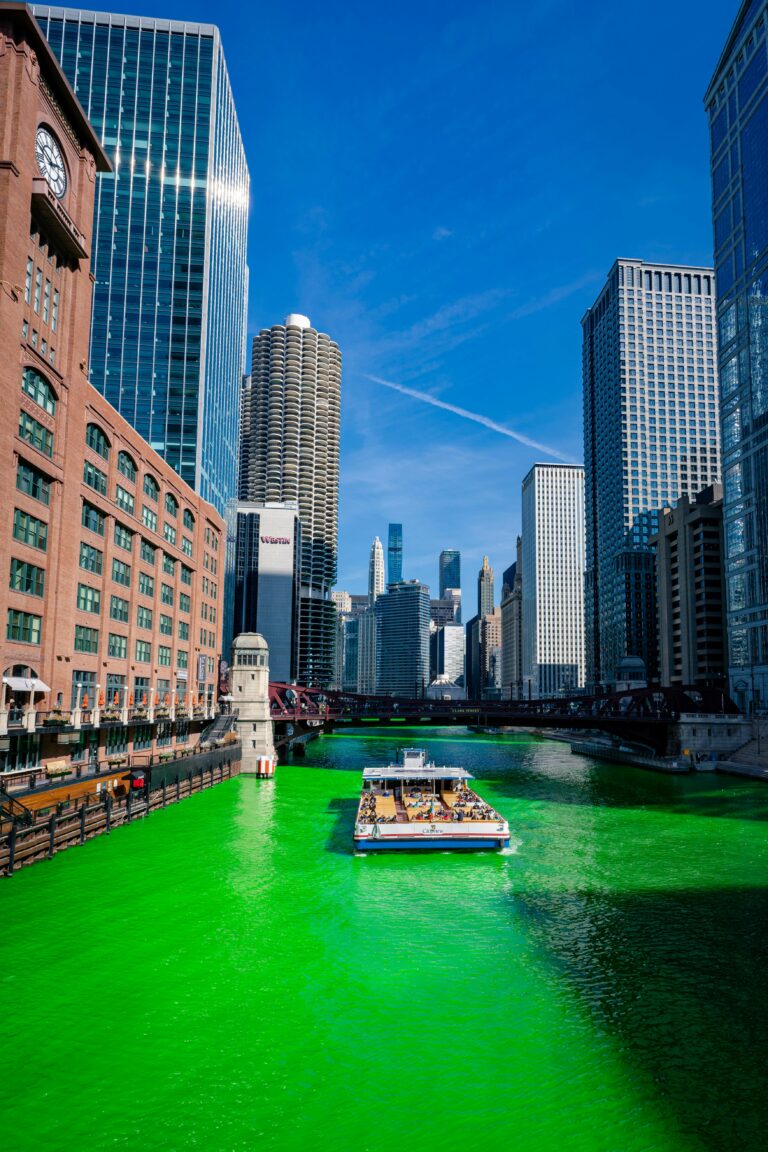
1. Green Water In Chicago, USA:

In celebration of St. Patrick’s Day, the Chicago River is dyed and becomes a vibrant green annually. This cherished custom, which dates back to 1962, provides a fantastic display. The city is covered in a gorgeous green sea during the day because of the environmentally friendly dye.


2. Early Morning Bathing ritual in Portland, Maine:

Portland residents gather along the Atlantic Ocean for a unique and exciting celebration every St. Patrick’s Day at 5:30 AM. They accept the cold embrace as a fun way to start the holiday by jumping into the freezing waves for a brief dip.


3. Wear Orange on St.Patricks Day in Northern Ireland:

In Northern Ireland, some people may choose to wear orange to demonstrate their devotion to the Protestant tradition, even though many people wear green on St. Patrick’s Day. Given that the orange represents the Protestant/Unionist society and the green represents Irish Catholicism and nationalism, this is a means of conveying a different take on the event.


4. Dog Parade in New York City, USA:

Dogs dressed in their finest green outfits and wearing Irish-themed costumes participate in a special St. Patrick’s Day parade in New York City. As one of the most quirky ways to commemorate, it’s a pleasant occasion for pet owners to frequently allow the dogs to take part in a mini-parade.


5. Green Pancakes in Ottawa, Canada:

A common St. Patrick’s Day breakfast in several parts of Canada, particularly Ottawa, is green pancakes. These green pancakes are served in stacks at restaurants and are a favourite with kids and families. Even “pancake-eating contests” are held in several locations to add to the celebration.

Good News: A Compilation of Wholesome News Sources

When you think about news sources, the news you see is nearly never positive. Every day, we get closer to blowing up the planet with climate change; people are being hurt in countless ways; stocks are going down and the price of fresh food is stratospheric; natural disasters have occurred and been devastating to everyone around; there’s been another political decision that will affect us all for who knows how long; and many, many more negative news events blow up our TVs and our social media feeds.

While it’s imperative to be aware of the current events happening in the world, it’s also so incredibly important to take care of your own mental wellbeing. We can often feel quite despondent after constantly bombarding ourselves with only negative news. It’s just as important to recognize that good events happen too, and that they happen quite often. That having been said, here’s a compilation of some wholesome news sources that can elevate your mood after reading disheartening news.


1. Good Good Good

A much needed source of happy news. Their topics include environmentalism, activism, mental health, animals, celebrations, ethical shopping, health, education, and so much more. They’ve also got many other platforms, including social media (TikTok and Instagram) and a daily newsletter.

If you’re only going to follow one link, this should be the one. It’s got a positive thing that happened for nearly every category of news.


2. Good News Network

Feel good news? Sign me up. Good News Network talks about a lot of funny and uplifting stories from around the world. It’s great if you need some quick wholesome reads.


3. Solutions Journalism Network

Sometimes, you don’t want a feel-good story; you’d rather feel good about a problem that is being solved. Solutions Journalism Network does exactly that – it brings awareness and journalism to solutions that are being developed for the world’s problems. News often only draws attention to the problem, but Solutions highlights how these problems are actually being solved. It seems intuitive, but it’s not done enough. I highly recommend taking a look – you can stay informed about the problems in the world while also staying aware of solutions being developed to solve them.


4. Reasons to Be Cheerful

It does talk a lot about American events, but regardless of your political stance Reasons to Be Cheerful still gives greatly uplifting news stories. The user interface is nice: they have a newsletter, and it’s just another great feel-good network to take a look at.


5. Sunny Skyz

Sunny Skyz has a daily wholesome story about a positive event that has happened. It’s great for a bite-sized amount of positivity to start your day with. Check it out!


TL;DR

Please take care of your mental health. You are important, you matter, and there are so many good things that happen in the world. Take the time and make the effort to intentionally consume something uplifting; remember that the happy events are just as important as the sad ones.


Important:

If you or someone you know is in need of help with their mental health, here are some free resources that are available for your perusal. It’s so important to take care of yourself, so please seek help from a trusted person or from these resources if you need it.

  1. AHS Access Mental Health
  2. The Distress Centre – with a 24 hour crisis line
  3. Eastside Community Mental Health Services – Woods Homes – with multilingual services, call, text, and live chat therapies.

Sources: 1, 2, 3, 4, 5

STEM-ulating The Future: Opportunities for Young Innovators

1

It is commonly said that the younger generation are leading the future of our world with their contributions to science, technology, engineering, and mathematics. Although, it’s not easy for youth to find STEM opportunities to display their ideas whilst learning more about their passion.

Many youth are on the lookout for unique programs for them to display their knowledge and spruce up their university applications or resumes. They may find themselves struggling to find opportunities that cater to their STEM-related interests.

This post contains 5 prestigious STEM programs for highschoolers to apply to and enrich their learning. Most are outside of Canada, and allow you to meet new people with common interests while gaining more experience in the field you’re interested in. These will look fantastic on any application!


RSI: Research Science Institute at MIT

Muzammil Soorma – Unsplash

The Research Science Institute at the Massachusetts Institute of Technology (MIT) is a free program for students in grade 11. During the program, students get the chance to conduct professional research on a STEM-related topic assigned to them while participating in intensive science and technology classes, all under the guidance of highly qualified professors at MIT. Students present their research during the final week of the program, and have the opportunity to meet leaders in the science and technology industries. Participants also go on excursions to nearby Boston attractions and make lasting friendships.

Furthermore, this program is fully funded, meaning your stay is covered, and a stipend is provided for travel expenses. Getting into the program is a major accomplishment, as only 100 students are selected every year. One of them could be you! With such a prestigious program under your belt, RSI will make you stand out on university applications while providing invaluable experience to advance your knowledge in STEM.

Canada Wide Science Fair (CWSF)

Ousa Chea – Unsplash

The Canada Wide Science Fair (CWSF) is one of the most well-known in the country. It is open to students in grades 7-12, and caters to those who are passionate about scientific research and discovery. Student create and present their projects while competing for scholarships, awards, and other prizes. The CWSF hosts thousands of people every year, making it a great way to meet new, like-minded individuals & experts.

This science fair encourages participants to work on projects that align with a current global issue, using STEM to help decrease its devastating effects. The CWSF also offers opportunities to be mentored by established scientists and professionals!


The Google Science Fair – Online

Unsplash

The Google Science Fair is a global online competition that encourages youth innovators from ages 13-18 to tackle some of the world’s toughest problems. Participants are challenged to apply their creativity and problem-solving skills by designing innovative solutions related to science, technology, and engineering. Prizes include scholarships, internships, and even a chance to visit Google’s headquarters. Google offers a grand prize of $50,000 and a chance to work with top scientists and engineers for the winner.

The great thing about this science fair is that its accessible to anyone with an internet connection. You don’t have to worry about travel costs and you can compete from the comfort of your own home. Additionally, this competition provides a platform for youth to get their ideas noticed by industry leaders. This makes it a valuable asset for your resume and/or application.


The National Youth Science Camp (NYSC) – West Virginia

Jaron Nix – Unsplash

The NYSC is a prestigious, all-expenses-paid summer program for high school seniors who are passionate about science. This program is held annually in West Virginia, bringing together brilliant students from both the United States and abroad. Students spend the month carrying out hands-on scientific experiments, attending lectures by famous scientists, and heading out on fun field trips. Students expand their STEM knowledge while building lasting friendships with their peers.

In addition to all of this, NYSC participants also interact with professionals from a wide range of STEM fields. This allows for students to gain insight into various career paths. Although the program is based in the U.S., applications are open to international students. Since travel and accommodation expenses are free, there should be nothing stopping you from applying!


The International Science and Engineering Fair (ISEF) – Ohio

Unsplash

The ISEF is one of the most exciting opportunities for high school innovators. They will be given the chance to showcase their talent and passion for science and technology at one of the largest and most prestigious science competitions in the world. The ISEF gathers students from all over the globe to present their research and groundbreaking projects in fields like engineering, biology, computer science, and environmental science. Their website contains a list of categories, which you can take a look at if you’re interested!

Not only does the ISEF offer a platform for you to share your ideas with expert judges, but it also provides amazing rewards. Some examples are scholarships, internships, and gaining hands-on experience. Participants will get the chance to play their part in shaping the future of science and technology.


Empowering the Next Generation of Innovators: Go and Apply!

In conclusion, the world of STEM offers countless opportunities for young innovators to deepen their knowledge and gain valuable experience. They also allow for youth to make an impact on global challenges. The programs highlighted in this post are just a few examples of the many opportunities out there. These programs allow for high school students to deepen their passions while building impressive resumes and university applications.

Whether you choose to participate in a local competition like the Calgary Youth Science Fair (which may be offered at your school!), or apply to a prestigious program abroad in universities like MIT, each opportunity provides you with the ability to grow. By participating in these experiences, young innovators can truly begin to shape the future of science, technology, engineering, and mathematics.

Sources: 1, 2, 3, 4, 5, 6, 7

The Fascinating World of Sleep: What Really Happens When We Snooze?

Have you ever wondered what goes on in your body and mind while you’re asleep? We spend about a third of our lives sleeping, yet many of us don’t fully understand what happens during this essential part of our daily routine. Let’s dive into the mysterious and fascinating world of sleep!

The Stages of Sleep

Sleep isn’t just a single, uniform state. It’s made up of several stages, each with its own unique characteristics:

  1. Stage 1: Light Sleep This is the transition from wakefulness to sleep. It’s a light sleep where you can be easily awakened. Your muscles start to relax, and your brain waves begin to slow down.
  2. Stage 2: True Sleep In this stage, your body temperature drops, and your heart rate slows down. Brain activity continues to slow, and you become less aware of your surroundings.
  3. Stage 3: Deep Sleep This is the most restorative stage of sleep. Your body repairs tissues, builds bone and muscle, and strengthens the immune system. It’s harder to wake someone up during this stage.
  4. REM Sleep (Rapid Eye Movement) During REM sleep, your brain activity increases, and you dream vividly. Your eyes move rapidly behind your closed eyelids. This stage is important for cognitive functions like memory and learning.


Why Do We Dream?

Dreams have fascinated humans for centuries. While scientists are still trying to fully understand why we dream, there are a few popular theories:

  • Problem-Solving: Dreams might help us process and solve problems we encounter during the day.
  • Emotional Regulation: Dreaming could be a way for our brains to process emotions and experiences, helping us cope with stress.
  • Memory Consolidation: Some researchers believe that dreaming plays a role in consolidating memories and learning new information.


Fun Facts About Sleep

  • Sleepwalking: Did you know that some people can perform complex activities like walking, talking, and even cooking while asleep? This condition is called somnambulism, or sleepwalking.
  • Sleep Paralysis: This occurs when you wake up but temporarily can’t move or speak. It’s often accompanied by hallucinations and can be quite scary, but it’s harmless.
  • Lucid Dreaming: Lucid dreaming is when you become aware that you’re dreaming and can even control the dream. It’s like being the director of your own movie!


Tips for a Better Night’s Sleep

  1. Stick to a Schedule: Try to go to bed and wake up at the same time every day, even on weekends.
  2. Create a Relaxing Bedtime Routine: Wind down with calming activities like reading or taking a warm bath.
  3. Limit Screen Time Before Bed: The blue light from screens can interfere with your sleep. Try to avoid electronic devices at least an hour before bedtime.
  4. Keep Your Sleep Environment Comfortable: Make sure your bedroom is dark, quiet, and cool.
  5. Watch Your Diet: Avoid large meals, caffeine, and alcohol close to bedtime.

Conclusion

Sleep is a vital part of our lives, and understanding it can help us appreciate its importance and improve our overall well-being. The next time you drift off to sleep, remember that your body and mind are hard at work, restoring and rejuvenating you for the day ahead.

Happy snoozing! 😴✨ ¹ ² ³  

The Interconnection of Physics – Part 1

From a biased perspective, Physics is a beautiful branch of science. However, from a less biased perspective, it is also incredibly interconnected. Ranging from formulas being applied to countless scenarios, occasionally using formulas from multiple sections, to two seemingly unrelated concepts having a correlation, there are many surprises all over the Physics world. Speaking as a high schooler with a little experience into the university Physics, the further you explore into classical Physics, the greater you appreciate how the world actually makes sense. Welcome to part 1 of this interconnection of Physics exploration, where we begin with three of the fascinating connections.

1. Scalar and Vector Quantities

Beginning with the simple connections, scalars provide a numerical magnitude (ex: 5m/s) and vectors provide both magnitude and direction (ex: 5m/s @ east). Because vectors also include direction, there may be scenarios where some vectors cancel (ex: 5m/s @ east + 10m/s @ west = 5m/s @ west. Recall that west and east are in opposite directions so 5m/s @ east cancels with 5m/s @ west).

However, this characteristic does not exist for scalars; instead, you simply add their values (ex: 5m/s + 10m/s = 15m/s). Sometimes, the direction does not matter (ex: 5m/s @ east + 5m/s @ east = 10. Similarly, 5 + 5 = 10. Both magnitudes are the same.)

Scalars and Vectors are the fundamental building blocks into the Physics world, and they both clearly relate to one another in any scenario that involves numbers. In practice, if a bird flies at a speed of 5m/s, it is a scalar quantity. If the bird flies at a speed of 5m/s @ east, it is a vector quantity because it includes that direction. The only difference between the two is that vectors concern direction, whereas scalars do not.

Speedometer
Image by Clker-Free-Vector-Images from Pixabay

2. Micro and Macro Views

Micro means “small” and macro means “large” . Therefore, in Physics, microscopic levels typically refer to sizes similar to the atom, and macroscopic levels to the vastness of the universe. Here, it becomes harder to connect Physics ideas together. It requires practical use and some imagination, however, to actually see these correlations.

Think about gas particles, oxygen, for example, and consider how that microscopic thing contributes to the Earth, a relatively macroscopic thing. An important thing to note is that the laws of Physics are the same for both microscopic particles and macroscopic particles. Yet, these two states, which don’t necessarily directly interact with one another, make up the entire universe!

A more thorough example would be the device that you are holding to read these words. Electrons, a subatomic particle, are moving around in your device and creating electricity, leading to the power that your device uses!

Microscopic molecule
Image by Mudassar Iqbal from Pixabay (Atoms are microscopic)
Universe
Image by Gerd Altmann from Pixabay (Universe is macroscopic)


3. Gravity and Electricity

As a quick overview, gravity forces attraction between two masses (i.e. things that weigh something), and electricity is the interaction between charges. Referring to what was mentioned earlier, finding this connection also requires some imagination!

Inside Earth, gravity is all around us. Because everyone and everything weighs something, we all experience an attraction to the center of Earth. It is the reason why we fall back down after jumping, let alone why we do not just float. No matter how light or heavy you are, we will always feel an attraction to Earth’s core. On the other hand, the fundamental idea for electricity is the idea that like charges repel (electrons repel from one another) and unlike charges attract (electrons are attracted to protons).

Notice how both gravity and electricity causes attraction. The only major difference between the two are that electricity can cause repellent interactions and that they both concern either mass or charge. In addition, those that are familiar with Physics may have noticed the parallelism between the formulas for their forces (Gravity formula / Electricity formula). Both formulas concern with the distance between charges/masses, and includes a universal constant. In fact, both universal constants are found using a torsion balance and seeing how each force affected a string’s rotation.

Gravitational fields
Image by Gerd Altmann from Pixabay
Electricity
Image by Gerd Altmann from Pixabay


Part 2 Coming Soon!

With that, part 1 is over. So far, we have explored the connections between scalar and vector quantities, microscopic and macroscopic interactions, and the parallelism between gravity and electricity. Recognize that after each connection, it requires more and more imagination, as well as application, to discover the next one. Hopefully, this first out of two blog posts not only reminds you that the laws of Physics are consistent, but consistent to the point where these surprising connections emerge!

Waves
Image by Gerd Altmann from Pixabay

Sources: 1 , 2 , 3 , 4 , 5 , 6