Home Blog Page 22

Skeeter Syndrome: The Science Behind a Remarkably Evil Affliction

1

Summer has always been my favorite season. Like many, I have loved spending days basking in golden sunlight, making memories in balmy summer evenings with friends, visiting the beach, and enjoying sticky, melting ice cream for as long as I can remember. However, there has always been one thing, or rather, a million tiny little things, that forever plagues these pretty memories: mosquitos. Where my peers would brush off those small, itchy red dots as insignificant and mildly annoying at most, at absolutely any contact with those bloodthirsty fiends, my skin would blossom into an angry, red, rapid onset of severe inflammation. I would spend my summers in a near constant frenzy of swatting and smacking, and awkwardly trying to explain to school teachers that the enormous red mounds that peppered my skin were not a cause for calling CPS, but rather the result of an allergic reaction. 

So, I have a condition called ‘Skeeter Syndrome’. But what even is that? 

What is ‘Skeeter Syndrome’, and how does it affect people?

Skeeter Syndrome is the allergic reaction to mosquito bites; more specifically, mosquito saliva. It is most likely to affect individuals who have poor immunity levels, especially children, who’s immune systems are still developing. Those who have this hypersensitivity experience particularly large amounts of swelling, blisters, pain, severe inflammation in affected areas, and sometimes even fever, headache, and body – ache symptoms. Although extremely rare, anaphylaxis (a potentially life threatening allergic reaction) can also present as a symptom, occurring only in very severe cases.

What causes Skeeter Syndrome (AKA, how does this allergic reaction work?)?

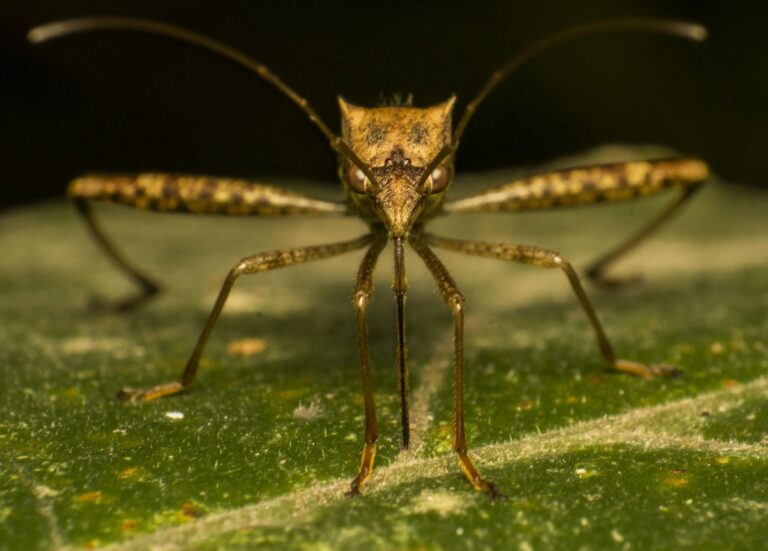
A female mosquito inserts her proboscis (thin needle – like mouth) into your skin with the intent of drawing your blood. In doing this, she injects saliva containing proteins, proteins foreign to your bloodstream, to prevent your blood from clotting, and to temporarily numb the sensation.

If you’re a normal person, your body will react mildly, and in proportion to the threat of the foreign proteins inserted by the mosquito in your body, releasing average amounts of histamine. Histamine causes blood vessels to dilate, which is why people may experience some temporary swelling/itchiness. 

However, in individuals with Skeeter Syndrome, the immune system perceives the foreign proteins in your body as much more of a severe threat than it actually is; something like a virus or parasite. The mosquito saliva entering your bloodstream will trigger the production of IgE antibodies – antibodies that attach to mast cells (white blood cells containing chemicals like histamine, designed to protect immune systems). Mast cells will go into overdrive, exploding and releasing large amounts of histamine due to being coated in these IgE antibodies that overreact to the saliva. This is what causes extreme amounts of swelling, itching and redness. 

Next, your body will create IgG antibodies – antibodies that “mark” what the body deems to be dangerous for destruction. These IgG antibodies will then stick to the proteins from the mosquito saliva, which summons more immune cells to the affected area. As well as this, T cells (white blood cells designed to protect the immune system) will release cytokines – small proteins that send signals to bring support from even more immune cells to the affected area. These reactions are what prolong and may even worsen initial symptoms for days, weeks, or even months.

Treatment and Prevention

The best treatment to this condition is prevention. If you go outside, wearing insect repellant spray is somewhat beneficial. Making sure your windows are securely shut each night, or sleeping in a mosquito net if outdoors will help prevent mosquitos from actually getting to you in the first place. Although it’s a drag, wearing long sleeves and pants, especially in forested areas, can also help prevent bites.

Although not miracle treatments, I find that applying ice and ‘After – Bite’ to affected areas helps with the incessant need to itch, and the soreness. If it gets to a point where a bite is really bothering you, you can also look into some over the counter medicines such as calamine lotion, or antihistamines. Of course, if it is really bad, please seek medical care! 

My heart genuinely goes out to anyone who may also suffer from this condition. I know firsthand how much it sucks, and how much it can ruin going outside in nice weather and having fun – something everyone deserves to do

I recognize the necessary part mosquitoes play in our world and ecosystems, but I truly wish everyone safety and a very good distance away from these evil little vampires this summer.

Sources:

Source 1

Source 2

Source 3

Source 4

Featured image by Shaheen Ahmed from Pixabay

How to Stop a Phone Addiction

If Subway Surfers or Satisfying Slime Videos need to play in the background of all your activities, or you instinctively turn on Instagram whenever you unlock your phone, you might have an addiction to your phone. A student from the University of Waterloo gathered researchers’ 5 categories of addiction:

  1. Virtual Relationships – obsession over online relationships through social media, which can often be false (think “catfishing”)
  2. Informational Overload – a sense of FOMO (Fear Of Missing Out) due to an overload of easily accessible information. This often leads to doomscrolling (more on this later).
  3. Gaming Addiction – the addiction to the cycle of unpredictable reinforcement and rewards that is provided by different virtual games.
  4. Network Compulsions – winning and acquiring new items, especially money, through activities including online shopping, trading, and gambling.
  5. Cybersex Addiction – the overuse and addiction to online pornography.

Phone addiction and overuse has many negative consequences. These include:

  • poorer academic performance
  • sleep deprivation
  • depression and anxiety
  • persistent underlying feelings of guilt
  • ridiculously short attention span

The Slot Machine Theory

Psychologists have found that social media apps and games create a sense of variable reinforcement, a sense of eagerness of not knowing whether the next cycle brings a reward or dissatisfaction. This is often modelled after gambling concepts, which are known to alter brain chemistry and make users more susceptible to anxiety and depression.

In the context of social media, this variable reinforcement looks like pulling down your feed to reload new posts, or scrolling down to the next TikTok or Instagram Reel. Similar to a slot machine, you don’t know whether or not you’ll strike something dissatisfying and useless (which is most of the time) or if you’ll find a reward. Dissatisfying information looks different to everyone, and satisfying information often looks like validation from others in the forms of likes, comments, and shares.

Anger in Social Media

Because of the constant search for rewards in social media, creators and programmers often make controversial posts to receive views and interactions. This is more commonly known as “rage bait.”

Provocative posting has majorly influenced aggression, perception of racism and social issues, as well as politics. Because the algorithm of social media and gaming is primed to show you more of what you like, it can provide extreme information or only provide the singular perspective on an issue that you interacted with. This leads to misinformation and lack of awareness.

What We Can Do:

Now that your guilt has been further exacerbated by the beginning of this post, here is a list of some of the actions you can take to reduce your screen time.

  1. Set your phone to Grayscale
  2. Hide social media apps by removing them from your home screen, so you can only access them through the app library, or even better…
  3. …Delete social media apps. Nobody that doesn’t have your number will miss you that much, I promise.
  4. Leave your phone in a separate room
  5. Turn on DND (do not disturb) with exceptions for your emergency contacts, and leave it on indefinitely.
  6. Keep your charger outside your bedroom.
  7. Only use a very short charger, or use a charging station.
  8. Use Screen Time Limits (start at about 1 hour, and work your way down from there. Too much too fast will be too difficult to stick to.)
  9. Create boundaries (areas where the phone is banned)
  10. Schedule times and limits to check your phone
  11. Pick up a hobby
  12. Go outside
  13. Use an old fashioned alarm clock instead of your phone
  14. Log out of all social media and gaming accounts after using them, and set different passwords for each profile
  15. Tell someone that you’re trying to stay off your phone, and stay around them the entire day. Report back to them at the end.
  16. Track and log your screen time.
  17. Remind yourself of all the things you could be doing instead
  18. Use your lock screen wallpaper to remind you of what your phone causes you to miss out on
  19. Set a phone curfew (ex: no phone after 8pm)
  20. Bookmark this article so that you can come back!

TL;DR

This article was not that long. If you scrolled to the bottom to get a quick summary, your attention span is fried and you should start healing it by reading the full thing.

Sources: 1, 2, 3, 4

Pink Lakes: Nature’s Most Instagrammable Scene

0


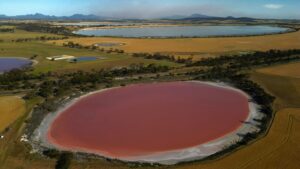
The unbelievable phenomenon of pink lakes is one which very few people are aware of. Although you may have seen it on Instagram, this natural phenomenon is observed in many locations worldwide. Most often, pink lakes are seen in Australia, where the dry weather conditions and other natural factors force certain bodies of water to become pink. In this article, we will delve into the formation of these magical lakes and explore why they are limited to specific areas.

Conditions:

Unsplash. By Ian. Published on November 2, 2024. Picture of Cranbrook, WA, Australia.

Most often, bodies of water range on a scale of blue; therefore, pink lakes are unexpected to be seen in an ocean. Throughout the images in this article, as well as other images on Google, you will notice that each pink lake has a different pink tone, similar to normal oceans, where each gradient of blue is distinct. This is due to the levels of salinity. The primary reason for the pink colour is extremely high levels of salt in these lakes. For reference, Pink lakes in areas such as Australia consist of up to 10 times the amount of salt as an ocean!

How Do They Become Extremely Saline?

Pink lakes are often seen as “terminal lakes,” meaning the lake is enclosed within itself. Since there is no way to merge this body of water into another, the only way it escapes is evaporation. Henceforth, the water develops minerals and excessive salts. Furthermore, high salt levels in water stimulate the production of Dunaliella salina. This algae is a prominent reason for many lakes to appear in a strong pink hue.

The Effects of Beta Carotene

Unsplash. By Charles Robert. Published on September 9, 2021. Picture of
Salinas, Puerto Rico.

Furthermore, Dunaliella salina is the species that produces Beta-Carotene, a specific pigment reaction that occurs when certain algae are placed in saline environments. The reddish-orange colour produced is not only a reaction but rather an act of self-protection. Think of the beta carotene pigment as sunscreen for the algae, in which the layer prevents them from UV absorption while still absorbing light energy to stimulate reproduction.

Pink Lakes Around the World

You may be wondering why these lakes are only seen in certain areas, such as Australia and Puerto Rico. The simple answer is due to the climate. As previously stated, saline lakes only form when there is high evaporation and no outflow of the water. Additionally, the climate for pink lakes must be warm and dry. With high precipitation in the monsoon season, you get to see a faded pink due to the dilution of extra water into the pigmented water. When there is precipitation, the water does not evaporate as fast due to high humidity. Lakes such as Hutt Lagoon and Lake Hillier are the most popular pink lakes, which reside in Australia. Other lakes around the world include Lake Rebta in Senegal, Las Coloradas in Mexico, Las Salinas de Torrevieja in Spain, and Laguna Colorada in Bolivia.

Unsplash. By Ian. Published on August 5, 2023. Picture of Hutt Lagoon, Yallabatharra WA, Australia.


Conclusion

In conclusion, these pink lakes are a wonderful treasure which must be explored and maintained with environmental precautions. Protecting such lakes while limiting industrial activity in such sites is a crucial step in preservation. Nevertheless, these lakes are a great addition to your bucket list, especially if you are going to Australia!

Sources:

1,2,3,4,5,6,7,


Global Warming – What is it?

0

Ever since the rapid evolution of technology and automation, global warming has been a major problem we have had to deal with. This blog post explores the idea of global warming, its root causes, and ways we can help to reduce it.

What is Global Warming?

Global warming is the increase in Earth’s overall temperature over the past decades due to a variety of factors. Consequences have included increased droughts and severe natural disasters across the planet.

As a result of increased temperatures and global warming, numerous icebergs across the world are being melted, increasing sea levels. This is a major problem as increased sea levels cause intense flooding and storms. Global warming also increases the temperature of oceans, which significantly harm corals and coral reefs.

Contributing Factors

There are many factors that contribute to global warming. Significant influences include increased greenhouse gas emissions and deforestation. Ever since the Industrial Revolution, factories have also played a major role in manufacturing and mass producing products, which create large greenhouse gas emissions. Carbon dioxide, a byproduct of various industries, get emitted to the atmosphere in dangerously large amounts. Greenhouse gases, like carbon dioxide and methane, form a thick layer in the atmosphere which essentially trap and absorb radiation and heat that would otherwise be reflected off of Earth’s surface. This is known as the Greenhouse Effect.

Another cause for the greenhouse effect is the burning of fossil fuels for energy, which also release large amounts of greenhouse gases. Fossil fuels are non-renewable energy sources formed from the remains of dead plants and animals, including coal, natural gas and oil. Transportation also plays a major role in greenhouse gas emissions, as the burning of fossil fuels is essential for most vehicles such as cars and ships.

Deforestation is another major cause of global warming. Ever since the rapid expansion of infrastructure the demand for resources has been increasing, about 15 billion trees are cut down each year. Deforestation causes increased temperatures, as fewer trees mean less carbon dioxide absorbed for photosynthesis, which increases the amount of carbon dioxide in the atmosphere.

What We Can Do

Global warming is a major issue that needs to be solved quickly as the overall environment is being significantly harmed. Here are some ways we can help to mitigate global warming and greenhouse gas emissions:

  1. Promoting renewable and sustainable energy sources – Using renewable and clean energy sources like wind and solar will significantly contribute to eliminating fossil fuel emissions, a major cause of Global Warming. Unlike fossil fuels it is known that renewable energy emits little to no greenhouse gases in the atmosphere, helping mitigate climate change.
  2. Buying local – Buying local will also help with global warming as it significantly reduces the emissions caused by importing through ships and effectively lowers your carbon footprint.
  3. Reducing the usage of cars – Using biking and public transportation as means of transportation when possible also helps with climate change as studies have shown it will cut emissions significantly.
  4. Reuse and recycle – Reusing and recycling products helps reduce wastes and reduces energy consumption which helps with mitigating greenhouse gas emissions.
  5. Planting trees – Planting trees helps global warming as trees naturally absorb the carbon dioxide in the atmosphere for its natural process of photosynthesis, reducing the amount of greenhouse gases.

Sources: 1, 2

Labubus – the next overhyped collectible

You know them, you’ve heard of them, Labubu’s.

In recent months, this popular blind box has been all the rage, contaminating netizen’s for you page and ultimately leading to crazy riots, purging stores of every restock and hyperoverconsumerism.


What are Labubu’s, exactly? 

A Labubu is a collectible monster elf, wearing a fluffy suit with bunny ears with a cartoon-like smile where 9 teeth hang out. There are over 300 different variations of Labubu’s, and they come in all different shapes and sizes. Keychains, figures, plushies, the most successful franchise being the blind boxes. 

They were created by a Chinese company and had their first appearance in 2015, but became more well-known in 2019 when they paired up with PopMart, a popular store that specializes in selling these types of merchandise.

Now in 2025, they’ve become the new must-have in everyone’s shopping cart. Where did this sudden fame come from? 

Nepobaby? More like Nepobubus!

The craze started when Lisa from Blackpink was shown in an Instagram post carrying a Labubu on her bag. Viewers were utterly mindblown by the complexion of the adorable small keychain. Next was Rihanna, Dua Lipa, and even Kim Kardashian! It seemed like every other female pop star was paparazzied with a Labubu on camera. The fans went crazy.

With the newfound fame, more and more online content was published about this doll. The Labubu was found in every corner of the internet, in mediums of unwrapping, mukbang, humour, you name it! They’ve become an internet sensation in a span of months.

Recently, multibillion companies such as Uniqlo and Coca Cola have collaborated with Labubu’s as well, leading to even more exposure for the doll. 

At this point, the Labubu doll is utterly inescapable. It lurks in every street corner you turn, in every reel you scroll, and backpack you walk past. This mega hype and exposure was the driving factor of Labubu’s 700% revenue growth in only a year, and what lead the CEO to become the youngest billionaire in China.


The consumerism pattern and what it says about our society
Collecting things has always been a hobby some of us humans had. Back then, it was simple. Pokemon cards, coins, bottle caps, bread tags, it could’ve been the most mundane ordinary junk you’d find everyday – but people would enjoy the process of adding to their collection as so.

However as time went on, things slowly shifted for a change.

The innocent quiet joy of building up your collection turned into a raging perilous monster of I need this new ___. It’s fueled by the urge to follow the trends, to be up-to-date with what current society expects us to fufill. The collector turned into a consumer.

It’s not uncommon anymore to see products being sold out right as the restock hits the market, or literal fist fights between customers, trying to get their hands on the newest and latest must-have. Think Stanley’s. Labubu’s aren’t anything new, it’s just the next line of products that happened , the next hit that consumers have been waiting for. 

What’s scary though is the speed of which these products are being popularized, and in a couple of months, all forgotten about. We need to realize the problem we’re facing and take a grasp on the situation – the normalization of this cycle of collecting, reselling, and demanding the store to just take your money. It has an incredibly detrimental effect on the environment and our wallets. 


Conclusion

Are Labubu’s a negative impact on our society, or just a cute harmless doll that happens to be popular? Leave your thoughts in the comments below! 


Sources

https://www.youtube.com/shorts/AOZovnE9wgI 

https://www.npr.org/2025/06/18/g-s1-72939/what-is-labubu-pop-mart-explained#:~:text=Before%20they%20became%20highly%20sought,so%20many%20people%20love%20it.%22 

https://en.wikipedia.org/wiki/Labubu 

https://www.youtube.com/watch?v=X8XmpCXAmFk 

https://www.youtube.com/watch?v=AtaLtSMIwJY

How helping others can help yourself

Volunteering, as the Cambridge Dictionary defines, is to “offer to do something that you do not have to do, often without having been asked to do it and/or without expecting payment”. My definition is a little less formal, as I think volunteering is when you help someone without expecting anything in return! This can be through helping out at specific places such as hospitals, homeless shelters, and animal shelters, or using your unique skills to bring joy to others! For example, I like writing and designing things, so I like making digital cards for elderly people! 

I think it’s funny because even though you expect nothing in return from volunteering, you actually gain so much! No you don’t gain money or fame, but your brain can actually be benefitted through this. Many scientific studies across the world have proven the fact that volunteering is actually good for your mental health. So even though the heart of volunteering is to not “expect” anything, you can actually benefit yourself (along with the people you’re helping) in the process!

So in this blog post, I’m going to be talking about how volunteering actually benefits not only your mental health, but also many life skills that you can apply into practically any situation! Now I’m not convening you to volunteer 1000000 hours of your life, but I’m just saying that there may actually be some hidden benefits of it that may compel you into giving it a try if you haven’t already!

The strength to combat stress, anger, and anxiety. 

For the majority of the time, volunteering tends to be a social activity. You usually get to talk with a variety of people and work with them during a variety of circumstances. Like other social activities, volunteering can have an awesome effect on your psychological well-being. When you talk with someone, most of the time you can create a meaningful connection with them. Sure most of the time it’s not a lifelong friendship, but it’s just a heartfelt connection for the duration of the experience. This meaningful connection often relieves stress, anger, and anxiety as you tend to take your mind off the things that are bothering you. There’s also a sciency-y aspect behind the calmness that comes from volunteering. There is a chemical in your brain, called dopamine, that  is released making you feel more satisfied and happy. When you feel even just a little bit more calm, satisfied with yourself, and happy, you can gain the strength to fight the negative feelings even just a little bit. 

A quick boost of self-esteem and gratitude. 

When you’re volunteering, you are basically contributing to something bigger than yourself. You are putting your time and effort into something not because you have to, but because you want to. This one fact helps boost your self esteem. It proves to yourself that you’re in such a healthy mental position that you don’t have to fight for your mental peace and happiness, and that you can contribute to the uplifting of someone else’s feelings. When you do something meaningful to you, and maybe even see some impact first hand (such as if you’re serving food and see the little but thankful smile on someone’s face), you feel so good about yourself. Trust me, when you volunteer, you’ll gain not only just self-esteem and confidence, but also a lot of gratitude for your own life. You realize that you’re actually pretty lucky and even in such a stable and comfortable position that you can help someone else. I think it’s like a chemical reaction. You start off volunteering, which creates gratitude. Then, when you experience gratitude, your self-esteem will increase. Ultimately, along with fighting away the bad emotions like I talked about in the previous paragraph, you also help better your current self in the process!! 

Gives you a sense of (temporary) purpose

There is a super well-known question that circulates around the globe and jumps into conversations at the most random times. That question is, “what is the purpose of life”?  I tend to think about this in both my happiest moments and my saddest moments. Picture this. You’re vacationing on a beach and you’re sitting on the sand with the crisp ocean breath flowing through your hair. The sun is setting, painting a beautiful picture in the sky and you see the regal, blue ocean waves crashing and rolling.  At that moment, you may think the purpose of life is to make as many memories as possible and see the beauty in life. Or on the other side, you didn’t get into your dream university even though you poured your blood, sweat, and tears into your high school career. At that moment you would think that life sucks and you’ll probably just want to cry in bed for a couple of days. Ok I know I’m getting off track but I’m sure that this all ties into volunteering. Many of us don’t know the purpose of our life. Sure it may be tied into career or personal aspirations, but we never actually know. We are stuck on the idea of “What if”. I know that volunteering isn’t necessarily everyone’s eternal life purpose, but if you’re feeling lost, I think that volunteering can give you at least a temporary sense of purpose. Even if it’s just for a couple of hours, your purpose is to make someone else’s day better. That feeling can mean so much, trust me. So even though we don’t know our life’s purpose, whenever we are feeling a little overwhelmed and lost, sometimes having a temporary purpose can be all the better!! 

Side note: I said that you could try volunteering when you’re overwhelmed, but I don’t mean that you should somehow make time to volunteer when you have a million tests and sports games coming up. I meant that maybe when you feel lost and you want a little mental boost :))

Improves your practical life skills and social skills 

You will not believe how many life skills I’ve gained from volunteering, and how much my social skills have improved. In terms of social skills, I’ve gotten the chance to talk with people of all ages. I’ve talked with kids when painting their faces during an Easter egg hunt festival and elderly people when I’m doing art with them at an old-age home. It’s insane how much perspective you can gain from life when talking to groups of people you usually don’t talk with. I get so much advice about life when I’m at the old-age home, that you can’t really get anywhere else unless you’ve seen it all. At the same time, it’s so refreshing to hear children laugh and see them play, as the negativity of the world hasn’t infected them yet. It’s crazy to think how I used to be a shy kid, but now, after volunteering I’ve learned to speak up and I honestly love not being so terrified of speaking all the time. Sure I get nervous a lot, but my public speaking has definitely improved thanks to volunteering. Along with social skills, you also get a lot of practical life skills. Such as preparing and serving a quick meal. Through other examples like these, you eventually gain problem-solving skills and time-management skills, which I think is super applicable to any other parts of your life. Overall, I think that along with the numerous benefits that contribute to your mental peace that I talked about in the earlier paragraphs, you also get other benefits that can benefit your life in the future!!


I’ve said a bunch of different things in this post, but if you want a quick summary here you go!!

Volunteering has a bunch of mental benefits such as:

  • Reducing stress and anxiety
  • Increasing self-esteem and gratitude
  • Giving you a temporary sense of purpose
  • Improving your practical life skills and social skills


Thanks for reading, and stay tuned for a bunch more volunteering related blog posts! This August, YAA is going to be placing a deep emphasis on volunteering for this August!!!! :))

Sources:

https://www.mayoclinichealthsystem.org/hometown-health/speaking-of-health/3-health-benefits-of-volunteering

https://www.goabroad.com/articles/volunteer-abroad/skills-you-gain-from-volunteering

https://dictionary.cambridge.org/dictionary/english/volunteering

My Summer TBR: Books I’m Reading This August

It’s crazy to think that summer break is already halfway over for us Calgarians! In order to get my mind off of the rapidly-arriving school year, I made a mini Summer TBR (“To Be Read”) list. This list contains three books I’m looking forward to starting during the second half of summer.

Back-to-school season is beginning soon, meaning a lot of my favourite books may go on sale, so I’m hoping to keep my book purchases this summer wallet-friendly. Other than purchasing books, you can find me at the Calgary public library, or the many secondhand bookstores throughout the city. My Kobo makes a frequent appearance in my reading endeavours as well!

Recently, I’ve been reading a lot of books from the same few genres. These genres include historical fiction, literary fiction, and classics. My TBR list below mainly features these genres as I continue to explore them. If you’re not into these genres, these books may be new to you, and I highly recommend trying some of them out.

☀️ Suha’s Summer TBR ☀️

1. Free Food for Millionares by Min Jin Lee

Min Jin Lee, Amazon

Set in a city where millionaires scramble for the free lunches the poor are too proud to accept, this sharp-eyed epic of love, greed, and ambition offers a compelling portrait of intergenerational strife, immigrant struggle, and social and economic mobility. It exposes the intricate layers of a community clinging to its old ways in a city packed with haves and have-nots.” – Min Jin Lee

After devouring Lee’s award-winning and arguably most famous novel, Pachinko, I’m excited to read her debut. I admire this author’s storytelling abilities. Her writing style resembles Victorian prose, which is one of my favourites. If she can make me stay invested in a 500-page, three-part saga spanning generations of the same family, Min Jin Lee can make me read anything.

Free Food for Millionaires is a literary fiction novel that explores the life of Casey Han, a Princeton-graduate and daughter of working-class Korean immigrants. Set in 1990s New York City, the novel is said to portray the challenges of the class system, cultural identity, and the struggles that come with upward mobility. It features the complex family dynamics within immigrant households and delves into themes such as capitalism, consumerism, misogyny, and the struggle for monetary wealth. It’s definitely a page-turner! I’ll be occupied with this massive novel this August.

2. We Have Always Lived in the Castle by Shirley Jackson

Shirley Jackson, Goodreads

“Taking readers deep into a labyrinth of dark neurosis, We Have Always Lived in the Castle is a deliciously unsettling novel about a perverse, isolated, and possibly murderous family and the struggle that ensues when a cousin arrives at their estate.” – Shirley Jackson

First published in 1962, We Have Always Lived in the Castle is a classic for fans of both gothic literature and horror fiction. This novel is known to be one of Shirley Jackson’s most famous works, a book one must read at least once in their lives. Main character Mary “Merricat” Katherine Blackwood takes readers through a haunting tale featuring themes of isolation, family loyalty, the complexities of mental illness, and more. Short and anything but sweet, I’ll be reading this one at past midnight during the final weeks of my curfew-free summer break.

Reading horror books and watching horror movies in the summertime is an underrated experience. We Have Always Lived in This Castle isn’t exactly horror, but it’ll definitely make you feel all those Halloween vibes in the middle of August. This book has been on my TBR List ever since my best friend recommended it, so she’ll be proud of me for finally getting to it.

3. The Secret History by Donna Tartt

Donna Tartt, Goodreads

“Under the influence of their charismatic classics professor, a group of clever, eccentric misfits at an elite New England college discover a way of thinking and living that is a world away from the humdrum existence of their contemporaries. But when they go beyond the boundaries of normal morality they slip gradually from obsession to corruption and betrayal, and at last—inexorably—into evil.” – Donna Tartt

There’s no way I could’ve made this post without including a BookTok-influenced novel in here. The Secret History has had its own share of the spotlight and went viral on multiple social media platforms. When you search up the hashtag “#darkacademia”, this novel makes a recurring appearance in many of these posts.

More than just aesthetics, this novel follows the gripping tale of a group of elite intellectuals who become entangled in a murder plot- with the victim being one of their own. Containing strong themes of corruption, the blurred line between good and evil, secrecy, and the dangers that come with intellectualism, this book is considered to be a newer classic. With its haunting prose and morally complex characters, it’s a chilling tale depicting the dark side of academia.

TL;DR

With one month of summer break left, I made myself a mini TBR list of books I want to read before school starts and I get busy again. My TBR consists of three books, because unlike some of the impressive 15-book-a-month readers on Instagram, I’ll be proud of myself if I manage to finish two of these. These are the books I’ll be reading:

  1. Free Food for Millionares – Min Jin Lee
  2. We Have Always Lived in The Castle – Shirley Jackson
  3. The Secret History – Donna Tartt

I encourage you all to check some of these out as well, and let me know if you would like book recommendations from other genres! Happy reading!

Sources: 1, 2, 3, 4

How Volunteering Builds Life Skills You Didn’t Expect

0

Volunteering is often viewed as a generous way to give back to the community and help those in need. While the positive impact volunteering has on society is unquestionable, many people do not realize how much volunteering can also transform the volunteer themselves. Beyond simply offering time and effort, volunteering helps individuals develop a variety of life skills that extend far beyond the actual tasks performed. These skills can improve personal growth, career prospects, and social connections in unexpected ways. This post explores the wide range of life skills that volunteering builds, often without volunteers even noticing at first.

The Power of Volunteering in Developing Communication Skills

One of the most valuable life skills that volunteering builds is communication. Volunteering often requires working with diverse groups of people, including fellow volunteers, community members, organizational leaders, and clients. Through these interactions, volunteers learn to express their ideas clearly, listen actively, and adapt their communication style to different audiences.

For example, a volunteer working in a food bank may need to communicate instructions effectively to team members while showing empathy and patience when helping clients. These experiences teach important verbal and non-verbal communication skills, such as tone of voice, body language, and active listening. Improving communication through volunteering enhances social confidence and interpersonal relationships both inside and outside the volunteer role.

Building Teamwork and Collaboration Abilities

Volunteering often involves working as part of a team to achieve a common goal. This environment helps volunteers develop collaboration and teamwork skills that are highly valued in many areas of life. Volunteers learn how to cooperate with others, share responsibilities, resolve conflicts, and support team members.

Working within a team also exposes volunteers to diverse perspectives and problem-solving approaches. Learning to appreciate different viewpoints fosters flexibility and open-mindedness. These teamwork skills developed through volunteering carry over into professional settings, family life, and community involvement.

Time Management and Responsibility

Taking on volunteer work requires commitment and responsibility, especially when balancing volunteering with school, work, or personal obligations. Volunteers learn how to manage their time effectively to fulfill their roles without neglecting other priorities.

Volunteering teaches punctuality, meeting deadlines, and planning ahead. It also encourages accountability, as volunteers must often complete tasks independently or report progress to supervisors. These lessons in time management and responsibility develop maturity and reliability, which are crucial life skills.

Problem Solving and Critical Thinking

Volunteering frequently presents unexpected challenges that require volunteers to think on their feet and develop solutions. Whether organizing a community event, assisting in disaster relief, or mentoring youth, volunteers often encounter problems that require creativity and quick decision-making.

These experiences sharpen critical thinking skills, encouraging volunteers to analyze situations, weigh options, and make informed choices. Volunteering also promotes adaptability by teaching individuals to adjust plans as circumstances change. Developing problem-solving skills through volunteering builds confidence and prepares individuals for real-world challenges.

Leadership Skills Through Volunteering

While some volunteer roles focus on specific tasks, many opportunities provide chances to take on leadership responsibilities. Volunteers may lead teams, organize activities, train new members, or advocate for causes. These leadership experiences help build skills such as delegation, motivation, conflict resolution, and strategic planning.

Volunteering offers a low-risk environment to develop and practice leadership, which can boost self-esteem and prepare individuals for future career roles. Many employers value volunteer leadership as evidence of initiative and the ability to inspire others.

Emotional Intelligence and Empathy

Volunteering often places individuals in situations where they interact with people facing difficult circumstances. Whether volunteering at shelters, hospitals, or community programs, volunteers develop a deeper understanding of others’ experiences and challenges. This exposure builds emotional intelligence and empathy, which are critical life skills for healthy relationships and effective communication.

By learning to recognize and respond to the emotions of others, volunteers enhance their ability to connect and support people from diverse backgrounds. This emotional growth fosters kindness, patience, and social awareness that benefit all areas of life.

Cultural Awareness and Inclusivity

In many volunteering settings, individuals work with people from various cultural, socioeconomic, and ethnic backgrounds. These experiences provide valuable lessons in cultural awareness and inclusivity. Volunteers gain insight into different traditions, values, and perspectives, broadening their worldview.

Developing cultural competence through volunteering encourages respect, reduces prejudice, and promotes equity. These skills are increasingly important in our globalized society and workplace. Volunteering prepares individuals to engage thoughtfully and respectfully in diverse environments.

Networking and Building Professional Relationships

Volunteering creates opportunities to meet new people and expand professional networks. Volunteers often connect with leaders in nonprofit organizations, community influencers, and other like-minded individuals. These connections can lead to mentorship, job opportunities, and collaborations.

Building networking skills through volunteering involves learning how to introduce oneself, share interests, and maintain relationships. These abilities are valuable for career advancement and personal growth.

Self-Confidence and Personal Development

Many volunteers report an increase in self-confidence as a result of their experiences. Taking on new challenges, learning skills, and seeing the positive impact of their efforts fosters a sense of accomplishment. Volunteering encourages stepping outside comfort zones and embracing growth opportunities.

Personal development through volunteering builds resilience and optimism. Volunteers often discover strengths they did not realize they possessed, which motivates continued learning and engagement.

Technical and Practical Skills

Depending on the volunteer role, individuals can acquire specific technical or practical skills that are transferable to other contexts. For example, volunteering in a community garden teaches gardening and landscaping skills, working in an office supports computer and administrative abilities, and assisting at events develops organizational and marketing skills.

These hands-on experiences enhance a volunteer’s resume and increase employability. Learning practical skills through volunteering is a valuable complement to formal education.

How Volunteering Prepares You for the Future

The life skills gained through volunteering are not limited to the present moment; they equip volunteers with tools for lifelong success. Whether pursuing further education, entering the workforce, or engaging in community leadership, the abilities developed through volunteering provide a solid foundation.

Volunteering builds adaptability, social skills, and emotional resilience, which are essential in a rapidly changing world. It encourages a proactive attitude and a commitment to service that benefit individuals and society as a whole.

Tips for Maximizing Skill Development Through Volunteering

To fully benefit from the life skills volunteering offers, it is important to approach volunteer opportunities intentionally. Here are some tips to maximize learning and growth:

  • Choose roles that challenge you and align with your interests and goals.

  • Reflect regularly on your experiences and what you are learning.

  • Seek feedback from supervisors and peers to improve your skills.

  • Take on new responsibilities to expand your abilities.

  • Build relationships with other volunteers and community members.

  • Document your volunteer activities and skills gained for future use.

Approaching volunteering with a growth mindset helps transform the experience into a powerful tool for personal and professional development.

Conclusion

Volunteering is much more than an act of kindness or community service. It is a dynamic learning experience that builds a wide range of life skills you might not expect. From communication and teamwork to leadership, empathy, and practical abilities, volunteering prepares individuals for success in many areas of life. Whether you are a student, professional, or retiree, engaging in volunteer work can open doors to new opportunities and personal growth. If you have not yet explored volunteering, consider the invaluable skills and experiences waiting to be discovered through giving your time to others.

How Art Builds and Destroys Immortality

3

Art in itself has a complex relationship with time, so it begs the question…

 Does art transcend time or preserve it?

Let’s explore both perspectives.

Art contains the remains of the time it was created.

Often capturing a period’s thoughts and culture, art reflects the values of the times it was created in, therefore preserving the values and life of that time. The meaning of art can be physically tied down to the work, for example, what pigments were used in the painting carry history and meaning. 

Image by Sergey Mind on Unsplash

During the Renaissance period, the pigment Ultramarine blue was derived from the lapis lazuli gemstones, valued more than gold at the time. Artists often reserved using such a precious colour for paintings and colouring portraits that carried significant meaning. Many used it for the robes of the Virgin Mary, tying a religious and economic history into the paintings and pigments used.

Image by Pawel Czerwinski on Unsplash

Hence, can art not only carry time in its veins physically but also in perception and significance? There is much that signifies the context and approach behind art.

Art is beyond time.

The inceptive fondness of a newly released song begins to fade over time slowly, as the radios overplay it, and it floods your TikTok for your page. Literary works become archaic, lose meaning or relevance. The bottom line being that the meaning carried within art can change depending on the times, current events and the society’s standing.

For example, Mary Shelly’s Frankenstein, written in the year 1816, carried the roots of concerns over unchecked scientific progress under the Industrial Revolution. It discussed ethics and social responsibility revolving around what was a rapid advancement with technology and centered around the consequences of humankind “playing god”.

Image by Dad Grass on Unsplash

In spite of its original context and meaning, from a modern lens, the themes of Frankenstein are more applicable to the topics of society’s cruelty toward those who play the “other” as well marginalization of individuals

In short, the original intended meaning of art doesn’t remain time-bound, not freezing in meaning once the era of creation has passed. The world moves on and so does society’s lens, and art, being only existent in the context of how it’s perceived, renews itself with meaning with every age and individual.

So what is the answer?…

Well, that is for you to ponder, does time remain till it inart or trespass its bounds? What does art mean to you, and how do you perceive time?

The answer remains personal with each and every individual, and the answer will never be black and white; it will be vivid, full of nuance and debate.

Are They a Dictator? Who is Alexander Lukashenko?

Belarus, throughout the years from 1918, and decades of Soviet domination, emerged as an independent state in 1991, with hopes and dreams of a democratic society built on the ideals of liberalism. Like other prior Soviet republics, the country’s establishment and early years were marked by political turmoil and overall economic instability, due to the struggle of the transition from a communist system to a liberal one. Within these early years, dreams of liberalism began to fade out with the rise and promises of a leader named Alexander Lukashenko in 1994 as Belarus’s first and only democratically elected president. As the ‘voice of the common people’, and ‘protector of the distinct Belarusian national identity’, his leadership would allow for the unfortunate and slow descent of Belarus’s return to authoritarianism.

Lukashenko’s reign began with promises of restoring the economy while managing the chaos caused to the entire region after the collapse of the Soviet Union. Like prior leaders before him, Lukashenko positioned himself as the only one capable to withstand such a feat. Within a few years, Lukashenko began to dismantle the fragile and new democratic institutions that failed to be fully developed. Changes to the constitution in 1996, allowed for him to dissolve the parliament, and extend his control to all branches of the government, judiciary and legislature. Overall solidifying a political system using the technique controlled participation.

While elections continued to occur in the years following, they were managed and manipulated to ensure Lukashenko’s indefinite rule. Political opponents were banned, arrested or simply removed, leaving the citizens of Belarus with simply the illusion of democracy. As Belarusian society continued to realize the reality of the democratic freedoms being stipped from them, they resorted to civil disobedience through protests in 2006, 2010, and most significantly from 2020-2021. Leading Lukashenko to resort to violent suppression to maintain his regime. Thousands of protesters were arrested, beaten and tortured by Belarusian officials, with other political opposition being forced into exile. This is the implementation of his second technique of dictatorship, the use of force and terror.

Those who once hoped to help restore peace and change, realized their protests would not be met with negotiation but batons, bullets and harsh prison sentences. Lukashenko’s government’s ability to suppress dissent has created an atmosphere of fear so toxic, conversations cannot be had about the government. Alongside this harsh political violence, Lukashenko has further established his absolute role through complete control over information and the media. State owned media has become the primary source of news, being able to portray Lukashenko in only a positive light, and as the savior of Belarus while framing opposition as threats to national security. Independent media and journalists have been harassed, arrested, and made to flee the country by Lukashenko’s puppets.

Further indoctrination through the youth, with educational institutions reinforcing the state’s narrative, with varying perspectives being suppressed. Introducing our third technique of dictatorship, controlled information, propaganda, and indoctrination. This has allowed Lukashenko to mold public perception, ensuring truth as a tool of his own regime, allowing him to remain Europe’s only remaining dictator to this day. For many Belarusians, especially the younger generation, this limited access to information regarding their own country forces them to rely on word of mouth, whispered rumors, or banned media to create their own reality. The result of Lukashenko’s consolidation of power, is a Belarus where political participation is more than dangerous, and free speech isn’t considered a guaranteed freedom.

The betrayal of the supposed implementation of liberal ideals, was from the steady erosion of rights, disguised as stability and differentiation from the Soviet Union. The replacement of hope for a better future with the normalization of oppression, straying from the promised liberal ideals, Lukashenko’s dictatorship is a modern reminder that the collapse of such liberal ideals is never loud. It’s quiet, and slow, and requires us all to look under the surface of both perpetuated information from the media and misinformation from the public, to ensure our liberal ideals are not stripped from us.

Sources: 1, 2, 3

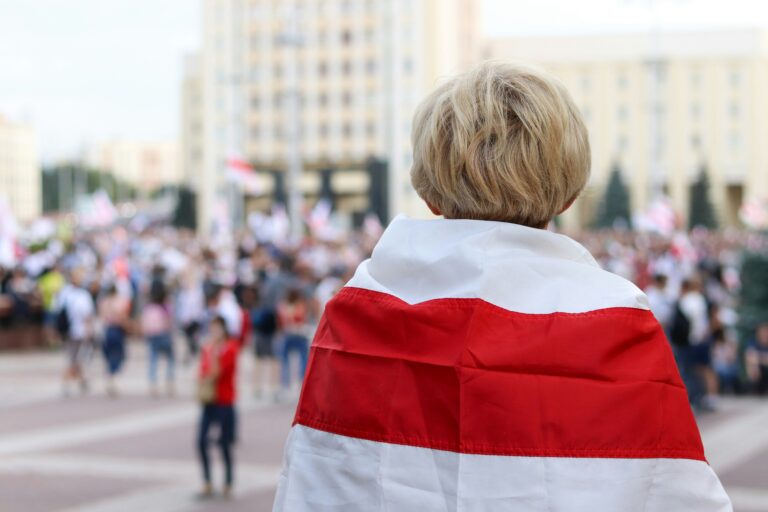
(The flag depicted in the featured image is an historical flag of Belarus often used as a symbol of force and opposition against the current green-red flag used by the current government)


What is Model UN?

Introduction:

Model United Nations (better known as Model UN or just MUN) is one of those activities that sounds super intimidating and serious at first. It has the word United Nations in it, people wear blazers, and there are formal terms like “yield to the chair” or “point of inquiry.” But once you get past the fancy terminology, you’ll realize that MUN is basically a roleplay game for high schoolers acting as fancy world-changers. As a matter of fact, it’s  fun, challenging, and it just might even be the most underrated things you do in high school!

I’m part of my school’s Model UN team and I absolutely love it. We go to conferences, we prepare for our own conference, and I have an amazing group of friends that make the whole process so much fun. In this blog post, I’ll be talking about what Model UN is because it turns out that a lot of people don’t actually know what it is!!

But What Even Is Model UN?

Model UN is basically a simulation of the United Nations, where students take on the roles of country delegates and debate real-world issues. These issues are a variety of things spanning a variety of topics, including things like nuclear disarmament, refugee crises, climate change, or even historical conflicts that we act as if they were happening in the present. Each student represents a country and is expected to advocate for that country’s stance during debates, propose solutions, and work with others to draft a resolution.

Now delegates don’t always represent countries, sometimes they represent people/characters too! These are usually special committees called a “Crisis Committee”. These committees are a lot more exciting and fast-paced because they usually model movies or other exciting stories and they are filled with plot twists and exciting events! Crisis committees are usually for intermediate-advanced level delegates because it’s so fast-paced. 

Regardless of what committee you’re in, you’ll research, write, negotiate, make alliances, and maybe even start drama!!

The MUN Experience: What Happens at a Conference

A typical MUN conference is honestly a crazy experience. It usually spans one to three days and involves opening ceremonies, multiple committee sessions, and resolution writing. Committees can be based on anything from the UN Human Rights Council to a crisis simulation of the Cold War. Some are super formal and structured, while others are fast-paced and dramatic. 

Basically, you start by giving an opening speech, then launch into moderated and unmoderated caucuses. A moderated caucus is basically a super structured discussion while an unmoderated caucus is a very free and open discussion where delegates can get out of their seats and talk with others about the issue at hand. You’ll work with other delegates to create a draft resolution (aka a proposed solution to the issue), and by the end, the committee votes on which resolutions pass.

Model UN is also pretty competitive as many conferences give out awards for Best Delegate, Most Diplomatic, and a bunch more. But it’s not just about winning, so make sure to enjoy the whole experience!

Why You Should Join:

You’re already balancing school, sports, and other extracurricular activities, but here are some reasons you might consider joining!

  • It builds real skills: Public speaking, teamwork, research, writing, leadership. MUN hits pretty much every checkbox universities (and employers) love.
  • You’ll become globally aware: You’ll learn about countries you’ve never thought about, and issues that actually shape people’s lives across the world.
  • It looks great on applications: Whether you’re applying to university, scholarships, or summer programs, MUN signals you’re both a thinker and a do-er.
  • The community is awesome: You’ll meet students from all over the city who care about the world and want to make an impact. You will also form a super close bond with your own Model UN team from your school (just like I did). 

MUN Is for Everyone

You don’t need to want a career in politics or law to join MUN. Some of the best delegates are future scientists, engineers, business leaders, or artists. If you care about the world, like discussing new ideas, or want to challenge yourself to grow, I can guarantee that you’ll love MUN!

Sources: 1, 2


Prophages: How Bacteria Can Get Sick

Usually when you think of “virus”, COVID-19 or sneezing or influenza comes to mind. Maybe you think of animals and insects that transfer viruses. But did you know that bacteria is vulnerable to viruses as well? These viruses are called prophages (also sometimes known simply as “phages”), and they have so many scientific applications in the world of microbiology and immunology.

Types of Prophages

The two types of prophages differ primarily in the timing of cell lysis (when the bacteria cell explodes from containing the virus for too long). The methods to which prophages do this are actually quite fascinating; it’s intuitive to them but incredibly clever to the outside eye.

Lytic Cycle Prophages

These prophages are ones that cause lysis quickly. They attach to the outside of the bacteria (the bacterial cell membrane), and inject their genetic material inside. When bacteria isn’t able to fight this off through techniques like CRISPR/Cas9 (also a fascinating genetic technology that you should Google if you have some free time), the viral DNA is encoded with the bacteria’s own DNA.

This means that the bacteria often ends up expressing the viral phage DNA instead of its own bacteria DNA, which creates viral proteins and other components of the phage. In lytic phages, when there are enough viral parts created by the bacteria, the phages inside will cause cell lysis. This explodes the bacterial cell and releases more phages into the environment.

Lysogenic Cycle Prophages

Lysogenic prophages are similar to lytic prophages in how they are injected and embedded inside the bacterial DNA. However, their similarities essentially stop there.

Lysogenic prophages will remain dormant inside the DNA of the bacteria until a stimulus causes it to separate. This means that when the bacteria reproduces naturally, the genetic material of both the bacteria and its viral components are also duplicated into another bacterial cell.

This can cause problems because bacteria reproduces so quickly. There is virtually no way of telling whether or phage DNA is present inside a bacterial cell without lysing all of them.

When conditions become unfavorable for the viral DNA, the prophage will induce itself and switch to the lytic cycle, where it will then quickly leave its host.

Applications of Prophages

Prophages have proven to be key advancements in food, medicine, and biotechnology. They’re currently being researched to see how they can help prevent bacterial resistance to medicine, become an antibiotic that could destroy bacteria on command, and help reduce the amount of food-borne bacteria responsible for food poisoning.

They’re also being researched during the developments of microbial and probiotic treatments, to increase the viability and effectiveness of positive bacterial treatments. After all, it wouldn’t be very much use to develop a treatment if the treatment dies before it works.

Bacteriophages also propose an interesting alternative to antibiotics; they have a much stronger and more targeted effect than regular antibiotics, which bacteria can build a resistance to over time.

There’s still a lot of research to be done in the field of microbiology and immunology regarding the application of bacteriophage research in our every day lives, but these little guys sure have the potential to be a fascinating medical innovation soon!

Sources: 1

Must-Try Roblox Games That You Can’t Miss

Roblox is more than just a game, it’s a universe of endless possibilities. With millions of user-created games across every genre you can imagine, it can be hard to know where to start. Whether you’re new to Roblox or looking for your next obsession, here’s a list of must-try Roblox games that are fun, exciting, and worth your time.

    1. Dress to Impress
      Put your fashion sense to the test! Compete against others in a timed dressing challenge where you have to match the theme using outfits, hairstyles, and accessories. Then, hit the runway and get judged. It’s fast, stylish, and addicting.
    2. Big Paintball! Classic
      A fun, colorful, first-person shooter where you splatter your enemies with paintballs instead of bullets. The maps are creative, the pace is fast, and the action is non-stop.
    3. Tower of Hell
      No checkpoints. No mercy. Just pure obby (obstacle course) skill. Climb a massive tower of jumps, climbs, and tricky paths, all while racing against the clock.

    4. Rivals
      Similar to paintball, it’s a competitive, fast-paced multiplayer game where you go head-to-head in short minigames. It’s a test of reflexes, quick thinking, and sometimes luck.

    5. Speed Run 4
      Run, jump, and fly through beautifully designed stages at lightning speed. The music slaps, the levels are unique, and the flow is super satisfying.

    6. The Dropper
      Fall through a giant tunnel of obstacles and try to land without dying. Each level gets harder, wilder, and more visually insane.

    7.  The Presentation Experience
      Play as a student or presenter in a ridiculous, unpredictable classroom. Burp, sleep, throw paper, scream, and sabotage the presentation. Absolute chaos = guaranteed laughs.

    8. Jailbreak
      Classic cops vs. robbers. Rob banks, escape prison, hijack helicopters, or play the hero and catch criminals. Tons of vehicles and freedom to explore.

    9. Escape Running Head
      Get chased by giant, floating heads through a maze of dark corridors. Sounds ridiculous? It is. That’s what makes it so fun.

    10. Color Block
      Stay on the right color before the floor disappears! A fast, visual reaction game that’s simple, addictive, and surprisingly competitive.

    11. Guess the SONG or Die
      The rules are simple: hear a song snippet, guess the right answer, or fall to your doom. A perfect game for music lovers and party vibes.

    12. Find the LABUBU
      A “find-the-object” game where you explore cool worlds and look for hidden Labubu characters. A chill game for when you want to relax and explore.

Regenerative Braking in Electric Vehicles

For everyone interested in the auto industry and automotive mechanics, this article provides insight into the concept of regenerative brakes. Sooner or later, most individuals are soon to come across this as they head into adulthood while looking for the perfect car which would suit their ideal driving experiences. In summary, the knowledge of regenerative brakes and their use in Electric Vehicles (EVs) such as the Tesla models or Honda Hybrid models should be explored by us, future drivers, to make safe decisions both for ourselves and the environment.

What is Regenerative Braking?

In common gas-powered vehicles, the braking system involves transferring the kinetic energy of the motor into heat energy when friction is applied. This system, however, is not the most efficient, as heat is lost into the environment rather than being restored in the car. Due to this issue, electric vehicles use a unique braking system known as Regenerative Braking. In this system, the energy is not lost as heat but rather restored in the car as electrical potential energy in the battery. The key difference between the two systems is that the motor in gas-powered vehicles relies on friction, while the motor during regenerative braking minimizes friction by using the wheels to drive the motor. While this is often labelled as the reverse spin of a motor, it isn’t changing directions but rather becoming dependent on the wheel, hence the car can stop.

Pixabay. By Paul_Henri. Published on June 11, 2019

Why Regenerative Braking Matters?

Not only is Regenerative braking more efficient, yet it also promotes an increased range in Hybrid and electric vehicles. This means it can travel further distances in a set amount of energy. Many sources say that the range increases by 10-20%! Additionally, Regenerative Braking is better for the environment as it allows a car to optimize its battery before having to recharge. This is also beneficial when considering brake dust emissions. Brake dust is the fumes released when the brake pads use friction to stop. The metal, rubber, fibre and other materials merge into the air through normal brake systems, which adds to lower air quality. The regenerative brakes use less friction, hence they only emit slight amounts of brake dust.

Considering the positive aspects of regenerative braking is important for us as youth who will be future car owners. We must take into consideration all the impacts our actions will have on our carbon footprint to sustain the Earth for future generations.

Pixabay. By geraldoswald62. Published on October 19, 2016.


Disadvantages of Regenerative Braking?

While the environmental aspects, as well as efficiency, are reasons why car owners prefer regenerative braking, many individuals do not like the system. One cause is its reduced effectiveness at lower speeds. If you live in a city with few highways in which drivers do not require much speed, the efficiency of the brakes isn’t as effective. Consider that more energy is recycled at increased speeds; hence, its ability to increase an EV’s range is not powerful for low speeds. Another disadvantage of this braking system is the effort you have to put in for a response. While common braking systems and regenerative ones have similar safety standards, there are drivers who feel they need to put more effort into braking for the same effectiveness as a gas-powered car. This is an issue which is seen more commonly throughout older EV models.

Unsplash. By Arseny Togulev. Published in August 25, 2019.

Conclusion:

While regenerative braking is a complex topic, the ideas unpacked in this article are crucial in making educated decisions for the future. Regenerative brakes are the best way to increase EV efficiency while also enhancing the range. On the flip side, regenerative brakes are less effective at lower speeds. Our carbon footprint can be reduced through consumer choices in protecting our planet while still ensuring the best driving experiences. Altogether, the concept of Regenerative Brakes offers a unique alternative to the regular gas-powered vehicle brakes.


Sources:

https://ama.ab.ca/articles/evs-regenerative-braking

https://www.rematec.com/news/process-and-technology/brake-emissions-reduce-emissions

https://www.tiresplus.com/blog/brakes/what-is-regenerative-braking-in-electric-vehicles/