Late last month, the city of Turin, Italy, made waves when recently elected mayor Chiara Appendino, declared the city the first in Europe to take on a meat-reduction agenda. Appendino’s campaign strives to promote a vegetarian lifestyle in order to reduce the city’s environmental impact and improve the overall health of Turin’s citizens. However, as a city situated in Piedmont, an Italian region renown for a mainly meat centered cuisine, most locals are not convinced to go cold turkey.

Despite the outrage and backlash against a so called “vegetarian city”, Turin’s new mayor assures the city that her intent is not to erase or disrespect the city’s cultural and culinary heritage, but rather to reinforce sustainability. The new administration even plans to implement school curriculum that includes the extensive impact of meat on environment in order to help children strike a balance between maintaining their health and living an eco-friendly life.
“Leading medical, nutritional and political experts will help promote a culture of respect in our schools, teaching children how to eat well while protecting the earth and animal rights”
With all this in mind, the question arises: Is this really plausible? Of course, it’s pretty much impossible to completely convert a city to an entirely vegetarian mindset, but if the majority were to simply rethink and reduce their meat consumption, could it have real benefits? Research says yes!
A 2014 study from the U.K.-based think tank Chatham House observed that there doesn’t seem to be much of a solid linkage in most people’s minds between meat production and environmental damage, noting that “compared with other sectors, recognition of the livestock sector as a significant contributor to climate change is markedly low.” Yet, agriculture and food production make up a whopping quarter of all greenhouse gas emissions, 80% of which are livestock-related. In fact, Oxford researchers found that if meat consumption continues at its current rate, by 2050, that number would double to account for 50% of all greenhouse gas emissions. However, the study also found that if we were to introduce global meat-reducing dietary restrictions, food related emissions would be cut back by 29%, with vegetarian guidelines increasing the reduction of food related emissions to 63%, and vegan diets peaking at a 70% cutback.
“We do not expect everybody to become vegan. But the climate change impacts of the food system will require more than just technological changes.”
– Dr. Marco Springmann, Oxford Martin Programme on the Future of Food
Considering all of the many, many, ways in which meat consumption is harming the environment, using up land and resources, and costing the world billions, this concept of “vegetarian cities” doesn’t seem as bad of an idea as Appendino’s opposers are making it out to be.
 As of late, local and national campaigns regarding issues like the negative effects of smoking, the importance of physical activity, or even the significance of turning out your lights have brought about successful results. Why can’t a plan or platform for monitoring global meat consumption be implemented in the same way?
With all of this considered, vegetarian cities do seem to be a step in the right direction in regards to reducing impacts of climate change and preserving the wellbeing of Earth and its citizens. Although it may be gradual, the change in the long run would bring about significant advances and development in the way we maintain sustainability for Earth’s future generations.
[header image // source] [image 1 // source] [image 2 // source]













 cation process like?”, to more specific ones like “what is student culture like around [insert post-secondary institution]?” I’ll admit, post-secondary fairs have been of little help to me in this department, as all the presentations I’ve attended featured a sponsored student speaking about all the great things about the university that I could’ve found with a quick Google search.

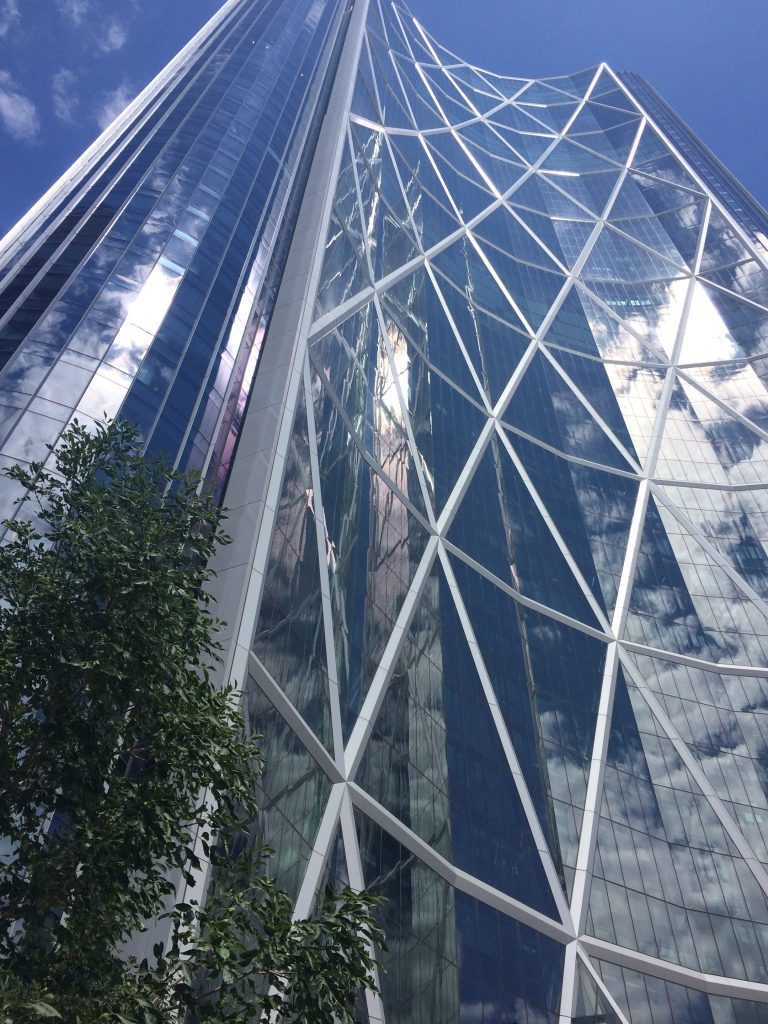 moved is into what used to be our guest room. As a result of this, I have (regrettably) become so used to the idea of the little Calgary that I know that I often forget that there’s so much to explore in this city than I give it credit. I heard a report on the radio a few weeks ago that said that Calgary was voted one of the top 10 cities in the world to visit this summer and I though to myself, “Are you serious? Calgary’s ranked above major world cities like Amsterdam? Whoever made this list must be seriously biased.”






 Show On Earth. Whether you’re into sweet, savoury, deep fried, food on a stick or downright weird, you can find something to satisfy your cravings.
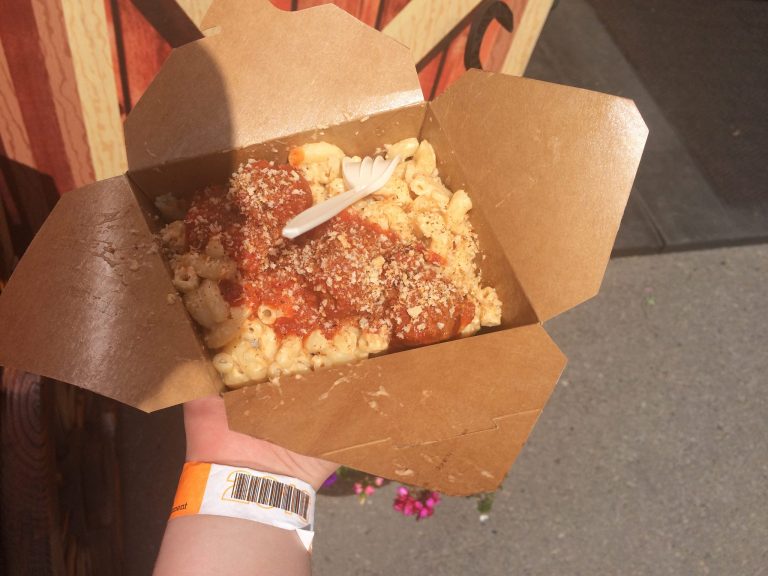
 Instead of trying a bunch of the new foods like in previous years, I stuck to my go-to mac ‘n cheese and then decided to go for some of the more established eats, specifically the deep fried goodness that is fair food. Now, I’ve had homemade corn dogs and other various deep fried treats, but I had never tried deep fried pickles or Oreos. As a strong proponent of everything Oreo, I knew that it would be amazing (which they were OH MY GOODNESS THEY ARE THE ELIXIR OF LIFE), but I was a bit
 skeptical about the pickles at first. They came with a side of ranch (always a good idea) and I cautiously drenched my first slice of pickle in it, which was absolutely unnecessary. They were a strange combination of hot, salty, sour and breaded, which I never thought would be any good
 maintaining a healthy summer lifestyle for the Calgary Stampede’s crazy foods. This past Friday marked my first vegetarian Stampede and it was definitely quite a challenge to watch my friends eat award-winning BBQ ribs; even walking down the section of the park with all the smokehouses made my mouth water with the rich aroma. However, the urge to *try* to be healthy at the Stampede (what a joke am I right??) took over and… I had a veggie subway for lunch and a corn-on-the-cob. By dinner, I was pretty determined to eat something that I could write up a solid blog post about, so remembering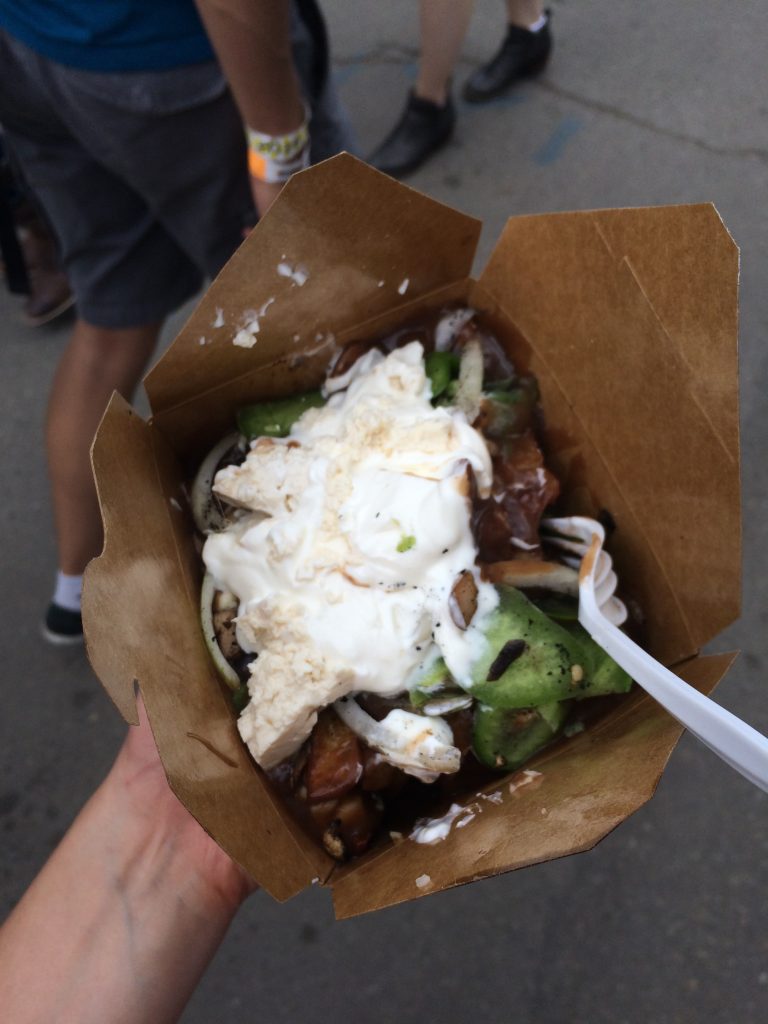


 Shooter by Caroline Pignat
 With Malice by Eileen Cook
 Every Exquisite Thing by Matthew Quick
 All The Bright Places by Jennifer Niven