Home Blog Page 16

How I Deal With Art Block

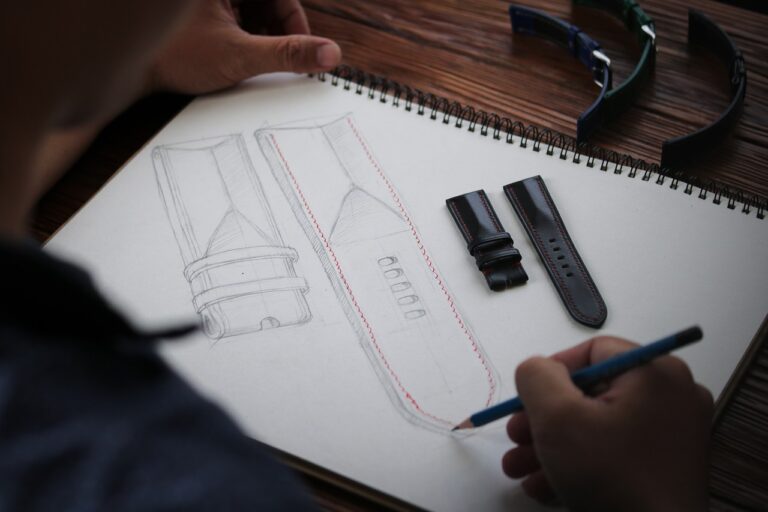
Have you ever stared at a blank page, waiting for the ideas to come to you and not feeling much at all? No spark of creativity or motivation? You’re not alone. As a self-taught artist, I’ve encountered art block many times, struggling to find a way to replace the emptiness of the page. Because of this, I’ve figured out a few ways to break out of it without feeling forced or demotivated.

1. I Stopped Forcing “Good Art”

One thing that causes my art block is thinking my art needs to be perfect. Leaving that pressure behind me allows me to put things on paper more expressively and feel more freedom to let myself flow without feeling stuck.

Drawing random scribbles, shapes, or even just adding blobs of colour helps me visualize what I’m feeling and merely creates movement. This, weirdly enough, helps me get started and gets my brain going.

2. Switching to Something Easier or Less Serious

If I can’t bring myself to draw anything serious, it always helps to draw something funny, random, or just easier in general:

  • Planets, stars, and galaxies
  • An eye (my go to since middle school)
  • Some fruit… which could potentially turn into a fruit basket

Making art with less pressure helps get ideas flowing and gets me into a flow state, which I can build up as I continue.

3. Getting Inspiration

Finding inspiration, especially from social media and YouTube, helps me a lot when it comes to fostering creativity, especially when dealing with art block. Seeing how someone else interprets and expresses themself through their art is enough to give me a spark of inventiveness.

4. Taking Breaks

Taking breaks are great beaters of art block, helping me feel refreshed, rather than burnt out.

Going on a walk, reading, watching a show, or even just getting up to clean my room are all ways that help me momentarily forget about art and feel less drained.

Art block shouldn’t dictate how any artist feels about themselves or their art and should instead serve as a reminder to remotivate yourself and reset your brain.

If you’re feeling stuck right now, try these methods out; I can guarantee that at least one will work for you to the same extent that it did for me!

Minimalism in the business world – Why things have gotten more basic

As you grow, you start to notice that the world has less colour, is less vibrant, and a lot more dreary than animate. What if it wasn’t only an optical phenomenon, and instead, intentionally designed by the corporate influences of the world? The history of corporate minimalism is fascinating in its intricacy, so let’s get into it.

From the colourful scenes of clothes, items, and even advertisements, the 70s-80s served to attract attention through the flexible world of visuals. Even the future that was imagined already had an aesthetic called Frutiger Aero, which made people more enthusiastic and excited for anything coming into the world. Cereal boxes, shoes, fast food chains like McD’s, and television for the inventions, values, and social culture of the times. The years when influential bands debuted and made songs that incorporated social movements and optimism. People could express themselves through the colour that was finally on television, marking the emotional harmony in the techno world.

Then, when the 90s arrived, fashion changed forever. Flannel shirts, baggy jeans, plaid skirts…still worn by people today. But when the internet emerged, new technologies (such as fibre) for fashion design shifted the art from thrift stores to expensive brands. The spaces people make to express themselves through the wallpaper and furniture in their houses are taken over by the uniform structure of social media. Since corporate giants like Microsoft, Facebook, and YouTube play significant roles in daily life, they could change the layouts of their systems.

If you have ever looked into curated magazines, bolded and comical-like texts were everywhere. The 80s were at least recognizable by the hairstyles, clothes, and songs people listened to, but over time, the exact style of basic avatars and colours took over. Instead of detail and shade, there’s only a colour to stick to and text unbolded/unhighlighted. The most prevalent example is Corporate Memphis/ Algeria art, used in Google and Facebook, that arose in the late 2010s into the 2020s. It has been highly criticized for its simplicity and lack of realism, or otherwise being truly unimpressive and drab. Even the millennials who wore flashy and chic clothing as teenagers in the 90s have stepped into what’s often considered a downgrade in their adult years through their plain white, beige, or grey styles. Others may think its appeal to neutrality and compliance is carefully made, but it truly says nothing. Because it doesn‘t want to. Companies focus on production and mass advertising because it‘s cheaper. However, in an economy boasting inflation and high costs of living, it may lead people to question how they want to consume. 

With the rise of AI models, this continues to be unhelpful for the factor of humanity and creativity when it comes to consumerism. Now we hear about the next thing about living a life dedicated to consuming all types of one thing, versus an insufficient amount. There is no balance or heart when all corporations come after money. What we buy is what we wear, what we eat, and what we think. And with minimalism comes gentrification, causing harmful social impact or even more and more repetitive discussions around stereotypes and trends that affect those with a lifestyle different than that of modern and urban. Why is the only thing I see being developed the same kinds of apartments or fast food restaurants with white or brown paint? The pattern keeps looping people into buying whatever, and to be fine with less personality or authenticity. Think matcha performative guys on TikTok or the girls who wanted to be teenagers in 2015. They just somehow cannot get it “right.” They miss what feels good about life, but products never seem to try to win consumers out of that, only through problem-solving and efficiency. 

But the only way for things to change is to create demand. The issue with these trends to tackle character or life in consumerism is that they fade, and people pretend to look the other way just to buy what everyone else is purchasing. And then the cycle repeats. The current bleak state of the world could use some colour, patterns, or just something refreshing. 

What do you think of these interpretations or conversations about minimalism in product design/business outreach? Do you think the style is fine and that visual appeal is not something to worry about?

Sources:

https://en.wikipedia.org/wiki/Corporate_Memphis

https://www.re-thinkingthefuture.com/rtf-fresh-pehttps://promarksolutions.ca/the-impact-of-minimalism-on-modern-logo-design/rspectives/a13175-erasing-heritage-how-minimalist-design-neutralizes-urban-identity/https://promarksolutions.ca/the-impact-of-minimalism-on-modern-logo-design/

The Power of Thank You Notes

0

‘Tis the season for presents, family, and holiday cheer! A big part of giving and receiving is showing gratitude, and thank you cards are such a wonderful way to do that. In this post, we’ll discuss why we should write them, when we should write them, and how we can write them, with a general format so you can get started easily.

Why You Should Write One

Regardless of how close you are to someone, sending gratitude is never unwelcome. Polite etiquette and kindness not only increase your own mood, but also increase chances of receiving another act of kindness. People are more likely to help those who appreciate their help, and they won’t know you appreciate their help if you don’t thank them for it.

Sending gratitude has positive effects on both the sender and the receiver, but many struggle with sending them because they overestimate the awkwardness of the recipient and underestimate the recipient’s appreciation. In reality, most people are happy their efforts feel

When You Should Write a Thank You Card

Thank you cards are great for many occasions, but might come off a bit formal. There’s also no formal structure or inclusion guide – should you include a gift card? Cash? Is that too much? – so it can be hard to write them when you don’t know the occasion.

As we’ve already outlined though, there’s many benefits to writing gratitude cards. So here’s some examples of when you should write one:

  • Holidays, after receiving a gift from someone you’re not super close with
  • Birthdays, in the form of a birthday card
  • Your own birthday, to thank someone for thinking of you
  • References, to thank someone for providing you a reference letter
  • After an interview
  • Being a houseguest
  • IMMEDIATELY after the event you’re grateful for. The sooner after, the more genuine it seems.

When NOT to send a thank-you note

  • right before you ask someone for something – it decreases the authenticity of the note
  • when you’re angry – the tone will sound off and the recipient can easily sense the negativity and lack of authenticity

How to send a thank you note

Physical ones are best! In this digital age where everything is tiny formatted text, handwritten notes are more personal and authentic. That having been said, if a digital note is the only possible way to send gratitude, send your note that way. Any note is definitely better than none at all.

Sending Physical Notes

Cards are ultimately more formal than sheets of lined paper, but if that’s what you’ve got you can still make the best use of it.

Write in pen, sign off, and make sure you personalize the contents. Don’t use AI – it ultimately defeats the purpose of thanking someone genuinely – and try to brainstorm what you’d like to say before writing it on the card.

Sending Digital Notes

There’s digital cards too, but if a kind email is the best you can do try to make it genuine. Follow basic email etiquette – keep it short, sweet, organized, and direct.

General Thank You Note Format:

This differs in tone depending on who you’re sending the note to and what your relationship is to them, so I’ve left the structure flexible. Be sure to personalize and add your own specific flair to it.

1. Introduction

Keep this part to the point. Be direct and clear about what you’re grateful for. A good outline might look like this:

“Dear [person],

I wanted to thank you for [thing you’re grateful for]/It was so kind of you to [thing you’re grateful for]. [Insert how it affected you/impacted you].”

2. Depth

Here’s where you talk with more detail about what you’re grateful for and what you’re hoping the relationship will develop into in the future (if that’s what you’re hoping for). The more personal you make this, the more meaningful it is.

“I thought [some aspect] was really [thoughtful/insightful/interesting]. It made me think about [something]. I hope we can [future goals].”

3. Conclusion

Sign off with cordiality, depending on how close you are with the person you’re thanking.

TL;DR

Thank-you notes are important for the sender and the recipient. They’re appropriate for most occasions, so don’t feel intimidated and give it a shot!

Sources: 1, 2, 3 ,4 , 5, 6

The Surprising Reason We Get Goosebumps

Goosebumps are one of those weird little things our bodies do that we almost never question. You might feel them when you are cold, when a song gives you chills, or when you are scared. They seem random, but there is actually a fascinating reason behind them.

Goosebumps are a leftover survival response from our ancient ancestors. Back when early humans had a lot more body hair, this reaction helped protect them. When danger was near or when the temperature dropped, tiny muscles under the skin would tighten and lift the hair on the body. This made our ancestors look bigger to predators and helped trap heat to keep them warm. It was an important way to survive.

Today we do not have enough body hair for this reaction to work the way it used to, but the response is still there. It is controlled by the same part of the nervous system that handles automatic reactions like breathing, blinking, and your heartbeat. That is why goosebumps happen without us thinking about them.

What makes goosebumps even more interesting is that they can also be triggered by strong emotions. Scientists believe this happens because intense feelings activate parts of the brain linked to fear or excitement. This sends the same signal through the body that once warned our ancestors of danger. That is why a powerful song, a touching moment in a movie, or a sudden scare can give us chills.

Goosebumps are a small reminder of how closely we are connected to the humans who lived thousands of years before us. Even though the world has changed, our biology still carries traces of the past. It is amazing to think that something so simple can tell a story about where we come from.

The next time you get goosebumps, you will know you are experiencing a tiny piece of human history.

Fast Fashion: The Cost of Cheap Clothes

0

Fast fashion is a term used to describe quickly and cheaply made clothes. The term was created in 1990 by The New York Times, when Zara first came to New York, and wanted to be able to make clothes from scratch, and have been be sold in stores within 2 weeks.

In the past few years, Fast Fashion has been growing a lot in revenue, with an estimated C$57 billion this year, but behind this economic success is an environmental and social impact that continues to worsen.

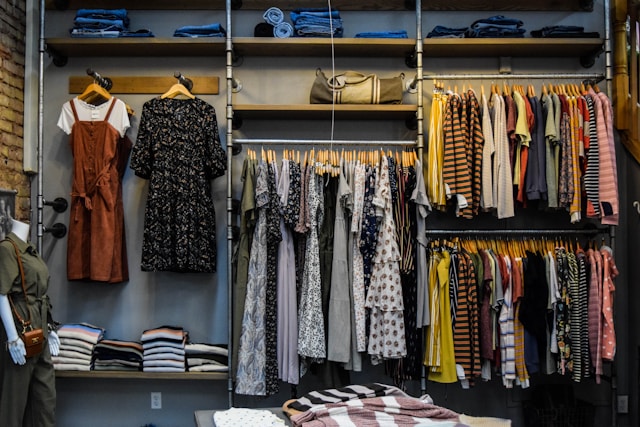
photo of wardrobe with clothes
Assorted-color clothes photo – Free Clothing Image on Unsplash

The Environmental Effect

Responsible for 20% of global wastewater pollution and 8-20% of global carbon emissions, fast fashion is one of the biggest contributors to pollution.

The reason is their excessive use of energy, chemicals, and fuels. Their garments are made out of synthetic materials such as polyester, nylon, and acrylic, which shed microplastics which end up in our waters, soil, and sometimes even in our bodies.

The Social Impact

The world of fast fashion is no stranger to the exploitation of those living in poverty or desperate to make ends meet, either. The average employee of a brand using fast fashion has shifts as long as 12-16 hours, gets paid extremely small wages, and receives no overtime pay for their tremendous work in harsh conditions.

Not to mention, most employees who work under these conditions are children and young women, often trying to support their families. In some regions, there’s also use of forced labour, trafficking, or abuse by their employers.

Cost of Convenience

Fast fashion is seen as an effective way for retailers to meet high customer demands. This “effective” system is built on non-ethical ways that companies make low-quality clothes and promote consumerism amongst buyers.

Fast fashion is not only seen in brands such as Shein or Temu, but also in ones we see in our day-to-day lives and local malls like H&M, Zara, Forever 21, UNIQLO, etc. Being mindful of which companies we support and buy from makes the biggest difference


Brains In Progress

0

An Introduction To Your Brain:

What if I told you that trying a new skill doesn’t just feel exciting, but it actually rewires your brain in a way? Think about the last time you learned something new and I’m not talking about a book you finished a week ago or gossip you learned from your friends at school. Your brain is built to learn valuable and beneficial skills, like learning to drive or to cook, maybe even learning survival skills.

How Neuron Connections Change While You Learn

Researchers studied how two types of neutrons communicate in the brain as you try to learn something new. The neurons will send information to different areas in your brain. However, the strength connection between the neurons only change if the experience was meaningful and significant. The neurons involved in this process are in the sensory cortex, a part of the brain that can also be found in cows or dogs as well. Because of this similarity, the findings could also help scientists a lot of animals learn too!

Mice Helped Researchers Understand Learning?

That’s right! Mice have helped researchers understand our brains! They were used as models to understand how learning happens.

The mice experienced three different scenarios and scientists observed how they responded:

  • Group 1: Received an air puff with a reward
  • Group 2: Received an air puff with a reward only sometimes
  • Group 3: Received only an award without an air puff

Results of the experiment:

Observations had concluded that soon the mice began to ignore the puff of air they received on their whiskers and had no change in the neurons behavior. This shows that the brain can recognize when useful patterns exists and when there isn’t one to learn.

Conclusion:

Our brains change the most when we learn something meaningful and the neurons only strengthen the connections when an experience actually matters. This research really intrigued me and changed the way I see my brain in so many ways. Learning wasn’t just about retrieving and gaining knowledge but also about how my brain constantly rewired and geared itself to make sense of it.

1


Staying Hydrated; Tips and Tricks

0

Staying hydrated is one of the simplest but most important things you can do for your body. Water helps regulate temperature, move nutrients, and keep your brain focused. Even mild dehydration can make you feel tired, dizzy, or give you a headache. The good news is that staying hydrated is easy when you build a few small habits into your day.

One of the best ways to stay hydrated is to carry a water bottle everywhere you go. Having it with you makes it easier to remember to drink throughout the day. It also helps to drink water if you feel thirsty, because thirst is usually a sign that your body is already getting dehydrated. Taking small sips regularly can prevent this.

If plain water isn’t your favorite, and you are more of a person that enjoys drinks with flavour in them, there are ways to make it more enjoyable. You can add natural flavors like lemon slices, berries, or cucumber to give your water a refreshing taste without adding sugar.

Another helpful trick is to drink a glass of water during routine moments, such as when you wake up, start studying, or sit down for a meal. Building these mini-habits makes hydration automatic.

Food can also help you stay hydrated. Fruits and vegetables like watermelon, oranges, cucumbers, apples, and strawberries have high water content, which adds to your daily hydration without you even noticing.

It’s also important to limit drinks that can dehydrate you. Too much coffee, soda, or energy drinks can work against your hydration goals. If you’re doing sports or physical activity, bring extra water and drink before, during, and after your activity. Electrolyte drinks can help replace minerals lost in sweat, but they shouldn’t be used every day.

Ultimately, staying hydrated can be fun. You can set phone reminders, track your water intake, download water tracker apps, or make it a challenge with someone else to see who drinks the most throughout the day. With small changes and consistent habits, staying hydrated becomes simple, and your body will feel the benefits every day.

Playlists for Every Occasion (Because Life Needs a Soundtrack)

Some days feel slow, some feel hectic, and some feel like you’re the background character in a teen movie. Here are a few playlists that fit the mood you’re in, whatever that happens to be today.

To Focus

When you need to focus and get stuff done; soft, steady, nothing too distracting.

• “cardigan” – Taylor Swift
• “Like Real People Do” – Hozier
• “Auguste” – Noah Kahan
• “Valentine” – Laufey

Perfect for homework, studying, or pretending you’re organized.

To Commute

When the walk to school needs a little drama; songs that make the world feel a bit more cinematic.

• “Pink + White” – Frank Ocean
• “Sunflower, Vol. 6” – Harry Styles
• “Cloud 9” – Beach Bunny
• “Pretty Girl” – Clairo

Add headphones, look out a window, feel like the main character.

To Feel Upbeat

When your room is a mess and you need motivation; a little upbeat energy goes a long way.

• “Greedy” – Tate McRae
• “Dance the Night” – Dua Lipa
• “Victoria’s Secret” – Jax
• “About Damn Time” – Lizzo

Cleaning becomes way less painful when the music is fun.

Slow and Deep

When you’re up late and everything feels a bit deep; calm songs with the right amount of emotion.
• “Ceilings” – Lizzy McAlpine
• “Little Freak” – Harry Styles
• “Nobody” – Mitski
• “The Night We Met” – Lord Huron
Not sad, just thoughtful. Good for journaling or staring at the ceiling.

Uplifting

When you need a quick mood boost; instant serotonin in song form.
• “Kiss Me More” – Doja Cat
• “Good Days” – SZA
• “Cruel Summer” – Taylor Swift
• “Heat Waves” – Glass Animals
Great for getting ready, walking to class, or shaking off a bad morning.

Overall, whether it’s a fun jammy session or a deep cry-your-heart-out moment. Music could get you through anything!

When Satire Becomes News: How a Fake Quote Fooled Time Magazine

0

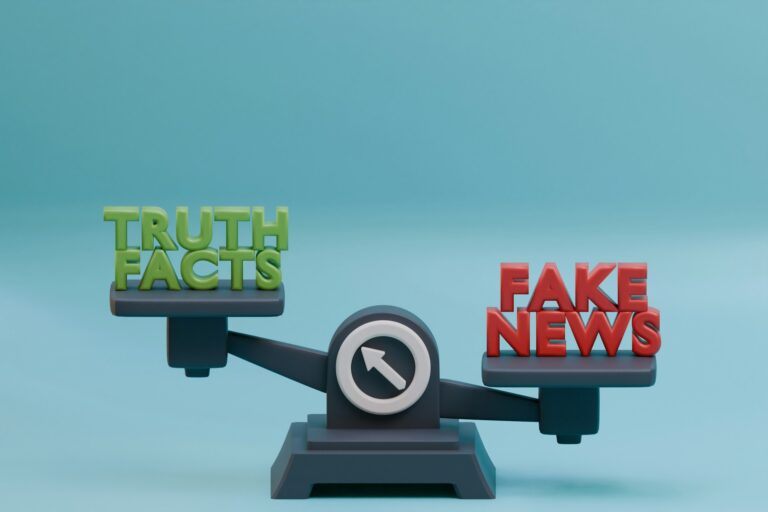
In a world where misinformation is ever-growing and increasingly prevalent, falsehoods are being paraded as facts, making it harder for the average reader to discern truth from fake news. However, this issue doesn’t just apply to media consumers – even media outlets can slip up. This week, one of the biggest examples came from a surprising place – Time Magazine.

Time Magazine, a publication usually known for its credibility, accidentally published a quote from The Beaverton, a Canadian satire site famous for its outrageous fake news. A joke meant purely for comedy ended up in a serious international article, showing just how tricky it can be — even for seasoned journalists — to separate fact from fiction.

What Happened?

Earlier this week, Time Magazine put out an article discussing the United States’ strained relationships with other countries. Everything seemed straightforward at first. Then readers noticed something strange: a quote about American foreign policy that sounded wildly dramatic — mostly because it wasn’t real.

It was sourced from The Beaverton, a Canadian website similar to The Onion or Walking Eagle News. Their stories are intentionally ridiculous, fictional, and produced purely for entertainment. The Beaverton’s fictional story hinged on a fabricated quote supposedly from the U.S. ambassador to Canada, claiming: “A Canada that it would be very easy to target with 500% steel tariffs, or one Patriot missile aimed at Parliament Hill.”

The line was intentionally absurd, but just believable enough for Time to mistake it for a legitimate comment. Once people caught it, the error spread across social media, sparking a mix of laughter, confusion, and conversations about how easily satire can sneak into real news.

What Caused This?

Some people immediately blamed the reporter, but the issue goes way beyond one person. The internet is completely saturated with content, much of it designed to sound real even when it isn’t. Satire sites intentionally mirror real journalism — that’s part of why they’re funny.

And in a digital atmosphere where journalists face tight deadlines and constant pressure to publish quickly, mistakes slip through. Readers can fall for satire in the same way: by skimming, ignoring disclaimers, or not checking where information originally came from.

The Bigger Picture

At first glance, the whole ordeal seems harmless, but it reveals something extremely important. In an environment overflowing with news, jokes, rumours, and — more than ever — AI-generated content, being a careful and skeptical reader truly matters. If a major publication can confuse satire for a real quote, any of us can.

This incident is a reminder to double-check sources, look for context, and understand the difference between entertainment and actual reporting. It also shows that media outlets need to continue adjusting to the speed and chaos of the modern internet.

Conclusion

The Beaverton fooling Time Magazine is an excellent lesson on media awareness and a reminder that digital literacy skills and critical thinking are crucial as news continues to evolve. Information bombards us everyday. Now, it is up to us to pause, question, and verify before accepting anything as truth.

Sources:

A Thank You Letter to Creativity

0

First of all, what is creativity?

Creativity is what keeps me connected to myself and adds color to my life, but it also requires complex coordination between many parts of the brain. Creativity is a cognitive process involving the development and production of something original. It isn’t just the product of information one has access to, but the establishment of new and unique concepts, originating from your own mind and imagination.

There are actually three parts of the brain that creativity is linked to: the prefrontal cortex handles complex cognitive activity, like decision making and problem solving. Part of the prefrontal cortex is in charge of emotional processing, both components creativity requires.

Secondly, the limbic system, a group of complex brain structures under the cerebral cortex, regulating memory, behavior and sensations, is also a key contributor. It is one of the oldest structures in the brain, controlling instincts such as eating, hydrating and the fight/flight/freeze response. The hippocampus and amygdala (subsections of the limbic system) help us form ideas, memories and adrenaline.

Finally, the parietal and occipital lobes are two parts of the brain responsible for spatial orientation and visual processing, helping us imagine and picture what things might look like without really seeing them. 

All of this is needed for divergent thinking, which we engage in when we participate in creative activities. But first of all, convergent thinking is the process of finding a single, well defined and proven answer to a question, specifically by taking a broad range of information and narrowing it down, focusing on analysis and logic. On the other hand, divergent thinking is the same as lateral thinking (considering different possibilities, solutions and scenarios), and makes creativity possible. Kids are the best divergent thinkers because they often don’t know enough about how the world functions to expect the most straightforward outcome. 

While some people lean more towards divergent thinking and enjoy tackling ambiguous questions and others prefer using concrete reasoning, everyone possesses a capacity for both. They each have unique strengths that are applied in different situations.

Be that as it may, this is a love letter to creativity, not math. Divergent thinking offers the world fresh perspectives and insightful discoveries, like cream to a bland cup of coffee. I adore the creativity of humans and wanted to take a moment to appreciate all the wonderful things it illuminates in ourselves.

Thank you…for writing

Writing has had a massive impact on my life for as long as I can remember, shaping me considerably into the person I am today. The stories I write reflect my life, thoughts and values (especially when one is about the opposite of my life and the characters have contradicting morals). Though it might sound cringey, the characters I write have individual slots in my personality, belonging to me yet existing in their own way.

Writing lets you explore the world (or another) in any way you want, turn a feeling into something you can look at, and gives life meaning and motivation. Whether you’re writing articles, stories, books, scripts, poems or songs- you’re shaping something that didn’t exist before, and leaving a little piece of yourself in it.

Thank you…for music

Have you ever played a potent orchestral piece or sang along to a powerful song on the radio and felt tingles run through your body? That’s the connection music forges from thin air. No matter the genre, music conveys a message (even if the message is just a vibe).

When I play in a band, I feel a sense of interconnectedness and freedom I don’t get anywhere else. We are there to create an experience together, and everyone (literally) plays their parts. It reminds me that creativity is not just personal, it is always a collaboration between who and other creators, or you and those who are appreciating your vision.

Thank you…for dance

Though I am not a skilled dancer by any means and haven’t taken a ballet class since I was six, dancing has always been one of my favorite means of creativity. Dance allows for such a direct output of emotion- almost like waves of worry, anger or disappointment are flowing off of you, down to rest calmly. When I dance, it’s around my house with headphones on, and I always feel so much better after.

However, it isn’t just a way to regulate and process emotions, it is also a way to express yourself, improvise something new and crazy, and connect with the world in a physical way. There is something beautiful about the way this kind of creation enters the world briefly and then is gone, but not gone to those who took something out of it (which could just be you!).

Thank you…for art

Enough said. It can do the talking.

Thank you…for the spark

The moment of utter excitement, energy and confidence when the wispy outline of an idea drifts through your mind, the way it lights you up, fills your insides with inspiration and renewal. 

Thank you…for possibility

Possibilities are endless, and potential knows no bounds.

Thank you…for curiosity

Curiosity and creativity are heavily linked: exploring and questioning rather than accepting things as they are is how ideas are formed.

Thank you…for the color of life

Without creativity, life would be dull and colorless, like a canvas of black-and-white equations. Creativity is the watercolor seeping across the page, the pastels smeared over a notepad, the vibrant fill on a digital design, bringing everything to life.

Thank you…for growth

Creativity teaches us to learn about ourselves and grow from mistakes, reminding us that nothing will ever be perfect, and that’s okay.

Thank you…for an outlet

Where would we release the intensity of the world?  How and where we channel our energy has a profound effect on both our mental and physical health.

Thank you…for the freedom 

There don’t have to be expectations or pressure. Creativity is about diving into a world of new possibilities and exploring the unknown, asking the “what if..?” and taking the winding path. 

Thank you…for everything else!

There are so many other ways to express creativity, from playing D&D with your friends to acting in Capcut films. Just because you can’t seem to draw a hand right or come up with a complex plot to a novel trilogy doesn’t mean you are an uncreative person, because maybe you are a boss at clearing your mind when you do yoga, writing awesome haikus or solving complex social problems at work.

Benefits to embracing your creative side – because everyone has one!

-Increased empathy: creating or engaging with art helps us understand different perspectives and ways of being.

-Improved mental health: creativity relieves stress and spreads joy.

-Stronger sense of identity: your values and personality are brought out by your creative voice.

-More resilience: overcoming creative challenges creates a persistent, adaptable mindset.

-Improved communication and self expression: gives you the tools to share your ideas, identity and perspectives smoothly, respectfully and thoughtfully.

-Better problem solving skills: experience with trial and error in creative work strengthens skills that are useful in every walk of life.

To sum up, I’m grateful for every spark, every struggle and every smile creativity has brought me, and I hope you will be reminded of the remarkable things you can, will and have created.

Sources

How Retail Was Built: The Innovations Behind Black Friday

0

Introduction:

This weekend when you head out for your Black Friday shopping, or decide to do some online shopping at home on your computer, it’s important to realize the inventions that have facilitated your ability to shop comfortably. Over the last centuries, retail has changed dramatically, evolving from  simple small local markets to massive global industries. Many of the inventions that transformed everyday shopping also helped shape what we now recognize as Black Friday

Five Most Important Inventions 

The Price Tag:

Created in 1861, the price tag was the first of its kind. Derived from ethical and moral shopping dilemmas, the price tag ensured equality in product prices. Prior to the price tag, all prices were determined on the individuals attire and the general wealth displayed.  This called for an influx in bargaining power for both sides, and caused some people to get exploited by buying cheaper products for more. John Wanamaker was a Christian man, with strong moral obligations. He was intent on making the world a better place with his modest intentions, this was by implementing his idea of price tags and opening a store. This store faced harsh criticism from other surrounding merchants, but customers were impressed and kept returning. John Wanamaker’s store was a hit. 

The Coupon:

An invention from Coca-Cola started a revolution of marketing tactics. The coupon creates interest and need for products you never knew you needed. Selling items at a cheaper price entices the public and allows them to try products. In 1887 Coca-Cola’s Asa Candler devised the idea and execution of the coupon by creating a voucher of 5 cents for one Coca-Cola. “It’s estimated that one out of every nine Americans had received a free Coke — meaning that 8.5 million free drinks had been distributed to the public”. The idea was a success, and people flocked towards the product for a a good sale. To this day, many people use coupons, increasing many companies revenue and company awareness. Overall this invention opened hundreds of new marketing tactics that allow people to shop at certain locations, shops, and businesses. 

The Computer:

The first mechanical computer was created in 1822. The history of the computer is quite long and starts even before 1822, but the first mechanical computer has been traced back to 1822. Charles Babbage started the idea of an machine performing complex work for an individual. In his case it was approximating polynomials and other mathematematic equations. Later in 1837, he started to propose the idea of his Analytical Engine. But in the end it was never made, until other scientists brought it to life in 1936. After all of this the most recognizable computer was made in 1945.  The Computer is an invention that manipulates and collects information. Computers store information and can search for them on the web making it have endless possibilities. All of this information is displayed on your computer screen ready to use and making it one of the most used inventions in the world. This invention was useful to retail in the long run as it stored the companies products on a single device, improved store security by creating protective systems, stored business documents, tracked customer purchases and even self started self checkout. 

The Barcode:

Invented by Norman Joseph Woodland and Bernard Silver in 1952, the barcode is a technology that identifies and differentiates products from each other and creates unique identities for each one. Barcodes coded products into specific design of bars that made it easier to scan, ring up products and track inventory. Behind each of these codes, all the information about the product was stored and kept, and it could be accessed by a scan by a device. This has impacted modern retail as it has sped up the process of shopping and convenience for the employees and shoppers. What was once a tedious process has turned into a process that accommodates revenue of 114 billion dollars in Canada alone.

The QR Code:

Originating from the video game ‘GO’, in 1994 Masahiro Hara created the idea of the QR code. QR Code stands for ‘Quick Response Code’. The similar black and white tile layout resembles the QR code and its unique layout that is attached to a specific link. Hara realized that a grid layout could hold much more information and could be scanned from any angle or direction, making the QR Code a huge accessible innovation. The QR Code has impacted retail by being a way to collect customer reviews and gain feedback by scanning codes. Many times these codes lead to incentives as well, many times if you fill out the surveys you receive for example $5 off your next purchase. These surveys collect customer data and ask shoppers to specify brand likes and dislikes or other supply questions which is also beneficial to businesses. 

Conclusion:

These five inventions shaped the modern retail world and made today’s shopping possible!  As you head out for Black Friday deals this weekend, or if you already have, remind yourself that every scan, every sale, and every price tag is part of a long history of innovation that built the modern shopping experience!

Sources: 1, 2, 3, 4, 5


Your Obese Cat Might Die – Why?

0

IMAGINE THIS 

12AM

This is you. Scrolling on your phone, procrastinating studying for the two upcoming tests, three essays and final project. Your small feline friend strolls up to you and nudges your hand, meowing for food. You half-heartedly dump a load of kibble in Meatball’s bowl, continuing your comfortable spiral of dopamine punches into pinches.


1:43AM

Eventually, the reels become too mundane and you reluctantly pick up your pencil to discipline yourself into academic submission.


7:00AM

The following Saturday morning is one of lethargy and “I wanna go back to sleep..” Meatball waddles up to you once again with a toy in his mouth, his beady eyes glimmering at you. You dismiss his polite offer and suddenly remember you haven’t flown a kite in a while. 


9:41AM (-2h 41min)

Two hours later, you’re a bit hungry. Maybe bake some cookies? That’d be fun. 


9:50AM

Oh, we’re out of eggs. Guess it’s time for the supermarket. 


10:11AM (-1hr 7min)

It’s raining right now though. It’d be cool if you tried making a makeshift umbrella!


THE CONSEQUENCES OF YOUR ACTIONS.

Before your dismissive eyes, time has quietly slipped past you, never to return again. The day skips away as you find yourself at the same 12AM before the same glowing white box with the same small meow box crawling up to you for food, a quiet weight of schoolwork piling up behind you. 


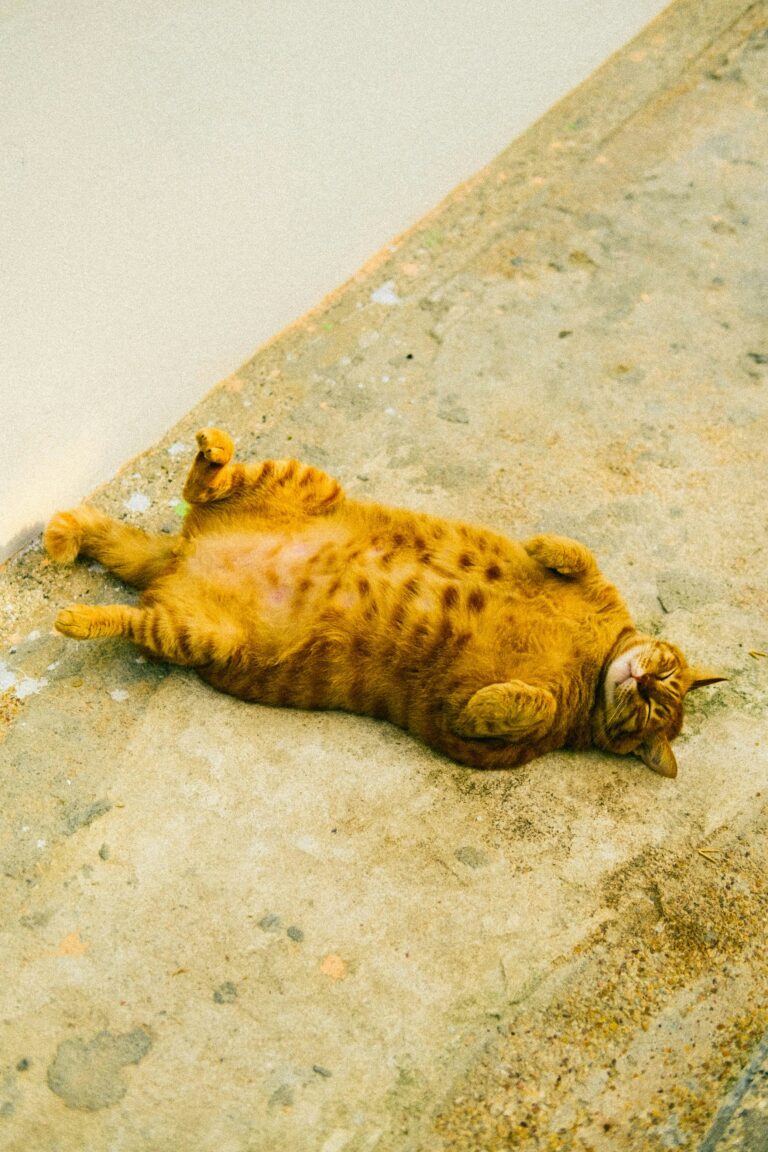
If you continue this pattern, not only will your grades shrink up but your small Meatball will enlarge. Bigger and bigger will he become, as the irregular feeding times, careless portions, and the lack of playtime creeps up on him. 


You’ll find yourself before the vet one day, her face sorrowful with empathy as she tells you your 50lb cat has liver disease. Treatment would be above $6000 total. The flies in your wallet start laughing at you as you look upon the difficult decision you’re forced to make. 


TAKEAWAY

See how all of this could’ve been avoided if you had simply managed your time better? Time is an extremely valuable tool that is equal to all. 24 hours in a day, each precious second distributed equally among you and your peers. The main reason why in twenty years many of you end up in vastly different situations is because of how you manage your time right now. 


So get off your phone. Go do that schoolwork. Feed your cat good.


Sources

1 , 2

I Researched Organ Regrowth So You Don’t Have To, And Now I’m Questioning Everything

0

Can Humans Really Regrow Organs? Here’s What I Learned

The Idea Sounds Like Science Fiction – Until It Doesn’t

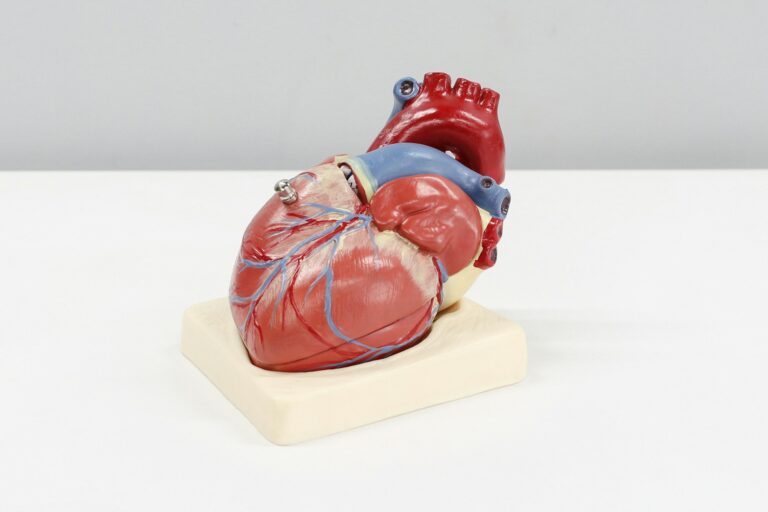
The idea of regrowing human organs seemed like something out of a sci-fi film; however, my view changed drastically once I started researching this topic more extensively. I had imagined laboratory tanks filled with illuminated hearts, along with scientists waving holographic images while utilizing high-tech medical technologies to restore patients almost instantaneously.

This was not a concept I associated with actual human development, it felt too ostentatious and excessively extravagant for anything related to real-world medicine. When I finally began my research into how to regenerate organs, I was so surprised to learn that parts of this are currently happening and not just theory or futuristic ideas. Instead of placing complete arm and leg structures into tanks, it appears we are learning how to use more subtle approaches to achieve similar results. 

Right now, regenerative medicine does not involve creating brand-new body parts for individuals; rather, we are re-teaching the cells in their bodies to heal themselves at rates far exceeding how they currently do so.

Regenerative medicine teaches the human body how to better heal itself.

Wild, right?

The Moment It Hit Me: This Is Already Happening

I was first taken aback by the idea of bladder regeneration. Doctors take a person’s own cells, grow them into a structure that looks like a bladder, and implant them in the person’s body. Because it came from the person’s body, it would be accepted.

Real people are walking around with lab-grown organs — today.

I also learned about:

  • Repairing the Heart by using stem cells to rebuild muscle tissue damaged by heart attacks.
  • Creating Mini Kidneys (Organ Models) that are about the size of real kidneys, in that they filter waste.
  • 3-D Printing Layers of Skin for use with Burn Victims, like making a pattern that you would use to build with wood or metal (the skin used in this process is layered).
  • Regenerating the Liver is a current research project being carried out by scientists who have found a way to regenerate liver tissue that has died, through various methods of enhancing the ability of the liver to regenerate itself.

After learning all of this, I kept thinking to myself:

While I constantly have to wait for my phone to come back on when I type too quickly, somewhere there is a laboratory where scientists are engineering real tissues that keep people alive.

Regenerative medicine feels like a hybrid between a builder, a detective, and a coach, guiding cells back to what they were always meant to do. Not replacing the body, but collaborating with it.

How This Future Might Actually Look

It’s not just about replacing failing organs. This field could reshape basic healthcare:

  • Diabetes treatment by regrowing insulin-producing beta cells
  • Spinal cord recovery by rebuilding broken nerve pathways
  • Joint regeneration using stem-cell cartilage patches
  • Corneal repair restoring sight with lab-grown eye tissue

It almost feels like unlocking “repair modes” humans used to have but lost through evolution.

A therapy made from your own cells that repairs you from the inside out? Surreal, complicated, and kind of a mess – but everyone can agree that it does provide hope.

But… It’s Not Magic (And Definitely Not Perfect)

Regeneration is not a magic technique; it will have its problems. Stem cells may not always function as expected.

– Tissue development may not occur as expected (i.e., not having the proper structure).

– The body’s immune system may sometimes attack your body’s own cells.

– Gene editing may introduce erroneous information.

Plus, there are huge questions:

Who gets access?

What does “playing God” even mean here?

What if only the wealthy get regenerative treatments?

This tech isn’t replacing doctors or surgeons.

It’s more like giving them new tools, tools that feel impossible right now but will eventually become normal.

Think of it like going from stitching a wound… to rebuilding the original tissue as if nothing happened.

TL;DR

The future of regenerating human organs is not science fiction; it is already being developed. Regenerative medicine helps the body repair itself by using stem cells, lab-grown tissues, and gene-edited cells. It is providing solutions for doctors in the field of medicine, as opposed to replacing them, and providing a more effective toolkit to help them repair and restore patients’ body parts. The field is slowly building momentum and will continue to do so into 2023, with advancements in the use of regenerative medicine continuing to change the concept of how we heal.

From Scraps to Snacks: The Surprising History of Leftovers

A Quick Debrief 

Asking for a take out box has become a socially normalized inquiry to ask your waiter. Especially in the United States, leftovers provide a simple yet effective method that counteracts the fact that not everyone’s stomach can handle their relatively large portion sizes. Leftovers are convenient and save time; they are as normal as a thing can get. However, there was a time when leftovers were considered sacred. Precious. As valuable as diamonds. 

Just a Couple Decades Ago… 

During World War I, epidemics of food shortages occurred as the US government struggled with feeding their soldiers and citizens adequately. Fridges didn’t exist so there was no easy method to preserve food for long periods of time. To prevent this, regulations such as “Wheatless Wednesdays or Meatless Mondays” were reinforced. Families were advised to do with what they have and not to overconsume. Following is a US Food Administration poster from 1930 titled “Leftovers Shouldn’t Be Left Over.” 

A U.S. Food Administration poster during World War I. (Credit: The Library of Congress)


Certain people were proud of how much of a law-abiding they were because of their control on their food-preservation skills, so much so that some even celebrated killing their pets in order to minimize an extra hungry mouth. (Although at that time, pets only ate table scraps.)  

Fridge Shenanigans

With the invention of the icebox and fridge, leftovers lost their once high status. Feminists began to challenge the concept that traditional women should belong in the house, anchored to chores and cooking. The new and sudden convenience brought women more career opportunities and time to pursue other paths. The opposing conservatives argued that women are now taking disgraceful shortcuts and not committing to their “main job.” 

Throughout the 1960s and early 1970s, the public’s opinion on leftovers was ambiguous and uncertain. Some thought it was shameful to eat leftovers, or worse, serve them to guests. Others were hesitant around the idea of asking for takeout, at the time referred to as a “doggy bag.” 

In the Present Moment 

Nowadays, leftovers are not only a part of everyday life but even established upon tradition. Thanksgiving is known for the etiquette of sending guests home with leftovers, and sometimes the conflict of fighting for them. Leftovers is not only a thing that saves you time, but has also become a social phenomenon that connects people together. 

Sources

1, 2, 3, 4

The Rise of “Lacy” and the Representation of Female Jealousy

1

Have you ever felt so overwhelmingly envious of somebody else?

However, this envy is not limited to one aspect of that person’s life. This jealousy is all-consuming, a perfect blend of admiration and hatred. 

If so, you may have had a “Lacy” in your life. A perfect person who seems to float by, who you are never able to compete with. This is what makes them so “enviable.” 

This term describing somebody like this in your life was popularized and perfectly portrayed by the hit song “Lacy,” written by Olivia Rodrigo in 2023. 

This song was originally written by Olivia for a school assignment before becoming a key part of her Guts album and one of her personal favorites on the record. 

The song features a haunting melody, almost portraying this mythic “Lacy” as a ghost. Constantly living rent-free in the narrator’s head. 

The line “skin like puff pastry” can have a few interpretations. However, I think the line is a really interesting comparison right out of the gate. By comparing “Lacy” to food, it portrays this infatuation and obsession with her as a form of sustenance. The narrator lets this jealousy fuel her and her self-loathing.  

This is incredibly relatable for the vast majority of young adults, specifically women. We often use this envy and unhealthy relationship to justify our poor self-esteem and treatment of ourselves.

Rodrigo also makes the juxtaposition of religious elements in the next line, “aren’t you the sweetest thing on this side of hell?” While this line is obviously humorous, it also serves as a representation of the narrator’s view of “Lacy.” 

“Lacy” is both somebody who can be admired and viewed as seemingly sweet, but also somebody whom you, in many ways, detest. The one-sided competition drives resentment between “Lacy” and the narrator. The mention of Hell portrays this infatuation with Lacy as “sinful” or the narrator being taunted by this “demon” of hers. 

“Lacy” throughout the piece is portrayed in the same way we would look at mythical creatures. The soft but eerie melody of the piece reinforces this view of Lacy as inhuman. The line, “I try to rationalize people are people, but it’s like you’re made of angel dust,” encapsulates this message. Lacy is no longer human; she’s too “perfect,” and this idyll that we will seemingly never reach. Additionally, this line further drives the wedge between the narrator and “Lacy.”

While this song is absolutely beautiful, what exactly does it mean in the real world? 

This song comments on relationships that have been around for years. This type of female friendship, infatuation, and envy are not new concepts. Most women, if asked, will have a story about their “Lacy.” 

The reason this story resonated with so many people is that it shone a light on something that was already very present to begin with. The song explained this feeling that so many people experience.

Speaking as somebody who has had many different “Lacy’s” in her life, I feel like I can speak to these emotions specifically. When you have a “Lacy,” they can do no wrong in your eyes; everything they touch seemingly turns to gold. However, this view is really only held when you’re observing from afar. 

Once I made friends with a previous “Lacy.” She was pretty, smart, and extremely well-rounded, making comparison inevitable. However, when we became friends, something shifted. She retained all of these traits, but she became more real; she shared her shortcomings and humanized herself. 

She, on one occasion, actually shared information about her “Lacy.” I was at first taken aback. How could a person so perfect envy somebody else?

As I’ve grown, I’ve realized just how our own negative self-perception weighs on us. We are unable to appreciate our successes and instead needlessly idealize other people. Everyone is both somebody’s “Lacy” and has a “Lacy.” 

Learning to appreciate ourselves, as well as not demonizing or romanticizing others, enables us to move forward. Accepting our imperfections and recognizing just how far we’ve come.