
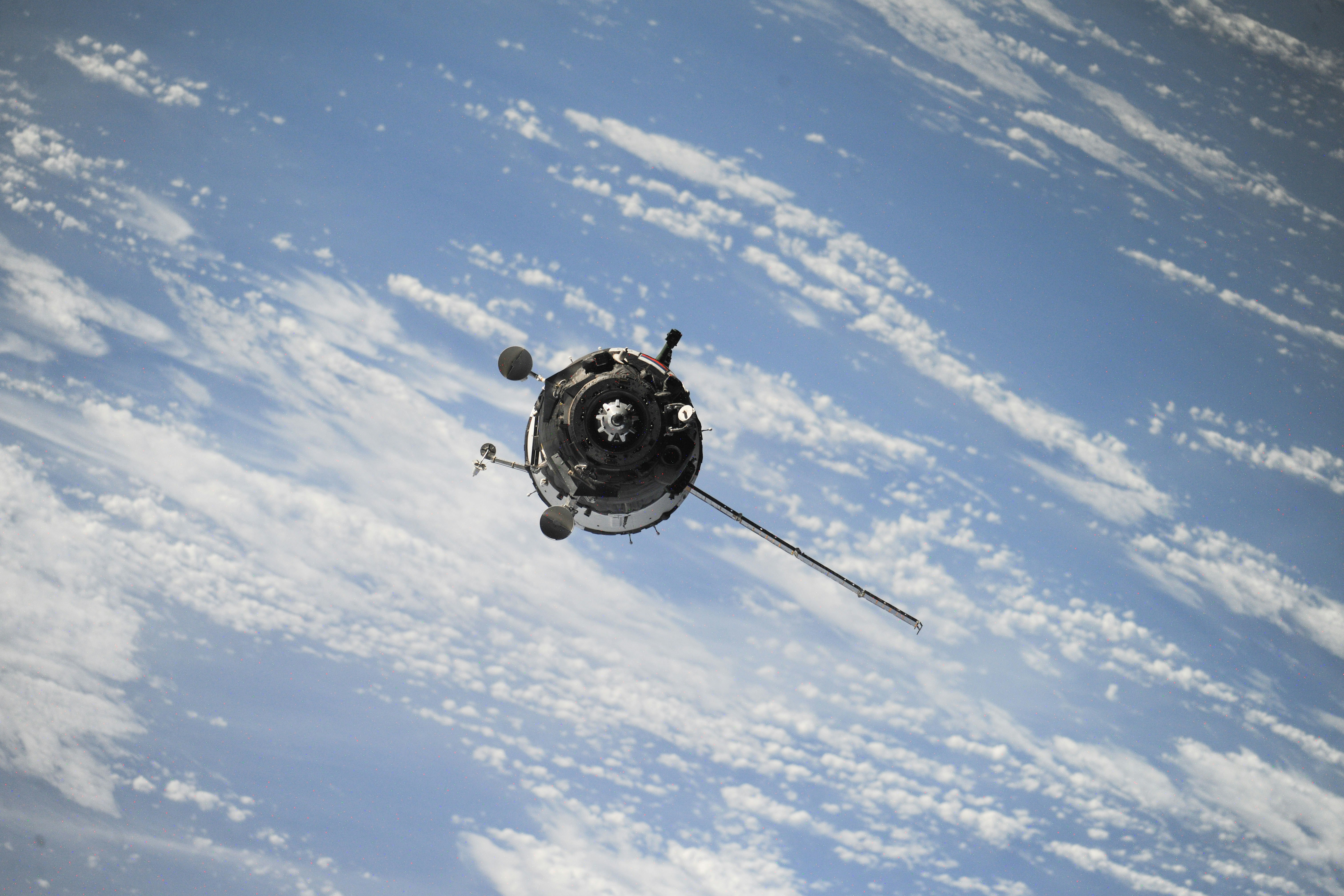

After more than 50 years, humans have once again ventured toward the Moon—and made it back safely. The crew of Artemis II, including astronauts Reid Wiseman, Victor Glover, Christina Koch, and Canadian astronaut Jeremy Hansen, completed a historic 10-day mission that pushed human space exploration farther than ever before.
Throughout the mission, astronauts tested critical systems needed for future deep-space travel, including life support, manual spacecraft control, and emergency procedures. They also conducted scientific research on how the human body responds to space conditions like microgravity and radiation—key knowledge for longer missions in the future.
The crew captured over 7,000 images, including stunning views of the Moon, Earth, and even a solar eclipse from space. These observations will help scientists better understand the lunar surface, especially areas near the Moon’s south pole, where astronauts are expected to land in upcoming missions.
After splashing down safely in the Pacific Ocean and returning home, Artemis II marks a major milestone in NASA’s long-term goals. The mission proves that the technology, teamwork, and international partnerships are ready for the next step: landing humans on the Moon again.
With Artemis II complete, all eyes now turn to Artemis III—the mission that aims to return astronauts to the lunar surface and begin building a long-term human presence on the Moon, paving the way for future exploration of Mars.