

Introduction
You have an important assignment due tomorrow, three upcoming tests this week, and you feel your eyelids drawing shut as the night approaches. You know that you should probably finish that assignment, review for those quizzes, and get into bed as soon as possible. Yet, that glow of blue light indicating an Instagram notification draws your hand towards it. And before you know it, a few seconds of replying to a friend on your phone turns into 30 minutes of mindless sifting through the multitude of possibilities known as Instagram Reels.
And the worst part is that all parts of your body know that it’s better to put away that phone. Your eyes feel it, as the blue light strains them, your heartbeat increases as you begin to feel those long term stress response hormones firing, and you slowly begin to feel restless. Despite all your conscious senses pointing you towards your study, that one small part of your brain still wants to watch just one more reel. I find that bewildering.
I used to believe that the solution to this was to tune out of all social media platforms. From personal experience, however, I realized that merely deleting an app does not address the underlying problems behind addiction. What I experienced was that whenever I deleted Instagram from my phone, I would develop an irresistible fear-of-missing-out that would just prompt me to reinstall it a few days later. That does not solve the problem.
Instagram’s Designed to Addict you:
I think that all of us, to some extent, know this. But personally, I never understood the psychological reasons as to why and how. As I sat down to write this blog, I found this research paper that describes several features of social media apps that are designed to hook you. One that stood out to me was the variable reward system.
Variable Reward System
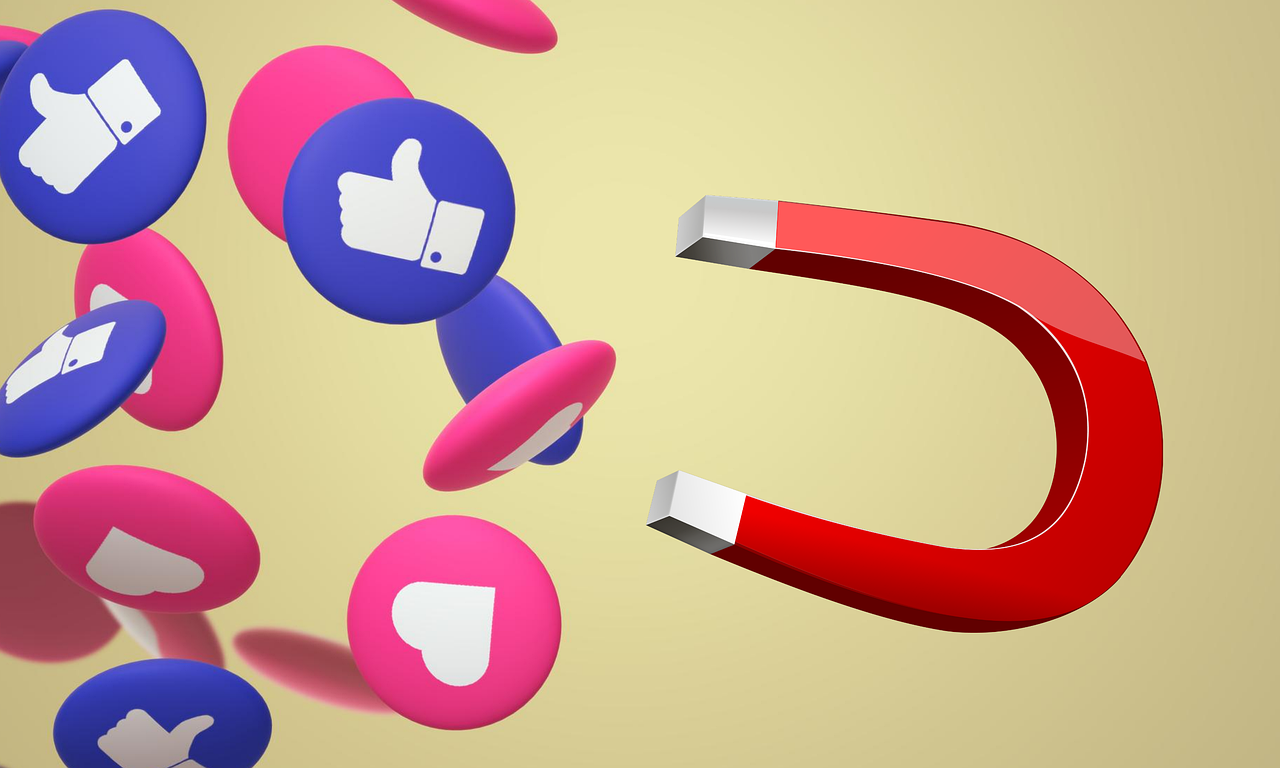
Social media apps manipulate the reward pathways in our brains. It is a natural human tendency to seek validation from our peers, and in Instagram, that validation comes in the form of likes and comments on posts. The hits of dopamine, a neurotransmitter and hormone that influences the reward pathway, incites emotions of pleasure. Whether the pleasure be from viewing a #relatable reel, or seeing our friends like our posts, we crave more of it. After that taste of dopamine, we want more, and of course, our source is from the beloved Instagram.
If you’ve taken any biology courses, you would recognize this cycle as a positive feedback loop. Yes, our conscious senses want to quit doomscrolling, but our involuntary craving for the sense of accomplishment that Instagram provides keep us going, despite the obvious drawbacks of this addiction.
Great, so what do I do?
It’s frustrating that the success of the multi-million dollar companies that own these social media apps comes from the compromise of our mental health. Still, the connectivity and sense of community fostered by social media is an undeniable benefit. The key, therefore, to combatting an addiction, is to focus more upon this connectivity part of social media.
Adjust your FYP
Your “for you page” is most likely the first thing you see when you open Instagram, or any other app. Instead of consuming the content from trending social media influencers, try customizing your FYP to provide feed that is tailored to your personality. For example, if you’re interested in wildlife, follow the National Geographic Instagram page. That way, whenever you check Instagram, you view content that matches your interests and identity, rather than forcing you to conform to what the majority appreciates.
Take Breaks in your study
Personally, I resort to Instagram whenever I feel burnt out from studying. I crave a quick source of break. The Pomodoro technique, which involves spaced out studying with short 5-10 minute breaks in between, generally helps me. It’s important, however, that these breaks remain short. Ideally, I would advise against doing anything that involves your phone. I usually take this time to finish writing up any emails, or reading a page of two of a book (but make sure the book is one you can easily put down). By taking breaks, you avoid burn out, and are hopefully less tempted to check your phone to distract yourself.
Have clear deadlines
This might seem unrelated to social media addiction at a first glance, but it ties into my previous point. When you have clear, achievable goals in your study, it is easier to avoid burnout. For example, it’s much more achievable to tell yourself “I’m going to complete one set of textbook questions of the Endocrine system unit every night from the textbook for five nights,” compared to “I’m going to do all the textbook questions associated with the Endocrine system.” This way, when you do achieve your goal, you get a sense of satisfaction accompanied by dopamine release. You will not have to pick up your phone for that same sense of false satisfaction.
Conclusion
Of course, while I am attempting to find my way out of an Instagram addiction, by no means am I completely free of it. The guilt that comes with a realization that you just wasted precious time scrolling through Instagram is an awful feeling. However, it is never too late to help yourself by tuning out, and I hope this blog provides you with a meaningful start on how to do this.
This really helps! I always have trouble focusing or staying on task, especially now that I have social media on almost all of my everyday devices
Very important reminder for all students, I think taking breaks is the most helpful for balancing tasks!
Comments are closed.