

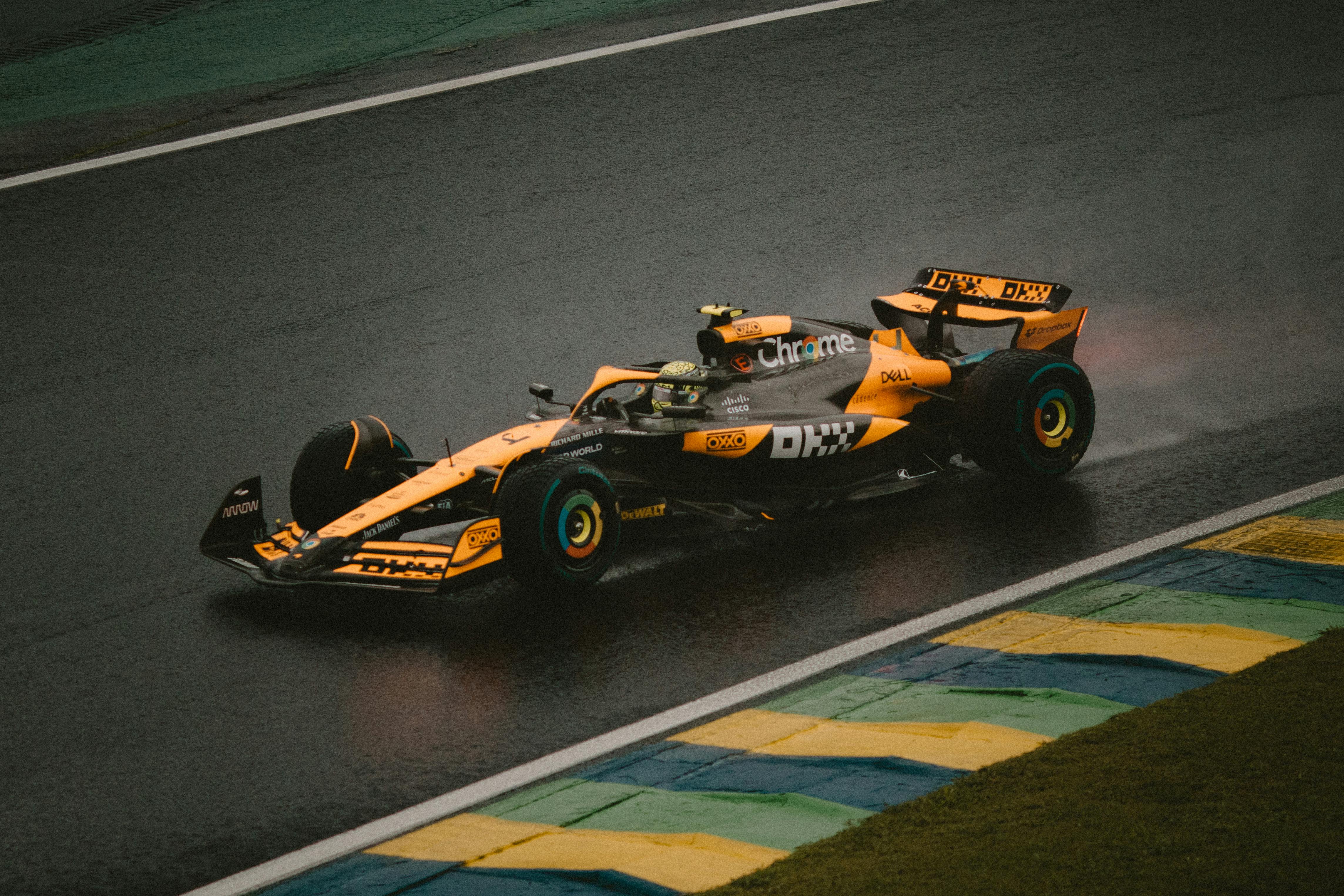
Formula 1 (F1) is the highest class of international single-seater, open-wheel racing. It is often considered the pinnacle and most prestigious motor racing competition globally 1. Races are held all over the world, and all the drivers (20 drivers, 10 teams) compete for points. Whichever driver and team amass the most points after the entire season are crowned the world champions. Formula 1 is a very competitive sport, all about speed. During the race, the speed can reach up to 372.6 km/h (231.5 mph), to put that into perspective, a blink of an eye is 0.1 seconds, and within that time the vehicle would have traveled more than 10 meters, even under the most severe circumstances. Even a single pound of extra weight can cost up to two seconds, giving other competitors an advantage 2. To be the best of the best, teams spend up to 350 million dollars to develop the most competitive car 3. Formula 1 not only serves as a sport but also as one of the most powerful engines in leading innovation, driving improvements in other fields including automotive, aerospace, and healthcare 4.
Formula 1 fuels innovation in many different ways:
Hybrid Power Technology:
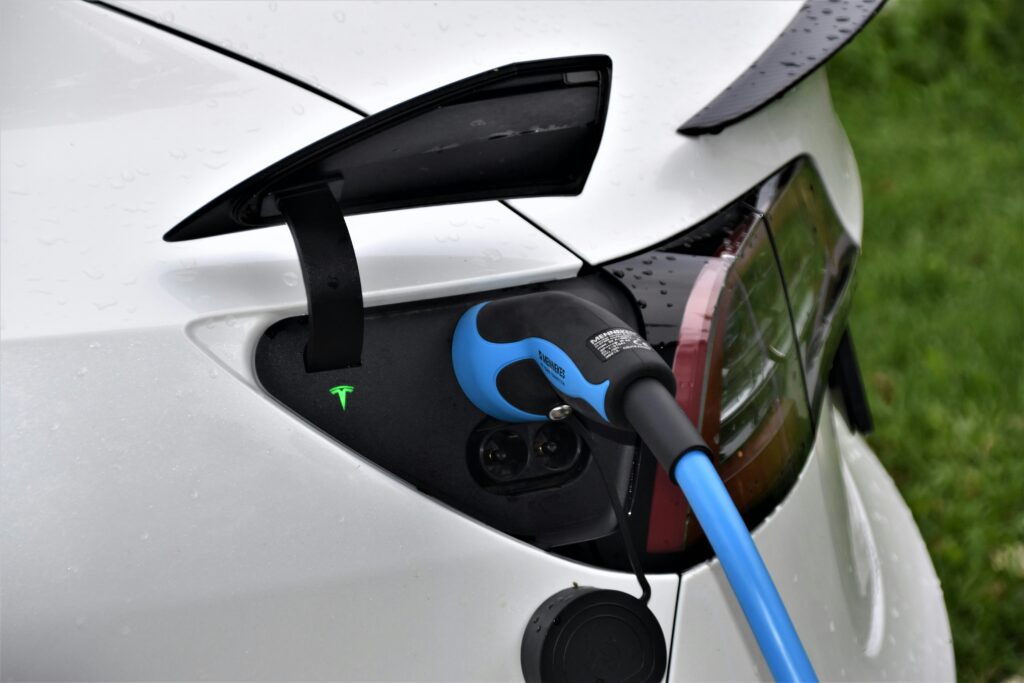
Formula 1 cars consist of a power unit (internal combustion engine and electric motors) that has greatly influenced the development of hybrid cars and electric vehicles (EVs) 5. Formula 1 cars use a system called the Energy Recovery System (ERS), which recaptures kinetic energy under braking. This directly inspired technologies for regenerative braking in EVs as well as energy storage for power grids 6. Furthermore, Formula 1 is focusing on developing sustainable fuels, pushing for a more environmentally friendly alternative in the automotive industry 7.
Lightweight Materials and Manufacturing:
Formula 1 uses some of the most advanced materials like carbon fiber and Kevlar, which extend beyond racing to other industries such as aerospace, healthcare, and everyday manufacturing 8. These industries benefit from the lighter, stronger, and more durable materials pioneered in Formula 1.

Data Analysis and Simulation:
Formula 1 teams rely heavily on data analysis to optimize car performance. They use machine learning and AI to push the boundaries of what is possible with aerodynamics, materials, and more 9. These methods can also be adopted by other industries, such as aerospace, to produce more effective spacecraft and technology 10.
Safety Innovations:
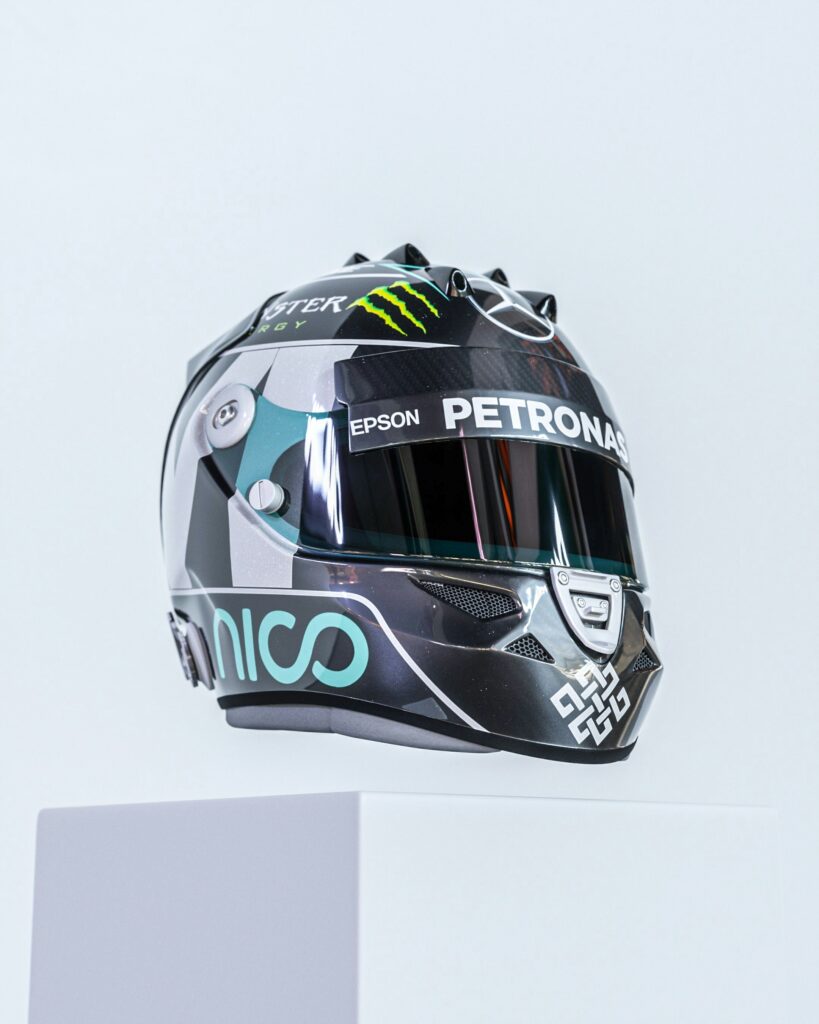
Formula 1 works relentlessly to improve the safety of drivers and others. This is done by combining advanced materials with intricate design. From the development of carbon fiber monocoques to the use of advanced materials in helmets, Formula 1 has pushed the boundaries of what is possible in safety engineering 11.
In essence, Formula 1 isn’t just a sport, but a cutting-edge lab where technologies are developed, tested, and refined to gain an edge for various industries and improve the lives of people around the world 12, 13.
TL;DR:
- Formula 1 is the world’s fastest and most competitive motorsport.
- Teams spend millions to push the limits of speed, safety, and efficiency.
- Innovations from F1 influence cars, aerospace, healthcare, and more.
- For further reading on F1 innovations, see: