

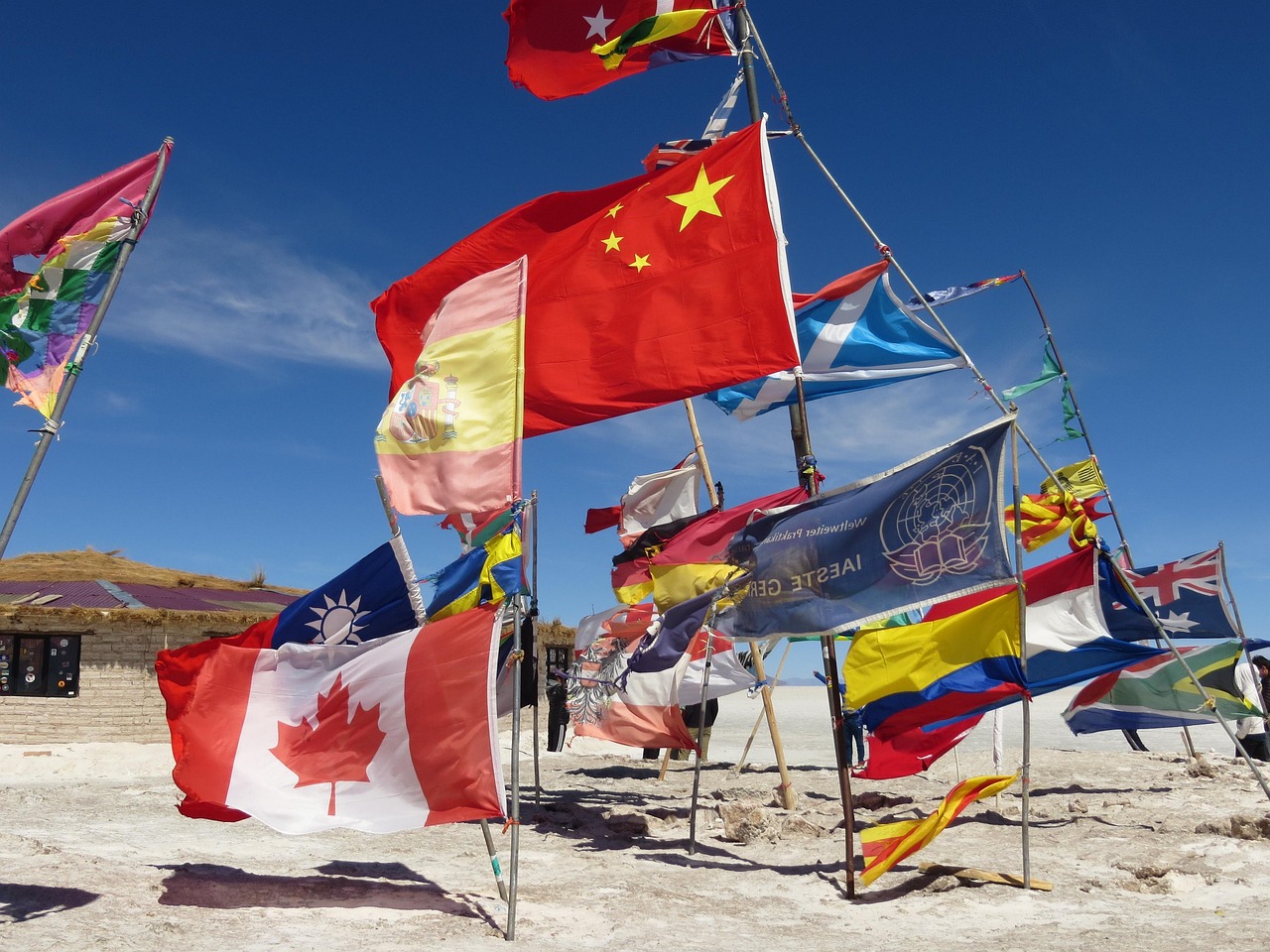
Last Friday, January 16th, 2026, Canada and China‘s trade relations improved with beneficial news to both partners. As a part of Canada’s strategy to mitigate the effects of the tariff war with the United States, Carney became the first Canadian president since 2017 to meet with Chinese President Xi Jinping. The deal includes lowering tariffs on Chinese electric vehicles, allowing 49,000 EVs to enter the U.S. at a tariff of 6.1%. This is a result of the U.S. and China working together a year ago, which also led to Canadian agricultural products, such as canola seeds, experiencing lower retaliatory tariffs, now at 15%. Canadian citizens also do not require a visa to stay in China for at most 30 days. At the World Economic Forum on Wednesday, Carney described a new world order in the process.
Canada had a history of depending on the U.S. for exports of automobile parts and its natural resources, but ever since President Donald Trump launched a trade war for the triumphs of American nationalism, the government has been aiding the economy by diversifying trade partners across the globe. Canada and China have experienced less stabilization and activity in their trading partnerships as China’s rapidly expanding economy has made it a leading exporter of electronic vehicles, competing against manufacturers in North America. Some Canadians have commented on the perspective that this information suggests Canada will soon depend on China, harming domestic business, and will invite an even lower downward trajectory in economic security and growth. Although Canada is a remarkably wealthy country, its biggest trader has also impacted business, and the only way to effectively work through an economic crisis of inflation and unemployment would be to recalibrate its trading relations to support its independence.
Carney has shown his complete belief in what direction this will take Canadians, as quotas grow in number and increase foreign investment in several industries. Canada is struggling with unemployment and managing immigration to ensure a higher quality of life that has only been hit further by global economic instability. Even politicians like premier of Ontario Doug Ford— calling the deal a knee-jerk reaction, a big, big problem, have also expressed uncertainty about the future of domestic automobile industries, while the opposite with Premier Scott Moe praises Carney’s devotion to not compromising the core values that make up Canada and how it will continue to promote national unity as it’s in Canada’s best interest. President Trump has responded to this deal by withdrawing an invitation for Canada to join his collaborative Gaza Board of Peace. Tensions between the two countries have risen on account of tariffs, suggesting that searching for export markets is integral to Canada’s economy and what it should prioritize. Uncompromising these core values would also mean that Canadians would still struggle between their domestic priorities and economic stability and independence.
Still, navigating a global trade chain in times of uncertainty is difficult, which was expected of Canadians as the government would attempt to work through trade relations and prepare with diligence for Canada to relocate its position and reputation. Sometimes, struggles can define a nation’s capability to resolve situations and redefine itself with complete confidence in what it promises to those who call it home. This deal should not be the most impressive milestone, and the government has only till to work through trade barriers and enact laws that can accommodate domestic businesses and workers. China can prove itself to be a reliable partner, but it can only be up to the government and its willingness to listen to the underlying issues of interdependence. Either way, there is no single answer to this question; all we have to do is wait and see, and then act.
To anyone who is reading this, I suggest you keep updating yourself on news that no longer affects a single country. Remember your rights and that you do have a voice!