

Science doesn’t always look like lab coats and equations. Sometimes it’s just a collection of oddly specific facts that make everyday life feel a little stranger (and more interesting). Here are five quick, quirky science facts you didn’t know you needed.
Your Brain Can’t Tell the Difference Between a Memory and Imagination
When you imagine an event in detail, your brain activates many of the same neural pathways it uses when recalling an actual memory. That’s why daydreams can trigger real emotions, and why remembering an embarrassing moment can make you cringe all over again.
This overlap also explains why eyewitness memories aren’t always reliable. Each time you recall a memory, your brain slightly rewrites it, blending imagination with reality. Over time, memories can change—not because you’re lying, but because your brain is constantly editing.
You Can Smell Rain Before It Starts
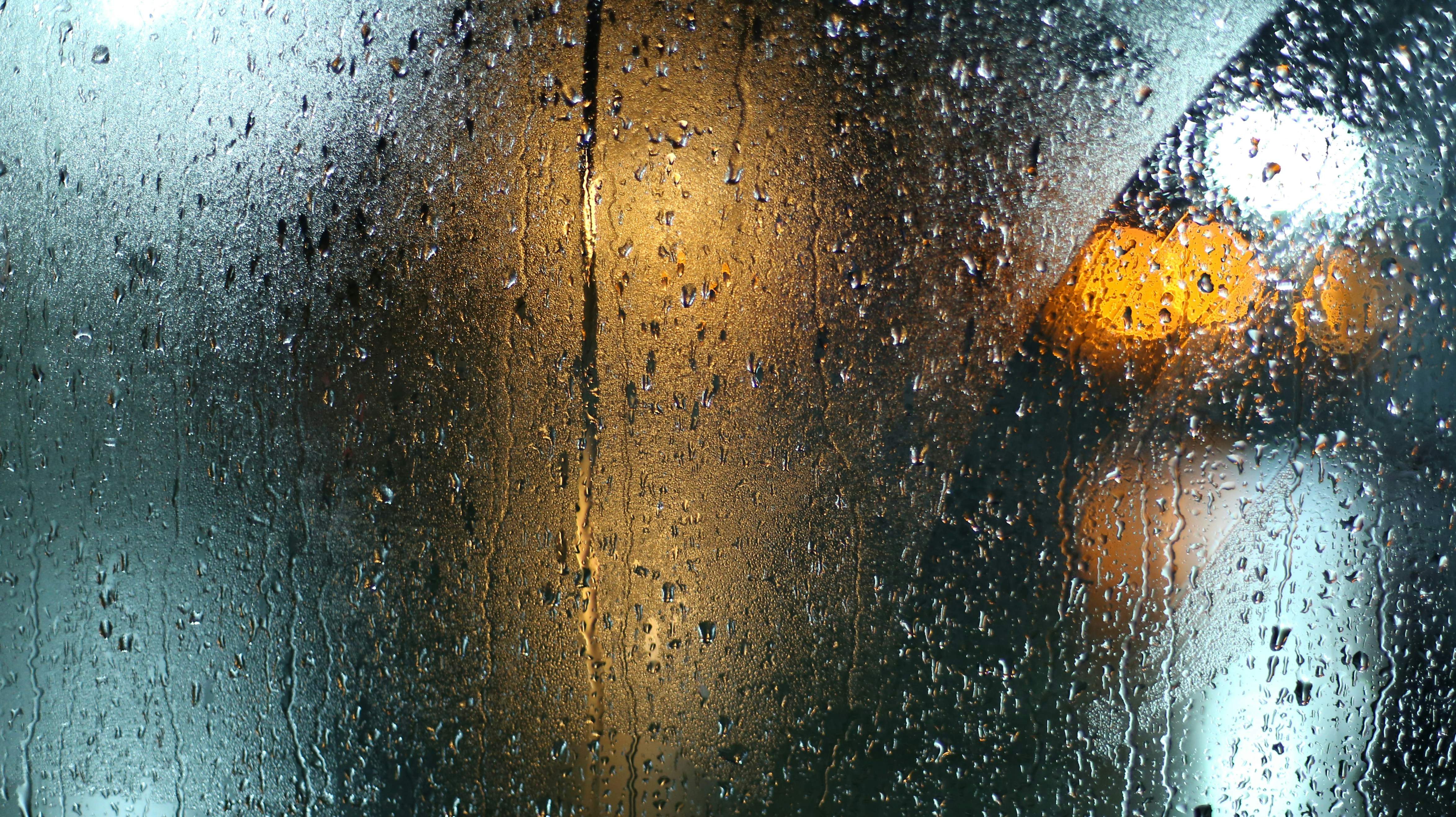
That distinctive “rain smell” has a name: petrichor. It’s caused by a mix of plant oils and bacteria in soil that release chemical compounds when rain hits dry ground. One of those compounds, produced by bacteria called actinomycetes, is so potent that humans can detect it in extremely small amounts.
Evolutionarily, being able to smell rain may have helped early humans anticipate weather changes, making it a surprisingly useful sense rather than just a pleasant one.
You’re Glowing (Literally)
Your body emits a faint visible light due to chemical reactions inside your cells. As cells produce energy, tiny amounts of light are released as a byproduct. This phenomenon is known as bioluminescence, but in humans, it’s far too weak for the naked eye to see.
Highly sensitive cameras can detect it, though—meaning that technically, you are glowing right now. Just… very, very subtly.
Time Really Does Feel Faster as You Get Older
Time perception isn’t about clocks; it’s about memory. When you’re young, everything is new, so your brain records more detail. As you age and routines take over, fewer moments stand out, making time feel like it’s speeding up.
This is why vacations feel longer in hindsight, while repetitive weeks disappear. New experiences slow time down—not physically, but psychologically—by giving your brain more moments to hold onto.
You Can’t Tickle Yourself (And Your Brain Planned It That Way)
Tickling relies on surprise. When you try to tickle yourself, your brain predicts the sensation before it happens and cancels out the response. This prediction system helps you distinguish between self-generated actions and external threats.
It’s a survival mechanism: if your own movements felt unpredictable, you’d constantly be startling yourself. Unfortunately, it also means you’ll never win a tickle fight with yourself.
The best part of science is that it explains the small, weird things we experience every day—without making them any less fascinating. If anything, knowing the reason just makes the world feel a little more magical.
Sources:
- https://www.sainsburywellcome.org/web/qa/memory-and-imagination-two-sides-same-coin
- https://www.scientificamerican.com/article/storm-scents-smell-rain/
- https://www.theguardian.com/science/blog/2009/jul/17/human-bioluminescence
- https://www.psychologytoday.com/ca/blog/out-of-the-darkness/202409/why-does-time-seem-to-speed-up-as-we-get-older
- https://pubmed.ncbi.nlm.nih.gov/10943682/