

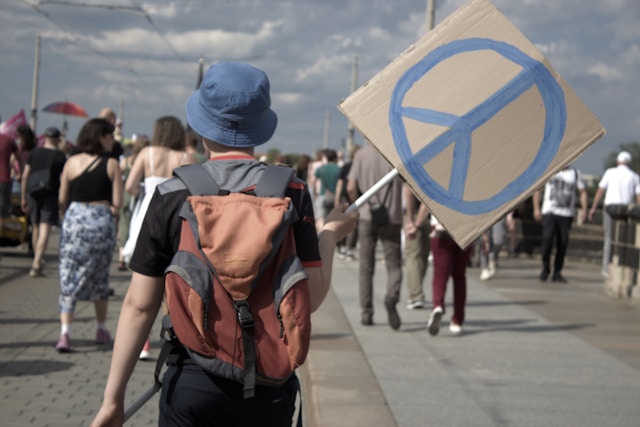
Many young people have experienced what it feels like to share an idea and not be taken seriously. This can happen at school, in community spaces, or when talking about social issues. Often, youth are listened to politely but not really heard. While it can feel personal, this happens because of bigger patterns in how society views young people.
One major reason youth perspectives are dismissed is because of age-based assumptions. There is a common belief that being older automatically means being wiser. When young people share their opinions, they are often told they “lack experience.” While it’s true that youth may not have as many years of life experience, they do have real experience living in today’s world. Young people understand current education systems, technology, and social pressures because they deal with them every day. That kind of experience matters too.
Power also plays a big role. Most decisions in schools, workplaces, and government are made by adults. Youth are often called “future leaders,” which sounds positive, but it also suggests that their ideas only matter later.
This can be extremely annoying, particularly when young people are supposed to be concerned about important issues like mental health or climate change but aren’t given much influence over how those issues are handled. Although youth are frequently encouraged to be informed and involved, their opinions are typically excluded when it comes to actual decisions.
Stereotypes are another reason why young people’s viewpoints are frequently disregarded. Young people are sometimes perceived as being easily swayed by others, lazy, or overly sentimental. Even when young people have obviously thought things through, these presumptions make it more difficult for them to be taken seriously. Many young people feel that they must continually demonstrate the validity of their opinions as a result.
Youth perspectives are important despite these obstacles. If youth voices continue to be dismissed, many will stop speaking up altogether. Taking young people seriously now, not just in the future, is an important step toward creating more inclusive and effective communities.