

What is Child Exploitation?
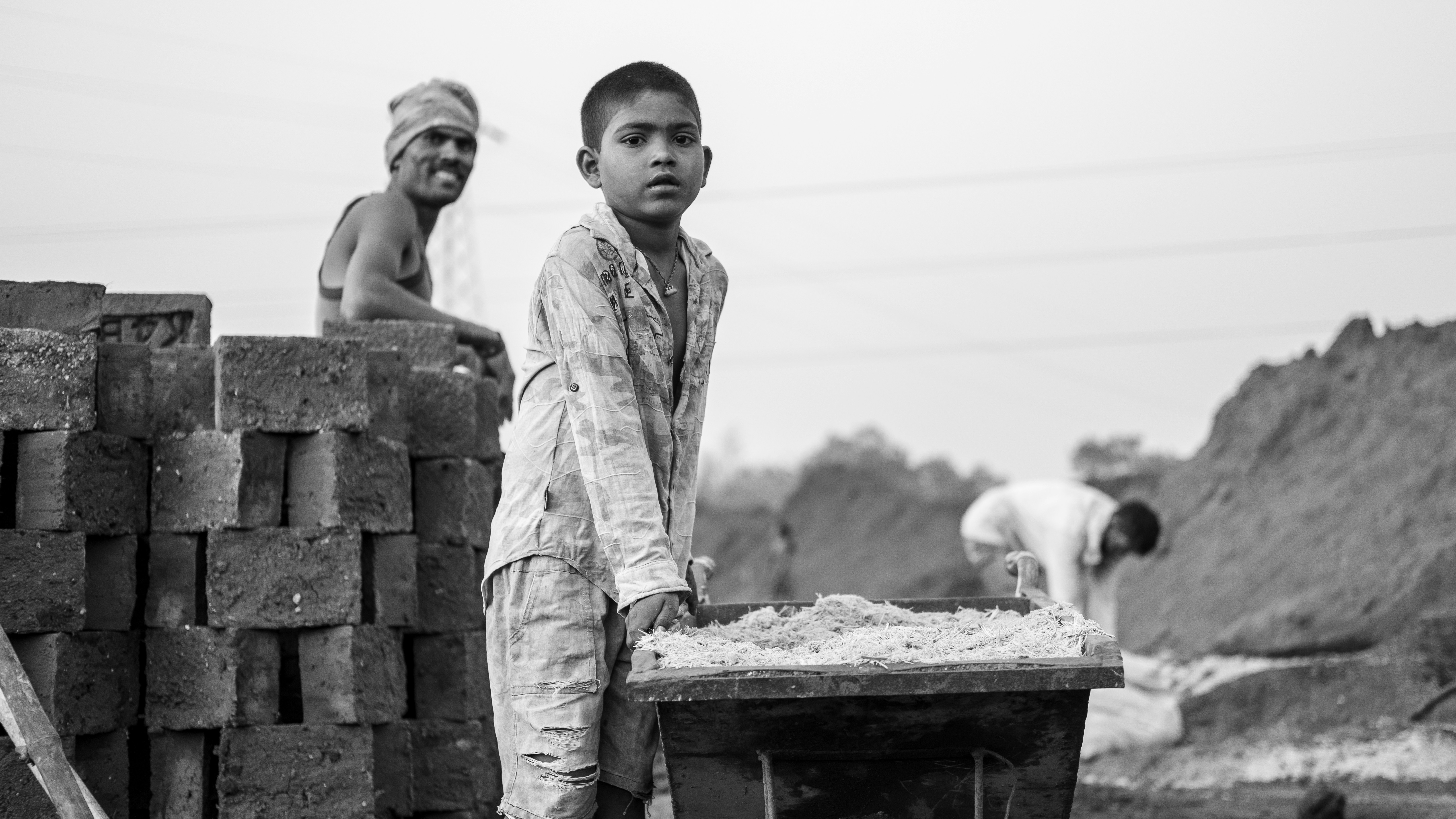
Child exploitation in the context of child labor involves engaging children in work that is hazardous, and interferes with their everyday life. This could include forced labor, where children are forced into work against their will, or child trafficking for labor purposes. The work is often physically demanding, exceeding their capacity, and is often in unsafe and unsanitary conditions.
From a study conducted by World Vision, it is estimated that globally, 1 in 10 children are labourers. These children reside in developing countries and are often born into a life of work. These children engaged in exploitative labor are denied access to education, proper nutrition, and healthcare, which compromises their well-being and future. This form of exploitation is a violation of international human rights standards, and organizations & governments work towards ending child labor and promoting protective measures for children worldwide.
International Measures Being Taken
Internationally, the UNICEF has been firm on its stance on child labour of not allowing forced, or any type of dangerous work, before the age of 18. Light, willing work is permissible over the age of 12. These standards have been set by the UNICEF Document of Minimum Ages and Adolescents’ Rights. Other important regulations are listed below:
- ILO Convention No. 138 (Minimum Age Convention): Sets the minimum age for admission to employment, aiming to ensure that children are not subject to exploitative work at a young age.
- ILO Convention No. 182 (Worst Forms of Child Labour Convention): Focused on eliminating the worst forms of child labor, including slavery, trafficking, and hazardous work that poses a threat to a child’s health and well-being.
- United Nations Convention on the Rights of the Child (CRC): While not exactly addressing child labor, CRC outlines the fundamental rights of children, including protection from economic exploitation and hazardous work.
- United Nations Sustainable Development Goals (SDGs): Goal 8.7 specifically targets the ending of child labor by 2025, calling for immediate and effective measures to eliminate forced labor, end modern slavery and child labor.
What You Can Do (Without Money)!
The main thing you can do to help end child exploitation and labour is raise awareness. For us here in Canada, the only relation we have to these children is through the clothes and brands we support. So, to help these children without money, we can promote ethical consumerism. Here is a step-by-step plan to help slow down the rates of child labour using the promotion of ethical consumerism :
Research Child Labor-Free Brands:
– Identify companies that actively commit to eradicating child labor from their supply chains.
– Look for brands with transparent practices and a clear stance against child labor.
Create Informational Brochures or Pamphlets
– Develop printed materials containing information about child labor-free brands and the impact of ethical consumerism.
– Distribute these materials in community centers, local businesses, and public spaces.
Engage Local Businesses:
– Establish partnerships with local businesses that are committed to ending child labor.
– Encourage these businesses to display information about their ethical practices in their establishments.
Encourage Responsible Buying in Local Markets:
– Promote ethical consumerism in local markets by encouraging vendors to highlight products from child labor-free sources.
– Engage with sellers and buyers about the importance of responsible purchasing.
Celebrate Ethical Initiatives:
– Acknowledge and celebrate local businesses and individuals actively contributing to the fight against child labor.
Remember, the goal is to raise awareness, and awareness is always free!