

Introduction
Back in January, the Calgary Zoo/ Wilder Institute announced that their tapirs, Sempurna (Female, 5 years old) and Tanuck (Male, 23 years old), were pregnant, marking the beginning of a huge milestone in conservation.
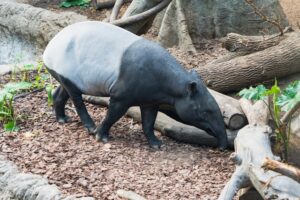
The Malayan tapir is one of the most unique mammals, famous for its easily identifiable pattern and prehensile nose and other appendages. Additionally, tapirs are considered prehistoric animals because they haven’t undergone extensive evolutionary changes for the past 20 million years, meaning their ancestors would’ve looked very similar to a modern tapir. Malayan tapirs are native to Southeast Asia, and due to overdeforestation in Malaysia and Thailand, the tapir has been identified as an endangered species since the 1970s.
Why Watermelons?
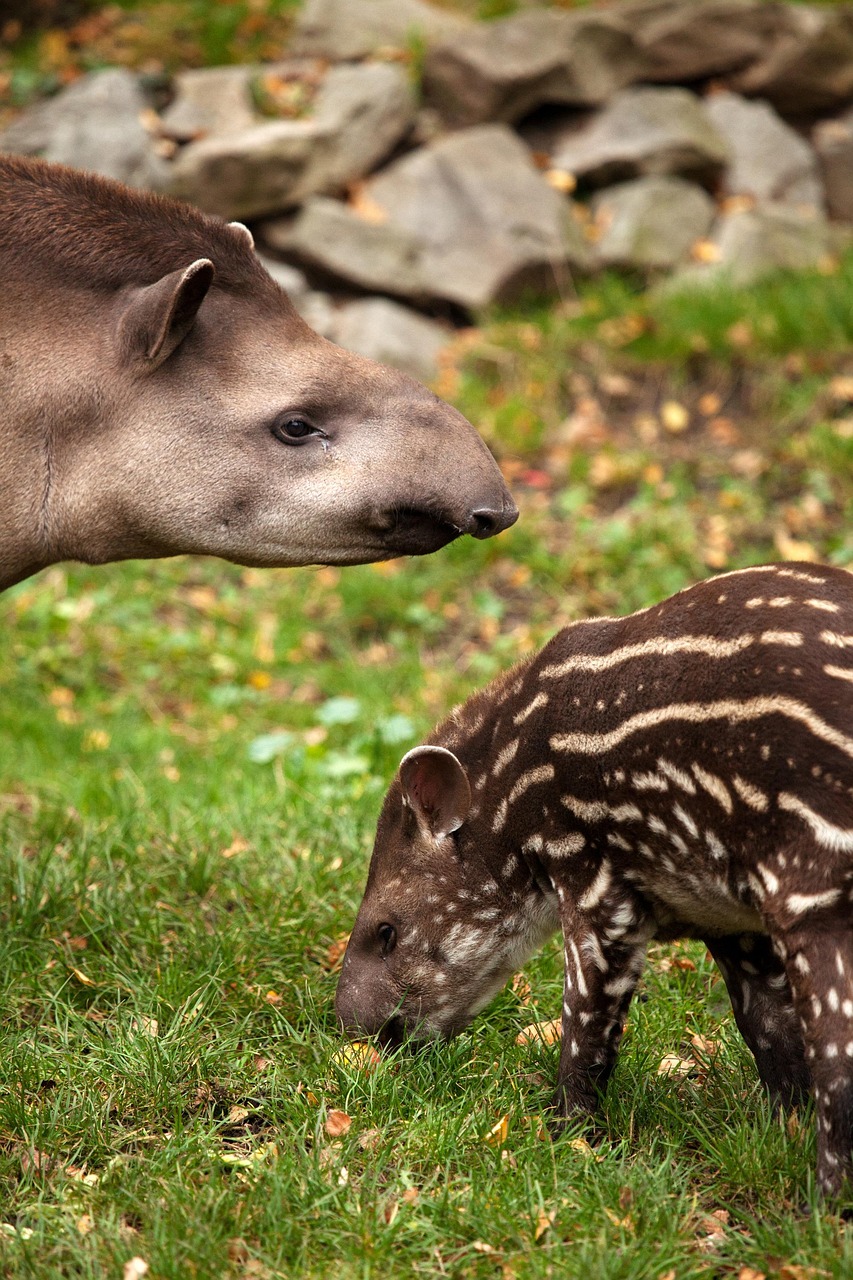
Throughout Sempurna’s gestation period (pregnancy), the period was lovingly deemed “Watermelon Watch.” This adorable name stems from the appearance of baby tapirs. Unlike their older counterparts, who are black with a white middle section, younger tapirs are instead black with vertical stripes, similar to a watermelon!
The Exciting Day!
Tapirs have a gestation period of 13 months, meaning the zoo was expecting a summer birth. However, animal care wasn’t able to pinpoint an exact due date, so for the months from June to August, the entire zoo and everyone else in Calgary were waiting with bated breath all summer.
On September 3rd, the Calgary Zoo announced that Sempurna successfully delivered the baby on August 28. Later in the month it was announced that the female baby tapir’s name is Nyawa, meaning “Life” in Malay. The Calgary Zoo is known to choose names for their animals based on the culture and language from the region the animals originate from, honouring their homes.
What now?
If you head over to the zoo and visit the “Gateway to Asia” exhibit, you may be lucky enough to catch a glimpse of this adorable new family. Not only is Nyawa adorable, she is also an amazing example of the benefits of the Species Survival Plan (SSP) Program. The SSP is a breeding program utilized by zoos across the world to introduce individuals from endangered species to procreate to help rebuild their species’ population. Nyawa’s birth is a victory not just for the zoo, but for animal lovers across the world.
Sources