
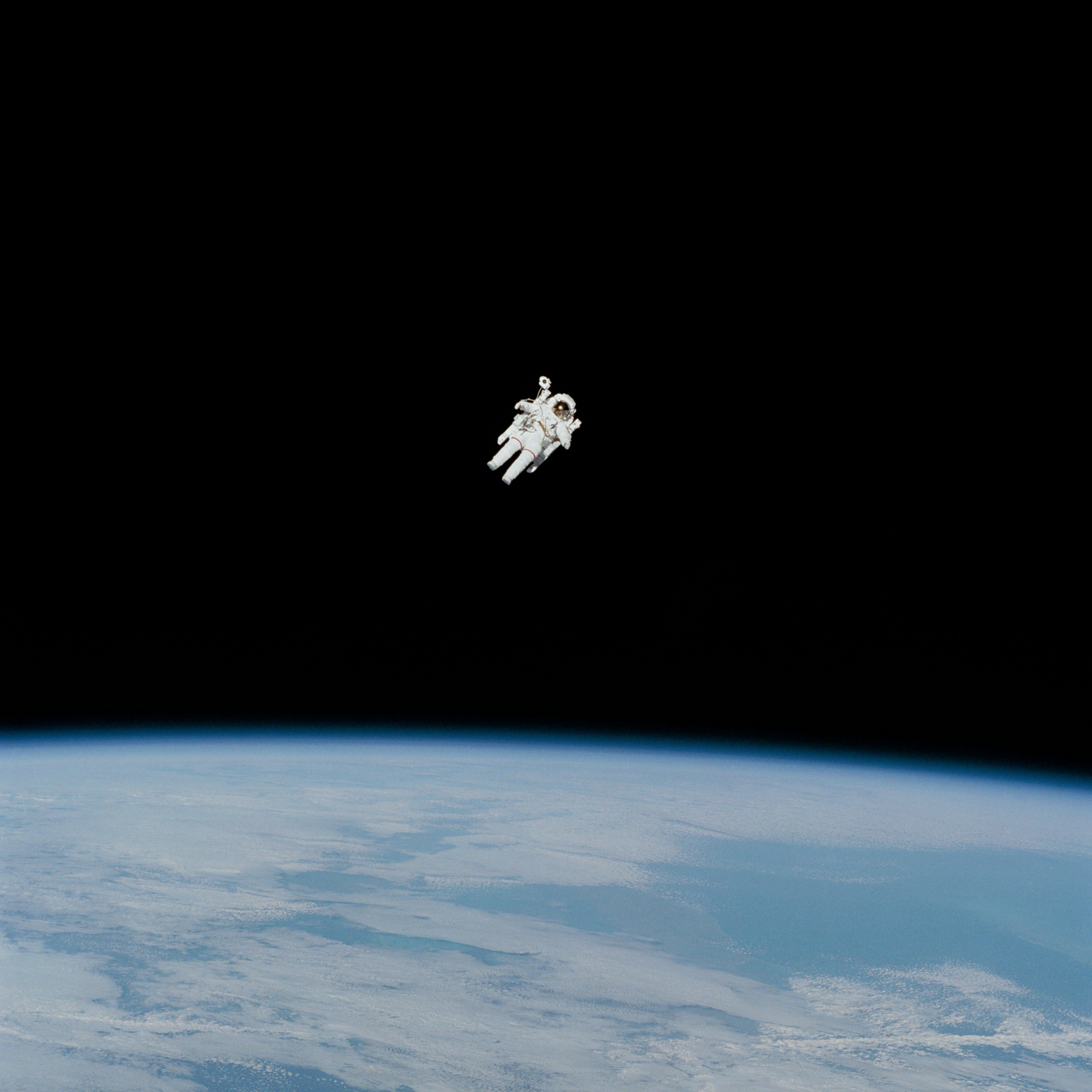

We often talk about muscles and bones weakening and aching as we grow older — but it seems there’s a way to speed-run that process if you take a trip to outer space.
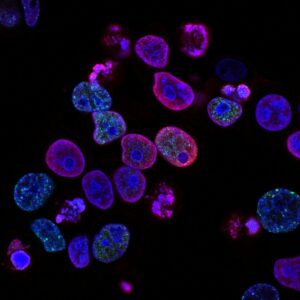
A new study conducted at the University of California, San Diego, led by Dr. Catriona Jamieson — a professor of medicine and director at the Sanford Stem Cell Institute — provides evidence that stem cells, which are crucial for regeneration, repair, and aging, struggle under space conditions.
At the genomic level (which, simply put, means your DNA), scientists found that under extreme stress, cells activate something called the “dark genome.” This causes parts of the DNA to become repetitive and awaken ancient viral fragments known as retroelements. The study observed that cells exposed to spaceflight for around 45 days showed clear activation of this previously dormant region of the genome.
The research used human hematopoietic stem and progenitor cells (HSPCs) — derived from bone-marrow donors here on Earth. These cells are essential for maintaining blood cell balance and play a key role in the immune system. The samples were sent aboard SpaceX Commercial Resupply Service (CRS) missions to the International Space Station (ISS) between December 2021 and March 2023.
 The project, partly funded by NASA, involved collaboration between UC San Diego and several research partners.
This discovery has become a hot topic in the STEM world, since scientists still don’t fully understand the dark genome or its role in aging and disease. The findings raise big questions about human spaceflight — what does this mean for our dreams of building homes beyond Earth? Could long-term missions to Mars or the Moon accelerate aging or compromise health?
But as always, there’s a silver lining. “Space stem cells” are prompting scientists to study the dark genome more closely, which could deepen our understanding of diseases such as leukemia and pre-cancers, where stem cell regeneration fails. In the long run, what we learn in space could help us develop new therapies back on Earth.
Source: 1