
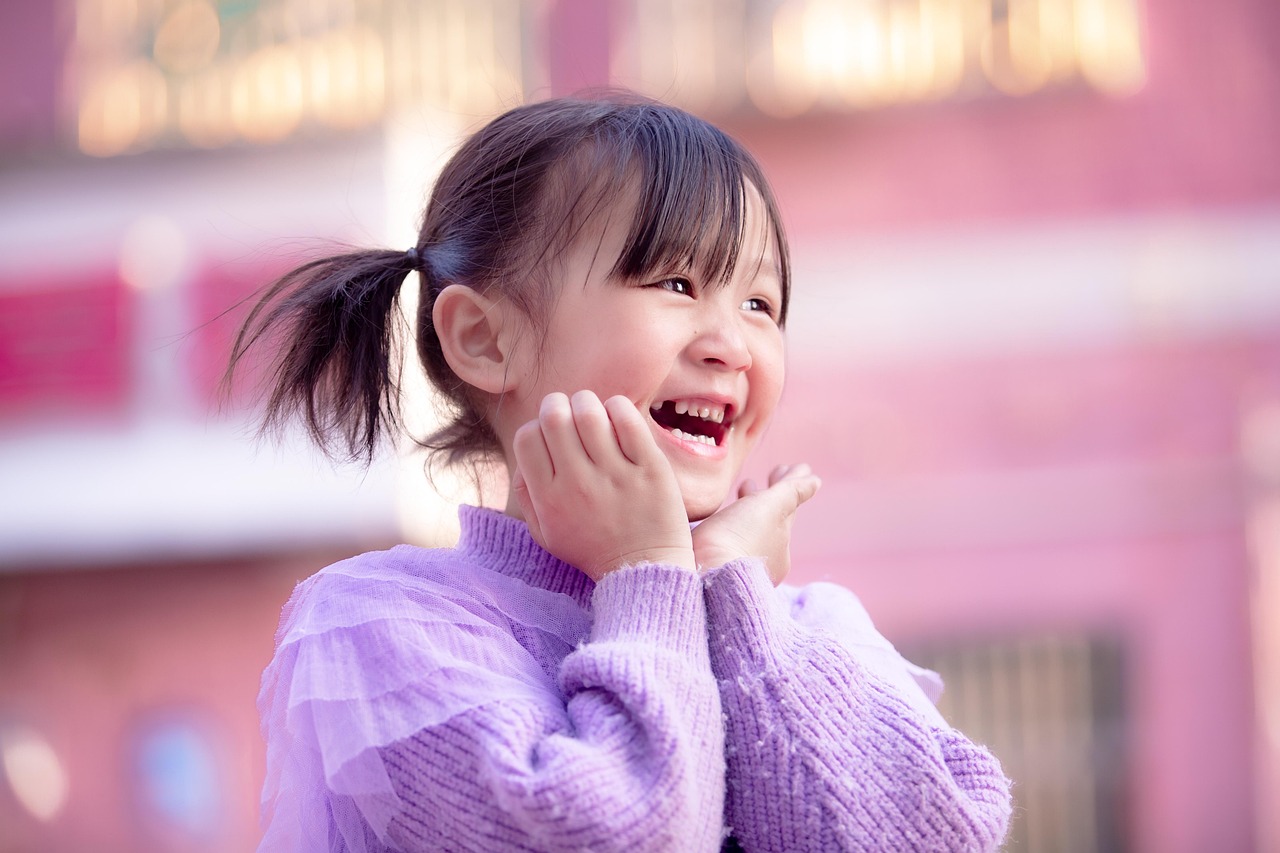

We were all little kids once, and most of us still feel like one sometimes. Childhood is a beautiful thing, but can be extremely frustrating at times…
Raw, uncontrollable emotions, social difficulties, constant new environments and situations to process. One of the most frustrating things to deal with… Adults and the things they say that sometimes just don’t make sense or feel dismissive and unhelpful. To interact meaningfully with a kid, you must get on their level – so, coming from someone who has worked with tons of kids and is also one herself, here are what (most) kids just don’t want to hear.
“Last time I saw you, you were just a baby!”
“Sure, but I’m this big now, so why are we talking about the last time you saw me?” It simply has no meaning (accept it, they don’t know who you are). Don’t get me wrong, it’s perfectly fine to seek a connection, but this isn’t the best way…
It’s irrelevant to whatever is happening (and most kids are more interested in what is currently in front of them anyways) and awkward because they don’t know what to say to that (think about it for a second – what do you say?) “Cool. I don’t remember.” Kids want to be seen for the person they are now, not measured and compared to a past version.
“Kids these days…”
Kids these days are different from kids in your days. They don’t use outdated systems like cursive writing, morse code or even analog clocks. Whether they are learning how to hem a skirt in school or not isn’t a reflection of the education system or the child’s potential and success, because they need to learn about concepts and tools that will be prominent in parts of their lives and future, like computer literacy, artificial intelligence, digital footprint and climate change.
“Aww, what a big word! How cute.”
Laughing or teasing a kid for their earnestness only hurts. They feel judged and misunderstood and might refrain from expressing their ideas and experimenting with more complex concepts and language. Just because they were babbling babies once doesn’t mean they will always be.
“Calm down, you’re fine. / My problems are much worse.”
It is crucial to validate a kid’s experience and show them you care and understand why they are upset. It isn’t helpful to boss them around or tell them what to feel, but it is to have a conversation about their emotions and then plan together so you can solve the problem as a team. Kids don’t just have a shorter emotional scale; they have a different scale entirely. You are at a completely different point in your life- this problem, this moment, is that kid’s whole world right now. Trust me, we remember how others responded far better than we do what we were unhappy about.
“Soon…”
This one is obviously not a long-term issue – just something that always annoyed me as a little kid. How soon is soon? I had no idea, so naturally I would keep asking when x was going to happen. In my opinion it’s best to give kids an actual number and stay true to that number so they start to develop the self control to wait, and awareness of how long the wait is.
“You should be happy for them!”
You could talk about why winning the Lego tower competition can be a happy thing for someone else even if it isn’t for you, but again: forcing emotions isn’t good.
“Because I said so.”
I’ve never met a kid whose blood doesn’t start to boil when they hear this phrase. It shuts down curiosity, refuses an answer and doesn’t explain why a rule exists. Don’t make kids feel annoying just for wanting to learn. It’s important to question why something happens so they can become caring, inquisitive individuals, rather than having communication be shut down in their face every time they wonder.
“We can talk about it later.”
Later = never.
Kids know this. It feels like their concern is being dismissed, even if that is rarely the intention.
“You’re too young to understand.”
Then help me understand…? Kids feel underestimated or excluded when adults use this around them. They might feel patronized, because they live in the present, not the vague future like adults always seem to be. They want to feel included and will probably understand the concept better than you think.
Conclusion
Kids deserve respect, recognition, clarity, and validation. They should never be underestimated or compared, because those tiny humans who can’t find backpacks in the morning often have big ideas that will change the world. Give them the love, the patience, and the credit they deserve—they might just surprise you with wisdom that’s way beyond their age (or bedtime).
Love this post, Nelo Anne! Your writing style and clever prose was very enjoyable to read, and I definitely found myself relating to a lot of these 🙂
Comments are closed.