
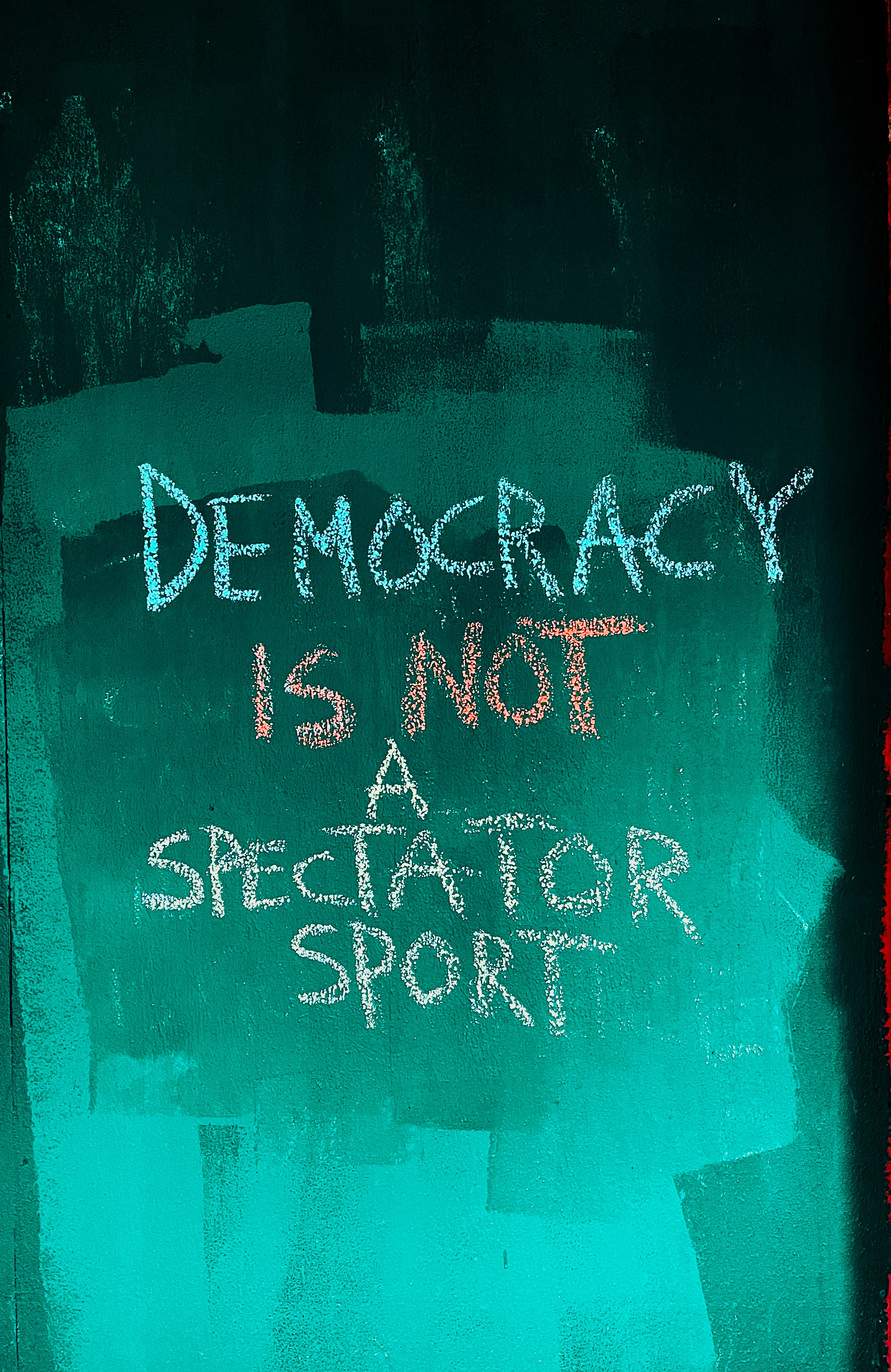

Under the guise of ‘for the people’, democratic institutions operate with the promise of providing power to ALL the people it represents. While in supposed democratic nations such as Canada, the core of the implementation of voting systems such as ‘First Past the Post’ are deeply flawed, prioritizing electing an individual to a riding with relatively the most amount of votes, even if it is less than 50% of the population. Within Canada’s 2021 federal election, a Liberal minority was called, but the liberal received 33.6% of the popular vote. How does this fairly represent and uphold the values of a democracy?
This supposed democratic system pushes for a two-part system, even if there are numerous parties running. Without two parties, the government would never have received 50%+ votes otherwise. This system makes it significantly more difficult for smaller opposition parties to gain traction, and accumulate votes to win a riding, leading to no representation for such parties. In order to combat this, within society, individuals turn to ‘strategic voting’, to avoid wasting their vote they’ll choose between the two opposing, and dominating parties such as within Canada’s 2025 election: the Liberals and Conservatives.
The ‘First Past The Post’ system, unknowing to most people, creates an undemocratic system where only two parties will dominate, and the years following consist of them fighting for power, which minority parties fall from political existence.
This belief is outlined within Duverger’s Law, emphasizing the inevitable rise of two dominant powers from the fear of citizens to split the vote, from a so-called ‘better’ party. This law highlights the inevitable rise and fall of these parties, specifically of a centre-left and centre-right on the political spectrum. The will of citizens can never be represented within a democracy with the FPTP system; there is no democracy within a system that forces fear voting, all to keep a certain party out of power.
This is clearly represented through the outcome of the 2025 Federal Election. Such days signal the unraveling of the democracy Canadians once could have relayed on and enjoyed. By entrenching a two-party system, we sacrifice genuine representation: voters no longer choose the candidate most attuned to their riding’s needs but rather select the “lesser evil” simply to block an opposing party. We witness how the NDP, Bloc Québécois, and Green Party have been marginalized, with even their own supporters vote against them to prevent a more feared outcome. Such dynamics erode the very foundations of democratic freedom. It underscores our duty to encourage a pluralistic system, and to insist that our government remain open to criticism.