

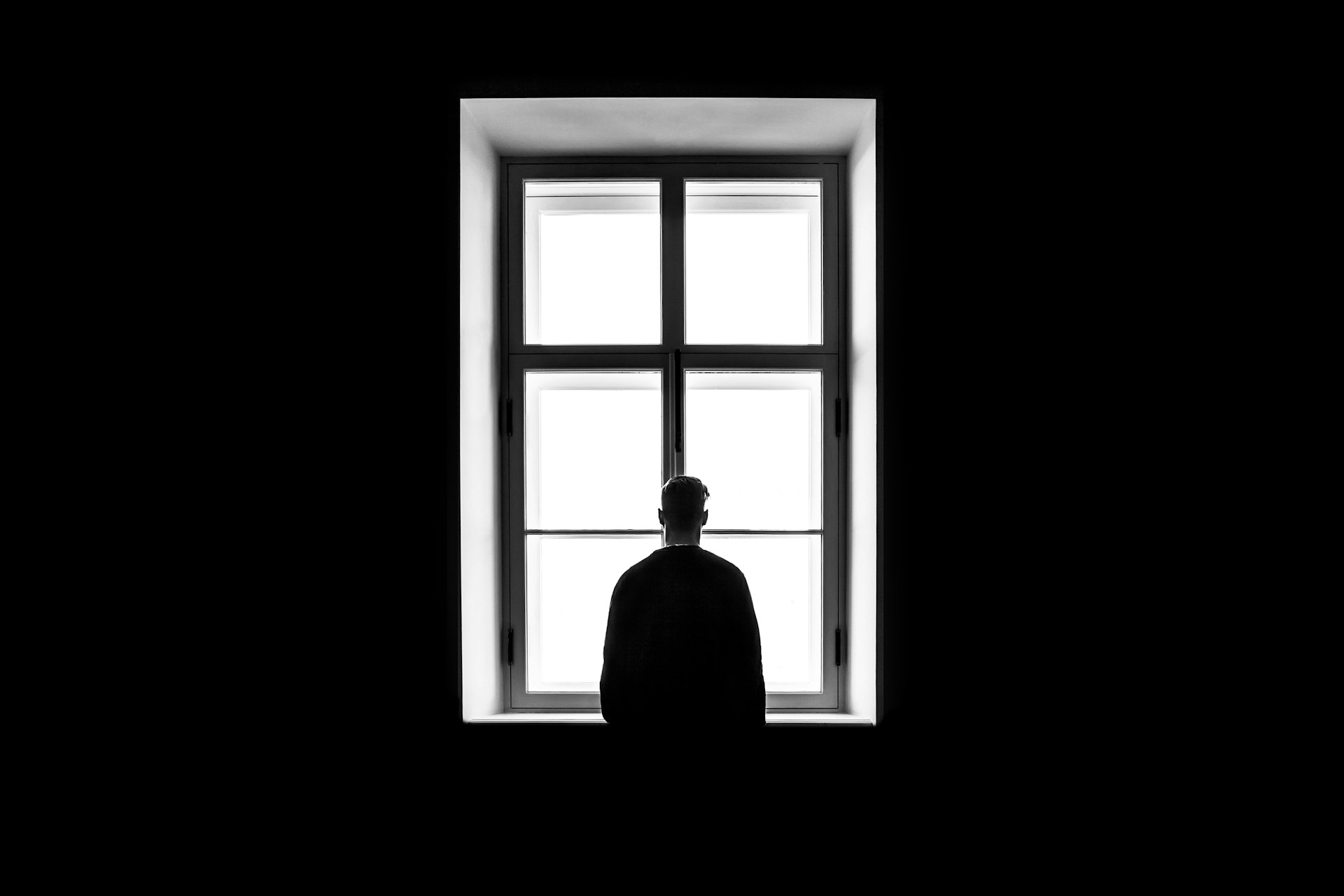
It often feels like my peers are always doing something. They’re out every weekend, going to games on Fridays, laughing in group photos that flood my feed. I’m usually not there. Instead, I’m focused on school, responsibilities, or just alone in my room. Some days I call it rest. Other days, it feels like I’m wasting time: being unproductive, being alone, and wondering if I’m doing youth “wrong.”
These thoughts are common for many teens today, intensified by the lingering effects of the pandemic and a culture that constantly equates busyness with fulfillment.
Reframing Time Sent Alone
It’s critical to question the notion that being by yourself always indicates a problem. This is due to the fact that loneliness can equally be interpreted as a strength, not a weakness. According to experts in mental health and wellbeing, spending time alone benefits far more than we truly realize, providing benefits unique to this practice. Instead of depending on other people to determine our value, Nicole Franco Counseling states that being by ourselves enables us to gain a deeper understanding of who we are and emotional independence. In a similar vein, Calm’s insights reveal the crucial role spending time alone plays, allowing our minds to truly relax, rejuvenate, and reset in a way that is just not possible when we are always constantly busy.
Learning the Difference Between Being Alone and Feeling Lonely
Although loneliness and being alone are usually grouped together commonly confused, they are quite dissimilar. Solitude is simply just being by yourself, a physical state, whereas loneliness is the unpleasant sensation of being cut off, a mental state. The issue occurs when we believe that loneliness must inevitably follow solitude. In actuality, loneliness frequently results from feeling cut off from ourselves or misinterpreted by others rather than from being alone.
When I personally started observing how I spent my alone time, I discovered that loneliness typically appeared when I was aimlessly scrolling through the internet or comparing my life to that of others, wishing I had what they had, but in reality, wishing for what they portrayed they had. When I was intentionally alone, be it through reading, thinking, listening to music, or just sitting with my thoughts, I found that solitude felt different, an experience giving me room to sit with myself and enjoy a unique sense of calm.
Conclusion
All things considered, being alone can feel like a failure in a world brimming of busyness, social lives, and visible joy. However, solitude doesn’t mean you’re missing out, as it can also mean you’re growing inward. Learning to be alone without feeling lonely allows you to understand yourself better, recharge emotionally, and build confidence that doesn’t rely on constant company.
Thus, being young never appears in the same manner for everyone, and that is completely fine. At times, choosing solitude is not a sign of isolation, but of strength. And learning to sit comfortably with yourself may be one of the most valuable skills you can ever develop.
Sources: