

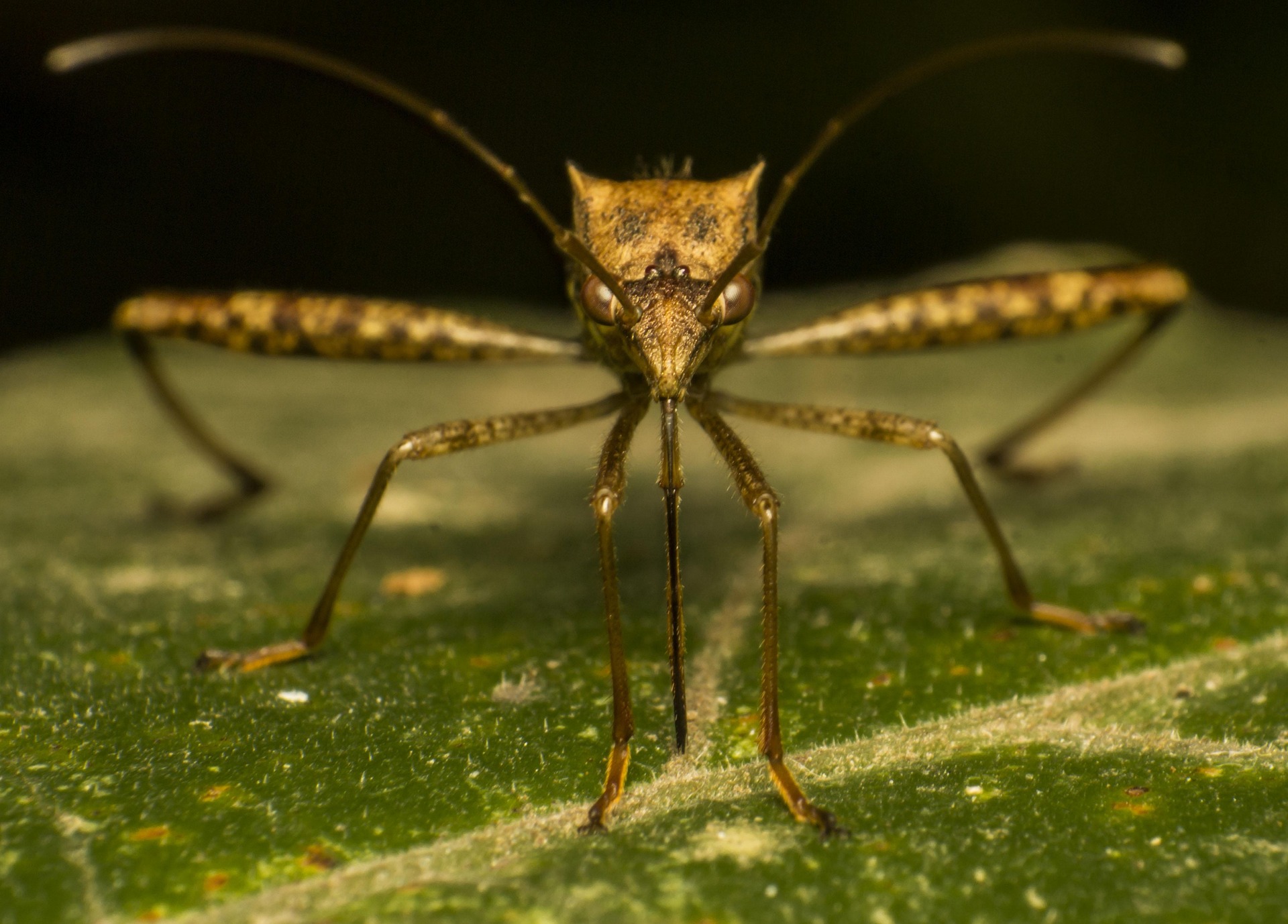
Summer has always been my favorite season. Like many, I have loved spending days basking in golden sunlight, making memories in balmy summer evenings with friends, visiting the beach, and enjoying sticky, melting ice cream for as long as I can remember. However, there has always been one thing, or rather, a million tiny little things, that forever plagues these pretty memories: mosquitos. Where my peers would brush off those small, itchy red dots as insignificant and mildly annoying at most, at absolutely any contact with those bloodthirsty fiends, my skin would blossom into an angry, red, rapid onset of severe inflammation. I would spend my summers in a near constant frenzy of swatting and smacking, and awkwardly trying to explain to school teachers that the enormous red mounds that peppered my skin were not a cause for calling CPS, but rather the result of an allergic reaction.
So, I have a condition called ‘Skeeter Syndrome’. But what even is that?
What is ‘Skeeter Syndrome’, and how does it affect people?
Skeeter Syndrome is the allergic reaction to mosquito bites; more specifically, mosquito saliva. It is most likely to affect individuals who have poor immunity levels, especially children, who’s immune systems are still developing. Those who have this hypersensitivity experience particularly large amounts of swelling, blisters, pain, severe inflammation in affected areas, and sometimes even fever, headache, and body – ache symptoms. Although extremely rare, anaphylaxis (a potentially life threatening allergic reaction) can also present as a symptom, occurring only in very severe cases.
What causes Skeeter Syndrome (AKA, how does this allergic reaction work?)?
A female mosquito inserts her proboscis (thin needle – like mouth) into your skin with the intent of drawing your blood. In doing this, she injects saliva containing proteins, proteins foreign to your bloodstream, to prevent your blood from clotting, and to temporarily numb the sensation.
If you’re a normal person, your body will react mildly, and in proportion to the threat of the foreign proteins inserted by the mosquito in your body, releasing average amounts of histamine. Histamine causes blood vessels to dilate, which is why people may experience some temporary swelling/itchiness.
However, in individuals with Skeeter Syndrome, the immune system perceives the foreign proteins in your body as much more of a severe threat than it actually is; something like a virus or parasite. The mosquito saliva entering your bloodstream will trigger the production of IgE antibodies – antibodies that attach to mast cells (white blood cells containing chemicals like histamine, designed to protect immune systems). Mast cells will go into overdrive, exploding and releasing large amounts of histamine due to being coated in these IgE antibodies that overreact to the saliva. This is what causes extreme amounts of swelling, itching and redness.
Next, your body will create IgG antibodies – antibodies that “mark” what the body deems to be dangerous for destruction. These IgG antibodies will then stick to the proteins from the mosquito saliva, which summons more immune cells to the affected area. As well as this, T cells (white blood cells designed to protect the immune system) will release cytokines – small proteins that send signals to bring support from even more immune cells to the affected area. These reactions are what prolong and may even worsen initial symptoms for days, weeks, or even months.
Treatment and Prevention
The best treatment to this condition is prevention. If you go outside, wearing insect repellant spray is somewhat beneficial. Making sure your windows are securely shut each night, or sleeping in a mosquito net if outdoors will help prevent mosquitos from actually getting to you in the first place. Although it’s a drag, wearing long sleeves and pants, especially in forested areas, can also help prevent bites.
Although not miracle treatments, I find that applying ice and ‘After – Bite’ to affected areas helps with the incessant need to itch, and the soreness. If it gets to a point where a bite is really bothering you, you can also look into some over the counter medicines such as calamine lotion, or antihistamines. Of course, if it is really bad, please seek medical care!
My heart genuinely goes out to anyone who may also suffer from this condition. I know firsthand how much it sucks, and how much it can ruin going outside in nice weather and having fun – something everyone deserves to do
I recognize the necessary part mosquitoes play in our world and ecosystems, but I truly wish everyone safety and a very good distance away from these evil little vampires this summer.
Sources:
Featured image by Shaheen Ahmed from Pixabay
Great post Anne! My brother has this condition and I never understood the science behind it, nor what happens inside your body when bitten by a mosquito. This post was very informative and helped me understand what people like you and my brother face on a daily basis during the summer. 🫶
Comments are closed.