

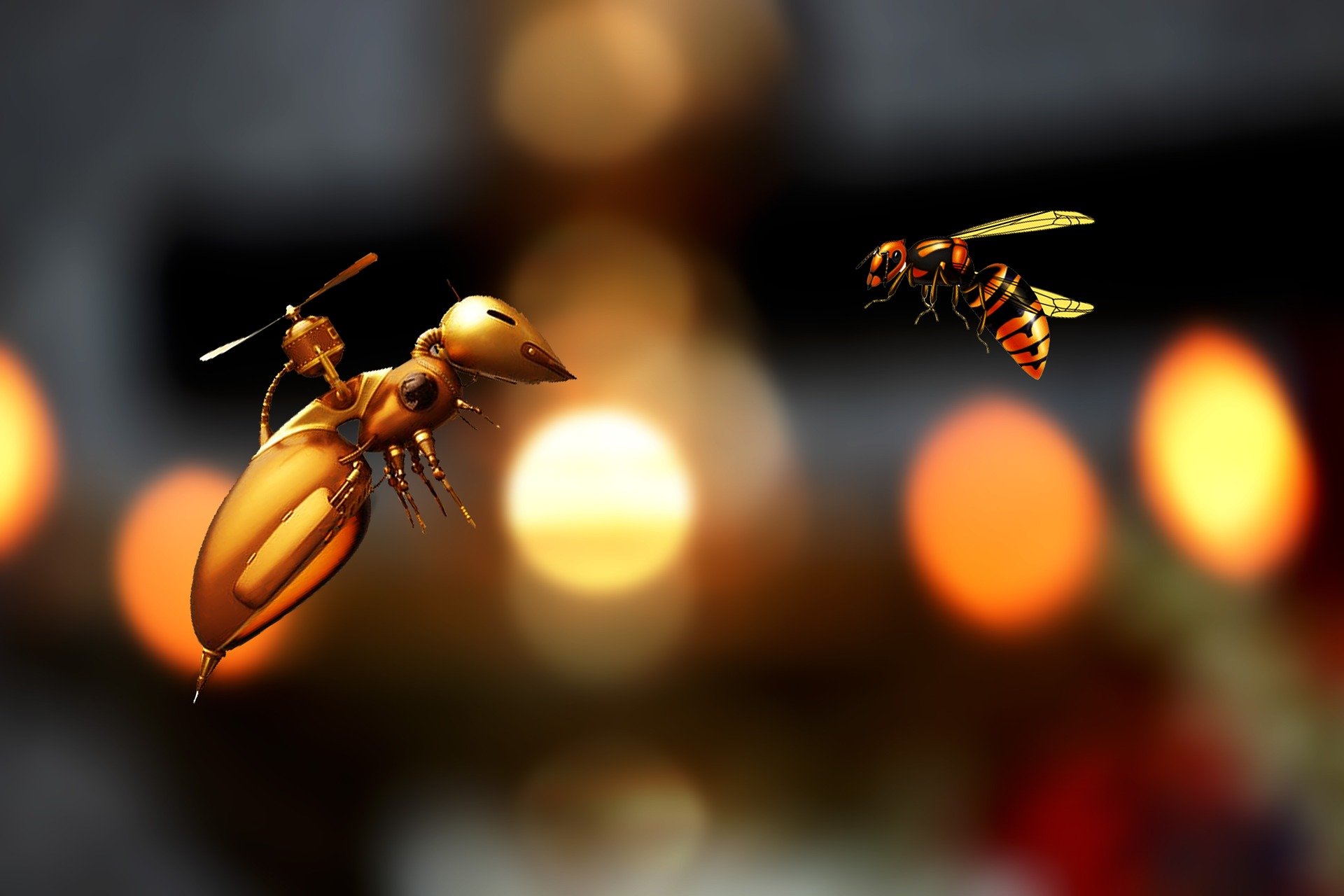
Have you ever thought of life without food? What if animals are replaced with robots? What is the possibility of global extinction of insects? These questions are growing in prominence as we start to notice the decline of bees in our ecosystem, and researchers are investigating robotic solutions. As we address this global problem, we need to begin brainstorming solutions as a society. One of the most discussed solutions as of today is Robopollinators. Through various universities and research facilities, this groundbreaking innovation has the possibility of changing the agricultural system forever. Dive into this article as we explore how one innovation can impact human life.
What is the Role of Bees in Our Lives?
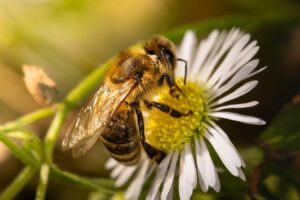
Bees are an essential part of our ecosystem, as they support nearly every aspect of life on Earth. Their key role in pollinating flowers allows for the reproduction of several crops, which turn into the delicious fruits and vegetables we devour. Nearly one-third of the food production globally depends on pollinating bees. Their role is often overlooked, while many people believe they are only important for honey production. Without bees, farmers would struggle to produce enough yield to supply food markets, leading to a rise in grocery prices on a global scale. Unfortunately, the issue of the extinction of bees is aggravated due to increased use of pesticides in agriculture, along with urbanization and uncertain droughts from climate change.
What are Robotic Pollinators?
The structure of a bee is versatile and complex in which enables its ability to maneuver, detect smells and use its visual field to communicate and fly to different flowers. Copying this into a robot is difficult; however, the latest technologies have allowed robotic bees to collect and transfer pollen with a moderate visual field programmed into each autonomous drone. These robotic bees range in size from 3-3.5 cm; however, various robotic pollinators can be much larger depending on the complexity of their mechanical design and computational abilities. In terms of pollination, the robotic bees consist of an ionic liquid gel and gel-coated fibres, which easily pick up pollen and implant it into other flowers.
Popular Robotic Pollinators:
MIT’s Robotic Bee:
MIT’s robotic bees are one of the latest robotic bee innovations, which hover for 1000 seconds at a time. This new technology is 100 times better than previous models. One of the key design features is the actuators, which allow the robotic wings to resemble the maneuverability of a bee! The wing structure has artificial muscles, which also contribute to an accurate flight path. For example, the wings flap up to 400 times per second! Unlike previous robot designs, this bee weighs less than a paperclip, which helps increase efficiency and airtime. Some cool functions that this MIT bee can do are spell MIT in the air and perform double somersaults. While these bees are highly talented, they struggle to perform in hazardous environments, for example, harsh wind, severe rain or vertical farm areas. Additionally, the end goal for MIT innovators is to create a bee which can try its best to perform the intricate tasks of a natural bee with the ability to make decisions.
BloomX/BumbleBeeAI:
This robot is created with the help of biomimicry and artificial intelligence to help pollinate crops. This machine uses the cross-pollination mechanism to distribute pollen throughout the crops. The system uses electrostatic forces to move the pollen from different parts of the crops. The main use of this machine was to increase the production of blueberries and avocados, as they are more expensive and limited in the agricultural industry of South America.
Worcester Polytechnic Institute’s Robotic Bee Prototype
This robotic drone uses a lithium battery and 3D printed components to map out what the ideal drone functions should include. This prototype aims to create an independent robot which can last long hours with a battery. The aim of Nitin Sanket, a robotics engineer professor, and their team is to incorporate solar power and biodegradable material; as a result, this can reduce the environmental footprint of the robotic bees. This unique plan, beyond just bee pollination, can inspire other projects to incorporate environmentally friendly components into a multifunctional robotic bee.
What’s Next?
While these robot bees are a great alternative to increase crop production, manufacturers need to consider the environmental implications. For instance, the metal used for these robots has to be mined, which increases pollution. Additionally, products like the lithium battery and waste produced by destroyed robotic bees are not biodegradable. As a result, the material can harm animals and impact the soil.
In summary, robotic bees are a growing technology which can unlock new agricultural systems and facilitate the growing global population. Depending on how they are manufactured, these bees have the potential to replicate natural bees and increase pollination globally.
TLDR;
- Bees are an essential part of human life: they help grow crops
- Researchers are trying to innovate a new pollination method
- MIT has invented a Robotic Bee which stays in the air for up to 1000 seconds
- Other robotic bees and prototypes are using different strategies to replicate pollination