
Home Blog Page 45

What In the World is Obesity?

What is Obesity:

The World Health Organization (WHO) defines the concept of obesity as having “excessive fat accumulation that presents a risk to health.” In simpler terms, it means that a person has high fat content in their body which significantly increases the risks for diseases and conditions.

BMI:

In order to detect obesity, along with many other methods, the BMI or “Body Mass Index” is the most popular metric. A value of over 25 in the BMI scale indicates that a person is overweight while a value over 30 categorizes someone as obese. 

Health Impacts:

As expected, there are bound to be countless negative side effects obesity. Just to name a few, cardiovascular diseases and diabetes are very common effects. Did you know that according to the Centers for Disease Control and Prevention in the USA, 1 in 5 children have been diagnosed with obesity! And on that note, an even more alarming fact is how it affects 1 in 3 adults as well! Children who experience obesity now are more likely to continue to experience obesity into adulthood, meaning that their health will slowly yet detrimentally deteriorate over time. They are more than likely to have heart diseases, high blood pressure, type 2 diabetes, and a variety of cancers. The 5 leading causes of death in today’s generation are heart disease, cancer, chronic lower respiratory disease, cerebrovascular disease, and unintentional injuries. As you can probably tell, a lot of those issues are often associated with obesity. Essentially, obesity and health problems go hand in hand. 

Causes:

So now that we know what obesity is, how it is diagnosed, and some common side effects, let’s talk about how and why it occurs. Some of the reasons include eating large amounts of calorie dense food (e.g. junk food), and not exercising enough. The average physically active man requires 2500 calories while the average physically active woman requires 2000 calories. If anyone exceeds this amount and doesn’t work to burn off the excess calories, fat will form. If someone consistently consumes more calories than they burn, fat will accumulate. Over time, if this continues, it could lead to becoming overweight, and potentially even obese. Apart from those somewhat obvious reasons, other possibilities include genetics or medical reasons. If we take a look at genetics, we may see how certain genetic traits (such as a large appetite) may be inherited from your parents – making it harder to lose and/or maintain weight. Lifestyle influences genetics as well; for example, if your family regularly enjoys large meals, it might be hard to resist indulging along with them. Medical conditions such as an underactive thyroid gland (hypothyroidism) or Cushing’s Syndrome may also contribute to unhealthy weight gain. 

Common causes of overeating (which may lead to obesity):

A common cause for overeating is boredom. Even though it’s summer and boredom is inevitable, eating isn’t always the best solution. While food can be enjoyable and provide entertainment, you should not resort to eating to cope with boredom. Another factor of overeating that can lead to obesity is emotional eating. When you are stressed, sad, or happy, you may eat more than usual. Of course that is entirely normal once in a while, but you should avoid using food as an emotional support system. 

What you can do:

In order to ensure that you maintain a healthy weight, it is important to be conscious of your choices. For example, try to monitor junk food intake, sleep the recommended hours, and exercise daily! If you lead a lifestyle where you don’t frequently eat takeout and avoid lounging on the couch all day, you should be in good shape! For example, my mom always told me how I need to exercise for at least an hour daily. That doesn’t have to mean spending hundreds of dollars on a gym membership. Instead playing a sport or running around in your community will give you the same benefits. Of course, it is crucial to listen to your body and not ignore it – especially when it comes to food. Your body is a working machine, and you should strive to make sure it stays in good condition! It’s still ok to devour chocolate cake while binging your favourite rom-com, but just make sure to practice moderation!


Sources:

https://nutritionsource.hsph.harvard.edu/obesity/#:~:text=lower%20the%20risk.-,Unhealthy%20Diets,the%20largest%20roles%20in%20obesity.

https://www.cdc.gov/obesity/index.html

https://www.nhs.uk/conditions/obesity/causes/#:~:text=Obesity%20is%20a%20complex%20issue,in%20the%20body%20as%20fat.

3 Important Tips for a Student: Balancing Your Time

0

If you’re someone who works hard in school to get good grades, but also has the aim to be a well-rounded youth who has a lot of extracurriculars, then learning to balance your time is essential. Otherwise, you might burn out!

1. Ask Yourself Why

If you’re someone who has a hard time saying no to opportunities, this is a crucial part in balancing your time. The first step is just to have less to balance, and ask yourself if you’re wasting your time doing unnecessary things.

Why are you taking on this task? Doing this internship? Participating in this club? Is the result of how you’re spending your time rewarding enough to be worth spending it at all?

Make sure to reevaluate your tasks and drop any that might be giving you extra, unnecessary grief. This will make balancing your time much, much easier.

2. Organize Yourself

I once heard someone say “a minute of organization is worth hours”, and I truly believe it. As a former sewer rat student, I was constantly stressed out. Probably because I had a lot on my plate, but also because I never organized my space. There was a point where I had to wade through the things on the floor of my bedroom just to get to my bed.

But it doesn’t affect me, I’m sure you’re thinking.

The answer to that is… you’re wrong. A messy, crowded, and disorganized space causes passive and subconscious stress. This is when your mind is just passively busy having to process or block out all the things around you. So take 5 minutes and clean up.

Not only will you be more efficient in finding your keys, but you’ll also be able to feel a little less stressed on a bad day.

3. Set Boundaries… Literally

It’s critical to set very clear boundaries with yourself. Only then will you have no excuse to slack off, and only then will you really be able to take a break when you need to.

Make sure to separate your study space from the rest of your spaces. If you’re not lucky enough to have an office, maybe just pick a corner of a room that you use only to study. Similarly to how insomniacs must leave their beds to the sole task of sleeping, leave each space around you to a sole task. The association will make switching mindsets easier.

Tips for Grade 10 Students: Navigating High School with Confidence

0

As a former Grade 10 student, I understand the excitement and challenges that come with entering high school. It’s a crucial year where you begin to shape your academic path and explore new opportunities. Here, I will share some valuable tips I learned and used to help incoming Grade 10 students make the most of their year.

1. Don’t Be Afraid to Ask for Help: One of the most important lessons I learned in Grade 10 is that asking for help is a sign of strength, not weakness. Whether it’s seeking clarification from your teachers, reaching out to classmates for study groups, or utilizing online resources, don’t hesitate to ask for assistance when you need it. 

2. Organize an Efficient Study Schedule: Creating a well-structured study schedule is crucial for managing your time effectively. Consider using various tools to enhance your productivity and organization. Some examples include: Digital calendars/planners to organize your classes, assignments, and activities, task management apps to make to-do lists and break large tasks into smaller, more manageable steps, and note-taking apps to keep all your notes organized and easy to access.

3. Get to Know your Teachers and Guidance Counselors: Building a positive relationship with your teachers and guidance counselors can greatly benefit your academic journey. Take the initiative to introduce yourself, ask questions, and seek their guidance during their office hours. They can provide valuable insights, offer academic support, and help you navigate any challenges you may face. Remember, they are there to support and guide you throughout your high school experience.

4. Join Clubs/Extracurricular Activities that Interest You: High school is not just about academics; it’s also an opportunity to explore your interests outside the classroom and meet people who share similar passions as you. Whether it’s joining a sports team, participating in a debate club, or volunteering for community service, these activities provide a well-rounded high school experience.

5. Take care of your Well-Being: Amidst the academic demands, it’s crucial to prioritize your well-being. Make sure to maintain a healthy work-life balance, practice self-care activities like exercise or journaling, and always seek support from friends, family, or school councillors if you’re feeling overwhelmed. 

Entering Grade 10 is an exciting milestone in your high school journey. These tips can help navigate this upcoming year with confidence and make the most of the opportunities that come your way. Embrace this new chapter with enthusiasm, and remember that your growth and success are within your reach. Best of luck in your Grade 10 (sophomore) year!

Sources:

https://prepory.com/blog/advice-for-high-school-sophomores-10th-graders-2/

Streaming Addiction: What is it, and how to fight it?

When we’re really busy with school work, chores, and the busy flow of life, we like to take a break. For many people, including myself, that break can mean watching TV. We think that watching an episode or two of our favourite TV series can be a good way to uplift our mood or get us re-energized to get back to work. At the end of those two episodes, however, we still feel just as tired, if not more, than before the TV session. This way, we do not get any sort of motivation to get back to work. The only motivation we have in us is to grab hold of the remote, press the “continue watching” button, and mindlessly sit through hours of TV. We fall into the trap of binge-watching.

What is streaming addiction?

Streaming addiction refers to the excessive and unhealthy overload of content on streaming platforms such as Netflix, YouTube, and TikTok. Streaming addiction can lead to changes in the brain, and reduce our ability to focus, prioritize tasks, regulate our mood, and build interpersonal relationships outside of the online world.

Symptoms of streaming addiction:

A streaming addiction looks different for everyone, but some of the symptoms are common for everyone. These include streaming for longer than initially intended, despite attempts to cut back the use, and being unable to stop even after knowing and understanding the consequences. Many people experiencing a streaming addiction are often irritable, anxious, and in a bad mood when they are not watching something. This way, their uncontrollable usage of television begins to act as a way to shut them out from reality. By increasing their online presence, people often begin to compromise their outside life and interpersonal relationships with family and friends.

Effect of streaming addiction on health and well-being:

A key reason as to why many people use TV, the Internet, and other streaming services as a way to cope with difficulties is because all of these induce a surge of dopamine. Dopamine is a chemical messenger which acts in the brain. It plays an important role in helping a person feel sudden and extreme pleasure. However, the dopamine release triggered by screen time affects an individual’s impulse control. Similar to the usage of drugs, screen time has shown to cause damage to the frontal cortex part of the brain. The frontal cortex plays an important role in the performance of motor tasks, judgment, abstract thinking, and creativity. The dopamine releases caused by screen time usage causes structural change in the frontal cortex, leading to impairments in an individual’s decision making ability, cognitive function, emotional processing, and working memory.

Streaming addiction also causes damage to a person’s day-to-day lives as it is correlated with fatigue, lower sleep quality, and insomnia. Many individuals also feel a sense of shame or guilt about their streaming addiction, and try to isolate themselves from their close ones.

What’s the solution?

Like any addiction, becoming sober from streaming addiction is easier said than done. However, there are lots of free resources and support groups to aid in this process. A good support group to use is the Internet and Technology Addicts Anonymous (ITAA). ITAA is a 12 Step Program that provides tools, strategies, and supports to deal with compulsive Internet use. The ITAA hosts everyday online meetings in various languages which are free for everyone. The meetings are safe, secure, and anonymous so that those suffering from streaming addiction have a platform to express their thoughts without judgment.

Conclusion:

I, personally, was surprised after realizing how serious streaming addiction can get. When we binge watch TV, we think “oh, it’s just another episode, I ‘ll get back to work after 30 minutes.” What we don’t realize, however, is how easily those 30 minutes can pile up so that a harmful habit begins to develop. If you are dealing with symptoms of streaming addiction, please do not hesitate to find support.

Link to Internet and Technology Addicts Anonymous:

Internet and Technology Addicts Anonymous

A Great Opportunity for High Schoolers: Exploring Biology at the Canadian Biology Olympiad Camp

The Canadian Biology Olympiad Camp is a hands-on summer camp opportunity offered to high school students in grades 9-12. Though all students are welcome to apply, the program is a competitive program that only selects 25 participants. With this camp, there is one major perk for students who are passionate about biology: the program offers an experience that would be impossible to obtain inside the walls of a typical high school.


This summer, I had the incredible opportunity to attend the Canadian Biology Olympiad summer camp held in Toronto. I was beyond excited to be selected for this opportunity where I could further deepen my knowledge and skills in the field of biology. This camp would be a great experience for any high schoolers looking for opportunities to deepen their knowledge of biology and interact with those who share the same passions and interests. Here are some things that made the camp so enjoyable:

The camp, held in York University’s Glendon Campus, brought together 25 of the brightest young minds in biology from across the country. From interactive lectures and workshops to hands-on lab experiments, the camp offered a wide range of learning opportunities that challenged us to think critically and creatively about a variety of biological concepts ranging from ethology and ecology to protein extraction and enzyme kinetics.

One of the highlights of the camp was the chance to work closely with renowned biologists and researchers who shared their expertise and insights with us. Their passion for biology was truly contagious, and I found myself inspired by their research and discoveries. This opened new chances to interact directly with experts of biology, and work closely with them through multiple lab projects.

In addition to the academic components of the camp, there was also a strong emphasis on teamwork and collaboration. Through group projects and team challenges, we learned the importance of working together to solve complex biological problems and achieve common goals. This not only helped us develop our problem-solving and communication skills, but also fostered a sense of friendship among the camp participants. 

Of course, it wasn’t all work and no play. We had the opportunity to explore the campus where we resided, and spend time together playing games and getting to know one another. The camp provided us with a well-rounded experience that was able to enrich our minds and spirits.


Overall, attending the CBO camp in Toronto was a transformative experience for me. I not only gained valuable knowledge and skills in biology, but I also formed lasting friendships and memories that I can cherish for years to come. I would definitely recommend this camp for anyone interested in biology and exploring the large range of topics that biology oversees. From floral formulas to bioinformatics and extracting proteins to investigating PCR and gels, this camp provides a multitude of interesting and interactive opportunities one wouldn’t be able to access in a regular biology course in high school.

Sources:

https://pixabay.com/photos/science-biology-test-tube-liquid-1336663/

The Wonders and Ponderings on the Paris Olympics Opening Ceremony

One of the most famous quadrennial events, the Olympics undoubtedly presents itself as the center of all the world’s attention. This year, 2024, the Olympics takes place in Paris, a city often remembered for its high fashion and romance. From July 24 to August 11, thousands of accomplished athletes gather, coming from more than 200 nations. They arrive here, for both fierce competition and for the glory behind the medals and the friendship behind universal sportsmanship that transcends beyond countries’ borders. 

Photo by Xavier Praillet on Unsplash

On July 26, under the excited gaze of a worldwide audience, Paris presents the opening ceremony for this global event. However, out of most expectations, while the ceremony did demonstrate applaudable creativity, it met waves of irritated criticism because of some extremely controversial scenes. 

Photo by Selma DA SILVA on Unsplash

Demonstration of the Glory of France:

One of the most memorable moments in the entire opening ceremony was the statues of accomplished female figures that rose from the Seine. Paris decided to present to the global community the heroines that left irreplaceable marks on French history. Olympe de Gouges, Alice Milliat, Gisele Halimi, Simone de Beauvoir… All of these heroines have magically come back to life again with their figures proudly standing on the Seine. Subtitled in multiple languages, these scenes from the Paris Olympics have greatly astonished the audience. They highlight the athletes’ lifelong pursuits, leaving a lasting impact on viewers.

Photo by Prabhat Saurav on Unsplash

Paris Olympics became the center of Controversy?

The worldwide controversy was sparked by one lavish scene from the opening ceremony. In this scene, Paris recreated the historical painting from Leonardo da Vinci, The Last Supper—except this time, this recreation featured drag dancers and performers. Appearing viral on social media, the most “outrageous” part is when a male actor, painted blue, played the Greek god Dionysus while barely having any covers on his body to protect the last bit of clothed dignity. Some regard this section of the ceremony as a sufficient representation of France’s inclusivity to gender-diverse communities. In contrast, others view this as an offence to Christianity because of its radical depiction of Jesus and the twelve apostles. 

Photo by Xavier Praillet on Unsplash

Former campaign attorney of Donald Trump, Jenna Ellis expresses that the painting possesses “overt pagan and satanic symbolism.” She further asserts her criticism, stating that “the famous painting of The Last Supper is recreated, but Jesus is replaced with an obese woman, while queer and trans figures (including a child!) depict her apostles”.

Photo by Gavin Li on Unsplash

Paris Olympics 2024 is likely going to be an Olympic event remembered by history. This is quite widely agreed—the disagreement is whether it is going to be remembered in a good way or a bad way. Despite the astonishment or criticism of the opening ceremony, the Olympics will not end until mid-August. Since the core of the Olympics is its athletes, let’s shift our attention from the opening ceremony to the competition itself. We will all wait with bated breath for the wonder these individuals will make in the next few weeks. 

Photo by Selma DA SILVA on Unsplash

https://www.nbcnews.com/news/world/drag-performance-resembling-last-supper-olympics-opening-ceremony-rcna163927

https://www.outlookindia.com/sports/others/paris-olympics-2024-opening-ceremony-know-statues-of-french-history-heroines-emerged-at-the-seine

https://www.today.com/news/paris-olympics/olympics-opening-ceremony-last-supper-controversy-rcna163929


How to Practice Self-Appreciation

Introduction:

Hello! Today I’ll be writing about self-appreciation and self-love. For myself and I’m assuming others, we struggle to love ourselves. Oftentimes, because of the lack of self-love, we look for validation from outside ourselves. This can look like accolades, accomplishments, friends, relationships, appearance, etc. We unconsciously tie our self-worth to the things that we pursue outside of us. It explains why when we lose friends, get a bad grade, fail to achieve something, our self-worth plummets to a nauseating low. Moreover, this feeling is exacerbated by the internet, where the image of glamorized lifestyles are rampant. Seeing ourselves failing and others succeeding causes comparison and results in self-loathing. Furthermore, it makes us feel competitive with others to an unhealthy amount; when someone else experiences success it must mean we have failed. It feels like a zero-sum game– if someone wins, the other loses. 

In the pursuit of external accolades, we may begin to realize that we do not feel any different. If you still hate yourself, no amount of praise, money, or love will change that. It will provide temporary solace, an illusion of value and self-worth. The root of the problem lies within, and the lack of love we have for ourselves. We have to learn to love ourselves unconditionally and change our perspective of ourselves. We have to accept the less glamorous areas of ourselves.

Here is how we can cultivate self-love:
  • Acknowledge your reality: 
    • Think about your situation and circumstance in an uncritical manner (try to not scold yourself)
    • Look at both sides equally: what did you do well and what could you have done better
    • Accept what has happened and forgive yourself
  • Acknowledge yourself:
    • Nobody is you, and there will never be another you in this life
    • Challenge negative thoughts about yourself, think about these thought logically and question them
  • Treat yourself as valuable person:
    • Make yourself a priority through the food you eat, exercise, taking time for yourself to relax
    • This will cause a ripple effect to the your career, your eating habit, exercise

Sources:

How to Love Yourself in a World That Says You’re Not Enough | Branden Collinsworth | TEDxUNLV

https://www.self.com/story/how-to-love-yourself

The Ground – A Poem

0

Nervousness is an emotion that is not new to any of us. Whether it be before a major test, on the first day of school, or in a public setting, our throats start to dry, our palms sweat, or heart beat gets faster, and we feel unstable. When feeling that way, think about this poem I wrote recently:

The Ground

Beads of sweat drip

Down, down, and down my hands

It’s like a cascading waterfall

With no pool to collect in

It just keeps on dripping down

And down and

D

O

W

N


This never-ending waterfall makes me wonder,

Which way is down

Google says down is towards the ground

Down is towards the nurturing soil

Where the plants look up

With ever growing youthfulness

Down is the way where the rain drips

Plop, Plop, Plop


And then I wonder again

This time, I think…

What if there is no ground?

No ground means that there is no down

Then where do my beads of sweat drip?

No ground means that there is no down

So then where will the rain drip?

No ground means that there is no down

So then where will I stand?

Where will I stand in this never ending universe of ours?

And with this never ending waterfall of mine?


I will be like a lost grain of pollen,

Tossed and turned, pushed, and pulled by the wind

Meandering my way to the ground

Where I can rest, and rejuvenate

The ground which is down.

Down beneath my feet.


The ground, there it is!

Right where stand

Is my ground

Animal Abuse and the Calgary Stampede

The Calgary Stampede is no small event. In 2024, it experienced record-breaking admissions. People come from all around the world, crowding the streets of Downtown Calgary, in order to enter the famous event. You could even say that Calgary’s culture owns the week.

There’s strangely flavoured foods, wild rides, concerts, and shows, but the Calgary Stampede is best known for its chuck wagon and horse racing. These rodeo events always act as the pinnacle of Stampede Week. However, a lesser known fact is that these events have become increasingly controversial because of their use of animals.

What Happened?

Just this year, 3 horses died at Stampede rodeo events. One of the horses was a steerer, and while experts say that it was an unusual death because of the high amount of training that steerers usually receive, many others believe that it is a proof of the long-term animal abuse that rodeos create.

We can compare rodeos to circuses, where it was historically common to torture and distress animals into behaving for entertainment purposes. While circuses have generally had a lot more attention regarding the aspect of animal abuse, many animal advocates argue that it is now time to turn our attention to rodeos.

How is it Being Supported?

Organizations such as PETA and the Vancouver Humane Society have fought to spread awareness about the relatively common frequencies of animal deaths during the Calgary Stampede. However, they struggle to receive a positive response for their efforts because of the popularity of the events.

If you’d like to support the cause, visit https://vancouverhumanesociety.bc.ca/ or https://www.peta.org/blog/2024-calgary-stampede-animal-deaths/ to learn more about the different ways you can help advocate.

Reasons for Inaction

Since 1986, when the Calgary Stampede Rodeo first began to record animal deaths, 105 animals have died at the Stampede. Animal abuse organizations have been battling the Stampede over animal rights. It recently involved the Calgary Humane Society.

Many others share CHS’s (Calgary Humane Society’s) view on the deaths of animals during rodeo events and refuse to take action against it. Some reasons include:

  • Chuckwagon racing and rodeo is a key component of Calgarian and general Western Canada culture
  • The animals undergo thourough training in order to mitigate the risk of injury and death
  • It’s natural for animals to die from injury
  • The Stampede is distinct from other circuses, carnivals, and generally large events primarily because of the rodeo
  • Rodeo events of the Stampede have been a long-standing tradition and it is a unifying symbol of Calgarians

What’s your opinion on the use of animals in entertainment?

Sources: 1, 2

Finding Flow: A Guide to Focused Work

0


What is the key to happiness? What is the purpose of someone’s life? What makes life meaningful?

These universal questions are apparent in everyone’s lives. As psychologist Mihaly Csikszentmihalyi answered, “The best moments in our lives are not the passive, receptive, relaxing times… the best moments usually occur if a person’s body or mind is stretched to its limits in a voluntary effort to accomplish something difficult and worthwhile.” He keyed this idea as a flow state. Flow state is the feeling of being entirely engaged and immersed in the task you are doing. While in the depth of flow state, it is intense focus coupled with clarity and happiness. In the flow state, an individual knows exactly what they are doing and what they want to do, and feelings of discomfort, fatigue, and hunger seem to go away and you are absorbed in the task at hand. Time seems to feel arbitrary, as a few hours seem to feel like a few minutes. 

So how do we achieve flow? 

How to Achieve Flow State: Flow Triggers

Currently, there are 22 flow triggers, which as the name suggests, help initiate flow state. Here are a couple of useful ones: 

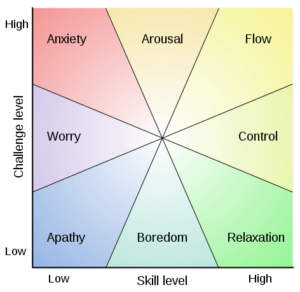
  • Challenge-Skills Balance: We are most attentive to a task when it is a little bit harder than our current skill set, making the task challenging and worthwhile when we do achieve it. This graph describes the feelings that arise when taking on a task with varying levels of challenge and skill. 
Case, A. C. (2011, March). Challenge vs. skill, showing “flow” region. Flickr. https://www.flickr.com/photos/caseorganic/5528981189
  • Waking up at the best time for you: when is your brain most awake? Do you feel best waking up early or later? Depending on this, block out time to focus singularly on whatever task. 
  • Block out distractions. Leave your phone in another room, turn out notifications, and declutter your room. Give yourself the space necessary to focus on the task at hand. 
  • Feedback loop: Find ways to assess your progress continually; this can help you feel like you’re getting closer to your goal, motivating you.
  • Passion, curiosity, and purpose: Engaging in tasks that you find meaningful and worthwhile triggers the dopamine in your brain, which translates to happiness.  Purpose aligns your actions with your values and aspirations, prompting you to become more focused. Curiosity and passion fuel a drive that prompts you to learn more and immerse yourself in your task. 
  • Risk: Engaging in activities that are risky and exciting enhances your flow state, allowing you to experience something new and become more alert. 

Flow state can happen to anyone at any time, but I think it does take some experimenting to learn how to initiate it for yourself. Ironically, you can try too hard to get into flow state, distracting yourself from the task at hand. However, give it a try and you might find that the flow state works for you. 

Sources: 

https://www.headspace.com/articles/flow-state

https://www.youtube.com/watch?v=znwUCNrjpD4&t=6s

https://www.youtube.com/watch?v=0rIjFCNay2Q

https://www.flickr.com/photos/caseorganic/5528981189

https://www.flowresearchcollective.com/blog/flow-triggers


3 things you probably didn’t know about the Calgary Stampede

Now that summer is here, the sun is shining, and the month of July is approaching, Calgarians are looking forward to the Calgary Stampede! While most of us are familiar with the Stampede, we might not know the interesting history behind this popular event. A recent study by CBC Calgary revealed some rarely known, intriguing facts about the Stampede.

  1. The founder was an American vaudeville performer.

You would assume that the Calgary Stampede, being the world’s largest rodeo, would be started by an individual of prairie origin. However, Guy Weadick, the founder of the Stampede was from Rochester, New York. In 1885, Rochester was a bustling urban centre.

However, even in Rochester, cowboys in pop culture, were extremely popular. Although the Old West culture was fading, the tales of it were still alive. This way, Weadick headed west to the Great Plains to catch a glimpse of this cowboy culture for himself. Here, he found himself ranch work, and developed skills, performing rope tricks.

Having immersed himself in the West’s cowboy culture, Weadick moved to Calgary with a big dream.

2. Weadick’s pitch was initially rejected

Weadick’s big plan was to put on an international rodeo featuring the best! With huge cash prizes! And crowds from all over the world! Weadick wanted the fading Old West culture on display. Weadick also believed that such an event would be a good boost for the community’s profile.

However, the local business community was reluctant to sponsor this event. Weadick chronicler Donna Livingstone in her book, The Cowboy Spirit, wrote “Most of the business community though that the idea was too big for Calgary.” As well, they felt that the idea of a rodeo, and bringing back the days of the Old West would be hindering Alberta’s progress into a urbanizing city. During that time, Calgary had been the first city in Alberta to get a public library, and plans were being made to start a subway.

A rodeo was not the way to go.

Soon, however, word of Weadick’s plan got to four influential ranchers who were willing to chip in $25,000. They wanted one last cheer for the fading pioneer age.

3. The cheer wasn’t ‘Yeehaw!’

Whenever we think of a Stampede cheer, we think of either ‘Yeehaw’ or ‘Yahoo.’ Back in the day, however, it was neither of those. An early promotion for the Stampede, however, featured a very different cheer.

The cheer was “Whoop-eee-eee-eee.”

This year, if you go to the Stampede, you will be aware of its rather peculiar history.

Also, don’t forget to say “Whoop-eee-eee-eee!”

Source:

https://www.cbc.ca/news/canada/calgary/first-stampede-history-weadick-royals-rodeo-1.6899081

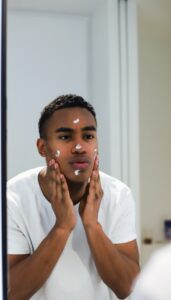
How to Build Your Skincare Routine! (Summer Glowup!)  

As someone who has had acne since they were young, going to my family doctor and dermatologist is nothing new, and I am greatly appreciative of my doctor and dermatologist, as It is because of them that I was able to work through my skin problems without making it worse. Acne, and other kinds of skin issues, can have an enormous impact on our self-esteem, which makes us more inclined to believe in false marketing of products or buy products we do not need simply due to the influence of social media. Many of us can also become confused because we can choose from a large array of products, so we may not even know where to start. As someone interested in skincare for quite a few years, here are my steps to get started.


*Important Side Note: I am not a dermatologist nor have any credentials to be a skin expert. I am giving advice based on my own experiences over the years. If you have any specific skin concerns, it is best to ask your family doctor, who may refer you to a dermatologist, about your specific concerns, as they can sometimes stem from underlying health problems or specific aspects of your diet and lifestyle. Thank you for your understanding.


Step 1: Find the Right Cleanser

Do you have normal skin? Sensitive skin? Oily skin? Dry skin? Or perhaps a combination of oily and dry skin? It is best to find a cleanser, ideally without fragrance (as fragrance in skin products can irritate the skin), that suits your skin type. Usually for normal and sensitive skin, à simple gentle cleanser or a gel cleanser, can go a long way. On the other hand, for oily skin, you might want to look into more foaming cleansers or salicylic acid cleansers, to help control the oil production on your skin. As for dry skin, a gel cleanser or à hydrating cleanser can also be very helpful. I usually recommend finding the best cleanser for you, by trying them out and finding which one your skin likes best (as we all have different types of skin or live in different living conditions or weather that may affect our skin), and usually finding one from trusted brands like Cetaphil, CeraVe, or Aveeno.


Step 2: Identify your Skin Concern

If there are no specific skin concerns you may skip this step. However, if you are struggling with something specific such as rosacea, eczema, hyperpigmentation, or acne, it is best to find products that treat those conditions specifically and are considered skin ‘friendly’ for that condition. Again, to do so, make sure to ask your family doctor or dermatologist for either a prescription or product recommendations for that condition. As I have only struggled with acne and a bit of pigmentation, I can recommend a few kinds of products that have helped my skin (keep in mind, everyone’s skin is different, so what might work for me, may not work for you); Firstly, a salicylic acid cleanser or any gentle salicylic acid treatment can be very helpful for acne. Salicylic acid is a chemical exfoliant, that can help clear out the dead skin cells And debris that is clogging up your pores, which can then reduce the pimples on your face. Secondly Pimple Patches. If you are prone to picking your face (which can make your skin more prone to scarring in that area), Pimple patches are not only a good way to protect your skin from yourself, but also a way to help get rid of your pimples faster. I have found success with the Pimple patches from the ‘Mighty Patch’ brand, which can be found at many drug stores and sometimes grocery stores. Thirdly, retinoids such as ‘adapalene’ gel from the brand ‘Differin’. This one is tricky, as using retinol or retinoids wrongly can have adverse effects. Hence, it is strongly advised to ask your doctor or dermatologist if you should start. From my experience and advice, I have been told by my dermatologist when starting retinoids, to use only a pea-sized amount, and apply it on a dry (not wet after washing your face) face. Make sure to avoid sensitive areas such as around your eyes, more prone to irritation, such as around your eyes and the corners of your nose and mouth. Start doing this in your night routine for 2-3 nights a week, and slowly increase the number of times a week you do it depending on how well your skin tolerates it. Make sure to apply moisturizer after and avoid treatments from active ingredients, such as salicylic acid, right before or after applying. Finally, as for hyperpigmentation, particularly on the spot of your face right after your Pimple heals, niacinamide, which is sometimes present in moisturizers (such as certain CeraVe moisturizers- check their ingredient lists-), is known to help with hyperpigmentation and calming down the redness on the face. That being said, usually you only use one of these kinds of products on your face per night routine or performing routine to avoid irritation. Ask your doctor or dermatologist what part of your skincare routine is best to apply to your product. Usually, from my experience, I find it best to apply it after washing my face, and then apply moisturizer right after.


Step 3: Find the Right Moisturizer

Do you have normal skin? Sensitive skin? Oily skin? Dry skin? Or perhaps a combination of oily and dry skin? Again, it is best to find a moisturizer, also without fragrance, that suits your skin type as well as the weather. Usually, People with oily skin do better with lighter or more water-based moisturizers, like lotions, rather than heavier or oil-based moisturizers, which may suit dry skin more. Also in more hot and humid weather, usually in the summer, lighter moisturizers may feel better as we can sweat more easily in the summer, whereas, in more dry weather, like in winter, heavier moisturizers may help our skin more since our skin would be drier.  Side note: oftentimes, body moisturizers can also be used on the face! So don’t waste your money buying an overpriced ‘face’ moisturizer. Again, I recommend finding one from trusted brands like Cetaphil, CeraVe, or Aveeno, that suits your skin the best.


Step 4: Lips

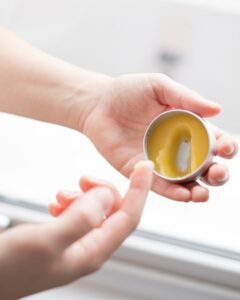
Honestly, just using a lip balm of your choice, again, ideally without fragrance, is best. The good ‘old Vaseline or Aquaphor, really anything with something heavy, like purified petroleum jelly, will help. It can also be helpful to apply Vaseline and Aquaphor on dry spots or patches on your skin. Fun fact: Vaseline has also helped my wounds, such as Scrape marks, heal faster or be protected while it’s healing, in the past!


Step 5: APPLY SUNSCREEN!

You have probably heard this a dozen times now, and yes, I am going to say it again, applying sunscreen is important, especially when dealing with skin conditions such as acne and hyperpigmentation. The sun can aggravate these conditions further, so it is important to wear sunscreen in the morning (ideally about a 1⁄4 to cover your face and neck, about two fingers worth) and reapply it throughout the day or as advised on the back of the sunscreen (where the directions of use are written). Again, find one without fragrance to reduce the possibility of skin irritation. That said, contrary to popular belief on social media like tik tok, Sunscreen does not stop your skin from receiving Vitamin D, the only thing it stops or protects your skin from is the harmful UVA and UVB rays emitted by the sun which can irritate your skin, make you more prone to wrinkles faster and skin cancer in the future. There are two types of sunscreens, minéral and chemical. Minéral sunscreens tend to be a bit more gentler however not that it may leave white casts for people with darker skin tones. Chemical sunscreens do not usually give a white cast! Look for sunscreens that are at least SPF 30 to provide adequate skin protection throughout the day. I found kid-targeted sunscreens, such as the ‘Black Girl Sunscreen KIDS’, have been less irritating and easier to wear. Yes I am almost a legal adult and I wear kids sunscreen, but from my experience, it doesn’t matter whether the sunscreen is for kids or not. Try out different sunscreens, including ones for your lips, such as the ‘Sun Bum’ lips SPF (Sunscreen), to find the one best for you.


Anyway, thank you for your time! I hope you found this article helpful and steer you away from buying any overpriced and unnecessary products due to social media! Have a good summer! 


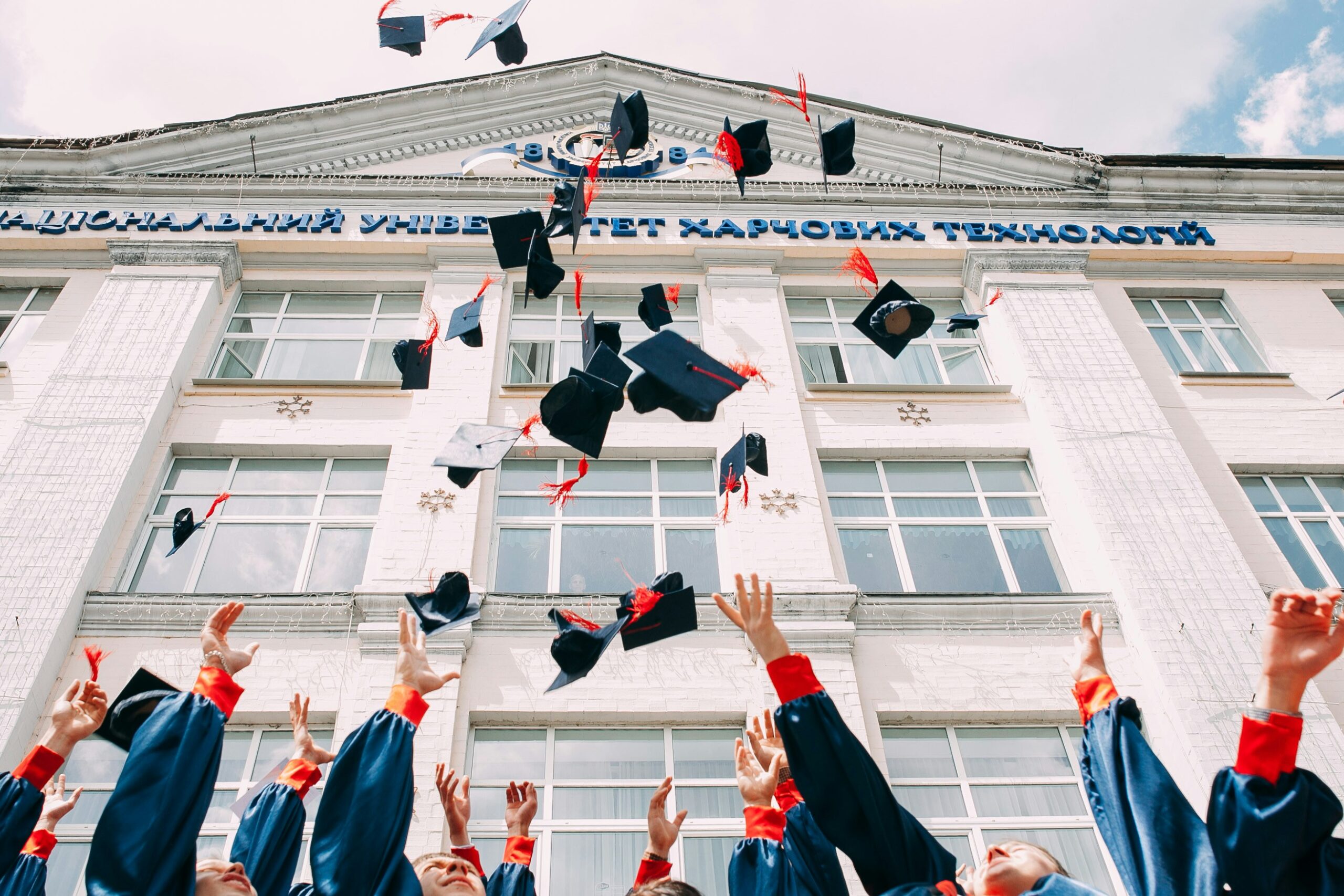
From The Graduates: Thank You Teachers

“Thank you” are two words that you don’t hear enough. However, after 12 years of schooling, I think some thanks are due.

Dear Teachers,

I’d to take a second to acknowledge all the time and effort that goes into teaching. Up until last week, I never really considered the fact that the majority of your job is unpaid; the time devoted to grading, lesson-planning, and individual support, is truly your time. This level of commitment is amicable, bearing in mind that it’s really not necessary…you go out of your way to do this. Of course, you could get your work done within the confines of your paid time (although I don’t think its possible), but that would be at the expense of us, the students. It’s important that we acknowledge your contribution to society, raising the future generation and those that follow suit.

Thank you to the teachers, coaches, and staff who inspire us to do better and set us up for success, seeing the potential in us even when we don’t see it in ourselves. Your dedication pushes us to do better both academically and personally, motivating us to achieve excellence in all aspects of our lives.

Thank you for everything that you do. Your impact is immeasurable, whether it be negative or positive.
Warmest Regards,
Class of 2024

✧・゚: *✧・゚:*   *:・゚✧*:・゚✧  ✧・゚: *✧・゚ :*  *:・゚✧  *:・゚✧✧ ・゚: *✧・゚ :*    *:・゚✧*: ・゚✧✧・゚: *✧・゚:*   *:・゚

Want to support us? Check out our other blogs:

The Value of Friendships

Development of mRNA cancer vaccines to treat Pancreatic Ductal Adenocarcinoma


7 things to do this summer.

0

Do you ever have one of those days when you’re bored and doing absolutely nothing. It’s the summer and the sun is shining in the tranquil sky. You have the urge to get up and do something, but… you keep scrolling through your phone and just like that another hour passes by. Everyone seems to be having the best time of their lives, traveling somewhere fancy and enjoying their summer break. But guess what? You don’t need to travel to the other end of the world to have an aesthetic, Pinterest style summer. So without further delay, here are 7 awesome, simple things you can do to make this summer more enjoyable.

1. See the sunrise (or the sunset if you’re too lazy to wake up that early)

Photo by OC Gonzalez on Unsplash.

Summer is a great time to watch the sunrise or the sunset as you’re not super busy and end up missing these magical times of the day! Maybe get some pictures for social media as well… but most importantly, just enjoy nature!

2. Craft something!

Photo by Roman Kraft on Unsplash

Make bracelets, maybe try some art, or learn origami! Free from school, and other activities, now is the perfect time for you to try a new hobby. You can use social media to inspire you as well.

3. Decorate your space.

Photo by Seiji Seiji on Unsplash

Make a new piece of decor or just give your room a whole new look! This is an activity that you may not have had time for before, but if you feel like your space needs a transformation, this is your sign to do it!

4. Bake! (or cook)

Photo by Cristina Matos-Albers on Unsplash

If you don’t usually bake or cook, this is your opportunity to learn the skill, and if you already do, explore a new recipe. It’s fun, and may also benefit you in the future, and most importantly, you get to eat something delicious in the end! Even if your baking endeavor ends up a bit of a disaster, its still a learning experience.

5. Gardening

Photo by Crystal Jo on Unsplash

It’s finally summer and that thick blanket of snow no longer covers your yard, perfect timing to pick up some gardening skills and grow new plants.

6. Reconnect with an old hobby

Photo by Rebecca Grant on Unsplash

Another thing to try this summer would be reconnecting with an old hobby that you may have stopped doing in the past. If you can’t think of anything then find a new hobby, anything that you think seems really fun to do.

7. Study…

Photo by Matt Ragland on Unsplash

Now, you may be wondering why studying is in this list of FUN activities to do during the summer and I get it, you may not want to spend all of your free time studying when you just got out of school and want a break from work. Dedicating some of your extra time to studying this summer could be really beneficial to you. Studying some of the concepts you will be learning next year ahead of time can save you a lot of time and effort during the year, so this could be something to consider.

Stepping Into Your Role In The Fight Against Climate Change

Introduction: What are the effects of Climate Change?

Climate Change is a global issue that affects everyone and everything. Because of human activity over the past century, our planet’s average temperatures and weather patterns have shifted to more dangerous levels. Signs of climate change are continuing to arise everywhere. Examples include increased sea levels, sea acidity, and atmospheric greenhouse gases, which all have dangerous effects on all species on Earth. Some species, including the Golden Toad, Chinook Salmon, and Polar Bears are dangerously impacted to the point where they are facing extinction and endangerment, or have already become extinct. On a similar note, humans are also receiving dangerous consequences, including droughts, heat waves, and intense short-term precipitation. Without the recognition of these dangerous consequences, then the fast pace of climate change would have done much more damage to our planet.

Hands holding trees. One hand is holding a burning Earth instead
Image by syaifulptak57 from Pixabay
Why do we have a role in the fight against climate change?

Climate change is driven by human activity, which means that we also have the ability to fight against it and minimize the consequences. Together, as a society, we have to work collectively and take care of our planet before it is too late. Now more than ever, our role in the fight against climate change is crucial before we jeopardize our situation further. Although reversing climate change can seem to be a slow process, our role matters for the future of our planet and future generations. Throughout this blog post is a list that consists of 5 ways that you can help from your home, 5 ways from your community, and 5 benefits that you can get from the fight against climate change.

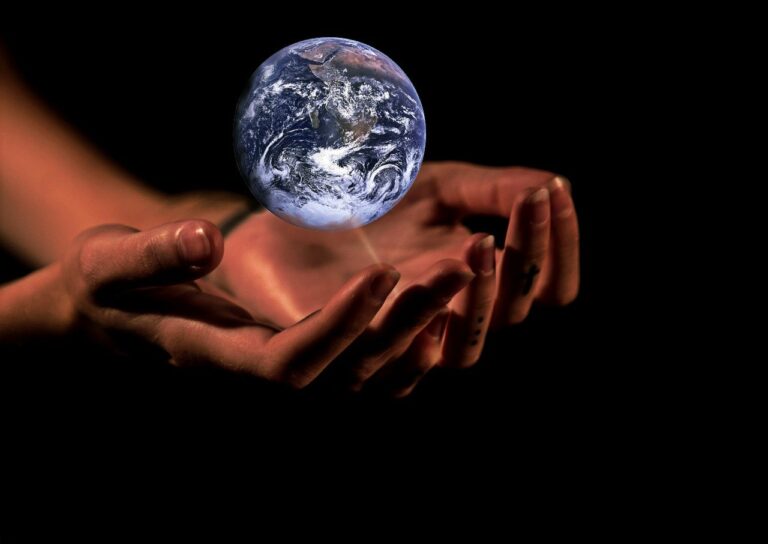
Hands holding a globe protecting a tree
Image by Gerd Altmann from Pixabay


5 ways you can help from your home

1. Use your energy more wisely
  • A common way to fight Climate Change is to save energy at home. The majority of our electricity and heat are powered by fossil fuels, including oil, gas, and coal. We use these electricity and heat to heat up your home, provide lighting, doing laundry, etc…
  • However, these routines use a lot of energy and there are often ways to use less of it. For example, your energy consumption can be lowered by simply reducing your heating and cooling uses, washing your laundry in cold water, hanging up your laundry instead of using a dryer, etc… On top of that, you also have the ability to switch your source of energy to be more efficient. There are many ways to use your energy more wisely, but it is up to you to be mindful of your routines and use your energy more wisely at home.
2. Eat more meat-free meals
  • People who eat meat actually emit more greenhouse gases per year when compared to vegans. In terms of numbers, each meat eater contributes 1.5 more tons of greenhouse gases than vegans. By eating more meat-free meals, you are able to reduce the amount of greenhouse gases in the atmosphere. This is a very simple method to do at home and can go a long way for both you and the fight against climate change. All it requires is a change in diet.
  • In no way are we forcing the idea that in order to fight climate change, you should become totally vegan. Really it’s enough to make a slight change to more plant-based diets to help the environment.
3. Waste less food
  • Similarly, wasting less food also reduces your environmental impact. Did you know that wasted food in a landfill can produce methane, a powerful greenhouse gas? Hence, the food that you waste also contributes to your carbon footprint and the atmospheric greenhouse gases. To waste less food, be mindful of how much food you are purchasing and compost any leftovers.
4. Create a garden
  • Did you know that all plants are carbon sinks? This means that they can absorb the carbon dioxide to produced our beloved oxygen that we breathe instead of sending that carbon dioxide back to the atmosphere. Creating a garden does just that, but at the same time, it can also add some aesthetic to your home so this may be a fun way to try when fighting against climate change.
  • To add, your plants can also help towards reversing the existing effects of climate change. Even just one plant or two is enough to provide refuge to species whose habitats have been taken over or destoyed.
5. Reduce, reuse, and recycle your materials
  • As mentioned before, wasting food can contribute to your carbon footprint, but every item that we have ever had has produced carbon emissions at some point. While this part is unavoidable, throwing our manaufactured goods away is not, especially when it comes to plastics. Did you know that even when you place your plastic in the recycling, less than 10% is recycled?
  • When possible, fighting against climate change should include reducing the amount of new clothes that you buy and repairing your things so that you can reuse them. Electronics, clothes, and plastics are some of the most notable things which can contribute to climate change, but it is up to us how much of an impact it will have.
Homes laid out side by side
Image by Garik Barseghyan from Pixabay

5 ways you can help from your community

1. Make your commutes more eco-friendly (i.e. walking, biking, taking the bus, etc…)
  • Using cars are one of the leading human activities that emit the most carbon emissions. Whenever reasonable, making your commutes more eco-friendly, like walking and biking. This can help the world reduce carbon emissions and greenhouse gases.
  • Similarly, taking away more cars on the road by participating in activities like carpooling and taking the bus can also be eco-friendly as less people are contributing to carbon emissions. Small decisions like walking and carpooling to your routines can make a huge difference in your carbon footprint.
2. Talk about climate change with others (spread the word)
  • Have a conversation about Climate Change! Although this global issue may be well-known, there are facts, tips, and reminders that others may not know otherwise. Spreading the word about climate change inspires others to become involved in the fight and lead to a healthier Earth. Besides, you might be able to teach your friend something that they might not have known and you would be able to see your impact from that.
3. Encourage governments to find ways to fight against climate change
  • On a similar note, spreading the word of Climate Change can also inspire governments to act. As a citizen, you have the power to encourage governments to participate in the global issue and work with them. With the government involved, they are able to work with their respective areas and find ways, on a bigger-scale to fight against Climate Change.
4. Clean up your community
  • Many people litter, whether it be plastics, foods, or even clothes. Statistically speaking, plastics alone made up 3.4% of the global greenhouse emissions in 2019, and on top of that, plastics can linger for hundreds of years. It is true that there is a Great Pacific Garbage Patch where there are plastics lingering on the ocean’s surface, and just like every item, these materials can create more greenhouse gases and contribute to climate change. While international initiatives are more suitable in cleaning those garbage patches, it is notable that those garbage patches came from us. Let that be a reminder that it is important to do your part as a citizen in your community, clean up after yourself, and dispose your garbage in proper areas.
5. Be part of Earth Hour
  • Earth Hour is a one-hour lights out event (remember: lights out is one of the ways you can use energy more wisely) that is a symbol of commitment towards our planet and nature. Anyone is allowed to participate in Earth Hour. Although the event is only an hour, it is meant to be a reminder for everyone to continue to be aware and fight against Climate Change throughout the rest of the year. Your participation in Earth Hour can allow you to recognize that you are not alone in this fight and that people around the world have the similar beliefs as you.
Community's hands creating a beautiful bird
Image by Gordon Johnson from Pixabay


5 benefits you can get from fighting against climate change

1. You are able to cut down costs
  • Especially when it comes to being more wise when it comes to energy consumption, what foods you eat, and how you manage your materials, you are able to cut down costs and save money. Being aware of how much you actually need to buy not only helps your fight against Climate Change, but it also helps you save money.
2. These actions can improve your health in general
  • When it comes to how you eat food, consider walking/biking, and even just talking about climate change, all of them can improve many sections of your health. Whether it be physical, from how you eat more meat-free meals, mental, from how you are able to express your thoughts, or other sections of your health from the actions that you do. After all, it is your choice to fight against climate change and these are some of the many benefits that you can receive from pursuing something complicated in simple ways.
3. Your help can assist farmers to yield more food
  • Due to Climate Change, farmers are experiencing worse conditions that have affected the amount of food that they yield (food that can we eat) for us. However, our fight against Climate Change is meant to fight alongside these farmers in hopes that one day they can achieve better conditions and yield more food for people like us. Keep in mind that farmers also contribute to the economy, mainly as the foundation as they create the food.
  • In a societal sense, climate change can jeopardize our economies by making it difficult for farmers to yield food for us. This is another example of why climate change is also affecting us, but it is also another reason of why we must fight against it. When these farmers have better conditions, we can be able to comfortably experience all kinds of food without that worry.
4. You can realize that your voice matters and that you are not alone
  • As foreshadowed from when Earth Hour was mentioned, your fight against climate change can allow you to realize that you are not alone and that your voice matters. After all, climate change is a global issue in which everyone is affected and everyone has a role towards it. Although your actions as a person may seem small, you are part of a society in which your simple efforts lead to the solution of a very complex issue. By participating in the fight against climate change, it will not be long before you find someone under the same path as you. As mentioned before, you can have a conversation about climate change and potentially teach someone something that they might not have known beforehand.
5. You get to experience more perspectives
  • Hopefully, this blog post was able to teach you some new things and new ways to fight against Climate Change. While this isn’t the Closing Section yet, I just want to point out that you just experienced another perspective towards the fight against Climate Change. This blog post, and many other forms of expressions, can allow you to experience different viewpoints towards Climate Change. Although we all have our own perspective, we are shaped by the amount of perspectives that we experience. As I have briefly mentioned from the possibility that a conversation about Climate Change can teach someone something new. Being involved in the fight against Climate Change certainly means that your voice matters and that you are not alone, but it also means that you can be open to others’ voices and collaborate with not only them, but with the rest of the world, so all of you can someday win the fight against Climate Change.
A moment similar to beating Climate Change
Image by Karen .t from Pixabay
– A moment similar to beating Climate Change

TL;DR: Speak up in the fight against Climate Change

All in all, your efforts towards the fight against Climate Change leads to the world’s efforts to fight against it. Although there are certainly much much more ways to help from your home and community, and certainly more benefits in the process, I hope that just 5 of each from this blog post was enough to teach you something new and encourage you more to fight against Climate Change. No matter how you fight Climate Change, understand that it is a human-caused global issue and that you have the human power to reverse that so that future generations and species can live a sustainable life. It does seem terrible to experience Climate Change yourself, but just remember that we all have a chance to prevent future generations to experience this. As the peoples of 21st century, we are advancing in ways that used to be unimaginable, but we have a world to take care of in the process. Unfortunately, my next post will not come for a couple of months, but until then, remember your impact through the fight, create more, and most importantly, enjoy your summer!

Grass
Image by Marcin Paśnicki from Pixabay

Sources: 1 , 2 , 3 , 4 , 5 , 6 , 7 , 8 , 9
Images: 1 (Featured Image), 2 , 3 , 4 , 5 , 6 , 7