Home Blog Page 38

Master Your Resolutions: The Ultimate Guide to Setting SMART Goals for 2025

Every new year, millions of people around the world pick up their pens and paper, scribbling down aspirations, dreams, and hopes. We call these goals. Yet, as December rolls around, many look back at that list to find not a single box ticked—not one.

This year, before 2025 begins, let’s ensure we create goals we can stick to and accomplish.

With that, I present to you: SMART goals!

SMART goals are arguably one of the most effective goal-setting methods out there.

SMART is an acronym that stands for:

  • 🧐 Specific

  • 📏 Measurable

  • ✅ Achievable

  • 🧠 Realistic

  • ⏳ Time-bound

Let’s break down each element so you can learn how to set your own goals using this powerful technique.

Specific 🧐

To make our goal specific, we need to avoid vague statements like “I want to be an author.”

Instead, we can break it down by asking ourselves, “What exactly do I want to achieve?”

This approach helps create a clear and precise goal, such as, “I want to write a 90,000-word novel.”

Measurable 📏

To make our goal measurable, we need a clear way to determine when it has been achieved.

Ask ourselves, “How will I know when I’ve reached my goal?”

For example, hitting 90,000 words on a novel provides a specific and tangible benchmark to confirm whether the goal has been accomplished.

Achievable

This is our action plan.

Ask ourselves: “What steps will we take to achieve our goal?”

An example could be: “Write 1,000 words each day.”

Realistic 🧠

We need to ensure our goal is realistic. If it’s not, we won’t be able to achieve it.

We should ask ourselves the following:

  • Is the goal realistic and within reach?
  • Is the goal achievable, given the time and resources?
  • Am I able to commit to achieving the goal?

Example of an unrealistic goal:
“Become an Olympic swimmer within one week without any prior swimming experience.”

This goal is likely unattainable because it overlooks the extensive training, local competitions, provincial competitions, and national competitions required before qualifying for the Olympics, which takes years of dedicated effort.

Time-bound

We need to ensure our goal is time-bound, meaning it has both a clear start and due date.

For example, if our start date is January 1, 2025, and our due date is June 30, 2025, we commit to working toward the goal from the start date and aim to achieve it by the due date.

Setting a specific timeframe boosts our motivation, which, in turn, increases the likelihood of successfully achieving the goal.

Conclusion

In today’s article, we explored the SMART goals technique, which helps us create goals that are Specific, Measurable, Achievable, Realistic, and Time-Bound. This method empowers us to set effective and actionable goals.

As we step into the new year, I challenge you to apply this technique to your resolutions and watch as each box gets checked off.

Squid Game Season 2: New Games and What’s Coming Next?

0

Squid Game is back for Season 2, and it’s even bloodier than before. With the return of Gi-hun, the final winner of Season 1, many are wondering what types of games will he play this time. Will he manage to repeat everything and save everyone? Or will he face completely new terrain and have to start from square one again? Here’s a simple breakdown of each game played in Squid Game Season 2 and what could come next in the next deadly season.

Episode 3: 001 – Red Light, Green Light

For the first game, we are introduced to a familiar face–Young-hee, the killer robot doll from Season 1. The classic game ‘Red Light, Green Light’ returns, but this time, Gi-hun has an advantage. His prior experience allows him to warn the other players, helping them stay alive for longer (even though many still didn’t listen). Still, this game remains a terrifying test of both patience and nerve.

Episode 4-5: Six Legs/One More Game – Pentathlon

The first new game is the six-legged pentathlon. In this twisted team game, players are divided into groups of five, each with their legs tied together. On the track, there are five mini-games they must overcome in five minutes. These mini-games include:

  • Ddakji: the traditional Korean game played with folded paper squares
  • Flying Stone: knock over one stone with another
  • Gong-gi: a fast-paced Korean game with five small stones
  • Spinning Top: wrap the string on the spinning top and let go (better hope it spins)
  • Jegi: a game where players must kick a Korean shuttlecock five times

The race against time is nerve-wracking, but this game also highlights the unexpected sense of community among the players in this second season. Teams begin to support one another, offering encouragement and cheers for each team. It’s a surprising moment of camaraderie in a game designed to tear people apart.

Episode 5-6: One More Game/ O X – Mingle

Players step onto a rotating platform and are spun around until a number is called out. Players quickly form a group that matches the number and enter a surrounding room, close the door, and wait. If you don’t have the right number of people or no room, you’re eliminated. However, the shifting dynamics of the game begin to test the strength of certain alliances, demonstrating how quickly trust can turn into betrayal when survival is on the line. 

Episode 7: Friend or Foe – The Special Game

The finale of the season introduces a particularly sinister twist to the games. Similar to last season, players attack each other during a darkened period where flashing lights in the sleeping area signal a deadly confrontation. The chaos originally began in a breakout battle in the men’s bathroom, eventually spreading to greater attacks between O and X players (those for and against the game). However, Gi-hun and his allies manage to seize guns from the pink guards and escape to confront the Front Man. Whether or not Gi-hun will be successful in his endeavours, though, will be revealed in the next season.

What’s Next? Theories for Season 3:

Season 1 ended after six games. Season 2 only managed to get through 3 (and the special game finale). It’s hard not to wonder what is next in store for the remaining players in the next season given that we only made it halfway through the games this year. Here are some intriguing possibilities for the next games:

Jack and Jill

Given the reveal of a second boy doll (complementary to our favourite red light, green light figure), many people quickly jumped to the famous nursery rhyme/game–Jack and Jill. Players are tasked to make their way up the hill in pairs with buckets of water and avoid being eliminated. The specific rules may not be determined yet, but this theory does play into the possible introduction of Cheol-su (boy doll).

Dong, Dong, Dondaemun (London Bridge)

Among those who reject the first theory of Jack and Jill, many are starting to turn towards this second theory of Dong, Dong, Dongdaemun with the two dolls. Music will play as the dolls hold their arms up (as a bridge) and players will run through the track. Once the music ends, the dolls’ arms will fall, entraping any players caught in the bridge and will thereby be eliminated. 

Human Chess

As we know from Season 1, each game played was displayed on the sleeping room’s walls. This time, many observed a large chessboard with crosses on it. This became the theory that one of the next games would be human chess. Human chess itself is quite self-explanatory–humans are the chess pieces. However, knowing Squid Game, this would probably mean any player that’s been taken by another will be eliminated, and this game will keep on going until one side is victorious.

Monkey Bars

Similar to the last game, Monkey Bars was another game taken from the drawings on the wall. Small people can be seen dangling from small triangle designs which would represent the monkey bars. Much like ‘Tug of War’ from Season 1, this game could end up being the last test of physical strength that will eliminate many players. 

With Squid Game pushing the boundaries of what we expected, Season 3 is sure to deliver even more gruesome games. Whether or not we will see our theories in action, Squid Game continues to captivate audiences with its unpredictable gameplay and dark exploration of human nature. 


Sources:

​​https://www.sportskeeda.com/us/k-pop/jack-jill-monkey-bars-fans-predict-squid-game-3-challenges 


How To Actually Follow Through With Your New Year’s Resolutions

0

Happy 2025 Readers! In light of the new year, I’m sure many of you have begun thinking about your New Year’s Resolutions and goals you’d like to accomplish in 2025. I too, have written out my 2025 goals.

However, though most people will set a list of goals to accomplish by the end of every new year, many of these goals aren’t actually accomplished. Instead, we often lose motivation after the first few months of the year, and end up giving up and forgetting about our goals by the latter half of the year.

According to U.S News and World Report, the failure rate for New Year’s resolutions is said to be an estimated 80% with most people losing their resolve and motivation just a few weeks into February.

So, this year, I wanted to share some tips and tricks to help you accomplish your New Year’s Resolutions that have worked for me in the past.

1 – Set Realistic Goals

The biggest mistake that people make when setting New Year’s Resolutions is making them too unrealistic. Though there’s absolutely nothing wrong with dreaming big, setting overly ambitious goals can often lead to burnout and unnecessary dissatisfaction.

For example, it may not be realistic to set the goal to make $1,000,000 by the end of the year if your current income is $10,000. Though it is possible, because this goal is on the unrealistic side, it can be easy for you to feel unhappy about not reaching the goal even if you’ve made significant progress. Instead, a more realistic goal may be to make $50,000-$100,000 by the end of the year. 

By setting a more realistic goal, you set yourself up for success, as you are far more likely to accomplish it.

2 – Set Measurable Goals

Another common mistake when setting New Year’s Resolutions is making the goals too abstract.

For example, the goal of “improving at math” or another school subject is incredibly hard to measure. How will improvement be measured? How much improvement counts towards the goal? Instead, a better goal that targets the same problem would be to increase your math grade by 5%, or be able to solve 5 mental math problems in 10 minutes.

By setting measurable goals, it becomes easier to track your progress and have a better idea of what you’re working towards.

3 – Break Big Goals Down Into Smaller Habits

The easiest way to hold yourself accountable to your New Year’s Resolutions is by breaking them down into small tasks that you can work on every day.

For example, if your New Year’s Resolution is to improve your Math grade by 5%, then your small habit could be doing 3 practice questions every day. You could also stack multiple small habits together, such as doing 5 mental math drills and then moving on to 3 practice questions.

By creating these small habits, you set measurable milestones, making it easier to accomplish your goals, as you know exactly what to do every day.

4 – Revisit Your Goals Monthly 

One of the most common but easily preventable reasons why people don’t accomplish their New Year’s Resolutions is that they simply forget about them!

This is especially true if you have many New Year’s Resolutions – it can be easy to lose track of them by the time it’s April or June!

A quick, implementable solution to this problem is to set a date every month to revisit and review your resolutions. I like setting the first of every month as this “review date”, as it allows me to start the month with a clear idea of what I need to accomplish.

5 – Make A Priority List For Your Goals

Within our New Year’s goals, some are more important to us than others. For example, it may be more important to you to work consistently this year than to radically improve your grades even if these are both of these goals are on your New Year’s resolutions.

Given that it is incredibly hard to follow through with all of our New Year’s Resolutions, especially if we are ambitious and have many, prioritizing 1-2 goals that are most important to us makes it more likely that we work towards what we really care about the most.

This is especially useful in the latter half of 2025, as if many of our goals are still unaccomplished, then we can resolve to just accomplish the most important goals, and still end the year feeling strong and satisfied.


Hopefully by implementing these tips and working hard, we can all accomplish our goals by the end of 2025 and come out of the year stronger than we started. I wish you all luck in accomplishing your New Year’s Resolutions, and let’s all encourage each other to become the best version of ourselves this year!

So, what are you waiting for? Get cracking on those resolutions!


Sources:

https://abcnews.go.com/US/struggling-new-years-resolutions-track/story?id=96173041#:~:text=According%20to%20research%2C%20Rook%20Williams,U.S%20News%20and%20World%20Report.

Taste The Rainbow: How Colours Influence What We Eat

When we walk down the grocery aisle, we are often drawn to brightly coloured packaging that promises of freshness and flavour. These food packaging colours aren’t just for aesthetics, they play a crucial role in shaping our choices, influencing our perceptions of taste, and can even affect how hungry we feel.
From the vibrant reds of ketchup bottles to the calming greens on organic products, colours can trigger psychological responses that subtly guide our purchasing decisions.

Food Packaging Designs Shape Our Choices

Colour is vital when it comes to how humans perceive the world around them. Different colours are associated with various emotions, themes, and aesthetics. In today’s society, we associate specific colours with certain ideas and concepts.
For example, shades of green (and other cool tones) are used tremendously by food packaging companies when attempting to advertise a product as healthy, organic, and fresh. Customers are drawn in by images of lush grassy fields and bright green leaves radiating health.
Food companies use warmer colours to advertise the deliciousness of their product. Sweet items and tasty snacks alike feature warm tones like orange, brown, and yellow. They promote indulgence and give the product a more “friendly” feel.
In some instances, the colour red can instill hunger in individuals. Fast food companies use red to create a sense of urgency and stimulate appetite.
Research suggests that the colour of the food packaging can impact the way the consumer perceives the taste of the item. How you present the food plays a big role in how it tastes!
Food with an appetizing appearance is what draws humans in. These dishes wield a variety of colours and textures to appeal to consumers.


The Science Behind Colour Psychology

Due to evolution, human brains have grown to prefer warmer colours. While hunting and foraging for food, cool tones were associated with unripe and sour-tasting fruit. Ripe fruit with a sweeter taste were usually coloured warmly.
Our brain is wired to understand that eating warm coloured food will lead to positive results, and this idea has been carried onto food packaging as well.
Colours and their direct ties to emotion also play a role in the food choices you make. Many connect the colour black to sadness, which is why you don’t see a lot of all-black packaging at the grocery store.
Since our brain associates specific colours with positive emotions, we are more inclined to consume and purchase food displayed with those colours.
Unfortunately, researchers have not done a large amount of work on color psychology, but they discover more every day.
Food producers and packagers make the biggest profits using this research, tailoring their designs to appeal to our psyche.

Conclusions

The color of food plays a powerful role in influencing our eating habits and preferences, often more than we realize. Vibrant colors can make food more visually appealing, triggering appetite and stimulating hunger.
Our perception of taste can be altered by color, with certain hues making food seem sweeter, fresher, or richer.
Ultimately, color affects not only our enjoyment of food but also the way we make choices, whether consciously or subconsciously, shaping our overall eating experience.
It is important to make healthy choices regarding what we nourish our bodies with. Avoid being influenced by flashy packaging designed to avert attention from the actual health benefits of the product.

Sources: 1, 2, 3

A History of Vaccination

A History of Vaccination

It seems not long ago that COVID-19 was still around, forcefully interfering with almost every aspect of our lives, from visiting friends to even attending in-person classes. In 2020, not long after the initial outbreak of this pandemic, COVID-19 vaccination became available in Canada. Vaccines help us defend ourselves against the invasion of any hostile diseases like COVID by initiating an infection; they trigger our bodies’ immune defences, thus allowing our bodies to learn and remember how to deal with an actual, full-blown infection had the pathogens come. As one of the most impactful discoveries in human history, how were vaccines created and developed? 

Photo by Spencer Davis on Unsplash

As early as the 10th century, in China, people have attempted to use the method of vaccine to develop natural immunity against diseases like smallpox. For instance, historical records suggest that back then, people used scabs from smallpox lesions to induce immune system responses in order to combat smallpox. This practice was referred to as variolation. Compared to naturally infected smallpox, which has a mortality rate of 20% to 30% of those infected, variolation does decrease the fatality rate to 2% to 3%. 

Photo by Diana Polekhina on Unsplash

In 1796, an English physician, Edward Jenner, conducted the experiment that laid the foundation for modern vaccines. At the time, he noticed that milkmaids who had been infected with cowpox previously, a disease similar to yet less severe compared to smallpox, seemed to have immunity against smallpox. To discover whether exposure to cowpox would protect individuals against smallpox, Jenner inoculated James Phipps, a young 8-year-old boy, with materials from cowpox sore. Later, Phipps showed immunity to smallpox despite showing local reactions. This groundbreaking experiment of Jenner determined the birth of vaccination. 

Photo by Sam Moghadam on Unsplash

In the 19th century, Louis Pasteur made another huge contribution to the history of vaccines. He produced vaccines in the laboratory for rabies and anthrax; these vaccines stimulate immunity using pathogens weakened so they cannot cause diseases. Even though Pasteur’s attempt to use the vaccines on humans failed, he demonstrated that vaccines can be used on diseases other than smallpox, largely expanding the application of vaccine developments. 

Photo by Daniel Schludi on Unsplash

When it comes to the 20th century, humanity witnessed the era of vaccinology golden age. Vaccines for diphtheria, tetanus, pertussis, and polio were developed, and they were instrumental in enormous improvements in public health. In 1967, the World Health Organization (WHO) started the smallpox eradication campaign; later in 1980, smallpox was eradicated through vaccination. It is the first disease to be globally eradicated—a historical milestone in public health. 

Photo by Diana Polekhina on Unsplash

From the history of vaccines, we see the magic of human creations, inventions, and discoveries. We see humanity’s resilience and innovation in the face of natural adversities like pathogens and diseases. The history of vaccines is filled with trials and errors, successes and failures, breakthroughs and collaborations. As we continue to address emerging public health issues and challenges, vaccines remain one of the most important milestones on humans’ battle against diseases. 

Sources:

https://www.who.int/news-room/spotlight/history-of-vaccination/a-brief-history-of-vaccination#:~:text=Dr%20Edward%20Jenner%20created%20the,cowpox%20were%20immune%20to%20smallpox.&text=In%20May%201796%2C%20English%20physician,the%20hand%20of%20a%20milkmaid.

https://www.immunize.org/vaccines/vaccine-timeline/


BBQs can cause cancer? – Effects of Heterocyclic amines (HCAs)

0

Where is the mutagen found?

Heterocyclic amines (HCAs), a group of potent mutagenic compounds, are found in cooked meats, particularly in well-done meats. These carcinogens, which may cause cancer, are formed when meat, poultry, or fish is cooked at high temperatures using methods such as frying, broiling, barbecuing, or grilling. HCAs result from chemical reactions between creatine or creatinine, amino acids, and sugars, with higher levels produced as cooking temperature and duration increase. Pan-frying and grilling generate the highest concentrations of HCAs, which have been shown to induce tumors in experimental animal models and are among the most potent mutagens detected in Ames/Salmonella tests.
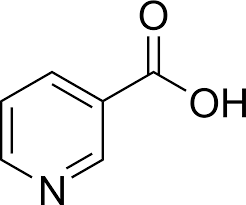
 

Are there any positive uses for Heterocyclic Amines?

Heterocyclic amines, despite their potential mutagenic properties, have several positive uses. Pyridine, a type of heterocyclic amine, is utilized as a flavoring agent in various food products, enhancing taste and aroma. Additionally, pyrimidine and purines, which are also heterocyclic amines, play an essential role in nutrition as components of vitamins B1, B6, and niacin, contributing to vital metabolic functions.

Moreover, purines and pyrimidines are critical to genetic and cellular processes as they form the nucleobases cytosine, uracil, thymine, adenine, and guanine. These nucleobases are the fundamental building blocks of DNA and RNA, which are essential for storing genetic information and supporting cellular activities.

How does the mutagen cause the change in DNA?

Heterocyclic amines (HCAs) cause changes in DNA by forming covalent bonds with DNA molecules, known as DNA adducts, during metabolic activation. When HCAs are metabolically activated by enzymes such as cytochrome P450 1A2, the amino group undergoes oxidation, followed by acetylation or sulfation. This process creates highly reactive mutagenic intermediates, such as nitrenium ions, which interact with cellular macromolecules, including DNA. These interactions result in the formation of DNA adducts that disrupt the genetic code within the DNA strand.

If these DNA adducts are not repaired, they can lead to mutations, which may alter the flow of genetic information in a cell. Such mutations can interfere with normal cellular functions and potentially increase the risk of cancer. HCAs have been shown to be potent mutagens in Ames/Salmonella tests and have been demonstrated to induce tumors in experimental animal models.

What effect can the mutagen eventually cause?

Heterocyclic amines (HCAs) can eventually increase the risk of various cancers, particularly in the digestive and reproductive systems. Studies have linked high HCA intake to cancers of the colon, rectum, breast, prostate, and stomach, with frequent consumption of well-done meats associated with elevated risks of colorectal, pancreatic, and prostate cancers.

 How can contact with the mutagen be prevented? Do any human activities cause an increase in contact with the mutagen?

Contact with heterocyclic amines (HCAs) can be minimized by adopting specific cooking practices that reduce their formation. Lowering pan temperatures, shortening cooking times, and frequently turning meat during cooking can significantly decrease HCA production while ensuring bacterial safety. Avoiding direct exposure of meat to open flames or hot metal surfaces, as well as refraining from prolonged cooking at high temperatures, can also help. Using a microwave to precook meat reduces the time it spends in contact with high heat, further lowering HCA levels. Additionally, removing charred portions of meat and avoiding gravy made from meat drippings can reduce exposure to HCAs and related carcinogens like polycyclic aromatic hydrocarbons (PAHs).

On the other hand, certain human activities can increase contact with HCAs. High intake of red and processed meats, as well as cooking methods like grilling, barbecuing, and pan-frying at high temperatures, lead to higher HCA formation. Epidemiological studies have linked frequent consumption of such meats to an increased risk of cancers, including breast, colorectal, and prostate. By adjusting cooking techniques and reducing consumption of overcooked meats, individuals can effectively limit their contact with these harmful mutagens.

Stats associated with the Heterocyclic Amines

I came across statistics linking mutagens, particularly heterocyclic amines (HCAs), to an increased risk of colon cancer. A population-based, case-control study conducted in North Carolina between 1996 and 2000 found a positive association between red meat intake and colon cancer. The study included 701 African-American and 957 White participants and reported odds ratios (OR) for various factors related to meat intake and cooking methods. Specifically, red meat intake was positively associated with colon cancer, with an OR of 2.0 (95% CI (CI= Confidence Interval): 1.3, 3.2). The strongest associations were found for pan-fried red meat (OR = 2.0, 95% CI: 1.4, 3.0) and well/very well-done red meat (OR = 1.7, 95% CI: 1.2, 2.5). The study also noted the strongest association for the HCA 2-amino-3,4,8-trimethylimidazo[4,5-f]quinoxaline (DiMeIQx), with odds ratios ranging from 1.8 to 2.0 across different levels of exposure. These findings suggest a modest, positive relationship between mutagens like HCAs in red meat and the risk of colon cancer.

References:

Pictures: 1 / / 3 / 4 / 5

Butler, L. M. (2003). Heterocyclic Amines, Meat Intake, and Association with Colon Cancer in a Population-based Study. American Journal of Epidemiology, 157(5), 434–445. https://doi.org/10.1093/aje/kwf221

Khalid, M., & Abdollahi, M. (2023). Carcinogen-DNA adduct formation and DNA repair (pp. 589–595). Academic Press. https://doi.org/10.1016/B978-0-12-824315-2.00651-5

https://www.cancer.gov/publications/dictionaries/cancer-terms/def/heterocyclic-amine. (2011, February 2). Www.cancer.gov. https://www.cancer.gov/publications/dictionaries/cancer-terms/def/heterocyclic-amine

Heterocyclic Amine – an overview | ScienceDirect Topics. (n.d.). Www.sciencedirect.com. https://www.sciencedirect.com/topics/pharmacology-toxicology-and-pharmaceutical-science/heterocyclic-amine

Mottram, D. S. (1998). Flavour formation in meat and meat products: a review. Food Chemistry, 62(4), 415–424. https://doi.org/10.1016/s0308-8146(98)00076-4

Salmon, C. P. (2000). Minimization of Heterocyclic Amines and Thermal Inactivation of Escherichia coli in Fried Ground Beef. Journal of the National Cancer Institute, 92(21), 1773–1778. https://doi.org/10.1093/jnci/92.21.1773

Zheng, W., & Lee, S.-A. (2009). Well-Done Meat Intake, Heterocyclic Amine Exposure, and Cancer Risk. Nutrition and Cancer, 61(4), 437–446. https://doi.org/10.1080/01635580802710741

National Cancer Institute. (2017, July 11). Chemicals in Meat Cooked at High Temperatures and Cancer Risk. National Cancer Institute; Cancer.gov. https://www.cancer.gov/about-cancer/causes-prevention/risk/diet/cooked-meats-fact-sheet

Sugimura, T., Wakabayashi, K., Nakagama, H., & Nagao, M. (2004). Heterocyclic amines: Mutagens/carcinogens produced during cooking of meat and fish. Cancer Science, 95(4), 290–299. https://doi.org/10.1111/j.1349-7006.2004.tb03205.x

Carvalho, A. M., Miranda, A. M., Santos, F. A., Loureiro, A. P. M., Fisberg, R. M., & Marchioni, D. M. (2015). High intake of heterocyclic amines from meat is associated with oxidative stress. British Journal of Nutrition, 113(8), 1301–1307. https://doi.org/10.1017/s0007114515000628

3 reasons why the “Kite Runner” by Khaled Hosseini Deserves a Perfect Rating:

0


Caution, spoilers ahead. 

The Kite Runner is unlike any book I’ve ever read. It’s raw and honest, offering a portrayal of life in Afghanistan that doesn’t hold back from the tough realities faced by its people. This novel is primarily an example of historical fiction in that it is set against a backdrop of historic events in Afghanistan, from the collapse of the monarchy to the rise and fall of the Taliban. Hosseini’s writing, though simple at times, captures the characters’ emotions in a way that makes you feel deeply connected to their journey and to a part of the world that is rarely seen through such a personal lens. 


1. The Narrative Structure: 

The way The Kite Runner shifts back and forth between Amir’s childhood and adulthood is seamless and serves a purpose: a parallel between his growing up and the turbulent change of Afghanistan. This structure within the story makes it much stronger, showing how much our pasts and history of our surroundings shape who we become. I noticed how Amir’s character evolves from idolizing his father and desperately seeking his approval to gradually becoming his own person, balancing his desire for validation with staying true to his own beliefs. I saw this particularly in Amir’s changing relationship with his father. As a child, he desperately seeks his approval, like when he tries to prove his worth by winning the kite tournament, but over time, he learns that seeking validation doesn’t bring true happiness, and he pursues writing against his fathers wishes, something his younger self could never have imagined. It is this character development throughout the story that stands out to me. 

2. Integration of Culture: 

One of the reasons The Kite Runner stands out is its deep cultural authenticity. Hosseini weaves Afghan terms, traditions, and familial values into the story seamlessly, enriching the narrative and offering a glimpse into Afghan culture without overwhelming the reader. This subtle inclusion, combined with his ability to write about family dynamics with raw honesty, makes the story deeply relatable, especially for readers with strong cultural ties of their own. I enjoyed tracing the timeline of the story, starting in 1975, and observing how the way of life in Afghanistan shifted over the years, for both the upper and lower classes particularly during the war. It was fascinating to follow the country’s history unfold alongside the characters’ journeys.

3. Incorporation of Friendship: 

Although The Kite Runner is known for its number of interpretations, my biggest takeaway from the book was how much a powerful friendship can impact one’s life. Despite the class divide between Amir’s privileged family and Hassan’s marginalized Hazara background, their bond remained strong. Amir’s father even treated Hassan like his own son throughout the book, regardless of societal norms and prejudices that saw such a relationship as unacceptable. This showed how genuine connections can rise above the barriers created by class, ethnicity, and societal expectations. Aamir’s father showed him how to love unconditionally, and this is beautifully encapsulated in the line “For you, a thousand times over.” This line was said twice in the story, having about a twenty-six year gap between the times when they were uttered. When Hassan says it the first time in adolescence, it reflects his devotion to Amir,, just a child doing a favour for a friend who he loved as a brother. Years later, when Amir says it to Sohrab (Hassan’s son), it carries the weight of his mistakes and serves as a promise of redemption and hope, as it is the first time he verbally shares that his own deceitfulness caused him guilt. It’s as if, in this moment, he is seeking forgiveness from the reader for abandoning Hassan all those years ago. To me, this line captures the heart of the story, how true friendship and love can endure, heal, and ultimately transform us.

Although the characters in The Kite Runner lived in a world vastly different from my own, their struggles felt universal. Hosseini explores themes of guilt, redemption, and love through characters who are both flawed and perceptive; they aren’t always likeable or moral, but they are undeniably human.

Khaled Hosseini brings his stories to life in a way few can. His books have earned their place among the greats of literature, and I look forward to what this remarkable author will share with us next.

sources: 12

Social Media and Cancel Culture : How Algorithms Fuel Outrage and Mob Mentality

0

In the digital age, cancel culture has become a dominant force in online spaces, shaping public opinion, and altering reputation in a matter of hours. Often driven by a desire to hold people accountable, cancel culture can quickly spiral into mob mentality, a phenomenon where individual judgement is replaced by emotionally charged, group-driven reactions. Social media algorithms play a crucial role in this process by prioritizing engagement-driven content, which is often sensational or controversial. This raises a critical question: how do these algorithms contribute to cancel culture and the spread of mob mentality, and what impact does this have on the way we interact online?

Algorithms Reward Controversial Content 

At the heart of the issue is how social media platforms like Twitter, Instagram, and TikTok are structured. These platforms use complex algorithms designed to maximize user engagement, which often means prioritizing posts that evoke strong emotions, like anger, frustration or outrage. Controversial posts and “call-outs” draw significantly more attention than mundane content, leading to increased visibility and faster speed.

For example, a single critical comment or post about a public figure can quickly gain momentum as users share, comment and react. This snowball effect can take something as minor as an offhand remark and turn it into a viral sensation. Social media algorithms recognize the high engagement and, rather than de-escalating the content, boost it further within feeds, perpetuating the cycle of courage and amplification. As a result, what may have been an opportunity for constructive criticism can rapidly transform into a full-blown campaign to “cancel” someone.

The Speed and Amplification of Outrage

With social media, the speed at which outrage spreads can be staggering. The moment an incident gains traction, users quickly mobilize, sharing posts, memes, and hashtag that intensify the backlash.

This leads to what psychologists refer to as mob mentality—a state where individual judgment is overshadowed by the collective emotional response of a group.

Mob mentality on social media has unique characteristics. The virtual environment allows people to respond instantaneously, often without pausing to verify facts or consider different perspectives. When users see a flood of similar opinions in their feed, they feel social pressure to join in, fearing that silence might imply agreement with the criticized behaviour. This collective piling-on effect is fuelled by what is known as the “echo chamber” effect, where people are primarily exposed to opinions and beliefs that align with their own.

For instance, a trending hashtag that criticizes a celebrity or influencer quickly gains traction as thousands of users share and retweet it, reinforcing each other’s outrage. In the digital echo chamber, dissenting voices are often drowned out, making it difficult for any real discussion or nuance to emerge. This one-sided backlash allows users to focus on the negative aspects of a situation, sometimes taking statements or actions out of context to justify their anger.

Mobs and the Erosion of Individual Agency
Mob mentality has a powerful influence on individual actions and opinions, often leading people to act in ways they might not otherwise. In these online groups, users may lose their sense of personal judgment, falling into “group-think” and going along with the crowd. This collective mindset can lead to impulsive and sometimes harmful actions, as people feel validated by being part of a larger, supposedly righteous group.

An example of this is when social media users “cancel” someone by spreading negative content, sharing old posts, and calling for boycotts—all without fully understanding the context or allowing for nuanced conversation. The mob feels justified in its actions, and individuals within the group feel empowered and righteous. Unfortunately, this mentality often leads to disproportionate responses, with people facing severe backlash for minor mistakes or misunderstandings. This toxic cycle can lead to significant harm, both to the individual being cancelled and the group, as it reinforces an “us vs. them” dynamic.

Platforms as Catalysts of Misinformation and Outrage
The role of social media companies in this cycle cannot be ignored. Most social media platforms are profit-driven; higher engagement levels equate to increased ad revenue. By rewarding posts that generate strong emotional responses, algorithms inadvertently promote cancel culture, with little regard for the potential harm caused. Platforms encourage users to engage without providing the tools or guidance to navigate complex discussions responsibly.

In some cases, social media companies take steps to intervene by flagging or removing content that violates their guidelines. However, the initial damage is often done long before the content is taken down. Algorithms ensure that the most sensational posts reach thousands, sometimes millions, of people in a matter of hours. Even if a post is later flagged or retracted, the outrage and mob mentality it spurred cannot easily be undone.

Platforms are often criticized for promoting this type of toxic engagement cycle, but they have little incentive to make significant changes. The very mechanics that make platforms profitable also drive the spread of cancel culture and mob mentality. Reducing outrage-driven engagement would likely impact their business models, making it challenging to enact meaningful reform.

Conclusion
The role of algorithms in cancel culture is significant. By amplifying outrage-driven content, social media platforms contribute to a culture that promotes knee-jerk reactions and mob mentality over thoughtful, constructive discourse. This amplification has created an environment where the loudest voices are often the most extreme, leaving little room for context, nuance, or forgiveness.

To counteract these effects, social media companies could explore options such as adjusting algorithms to prioritize balanced content, providing more context around controversial posts, or even creating spaces for mediation and constructive discussion. In the end, a healthier digital environment requires a shift from algorithms that fuel outrage to those that foster understanding. Only then can we move away from a cancel culture driven by mob mentality and toward a culture of accountability and growth.

3 Steps to a Perfect New Years’ Resolution

New Years is only a few days away, and it’s likely we’re all thinking of new goals that we want to achieve in 2025. But whether it involves writing a new journal entry once a week, going to the gym more often, or improving your grades, it’s well-known that New Years Resolutions are difficult to stick to.

Like everyone else, I found it incredibly difficult to stick to my Resolution. Until a few years ago, most of my Resolutions were forgotten in the second week of January. So I did a little more research into setting and reaching goals, and seeing as I reached my New Years Resolution in 2024 quite easily, I think I cracked the code to making and keeping a good goal.

Without further ado, here are my 3 Steps to a Perfect New Years Resolution.

1. How is it?

It’s quite easy to say what you want to achieve. A few common ones might include:

  • maintaining grades above 95%
  • reaching a certain weight/muscle mass/body fat percentage
  • getting a job/making more money
  • learning a new skill/hobby
  • getting organized

What we want to do is easy. But we tend to neglect how these things happen. It’s great to visualize these results, but we also need to remember that these results won’t be what we’re doing: instead, it’s the process. So shift your goal from achieving a final result into looking at the process instead.

For example, if your resolution is to get and maintain higher grades, think about creating better study habits. How will you change the way you study? If you want to get fit, think about how you can exercise and eat differently. What does your workout routine look like? If you want a job, think about how your resume could be sent out and restructured better. What kind of things can you do to improve your resume?

Goals are nothing without processes.

2. When is it?

Now that you’ve got a process, it’s time to make things a little more specific. When figuring out the “when” of a process, there’s two things to keep in mind:

  1. Make it specific
  2. Leave room for error

Specificity

In terms of making your goal specific, you should look at the repetition of your process. Is it a daily habit? Weekly? Monthly? Regardless of whichever it is, try to narrow it down even further. What time of day? What day of the week? What day of the month?

Narrowing it down to a specific time can help you fall into the habit of performing your process. It makes sticking to the Resolution more habitual and easier to repeat because you know specifically when to do it. It also destroys all procrastination.

For example, if your goal is to study for better grades, narrow it down to a certain time. “I will study daily at 6PM” holds you more accountable than “I will study more.” Or if you want to get and keep a job, “I will send out my resume to 3 different employers on Friday afternoons” holds you more accountable than “I will send out my resume to more people.”

Flexibility

Having talked about the importance of goal specificity, it’s also imperative to mention why you need to leave room for error. Life happens, sometimes you’re hosting a surprise party for your best friend, and sometimes you may be feeling sick. Expecting the year to turn out perfectly and exactly as planned is unrealistic.

So plan for error. If you don’t give yourself a little wiggle room, you’re likely going to give up completely after making a mistake or skipping a day.

How do we do that? Simply append the dependent clause “most of the time” to the end of your resolutions.

“I will study daily at 6pm, most of the time.

“I will go to the gym twice a week on Tuesdays and Thursdays, most of the time.

“I will begin to crochet a new pattern on the second weekend of the month, most of the time.

Adding a little room for error helps you stick to your goal even after you miss a day or mess up a few times. Otherwise, you may be tempted to give it all up after messing up once.

3. Where is it?

This step also has two subcategories: the literal and the figurative.

The Literal

Where do you plan on doing this new habit that will lead to your New Years Resolution goal? If you establish a physically designated area in your life to do your new habit, it will make sticking to your habit much easier when you’re in the area.

For example, if you’re trying to go the the gym more often, establish which gym you’re going to. If you’re trying to get a job offer, establish where in your house you will sit and apply to jobs. If you’re trying to study more, where in your house will you do that, or do you intend to go to the library?

Establishing a physical space can help you establish a habit by associating a space with a task. Most of us associate nighttime, beds, and silence with sleeping, so we get sleepy when those conditions are met. We associate pools with swimming, and libraries with reading, so why can’t we associate your new habit with its own unique space?

If you don’t have a new space, then simply make one. Change something about an existing space, and perform your habit so many times in the new space that you associate it with the space.

The Figurative

The figurative part of the “where” portion of New Years Resolutions is where we see the progress. A lot of these resolutions are measured by reaching the end result. But as mentioned earlier, the process is how we get to the result. The process is also what we’ll spend the most time doing, and if we spend a lot of time doing something but we see no progress, it’s likely we’ll get discouraged. That’s when a lot of people stop.

How can you track your progress if the end goal is your idea of success? Well, we have to change how we measure success.

So instead of measuring success as whether you finally got that beautiful six pack at the end of 2025, measure how many days you spent at the gym working out. Instead of measuring success as the percent on your transcript or report card, measure it in terms of individual grades or the hours you spent studying for something.

You’ll be more likely to continue with a goal when you see your tiny victories, instead of constantly waiting for the end goal. So set a way to track where your progress is. Here are a few ideas:

  • mark up a calendar
  • use a goal tracker
  • set a reminder
  • fill up a paper thermometer model

TL;DR

New Years Resolutions are tough to keep, unless you know how to keep them. Lucky for you, it’s quite easy once you do know how. So here’s the only 3 steps you’ll need to create a perfect Resolution for 2025:

  1. How will it happen?
  2. When will it happen?
    • both specifically
    • and flexibly
  3. Where will it happen?
    • both literally
    • and figuratively

Photo by Tim Mossholder on Unsplash

Why We Sleep: The Key to Better Health and Well-Being

Sleep is one of the most essential and restorative processes our bodies undergo, yet, it is often overlooked in our hectic lives. We all know how a good night’s sleep makes us feel better, but why is sleep so important? Let’s explore the basic science of sleep and the benefits it can bring both physically and mentally.

The Biology of Sleep: What Happens When We Sleep?

Sleep is a highly active process that helps us recharge both physically and mentally. The need for sleep is regulated by two main systems:

  1. The Circadian Rhythm: Often referred to as the body’s internal clock, the circadian rhythm regulates our sleep-wake cycle based on a 24-hour cycle. It helps us feel awake during the day and sleepy at night, largely influenced by light and darkness.
  2. Sleep-Wake Homeostasis: This is essentially the “sleep pressure” that builds up the longer we’re awake. The more you stay awake, the stronger your body’s need for sleep becomes. When you sleep, this pressure is relieved.
Why Sleep is Essential for Physical and Mental Health:

1. Physical Health Benefits

  • Immune System: During sleep, your body produces cytokines–proteins that help fight infections, inflammation, and stress. Chronic sleep deprivation can weaken the immune system and make you more vulnerable to illnesses.
  • Heart health: Sleep plays a role in regulating blood pressure and heart rate. Sleep can lower blood pressure and give your heart a chance to rest. Poor sleep is linked to an increased rate of heart disease, high blood pressure, and strokes.
  • Cellular Repair/Growth: During sleep, the body releases growth hormones that repair tissues, build muscle, and promote healing. This process is essential for recovery from illness, injury, or even a tough workout.

2. Mental Health Benefits

  • Cognitive Function: Sleep is key to memory, concentration, and cognitive performance. Lack of sleep can impair your ability to think clearly and retain new information.
  • Emotional Balance: Sleep can support emotional regulation. Poor sleep can lead to irritability, anxiety, and emotional instability. Chronic sleep deprivation is strongly associated with mood disorders such as depression or anxiety.
  • Mental Health Disorders: Long-term sleep problems can contribute to the development of mental health conditions. People with insomnia or sleep apnea are at a higher risk of depression, anxiety, and even psychosis in extreme cases.

Sleep is far from a luxury–it is a fundamental biological necessity. It is during sleep that our bodies can repair themselves, our minds can process emotions, and our brains can consolidate memories. From supporting immune functions to enhancing cognitive abilities, sleep impacts nearly every aspect of our health, so it is very important to make sure we always get a good night’s sleep whenever we can.


Sources:

A Sneak Peek into the Future: The Exciting Year of 2025

As we head into 2025, we should bring excitement, expectations and anticipation with us for whatever the future has planned. Apart from our personal lives, as a global community, we should all be aware of what 2025 means for humanity. Whether this be related to entertainment, sport or the launch of a game-changing product. In this article, we will uncover some possibilities held for us in 2025.


Top 7 things happening in 2025:


1) Universal’s Epic Universe

This theme park is nearly complete with its anticipated opening date to be May 22nd, 2025. This extraordinary theme park is located in Orlando, Florida and covers a whopping 750 acres of land. The theme park will be home to 3 hotels, shops, and unique attractions for visitors of all ages. With the opening of Universal’s new theme park, the entertainment industry will grow its wealth and popularity while providing their audience with exciting experiences.

2) World Athletic Championships

To all the athletes and sporting fans, the 2025 World Athletic Championships are being held in Tokyo, Japan from Saturday, September 13, 2025 to Sunday, September 21, 2025. These athletic games will be held amongst ~2000 athletes from 200 different countries. Such a global event will not only health the economy, however, it will also bring together talent and entertainment all in one frame!

3) The Release of ” Sunrise of The Reaping” By Suzanne Collins

For all of the book fans out there (especially ones who liked The Hunger Games), the 5th sequel of The Hunger Games is anticipated to be published on March 18th, 2025. While the last 4 books have been admired by Collins fans, the fifth book introduces some exciting content that readers across the world are excited to uncover!

4) The Launch of SPHEREx

This is a Spectro-Photometer which will be launched by NASA in February of 2025. Unlike past missions, SPHEREx will examine the history of the universe and the observatory will provide information on 450 million galaxies! Not only will this refine our knowledge on the universe, but it will also provide future astronomers (our generation) with the information to execute other revolutionary missions.

5) Expo 2025 in Osaka, Japan

For those who are unaware, Expo, also known as World Expo 2025, will be an event held in Yumeshima (an island) where visitors from all around the world will get to see the innovative solutions to global challenges and the approach towards sustainability. The motto for 2025 is “Designing Future Society for Our Lives.” While this isn’t one of the most popular events happening, its impact and offerings are focused on future society, hence we must stay up to date with such events. The event will go on from April 13th, 2025 to October 13th, 2025, with unique exhibits, cultural performances, and a diverse range of viewers.

6) Superbowl 2025

The Super Bowl is a classic event that grabs the attention of millions of people every year. Many viewers are football fans while others are there to watch the remarkable halftime shows. The 2025 Super Bowl is set to take place in New Orleans, Louisiana, and is scheduled for Feb. 9, 2025.

7) Concerts By Famous Music Artists

One of the most well-earning industries across the globe is the music industry in which popular music artists create a magical feeling at each of their concerts. In 2025, we start with Coldplay’s Music of the Spheres World tour taking place from January 9–September 8, 2025. Billie Eilish is also doing her “Hit Me Hard and Soft: The Tour” concerts from February 18–July 27, 2025. Additionally, Sabrina Carpenter, Dua Lipa, Oasis and other world-renowned artists all have concerts across the globe throughout 2025.

A Sneak Peek into the Future: The Exciting Year of 2025?-concerts

Conclusion

These 7 are just some of the hundreds of events happening in 2025. As we head into the new year, humans will continue to advance in ways we couldn’t have imagined. Both globally and as individuals, we have came a long way, hence, our goals should continue to involve positivity and hope!


Sources:


https://worldathletics.org/competitions/world-athletics-championships/tokyo25

https://abcnews.go.com/GMA/Culture/new-hunger-games-book-sunrise-reaping-cover-revealed/story?id=114852032#:~:text=novel%20on%20Wednesday.-,New%20’Hunger%20Games’%20book%20’Sunrise%20on%20the%20Reaping’,arrive%20in%20theaters%20on%20Nov.

https://www.jpl.nasa.gov/missions/spherex/

https://www.cbsnews.com/news/space-mission-launch-2025/

https://www.expo2025.or.jp/en/overview/

https://www.usatoday.com/story/sports/nfl/super-bowl/2024/12/25/super-bowl-59-date-time-location-tv/77213277007/

https://www.flightcentre.ca/window-seat/events-worth-travelling-for-2025

https://www.soapcentral.com/entertainment/most-anticipated-tours-2025-the-list-so-far

The Power of Voice: Why Freedom of Belief, Opinion, and Expression is Canada’s Most Valuable Right

0

The Freedom of Belief, Opinion, and Expression, including Freedom of the Press and other Media of Communication, is undeniably the most significant freedom protected by the Charter. This freedom is the basis for the rest of the freedoms; without this freedom, the rest become less applicable and specific. This general freedom protects all types of self-expression and beliefs.


Why is this the most important freedom?
  1. The first reason this freedom is the most important is because of our democratic society. With Canada’s representative democracy, we, as citizens, need to be able to express our thoughts on government policies, representatives, laws, and other initiatives in order for them to work. Democracy provides an opportunity to express ourselves, and this freedom unlocks it. With this freedom, we are able to voice our opinions and beliefs without fear. In turn, allowing us to share ideas, create change, engage in debate, and have political preferences. This freedom also encourages and empowers Canadians to participate in our government. This includes the press. Due to this freedom, the press is also able to share, educate, and influence citizens on their platform’s political stance. This allows us as citizens to gain information from news channels and make decisions according to it.
  2. The second reason this freedom is the most significant is that it promotes cultural diversity and tolerance within our society. Even though it is an ethical obligation to accept people of different upbringings, backgrounds, and their perspectives, often this isn’t the case. This freedom legally allows no restriction from fellow citizens and governments for an individual’s beliefs. This promotes a society and climate where diversity is accepted and celebrated instead of being suppressed. Also, this allows us to unlock the value of individual perspectives and allow all perspectives to raise awareness for different opinions. This freedom as well helps individuals express cultural beliefs and practices that help preserve individual and collective identities. Using this freedom, it creates tolerance and empathy for people of different backgrounds while combating stereotypes and all types of prejudice against individual opinions, beliefs, and expression.
  3. The last reason this freedom is the most important is that it allows social progress. While accepting feedback on our societal customs and systems, we as a society are able to progress and change ourselves when needed. Our charter allows us to criticize our society and government, and accommodate those around us. With this freedom, we are given free power to be whoever we please and spew the words we want (without passing the fine line into hate speech). We are able to express opinions about current issues without fear of persecution, and so is our press. Our press is also able to report and expose injustices and corruption about our own and foreign governments. All these benefits that we are guaranteed through the Canadian Charter allow us as a country to progress into a future that addresses and accommodates our changing needs.


The Freedom of Belief, Opinion, and Expression, including Freedom of the Press and other Media of Communication stands as the most significant freedom provided to us from the Canadian Charter. It serves as the foundation of democracy by allowing individuals to challenge our system and encourages the exchange of governing ideas. Furthermore, this freedom also promotes cultural diversity by preserving individuals while allowing everyone to express their beliefs without persecution. Overall, this creates more acceptance and value for individuality and celebrates our identities in a multicultural society. Lastly, it promotes change; Canada could never have reached where it is today without the advocacy from its citizens. This freedom reinforces the idea of progressing our country to a place where we all are accepted. As the most significant freedom, the Freedom of Belief, Opinion, and Expression leads our society to greater understanding, tolerance, and progress.

Are Homework-Free Weekends the Solution to Student Burnout?

0

Introduction

Student burnout is a growing concern in the current educational landscape. The relentless demand for academic excellence leaves many students feeling inundated with homework, extracurricular commitments, and social pressures. This overwhelming load can lead to significant stress, anxiety, and even physical fatigue. A promising approach being discussed is the implementation of homework-free weekends, which would provide students with the opportunity to relax, rejuvenate, and engage in activities outside of their academic responsibilities. However, the question remains: is this strategy an effective remedy for burnout, or is it an overly simplistic fix?

The Problem of Student Burnout

Student burnout arises from the relentless demands of academic life combined with insufficient leisure time, resulting in chronic stress, fatigue, and deteriorating mental health. Many students find themselves dedicating countless hours to homework each night, which severely limits their opportunities for essential activities such as sleep, relaxation, and socializing with friends and family. This unending cycle of academic obligations can leave students feeling overwhelmed and detached from other important areas of their lives.

The implications of burnout extend beyond mere fatigue; they significantly impact academic success. Research indicates that excessive homework can hinder students’ ability to retain information, concentrate during lessons, and stay motivated. As the workload increases, students often find themselves ensnared in a vicious cycle of stress and exhaustion, where their fatigue impedes effective studying, ultimately leading to even greater stress levels.

The Benefits of Homework-Free Weekends

One major advantage of having weekends without homework is that it gives students a chance to rest. After a hectic week filled with classes, activities, and assignments, students really need time to unwind. With free weekends, they can sleep in, relax, and take care of themselves, which is important for their mental and physical well-being.

Moreover, weekends can offer more opportunities for family and social interactions. Students can enjoy quality time with their families or dive into hobbies that encourage creativity and relaxation. Engaging in these non-school activities helps them lead balanced lives and eases the pressure of always feeling busy.

Another important benefit is that it can boost students’ productivity and focus during the school week. When they have time to recharge, they are likely to come back to school on Monday feeling refreshed and ready to learn. Instead of feeling tired and stressed, students can better handle their schoolwork and perform well.

Challenges to Consider

While the idea of having weekends without homework sounds good, there are some problems to think about.

Some teachers believe that homework is important for helping students remember what they learned in class. If there’s no homework, students might struggle to keep up or forget important information. This is especially true for those in tougher classes or for students who find certain subjects hard, as practicing at home can be crucial for understanding challenging topics.

Another issue is that not all students face the same amount of pressure. Some might already be busy with sports, jobs, or other schoolwork. For these students, not having homework on weekends might not really help lower their stress levels.

Moreover, teachers might feel pressured to cover all the material during the school week. If weekend homework is cut back, they may have to cram more into the weekdays, which could make classes more intense. This might not help students who are already feeling stressed out.

How Schools Could Implement Homework-Free Weekends

To make homework-free weekends work well, schools should think carefully about how to do it. Instead of getting rid of homework completely, they could try giving less homework or making it optional on weekends. For instance, teachers could assign smaller tasks that are easier to handle and don’t take too long to complete.

Schools might also want to focus on giving meaningful homework that helps students understand important ideas, rather than piling on a lot of work that feels too much. Allowing flexible deadlines for weekend assignments could help students manage their time better between school and personal activities.

Another option is to test homework-free weekends in certain grades or subjects first. By trying it out on a smaller scale, schools can see how it affects students and teachers, and find out if it helps improve students’ happiness and school performance.

Conclusion

Homework-free weekends might not completely solve student burnout, but they can really help lower stress, encourage relaxation, and boost mental health. Giving students a chance to unwind can lead to better sleep, stronger friendships, and more motivation when they head back to school on Monday.

However, this idea does come with some challenges and would need careful teamwork among teachers, parents, and students. In a time when mental health problems and school pressures are increasing, it’s important to think about how simple changes, like having weekends without homework, can greatly improve students’ well-being and success.

Bibliography
https://ed.stanford.edu/news/more-two-hours-homework-may-be-counterproductive-research-suggests
https://www.publicschoolreview.com/blog/homework-free-weekends-the-ongoing-debate-over-how-much-homework-is-too-much
https://www.washingtonpost.com/local/education/a-homework-free-weekend-relief-for-time-starved-high-school-students/2017/10/21/0feccf12-b353-11e7-a908-a3470754bbb9_story.html

The Influence of New Year’s Resolutions: How they Determine Your Year

A Fresh Start

The upbeat pop music blasts louder than ever as a rich, harmonious voice announces, “It’s time for the countdown!” Hundreds of people rush to gather in a group, all simultaneously counting: “10… 9… 8… 7… 6…” The energy of the room builds, growing more ecstatic with each number. “5… 4… 3… 2.. and 1!” An exhilarating jolt of electricity fills your body from head to toe as you join in and scream, “HAPPY NEW YEAR!” A cheer louder than that of a stadium crowd fills the room as you and your peers celebrate a night you’ll never forget. Happy New Year! It’s the phrase people say when the clock hits 12:00 AM on January 1st, marking the start of a 365-day journey for millions of people around the world. As the excitement of New Year’s Eve fades, many individuals turn to their yearly tradition of starting their resolutions. This a promise to an individual to either begin doing something good or stop doing something bad in their life. In this blog, I’ll explore the importance of a New Year’s resolutions and provide tips on how to follow through on them.

The Impact of Resolutions

New Year’s resolutions are much more than just a silly tradition. Depending on your success or the type of resolution, they have the power to determine the tone for your entire year. Resolutions are able to motivate us by providing a clear goal to channel our energy into a positive change. When setting a specific goal, we create something to work toward. A focus like this inspires us to create meaningful changes, whether that’s through breaking a bad habit or learning something new, overall bettering ourselves and paving the way to success. A New Year’s resolution doesn’t necessarily need to be a huge change in your life. Even setting small, realistic goals shows your willingness to change, and being willing is the most powerful first step to long term self growth. Once we start challenging the goal we set, a ripple effect in self growth happens. For example, if our goal is to stop eating fast food and we notice a positive change in our health, we’re more likely to want to continue this healthy life style. This could lead to us going to the gym more or cutting out other unhealthy habits, like alcohol or foods high in sugar. See how one goal is able to snowball into many more goals?


Why Resolutions Fail (and How to Avoid that)

the year 2025 in the palm of someone's hand
Photo by Kelly Sikkema on Unsplash

Before we can figure out how to stick with a resolution, we must first understand why they fail. According to U.S. News and World Report, an estimated 80% of New Year’s resolutions fail. Lets face it, committing to something for an entire year is extremely challenging, especially for those who aren’t truly passionate in why they’re doing it. There are countless of reasons why we may lose commitment, such as creating unrealistic expectations, lack of specificity, life getting in the way, not celebrating smaller wins, lack of accountability, and many more. Looking at all these reasons, it makes sense why 80% of resolutions fail. Creating a resolution and actually sticking with is extremely hard; self growth and change aren’t things that can happen overnight. You need to truly want to change, otherwise you’ll fail over and over again. However, this doesn’t mean it’s impossible. There are just as many ways to ensure you complete your goals as there are reasons why they’re so challenging. That’s why I’ll be sharing with you a few strategies to ensure your resolutions don’t fail this year.

1. Set Meaningful Goals

It’s extremely important to set meaningful resolutions, otherwise there isn’t a point in doing them. When resolutions are meaningful, they align with your life, not only increasing your motivation but actually providing value in your life. Not everyone needs to improve their writing skills if neither their job nor any of their hobbies involve writing.

2. Set Realistic goals

Setting realistic goals is one of the most important things you can do. If you set a goal and it’s way out of your reach, it will be impossible to complete, leading to feelings of uselessness and a loss of motivation since you didn’t achieve your goal. It helps if you start small and work your way up, rather than tackling all your challenges at once.

3. Create a Plan

Planning your resolution properly not only helps with clarity but allows you to set boundaries and be able to solve problems easier.

4. Celebrate Small Wins

Celebrating small wins allows you to take a step back and really see the positive effects your new goal has brought you. Celebrating one week of going to bed before 10:00 p.m. every day might seem silly, but just a week ago, this could have been out of your reach. Take a minute every now and then to appreciate the progress you’ve made because it’s amazing, and it’s what allows you to reach your final goal.

5. Hold Yourself Accountable

Nobody is perfect, and this means that, yes, there may be a time during your journey when you fail. However, just because you fail once doesn’t mean you need to abandon your overall goal. As I said previously, you cant just make a change overnight, so failing is okay. However, make sure you are able to appropriately discipline yourself so you can stay on track with your goals.

6. Be Flexible and Adapt

Life is extremely unpredictable, you never know what may happen. Because of this, you may not be able to complete your goal as originally intended, and that’s okay. However, that doesn’t mean you should give up on your goal entirely. Just because you can’t go to the gym for an hour everyday doesn’t mean going to the gym three times a week isn’t a huge improvement from where you were before starting your goal.


Final Thoughts

Ultimately, those are the best tips I can give you. However, knowing these tips alone won’t guarantee success. In order to achieve success with any goal, you need to be the one who takes action. Otherwise, nothing will happen. If you’ve read this post to the end, I highly encourage you to share these strategies with everyone you know. Who knows, you might end up being the reason someone completes their resolution.

Major Causes of Loneliness in Students

In the past few years, across Canada, a growing number of students have reported feelings of loneliness and isolation. In 2023 alone, nearly 18.6% Canadian students reported always feeling lonely, while an additional 38.5% reported sometimes feeling lonely, both figures surpassing the average among all Canadians by over 5%. Behind each of these statistics are thousands of students across Canada, some of whom may be fellow students in our school, and when moving to connect with those students, it’s important to examine the primary causes of loneliness that they could be feeling.

  1. Lack of Connections / Friendships
    School can be, and often is, a stressful environment for students. One essential aspect of helping students navigate their environment are friendships. In a larger sense, friendships can allow students to keep themselves grounded to their lives outside of school, and the lack of strong friendships is among the most obvious reasons for feelings of loneliness. Among Canadian students, only 22.9% of boys and 35.2% of girls reported strong levels of social support from friends, representing a significant majority of Canadian students who do not receive adequate support from their friends to deal with the problems they may face.
  2. Overbearing Schoolwork
    As students grow older, the amount of work expected upon them increases. But simultaneously, the amount of time to allocate throughout the day remains the same. Meaning that, for students, as their workload increases, they have to shave off time from their extracurriculars, their hobbies, their friendships, and even their sleep. As a direct result of having to decrease their social activities, feelings of loneliness and isolation can easily ferment.
  3. Lack of Socialization Outside Of School
    For many students, school is one of the only opportunities for socialization with others on a regular basis. Whether it be a lack of appropriate friendships, or an inability to make time for gatherings, the fact remains many do not often hang out with their friends outside school, and this contributes to feelings of loneliness. In 1994, 48% of boys and 32% of girls reported spending time with their friends outside of school multiple times per week. By 2010, that figure had declined to 32% and 25% respectively.
  4. Obsessive Social Media Usage
    Social media usage, and its meteoric rise in the past two decades, is one of the biggest reasons for an increase in feelings of loneliness. Scientific studies from the National Library of Medicine have proven that, when social media usage was limited to just 10 minutes per day, rates of loneliness and depression decreased dramatically. This is due to the fact that social media algorithms often are designed to push content that is tailored to a specific person’s interest, limiting the amount of connections they can make with others online. Additionally, an increase in social media usage is most often paired with a decrease in face-to-face interactions, which again contributes to feelings of loneliness.
  5. Loss of Friendships
    One of the most isolating experiences a student can have is when they lose a friend, especially one they were close to. A report from 2015 indicates that just 1% of friendships formed during Grade seven last until Grade 12, and all of those friendships have a high likelihood of dissolving within the first year. Losing a friendship, particularly one that’s lasted multiple years, can be incredibly tough on both students involved, and easily contributes to feelings of loneliness by literally decreasing the amount of social interactions a person can have.

Sources:

  1. Statistics Canada – Loneliness by selected sociodemographic characteristics
  2. Social media use, connections, and relationships in Canadian adolescents
  3. Chapter 5: The Health of Canada’s Young People: a mental health focus – Peers – Canada.ca
  4. Associations between social media use and loneliness in a cross-national population: do motives for social media use matter? – PMC
  5. Study shows most teenage friendships doomed to fail: but whose fault is that?