Youth Are Awesome, commonly referred to as YAA, is a blog written by youth for youth.
YAA provides the youth of Calgary a place to amplify their voices and perspectives on what is happening around them.
Youth Are Awesome is a program of Youth Central.
Any views or opinions expressed on this blog belong solely to the author and do not represent those of people or organizations that the blog may be associated with, unless explicitly stated. All content is for informational purposes only.
Everyone has or had them. Even if you think you don’t, you might just have outgrown your birthmarks. Some people are aware that the origin of birthmarks stems from either an excess of skin pigment cells or an excess of blood vessels. and there are many various types of these skin patterns, coming in creative different shapes, colors, and sizes.
They’re unpreventable and mostly unrelated to trauma during childbirth. No genetic cause has been identified behind these mysterious markings. Birthmarks aren’t exclusive to humans, but appear in animals as well.
Interestingly enough, that’s the extent in a nutshell of what scientists have uncovered. That leaves one question remaining. What purpose do they serve? Where do they even come from? How has no one figured this out yet??
Fire. Earth. Air. Water.
Naturally, as humans do, unknown properties unexplainable by science is best explained by superstitious logic. Cultures around the world have harboured many differing theories as to why these markings exist.
You Witch…
During the Salem Witch trials, people believed that birthmarks like moles or whatnot were a sufficient indication that one was a witch, and would persecute that man or woman with death because of it. Not limited to the reason for birthmarks. 200 people were accused, and 25 pitiful citizens were executed.
Maternal Cravings
European, Spanish, Italian, and Arabic cultures thought that birthmarks were the result of the mother’s cravings during pregnancy. For example, if the mother really wanted strawberries and ate them, then the child would bear some strawberry-ressembling birthmark. Somewhat similarly to Japan, they had a saying where if a mother stares into a fire, then her baby will be born with a burn mark.
Karma!
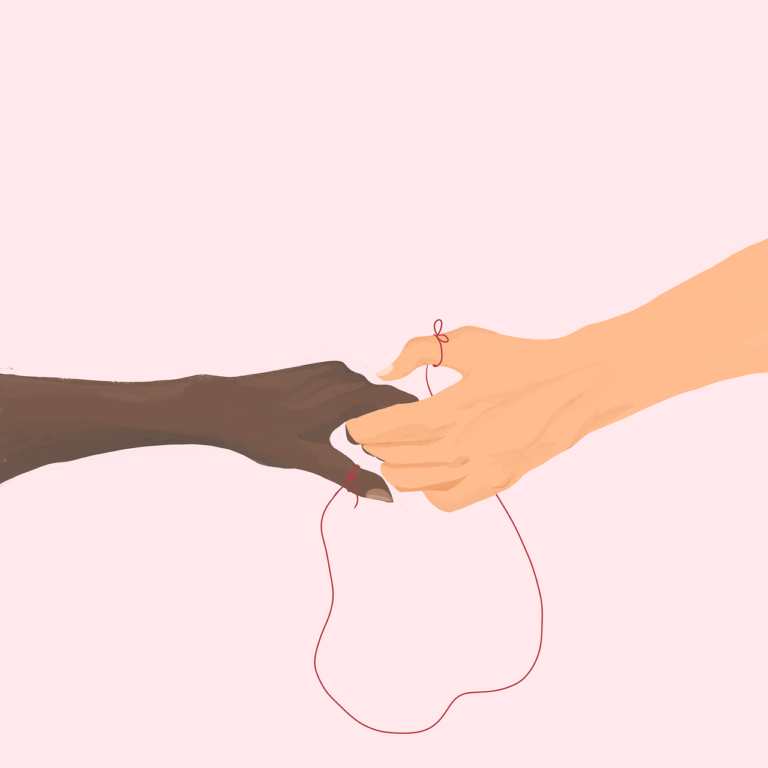
In Asian cultures, birthmarks represent injuries or karma from their past life, or a sign to help identify a reincarnated person. They could also point at an animal spirit, an astrological sign, or a red string to recognize your soulmate.
Zodiac Signs but On Your Skin
Some even suggest that birthmarks represent your personality or future, depending on their shape and location. For example, if you have a circular or oval birthmark, it can indicate a long, harmonious life with good health. And bonus points if it’s on the head because that’s the sign of a natural leader!
TLDR;
Scientists have no idea what the purpose of birthmarks is, but many cultures around the world all presume vastly different and interesting theories about them.
Imagine being an ant, minding your own tiny ant business, and suddenly your brain gets hijacked by a fungus and within mere moments your fate as a vessel for ophiocordyceps unilateralis spores has been sealed. Welcome to the world of the zombie ant fungus, a parasitic organism that, before killing its victims, turns them into mindless, walking spore dispensers. Yes, it’s as creepy as it sounds, and yes, it is the source of the zombie outbreak in The Last of Us.
Once infected, an ant becomes completely brainwashed, abandons its colony and searches for a warm, humid location near the ground to lock into a “death grip” and wait for the fungus inside to grow and eventually sprout a stalk out the base of the ants head, effectively killing it and spreading new fungi babies. It’s pretty nonsensically messed up, but in reality this method of survival works very well, and the ophiocordyceps plays a vital role in ecosystem function. For the purpose of simplicity, I will be calling this organism the ZAF (Zombie Ant Fungus).
What is it?
The ZAF, one of the 144,000 species of fungi, is pantropical (a zoogeographic term describing creatures that thrive best in the tropical regions of both hemispheres) and primarily affects carpenter ants. While some studies suggest multiple specialized strains, others indicate a more direct relationship between species without any complex branching off.
How does it work?
The ZAF begins as a spore on the forest floor that attaches itself to a passing carpenter ant without triggering a defensive response (as you can see, this could be a major driving point in carpenter ant adaptation). After this, the fungus germinates (the development of a plant from a spore or seed) creating hyphae (long, threadlike filaments in fungi that serve to breach food sources and absorb nutrients after digestion) which penetrate the ant’s exoskeleton.
Once inside its victim, the ZAF manipulates the ant’s behavior and patterns of movement, rendering it unresponsive to external stimuli. The ant abandons it’s colony and refuses to engage or interact with members, climbing far off into the forest. Most research suggests the hyphae enter the ant’s bloodstream and forms concentrated networks of fibers around its muscles and nervous system directly, rather than controlling its brain.
As a result, the ant locks its mandibles in a death grip and the ZAF ingests the creature from the inside out, erecting a stalk from its head and continuing the cycle with new spores.
Why only carpenter ants?
This fungus has evolved to be extremely specialized and only targets one particular type of compound ant species found in tropical and temperate forests.
Why is it important for ecosystems?
This advanced mechanism of self-propagation has many benefits in the natural world.
While it may be unsettling and gross to us, these silent attackers operate in the favor of creatures like the board leafed evergreen and milkweed aphid.
Firstly, the ZAF helps with ant population control and promotes ecosystem prosperity by managing the amount of greenery consumed and damaged by ants.
Millions of other insect species in these habitats also depend on plants for their survival, including aphids, grasshoppers, caterpillars, beetles, and other ant species.
Furthermore, it serves as a natural disease regulator and prevents mass outbreaks within tightly packed ant colonies, and stabilizes the ecosystem of forests, maintaining a balanced, diverse and sustainable landscape.
Surprisingly, the ZAF can also be used in medicine and science as researchers are interested in its potential for helping develop new anti-cancer medication or immunomodulatory agents (substances that can modify your immune system’s functioning so it is more effective by decreasing or increasing your immune response).
Finally, the ZAF forces ants to develop defenses, identify diseases and protect their colonies, which in turn propels both organism’s evolution and adaptation.
So, the next time you think about crushing a mushroom you’ve found in your backyard, remember that it could be ophiocordyceps unilateralis… A reminder that even the creepiest organisms aren’t always as frightening as they seem.
Happiness is a skill you build over time, and it may look different for everyone, but one thing research and real life shows is that it comes from small consistent decisions.
Figure out what happiness means to you
Happiness looks different for everybody. For some it may be finding a bigger social circle, for others it could be spending more time alone. Figuring out what that may look like for you is the first step to building a better routine to make you happy.
Focus on changing what you can
Truth is that you can’t control everything that happens in your life, and recognizing that is important. What you can control is how you respond to it. Saving your time, energy, and efforts from things that are out of your control not only puts you at ease but creates freedom.
Practicing Gratitude
Focusing on the things you’re missing leads to constant dissatisfaction, while recognizing all that you have in the momentencourages contentment. Practicing gratitude, even for things you may not even noticing helps you acknowledge how much you already have, and how far you’ve come.
Take care of yourself
Your mental and physical health always go hand-in hand.Prioritizing sleep, exercise, and eating nutritiously. When doing these things consistently, your body often feels better and your mood usually follows.
Happiness isn’t always a permanent state but a habit that’s developed.
What do you listen to when you study? Lofi? Pop? OSTs? Metal? Do you push through utter, dead silence? Does it even matter?
While everyone’s experiences will differ, there are a couple patterns that I’ve noticed during my (pretty epic) academic arc from the beginning of tenth grade to now my final year in high school and I thought I would share some helpful tips from my own experience.
As a major music nerd who’s dabbled in a little bit of everything from punk rock to Shostakovich during study sessions, I’ve narrowed down the music that works best for me as I study. But before I dive into exactly what kind of music I listen to, there’s an essential question I need to answer first that will determine whether or not you even want to read the rest of this article.
What Makes Study Music “Effective”?
The short answer is that it should help you focus.
The long answer is that the energy of the music should match the level of the task. Studying a high-energy topic or learning complex concepts for the first time requires low energy music that helps you focus on understanding. On the flip side, if you’re simply maintaining current knowledge, high energy music keeps you alert and motivated.
Take my struggles with physics for example. While learning about complex concepts like uniform circular acceleration and Newton’s Laws, I put on low attention background music. When I feel confident in my skills, I turn on the high energy music that matches my mood. If I switch the two, I feel distracted or bored.
Honorable Mention: Video Game OSTs
Any gamer can tell you about a time where they gamed for a little longer than they intended. Games are designed to keep you hooked; that includes the music.
Video game companies have teams of professional music and sound developers to create immersive and intriguing audio. Similar to cinema, a good soundtrack changes a simple game into a memorable one, creating immersion and “setting the atmosphere” (see source 1). As a general idea, “good” music invokes emotion. In the context of gaming, it helps reinforce narrative, mood, and foreshadow. But the important part here is immersion. Games are meant to be addictive, to pull you in and keep you there.
When used in the right contexts, we can use this beautifully designed music to our advantage. Studying to video game soundtracks can make you feel fully immersed (almost addicted, if you will) in your studies. It can invoke a subconscious sense of suspense or joy, depending on which one you choose. But err on the side of caution; if you choose a game that you play often, you might want to just play the game instead of studying. I usually pick games that I’ve had minimal contact with.
Here are the soundtracks I stick with:
Stardew Valley – relaxing
Minecraft – very slow, pretty relaxing
Super Mario – upbeat and exciting (and also very iconic!)
High Energy Music
When Should I Play High Energy Music?
You should play high energy music when you’re feeling tired, sluggish, or feeling unmotivated but you know the concepts. High energy music will get you through the boredom of endless practice problems and blurting sessions.
When NOT to Play High Energy Music
when you are trying to learn complex concepts
writing or reading dense material
when you are already in a heavy state of panic
Recommendations
The key is to try something new; there’s no risk to listening to new music and you might just find your new favorite song if you open your mind a little and consider some other genres. Keep your mind and your ears open as you browse this list!
It would take forever to list every song, so this is a boiled-down, condensed, evaporated and heavily filtered list sorted by genre. For the artists with nothing written after the name, I simply just couldn’t pick a few things to recommend and I’ll leave it to you to explore.
(Disclaimer: I don’t keep up with artists’ personal lives or know enough about their beliefs or actions to take any stances – I simply like their art. This list is not representative of my beliefs or values.)
Pop and Pop Rock
Taylor Swift albums: Reputation, Lover, 1989, Red, Speak Now
Sabrina Carpenter albums: Emails I Can’t Send (and all albums since then)
Olivia Rodrigo albums: Guts
Tate Mcrae: SO CLOSE TO WHAT, i used to think I could fly
My Chemical Romance albums: Black Parade, Three Cheers for Sweet Revenge
5 Seconds of Summer
Nirvana: Nevermind
Green Day
Fall Out Boy
Metallica
Older Rock
Queen: Bohemian Rhapsody, Another One Bites the Dust, Killer Queen, I Want to Break Free, Don’t Stop Me Now, We Will Rock You, The Show Must Go On
ACDC: The Razor’s Edge
Classical
(I’m a violinist, so this might be a bit biased)
Beethoven: 5th Symphony
Dvorak: 4 Romantic Pieces No. 2
Johann Wolfgange von Goethe: Erlkonig
Mozart
Shostakovich
Tchaikovsky
Paganini
Vivaldi: Four Seasons
Liszt
Stravinsky
OSTs
Super Mario Bros
Papa Louie 2 OST
Low Energy Music
When You Should Play Low Energy Music
You should play low energy music when you need something in the background, but you also need to enter a deep level of focus instead of a sense of flow and movement.
This is helpful when you’re learning something new and need to concentrate, or when you’re focusing.
When NOT To Play Low Energy
when you’re about to fall asleep
when you’re bored
if you really like the song and it’ll distract you
Recommendations
Some of these are albums, some are songs, some are pieces! Flip through and explore on your own.
(Disclaimer again: I don’t keep up with artists’ personal lives or know enough about their beliefs or actions to take any stances – I simply like their art. This list is not representative of my beliefs or values.)
Pop and Pop Rock
Taylor Swift: Folklore, Evermore, TTPD, Midnights (my personal favorite!)
Conan Gray: Wishbone
Billy Joel: Vienna
Lyn Lapid: The Outsider EP
Indie and Alt:
Tame Impala: Feels Like We Only Go Backwards, The Less I Know The Better
The Strokes albums: The New Abnormal, First Impressions of Earth, Is This It
Each and every day, thousands of people across the world protest against inequalities the world is throwing at them. Strong education systems, good-quality healthcare and reduced corruption are all necessities to any society, and when that isn’t provided, regardless of their age, people stand up for their rights.
Today we will be focusing on a youth-led movement in Morocco. Morocco is located in the northwest corner of Africa, and a new youth-led movement is shaking its political landscape. Morocco has a population of about 38.4 million, with both urban centers and rural areas seeing youth participation in activism, highlighting the movement’s broad reach.
What is this new youth-led movement?
Introducing “Gen Z 212”. A movement led by Gen Zs with “212” being a reference to the country’s international dialing code. After the post-partum death of 8 women in an Agadir hospital, youth have swarmed the streets demanding not just higher quality healthcare and education, but just for a more dignified life overall.
These deaths highlighted systemic underfunding and lack of resources in Moroccan hospitals, sparking nationwide outrage. These protests have happened not only in urban areas, but also many rural ones as well. Protests took place in over a dozen cities including Rabat, Casablanca, Agadir, and Marrakesh. Some of their famous chants include, “Dignity, freedom, and social justice”, and “stadiums are here but where are the hospitals?”.
How is this being organized?
Everyone knows about the most popular social media platforms, including Instagram and Snapchat, but a rising communication medium is “Discord”, which is where Gen Z 212 is organizing their protests and demands. With more than 250,000 members on this server, Discord is being used as a shield of anonymity. The server grew rapidly in just weeks, allowing youth across Morocco to coordinate actions and share resources.
On these servers, surprisingly, there is no expected systematic “hierarchy”. As in, decisions are taken by everyone and there is not necessarily any “leader” of the movement. They did this to avoid maximum chances for repression and co-optation. Repression is “the action of subduing something by force”, and co-optation is basically a strategic process where a dominant group absorbs or incorporates potential threats, like outsiders or dissenting groups, into its leadership or structure. This is often to manage opposition, reduce instability, or gain legitimacy, by offering them a role or power without fundamentally changing the system.
Progression of the movement:
This movement has grown exponentially across many locations in Morocco since mid September. The first street protests occurred in late September 2025. The first protests however experienced a great deal of violence, which was not what the movement intended to provoke.
Gen Z 212 responded to this escalation of violence by strictly reaffirming the non-violent nature of the movement while also reducing the number of people at each protest to reduce the chance of violent outbreaks. As they also began to incorporate the chant, “Peace, peace, peace”, the previously violent nature of the movement eventually began to reduce. Their demands also became more clear and they were published across a variety of social media platforms, specifically addressing core issues in Morocco including: free and universal quality education, accessible public healthcare, job opportunities for youth and the reduction of unemployment and more. Many documents filled with demands circulated across Discord, and consequently across Morocco.
The movement also made sure to remain non-partisan, rejecting any attempts to collaborate with any other political parties. This non-partisan approach was designed to protect the youth from co-optation and ensure the movement’s focus remained on societal issues rather than party politics.
Conclusion:
Overall, Gen Z 212 is an exciting movement, with a strong aspiration to improve the socio-economic state of Morocco. It is also an example of how digital platforms can enable youth to mobilize, coordinate, and influence politics without formal leaders or institutional backing. Let’s see how this story unfolds!
When we talk about advocacy, it can range from issues around the world: poverty, corruption, police brutality, inflation, hate crimes and more. But what happens when we look at the root of all of them? The answer is defined in the basic middle school classroom, known as colonization. This term is the cause of other processes such as gentrification and racism.
Over the last year, with monumental elections, the political landscape has grown more and more divided, with a range of opinions being spread on abortion, immigration, and the economy. And when individuals seem to exhibit apathetic and uncaring behaviour for attention and likes, this puts humanity on a pedestal. People may have been mocked for their appearance, their culture, or their interests, with people choosing “dark humour“ over basic empathy. But has social media also played a role in this? Has it also challenged negative perceptions of different races?
The Tiktok Controversy
Even if you’re not active on TikTok, a popular video surrounding mixed White and East Asian Americans is sparking debate and support from the African American community. On September 4th, 2025, the user @say_qis, who goes by the name Madeline, posted a video talking about how she can’t stop giving snark to white people at East Asian grocery markets, giving them the side-eye or the look of being displeased and rather annoyed with their presence.
There were two sides on the spectrum of opinions. On one side, people found it disrespectful given that she is mixed with white ancestry and she pretends she doesn’t identify with them. On the other, people are not taking it as seriously. Many East Asian content creators felt compelled to talk about their personal experiences with racist remarks and the obsession with proximity to white people to feel accepted. Their food and monolids being mocked by white people have caused them to not be as vocal for social issues, resulting in such cases going unnoticed, for the sole purpose of appearing more obedient.
Once again, these stereotypes and judgements have further separated their community and given them a weaker backbone. African Americans have come to support this discussion of negative behavioural patterns that have set their respective communities back, as inequality and injustice within judicial and legal systems continue to exist.
An Analysis on Digital Decolonization & Moving Forward
So, what does happen when people see how their lack of awareness, such as their proximity to white people, negatively impacts others in their community? Decolonizing thoughts that are filled with hurtful stereotypes and stigma around individual cultures arise.
For a long time, black people have been reduced to nothing but gang violence, sexualization, and slurs, but not enough people are educated on the reasons why. Seeing that the most common example of racism involves skin colour, black people have felt alone in their struggle to fight against the systems that don’t allow them to prevail.
However, this and the quarter zip trend have led to covert accounts of racism, but people of colour can learn to realize their worth and potential and advocate for issues surrounding them. This may mean taking the time to mention that their culture is of great importance and not just a trend in the media, or something for rich corporations or businesses to profit from, or for appropriation. It should be represented wholly and truthfully with no distortion.
Sometimes, we should be asking why inequality and other overlapping and recurring problems occur. We need to dig down the rabbit hole and not disregard things by assuming that it “isn’t that deep”. Because only then will things begin to change, and that’s what makes our world a better place. Let people be uncomfortable and disturbed while talking about history, since that’s the only way unprivileged communities can move forward. Making the top 10% accountable for unethical decisions is integral to the growth and rebuilding of a society where everyone can be equal and not tripped up by systems that outgrow them.
Colonization is still real and very much prevalent in identity. We remember the past to make the future a little easier and less burdensome for others.
Thank you for reading my opinion piece! Please provide your thoughts below on this topic or anything related to it. What other questions can we ask to beg for change? What things are currently stopping us from achieving complete support and advocacy? What kind of unity can we see between people of colour?
Love going to the movies, but hate the loud crowds, stale popcorn, and expensive tickets? Consider making the switch to Calgary’s local, independent entertainment spots and leave the big corporations behind!
Why Indie Theatre?
Going to the movies becomes a mundane & repetitive experience when visiting big-chain theatres owned by large corporations with multiple branches. With every theatre playing the same films and having the same experiences, whether it’s the snacks or the architecture, Calgary’s entertainment scene becomes oversaturated with blandness. Teens are left feeling bored when the movie theatre experience isn’t much different from binge-watching Netflix at home. Why go to the movies at all?
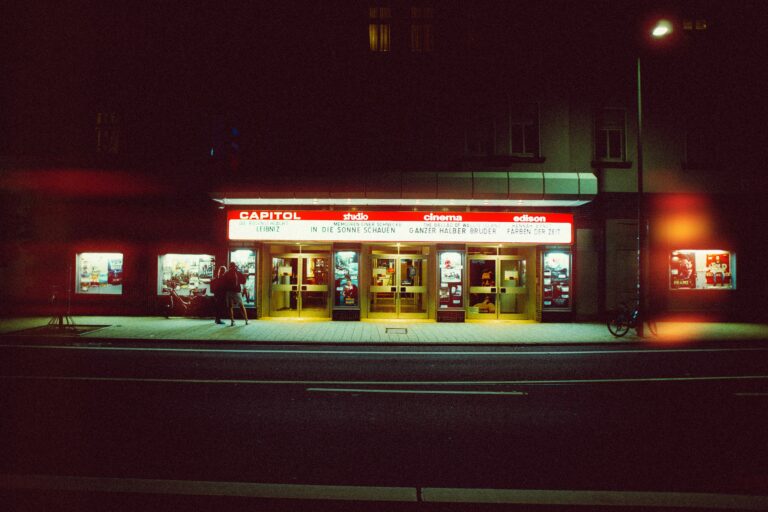
To avoid this, consider supporting Indie theatres during your next outing. These local theatres come with several benefits. When booking tickets, you’ll notice that they offer cheaper prices compared to the chain theatres. Additionally, you’ll beat the annoying crowds and get aesthetic pictures, since most Indie movie spots tend to go for a retro/vintage vibe when it comes to their architecture.
When visiting these theatres, you may notice the absence of currently trending, high-grossing box-office films playing on their screens. This careful curation of new media allows for niche talents to be showcased, while giving you the opportunity to see the film first, completely unbiased. You’ll be able to say you saw the movie first before it blows up on TikTok. Each ticket bought from these independent theatres allows for local businesses to stay afloat while keeping the city’s history alive.
Indie Theatres For Your Next Visit:
The Plaza Theatre
Photo posted by Adrian Tsang on Google Reviews
Address: 1133 Kensington Rd NW, Calgary, AB T2N 3P4
With the bright neon sign outside listing showtimes & classic red velvet curtains, the Plaza Theatre will give you all the vintage vibes you need. When it comes to food, popcorn and cold movie theatre food aren’t your only options. With a giant food truck and bistro-like seating area outside, you get delicious eats along with aesthetic pictures. As for the movies, they play everything from upcoming Indie hits to cult classics. After the sun sets and the hanging fairy lights come on, the whole scene turns into something straight out of a vintage romcom. Your Instagram feed will thank you after this one!
Globe Cinema
Image taken by Max K from Google Reviews
Address: 617 8 Ave SW, Calgary, AB T2P 0W9
Globe Cinema can be recognized from a block away thanks to the massive overhanging sign outside. Calgarians feel as if they’ve been transported to New York City thanks to the neon lights and the vibe of this theatre. Commonly referred to as “arthouse theatre”, Globe Cinema is for avid movie-lovers looking to watch high-quality films that remain underground/not popular. They play a wide variety of foreign films and ones from smaller film companies. If you’re ever in downtown, this theatre is a great pit stop.
Canyon Meadows Cinemas
Photo posted by Olly G on Google Reviews
Address: 13226 Macleod Trl #110, Calgary, AB T2J 7E5
If you’re looking for a blast from the past, Canyon Meadows Cinemas is like a time capsule. Walking in feels like you’ve stepped straight into a 90s movie with its neon accents and classic cinema carpet. With $5 tickets, this is the ultimate spot for teens on a budget. They also have a “Dirty Soda” bar where you can get TikTok-inspired drinks to sip on. They play classics on the big screens, like 10 Things I Hate About You (playing this week!) and The Polar Express, playing into the 90s-movie-theatre vibe. It’s cheap and has that retro charm that makes for a fun weekend hangout with your friend group.
Cochrane Movie House
Photo posted by Lesleigh White on Google Reviews
Address: 218 5th Ave, Cochrane, AB T4C 0S4
Sometimes you just need to get out of the city, and the Cochrane Movie House is perfect for a mini road trip. This family-owned spot has a warm energy and vintage architecture. It comes with all the small-town/old-timey vibes you can dream of, and feels more immersive than any big-chain theatre in Calgary. Grab a delicious scoop of ice cream from MacKay’s and then head here for a screening! Featuring everything from blockbusters to comforting holiday classics, the cozy atmosphere and friendly staff make the drive worth it.
Conclusion & TL;DR
The experience of a local theater is unbeatable compared to the same, boring experience you get at corporations. They remind you why movies are meant to be seen on the big screen with your friends and your family, and foster connections between yourself and your city. Whether you’re looking for the vintage aesthetic, cheaper ticket prices, or exploring the underground film scene, these independent theatres check off every box. By visiting them, you’re supporting the Calgary small-business scene and keeping Calgary’s history & culture alive.
The Plaza Theatre: Vintage romcom vibes, food truck eats, aesthetic photos
Globe Cinema: Days in downtown, “arthouse” foreign films
Cochrane Movie House: Weekend road trips, cozy, small-town experience
Next time you’re planning a night out, ditch the massive corporations and give one of these indie spots a try. Your wallet, your taste buds, and your social media will appreciate it.
Thrilling monster legends didn’t just appear out of nowhere; people often created them to explain the weird, the unexplainable, the supernatural moments of history. Before science stepped in, a strange shadow in the ocean or a skull with the wrong hole was enough to launch an entire legend.
What’s wild is how many mythical creatures actually started as real animals, misunderstood through fear, distance, or terrible medieval eyesight. Here are 10 legendary monsters whose origins are much less paranormal than they appear.
1. The Kraken – The Giant Squid
Before deep-sea cameras existed, all sailors had fleeting, terrifying moments: a tentacle slapping the surface, a shadow larger than their ship drifting below, or a dear squid washing ashore with eyes the size of dinner plates. Put yourself on a wooden ship in the 13th century, you’d swear the ocean was hiding a monster, too.
2. Cyclops – Mammoth Skulls
In Greece, early diggers kept finding huge skulls with a massive hole right in the center. They didn’t know it was for a trunk; to them, it looked like a single, enormous eye socket. Combine that with legends of ancient giants, and the Cyclops practically wrote itself. Mythology wasn’t necessarily lying, just interpreting paleontology through pure guesswork.
3. Mermaids – Manatees
Months at sea warp perception. So when sailors spotted manatees rising from the waves: smooth bodies, forward-facing eyes, humanlike posture, their minds automatically filled in the rest. The distance did the beautifying; the loneliness did the storytelling. Mermaids were less ‘seductive sea women’ and more ‘confused sea cow sightings’.
4. Basilisks – Cobras
Medieval writers claim the basilisk could kill with a single glance. But real cobras, especially spitting cobras, can blind you from meters away by aiming venom straight into your eyes. Stand too close, lose your vision, and you’d swear the creature’s stare cursed you. The myth grew because the apology was already dramatic.
5. Griffins – Desert Trades and Dinosaur Bones
Travellers crossing the Gobi Desert stumbled across fossils of Protoceratops, a dinosaur with a hooked beak and a lionlike body shape. To people who didn’t know dinosaurs existed, it looked like a half-lion, half-eagle creature guarding the sand. Merchants spun stories, and the griffin became a guardian of gold along the Silk Road.
6. Dragons – Giant Reptiles and Dinosaur Bones (again)
Different cultures invented dragons independently, which seems suspicious until you consider what they all saw:
Massive fossilized bones in cliffs
Crocodiles longer than people
Monitor lizards rearing up like monsters
People combined the evidence into a single creature, a prehistoric mash-up with fire added for that extra dramatic effect.
7. Werewolves – Rabies and Hypertrichosis
Before ‘werewolf’ meant iconic (or disturbing) Hollywood transformation scenes, it described people whose behaviour became suddenly violent, erratic, and animalistic. Rabies explained everything from biting to fear of water to a rapid change in personality. Add rare cases of hypertrichosis (excessive hair growth), and villages believed an infection could physically turn someone half-wolf.
8. Vampires – Diseases
Many vampire legends began with symptoms from conditions like porphyria, which makes skin extremely sensitive to light and can discolour the teeth or gums. Combine that with common tuberculosis outbreaks, pale figures coughing blood at night, and it’s no wonder towns believed something undead was walking among them.
9. Sea Serpents – The Oarfish
Oarfish grow up to 50 feet long, move like ribbons, and shimmer silver under the water. When one washes up, it looks like a serpent dragged out of a myth. Ancient sailors saw glimpses of these deep-sea giants and filled in the rest: coils, fangs, and tempests that followed in their wake.
10. The Yeti or Bigfoot – Bears (in terrible lighting)
Many ‘yeti’ footprints match the tracks of Himalayan brown bears distorted by melting snow. Likewise, North American ‘bigfoot’ sightings spiked during times when black bears stood upright to sniff the air. From a distance, especially at dusk, that looming silhouette becomes something far more legendary.
Next time you scroll past those ‘real supernatural creature’ photos, remember: most of them are just shadows, imagination, and the same animals that inspired centuries of myths. Or…maybe some are real, and somewhere, mermaids glide through the oceans while dragons soar across the skies.
Have you ever felt unwanted or unseen but still insisted on trying to make others care about you?
Do you try to force relationships, and cannot let people go?
If so, my friend, let me introduce you to the “let them” theory and outlook on life.
The let them theory is a way of thinking that isn’t new, just more popularized in part due to the best-selling book by Mel Robbins.
The core of this mindset revolves around personal growth and harnessing your own energy. As humans, we often struggle for control and do everything in our power to influence the outcomes of certain events. However, in actuality, this perceived control only makes us feel less secure and satisfied with our lives.
The belief prides itself on self-focus and personal responsibility. For instance, if your friends hang out without you, let them. If your crush ignores you, let them.
Embracing the fact that there are limits to your control, and letting things unfold naturally actually the greatest action of self-love you can enact. When we try to shape others’ behaviors or persuade people to act in the way we would like, we disappoint ourselves.
This theory is based on psychological research and cognitive studies that judge relationship health and personal satisfaction. This theory can help people feel less anxious due to the acceptance they feel towards things they cannot control.
When attempting to force relationships, it only makes them feel further away. This breeds frustration and contempt. By simply letting certain things go and accepting the fact that you can only control yourself, you become “free.”
This theory, in short, enables individuals to feel at ease in their own lives and let go of things that do not serve them.
The Brooks v. Safeway, a landmark case, delves into the often blatant sexism within workplaces and employment standards set by companies. Occurring at a Manitoba Safeway in 1989, three pregnant women named Susan Brooks, Patricia Allen, and Patricia Dixon, were meant to be covered under the company’s insurance plan, but were met with resistance due to the cause of their leave, which was pregnancy. The plan spoke to providing benefits after the loss of pay due to illness or an accident, but did not give full benefits for the period of 17 weeks to a pregnant woman.
On the Basis of Sex?
Why would women bring this case to court for a company policy? By explicitly stating and not providing full benefits to pregnant women during their inability to work, is a form of discrimination against both their sex and their family status. Safeway spoke to the reason this was that pregnancy was a voluntary condition in contrast to an illness which remains involuntary.
This statement, also used within their defence, removes from the both the importance of women within society as well as the importance as mothers. By failing to recognize what women (if they chose to have children) provide to society as a whole, is reflection of policies such as these. Pregnancy is unique to only women, meaning discrimination against pregnancy also known as maternity discrimination is on the basis of an individual’s sex.
Legal Issues
All three of the women filed a complaint with the Manitoba Human Rights Commission.In defence, the cooperation, as mentioned before, argued on pregnancies role as a voluntary condition, that could almost happen to anyone. Stating that no one received pregnancy benefits male or women, which within itself is a huge error. This was attempted to be molded in favour of the defence.
The MHRC ruled in favour of the women, finding the policy discriminatory on the basis of sex. Safeway, unhappy with this appesalec this to the Manitoba Court of The Queen’s Bench, who once again sided with the women, upholding the prior verdict. Remaining unhappy, the appealed once more to the Manitoba Court Of Appeal, and were met with success ruling in favour stating the policy applied to all employees equally, men and women. The women then further proceeded to the Supreme Court.
The Supreme Court
After the initial case, and two appeals by Safeway, the women had returned to the Supreme Court. With all nine justices, and the same arguments, the case’s fundamental remained the same.
All nine justices voted in favour of the complainants, including the first woman justice, Bertha Wilson, who stated the need for “substantive equality” within the workplace. The court sided with the women’s argument of the discrimination of sexes due to the nature of pregnancy being specific to only women, taking away and rejecting Safeway’s claim of the ‘gender-neutral’ policy.
Impact Felt Today
As a landmark case, the Brooks v. Safeway case provides us a glimpse of the harsh realities faced by women who work while pregnant. 12% of mothers have faced maternity discrimination, and therefore creates unfair and stereotypical assumptions about pregnant employees, taking away from their importance in the workplace that somehow vanishes when they decide to have a child.
Instead of being met with respect and care mothers deserve as the literal backbone of our society, they are met with unfair working conditions, and unreasonable plans such as the one faced by Susan Brooks, Patricia Allen, and Patricia Dixon.
This case set legal precedent and created awareness for the issues faced by pregnant women in the workforce. The Supreme Court deemed and stated that pregnancy discrimination is a form of sex discrimination, reaffirming the principal of substantive equality instead of regular equality. By recognizing the issues faced by specific groups of people, it creates policies applicable to all groups of people while catering to individual needs. Also ensuring employers to be more aware about their pregnancy standards and ensuring they meet human right standards and do not discriminate on the basis of sex.
A few days ago, Bondi Beach had been faced with a mass shooting during a Hannukah celebration. As the situation got worse, 15 people were killed and 40 were injured.
In honor of those dead and injured, surfers, pregnant women, and children gathered and swam or paddled to mourn over the lives that had been lost.
It was a silent circle of peace and as soon as the whistle blew people had cheered and clapped. Walkers and visitors who came to honor the victims had stood on the short to support the memorial.
They honor one of their victims, also their youngest one, a 10 year old. The community had crossed the footbridge where the shooters had first fired. As well as singing Waltzing Matilda, in honor of the victim who was named after their very own national anthem.
As Bondi Beach still mourns over the loss of this tragedy, many have stepped in to support and help out those who are in need of coping with the trauma they had faced.
On December 13, 2025, a gunman opened fire at the private Ivy League; Brown University. Amidst the chaos, 2 students were killed and 9 were injured. The attacker is still currently at large as Rhode Island Authorities continue their investigation.
The deceased identities have been confirmed as Mukhammad Aziz Umurzokov and Ella Cook, both students at the university.
Mukhammad was a freshman student who wanted to become a neurosurgeon to help others after struggling with a condition himself. He was known by his family, friends and peers as a kind soul, filled with light and joy.
Ella was also a student, and Vice President of College Republicans on the Brown University campus. She was known for her involvement on campus, from being a cherished member of her Sorority, and volunteer at her local church.
Brown is still in mourning, with all exams and finals cancelled as many students cope with the trauma from the event. As of Wednesday, December 17th the shooter is still not in custody, and footage is gradually being released as the search continues.
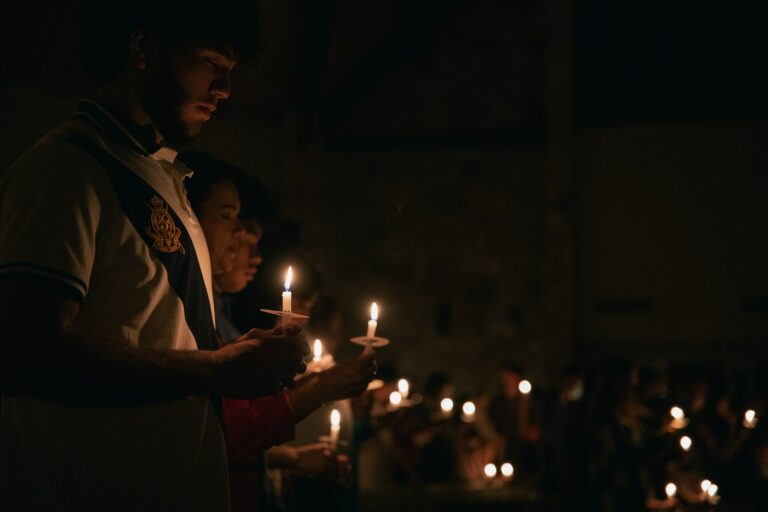
On December 15th hundreds of students, alumni, and other mourners gathered in the Brown University church to honour Mukhammad and Ella.
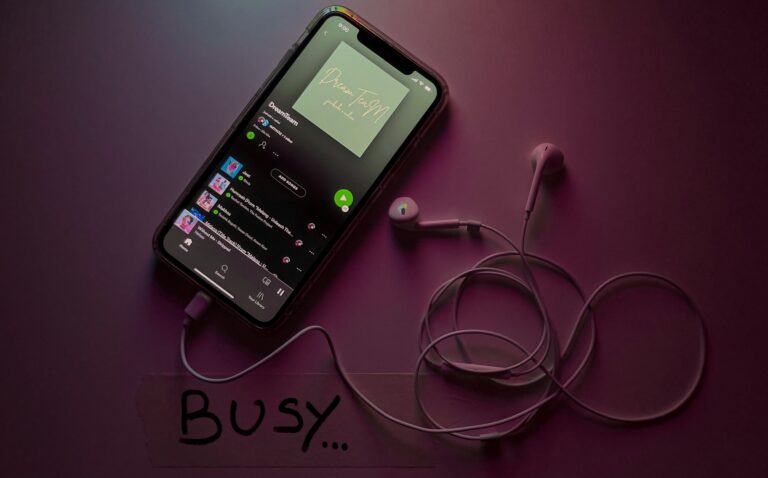
Every December, something predictable but still exciting happens. Spotify Wrapped drops, and suddenly everyone becomes a music critic, data analyst, and main character all at once. Instagram stories fill up with pastel slides. Group chats buzz with reactions. People feel called out, validated, or personally attacked by their own listening habits.
At first glance, Spotify Wrapped seems simple. It’s just data. Songs you played the most, artists you kept coming back to, minutes you spent listening. But Wrapped has become way more than a recap. It’s a cultural moment, a personal reflection, and a surprisingly powerful marketing move all rolled into one.
So why does Spotify Wrapped matter so much? And why do we look forward to it every year like a holiday?
What Is Spotify Wrapped (and Why Is It Everywhere)?
Spotify Wrapped is an annual feature that summarizes your listening habits over the past year. It shows your top songs, artists, genres, and how much time you spent listening. Spotify packages this data into a colorful, shareable slideshow designed to be posted online.
But the key word here is shareable.
Wrapped isn’t just about you seeing your stats. It’s built to be seen by others. Spotify knows exactly what it’s doing by making Wrapped easy to screenshot, post, and compare.
That’s why it explodes across social media every December. Wrapped turns private listening habits into public identity statements.
Music as Identity: Why Wrapped Feels So Personal
Music has always been personal, but Spotify Wrapped makes that personal connection visible. It takes something emotional and turns it into numbers and rankings. Suddenly, your taste feels official.
Image by Natalia Blauth on Unsplash
When you see your top artist or most-played song, it can feel like a summary of your year. That song you played on repeat during exams. The artist you discovered after a breakup. The playlist you listened to on late-night drives.
Wrapped works because it doesn’t just show what you listened to. It reminds you when and why you listened.
For many people, it becomes a timeline of emotions, not just a chart.
Why We Love Sharing Spotify Wrapped
Spotify Wrapped thrives on social comparison, but in a fun, low-stakes way. Sharing your Wrapped says something about who you are without you having to explain it.
It lets people say:
This is my vibe
Image by Getty Images on Unsplash
This was my year
This is what I sound like
There’s also a sense of performance. People joke about hiding certain artists. Others proudly flex their obscure genres or high listening minutes. Wrapped becomes a way to participate in a collective moment while still showing individuality.
The Genius Behind Spotify Wrapped (From an SEO and Marketing Perspective)
From a marketing standpoint, Spotify Wrapped is one of the smartest campaigns of the decade. It’s not just user engagement. It’s organic advertising on a massive scale.
Here’s why it works so well:
User-generated content: Millions of people share Wrapped without being asked
Seasonal timing: Drops during a quiet media period in early December
Emotional connection: Taps into nostalgia, identity, and self-reflection
Platform-specific design: Built perfectly for Instagram, TikTok, and X
Brand reinforcement: Spotify becomes part of users’ yearly routines
From an SEO angle, Spotify Wrapped dominates search trends every December. People search for:
“Spotify Wrapped release date”
“How Spotify Wrapped works”
“Why didn’t I get Spotify Wrapped?”
“How to see old Spotify Wrapped”
Spotify benefits from massive spikes in branded searches, backlinks, and social mentions, all without paying for traditional ads.
Why Spotify Wrapped Keeps Getting Better
Spotify updates Wrapped every year to keep it fresh. New formats, new features, and playful language help prevent it from feeling repetitive.
Some of the most popular additions over the years include:
Listening “personalities”
Genre breakdowns with creative names
Seasonal listening summaries
Shareable artist thank-you messages
By changing the presentation while keeping the core idea the same, Spotify avoids fatigue. Wrapped feels familiar but not stale.
The Emotional Side of Data
One reason Spotify Wrapped stands out from other data summaries is how human it feels. The language is casual. The tone is playful. It doesn’t sound like a spreadsheet. It sounds like a friend who knows you a little too well.
Wrapped doesn’t judge. It doesn’t tell you what’s “good” or “bad” taste. It just reflects your habits back to you and lets you decide how you feel about them.
That emotional neutrality is key. It makes people comfortable engaging with their results, even when they’re a little embarrassing.
Criticism and Limitations of Spotify Wrapped
As loved as Wrapped is, it’s not perfect. Some users point out that it doesn’t always feel accurate. Others notice that certain songs or artists seem overrepresented.
Common criticisms include:
Overemphasis on early-year listening
Ignoring shared or offline listening
Songs getting boosted due to short loops
Limited transparency about how data is weighted
Still, most users accept these flaws because Wrapped isn’t meant to be a scientific report. It’s meant to be fun.
Why Spotify Wrapped Has Become a Yearly Tradition
Spotify Wrapped succeeds because it blends data with storytelling. It gives people a reason to pause, look back, and reflect on their year through music.
In a world where everything moves fast, Wrapped offers a moment of reflection that feels earned. You didn’t fill out a survey. You just lived your life and listened to music, and somehow Spotify turned that into a story.
That’s powerful.
Final Thoughts: More Than Just a Playlist
Spotify Wrapped isn’t just about music. It’s about memory, identity, and connection. It reminds us that what we listen to matters, even when we don’t think about it consciously.
Every year, Wrapped answers a simple question: What did your year sound like?
And judging by how eagerly we wait for it, that’s a question we really care about.
Whether you proudly share every slide or quietly scroll through it alone, Spotify Wrapped has a way of making a year feel complete. And honestly, that’s kind of magical.
From measuring your body weight to measuring ingredients used for cooking, weighing scales are essential in modern life. But have you ever wondered how these intricate machines work or the history behind them? Weighing machines are one of the oldest scientific tools that humans have used across history. In this blog post, we will be taking a look at the history of how humans have measured mass, how modern mass scales work, and the difference between mass.
History of Measuring Mass
The act of measuring mass dates back to ancient civilizations, which was primarily used for trade and commerce. Here are some of the notable methods used to measure the mass of objects from across history:
The Balance Scale: This was one of the earliest known methods of measuring mass, which utilizes a lever with two pans attached to it. The object that is being measured is added to one of the pans, and standardized stones of known masses are placed on the other pans until the beam is level. The pan with the heavier side will lower, making the lighter side tilt upwards, and the intention of this scale is to level both sides.
The Steelyard: The steelyard is an instrument used by ancient Romans, which utilizes the principle of levers with unequal arms, for weighing goods. The beam is divided into 2 sides for the load and for the counterweight. Instead of adding multiple heavy counterweights, a single counterweight is moved along the long arm until the beam levels horizontally. The measurement is read from the notches on the beam where the sliding weight is stopped.
Spring Scales: The spring scale is an instrument that measures weight based on the displacement of a spring, and using Hooke’s Law, the force of gravity can be measured. This marks the transition from balancing masses to measuring the gravitational force.
Units: In ancient history, the units of measurement were often seeds. Other units include the grain of wheat, carats, which is still commonly used today for gems.
How Modern Mass Scales work
As technology has rapidly evolved, newer methods of accurately measuring mass have been developed. Modern digital scales convert mechanical pressure into precise digital data using complex mechanisms and electronic sensors. Inside the scale is a component called a load cell, which slightly bends as the mass is being placed on the scale. Tiny electric sensors detect this bend and convert it to an electrical signal, which is then translated into the numbers we see on the screen by microchips. As technology continues to evolve, new methods such as quantum weighing are being constantly developed to improve accuracy and efficiency.
Key difference between Mass and Weight
A common misconception that many people have is that mass and weight are the same. However, it is not the case as mass is a measure, usually in kilograms, of how much matter an item contains and never changes, regardless of where you are. On the other hand, weight is a measure of the force of gravity, usually measured in Newtons, that is being acted on an object and will change depending on the gravitational field. For example, the Moon’s gravity is about 1/6th of the Earth’s, meaning you would weigh significantly less on the Moon compared to Earth, while having the same mass.
On Earth, gravity is constant at about 9.81 m/s², so a scale provides a consistent reading, which we call weight, but is technically mass. However, this difference is crucial in space or on other planets, where gravity varies.
Following the nature of the holidays, it is important to spend time with your loved ones, create good memories, and become embraced in the holiday spirit. Calgary is one of those cities that provide a variety of holiday activities for you to participate in. These activities are perfect for you to hang out with friends, or family outings. Here is a list of three holiday activities that I believe showcase Calgary’s jolly attitude, which you can participate in with your loved ones.
Walk Through The ZooLights at the Calgary Zoo
Every Winter holiday, the Calgary Zoo transforms themselves into a “Winter Wonderland” with their ZooLights. The ZooLights consist of a display of over two million Christmas lights, creating a mesmerizing experience for anybody who wishes to spend their holiday here. It consists of:
Light Displays: Walk through and admire the Christmas lights
Holiday Activities: Roast marshmallows at fire pits and warm up
Meet Santa: There’s even a Santa for little ones to take photos with
2. Shop and Skate at the Chinook Blast
Chinook Blast is an event in Calgary that combines entertainment from the arts, along with outdoor fun. It consists of:
Outdoor Ice skating: People are able to skate through beautifully lit ice rinks
Outdoor Vendors: People can discover unique gifts and treats from local vendors, which can also make great Christmas Gifts
Live Performances: People are able to enjoy music, and art that can help boost their holly-jolly spirit
3. Visit Spruce Meadows Christmas Lights Display
Spruce Meadows is a community that is famous in Calgary for its spectacular Christmas lights display. In this event, you typically drive-through with your car. The event consists of:
Twinkling light displays: people are able to enjoy the dazzling lights, let alone be in the comfort of their own car
Holiday music: With Christmas music to get you in the holiday spirit, the event is friendly for all ages
*Note: If you are planning to go to the Spruce Meadows Display, be sure to get their earlier, as the lines can get very long*
Conclusion:
Whether it be checking out the Chinook Blast, or marvelling in the beauty of the Christmas lights at both the ZooLights and the Spruce Meadows Lights Display, Calgary offers many ways for you to spend your time on the holidays.