
 Who would like to move to Yukon? Surprisingly, from 1896 to 1899, more than 100,000 people migrated to Yukon, which at the time was considered as an unprecedented amount of immigration. Why did all these people all of a sudden move to the Yukon Territory, I hear you ask? We know they have great potatoes, and a lot of cold weather, but what else do they have? Well, back then, they had a lot of something much more valuable than cold weather or potatoes – gold.
Gold, element Au, the lustrous yellow metal, the coveted prize of many battles and raids throughout history. Gold has been considered valuable throughout human history due to its scarcity and its physical properties. Countries have been pillaged, homes have been raided, and mountains have been dug out, all for this substance.
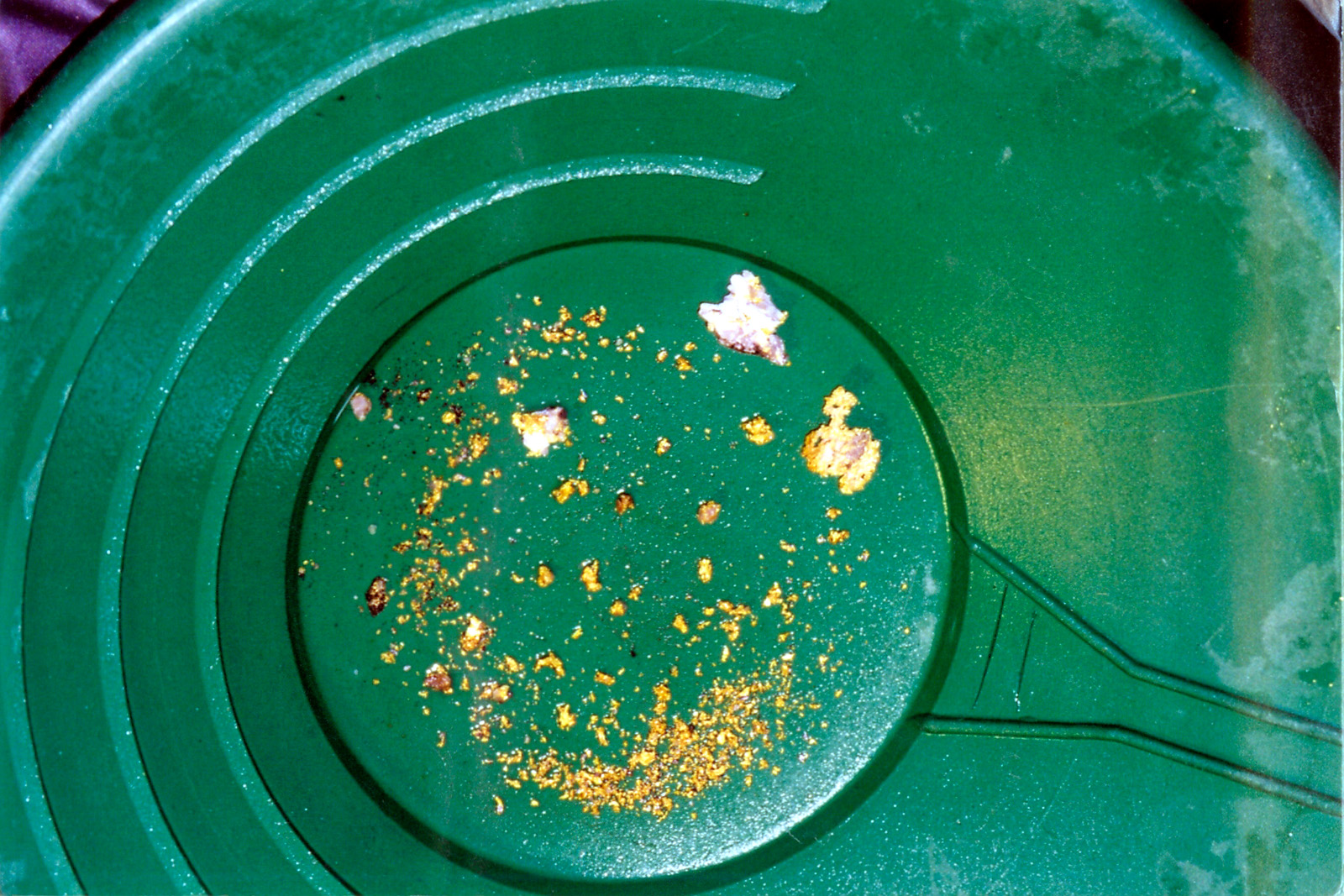
One day, an American prospector in the Yukon named George Carmack was exploring a river area with his wife, his nephew, and an Indigenous friend. Carmack panned for gold in the river, not expecting to find anything. But all of a sudden, he lifted his pan out of the water and realized that there were shiny yellow particles in it. Excitedly, he cleared his pan and did it again, only to find more gold flowing through the sediments of the river. Legend has it that he then rushed to the nearest registry station, emotionally shouting at the registrar to quickly make land claims for himself and his companions along the riverbank. Other prospectors around the registrar heard this, and immediately rushed up to make claims for themselves. The registrar was overwhelmed by the

panicking mob, and shouted for more help from his co-workers. Amid the chaos, some began to write to relatives in the USA, telling them about the gold that had been discovered. The news quickly spread, and before you know it, the Klondike Gold Rush was in full swing.
George Carmack ended up leaving the Yukon as a wealthy man with $1 million earned from his discovery. However, in reality, very few people got rich from the gold rush, and many people ended up dying in poverty. However, the legend of the stampede that the gold rush caused would be immortalized in Canadian history, with the founding of many gold-rush cities that still remain today and many films being produced about the circumstances of the prospectors. After large scale mining was completed in 1966 a total of $250 million in gold was mined from the region. There are still small mines operational in the Yukon, but nothing compares to the Klondike Gold Rush,
Information references: 1/2/3/4/5/


 As we reflect on 150 years of Canadian history in the making, our country definitely has many successes, milestones, and famous individuals to celebrate. But, what we also have are many unique stories that maybe didn’t earn us global recognition or put us on the map. It is important that we take the time to learn about and commemorate the tales that impacted, sometimes devastated hundreds of ordinary, everyday Canadian citizens. The incidents that our country learned from, got through together and became more resilient from. Events like the Frank Slide.
 Today, the town of Frank, Alberta, still lies in the shadow of the “Mountain the Walks.” (As an aside, Alberta didn’t become a Canadian province until 1905, almost two years after the incident, so at the time Frank was still classified as a community of the Northwest Territories). In 1985, the Frank Slide Interpretative Centre was built as a museum and tourist stop in order to document the Frank Slide and the region’s coal mining history. It still remains a popular destination receiving more than 100,000 visitors on an annual basis.


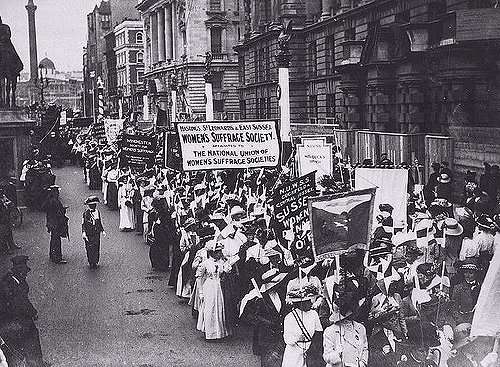
 The campaign for women’s suffrage in Canada began back in 1876 but was not fully achieved until 1919. Near the mid-1800’s, women began to feel excluded from activities that were mainly done by men and wished for equality for not just suffrage but for healthcare, education, and employment as well. During WWI, when the women were serving in the war and taking over the men’s jobs, it was difficult to ignore their proposition. Step-by-step, the right to vote for a Canadian woman over the age of 21 was finally established.


 and the environment.


)
