
Home Blog Page 11

Nature vs. Nurture

Are we born a certain way, or do we become who we are because of the world around us? That question sits at the heart of the nature vs. nurture debate, and honestly, it’s one of the most human questions we ask. Not because it has a neat answer, but because it forces us to think about identity, growth, and responsibility.

Selective focus photo of green vine photo - Free Splash Image on Unsplash
Image taken by
Goutham Krishna on Unsplash


Nature is what we arrive with. Our genes shape things we never consciously choose: physical traits, basic temperament, natural strengths, and even some vulnerabilities. You can see it early. Some kids are naturally curious, others cautious. Some seem emotionally steady, others more sensitive. There’s something grounding about nature. It reminds us that not everything about who we are is a personal decision or a moral success or failure. Sometimes, it’s just biology doing its thing.


But nurture is where life really starts to leave its fingerprints. Family, culture, education, friendships, trauma, opportunity, and timing all shape how those natural traits show up. A person may be born with musical ability, but without exposure or encouragement, that talent might never surface. Someone else might not seem naturally confident, but with the right support and environment, they grow into leadership. Nurture shows us how flexible humans are, how much we change, and how deeply our surroundings matter.
A man holding a small plant in his hands - Free Green Image on Unsplash
Image taken by
Jennifer Delmarre on Unsplash

What makes this debate interesting isn’t choosing a side, it’s seeing how tightly the two are connected. Nature sets the range. Nurture influences where we land within it. Genes may give someone a tendency toward anxiety, but environment can either intensify it or help manage it. Someone may be born naturally athletic, but training, access, and motivation decide whether that ability goes anywhere.

There’s also something deeply hopeful about nurture. If everything were purely genetic, growth would feel limited. If everything were purely environmental, we’d ignore real biological differences. Together, they create balance. They explain why people can start in similar places and end up completely different, and why people with very different beginnings can sometimes arrive at the same outcomes.

In the end, nature vs. nurture isn’t about proving one side right. It’s about appreciating how layered human development is. We are shaped by forces we didn’t choose and experiences we didn’t control, but we’re also capable of adapting, learning, and becoming more than what we started as. That mix is what makes people unpredictable, resilient, and endlessly interesting.

And maybe that’s the real takeaway. We’re not just born or built. We’re both.
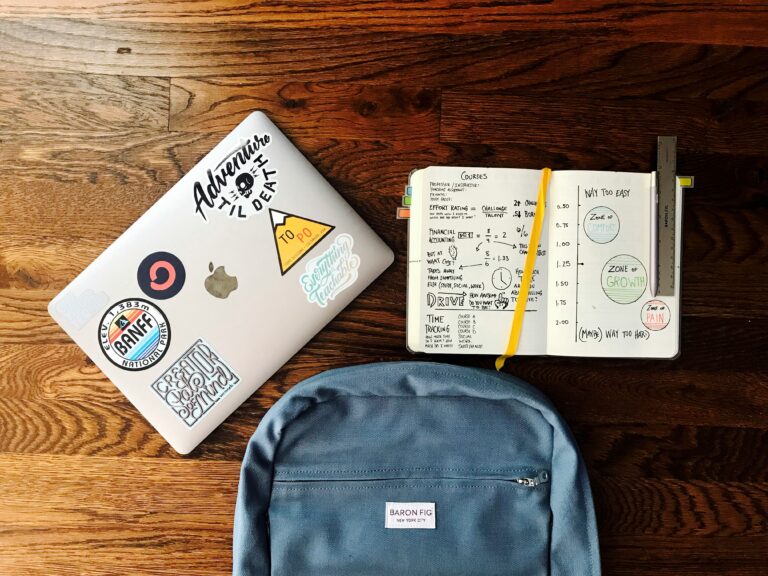
Productivity Culture Is Ruining How We Learn

0

Somehow, learning stopped being about understanding and started being about output.

We measure success by how many hours we study, how many tasks we check off, how late we stay up, and how “locked in” we look. If you’re not constantly doing something, it feels like you’re falling behind. That mindset has a name: productivity culture. And while it looks impressive on the surface, it is quietly hurting how we actually learn.

Productivity culture tells us that faster is better. More notes, more practice problems, more extracurriculars, more everything. But real learning does not work like that. Understanding takes time. Confusion is part of the process. Struggling through a concept is often where learning actually happens, even though it looks unproductive from the outside.

Think about how often studying turns into a performance. Highlighting pages you will not revisit. Rewriting notes just to feel busy. Watching lectures at 1.5x speed because slowing down feels like wasting time. It looks efficient, but days later, the information is gone. Productivity was achieved. Learning was not.

Actual learning is slower and messier. It is rereading something and still not getting it. It is sitting with a problem longer than feels comfortable. It is asking questions that make you feel behind. None of that photographs well. None of it feels impressive. But it works.

The pressure to always be productive also changes how we see rest. Breaks become something you earn, not something you need. Guilt creeps in when you step away, even if you are exhausted. Ironically, that is when learning suffers most. A tired brain does not absorb information. It just goes through the motions.

There is also a deeper issue. Productivity culture turns learning into a competition. Who is doing more? Who is ahead? Who looks the busiest? When learning becomes about keeping up, curiosity disappears. You stop asking “why” and start asking “what is on the test.” Education becomes survival instead of exploration.

Real learning asks different questions. Do I actually understand this? Can I explain it to someone else? Can I connect it to something I already know? Those questions take honesty, not hustle. And they require space, mental space that productivity culture does not leave much room for.

This does not mean effort does not matter. It does. But effort without intention is just noise. Studying less but thinking more often leads to better results than grinding for hours on autopilot. So maybe we need to redefine what “working hard” looks like. Maybe it looks like stopping when your brain is unable to think. Maybe it looks like focusing on one concept instead of five. Maybe it looks like admitting you do not understand something yet.

Learning is not meant to be optimized like a machine. It is meant to be lived through, slowly and imperfectly. And that is not a weakness. It is the point.

Why Your Brain Is Better at Patterns Than You Think

0

Every time you recognize a face in a crowd, finish a friend’s sentence, or predict the next note in a song, your brain is doing something impressive. It is finding patterns. Pattern recognition is one of the most powerful skills of the human brain, and it is the foundation of many STEM fields, including computer science, neuroscience, and artificial intelligence.

Your brain is constantly taking in information from your senses. Instead of processing every detail separately, it looks for similarities and connections. This helps you react quickly and make decisions without overthinking. For example, when you read, you do not look at each letter one by one. Your brain recognizes the shape of whole words and understands them instantly.

Scientists believe this ability developed as a survival tool. Early humans needed to recognize patterns in animal behavior, weather changes, and movement in their environment. Spotting a pattern could mean the difference between safety and danger. Over time, the brain became incredibly efficient at this task.

Today, engineers and computer scientists try to copy this skill. Machine learning models are trained to recognize patterns in data, such as identifying faces in photos or detecting diseases in medical scans. However, even the most advanced algorithms still struggle with tasks that humans find easy, like understanding sarcasm or recognizing emotions. This shows just how powerful the human brain really is.

Pattern recognition also explains why humans sometimes see patterns that are not actually there, like shapes in clouds or faces on the moon. The brain is so good at finding order that it would rather see a false pattern than miss a real one.

Understanding how our brains recognize patterns helps scientists design better technology and gives us insight into how we think and learn. The next time something feels familiar or predictable, remember that your brain is quietly running one of the most advanced pattern detection systems in the world.

“Why the Human Brain Is so Good at Detecting Patterns.” Psychology Today, 2021, www.psychologytoday.com/us/blog/singular-perspective/202105/why-the-human-brain-is-so-good-detecting-patterns?msockid=0538e8eb77306d4209e4fbf776846c71. Accessed 8 Jan. 2026.

This Year’s CBO: What to Expect on the Canadian Biology Olympiad 2026

0

Preparing for the Canadian Biology Olympiad can be quite the hassle. Without immediate access to past papers or a set curriculum, it can be hard to know what to study for if you’re preparing. I assume since you’re reading this article, you’re either preparing for the CBO or at least considering taking it, so here’s the breakdown.

  1. What is the CBO? What are the benefits of taking it?
  2. How do I study for the CBO?
  3. What will be on the CBO?
  4. What does test-day look like?

In this article, I will break it down step by step. Without further ado, here we go!

What is the CBO and what are its benefits?

The Canadian Biology Olympiad is an incredibly difficult biology exam, meant for students who wish to challenge their knowledge and biology abilities. The entire exam is about an hour and consists of multiple choice, true/false, calculations, and short answer.

Assuming you’re interested in Biology somewhat since you’re still reading this, and that you’re a high-achieving student, here are the benefits of taking this exam:

  • Above and beyond prep for other advanced exams, including the Alberta Biology 30 Diploma, AP Biology Exam (I took both)
    • Could potentially be helpful for IB as well, but I didn’t take IB so I can’t say for sure
  • MCAT material – each topic is explored quite deeply, and sometimes you approach undergraduate biology that is categorized as MCAT prep. It’s a nice look-ahead though!
  • Preparation for other biology exams, like the National Biology Competition with the University of Toronto
  • The opportunity to progress to the International Biology Olympiad, which is hosted in a different country each year! The top 3 participants in the country will be chosen to represent Canada at the IBO each year.
  • University and scholarship recognition – this contest is challenging enough that if you do well, it makes an insanely impressive line on your resume/achievement list

How do I study for the CBO?

I won’t lie. This competition is probably the most difficult exam I’ve taken, granted that I took it without specialized studying specifically for the CBO, didn’t get a tutor, and didn’t have a textbook to study. I was taking AP Biology and preparing for the Biology 30 Diploma, both of which I did well on, but the preparation was nowhere near enough for the CBO. If you want to do well, you need to have structure and scheduling.

If you’ve ever studied for a contest before, you’ll know that previous contest questions are a precious but non-comprehensive resource. Although you won’t have those questions for the CBO, you’ll have IBO papers that are available online for public access. While they might cover some of the same topics, the questions they ask are usually in a completely different format and can involve specific on-site lab data.

The way you schedule your studying will depend on your personal schedule and however much time you have to dedicate to studying. It’s critical that you have consistency over all. You will be overwhelmed if you procrastinate.

Split your time between learning from your biology textbooks, Youtube videos, AI tools, and testing similar questions from contests like the NBC (tend to be easier) and the IBO (go up in abstraction significantly). Leave certain days to review knowledge you’ve already learned so as not to forget it.

What Do I Study?

There’s no textbook for you to do this from. There’s no set curriculum, and that’s what makes studying for this competition so difficult.

It mentions that it’ll go over basic high school biology on the website, but seeing as I’ve finished basic high school biology and am still totally confused by some of the questions I saw last year, this is not enough.

Now, by no means is this a comprehensive list of study topics. But knowing the microbiology and even organic chemistry of this should be considered the “basics” for this competition.

General Biology Basics:

  • amino acids – structures, properties, locations, behaviors, zwitterion concept
  • thermodynamics and energetics of metabolism
  • membrane structure and FMM
  • cell organelles and cytoskeletal structure

Molecular Biology

  • DNA and RNA
  • RNA Processing
  • Gene regulation
  • Genetics

Ecology:

  • Population genetics
  • plant structure
  • Nervous System
  • Circulatory System
  • Ecology and population dynamics

You want to get into the nitty gritty, because these are broad topics and there’s a lot to know.

Test Day

You’ll get a link, a code, and a bunch of nerves.

Keep calm and keep going when you get overwhelmed. Remember, you’ve prepared a long time for this moment and you know your stuff. If you get stuck, skip the question and flag it so as not to lose momentum. Try not to guess, because the contest docks marks for incorrect answers.

You got this. I believe in you!

How Nostalgia is defined by Teenagers in the 2020s

Introduction

Teenagers have always had a craze for decades. For millennials, it was the 80s to 90s; for most of the younger Gen Z, it is the 2010s. A time before the chaos of the current events in the world. In January 2026, people need to wake up because it’s 2016. But has it gotten a bit out of hand? Tracking the trend of nostalgia down to its motives will help answer this question.

If you are not familiar with the term chronically online, then you may not understand how the algorithm on social media platforms works to make trends.  The same songs are constantly used gives the possibility of turning the clock back less hope. The rise of AI has only made the doomscrolling phenomenon a more relatable habit; time flows by, and so people continue to miss out on opportunities for an easy way out. Maybe you have heard about all of this, but that isn’t all there is to the problem. 


Nostalgia is defined by the Cambridge Dictionary as a feeling of pleasure and slight sadness when you think about things that happened in the past. According to Swiss medical student Johannes Hoffer, it is determined more by the strength of imagination than by whatever was missed. Most people remember things from being a younger toddler, yet the extent to which they experienced the times (if they were alive during the time) varies. So, is it fair to have the debate of being nostalgic over 2014 or 2015 if you were barely in school at the time? Sometimes listening to a single song is enough for you to compare it to the releases now. There was something that made things seem simpler, like Instagram being an app for pictures long before reels came along. 

Right when you decided to learn something new by clicking on this article, new pathways between neurons (neuroplasticity). Humans continue to develop and adapt to different mental and physical conditions in their lives, where they use their senses for details that help them recall events. Nostalgia starts here and is not always bittersweet; in fact, it can be expressed in a variety of tones. Looking back can be a really wondrous and beautiful thing. As significant as it is, though, it can also be tiring. 

Lockdown on Time

The 2020 effect is a theory that has changed how young people view the passage of time. Stuck in lockdown, there wasn’t a chance to try anything new, so all the days looked the same. Your brain cannot comprehend a day going by if it was experiencing the same actions. Some people on social media comment on how 2020 does not feel like it was 6 years ago, but rather 1 or 2. Or how they feel like their age during COVID instead of the present. Time seemed to move slower back then, possibly because they had less experiences, and more so all of them were different. The lockdown did not force the brain to forget to survive in isolation. 

When you do understand the era of the 2010s, dominated by two American presidencies, the start of global internet trends, and external conflicts, it does not seem as optimistic. Nostalgia and this realization are two truths; our lives can be full of moments that, when once looked back on, are missed. In the middle of economic disaster, disease, and political instability, caring for similar experiences is significant to wellbeing as endorphins quickly rise from connection and relatability. 

Effects of Media

Movies and TV shows are the most relevant examples of forming this sense of connection tied to a sentimental longing after recovering from COVID. Except that now Netflix has taken over the market, which has changed the usual hobby of focusing on the screen. When people go to the movies, they must ensure their phones are turned off. But as for staying to binge-watch Netflix, second-screen viewing, turning on a movie only to just scroll or play on a smaller screen is more common. Movies are normally expected to let their audiences piece together ideas, but with every decreasing attention span, sentences are repeated so they catch on. The greatest reason for nostalgia of the past is connecting with others and being fully present. Profit is now prohibiting such natural desires that it makes it difficult for young people to enjoy their own lives without turning on their phone to scroll as a source of dopamine. 

The 2010s felt refreshing for the most part because there was something new coming out. There is no denying that there were devastating things (like the 2008 economic crisis) that took a hit on people’s lives, but it’s not normal to deal with situations the same way.

Media and Nostalgia on Youth Today

Teenagers are now more depressed than ever, although they age quite slowly compared to other generations. A division on political beliefs and some of the most destructive conflicts that have taken center stage have slowed the time of the “Be Calm and [ ]” posters. Trends die down much faster, and you may notice five users in a row saying the same thing but in other words. Materialism is at an all-time high despite fluctuating economics, with purchases of Labubus being widespread, a factor in the lack of creativity. More people are pressured to do the same things since social rules and ethics have vastly changed since pre-COVID times. However, it is not saying that pessimism is also common on social media platforms and forums, but a familiar chain of reactions is extremely noticeable. It may seem it’s all or nothing for most people. Perhaps young people are not that nostalgic, but it’s their way of simply trying to survive, as they have been for the past 6 years. They are currently grappling with some of their earliest memories from their youth, being 10 years ago, through finding inspiration and hope.

To think that back then nostalgia was a disease is now a daily thought or idea can only serve for how externally changing circumstances continue to impact people, starting with the youngest minds. The question to ask now is, how can we create more positive and less repetitive or profit-driven spaces for them?

Quite a long article, but thank you for reading! Write down your thoughts below on the broader implications of these trends.

Sources: 1, 2, 3, 4

How to Actually Take Advantage of Winter Break as a High School Student

0

Winter break often feels like it disappears faster than expected. You wait weeks for it, and then suddenly it is over. Many students either spend the entire break stressing about school or doing absolutely nothing and feeling unmotivated. The truth is, winter break can be both restful and productive if you use it intentionally.

The first thing to do is allow yourself to rest without guilt. The school year is demanding, and constant pressure leads to burnout. Sleeping in, spending time with family, and taking a mental break are not wasted time. Rest helps you reset so you can return to school feeling focused instead of exhausted.

Once you feel rested, take a little time to reflect. Think about what went well during the semester and what felt challenging. This is a good opportunity to adjust habits before the next term starts. You do not need a full plan for your future, but setting one or two realistic goals can make the rest of the year feel more manageable.

Winter break is also a great time to catch up or get ahead without pressure. Reviewing difficult concepts from previous units or lightly previewing upcoming topics can boost confidence when school resumes. Even short study sessions can make a big difference.

Using part of your break to work on personal interests is just as valuable. This could mean practicing a skill, exploring a hobby, volunteering, or starting a small project you never have time for during the school year. These experiences help you grow and can be meaningful beyond academics.

It is also important to stay connected. Spend time with friends you may not see often, have conversations with family, and step away from screens when possible. These moments help recharge your energy in ways school rarely allows.

Winter break does not need to be perfectly productive to be useful. A balance of rest, reflection, and small intentional actions can help you return to school feeling refreshed, motivated, and ready for what comes next.

The effects of a Global Pandemic

0

Nowadays, people often talk about how good life was especially before the years of 2020. Some might call it nostalgia, others might say it was because we were in our childhood, but what if it was the effects of a national lock down during our most fundamental social years?

Isolation and Loneliness

Being cut off from friends, classmates, and important people who were apart of their daily lives contributed to a rising number of isolation and loneliness among adolescents and children. The absence of social interactions was something that could not be replaced digitally that could have impacted their self identity.

Increased anxiety and depression

Children and Adolescents rely on school to provide opportunities for socialization and emotional support from their classmates and teachers. When the pandemic closed schools, students lost these resources. This disruption can be linked to higher levels of anxiety, depression, irritability, anger, and sleep problems found in youth during that time compared to them during pre-lockdown times.

Life style

With the lockdown and having to stay indoors, there was a dramatic shift in daily habits. Most things could not be done in-person so youths increased their screen times dramatically, whether it was for school, entertainment, or socializing. This dramatic shift combined with reduced physical activity and an irregular sleep schedule could have been linked to many emotional difficulties.

While a lot of things have changed in the past 6 years, some of these habits and effects have stuck with a lot of people that went through the pandemic. For youth especially, it shaped the way they cope with stress, socialize, and regulate their emotions, and made young people feel more comfortable with being isolated.


How Calgarians can spend the holidays Dec. 22 – Dec. 26: Zoolights and Once Upon a Christmas

0

Attention Citizens of Calgary and Readers of Youth Are Awesome:

This is a little bit late, but stay tuned for next year!!!

While Calgary students are on their winter break, they should think twice about travelling overseas and find the magic locally! Here are some activities that are worth a shot in between resting and binging.

Zoolights Nov. 14, 2025 – Jan. 4, 2026

Personally, I love everything related to lights, making trips downtown to see the city shine. The Calgary Zoo will be hosting a Winter Wonderland show full of glittering and glowing sights with interactive activities such as axe-throwing (might be worth a try) and delicious holiday treats. But I believe that you should stay for the show of LEDs instead, who knows, maybe upgrading your lights game to your neighbours might just be what you need! Book your tickets online linked down below or in-store from 1 pm to 5 pm, although pretty much everything digital saves you money now.

Heritage Park: Once Upon a Christmas – December. 20, 2025 – December 23rd, 2025 – GO NOW!!!!!

I recently volunteered at the gift store where you were able to help kids pick gifts under appropriate budgets set by their guardians, and it was very intriguing, to say the least! While this may be the shortest event out of the two, it’s easily accessible, and there are many things to do. I’m talking about wagon rides, carolers (whom I happened to stop by right before ending my shift), and absolutely every stereotypical thing that comes to mind when you hear Christmas. Sometimes you need that familiar (yet a bit more expensive than the last few years) vibe, and I believe HP is the right place to find it. Staff would love to see new faces, so no matter where you’re coming from or still wondering why you even came, there is much to enjoy and stick with. Make sure to purchase tickets here (link down below)

Polar Express – Train Ride at Aspen Crossing: Nov. 21, 2025 – Dec. 23, 2025

This will be a fabulous ride to take. I might have to check this one out. If you have or haven’t watched the movie, train rides are still in it for the aesthetic, and this one comes with perks. You get hot chocolate in a special mug, a cookie, and a silver bell. I do think this may be more suitable for families/ groups, but in the end is what you make of it. Book tickets in the link below.

Holiday Wonder – Nov. 27, 2025 – Jan. 3, 2026

The BMO Centre will also be accompanied by Christmas lights with a house made out of actual gingerbread, a zone for snowball fights, and an enchanting twinkling snowflake forest. You can book tickets down below. I have plans to visit this one soon, so I am hoping the lighting is up to expectations.

Final message

I feel that Christmas has gotten way too expensive. So even if you might not feel in the mood, go for it if you can afford it. Gas and Christmas presents rock bank accounts, so it’s fine to do yourself a favour and drink hot chocolate at home. Make yourself some side quests to get fresh air: go to Tim Hortons and order a Candy Cane Hot Chocolate, go grocery shopping to make dinner and dessert for the holidays. Start by searching up a recipe and gathering the necessary ingredients; just do anything that can spark a light bulb in your brain. Wherever you are, the spirit of joy and community awaits us every year, so before you scramble or crash out, really just look for the simplest reasons to be happy.

As for me, I will be procrastinating, watching the films I really need to watch (classics and acclaimed masterpieces, continuing in a match against seasonal depression, and screaming at big, bolded news. Or playing Wordle. I am also reading! I also got a lot of shows I need to watch. I may also attempt poetry or painting since candle-making is off the budget.

Thank you for reading my posts this year, and I hope to post a variety of them next year and continue to improve as a writer and reader to support everyone here at Youth Are Awesome. May you never forget the things that kept you going, stay strong, indulge in movies and snacks for a bit, and ensure you wake up with a fresh mind.

Tickets for Zoolights: https://www.calgaryzoo.com/zoolights/

Tickets for OUAC: https://www.showpass.com/once-upon-a-christmas-admission-only-2/_gl=1*1cyoilo*_ga*MTEzMDQ1MjM1MC4xNzY2MzgxODE2*_ga_K3PCNBF8G7*czE3NjYzODE4MTUkbzEkZzEkdDE3NjYzODE4MjgkajQ3JGwwJGgxMjQ2Mzg4NjMy

Tickets for Polar Express: https://aspencrossing.com/railway/polar-express-train-ride/

Tickets for Holiday Wonder: https://www.showpass.com/holiday-wonder-calgary-ab/

Sources:

https://dailyhive.com/calgary/things-to-do-calgary-dec-22-26

Healthy Relationships Don’t Make You Feel Small

0

No one really teaches you what relationships are supposed to feel like. We all learn as we go through friendships, crushes, breakups, group chats. Wins, incredibly special moments and a plethora of very embarrassing moments. And somewhere in all of that, it gets easy to confuse being hurt with being close. Sometimes the people closest to us are the ones who make us feel the smallest.

Relationships that are unhealthy for us don’t always look dramatic. It’s not always, and not usually, yelling or obvious cruelty. Often, it’s quieter than that or even seemingly kindness that somehow still feels off. It’s in jokes that hit a little too hard, or make fun of something a little too personal. The way they roll their eyes, or go on their phone when you talk about something you care about. The way you hesitate before sharing good news, or even anything at all, because you’re afraid they’ll make you feel stupid or unimportant. Before you know it, you start shrinking without even noticing.

We’ll often think to tell ourselves we’re just being sensitive, or we’re reading into it too much. That they didn’t mean it like that. That everyone has flaws, and this is just something you have to put up with if you want to be close to someone. So you adjust. You talk less. You laugh things off. You become easier to handle. But healthy relationships, whether romantic or platonic, don’t require your genuine self to disappear to survive them. The people who care about you should make you feel happy to be yourself, not embarrassed for being who you are. They don’t have to agree with you all the time, but they should respect you. They shouldn’t constantly make you feel like you’re too much, too loud, too emotional, or not enough all at once.

A lot of us stay in unhealthy relationships because we’re afraid of being alone, or because we’ve invested so much time that leaving feels like a true waste. Some because we’ve been taught that love is supposed to hurt a little. That if it’s “not hard, it’s not real”. In reality, love and friendship can be challenging without being cruel. They can involve conflict without tearing you down. Someone can care about you and still mess up – but if hurting you becomes a pattern instead of an accident, that’s something different.

You don’t need a “good enough” reason to walk away. You don’t have to prove that someone is bad or toxic to justify leaving. Feeling small, or unable to exist as yourself is surely reason enough. We all deserve relationships where you’re allowed to take up space as yourself, not where you have to shrink to meet someone’s expectations or to not be ridiculed. Nobody in a healthy relationship is scared to speak. Nobody should be obligated to alter themselves to earn basic kindness from any other person, and it’s not selfish to think that.

Letting go of people who hurt you, especially when you care about them, can feel terrifying and crushing. But the most loving thing you can do for yourself is to stop accepting less than you deserve.

You shouldn’t feel smaller in the presence of someone who claims to love you!

Calgary ERs Under Pressure as Flu Season Peaks

0

Emergency rooms across Calgary are currently operating well over capacity, and doctors say this flu season is one of the most challenging they’ve seen in years.

According to an internal memo sent to acute care physicians, hospitals across the city are struggling to keep up with patient demand as respiratory illnesses surge during the winter months.

Flu Numbers Are Rising Fast

Provincial data shows that between December 14 and 20, Alberta recorded 2,762 influenza cases, with 3,523 cases in the Calgary zone alone. During that same period, 1,635 people were hospitalized, putting additional strain on emergency departments and acute care units.

Doctors say this year’s flu has been particularly severe.

“This is an exceptional year,” said Dr. Joe Vipond, an emergency room physician at Rockyview Hospital. “The H3N2 variant circulating through Canada appears to be more severe, meaning more people are getting seriously ill and needing hospital care.”

He added that overcrowding makes it harder for medical staff to provide the quality of care they strive for.

Hospitals Expanding Capacity — But Challenges Remain

Alberta Health Services (AHS) says hospital bed capacity can change daily and confirms that overcapacity spaces are being heavily used to manage the ongoing respiratory virus season. This pressure is expected to continue for several more weeks.

In response, the Alberta government made 336 surge response beds available during flu season. Of those:

  • 206 beds are now permanent

  • 130 additional beds are set up during peak periods

Dr. Peter Jamieson, Medical Director at Foothills Hospital, explained that hospital strain typically peaks around the holidays or early January before slowly easing.

When Will Things Improve?

Minister of Hospital and Surgical Health Services Matt Jones says hospitalization data often lags by about a week, meaning the full impact may not be immediately visible.

However, current forecasts suggest that:

  • Influenza cases peaked on December 21

  • RSV is expected to peak around January 11

  • The most intense pressure on hospitals may ease by mid-January

“If forecasting holds, that’s when we should be through the lion’s share of the pressure,” Jones said.

Why This Matters

ER overcrowding doesn’t just affect flu patients — it impacts everyone who needs emergency care. Longer wait times, exhausted healthcare workers, and limited bed availability make winter an especially difficult season for hospitals.

Health officials continue to encourage people to:

  • Get vaccinated if eligible

  • Stay home when sick

  • Use urgent care or primary care clinics when appropriate

As Calgary moves through the rest of flu season, healthcare workers remain on the front lines, working to keep the community safe despite unprecedented strain.

SOURCE: [1], [2]

Our Second Most Complex Organ – The Eye

These days, each sunrise seems to invent a new way to deteriorate our world. Yearlong wars continue, human trafficking worsens (1), and a quarter of people in developing countries struggle with extreme poverty. (2)

In these times of darkness, the easiest effective thing to do is to look at the bright side. 

One in a Trillion 

After the brain, eyes are considered the most complex organ in the human body, yet most of us take them for granted. In fact, you might not know how lucky it is to even have functioning eyes. 

“The human eye is so complicated. Trillions of trillions of cells have to line up perfectly for visual signal capturing and interpretation. If any of those cells get out of line, the person will be born blind.” – Dr Ming Wing, graduate of Harvard and MIT. (3)

Fun Fact

Our bodies developed eyelashes to protect our sensitive eyeballs from dust. These lashes shed every 5 months as part of their natural growth cycle. In the average person’s lifespan, one can shed over 98 feet of eyelashes! That’s around the maximum size of a blue whale. (4, 5 )

In the Eyes of Scientists

Despite its size, the eye is no small deal. It is one of the few areas that have immune privilege, meaning that the immune system doesn’t trigger immune responses such as inflammation. Inflammation can easily cause blurriness or damage vision. 

Thanks to mild resistancy, this makes the eye a cooperative subject to research and therapy. It’s also relatively easy to observe its internal structure. These factors have led to discoveries of promising vision loss treatments such as LASIK, PIR and SMILE. (8 )

Windows to the Soul

More than 30% of our brain power is dedicated to letting us see, half-explaining why around 65% of the population are visual learners. Evidently, the brain is heavily related to our eyes. (7)

As emotions are processed in the brain, it’s actually possible to see that reflection through our eyes. Attraction and excitement release dopamine, dilating your pupils. In parallel, fight or flight responses activate adrenaline, also dilating your pupils. 

Tears are used as the body’s way to regulate intense overwhelming emotions, such as sadness or happiness. Isn’t it interesting how opposite emotions have the same optical reactions? ( 6 )

TL;DR 

Eyes are complex organs that serve in our everyday lives in ways more than just vision. 

Sources: 1, 2, 3, 4 ,5, 6, 7,

What Can We Do To Make 2026 Lucky?

As the New Year approaches, many people look for ways to start the next 12 months with positive energy. While goal-setting and resolutions are common, another tradition that continues across cultures is the use of New Year’s superstitions, rituals believed to bring luck, love, health, or prosperity.

Though these practices may not be backed by science, they remain popular worldwide and are often tied to cultural identity, symbolism, and hope for a fresh start. From food traditions to symbolic actions at midnight, here are some New Year’s superstitions people around the world try as they welcome 2026.

1. Superstitions for a Fresh Start

Many traditions focus on clearing out negativity from the previous year and making space for good fortune.

Some cultures believe that opening doors and windows at midnight allows bad energy to leave and positive energy to enter. In Italy, people symbolically let go of the past by throwing old belongings out the window. In Ecuador, burning scarecrow-like figures represents leaving behind bad memories and misfortune.

Another common belief is to avoid cleaning on New Year’s Day, especially in Chinese culture, as sweeping or doing laundry is thought to remove good luck meant for the year ahead.

2. Superstitions Linked to Wealth and Prosperity

Financial success is a major theme in New Year traditions. In the Philippines, wearing polka-dot clothing is believed to bring wealth, as the circular shapes resemble coins. Similarly, keeping a full wallet and stocked cupboards on New Year’s Eve is thought to signal financial stability in the coming year.

In Greece, smashing a pomegranate at the front door is a symbol of abundance and prosperity, while in the southern United States, eating black-eyed peas and collard greens on New Year’s Day is believed to bring good luck and money.

3. Love and Relationship Superstitions

Romantic traditions are especially popular during New Year celebrations. A well-known belief across many cultures is that kissing someone at midnight will ensure love and affection throughout the year.

In parts of Latin America, wearing red underwear is believed to attract passion and romantic energy. Another superstition suggests that looking out a bedroom window on New Year’s morning and seeing a man pass by may predict engagement or marriage before the year ends.

4. Food Traditions Around the World

Food plays a central role in New Year’s celebrations. In Spain, people eat 12 grapes at midnight, with each grape representing good luck for one month of the year. In Japan, eating soba noodles symbolizes longevity and resilience due to their long shape.

Some traditions focus on foods to avoid. Chicken is believed to allow luck to “fly away,” while lobster is avoided because it moves backward, symbolizing setbacks instead of progress.

In New Orleans and parts of France, king cake is eaten to mark the end of the holiday season and welcome a new beginning, with special meaning attached to finding a hidden token inside.

5. Superstitions About Action and Behaviour

Certain actions are believed to influence how the year unfolds. Stepping into the New Year with your right foot first is thought to bring a positive start, while waking up early on New Year’s Day is believed to encourage productivity throughout the year.

In Colombia, carrying an empty suitcase on New Year’s Eve is said to bring travel opportunities. In Denmark, people break dishes on friends’ doorsteps as a symbol of good luck and strong relationships.

Other traditions include avoiding tears on January 1, not lending money on New Year’s Eve, and making loud noises at midnight to scare away evil spirits.

6. Do These Superstitions Actually Work?

There is no scientific evidence proving that New Year’s superstitions affect luck or outcomes. However, rituals can influence mindset. Participating in traditions can help people feel hopeful, motivated, and ready to embrace change.

For many, these practices are less about belief and more about intention, marking the transition into a new year with optimism.

7. Final Thoughts

New Year’s superstitions may not guarantee success, but they continue to connect people through shared traditions and cultural meaning. Whether followed seriously or just for fun, they offer a symbolic way to say goodbye to the past and welcome a new beginning.

As 2026 begins, trying a few harmless traditions might not change fate, but it can make the start of the year feel intentional and hopeful.

Source: [1]

Rapid 5: Exam Productivity

0


You sit at a desk to start studying for your upcoming exams, but all of a sudden, you hear your phone notifications. You turn your phone around and click on the Instagram message. And there you go, before you know it, you have spent 3 hours scrolling through endless reels. Many of us are victims of the “just five more minutes before I will start studying” scenario, but few of us are successful at building consistency into our study routine. One of the best ways to turn your weakness into your advantage is by redesigning your home screen with productivity apps that will truly help you achieve academic success. Here some highly suggested apps/websites which will enhance your study routine.

Notion:

Unsplash. By Nico Indii. Published on July 21, 2022. Notion

Being organized and preparing your week ahead of time is an effective habit which will help you manage stress during exams. Organization is a subjective preference in which some people consistently use planners and goal trackers while others simply jot down their tasks. Depending on your preference, organization apps like Notion help you store your due dates, to-do lists and notes neatly.

  • Notion helps you organize your goals, reminders, timelines, notes, etc.
  • Templates on Notion, such as the Habit Tracker or Cornell Notes system, will help you stay on task and focused
  • Tracking progress is a crucial habit which can boost efficiency when balancing multiple tasks at once (especially around the final exam season when you have to meet deadlines and study altogether)

Pomofocus (Web Extension):

Unsplash. By Luke Chesser. Published on June 16th, 2015. Taking Breaks

Oftentimes, when working on a laptop, you can be sidetracked by the countless tabs you have open or when you start perusing through frequently asked questions in the search engine. The Pomodoro technique helps you focus without compromising productivity because you can group your work into a repetitive pattern of work periods and short breaks.

  • There are many apps and web extensions that help you organize your study blocks into Pomodoro. A commonly used website is Pomofocus.
  • The simple user layout helps you stay on task without getting carried away by the intricate functions within the webpage
  • You can alter the time of your sessions and keep track of your breaks with the ringer
  • For students with ADHD, the simple layout boosts productivity in comparison to other Pomodoro trackers, which have several extra features

Khan Academy:

Unsplash. By Lara Far. Published on January 2nd, 2019. Person doing online learning modules

Most of us are familiar with the Khan Academy videos, which have excellent explanations for various topics; however, there are more benefits to this app/website

  • For instance, you can track your progress and move through modules which closely mimic your curriculum
  • The consistent practice questions throughout the modules help students perform active recall and enhance their application skills
  • You can use the practice tests to review in the weeks before your exams

Quizlet:

Unsplash. By Surface. Published on April 22nd, 2020. Person taking a quiz
  • Quizlet flashcards are the quickest way to study for courses such as Biology and English
  • Flashcards are one of the best ways to retain information
  • Since there is an app and a web version, you can easily perform this study method on busy days
  • Quizlet and other apps use AI to understand your learning pace and provide questions accordingly. You can choose the mode which works best for you (eg, test, learn flashcards, match)

Sleep Cycle:

Unsplash. By Zohre Nemati. Published on December 23rd, 2017. Sleep

Maintaining a good sleep schedule is crucial for academic success. While many students stay up until 3 am to study for a test, it is more important to prioritize sleep because good sleep directly impacts your efficiency during a test.

  • You can experiment with multiple sleep tracking apps to understand which app helps you the most. A commonly used app for sleep is Sleep Cycle
  • This app tracks your sleep to understand your sleep cycles and how well you slept throughout the night
  • Through this app your can create sleep goals and develop habits that support those goals. This would be a great New Year’s resolution!

1,2,3,4

ADHD in Children and Adults: What You Need to Know

Attention-deficit/hyperactivity disorder (ADHD) is a common neurodevelopmental condition that affects both children and adults. It is characterized by ongoing patterns of inattention, hyperactivity, and impulsivity that interfere with daily functioning, relationships, and responsibilities.

1. ADHD in Children

ADHD is often first identified in childhood, especially during the school years when challenges with focus, organization, or behaviour become more noticeable. Children with ADHD may struggle to pay attention in class, complete assignments, sit still, or wait their turn. These difficulties go beyond typical childhood behaviour and are more intense than expected for their age.

ADHD presents in three main ways:

  • Predominantly inattentive, involving difficulty focusing, organizing tasks, and following instructions

  • Predominantly hyperactive/impulsive, marked by restlessness and impulsive actions

  • Combined, which includes symptoms of both

A diagnosis requires symptoms to be present for at least six months, begin before age 12, and cause difficulties in more than one setting, such as home and school.

2. ADHD in Adults

Although ADHD is often thought of as a childhood condition, many individuals continue to experience symptoms into adulthood. Some adults are not diagnosed until later in life, especially if their symptoms were less disruptive during childhood.

In adults, hyperactivity may appear as inner restlessness rather than constant movement, while inattention often persists, affecting time management, organization, and work performance. Adults with ADHD may also experience low self-esteem, heightened sensitivity to criticism, and challenges in relationships.

ADHD is recognized as a disability under laws such as the Americans with Disabilities Act (ADA), meaning adults may qualify for reasonable accommodations at work or school.

3. Causes and Diagnosis

There is no single cause of ADHD, but research shows that genetics plays a major role. Differences in brain structure and activity have also been observed. Diagnosis is made through a comprehensive evaluation by a qualified health-care provider and may include interviews, questionnaires, and reports from teachers or family members. There are no blood tests or imaging scans that can diagnose ADHD.

4. Treatment and Support

Treatment typically involves a combination of behavioural strategies, therapy, and medication, depending on age and individual needs. Early support in childhood and continued care into adulthood can significantly improve quality of life.

5. Final Thoughts

ADHD is not a result of laziness or lack of effort. It is a lifelong condition that can affect people differently at various stages of life. With proper understanding, support, and accommodations, individuals with ADHD, both children and adults, can succeed academically, professionally, and socially.

Source: [1], [2], [3]

Avatar’s Fire and Ash Begins a New Chapter!

0

Avatar, the well known and loved series invented by Disney is back with a third movie! Fans of this series, like me and my family, had prebooked tickets and theatres had their seats full and snack stalls packed!

A Short Introduction:

As advertised in the trailers, As Jake and Neytiri’s family battle their grief, the family that is shattering must work up the strength to face a new Na’vi tribe called the Ash people. As each Sulley battles their own challenges, a new fiery Varang is leading the Ash people to battle! As well as a common enemy of the family coming back to fight.

Where Can You Watch Avatar 3?

Though this movie had been out for some time now, tickets in cineplex and many other cinemas in Calgary are still streaming Avatar 3! Get your tickets before this beloved threequel is out of theatres.

 [1]

 [2]