

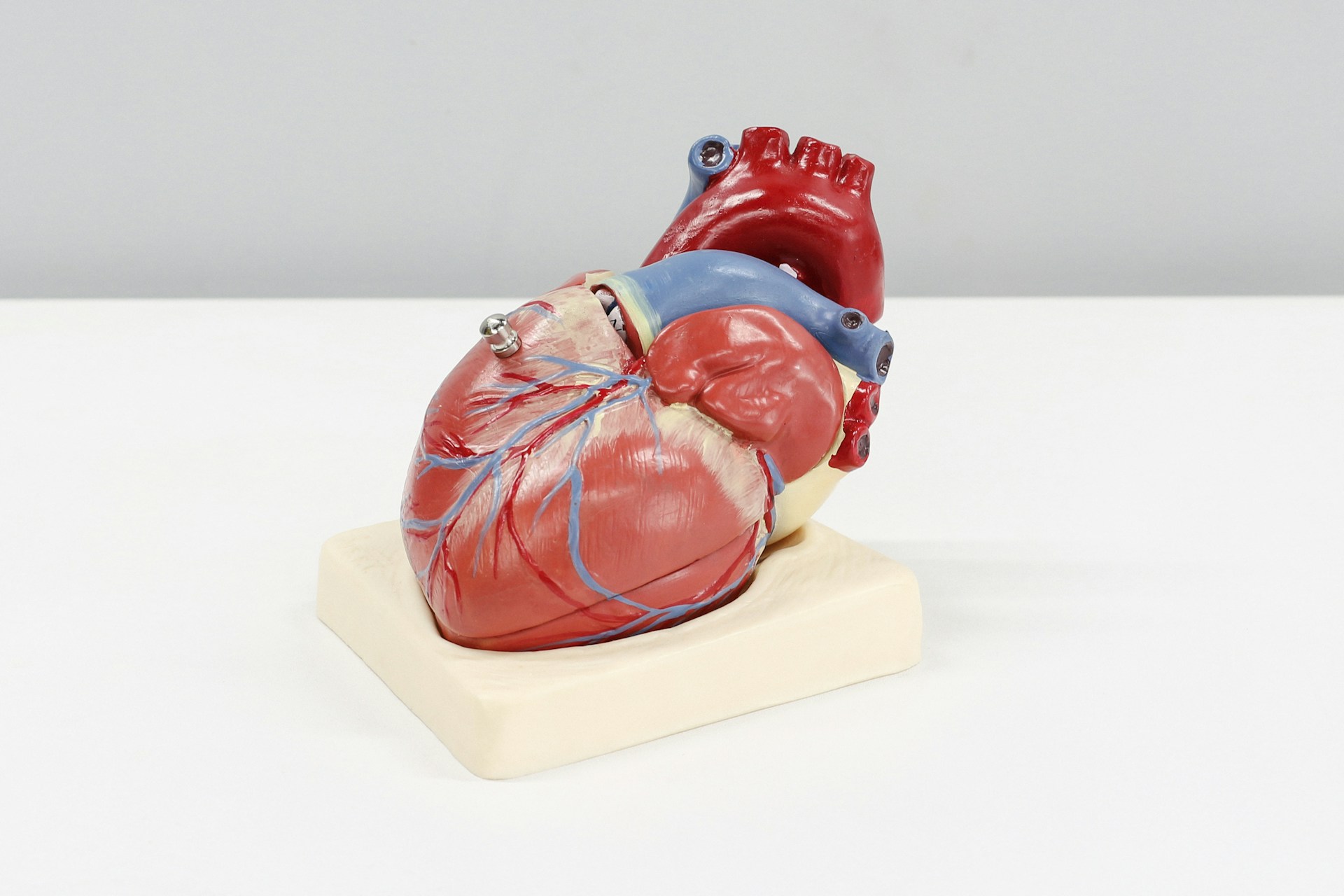
Everybody knows about the legend of Frankenstein – a stormy night, a green corpse, and a cry that pierces the darkness. For centuries, that story lived within the confines of fantasy. But today, advances in biotechnology are bringing us closer than ever to creating life’s most complex systems – not from stitched-together limbs, but from lab-grown organoids.
What Are Organoids?
Organoids are miniature, lab-grown versions of human organs, capable of mimicking the structure and function of real tissues. They are built from stem cells, cells that can recreate functional tissues, and they transform what was once a flat petri dish into a tiny, living model of human biology.
The uniqueness of organoids lies in their technical advancement over simple cell cultures. They are three-dimensional and self-organizing, unlike their 2D cell culture counterparts. These attributes allow for increased functionality, as with the right chemical signals, stem cells can fold, layer, communicate, and specialize into tissues resembling the brain, liver, kidneys, retina, and even the gut. A single organoid might be no larger than a minute grain of rice, yet it has the power to sparkle with electrical activity like a developing brain or detect light like a miniature eye.
Where Did This Begin?
The roots of organoid science and the creation of miniature body parts stretch surprisingly far back. In 1907, biologist H.V. Wilson separated the cells of a sponge and discovered the powerful ability the cells possessed: their ability to reassemble. Detached from their original structure, they still “knew”, in a sense, how to rebuild through adhesion proteins and chemical signals.
Over the course of time, this idea has evolved significantly, naturally due to increased understanding of how stem cells develop and how chemical cues guide them. Today, researchers use pluripotent stem cells, master cells capable of becoming any tissue in the human body, unrestricted by structure or function. By carefully controlling various factors such as nutrients, temperature, and growth factors, scientists are able to successfully guide these cells to form complex structures that succeed in replicating their designated organ. What once seemed like wild fantasy has now become a cornerstone of modern biomedical research!
How Organoids Are Transforming Medicine
Organoids are highly impressive, but the marvels don’t end just yet. They are equally reshaping the way in which we study diseases. Due to the fact that they can be grown from a patient’s own cells, organoids allow researchers to test treatments on a personalized model, instead of relying on generalized results. This permits doctors to directly see how your biology reacts to the treatment, giving rise to the further advancement of personalized medicine – treatment that represents the individual over the collective.
From Fiction to Compassionate Science
In the past, Mary Shelly envisioned the reanimating of the dead with lightning, but today, our story is very different. Instead of creating monsters, scientists are cultivating hope, pushing the boundaries of what is possible. Though this goal was parallel to that of Mrs. Shelly, modern science reaches it not through the fear of the dead and complex experiments, but through precision, compassion, and an understanding of the human body that continues to deepen.
Though they might be tiny, their impact is truly profound, giving hope to millions of patients and families all over the world, one tiny organ at a time.