

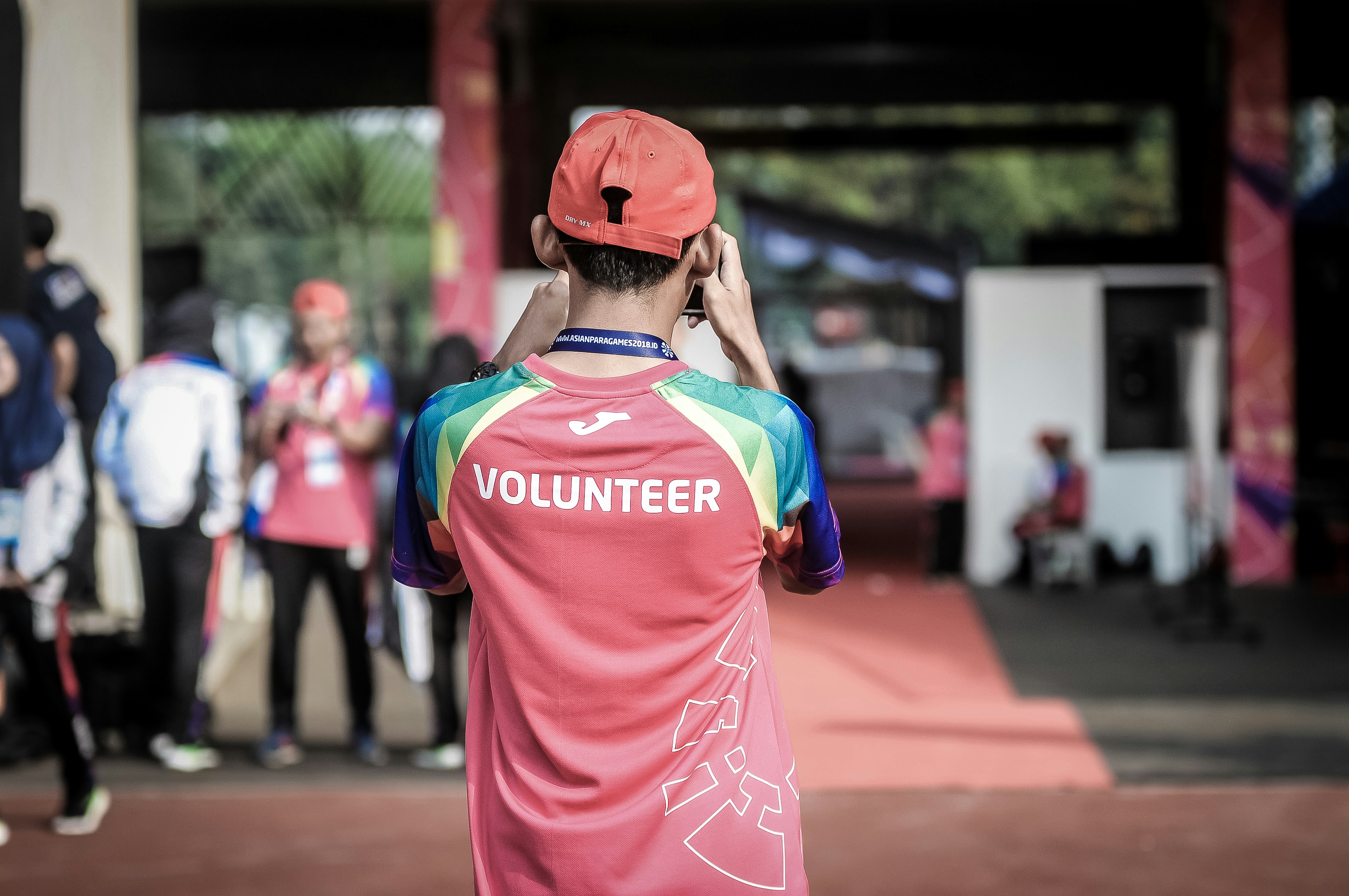
Volunteering is often viewed as a generous way to give back to the community and help those in need. While the positive impact volunteering has on society is unquestionable, many people do not realize how much volunteering can also transform the volunteer themselves. Beyond simply offering time and effort, volunteering helps individuals develop a variety of life skills that extend far beyond the actual tasks performed. These skills can improve personal growth, career prospects, and social connections in unexpected ways. This post explores the wide range of life skills that volunteering builds, often without volunteers even noticing at first.
The Power of Volunteering in Developing Communication Skills
One of the most valuable life skills that volunteering builds is communication. Volunteering often requires working with diverse groups of people, including fellow volunteers, community members, organizational leaders, and clients. Through these interactions, volunteers learn to express their ideas clearly, listen actively, and adapt their communication style to different audiences.
For example, a volunteer working in a food bank may need to communicate instructions effectively to team members while showing empathy and patience when helping clients. These experiences teach important verbal and non-verbal communication skills, such as tone of voice, body language, and active listening. Improving communication through volunteering enhances social confidence and interpersonal relationships both inside and outside the volunteer role.
Building Teamwork and Collaboration Abilities
Volunteering often involves working as part of a team to achieve a common goal. This environment helps volunteers develop collaboration and teamwork skills that are highly valued in many areas of life. Volunteers learn how to cooperate with others, share responsibilities, resolve conflicts, and support team members.
Working within a team also exposes volunteers to diverse perspectives and problem-solving approaches. Learning to appreciate different viewpoints fosters flexibility and open-mindedness. These teamwork skills developed through volunteering carry over into professional settings, family life, and community involvement.
Time Management and Responsibility
Taking on volunteer work requires commitment and responsibility, especially when balancing volunteering with school, work, or personal obligations. Volunteers learn how to manage their time effectively to fulfill their roles without neglecting other priorities.
Volunteering teaches punctuality, meeting deadlines, and planning ahead. It also encourages accountability, as volunteers must often complete tasks independently or report progress to supervisors. These lessons in time management and responsibility develop maturity and reliability, which are crucial life skills.
Problem Solving and Critical Thinking
Volunteering frequently presents unexpected challenges that require volunteers to think on their feet and develop solutions. Whether organizing a community event, assisting in disaster relief, or mentoring youth, volunteers often encounter problems that require creativity and quick decision-making.
These experiences sharpen critical thinking skills, encouraging volunteers to analyze situations, weigh options, and make informed choices. Volunteering also promotes adaptability by teaching individuals to adjust plans as circumstances change. Developing problem-solving skills through volunteering builds confidence and prepares individuals for real-world challenges.
Leadership Skills Through Volunteering
While some volunteer roles focus on specific tasks, many opportunities provide chances to take on leadership responsibilities. Volunteers may lead teams, organize activities, train new members, or advocate for causes. These leadership experiences help build skills such as delegation, motivation, conflict resolution, and strategic planning.
Volunteering offers a low-risk environment to develop and practice leadership, which can boost self-esteem and prepare individuals for future career roles. Many employers value volunteer leadership as evidence of initiative and the ability to inspire others.
Emotional Intelligence and Empathy
Volunteering often places individuals in situations where they interact with people facing difficult circumstances. Whether volunteering at shelters, hospitals, or community programs, volunteers develop a deeper understanding of others’ experiences and challenges. This exposure builds emotional intelligence and empathy, which are critical life skills for healthy relationships and effective communication.
By learning to recognize and respond to the emotions of others, volunteers enhance their ability to connect and support people from diverse backgrounds. This emotional growth fosters kindness, patience, and social awareness that benefit all areas of life.
Cultural Awareness and Inclusivity
In many volunteering settings, individuals work with people from various cultural, socioeconomic, and ethnic backgrounds. These experiences provide valuable lessons in cultural awareness and inclusivity. Volunteers gain insight into different traditions, values, and perspectives, broadening their worldview.
Developing cultural competence through volunteering encourages respect, reduces prejudice, and promotes equity. These skills are increasingly important in our globalized society and workplace. Volunteering prepares individuals to engage thoughtfully and respectfully in diverse environments.
Networking and Building Professional Relationships
Volunteering creates opportunities to meet new people and expand professional networks. Volunteers often connect with leaders in nonprofit organizations, community influencers, and other like-minded individuals. These connections can lead to mentorship, job opportunities, and collaborations.
Building networking skills through volunteering involves learning how to introduce oneself, share interests, and maintain relationships. These abilities are valuable for career advancement and personal growth.
Self-Confidence and Personal Development
Many volunteers report an increase in self-confidence as a result of their experiences. Taking on new challenges, learning skills, and seeing the positive impact of their efforts fosters a sense of accomplishment. Volunteering encourages stepping outside comfort zones and embracing growth opportunities.
Personal development through volunteering builds resilience and optimism. Volunteers often discover strengths they did not realize they possessed, which motivates continued learning and engagement.
Technical and Practical Skills
Depending on the volunteer role, individuals can acquire specific technical or practical skills that are transferable to other contexts. For example, volunteering in a community garden teaches gardening and landscaping skills, working in an office supports computer and administrative abilities, and assisting at events develops organizational and marketing skills.
These hands-on experiences enhance a volunteer’s resume and increase employability. Learning practical skills through volunteering is a valuable complement to formal education.
How Volunteering Prepares You for the Future
The life skills gained through volunteering are not limited to the present moment; they equip volunteers with tools for lifelong success. Whether pursuing further education, entering the workforce, or engaging in community leadership, the abilities developed through volunteering provide a solid foundation.
Volunteering builds adaptability, social skills, and emotional resilience, which are essential in a rapidly changing world. It encourages a proactive attitude and a commitment to service that benefit individuals and society as a whole.
Tips for Maximizing Skill Development Through Volunteering
To fully benefit from the life skills volunteering offers, it is important to approach volunteer opportunities intentionally. Here are some tips to maximize learning and growth:
-
Choose roles that challenge you and align with your interests and goals.
-
Reflect regularly on your experiences and what you are learning.
-
Seek feedback from supervisors and peers to improve your skills.
-
Take on new responsibilities to expand your abilities.
-
Build relationships with other volunteers and community members.
-
Document your volunteer activities and skills gained for future use.
Approaching volunteering with a growth mindset helps transform the experience into a powerful tool for personal and professional development.
Conclusion
Volunteering is much more than an act of kindness or community service. It is a dynamic learning experience that builds a wide range of life skills you might not expect. From communication and teamwork to leadership, empathy, and practical abilities, volunteering prepares individuals for success in many areas of life. Whether you are a student, professional, or retiree, engaging in volunteer work can open doors to new opportunities and personal growth. If you have not yet explored volunteering, consider the invaluable skills and experiences waiting to be discovered through giving your time to others.