

Whenever we need to check the weather for the next day, we can simply look it up on the internet. It is as simple as that. However, have we ever thought about how scientists and experts use technology and other methods to accurately predict the weather for over 5 days?
That is what we are going to be looking at in this blog post. You will learn the history of predicting weather, how we predict weather today, and the overall weather forecast prediction process using a wide array of technology.
Why did we need to predict the weather?
Before we had the advanced technology to predict the weather, farmers, sailors, and everyone else had to rely on observations of their environment and current weather conditions to make decisions. This is an inaccurate way of predicting the weather forecast, as the current weather and environmental conditions are constantly changing.
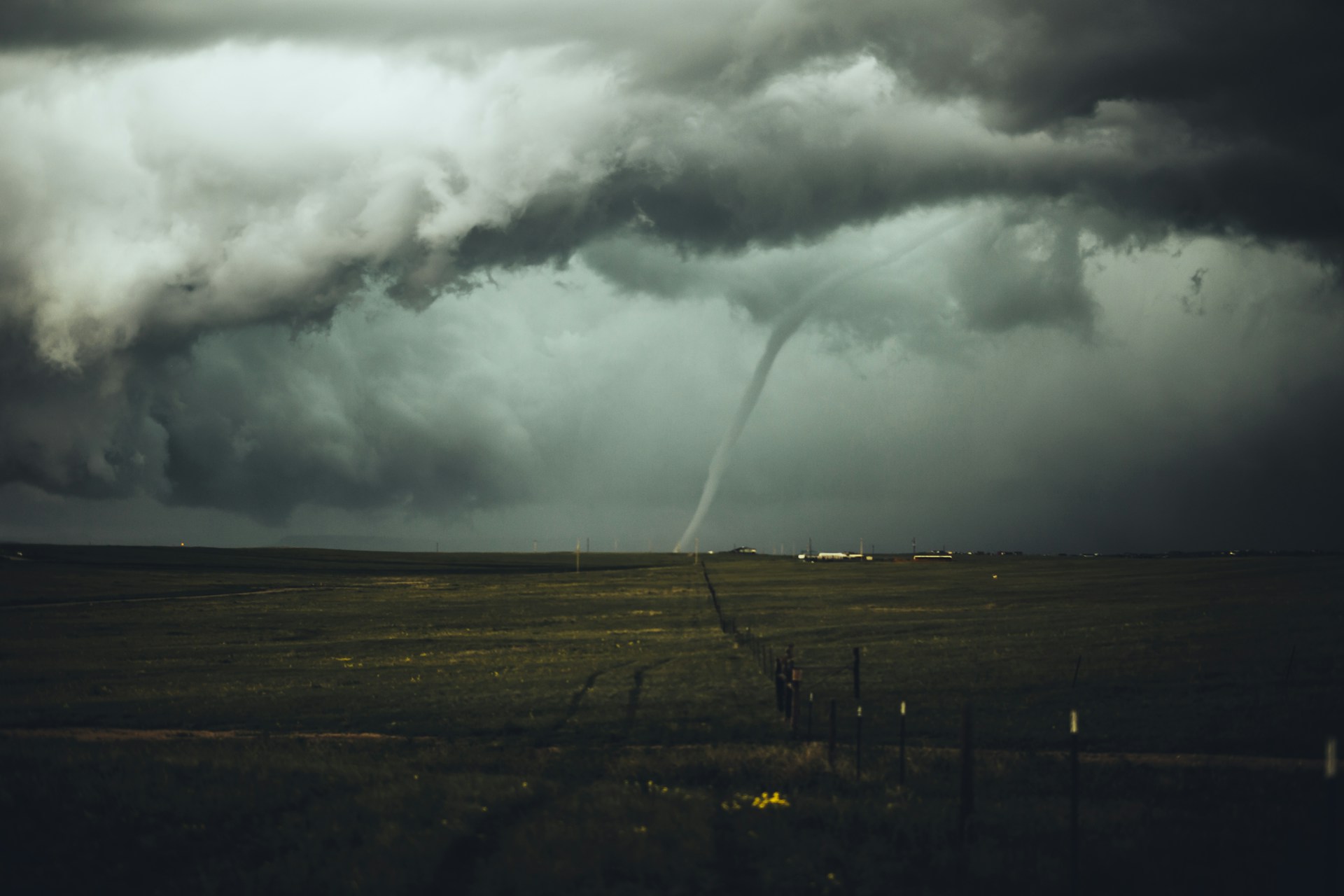
Another reason we needed to predict the weather is the lack of warnings to sailors and travellers. Before predicting the weather, we had no means of reliably and accurately predicting whether a catastrophic event like a storm or hurricane would take place. This posed a significant threat and was the reason for numerous deaths and destruction across history. Farmers also needed to know accurate weather forecasts to plan activities like planting crops, irrigation and harvesting and make changes if a storm is coming.
How can we predict the weather?
Though we could reliably predict the weather using instruments available in the 17th century, it was not until the 1960s, with the rapid growth and innovation of technology, that we could predict it to high levels of accuracy. In the modern-day world, we are able to accurately predict the weather using a combination of advanced technologies placed at various locations in and outside Earth. The weather prediction process is very complex and involves the use of many technologies and scientists.
This process begins with the first stage of collecting data. Many ground-based weather stations across the world measure the surface conditions like temperatures, atmospheric pressure, humidity, wind speed, etc. Two weather balloons are launched from different locations on Earth every day to observe and measure the conditions in the upper atmosphere. Then various radars, satellites orbiting Earth and sensors are used to accurately determine the cloud cover, location, and intensity of precipitation, atmospheric moisture at various regions across Earth and much more. All of this collected data from various regions across the world is input into powerful supercomputers and artificial intelligence to run complex math models that simulate the atmospheric behaviour. These models and simulations are then analyzed by experts, along with their knowledge, to accurately form a weather forecast.
TL;DR
Humans needed a way of accurately predicting the weather to warn everyone about the possibility of natural disasters. The rapid development of modern technology paved the way for accurate weather predictions and standardized weather prediction processes to evolve. Numerous weather stations, radars, satellites and other technologies are used to collect lots of data about weather conditions. These data are then fed into supercomputers to simulate atmospheric behaviour models, which are then used by skilled experts to make accurate conclusions about the weather forecasts.