
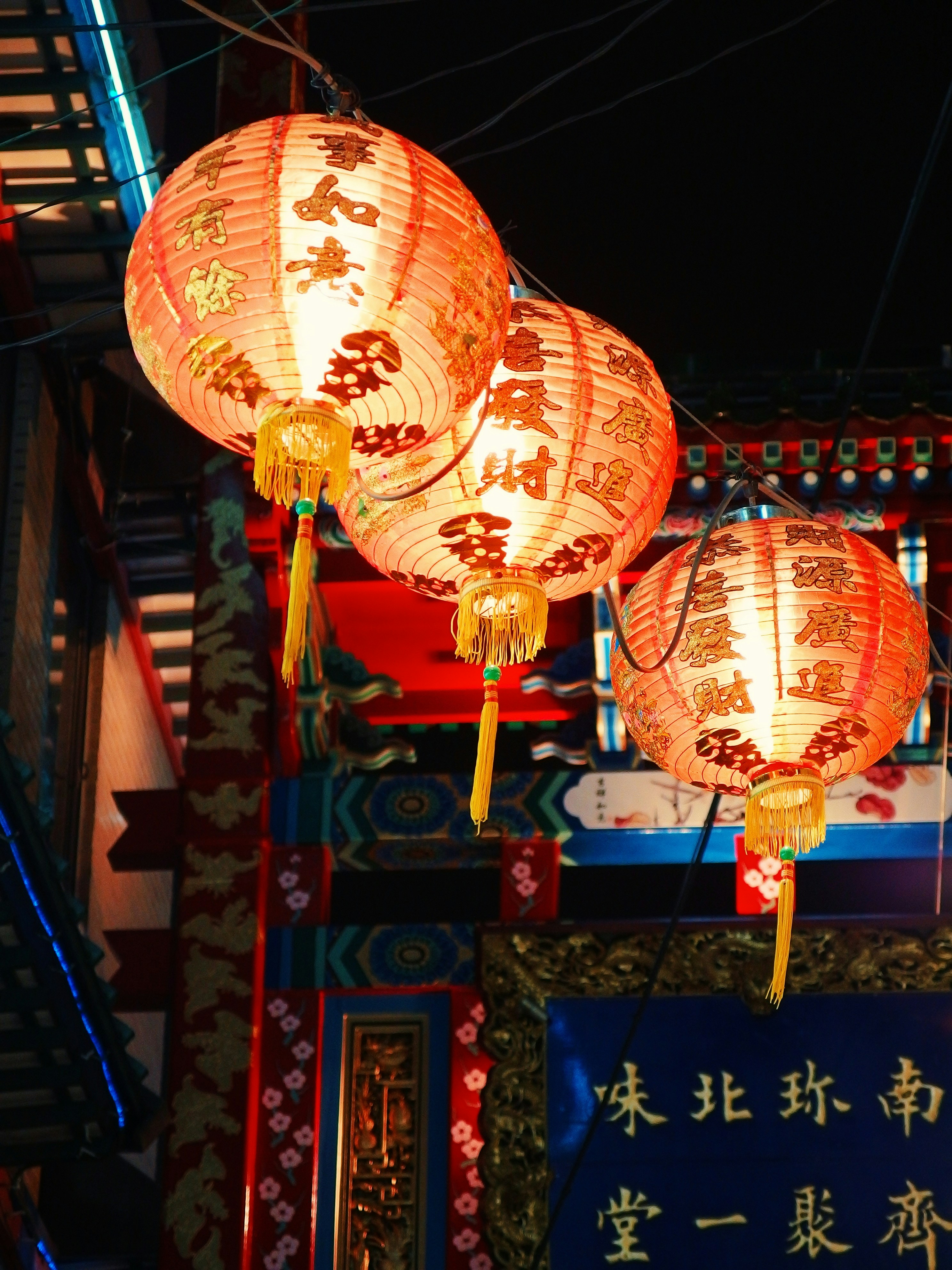

When you think of Chinese culture, your mind probably goes to Chinese takeout, Mulan, or the stereotypical strict parents who demand perfect grades. However, China is a country that has over 3500 years of history, with details often undermined by popular western media.
The goal of this article is not to debunk stereotypes but to further explore other aspects of Chinese culture.
Baby Names
When parents conceive children, one of their top priorities is to ensure that the child has a bright future. One way they follow through with this is to consult a fortune teller to select an appropriate name to maximize potential.
Based on the hour of birth and year, the fortune teller will determine in what area the child is lacking out of 5 categories; metal, wood, earth, fire, and water. After doing so, they’ll choose a Chinese character that has one of these components to make up for it. So for example, if a baby was born in a dry season, their name may contain the water radical 氵to make up for it.
However, a lot of Chinese citizens view these fortune tellers as scammers and hogwash.
Fun fact
In 1950 when Chairman Mao found the People’s Republic of China, the patriotic sentiment was so strong that many babies in that era had names such as “卫国” (Guard the country), “建国” (Build the country), or even “国强” (The country is powerful.)
Warm Water
People from the west will often give you a weird look if they discover your water bottle contains lukewarm water. However, in most Asian countries, it’s well-known that lukewarm and hot water has a lot more benefits than cold water. In fact, restaurants in China will serve hot water year-round, even in summer!
Due to the fact that the body’s resting temperature is 37 degrees Celcius, (98 degrees Fahrenheit,) anything colder will be unfamiliar and “shock” the immune system. This will therefore put a larger strain on the kidneys, because most of the cold water is peed out rather than absorbed.
Water that is the same, (or preferably warmer) as body temperature will be absorbed more quickly, resulting in better digestion and circulation. So if you’re constipated, try having a glass of hot water!
The Third Eye
The Taoist philosophy, commonly recognized for its concept for Yin Yang, has been popular in China for 2500 years. In Taoism, there is a claim that everyone is born with a sixth sense, or a “third eye.” This sense is coined intuition, the art of knowing without any evidence. For example, someone with good intuition could score high marks on a multiple-choice exam without knowing the material itself, but get correct answers just based on guesswork.
Methods to develop the third eye further involve meditation, yoga, and visualization. It’s easier for children to unlock their third eye, which is why there are special intuition classes targeted to children that could cost upwards to $1000.
Conclusion
China is a big country with vastly different customs and traditions depending on region. The ones listed here probably only cover 0.01% of what really happens in China. All in all, this is your sign to ask your Chinese friends what other cool things go on in their country!
Sources