

The Past Isn’t as Distant as We Think
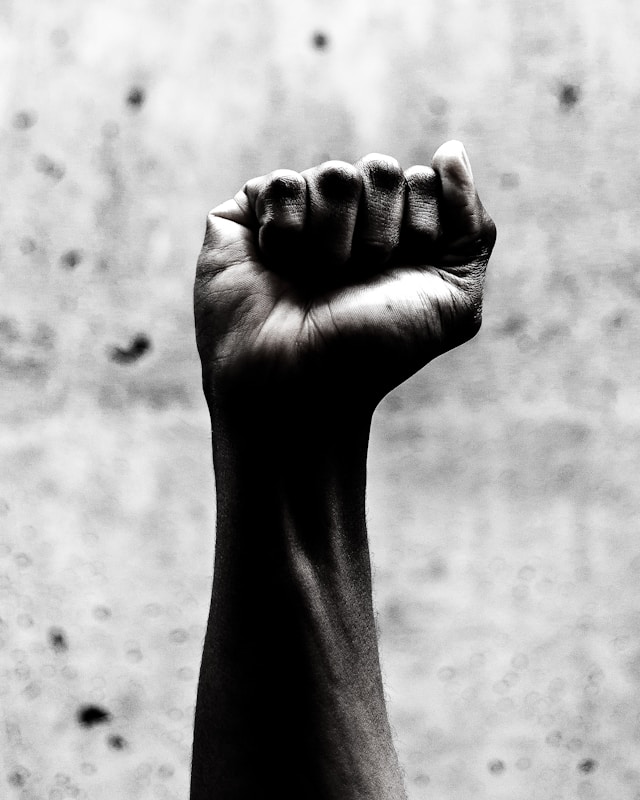
Every February, Black History Month invites us to reflect on the past. We see black-and-white photographs of marches, segregated buses, and powerful speeches echoing through crowded streets. These images are importnt. They document courage, resistance, and change, but they also quietly shape how we think about racism.
Because the photos are in black and white, we subconsciously associate this specific kind of injustice as a long time ago. It can begin to feel like racism belongs to another era, something that our great-great-grandparents experienced, not a lived experience of inidivudlas today.
This Black History Month, I challenge you to learn something new. Black history is not distant. It is recent, and it is ongoing.
The Power of the Images We’re Showin
When we learn about the Civil Rights Movement, we often focus on leaders like Martin Luther King Jr. and Rosa Parks. We see powerful black and white images of sit-ins, bus boycotts and speeches. What we dont always pause to consider is how recent this history trule is. The 1960s were not centuries ago. Many of our grandparents today were teenagers during segregation. Some parents even grew up during a time when schools were still struggling to desegregate fully. The injustice captured in those black-and-white photos did not just dissapear as soon as some of our cameras turned to colour.
The Present Is Part of the Story
In 2020, after the killing of George Floyd, millions of people marched around the world demanding justice. These protests were not historical reenactments, but they were current events. They unfolded in full colour, flooded across our social media feeds, on the same phone we use every day.
Black communities today continue to face disparities in healthcare, housing, education, and the justice system. Students still report experiences of discrimination. Conversations about race remain present in classrooms, workplaces, and churches.
Black history did not end with the Civil Rights Movement. It did not freeze in time with a photograph. Instead, it got less easy to spot, and it got easier to slip into the cracks.
Why This Perspective Matters
When we try to convince ourselves that racism is “over” simply because the images that circulate every February are in black and white, we risk becoming complacent. If injustice feels distant, responsibility, accountability, and actions that we can take, feel distant too.
Learning something new this Black History Month means challenging the idea that equality is complete. It means recognizing that progress has been made, but that work remains. It means understanding that history is not just a record of what happened, but it is a foundation that shapes what is happening now.
Black History Month is not only about honouring the courage of the past. It is about developing awareness in the present.
The photos may be black and white.
But the reality has always been in colour.